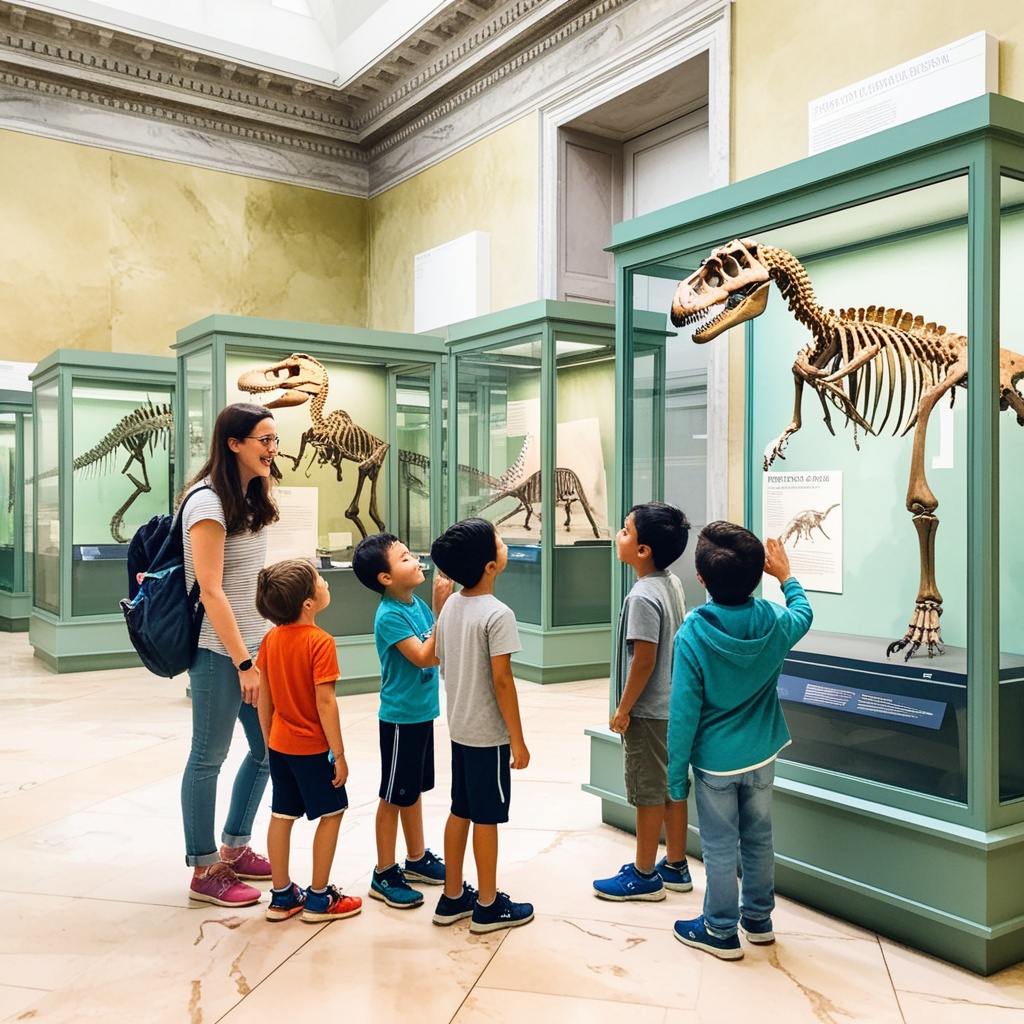
Free K-3 Hands-On Lesson Plan
Math Adventures: Everyday Numbers — printable PDF with 10 hands-on activities your kids will love.
Homeschool field trip ideas by subject can transform abstract lessons into unforgettable, hands-on learning experiences. Whether your children are studying the water cycle, the American Revolution, or the periodic table, stepping outside the classroom brings curriculum to life in ways worksheets simply cannot. Field trips also give homeschool families a natural way to build in socialization, physical activity, and real-world problem solving.
This guide organizes homeschool field trip ideas by subject so you can quickly find inspiration that matches whatever unit study, curriculum, or season you are currently working through. We cover science, history, math, language arts, art, physical education, geography, and life skills, along with practical planning tips to make every outing educational and stress-free.
As homeschooling continues to grow across the United States, with the National Home Education Research Institute estimating over 3.1 million K-12 students being homeschooled, families are increasingly looking for creative, subject-specific ways to enrich their curriculum outside the home. Field trips remain one of the most effective and beloved tools for doing exactly that.
Key Takeaways
- Homeschool field trip ideas can be matched to nearly every core subject, from science and math to art and life skills.
- Local museums, nature centers, courthouses, and businesses often offer free or discounted homeschool days.
- Pairing a field trip with pre-trip and post-trip activities deepens retention and turns an outing into a full lesson.
- Many field trips can double as multi-subject experiences, saving time in a busy homeschool schedule.
- Planning ahead with a checklist and clear learning objectives makes trips smoother and more purposeful.
Why Homeschool Field Trips Matter for Every Subject
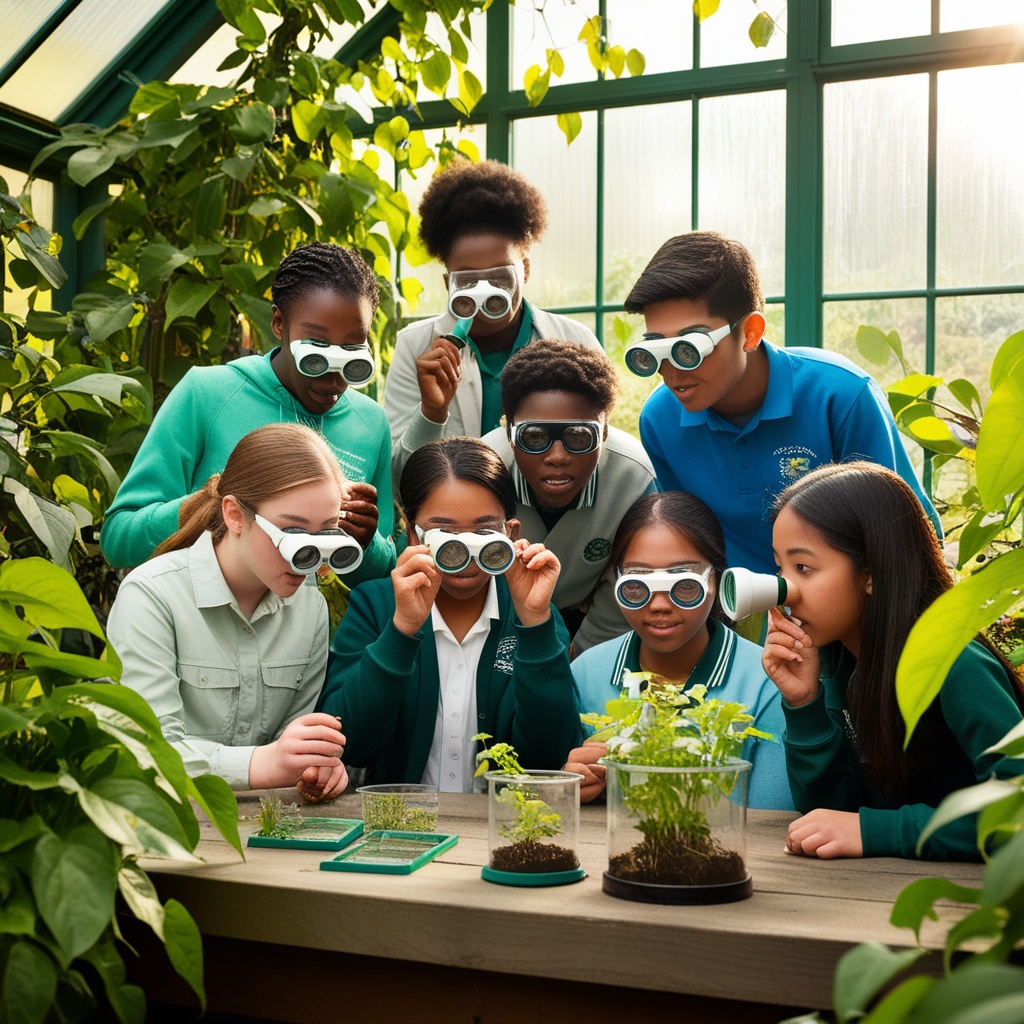
Field trips are more than a fun break from the books. They give children a multi-sensory way to engage with concepts they have only read about.
Research shared by Scholastic notes that hands-on, experiential learning improves both comprehension and long-term memory retention compared to passive instruction alone. For homeschool families, this makes field trips a powerful complement to any curriculum method, whether you follow classical education, unit studies, or an eclectic approach.
The Benefits of Subject-Specific Field Trips
Organizing homeschool field trip ideas by subject helps you intentionally connect outings to what your child is already studying.
- Reinforces classroom concepts with real-world application
- Builds curiosity and intrinsic motivation to learn more
- Provides natural opportunities for socialization with other homeschoolers
- Creates memorable experiences that support long-term retention
- Allows flexibility to go deeper into topics your child loves
[Image placeholder]
How to Choose the Right Field Trip for Your Curriculum
Before booking a trip, look at your current lesson plans and ask what topic could use a real-world anchor. If you use structured lesson plans, our homeschool lesson plan shop includes unit studies that already suggest complementary field trip ideas by subject.
Next, consider your child’s age, learning style, and any special interests. A kinesthetic learner may benefit more from a working farm visit than a lecture-style museum tour.
Science Field Trip Ideas
Science is one of the easiest subjects to enrich through field trips because so much of it involves direct observation. From biology to physics, there is a real-world location to match nearly every unit.
Life Science and Biology
- Nature centers and botanical gardens for plant classification studies
- Zoos and aquariums for animal biology and ecosystems
- Wildlife rehabilitation centers to learn about conservation
- Local farms to study animal husbandry and agriculture
Earth and Space Science
- Planetariums and observatories for astronomy units
- Geology museums or rock quarries for earth science
- State parks with marked geological trails
- Local weather stations or National Weather Service offices
Physical Science and Chemistry
- Science centers with interactive physics exhibits
- Water treatment plants to study chemistry in action
- Energy plants or solar farms for renewable energy units
- University open houses or STEM outreach events
Many science centers, including those affiliated with the Smithsonian, offer discounted or free admission days specifically for homeschool groups, so it is worth checking their event calendars regularly.
History and Social Studies Field Trip Ideas
History field trips help children understand that the past is not just something in a textbook but a series of real events tied to real places. This is one of the most requested categories when families search for homeschool field trip ideas by subject.
American History
- Historical societies and local heritage museums
- Battlefields, forts, and national monuments
- Historic homes and living history farms
- Presidential libraries for government and civics units
Government and Civics
- Courthouses and city council meetings
- State capitol buildings and legislative sessions
- Voting locations during local elections
- Police and fire stations to study community government
World History and Culture
- Art museums with ancient civilization exhibits
- Cultural festivals and heritage celebrations
- Religious buildings, such as temples, churches, or mosques, with permission
- International trade shows or embassy open houses
The Home School Legal Defense Association (HSLDA) offers helpful guidance on how field trips can count toward attendance and instructional hours in states that require documentation, which is especially useful for history-based outings that run a full day.
[Image placeholder]
Math Field Trip Ideas
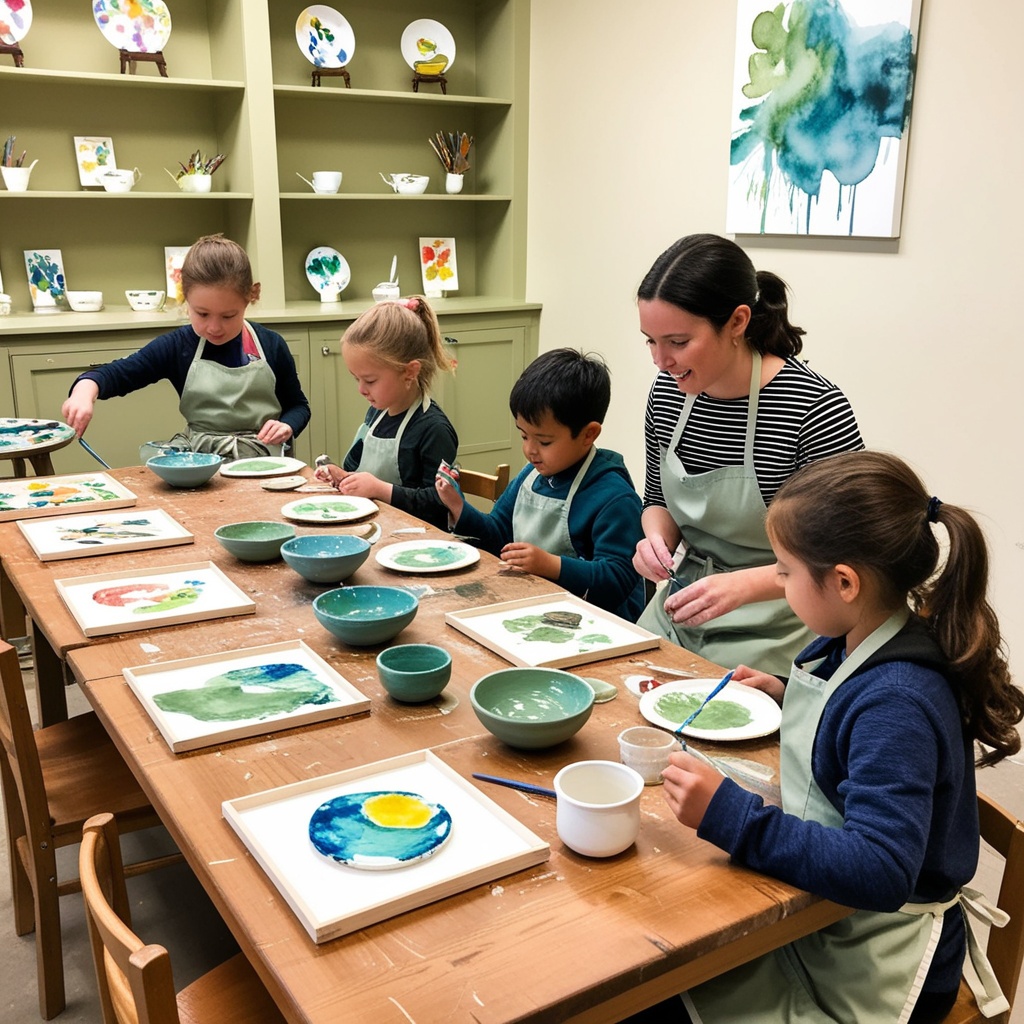
Math often feels the most abstract to children, which makes real-world field trips especially valuable for this subject.
Practical Math Applications
- Grocery stores for budgeting, unit pricing, and percentages
- Banks or credit unions for interest rates and financial literacy
- Construction sites to observe measurement and geometry
- Farmers markets for basic transactions and mental math
Advanced Math and Engineering
- Architecture firms or building tours for geometry and design
- Amusement parks for physics-based math, such as speed and force
- Manufacturing plants to see ratios and production math in action
- Math and engineering museum exhibits
Making Math Trips Stick
Bring a small notebook so children can record real numbers they encounter, such as prices, measurements, or distances. Afterward, turn those numbers into word problems for extra practice.
Language Arts and Literature Field Trip Ideas
Language arts field trips help children see writing, storytelling, and communication as living skills rather than isolated worksheets.
Reading and Literature
- Public libraries for author talks and reading programs
- Bookstores for browsing and book club discussions
- Literary landmarks connected to favorite authors
- Poetry readings or spoken word events
Writing and Communication
- Local newspaper offices to learn about journalism
- Radio or television stations for media literacy units
- Print shops to see the publishing process firsthand
- Theater productions based on novels or plays being studied
According to Scholastic’s research on reading engagement, children who connect stories to real experiences, such as visiting a setting from a book, show increased enthusiasm for reading overall (Scholastic). Pairing a field trip with your current read-aloud is a simple way to boost engagement.
Art and Music Field Trip Ideas
Art and music field trips nurture creativity while also reinforcing history, culture, and even math through pattern recognition.
Visual Arts
- Art museums and rotating gallery exhibits
- Local artist studios and open houses
- Pottery studios for hands-on ceramics lessons
- Public murals and sculpture parks for art appreciation
Music and Performing Arts
- Symphony orchestra rehearsals or youth concerts
- Musical instrument museums or shops
- Community theater performances and backstage tours
- Dance studios offering introductory homeschool classes
[Image placeholder]
Physical Education and Health Field Trip Ideas
Physical education field trips are an easy way to meet activity requirements while introducing new sports and healthy habits.
Active Field Trip Options
- Rock climbing gyms for strength and coordination
- Community recreation centers offering homeschool PE days
- Hiking trails at local or state parks
- Swimming lessons at a community pool
Health and Wellness
- Hospitals or urgent care centers for career and body systems units
- Nutrition classes at community centers or grocery stores
- Farm-to-table tours focused on healthy eating
- First aid and CPR classes appropriate for older students
Geography and World Cultures Field Trip Ideas
Geography comes alive when children can physically explore landforms, maps, and cultural exhibits rather than only viewing them in a textbook.
Physical Geography
- Rivers, lakes, or coastlines to study landforms and erosion
- Caves and cavern tours for geological formations
- Mountain trails to observe elevation and climate zones
- Botanical gardens with regional plant zone displays
Cultural Geography
- International grocery stores or restaurants
- Cultural heritage museums and festivals
- Global trade ports or airports for transportation and trade units
- Language immersion meetups in your community
For families building a full geography curriculum around field experiences, our lesson plans category includes ready-made units that pair well with local outings.
Life Skills and Career Exploration Field Trips
Life skills field trips prepare children for adulthood while reinforcing academic subjects like math, science, and communication.
Practical Life Skills
- Post offices for mailing, shipping, and civics connections
- Auto repair shops for basic vehicle maintenance knowledge
- Hardware stores for home repair and measurement practice
- Local farms or gardens for food production understanding
Career Exploration
- Job shadowing days with a parent’s permission and employer approval
- Trade schools or community college open houses
- Small business tours in fields your child is curious about
- Volunteer opportunities that double as real-world learning
These experiences are especially valuable for high schoolers who are beginning to think about future careers, and they fit well into broader planning found in our grade level guides.
Planning Tips for Any Field Trip
- Call ahead to confirm homeschool group rates or educational tours
- Prepare a short list of learning objectives before you go
- Bring a notebook, camera, or journal for documentation
- Follow up with a related project, essay, or discussion within a few days
If you need help building a full year of subject-based outings into your schedule, our scheduling and planning resources can help you map field trips around your existing curriculum calendar.
Frequently Asked Questions
How often should homeschoolers take field trips?
There is no single rule, but many families aim for one to two field trips per month tied to current subjects. Some prefer a dedicated field trip day each week, while others plan larger trips seasonally around unit studies.
Do field trips count as instructional hours for homeschooling?
In many states, yes, field trips can count toward required instructional hours if they are educational in nature. It is best to check your specific state requirements or consult resources from HSLDA to confirm documentation rules.
What are the best free homeschool field trip ideas?
Public libraries, nature trails, farmers markets, and local government buildings often offer free educational visits. Many museums also have free or reduced-price homeschool days throughout the year.
How do I turn a field trip into a full lesson?
Pair the outing with a short pre-trip discussion of learning goals and a post-trip activity such as a journal entry, worksheet, or presentation. This before-and-after structure helps reinforce what was learned during the visit.
Can field trips replace textbook learning entirely?
Field trips work best as a supplement rather than a full replacement for structured curriculum. They deepen understanding of concepts already introduced through reading, lessons, or lesson plans.
What subjects benefit most from field trips?
Science, history, and geography tend to translate especially well to hands-on field trips because they involve tangible locations and artifacts. However, math, language arts, art, and life skills can all be enriched through the right outing as well.
How do I find homeschool-friendly field trip locations near me?
Search for local homeschool co-op Facebook groups, check museum websites for homeschool day announcements, and ask local libraries about community partnerships. Many organizations specifically advertise homeschool group rates.
📚 Recommended Homeschool Resources
As an Amazon Associate, I earn from qualifying purchases. Some links in this article are affiliate links, meaning I may earn a small commission at no extra cost to you.
Conclusion
Homeschool field trip ideas by subject give you a practical framework for turning everyday curriculum into memorable, real-world learning experiences. From science centers and historic battlefields to grocery stores and community theaters, nearly every subject has a matching outing waiting to be explored.
The key is intentional planning: choose a location tied to your current lesson, set clear learning goals, and follow up with a related activity to lock in the learning. Over time, these outings become some of the richest memories in your homeschool journey.
If you would like more support building a full curriculum around hands-on learning, explore our lesson plan shop, learn more about our approach on the about page, or reach out to our team with your specific questions.
Related Resources

Loved this post? Grab the free resource above.
Math Adventures: Everyday Numbers — printable PDF with 10 hands-on activities your kids will love.