Free K-3 Hands-On Lesson Plan
Math Adventures: Everyday Numbers — printable PDF with 10 hands-on activities your kids will love.
Homeschool PE ideas and activities are essential for building a well-rounded homeschool curriculum that keeps kids moving, healthy, and engaged. Physical education often gets pushed to the bottom of the priority list when families are focused on math, reading, and science, but movement is just as critical to a child’s development as academics. The good news is that homeschool PE does not require a gymnasium, a sports team, or a background in athletics to be effective.
This guide covers everything you need to build a fun, flexible, and effective homeschool physical education program at home. You will find age-appropriate activities, indoor and outdoor options, ways to track progress, and tips for staying consistent even on busy weeks. Whether you have a big backyard or a small apartment, there is a homeschool PE idea here that will work for your family.
As homeschooling parents ourselves, we know that physical education can feel like an afterthought. But with a little planning, PE can become one of the most enjoyable parts of your homeschool day. Let’s dive into practical, real-world strategies you can start using this week.
Key Takeaways
- Children need at least 60 minutes of physical activity daily, according to the CDC, and homeschool PE can help meet this goal.
- Homeschool PE does not require expensive equipment; household items and outdoor spaces work well.
- Mixing structured activities with free play keeps kids engaged and builds different physical skills.
- Tracking progress with simple logs or fitness challenges adds accountability and motivation.
- PE can be integrated with other subjects like health, science, and even math for efficient scheduling.
Why Homeschool PE Matters
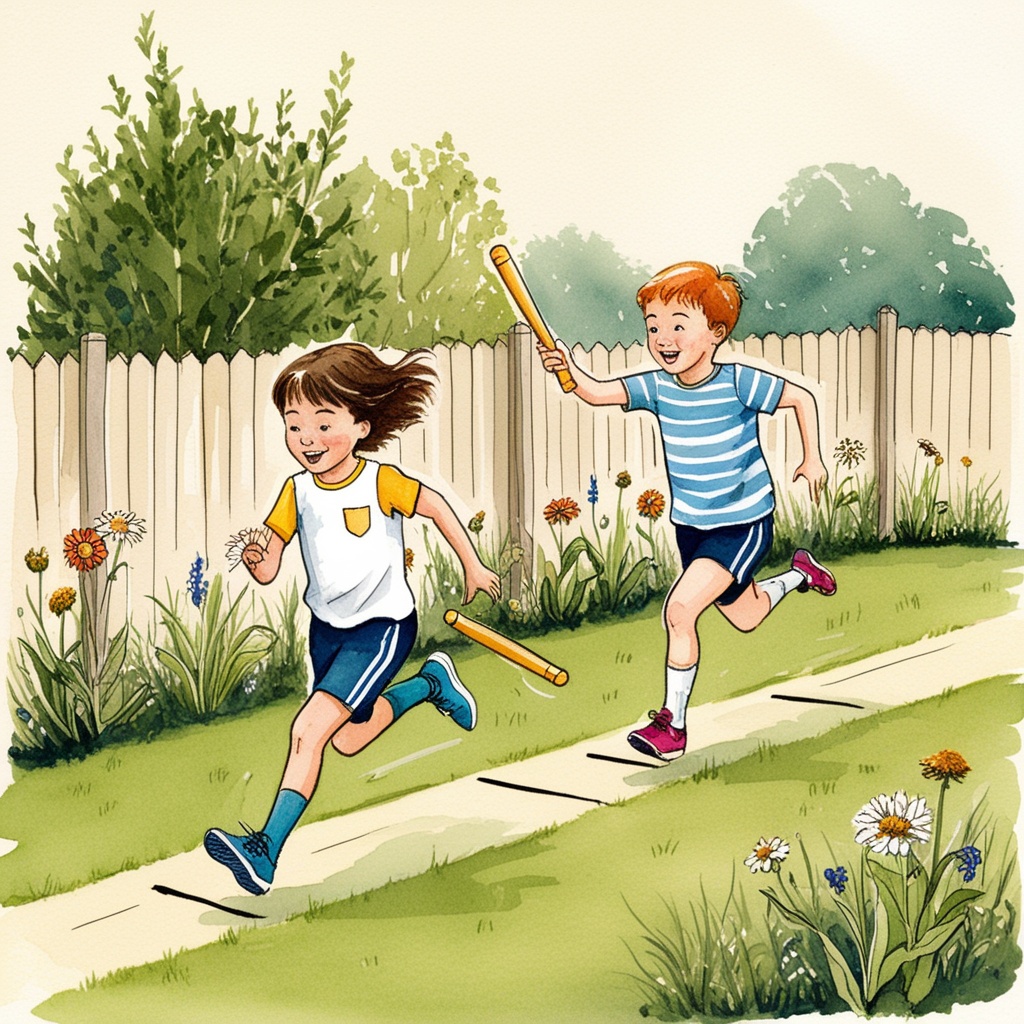
Physical education is not just an extracurricular activity tacked onto the school day. It plays a direct role in cognitive function, emotional regulation, and long-term health habits.
According to the Centers for Disease Control and Prevention, children and adolescents need at least 60 minutes of moderate to vigorous physical activity every day. Homeschool families have a unique opportunity to meet and exceed this guideline because they control the schedule.
The Academic Connection
Research consistently shows that physical activity improves concentration, memory, and classroom behavior. Movement breaks between lessons can actually make academic subjects easier to absorb.
This is one reason many homeschool curriculum methods intentionally weave movement into the school day rather than isolating it to a single block of time. If you are still refining your overall approach, our curriculum methods resources can help you find a style that naturally incorporates activity.
Social and Emotional Benefits
Homeschool PE also supports emotional health. Physical activity reduces stress hormones and boosts endorphins, which can be especially helpful for children adjusting to a homeschool environment.
Team games and partner activities additionally build cooperation, patience, and communication skills that translate well beyond the playing field.
Setting Up a Homeschool PE Curriculum
You do not need a formal, purchased curriculum to run an effective homeschool PE program, though some families prefer the structure one provides. What matters most is consistency and variety.
Decide on Frequency and Duration
Most states do not mandate a specific number of PE hours for homeschoolers, but a reasonable target is 30 to 60 minutes of activity, four to five days per week. You can review your state’s specific requirements through the Home School Legal Defense Association, which maintains updated guidance by state.
Choose a Flexible Structure
A simple weekly structure might look like this:
- Two days of cardio-focused activities such as biking, running, or jump rope
- One day of strength and coordination games
- One day of flexibility and balance work like yoga or stretching circuits
- One day of free play or a family sport
If you need help mapping this out on paper, our lesson plan shop offers printable planning templates that make scheduling PE alongside other subjects much easier.
Blend Structured and Unstructured Time
Structured PE activities teach specific skills, while unstructured free play encourages creativity and self-directed movement. Both are valuable, so aim to include a mix throughout your week.

Indoor Homeschool PE Activities
Bad weather, tight schedules, or small living spaces do not have to stop your homeschool PE plans. These indoor activities require minimal space and equipment.
Fitness Circuits
Set up four to six stations around a room, each with a different exercise such as jumping jacks, wall sits, high knees, or push-ups. Kids rotate through the stations for 30 to 60 seconds each with short rest periods.
Dance Breaks
Put on a favorite playlist and let kids dance freely for 10 to 15 minutes. Dance improves cardiovascular health, coordination, and rhythm while feeling more like play than exercise.
Yoga and Stretching
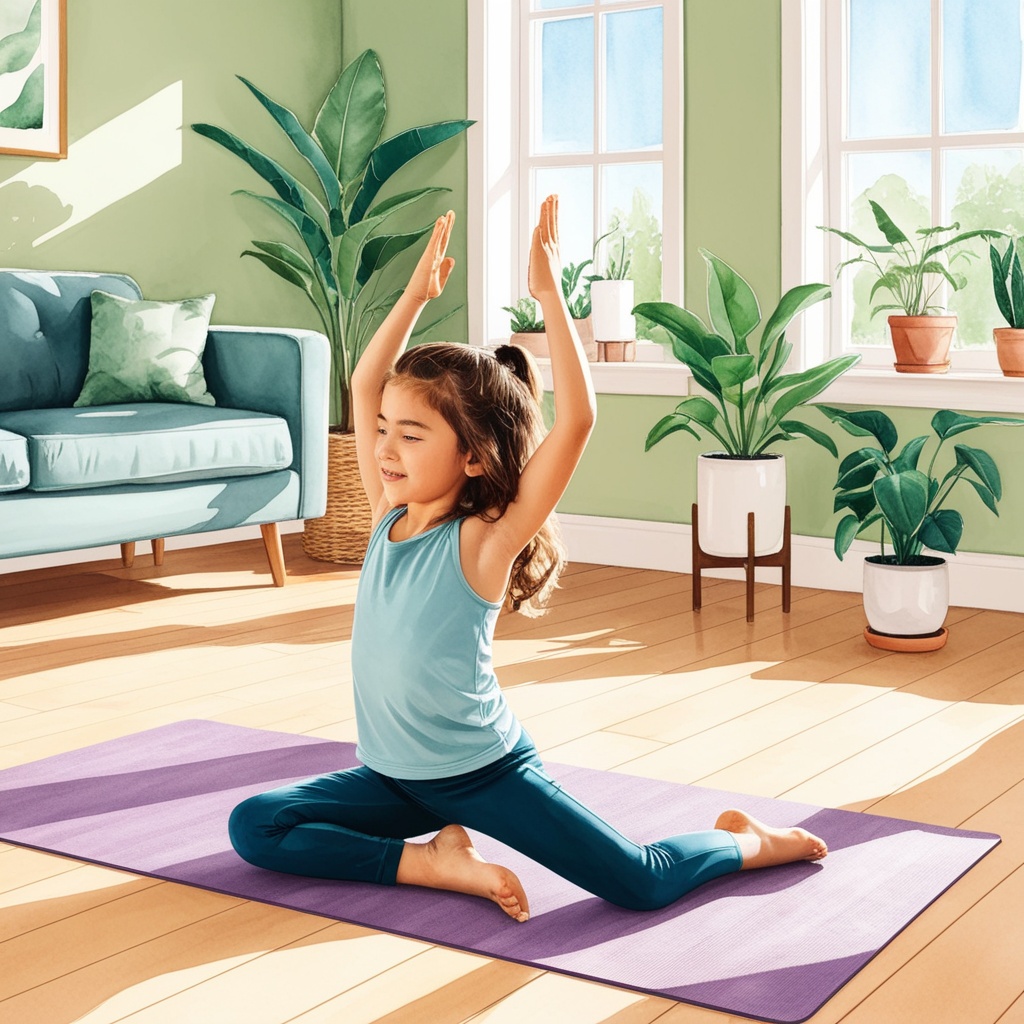
Yoga builds flexibility, balance, and body awareness. Many free yoga videos designed for kids are available online, and sessions can be as short as 10 minutes.
Balloon and Sock Games
Balloon volleyball and sock skating on hardwood floors are low-impact options that work well in apartments or smaller homes. These games are especially useful for younger children who need supervised, gentler movement.
Obstacle Courses
Use pillows, chairs, tape lines, and household items to build a mini obstacle course. Time each child’s run and let them try to beat their own record.
Outdoor Homeschool PE Activities
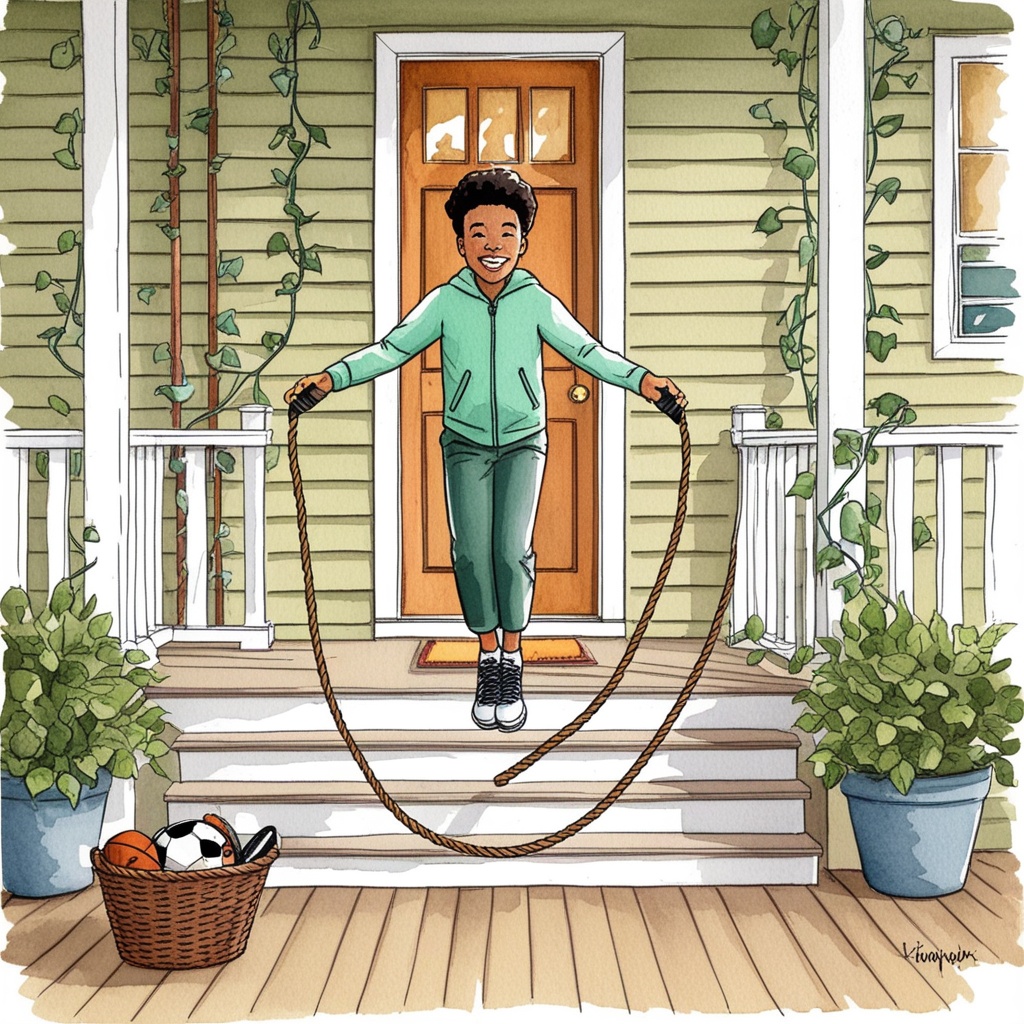
Outdoor time offers fresh air, vitamin D, and more room to run, making it an important complement to indoor homeschool PE ideas.
Nature Walks and Hiking
Combine PE with science by turning a walk into a nature study. Kids can log the plants and animals they see while getting cardiovascular exercise.
Bike Riding and Scootering
Biking is excellent for building leg strength and balance. Aim for at least 20 to 30 minutes of continuous riding a few times a week.
Backyard Sports
Simple games like kickball, soccer, or badminton require minimal equipment and can be adapted for one child or a group of siblings.
Jump Rope Challenges
Jump rope is inexpensive, portable, and highly effective for cardiovascular fitness. Try timed challenges or teach different jump patterns to keep it interesting.
Scavenger Hunt Runs
Create a list of items for kids to find around the yard or neighborhood, requiring them to run, crouch, and stretch to complete the hunt.
Homeschool PE Ideas by Age Group
Homeschool PE activities should shift as children grow, both to match their physical abilities and to keep them engaged.
Preschool and Early Elementary (Ages 3 to 7)
- Animal walks such as crab walks and bear crawls
- Simple obstacle courses with crawling tunnels
- Bubble popping and balloon tapping games
- Basic tag and freeze dance games
Elementary (Ages 8 to 10)
- Jump rope routines and hula hoop challenges
- Introductory team sports like kickball or four square
- Basic gymnastics moves such as cartwheels and forward rolls
- Timed fitness challenges to build stamina
Middle School (Ages 11 to 13)
- Strength training with body weight exercises
- Longer distance biking or running goals
- Introduction to organized sports like basketball or volleyball
- Fitness journaling to track personal improvement
High School (Ages 14 to 18)
- Structured strength and conditioning programs
- Participation in community sports leagues or co-ops
- Fitness tracking apps or wearable devices for goal setting
- Health and wellness education paired with physical activity
For more detailed breakdowns of academic and physical expectations by age, browse our grade level guides.
Equipment and Budget-Friendly Alternatives
You do not need a fully stocked home gym to run a successful homeschool PE program. Many effective activities require little to no equipment.
Household Items That Work as PE Equipment
- Water bottles as light hand weights
- Laundry baskets for target-toss games
- Painter’s tape for balance beams or hopscotch grids
- Old socks for indoor skating or sock-and-ball toss games
Affordable Equipment Worth Owning
If you want to invest a little, a jump rope, a set of cones, and a basic exercise ball are inexpensive and versatile. These items support dozens of different games and drills.
Free Online Resources
Organizations such as Scholastic offer free printable activity guides and movement-based learning resources that pair well with homeschool PE. The CDC’s physical activity guidelines for children are also a helpful reference point for setting appropriate goals.
Tracking Progress and Setting Fitness Goals
Tracking progress keeps homeschool PE from becoming an afterthought and gives kids a sense of accomplishment.
Simple Fitness Logs
A basic log noting the activity, duration, and how the child felt can be enough. Older kids can track metrics like distance run or number of push-ups completed.
Monthly Challenges
Set a monthly goal such as increasing jump rope duration by 30 seconds or biking an extra half mile. Small, measurable goals build motivation without becoming overwhelming.
Photo and Video Progress
Recording short videos of skills like cartwheels or jump rope tricks lets kids see their own improvement over time, which can be more motivating than numbers alone.
Incorporating PE into Report Cards
If your state requires grades or progress reports, PE can be documented with simple checklists noting participation, effort, and skill development rather than formal grades.
Making Homeschool PE Social
One common concern with homeschool PE is the lack of built-in peer interaction that traditional school sports provide. Fortunately, there are many ways to add a social element.
Homeschool PE Co-ops
Many communities have homeschool co-ops that meet weekly for group sports, gym time, or organized games. These groups are a great way for kids to build teamwork skills.
Family Fitness Challenges
Turn PE into a family event with parent-versus-kid competitions or sibling relay races. This models an active lifestyle for the whole household.
Community Sports Leagues
Local recreation centers often welcome homeschoolers into their sports leagues, offering structured practice and games without requiring full-time school enrollment.
If you are new to homeschooling and unsure how to find local co-ops or community programs, our getting started resources cover how to connect with local homeschool networks.
Sample Weekly Homeschool PE Schedule
Having a template to start from can make it much easier to stay consistent with homeschool PE. Here is a sample schedule you can adapt to your family’s needs.
- Monday: 20-minute bike ride plus 10 minutes of stretching
- Tuesday: Indoor fitness circuit with five stations
- Wednesday: Nature walk or hike combined with a science observation log
- Thursday: Backyard sports like kickball or badminton
- Friday: Free play, dance break, or family fitness challenge
Feel free to swap days around based on weather or your family’s other commitments. Consistency over the course of a week matters more than doing the exact same activity every time. For more scheduling strategies, visit our scheduling and planning section.
Combining PE With Other Subjects
PE does not have to exist in isolation. Consider these cross-curricular pairings:
- Track heart rate before and after exercise for a math and science lesson
- Study the history of a sport during a related unit
- Calculate distances biked or run for practical math practice
- Read biographies of athletes during literature time
You can find more cross-curricular activity ideas in our activities and ideas archive.
Frequently Asked Questions
How many minutes of PE should homeschoolers do each day?
Most experts recommend at least 60 minutes of physical activity daily for children, based on CDC guidelines. This can be split into shorter sessions throughout the day rather than one continuous block.
Do homeschoolers need a formal PE curriculum?
No, a formal curriculum is not required in most states, though some families prefer the structure it provides. Many successful homeschool PE programs rely on simple weekly plans and household or outdoor activities instead.
What are the best homeschool PE activities for small spaces?
Fitness circuits, dance breaks, yoga, and balloon games work well in small spaces or apartments. These activities require minimal equipment and can be done in a single room.
How do I grade homeschool PE?
Most families track effort, participation, and skill progress rather than assigning traditional letter grades. A simple checklist or fitness log is usually sufficient for state reporting requirements.
Can homeschoolers join public school sports teams?
In many states, homeschoolers can participate in public school sports under specific eligibility rules. Checking with your local school district or state homeschool association is the best way to confirm eligibility.
What equipment do I really need for homeschool PE?
You need very little equipment to get started, and many effective activities use household items like water bottles or laundry baskets. A jump rope, cones, and an exercise ball are affordable additions that expand your options.
How can I make homeschool PE more social for my child?
Joining a homeschool co-op, community sports league, or organizing family fitness challenges are great ways to add social interaction to homeschool PE. Many communities also host homeschool-specific gym days at local recreation centers.
📚 Recommended Homeschool Resources
As an Amazon Associate, I earn from qualifying purchases. Some links in this article are affiliate links, meaning I may earn a small commission at no extra cost to you.
Conclusion
Homeschool PE ideas and activities do not need to be complicated to be effective. With a mix of indoor and outdoor games, age-appropriate challenges, and simple tracking tools, your family can build a physical education program that supports both health and academic performance.
Consistency, variety, and a willingness to get creative with everyday items will take you far. Start small, adjust as you go, and remember that any movement is better than none.
If you would like more support building out your homeschool schedule, browse our full library of resources or reach out to our team with specific questions. You can also learn more about our mission on our about page.
Related Resources
- Lesson Plans for Homeschool Subjects
- More Activities and Ideas for Homeschoolers
- Getting Started With Homeschooling
Loved this post? Grab the free resource above.
Math Adventures: Everyday Numbers — printable PDF with 10 hands-on activities your kids will love.