Free K-3 Hands-On Lesson Plan
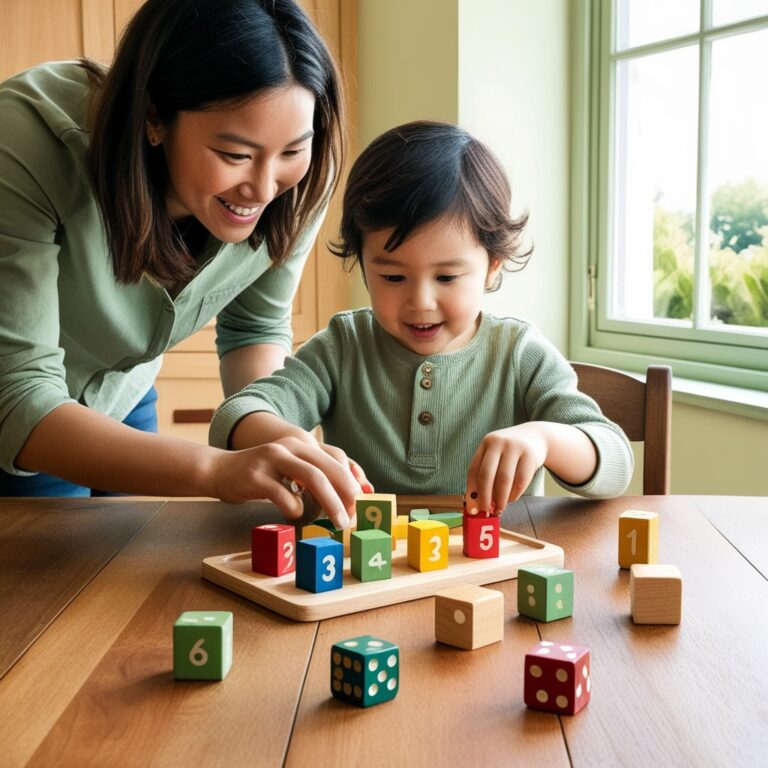
Math Adventures: Everyday Numbers — printable PDF with 10 hands-on activities your kids will love.
Sensory activities for homeschool preschool are one of the most powerful tools you have for building your young learner’s brain, language, and fine motor skills before formal academics even begin. Preschoolers learn primarily through touch, movement, smell, and sight, which means a well-planned sensory bin or texture station can teach more in fifteen minutes than a worksheet ever could. If you have ever wondered how to keep a wiggly three or four year old engaged while still hitting real developmental milestones, sensory play is your answer.
This guide walks you through exactly why sensory activities matter for homeschool preschool, how to set them up on any budget, and which specific activities target language, math, science, and emotional regulation skills. You will also find a printable-friendly list of materials, a weekly rotation schedule, and answers to the most common questions homeschooling parents ask about sensory play.
Whether you are brand new to homeschooling or looking to add more hands-on learning to an existing routine, these ideas are designed to be simple, affordable, and genuinely fun for both you and your child.
Key Takeaways
- Sensory activities for homeschool preschool support brain development, fine motor skills, and language growth all at once.
- You do not need expensive materials; kitchen staples like rice, beans, and flour work just as well as store-bought kits.
- Rotating five to seven sensory stations weekly keeps preschoolers engaged without overwhelming your homeschool budget or storage space.
- Sensory play doubles as an early math, science, and literacy tool when paired with simple guided questions.
- Calming sensory activities can reduce meltdowns and help preschoolers self-regulate during transitions.
Why Sensory Activities Matter for Homeschool Preschool
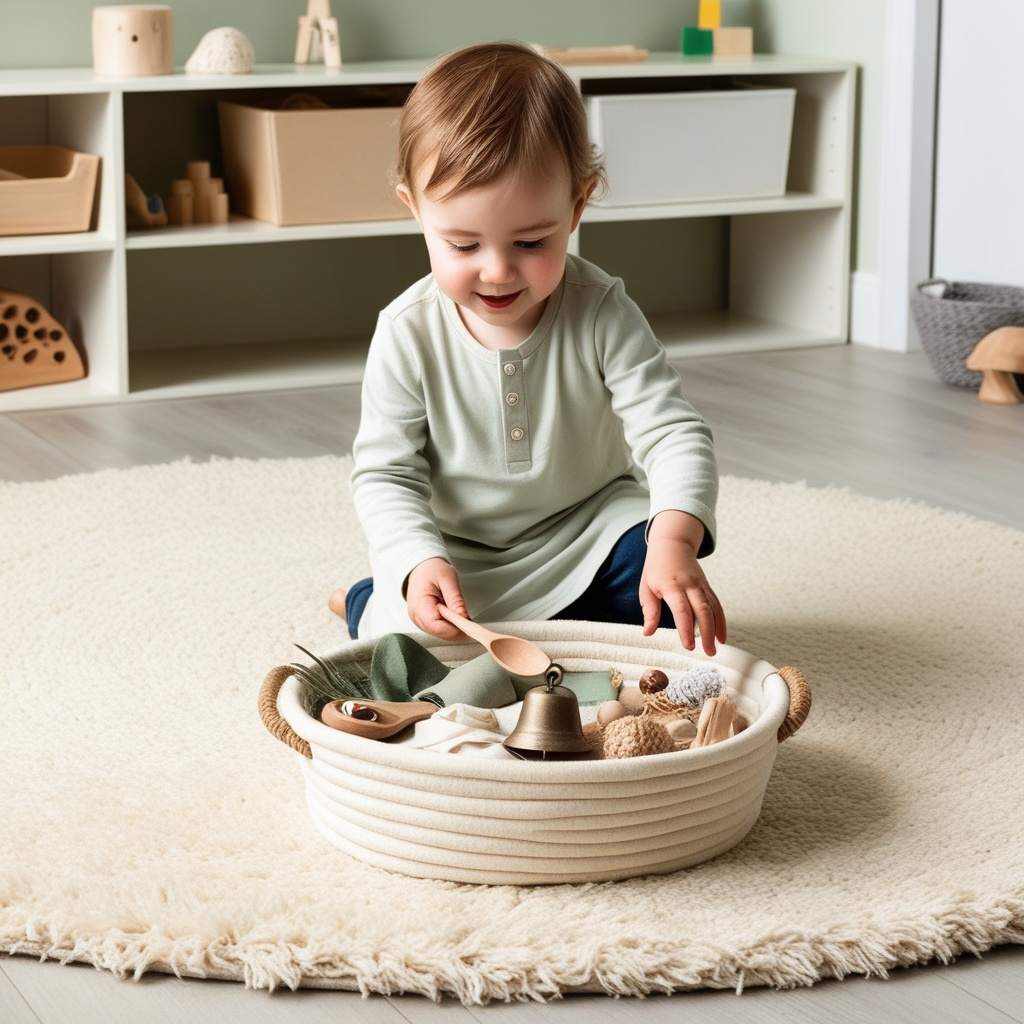
Sensory activities for homeschool preschool are not just busy work. They are grounded in decades of early childhood development research showing that hands-on, multisensory experiences build stronger neural connections than passive learning alone.
According to the American Academy of Pediatrics, play is essential to healthy brain development in early childhood because it allows children to use their creativity while developing imagination, dexterity, and physical, cognitive, and emotional strength.
The Science Behind Sensory Learning
Young children learn through their seven senses: touch, sight, sound, smell, taste, plus the vestibular (balance) and proprioceptive (body awareness) systems. Engaging multiple senses at once helps preschoolers form stronger memories and process information more deeply.
This is why a child who scoops and pours rice while counting scoops often remembers early math concepts faster than one who only sees numbers on a page.
Sensory Play and School Readiness
Sensory activities also build the fine motor strength needed for later handwriting, scissor use, and self-care tasks like buttoning a coat. Pinching, squeezing, and scooping motions strengthen the same small hand muscles children will later use to hold a pencil.
For a deeper look at how play-based learning fits into a broader homeschool approach, browse our curriculum methods resources.
Setting Up a Sensory Space on Any Budget
You do not need a dedicated playroom or a Pinterest-perfect setup to make sensory play work in your homeschool preschool routine. A folding table, a shower curtain, and a few plastic bins are enough to get started.
Budget-Friendly Materials Checklist
- Large plastic storage bins or dish tubs
- A vinyl tablecloth or shower curtain for easy cleanup
- Measuring cups, spoons, and small scoops
- Kitchen staples such as rice, dried beans, oats, and flour
- Recycled containers like yogurt cups and egg cartons
- Small toys, animal figures, or pom-poms for added interest
Choosing a Location
Pick a spot with easy-to-clean flooring, whether that is a kitchen, garage, or covered patio. If mess is a major concern, set the bin activity outside or place it inside a large cardboard box lid to catch spills.
Storage Solutions for Busy Homeschool Families
Clear stackable bins with lids let you rotate materials without cluttering your home. Label each bin by theme or skill so you can grab and go on busy mornings, a strategy we also recommend in our scheduling and planning guides.

Sensory Bin Ideas for Homeschool Preschool
Sensory bins are the backbone of most homeschool preschool sensory activities because they are reusable, adaptable, and easy to theme around your current unit study.
Classic Sensory Bin Fillers
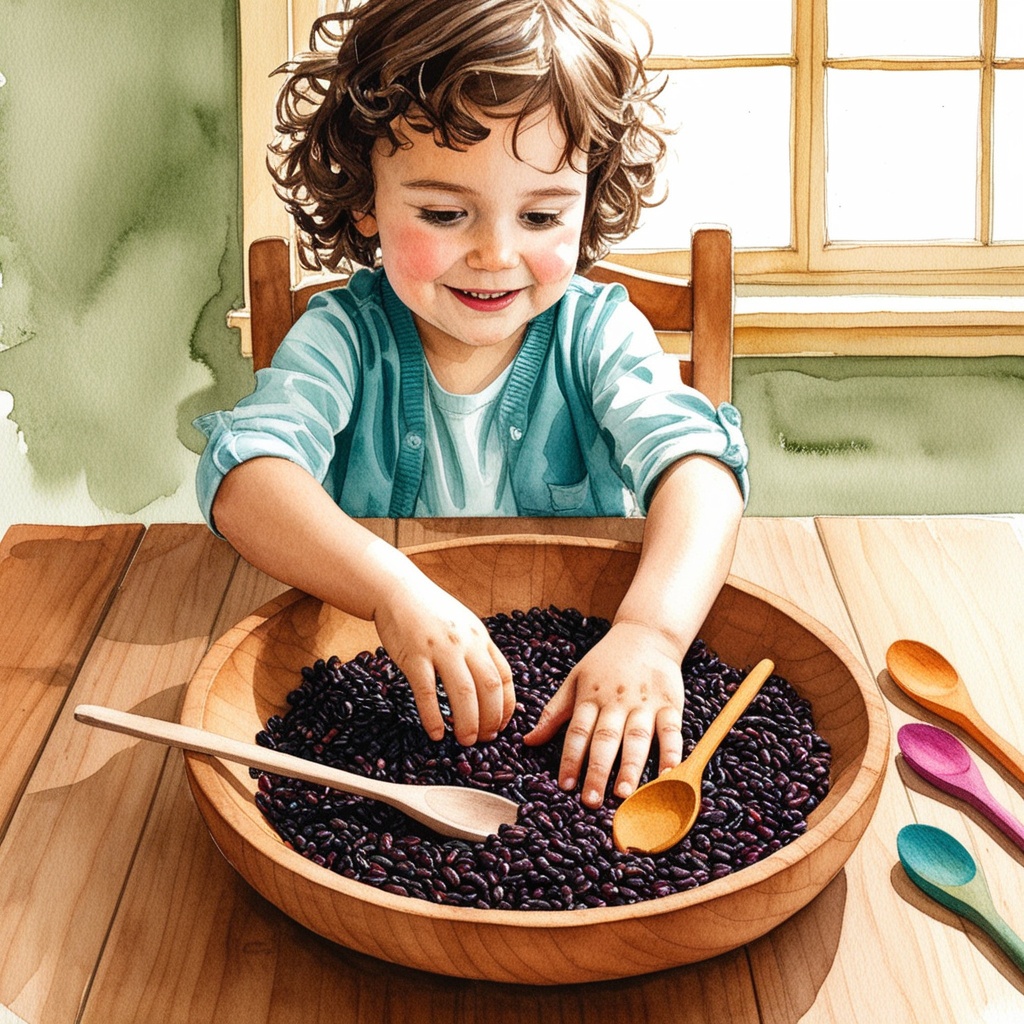
- Dry rice dyed with food coloring
- Dried beans or lentils
- Water beads (supervise closely with young toddlers)
- Kinetic sand or homemade play dough
- Shredded paper for a fall leaf theme
Themed Bin Suggestions by Season
- Spring: dyed rice with plastic bugs and flower confetti
- Summer: water beads with sea creature figures
- Fall: dried corn kernels with mini pumpkins
- Winter: cotton balls or fake snow with pom-poms
Skill-Building Add-Ins
Add letter magnets, number tiles, or small counting bears to any bin to sneak in early literacy and math practice. Ask your child to find all the letters in their name or count how many bears fit in one scoop.
If you want ready-made themed bin plans paired with lesson objectives, check out the printable options in our lesson plan shop.
Taste and Smell Based Sensory Activities
Taste and smell are often the most overlooked senses in homeschool preschool planning, yet they offer rich learning opportunities, especially for food-safe explorers.
Taste-Safe Sensory Recipes
- Edible finger paint made from yogurt and food coloring
- Cooked spaghetti noodles dyed for a taste-safe “worm bin”
- Whipped cream cloud play on a tray
- Applesauce and cinnamon dough for sensory shaping
Smell Exploration Stations
Fill small containers with cinnamon, coffee grounds, dried mint, and citrus peels. Ask your child to close their eyes, smell each one, and guess what it is, which builds vocabulary and descriptive language skills at the same time.
Why Taste-Safe Play Matters for Toddlers and Preschoolers
Younger preschoolers and toddlers still explore with their mouths, so taste-safe recipes reduce anxiety about supervision while still delivering full sensory benefits. This is especially useful for multi-age homeschool households.
Sensory Activities That Build Fine Motor Skills
Fine motor development is one of the most measurable benefits of sensory activities for homeschool preschool, directly preparing children for writing and self-care tasks.
Squeezing and Pinching Activities
- Play dough with cookie cutters and rolling pins
- Tweezer transfer games using pom-poms and an ice cube tray
- Squeeze bottles filled with water for outdoor painting
Scooping and Pouring Practice
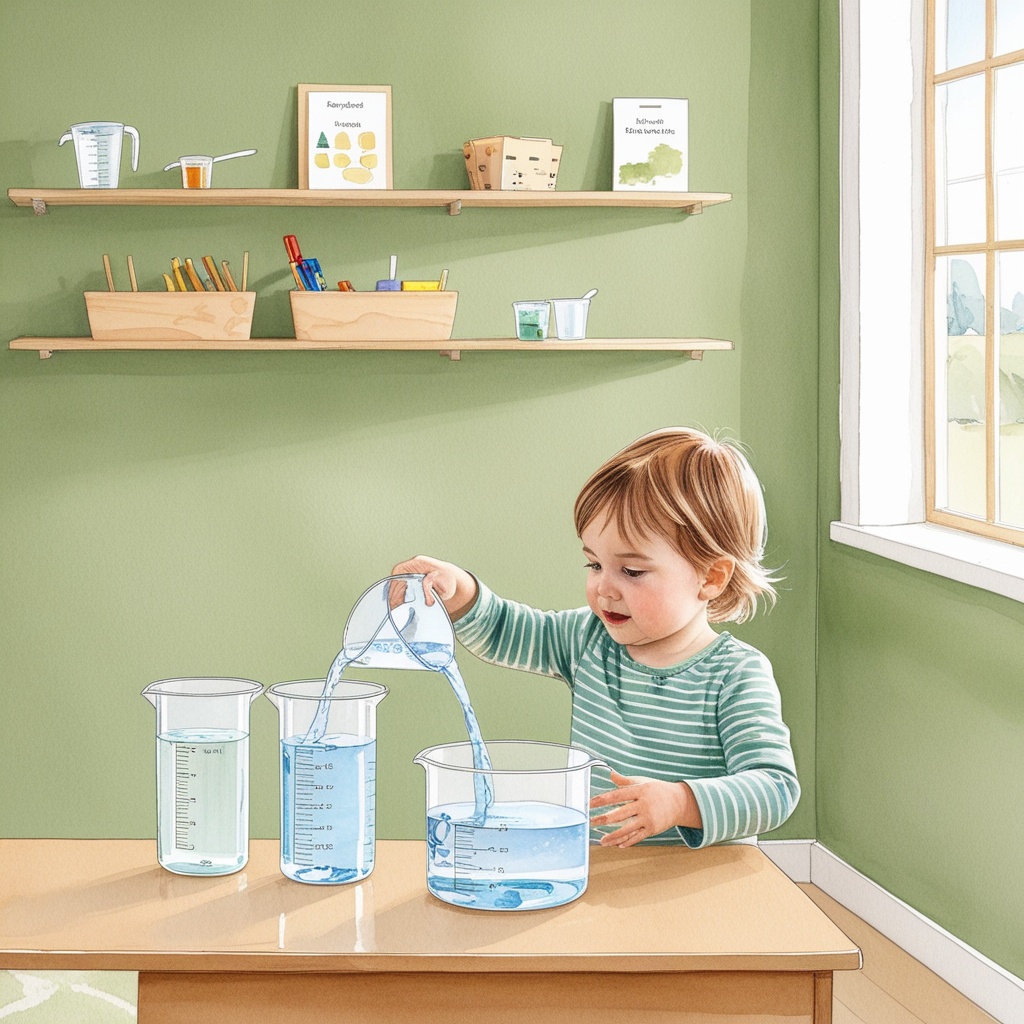
Set up a pouring station with two bowls and a small pitcher of water or dry rice. This simple activity builds hand-eye coordination and the wrist control needed for later handwriting.
Threading and Lacing Skills
Large wooden beads on shoelaces or pasta threaded onto pipe cleaners strengthen the pincer grip preschoolers need for holding pencils correctly. Scholastic’s early learning resources note that fine motor practice through play is one of the strongest predictors of later writing readiness.
Sensory Play for Language and Early Math Development
Sensory activities for homeschool preschool are not limited to fine motor skills; they are also an incredible vehicle for early academics when paired with intentional questions.
Building Vocabulary Through Sensory Play
Narrate what your child is doing using rich descriptive words such as gritty, squishy, cold, or slippery. Repeated exposure to descriptive vocabulary during play has been linked to stronger early language outcomes.
Sneaking in Early Math Concepts
- Counting scoops as they fill a container
- Sorting objects by color, size, or texture
- Comparing which container holds more or less
- Practicing one-to-one correspondence with counting bears
Letter and Sound Recognition Games
Hide plastic letters in a rice bin and ask your child to find the letter that starts their name. This turns a simple sensory bin into a phonics lesson without any pressure or worksheets.
For more structured literacy pairings, explore our activities and ideas category for age-appropriate lesson combinations.

Calming Sensory Activities for Emotional Regulation
Not all sensory play needs to be stimulating. Calming sensory activities for homeschool preschool can help children self-regulate during transitions, meltdowns, or overstimulating days.
Slow-Paced Sensory Tools
- Homemade stress balls filled with flour or rice
- Slow-motion glitter jars for visual calming
- Weighted lap pads during story time
- Quiet kinetic sand play in a low-light corner
Creating a Calm-Down Sensory Bin
Keep a dedicated bin with soft fabric scraps, a stress ball, and a small glitter jar in a quiet corner of your homeschool space. Introduce it during calm moments so your child associates it with regulation rather than punishment.
Pairing Sensory Play With Breathing Exercises
Combine slow scooping motions with deep breathing cues, such as breathe in while scooping, breathe out while pouring. This pairs physical sensory input with a calming cognitive routine.
Building a Weekly Sensory Play Rotation
Consistency is key when integrating sensory activities for homeschool preschool into your weekly routine, and a simple rotation prevents boredom while keeping prep manageable.
Sample Weekly Rotation
- Monday: Textured sensory bin (rice or beans)
- Tuesday: Fine motor tray (tweezers or lacing beads)
- Wednesday: Taste-safe sensory recipe
- Thursday: Water or nature-based outdoor sensory play
- Friday: Calming sensory station and reflection time
Tips for Fitting Sensory Play Into Your Schedule
Sensory play does not need to replace your entire homeschool preschool day. Fifteen to twenty minutes of focused sensory time is often enough to reset attention and support skill building.
For help mapping sensory activities into a broader daily rhythm, visit our getting started guides designed for new homeschooling families.
Common Mistakes to Avoid With Sensory Play
Even experienced homeschool parents can run into a few predictable pitfalls when introducing sensory activities for homeschool preschool.
Overcomplicating the Setup
You do not need elaborate themes every time. Simple, repeatable bins with rotating add-ins are often more effective than an entirely new setup each week.
Skipping Supervision With Small Parts
Water beads, small beads, and tiny counting objects pose choking hazards for children under three. Always supervise closely and choose age-appropriate materials, a safety point echoed by the Home School Legal Defense Association in its early childhood resources.
Forgetting to Connect Play to Learning Goals
Sensory play is most effective when paired with simple, intentional questions rather than left completely unstructured. A quick prompt like “how many red beads can you find” turns free play into a mini lesson.
Frequently Asked Questions
What are the best sensory activities for homeschool preschool beginners?
Simple rice or bean bins with scoops and cups are the easiest starting point. They require minimal setup, are reusable, and naturally build fine motor and early math skills.
How often should preschoolers do sensory activities?
Most early childhood experts recommend daily sensory input in fifteen to twenty minute sessions. Consistency matters more than duration for building skills over time.
Are sensory bins safe for toddlers who still put things in their mouths?
Yes, as long as you choose taste-safe materials like cooked pasta, edible dough, or oats. Always supervise closely and avoid small choking hazards like water beads for children under three.
Do sensory activities count as real homeschool preschool curriculum?
Yes, sensory play is a legitimate and research-supported part of early childhood education. It builds fine motor skills, language, and early math concepts that form the foundation for later academic learning.
What household items work best for homeschool sensory bins?
Rice, dried beans, oats, flour, and shredded paper are inexpensive and versatile fillers. Pair them with measuring cups, spoons, and small toys for added learning value.
How do I clean up sensory play messes quickly?
Lay down a vinyl tablecloth or shower curtain before starting any activity. Doing sensory play outside or over a large tray also makes cleanup significantly faster.
Can sensory activities help with preschoolers who have big emotions?
Yes, calming sensory tools like stress balls, glitter jars, and slow scooping activities can help preschoolers self-regulate. Pairing sensory input with breathing exercises often improves results further.
Preschool & Kindergarten Favorites
As an Amazon Associate, HomeschoolingExperts earns from qualifying purchases. Some links in this article are affiliate links, meaning we may earn a small commission at no extra cost to you.
Conclusion
Sensory activities for homeschool preschool offer one of the highest returns on investment in early childhood education, building fine motor skills, language, early math, and emotional regulation all through simple, low-cost play. You do not need a fancy setup or a large budget to see real developmental benefits; a bin of rice, a few scoops, and some intentional questions are often enough.
Start small by choosing one or two activities from this guide and rotating them weekly to keep your preschooler engaged without overwhelming your own planning time. As your confidence grows, you can layer in themed bins, taste-safe recipes, and calming stations tailored to your child’s needs.
If you would like more support building out your homeschool preschool routine, reach out through our contact page or learn more about our approach on the about page.
Related Resources
- Grade Level Guides for Homeschool Families
- Homeschool Lesson Plans by Subject and Age
- Printable Homeschool Preschool Activity Packs

Loved this post? Grab the free resource above.
Math Adventures: Everyday Numbers — printable PDF with 10 hands-on activities your kids will love.