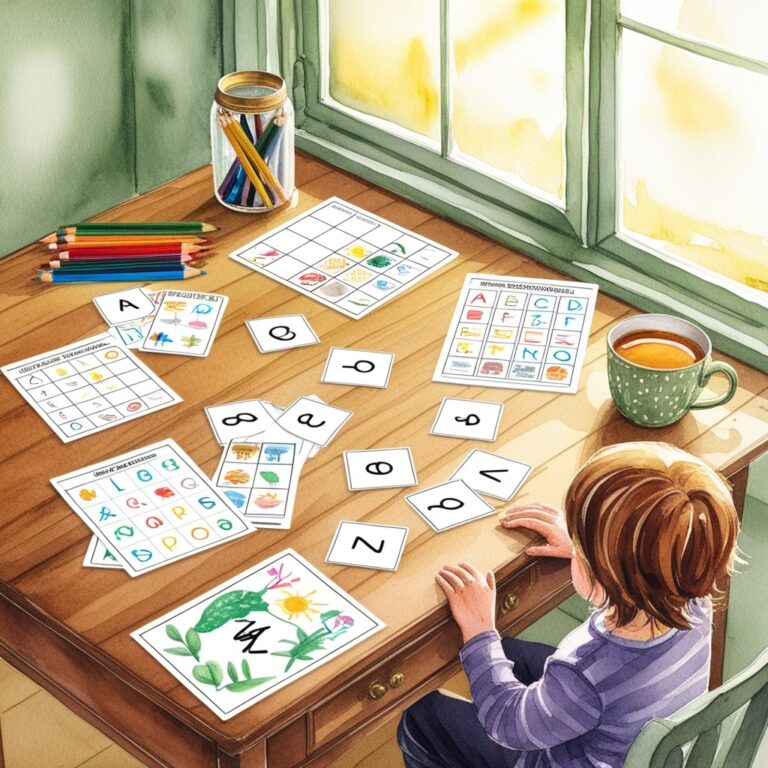
Free Sample Lesson Plan
Math Adventures: Everyday Numbers — drop your email and we'll send the printable PDF.
Finding effective 1st grade homeschool lesson plans PDF resources can transform your child’s educational journey from overwhelming to organized. These downloadable lesson plans provide structured learning pathways that cover essential first-grade skills while giving parents the flexibility to teach at their own pace and adapt content to their child’s unique learning style.
Whether you’re a seasoned homeschooling parent or just beginning your educational adventure, having comprehensive lesson plans in PDF format offers the convenience of instant access, easy printing, and the ability to reference materials offline. This guide will walk you through everything you need to know about selecting, using, and maximizing first-grade lesson plans to create an engaging and effective learning environment for your six or seven-year-old.
From understanding core curriculum requirements to implementing hands-on activities that make learning fun, we’ll explore how PDF lesson plans can serve as your roadmap to homeschooling success in first grade.
Key Takeaways
- First grade lesson plans should cover reading, math, science, and social studies with age-appropriate activities
- PDF format offers convenience, portability, and the ability to print and reuse materials
- Quality lesson plans include clear objectives, materials lists, and assessment methods
- Customization is key – adapt plans to match your child’s learning pace and interests
- Free and paid options are available, each with distinct advantages for different family needs
What Are First Grade Homeschool Lesson Plans PDF

First grade homeschool lesson plans in PDF format are comprehensive educational guides designed specifically for teaching six and seven-year-old children at home. These digital documents contain structured learning activities, objectives, and assessments that align with first-grade educational standards across core subject areas.
Unlike traditional classroom curricula, homeschool lesson plans offer flexibility while maintaining educational rigor. They typically include detailed instructions for parents, material lists, and step-by-step activities that can be completed in a home environment.
Essential Components of Quality Lesson Plans
Effective 1st grade homeschool lesson plans PDF resources should include several key components to ensure comprehensive learning:
- Clear learning objectives that specify what your child will accomplish
- Materials lists with common household or easily obtainable items
- Step-by-step instructions for parents with varying teaching experience
- Assessment tools to track progress and understanding
- Extension activities for advanced learners or additional practice
- Time estimates to help with daily scheduling
According to the U.S. Department of Education, first-grade students should demonstrate foundational skills in reading, basic math concepts, and scientific thinking, making structured lesson plans essential for meeting these benchmarks.
Age-Appropriate Learning Expectations
First-grade lesson plans should accommodate the developmental stage of six and seven-year-olds. At this age, children typically have attention spans of 15-20 minutes for focused activities and learn best through hands-on, multi-sensory experiences.
Quality lesson plans incorporate movement, visual aids, and interactive elements to keep young learners engaged while building fundamental academic skills that will serve as the foundation for future learning.
Core Subjects Covered in 1st Grade Lesson Plans
Comprehensive first-grade lesson plans address multiple subject areas to provide a well-rounded education. Understanding what should be included helps parents evaluate different lesson plan options and ensure their child receives complete coverage of essential topics.
Language Arts and Reading
Reading instruction forms the cornerstone of first-grade education. Quality lesson plans should include phonics instruction, sight word recognition, and reading comprehension activities.
Key language arts components include:
- Phonemic awareness activities to develop sound recognition
- Letter formation and handwriting practice
- Vocabulary building through stories and conversations
- Beginning writing with simple sentences and creative expression
- Listening skills through read-aloud sessions and following directions
Research from Scholastic indicates that children who master phonics skills in first grade show significantly better reading outcomes in later elementary years.
Mathematics Fundamentals
First-grade math lesson plans should focus on number sense, basic operations, and problem-solving skills. Children at this level are developing concrete thinking abilities and benefit from manipulative-based learning.
Essential math topics include:
- Number recognition and counting to 100
- Addition and subtraction within 20
- Place value understanding of tens and ones
- Measurement concepts using non-standard units
- Geometry with basic shapes and patterns
- Time and money introductory concepts
Science Exploration
Science lesson plans for first grade should emphasize observation, questioning, and hands-on experimentation. Young children are naturally curious, making this an ideal time to foster scientific thinking.
Age-appropriate science topics include weather patterns, plant and animal life cycles, basic physics concepts through simple machines, and earth science through rock and soil exploration.
Social Studies Foundation
First-grade social studies introduces concepts of community, citizenship, and cultural awareness. Lesson plans should connect learning to the child’s immediate environment and gradually expand to broader concepts.
Topics typically cover family structures, community helpers, basic geography skills, and introduction to historical thinking through personal timelines and family history.
Benefits of PDF Format for Homeschool Lesson Plans
The PDF format offers unique advantages for homeschooling families that make it the preferred choice for many educators. Understanding these benefits helps parents make informed decisions about their lesson plan resources.
Instant Access and Convenience
PDF lesson plans provide immediate access to educational materials without waiting for shipping or visiting stores. Once purchased or downloaded, families can begin implementing lessons right away.
This instant availability proves especially valuable when parents need to quickly adapt their teaching schedule or when children show readiness to advance more rapidly than anticipated.
Cost-Effective Educational Solutions
Digital lesson plans typically cost significantly less than traditional textbooks or curriculum packages. Families can access comprehensive 1st grade homeschool lesson plans PDF collections for a fraction of the cost of physical materials.
Additionally, PDF files don’t wear out with use, can be reprinted as needed, and can be used for multiple children in the family, maximizing the educational investment.
Customization and Printing Flexibility
PDF format allows parents to print only the pages they need, reducing paper waste and storage requirements. Families can also print multiple copies of worksheets or activities for repeated practice.
Some parents prefer to print entire units for offline use, while others may choose to view materials on tablets or computers, adapting to their family’s preferred learning style and technology comfort level.
Easy Organization and Storage
Digital files can be organized in folders by subject, date, or skill level, making it simple to locate specific lessons or review previous material. Cloud storage options ensure lesson plans remain accessible from multiple devices and locations.
This organizational advantage proves particularly beneficial for families who travel frequently or split time between multiple locations, as educational materials remain consistently available.
How to Choose Quality 1st Grade Lesson Plans
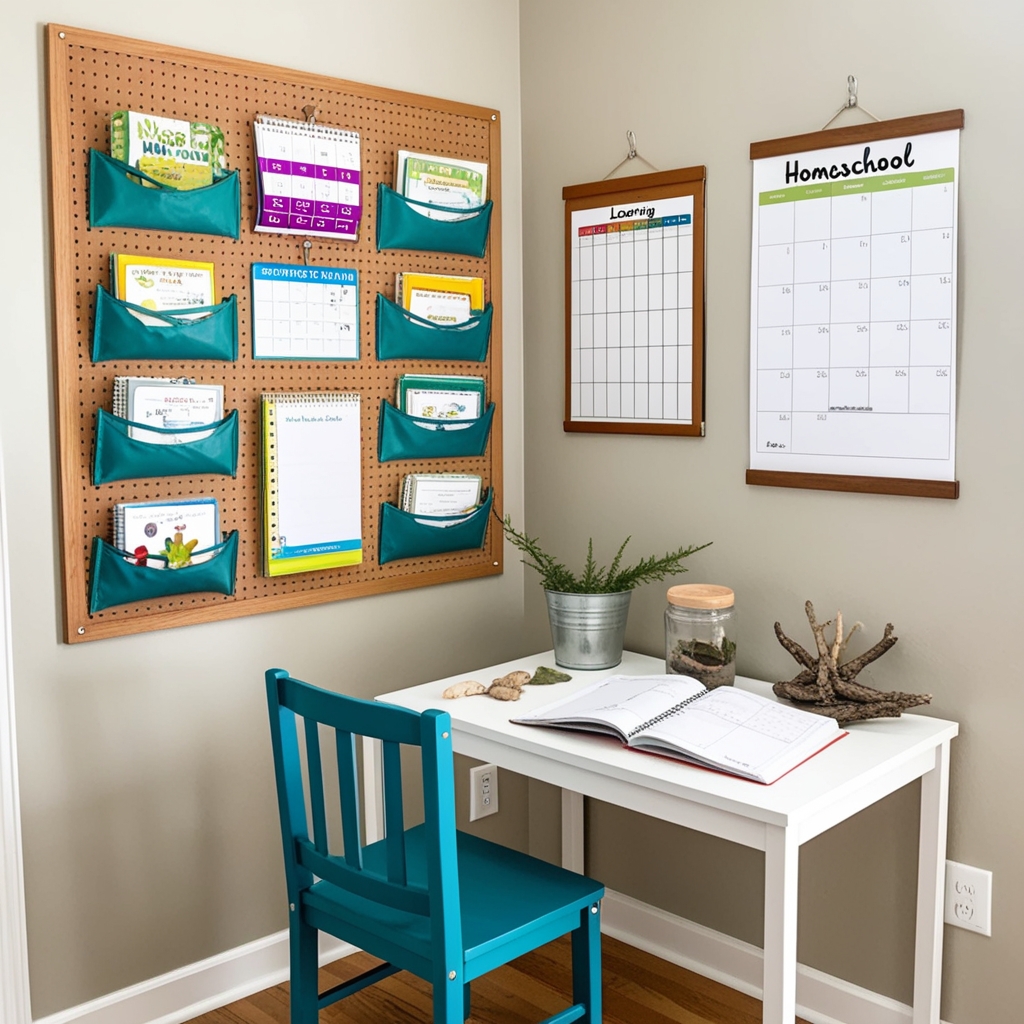
Selecting appropriate lesson plans requires careful evaluation of content quality, educational alignment, and family compatibility. Not all lesson plans are created equal, and understanding evaluation criteria helps parents make informed choices.
Educational Standards Alignment
Quality lesson plans should align with recognized educational standards such as Common Core State Standards or your state’s specific requirements. This alignment ensures your child receives education comparable to traditional school settings.
Look for lesson plans that clearly state their standards alignment and provide correlation charts showing how activities meet specific learning objectives.
Clear Learning Objectives and Outcomes
Each lesson should begin with clearly stated objectives that specify what the child will learn or be able to do upon completion. These objectives should be measurable and age-appropriate.
Well-designed plans also include success criteria or rubrics that help parents assess whether their child has mastered the intended skills.
Comprehensive Material Lists and Preparation Instructions
Quality lesson plans provide detailed material lists with specific quantities and suggested sources. They should also include preparation instructions that help parents set up activities efficiently.
The best plans use commonly available materials or provide alternatives for items that might be difficult to obtain, ensuring accessibility for all families regardless of budget or location.
Differentiation and Adaptation Suggestions
Effective lesson plans recognize that children learn at different paces and in different ways. Look for plans that include suggestions for simplifying activities for struggling learners or extending challenges for advanced students.
This flexibility allows parents to adapt lessons to their child’s individual needs without creating entirely new activities from scratch.
Assessment and Progress Tracking Tools
Quality 1st grade homeschool lesson plans PDF resources include assessment tools that help parents track their child’s progress and identify areas needing additional attention.
These might include checklists, rubrics, portfolio suggestions, or simple quizzes that provide concrete evidence of learning without creating stressful testing situations.
Free vs. Paid 1st Grade Lesson Plan Resources
Both free and paid lesson plan options offer distinct advantages and limitations. Understanding these differences helps families choose resources that best fit their educational goals and budget constraints.
Free Lesson Plan Resources
Numerous websites offer free first-grade lesson plans that provide excellent starting points for homeschool families. These resources often come from experienced educators who share their materials to support the homeschooling community.
Advantages of free resources include:
- No financial commitment allows families to try different approaches
- Wide variety of teaching styles and methodologies
- Community support through forums and user feedback
- Regular updates and new content additions
However, free resources may lack consistency in quality, comprehensive scope, or ongoing support. Parents often need to spend additional time evaluating and adapting materials to ensure complete coverage of learning objectives.
Paid Lesson Plan Benefits
Commercial lesson plan providers typically offer more comprehensive, professionally developed resources with consistent quality and educational alignment.
Benefits of paid resources include:
- Professional development by experienced educators
- Comprehensive scope and sequence ensuring complete coverage
- Customer support for implementation questions
- Regular updates and improvements based on user feedback
- Coordinated materials across subjects and grade levels
The lesson plan shop at HomeschoolingExperts.org offers carefully curated resources that combine quality with affordability, providing families with professional-grade materials at reasonable prices.
Making the Right Choice for Your Family
The decision between free and paid resources depends on several factors including budget, time availability for lesson planning, teaching experience, and specific educational goals.
Many successful homeschooling families use a combination approach, supplementing paid core curricula with free enrichment activities and specialized resources for particular interests or learning needs.
Implementing Lesson Plans in Your Homeschool Routine
Successfully implementing 1st grade homeschool lesson plans PDF requires thoughtful planning, consistent routines, and flexibility to adapt as needed. The key lies in creating systems that work for your family’s unique schedule and learning style.
Creating a Daily Schedule
First-grade children thrive on routine and predictability. Establish a consistent daily schedule that includes dedicated learning time, breaks, and transitions between activities.
A typical first-grade homeschool day might include:
- Morning circle time (15-20 minutes) for calendar, weather, and daily planning
- Language arts block (30-45 minutes) focusing on reading and writing skills
- Math instruction (20-30 minutes) with hands-on activities
- Science or social studies (20-30 minutes) alternating days or integrated themes
- Creative activities (30 minutes) including art, music, or free exploration
Remember that first-graders have limited attention spans, so plan for frequent breaks and movement between activities.
Preparing Materials and Workspace
Successful lesson implementation begins with proper preparation. Review upcoming lessons the night before or early in the morning to gather necessary materials and set up learning spaces.
Create organized storage systems for frequently used supplies like crayons, scissors, glue, manipulatives, and worksheets. Having materials readily available reduces transition time and keeps children engaged.
Adapting to Your Child’s Learning Pace
While lesson plans provide structure, they should never become rigid requirements that create stress or frustration. Pay attention to your child’s engagement and understanding, adjusting pace as needed.
Some children may need additional practice with certain concepts, while others might be ready to move ahead more quickly. Quality lesson plans provide flexibility for these individual differences.
Incorporating Breaks and Physical Activity
Six and seven-year-olds need regular movement breaks to maintain focus and engagement. Build physical activity into your daily routine through educational games, outdoor exploration, or simple exercise breaks.
Many lesson plans include suggestions for incorporating movement into learning activities, such as acting out story characters, using body movements for math concepts, or conducting science experiments outdoors.
Customizing and Adapting Lesson Plans for Your Child
Every child learns differently, and successful homeschooling requires adapting lesson plans to match individual learning styles, interests, and developmental needs. Customization transforms generic lesson plans into personalized learning experiences.
Identifying Your Child’s Learning Style
Understanding how your child learns best enables you to modify activities for maximum effectiveness. Some children are visual learners who benefit from charts, diagrams, and colorful materials, while others learn better through hands-on manipulation or auditory instruction.
Observe your child during different types of activities to identify preferences and strengths. This information guides your adaptation of lesson plan activities to better suit individual needs.
Incorporating Special Interests
Children learn more effectively when lessons connect to their personal interests and passions. If your child loves dinosaurs, incorporate dinosaur themes into math word problems, reading selections, and science explorations.
Quality 1st grade homeschool lesson plans PDF resources often provide suggestions for thematic connections, but parents can easily create their own adaptations based on current interests.
Adjusting Difficulty Levels
Not all children are ready for the same level of challenge at the same time. Some may need simplified instructions or additional practice opportunities, while others require more complex extensions to stay engaged.
Effective adaptations might include:
- Breaking complex tasks into smaller, manageable steps
- Providing additional examples or practice opportunities
- Offering choice in how to demonstrate learning
- Creating extension activities for early finishers
- Using different materials or manipulatives for hands-on learners
Cultural and Family Value Integration
Homeschooling allows families to integrate their cultural background, family values, and personal beliefs into educational experiences. Adapt lesson plans to include diverse perspectives, family traditions, and cultural celebrations.
This personalization helps children develop strong cultural identity while building academic skills and understanding of the broader world.
Organization and Storage Tips for PDF Lesson Plans
Effective organization systems help families maximize the value of their digital lesson plan investments while minimizing time spent searching for materials. Good organization also enables easy review and reuse of successful activities.
Digital File Organization Strategies
Create a logical folder structure on your computer or cloud storage system that makes finding specific lessons quick and intuitive. Consider organizing by subject, date, or skill level depending on your teaching approach.
A suggested folder structure might include:
- First Grade (main folder)
- Language Arts (subfolder with monthly or unit divisions)
- Mathematics (organized by concept or chronologically)
- Science (themed units or seasonal topics)
- Social Studies (community, family, geography themes)
- Assessment Tools (progress tracking and evaluation materials)
Cloud Storage and Backup Solutions
Protect your lesson plan investments by storing files in cloud-based systems like Google Drive, Dropbox, or iCloud. This ensures access from multiple devices and protects against computer crashes or hardware failures.
Cloud storage also enables easy sharing with teaching partners, grandparents, or other family members who might assist with educational activities.
Physical Organization for Printed Materials
Many families prefer to print certain lesson plan components for easier use during teaching. Create organized storage systems using binders, file folders, or storage boxes labeled by subject or time period.
Consider laminating frequently used materials like charts, reference sheets, or game boards to extend their lifespan and allow for repeated use with dry-erase markers.
Planning and Scheduling Tools
Use digital calendars, planning apps, or simple spreadsheets to track which lessons you’ve completed and plan upcoming activities. This organization helps ensure comprehensive coverage of learning objectives and prevents accidental repetition or gaps.
Many homeschooling families find success with weekly planning sessions where they review upcoming lessons, gather materials, and prepare for the week ahead.
Troubleshooting Common Challenges
Even the best-laid homeschool plans encounter obstacles. Understanding common challenges and having strategies ready helps families navigate difficulties without losing momentum or confidence.
When Lessons Don’t Go as Planned
Not every lesson will unfold smoothly, and that’s completely normal in homeschooling. Children may struggle with concepts, lose interest, or have off days that affect their ability to focus and learn.
When lessons aren’t working:
- Take a break and return to the activity later
- Simplify the approach or break tasks into smaller steps
- Try a different learning modality (visual, auditory, or kinesthetic)
- Connect to the child’s interests to increase engagement
- Seek alternative explanations or teaching methods
Remember that flexibility is one of homeschooling’s greatest advantages. Don’t hesitate to abandon activities that aren’t working and try different approaches.
Managing Technology and Printing Issues
PDF files occasionally present technical challenges such as formatting problems, printing difficulties, or device compatibility issues. Having backup plans and troubleshooting strategies prevents these problems from disrupting learning.
Keep printed copies of essential reference materials and have alternative activities ready when technology fails. The support team at HomeschoolingExperts.org can often help resolve technical issues with purchased materials.
Addressing Learning Gaps or Difficulties
Sometimes children struggle with specific concepts or skills despite quality lesson plans and dedicated instruction. This is normal and doesn’t reflect on the child’s intelligence or the parent’s teaching ability.
When learning difficulties arise, consider seeking additional resources, connecting with other homeschooling families for advice, or consulting with educational specialists if concerns persist.
Maintaining Motivation and Enthusiasm
Both children and parents may experience periods of decreased motivation or enthusiasm for homeschooling. These phases are temporary and can be addressed through various strategies.
Boost motivation by introducing new activities, taking field trips, connecting with other homeschooling families, or temporarily adjusting schedules to accommodate family needs and interests.
Frequently Asked Questions
How much time should first-grade homeschool lessons take each day?
First-grade homeschool lessons typically require 2-3 hours of focused instruction time per day. This includes all core subjects but should be broken into shorter segments of 15-30 minutes each with breaks between activities. Remember that six and seven-year-olds have limited attention spans and learn best with frequent movement and variety.
Can I use the same lesson plans for multiple children?
Yes, PDF lesson plans can be reused for multiple children, making them a cost-effective choice for larger families. However, remember that each child learns differently, so you may need to adapt activities, pacing, or difficulty levels to match individual needs and learning styles.
Do I need teaching experience to use first-grade lesson plans effectively?
No formal teaching experience is required to use quality first-grade lesson plans successfully. Well-designed plans include detailed instructions, material lists, and step-by-step guidance that enable parents with any background to provide effective instruction. Start with confidence and remember that you know your child best.
How do I know if my child is progressing appropriately with PDF lesson plans?
Quality lesson plans include assessment tools such as checklists, rubrics, or simple evaluations that help track progress. Additionally, observe your child’s engagement, ability to complete tasks independently, and application of learned skills in daily situations. Regular portfolio collection and periodic reviews help document learning growth.
What should I do if my child finds the lesson plans too easy or too difficult?
Adapt the difficulty level by modifying activities to match your child’s needs. For advanced learners, add extension activities or increase complexity. For struggling learners, break tasks into smaller steps, provide additional practice, or use more concrete manipulatives. Flexibility is key to successful homeschooling.
Are free lesson plans as good as paid options?
Both free and paid lesson plans can be excellent, but they serve different needs. Free resources offer variety and no financial commitment but may lack consistency or comprehensive coverage. Paid resources typically provide more structured, professionally developed content with better support and materials coordination.
How do I organize and store digital lesson plans effectively?
Create a logical folder structure on your computer or cloud storage, organizing by subject, date, or skill level. Use descriptive file names and maintain backup copies in cloud storage. For printed materials, use binders or file folders with clear labeling systems to enable quick access during teaching time.
Elementary Curriculum Favorites
As an Amazon Associate, HomeschoolingExperts earns from qualifying purchases. Some links in this article are affiliate links, meaning we may earn a small commission at no extra cost to you.
Conclusion
Choosing and implementing effective 1st grade homeschool lesson plans PDF resources sets the foundation for your child’s educational success and your confidence as a homeschooling parent. These digital tools provide the structure and guidance needed to deliver comprehensive, engaging education while maintaining the flexibility that makes homeschooling so appealing.
Remember that the best lesson plans are those that work for your individual child and family situation. Whether you choose free resources, invest in professional curricula, or create a combination approach, the key lies in consistent implementation, thoughtful adaptation, and maintaining a positive learning environment.
Success in first-grade homeschooling comes not from perfect execution of lesson plans, but from creating meaningful learning experiences that build both academic skills and a lifelong love of learning. Trust yourself, stay flexible, and enjoy this special time of discovery with your child.
Ready to begin your homeschooling journey with confidence? Explore our comprehensive collection of educational resources and connect with our supportive community of experienced homeschooling families.
Related Resources
Explore these additional resources to support your first-grade homeschooling journey:
- Grade-Level Guides – Comprehensive information for each grade level
- Scheduling and Planning – Tips for creating effective homeschool routines
- About HomeschoolingExperts.org – Learn more about our mission and educational philosophy

Loved this post? Grab the free resource above.
Math Adventures: Everyday Numbers — drop your email and we'll send the printable PDF.