

Free Homeschool Starter Kit
Everything you need to begin homeschooling — checklist, planner, and first-week lesson plans.
Learning how to start homeschooling for the first time can feel overwhelming, but with the right guidance and preparation, you can create a successful educational journey for your child. Homeschooling has grown significantly in recent years, with over 3.7 million students being homeschooled in the United States as of 2020, representing a 300% increase over the past decade according to the National Home Education Research Institute.
This comprehensive guide will walk you through every essential step of beginning your homeschooling adventure, from understanding legal requirements and choosing curriculum to creating schedules and building confidence as your child’s primary educator. Whether you’re considering homeschooling due to academic concerns, family values, or special circumstances, you’ll find practical strategies and expert insights to help you make informed decisions.
Key Takeaways
- Research your state’s homeschool laws and requirements before withdrawing from traditional school
- Choose a homeschool method that aligns with your family’s values and your child’s learning style
- Start with basic curriculum and gradually add subjects as you gain confidence
- Create a flexible daily routine that includes both structured learning and free exploration
- Connect with local homeschool communities for support, resources, and socialization opportunities
- Keep detailed records of your child’s educational progress and activities
- Remember that the transition takes time – be patient with yourself and your child
Understanding Homeschool Laws and Legal Requirements

Before you begin your homeschooling journey, understanding your state’s legal requirements is absolutely crucial. Each state has different laws governing homeschool education, and compliance ensures your child’s education will be legally recognized.
Researching Your State’s Requirements
Start by visiting the Home School Legal Defense Association website to find specific information about your state’s homeschool laws. Some states require minimal oversight, while others mandate specific subjects, testing, or regular evaluations.
Common legal requirements include:
- Filing a notice of intent to homeschool with your local school district or state education department
- Teaching specific core subjects such as math, reading, science, and social studies
- Maintaining records of attendance and academic progress
- Administering standardized tests or professional evaluations annually
- Meeting minimum instruction hours per year (typically 180 days or 900-1080 hours)
Documentation and Notification Process
Most states require parents to notify authorities of their intent to homeschool. This process typically involves submitting forms that include your child’s basic information, your educational plans, and sometimes proof of your qualifications as an educator.
Keep copies of all submitted documents and any correspondence with education officials. This documentation protects your family and demonstrates your commitment to following legal requirements.
Choosing Your Homeschool Method and Philosophy
Selecting the right homeschooling approach is fundamental to creating a successful learning environment. Your chosen method should align with your family’s values, your child’s learning style, and your teaching comfort level.
Traditional or School-at-Home Method
This approach mirrors conventional classroom education using structured curriculum, textbooks, and formal lesson plans. It works well for parents who prefer clear guidelines and children who thrive with routine and structure.
Benefits include comprehensive scope and sequence, easy record-keeping, and familiar teaching methods. However, it can be time-intensive and may not accommodate different learning styles effectively.
Charlotte Mason Method
This philosophy emphasizes “living books,” nature study, and short lessons to cultivate a love of learning. Children engage with high-quality literature, observe nature regularly, and develop habits of attention and obedience.
The Charlotte Mason approach nurtures creativity and critical thinking while maintaining academic rigor through exposure to great ideas and beautiful language.
Unit Studies Approach
Unit studies integrate multiple subjects around a central theme or topic. For example, studying ancient Egypt might include history, geography, art, literature, and science all centered on Egyptian civilization.
This method works particularly well for families with multiple children of different ages, as lessons can be adapted to various skill levels while maintaining the same core content.
Unschooling and Child-Led Learning
Unschooling follows the child’s natural interests and curiosity rather than predetermined curriculum. Parents facilitate learning opportunities based on what captures their child’s attention and passion.
While this approach can be highly effective for motivated, curious children, it requires confident parents who can recognize and document learning in unconventional formats.
Selecting Curriculum and Learning Materials
Choosing curriculum can feel overwhelming for families just learning how to start homeschooling, but remember that you can always adjust your selections as you discover what works best for your child.
Core Subject Priorities
Focus initially on the fundamental subjects: mathematics, language arts (reading, writing, grammar), science, and social studies. These form the foundation of your child’s education and are typically required by state law.
Consider your child’s current grade level and any learning gaps that need addressing. Some children may be advanced in certain subjects while needing extra support in others.
Curriculum Formats and Options
Modern homeschool families have numerous curriculum options:
- All-in-one curriculum packages: Comprehensive programs that include all subjects with detailed lesson plans
- Online curriculum platforms: Interactive digital programs with automatic grading and progress tracking
- Traditional textbooks: Subject-specific books with teacher guides and student workbooks
- Living books and literature-based programs: Curriculum built around high-quality books and stories
- Hands-on and manipulative-based programs: Learning through physical activities and experiments
Budget-Friendly Curriculum Solutions
Quality homeschool education doesn’t require expensive materials. Many excellent free and low-cost resources are available, including library books, educational websites, and community programs.
Consider purchasing used curriculum from other homeschool families, borrowing materials from homeschool co-ops, or exploring the extensive collection of lesson plans and educational resources available through HomeschoolingExperts.org.
Creating an Effective Learning Space
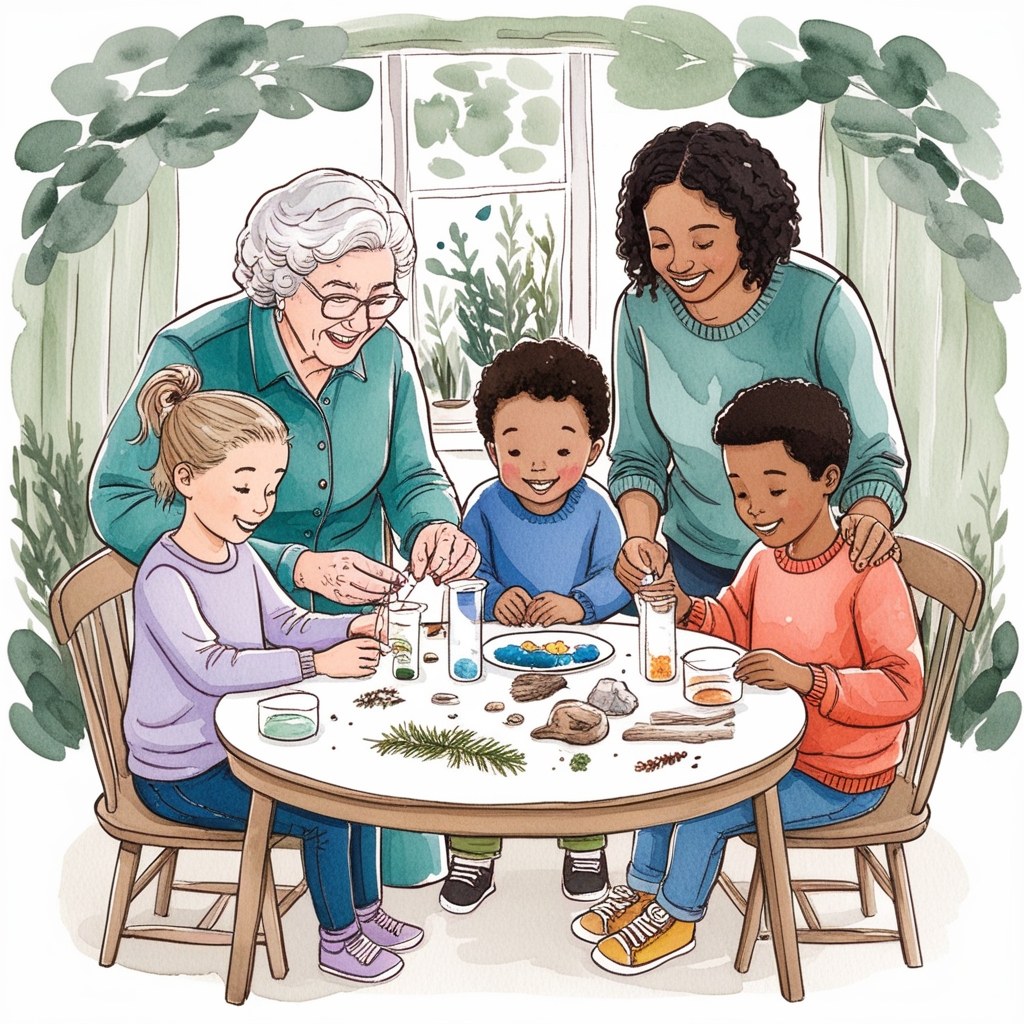
Your homeschool environment significantly impacts your child’s ability to focus and learn effectively. However, you don’t need a dedicated classroom to create successful learning spaces throughout your home.
Designing Functional Learning Areas
Identify quiet areas in your home where your child can concentrate without distractions. This might be a corner of the living room, a spot at the kitchen table, or a converted bedroom.
Essential elements include adequate lighting, comfortable seating, storage for supplies, and easy access to reference materials. Consider your child’s age and attention span when designing the space.
Organization and Storage Solutions
Effective organization reduces stress and maximizes learning time. Use bins, shelves, and labels to keep curriculum, supplies, and completed work easily accessible.
Rotate materials regularly to maintain interest and prevent clutter. Store seasonal or advanced materials separately until needed.
Technology Integration
Determine what technology your family will use for education. This might include computers, tablets, educational software, or online resources.
Establish clear guidelines for technology use and ensure all family members understand expectations for educational versus recreational screen time.
Developing a Daily Schedule and Routine
Creating structure through consistent routines helps both parents and children feel confident and prepared for each day’s learning activities.
Flexible Scheduling Principles
Start with a basic framework that includes time blocks for core subjects, breaks, meals, and free time. Remember that homeschool schedules can be more flexible than traditional school schedules.
Consider your family’s natural rhythms. Some children learn better in the morning, while others are more alert in the afternoon. Adjust your schedule to maximize your child’s peak learning times.
Sample Daily Schedule Framework
Here’s a sample schedule for elementary-aged children:
- 8:00-9:00 AM: Morning routine and breakfast
- 9:00-10:00 AM: Mathematics
- 10:00-10:15 AM: Break and physical activity
- 10:15-11:15 AM: Language arts (reading/writing)
- 11:15 AM-12:00 PM: Science or social studies
- 12:00-1:00 PM: Lunch and free time
- 1:00-2:00 PM: Creative activities, art, or music
- 2:00-3:00 PM: Independent reading or educational games
Building in Flexibility and Breaks
Successful homeschool schedules include regular breaks and flexibility for unexpected learning opportunities. If your child becomes fascinated by a particular topic, allow time to explore that interest deeply.
Plan for field trips, sick days, and family events by building buffer time into your academic calendar. Many homeschool families find they can cover required material in fewer hours than traditional schools due to individualized attention.
The School Withdrawal Process
If your child is currently enrolled in traditional school, you’ll need to formally withdraw them before beginning homeschool instruction.
Timing Your Withdrawal
You can typically withdraw your child at any time during the school year, but consider timing that minimizes disruption to their social connections and academic progress.
Some families choose to withdraw at natural transition points like the end of a grading period or semester, while others begin homeschooling immediately when they make the decision.
Required Documentation
Contact your child’s current school to understand their withdrawal procedures. You’ll likely need to submit a written withdrawal notice and return any school property such as textbooks or technology.
Request copies of your child’s academic records, including transcripts, standardized test scores, and any special education documentation. These records will be important for future educational decisions.
Communicating with School Officials
Be prepared to answer questions about your homeschool plans, but remember that you’re not required to justify your educational choices beyond meeting legal requirements.
Maintain a respectful, professional tone in all communications. Some school officials may not be familiar with homeschool laws, so be prepared to provide information about your state’s requirements if necessary.
Record Keeping and Documentation
Maintaining thorough records protects your family legally and helps you track your child’s educational progress over time.
Essential Records to Maintain
Keep detailed records of attendance, subjects taught, curriculum used, and your child’s academic progress. Many states require specific documentation, so check your local requirements.
Important records include:
- Daily or weekly attendance logs
- Curriculum lists and descriptions
- Samples of your child’s work (portfolio)
- Standardized test scores or evaluation reports
- Records of field trips and educational activities
- Documentation of any special services or therapies
Digital and Physical Storage Systems
Choose a record-keeping system that you’ll actually use consistently. This might be a simple binder with printed forms, a digital spreadsheet, or specialized homeschool record-keeping software.
Back up digital records regularly and keep physical copies of essential documents in a secure location. Consider scanning important papers to create digital backups.
Portfolio Development
Create a portfolio showcasing your child’s best work and progress over time. Include examples from different subjects and note improvements in skills and understanding.
Portfolios serve as valuable documentation for evaluations and can boost your child’s confidence by highlighting their achievements and growth.
Building Your Homeschool Community
Connecting with other homeschool families provides support, resources, and socialization opportunities that enrich your educational experience.
Finding Local Homeschool Groups
Search online for homeschool groups in your area using social media, homeschool websites, or community bulletin boards. Many communities have multiple groups with different focuses or philosophies.
Attend homeschool conventions, curriculum fairs, or informational meetings to meet other families and learn about available resources in your area.
Homeschool Co-ops and Classes
Cooperative learning groups allow parents to share teaching responsibilities and provide group learning experiences for children. Co-ops often offer specialized classes like foreign languages, advanced sciences, or arts that individual families might find challenging to teach.
Consider your family’s schedule and commitment level before joining a co-op, as they typically require parent participation and regular attendance.
Online Communities and Resources
Virtual homeschool communities provide 24/7 support and connection with families worldwide. Join online forums, social media groups, or virtual meetups to ask questions, share resources, and find encouragement.
The team at HomeschoolingExperts.org offers extensive support and resources for families learning how to start homeschooling and those looking to enhance their existing programs.
Overcoming Common First-Year Challenges
Every homeschool family faces obstacles during their first year. Understanding common challenges and having strategies to address them helps you navigate difficulties with confidence.
Dealing with Doubt and Criticism
It’s normal to question your decision to homeschool, especially when facing criticism from family members or friends. Remember that you know your child best and have made this decision thoughtfully.
Connect with experienced homeschool families who can provide encouragement and practical advice. Document your child’s progress to build confidence in your teaching abilities.
Managing Time and Organization
Balancing homeschool responsibilities with household management, work, and personal needs requires careful planning and realistic expectations.
Start with simple systems and gradually add complexity as you become more comfortable with your routines. Don’t try to implement every organizational strategy at once.
Addressing Learning Difficulties
If your child struggles with certain subjects or concepts, remember that individualized attention is one of homeschooling’s greatest advantages. You can adjust pace, teaching methods, and materials to meet your child’s specific needs.
Consider consulting with educational specialists, tutors, or experienced homeschool parents who have faced similar challenges. Many learning difficulties can be addressed effectively in the homeschool environment.
Maintaining Motivation
Both parents and children may experience motivation dips during the school year. Plan for these natural fluctuations by building variety into your curriculum and celebrating small victories along the way.
Take breaks when needed, explore new teaching methods, or temporarily shift focus to subjects your child enjoys most. Remember that learning happens continuously, not just during formal lesson times.
Frequently Asked Questions
Do I need a teaching degree to homeschool my child?
No, most states do not require parents to have teaching degrees to homeschool their children. However, some states do have specific educational requirements for homeschool parents, so check your local laws. Many successful homeschool parents have no formal teaching background but are committed to learning alongside their children.
How much does it cost to start homeschooling?
Homeschool costs vary widely depending on your curriculum choices and approach. You can start homeschooling for under $500 per year using free resources, library books, and basic supplies, or spend several thousand dollars on comprehensive curriculum packages and materials. The average homeschool family spends between $600-$1,200 per child annually.
How many hours per day should we spend on homeschool lessons?
Homeschool lesson time depends on your child’s age and attention span. Elementary children typically need 2-4 hours of focused instruction daily, while high school students may require 4-6 hours. Remember that one-on-one instruction is more efficient than classroom teaching, so you can accomplish more in less time.
What if my child wants to return to traditional school later?
Children can typically transition back to traditional school at any time. Maintain good records of your homeschool curriculum and your child’s progress to facilitate smooth transitions. Some schools may require placement tests or portfolio reviews to determine appropriate grade placement.
How do homeschooled children get into college?
Homeschooled students are accepted to colleges and universities across the country every year. You’ll need to create transcripts, document coursework, and may need to provide additional testing such as SAT or ACT scores. Many colleges actively recruit homeschooled students for their self-motivation and unique perspectives.
What about socialization for homeschooled children?
Homeschooled children have many opportunities for socialization through community activities, sports teams, religious organizations, homeschool co-ops, clubs, and volunteer work. Many homeschool families find their children have more diverse social interactions than traditionally schooled peers because they interact with people of all ages in various settings.
Can I homeschool if I work full-time?
Yes, many families successfully combine homeschooling with work commitments through flexible scheduling, online curriculum, evening lessons, or shared teaching responsibilities with spouses or other family members. Some parents adjust their work schedules, work from home, or use childcare that incorporates educational activities.
📚 Recommended Homeschool Resources
As an Amazon Associate, I earn from qualifying purchases. Some links in this article are affiliate links, meaning I may earn a small commission at no extra cost to you.
Conclusion
Learning how to start homeschooling for the first time is an exciting journey that opens up endless possibilities for your child’s education. While the process may seem daunting initially, remember that thousands of families successfully begin homeschooling each year with dedication, patience, and the right resources.
Start by researching your state’s legal requirements, choosing an educational approach that fits your family, and selecting basic curriculum for core subjects. Create a learning environment and daily routine that works for your lifestyle, and don’t be afraid to make adjustments as you discover what works best.
Most importantly, remember that homeschooling is a marathon, not a sprint. Give yourself and your child time to adjust to this new way of learning. Connect with other homeschool families for support and encouragement, and celebrate the small victories along the way.
Your decision to homeschool demonstrates your commitment to providing the best possible education for your child. With careful planning, patience, and persistence, you can create a rich, rewarding educational experience that serves your child’s unique needs and interests.
Ready to take the next step in your homeschool journey? Contact our team for personalized guidance and support as you begin this exciting educational adventure.
Related Resources
Explore these additional resources to support your homeschool journey:
- Getting Started with Homeschooling – Essential guides and tips for new homeschool families
- Curriculum and Teaching Methods – Detailed information about different homeschool approaches and materials
- Scheduling and Planning – Tools and strategies for organizing your homeschool year
Loved this post? Grab the free resource above.
Everything you need to begin homeschooling — checklist, planner, and first-week lesson plans.


