Free Homeschool Starter Kit
Everything you need to begin homeschooling — checklist, planner, and first-week lesson plans.
Starting your homeschool journey begins with understanding what you need to start homeschooling successfully. The essentials include researching your state’s legal requirements, choosing an appropriate curriculum, creating a dedicated learning space, and establishing a routine that works for your family. While the prospect of educating your children at home may seem overwhelming, thousands of families successfully navigate this rewarding educational path every year.
This comprehensive guide will walk you through every essential element needed to launch your homeschooling adventure with confidence. From legal compliance and curriculum selection to creating effective learning environments and building support networks, we’ll cover the practical steps that transform homeschooling dreams into reality.
Key Takeaways
- Legal requirements vary by state and must be researched before starting
- Curriculum choices range from complete packages to individual subject materials
- A dedicated learning space improves focus and organization
- Record keeping is essential for legal compliance and progress tracking
- Building a support network enhances the homeschooling experience
- Starting costs can range from $300 to $2,000+ depending on choices made
Understanding Legal Requirements and State Laws
Before you can begin homeschooling, understanding your state’s legal requirements is absolutely crucial. Each state has different laws governing home education, and compliance is non-negotiable for protecting your family’s educational choices.
Researching Your State’s Homeschool Laws
The Home School Legal Defense Association (HSLDA) provides comprehensive state-by-state legal information that serves as an excellent starting point. States generally fall into four categories of regulation: high, moderate, low, and no regulation.
High-regulation states like New York and Pennsylvania require detailed record keeping, standardized testing, and regular evaluations. Moderate-regulation states typically require basic notification and some form of assessment, while low-regulation states may only require notification or attendance records.
Common Legal Requirements Across States
Most states require some combination of the following elements:
- Notification or registration: Informing the state or local school district of your intent to homeschool
- Attendance requirements: Maintaining records of days and hours of instruction
- Subject requirements: Teaching specific core subjects like math, language arts, science, and social studies
- Assessment or evaluation: Annual testing, portfolio reviews, or professional evaluations
- Teacher qualifications: Some states require parents to have specific educational backgrounds
Withdrawal Process from Public School
If your children are currently enrolled in public school, you’ll need to formally withdraw them. This process typically involves submitting a written withdrawal notice to the school district and may require completing specific forms.
Contact your current school’s main office to understand their withdrawal procedures. Some districts may attempt to discourage homeschooling, but remember that you have the legal right to educate your children at home in all 50 states.
Choosing the Right Curriculum and Learning Materials
Selecting appropriate curriculum materials represents one of the most important decisions when determining what you need to start homeschooling. The right curriculum aligns with your child’s learning style, your teaching preferences, and your family’s educational philosophy.
Types of Homeschool Curricula
Complete Curriculum Packages offer comprehensive, grade-level programs that include all core subjects. Popular options include Sonlight, Abeka, and Time4Learning, which provide structured lesson plans and reduce planning time for busy parents.
Unit Study Approaches integrate multiple subjects around central themes. For example, studying ancient Egypt might incorporate history, geography, art, and literature. This method works well for families with multiple children of different ages.
Subject-Specific Materials allow you to mix and match the best resources for each subject. You might use Saxon Math, Institute for Excellence in Writing, and Apologia Science to create a customized educational experience.
Matching Curriculum to Learning Styles
Understanding your child’s learning preferences helps narrow curriculum choices significantly. Visual learners thrive with programs that include colorful textbooks, diagrams, and educational videos. Auditory learners benefit from curricula with audio components, discussions, and verbal instruction.
Kinesthetic learners need hands-on activities, experiments, and movement-based learning. Many successful homeschooling families discover that their children learn through multiple modalities and benefit from varied approaches.
Free and Low-Cost Curriculum Options
Quality homeschool education doesn’t require expensive materials. Khan Academy offers free online courses in math, science, and humanities. Easy Peasy All-in-One Homeschool provides complete curriculum plans using free online resources.
Your local library contains treasure troves of educational materials, including books, educational DVDs, and online database access. Many libraries also offer homeschool programs and resources specifically designed for home educators.
For additional curriculum ideas and resources, explore our comprehensive curriculum and methods section for detailed reviews and recommendations.
Setting Up Your Homeschool Learning Environment
Creating an effective learning environment is essential when considering what you need to start homeschooling successfully. Your homeschool space doesn’t need to be elaborate or expensive, but it should be organized, comfortable, and conducive to learning.
Designating Your Homeschool Area
Many families successfully homeschool using kitchen tables, living rooms, or converted bedrooms. The key is consistency and organization rather than size or expense. Choose a space with good lighting, minimal distractions, and adequate storage for books and supplies.
Consider your family’s lifestyle when selecting a location. If you prefer flexibility, a portable homeschool setup using bins or carts allows you to move between rooms or even take learning outdoors on beautiful days.
Essential Furniture and Equipment
Basic furniture needs include appropriate seating and work surfaces for your children’s ages and sizes. Adjustable chairs and desks grow with children and prevent posture problems during long study sessions.
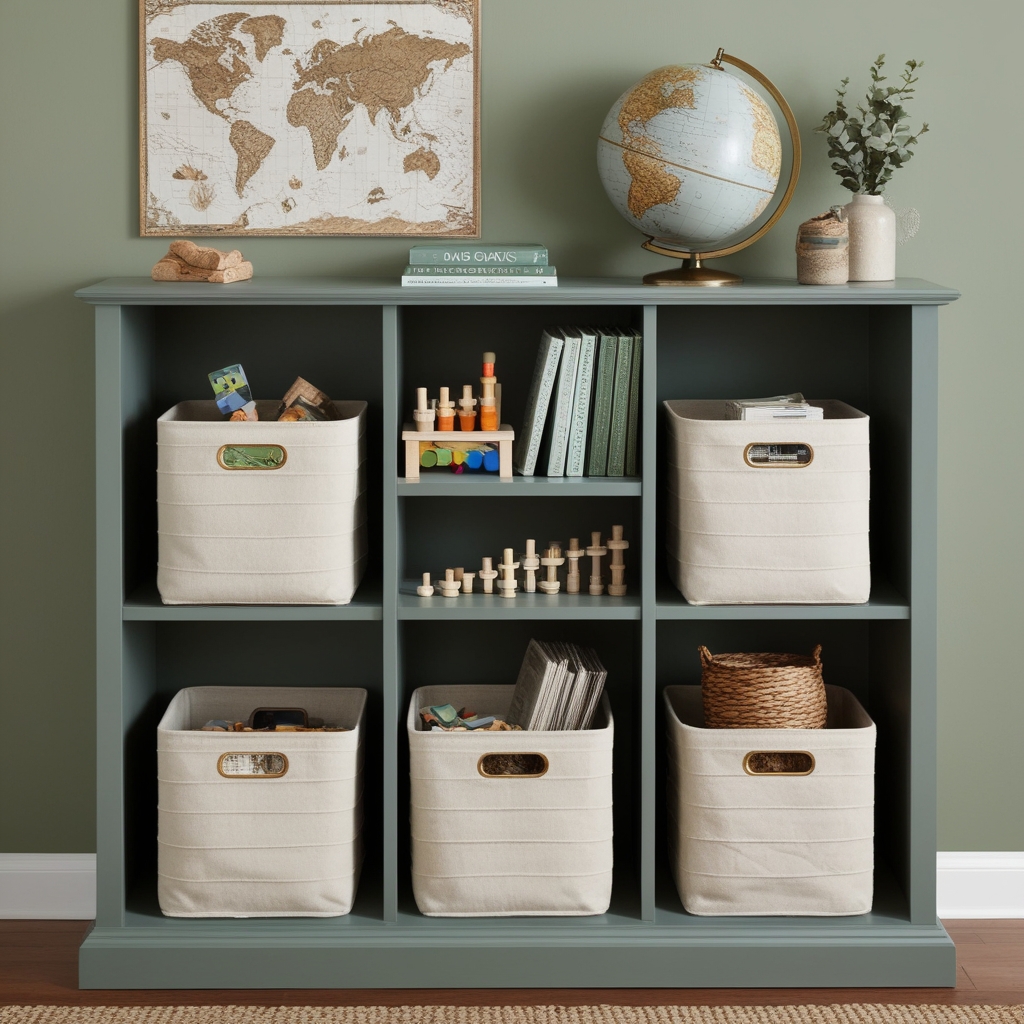
Storage solutions keep materials organized and accessible. Bookshelves, filing cabinets, or storage bins help maintain order and reduce time spent searching for supplies. A whiteboard or chalkboard facilitates instruction and provides space for working through problems together.
Technology and Learning Tools
While not absolutely necessary, technology can enhance your homeschool experience significantly. A computer or tablet provides access to online curricula, educational videos, and research resources. High-speed internet enables participation in virtual field trips and online classes.
Basic supplies include pencils, pens, paper, rulers, calculators, and art materials. Science equipment like microscopes or chemistry sets depends on your chosen curriculum and your children’s interests. Many families start with basics and add specialized equipment as needs arise.
Essential Record Keeping and Documentation

Proper record keeping protects your family legally and helps track your children’s educational progress. Understanding what documentation you need represents a crucial aspect of what you need to start homeschooling compliantly.
Required Records by State
Most states require attendance records showing the number of days and hours of instruction. Keep detailed logs that include dates, subjects studied, and time spent on each activity. Some states specify minimum instructional hours per year, typically ranging from 600 to 1,080 hours.
Academic records document your child’s educational progress through grades, test scores, and completed assignments. Portfolio documentation showcases your child’s best work and demonstrates learning across subjects and grade levels.
Digital vs. Physical Record Keeping
Digital record keeping offers convenience and backup security. Software programs like Homeschool Tracker or simple spreadsheets help organize attendance, grades, and curriculum records. Cloud storage ensures your records remain safe even if devices are damaged or lost.
Physical portfolios provide tangible evidence of learning and create meaningful keepsakes. Many families use a combination approach, maintaining digital attendance records while keeping physical portfolios of special projects and artwork.
Transcript Preparation for High School
High school homeschoolers need detailed transcripts for college applications and employment opportunities. Start transcript preparation early, documenting course titles, credit hours, grades, and graduation requirements met.
Include extracurricular activities, volunteer work, and unique learning experiences that demonstrate well-rounded education. Many colleges appreciate the detailed documentation that homeschool families provide about their students’ educational journeys.
Creating Structure and Daily Routines
Establishing effective routines and structure helps homeschooling families maintain consistency and progress. While flexibility represents one of homeschooling’s greatest advantages, some structure provides security and ensures educational goals are met.
Developing Your Homeschool Schedule
Consider your family’s natural rhythms when creating daily schedules. Some children focus best in early morning hours, while others perform better after lunch. Observe your children’s energy patterns and plan challenging subjects during their peak performance times.
Block scheduling works well for many families, dedicating specific time blocks to core subjects. For example, mornings might focus on math and language arts, while afternoons include science, history, and creative activities. Build in breaks between subjects to maintain attention and prevent burnout.
Balancing Structure with Flexibility
Successful homeschooling balances routine with adaptability. Establish non-negotiable elements like daily reading time or math practice, while remaining flexible about timing and methods. This approach provides security while accommodating sick days, family events, or spontaneous learning opportunities.
Seasonal adjustments help maintain engagement throughout the year. Summer schedules might emphasize outdoor learning and field trips, while winter months focus on indoor projects and intensive study periods.
Managing Multiple Children
Families with multiple children need strategies for managing different grade levels and learning needs simultaneously. Combination approaches teach similar subjects to multiple children with age-appropriate assignments and expectations.
Independent work time allows older children to complete assignments while parents focus on younger children who need more direct instruction. Educational activities like audiobooks or educational videos can engage some children while others receive individual attention.
For more detailed scheduling strategies, visit our scheduling and planning resources for practical tips and templates.
Building Your Homeschool Support Network
Creating connections with other homeschooling families provides encouragement, resources, and social opportunities that enrich your educational journey. A strong support network addresses both parent and child needs in the homeschooling community.
Local Homeschool Groups and Co-ops
Local homeschool groups offer regular meetups, park days, and educational activities. These connections provide social opportunities for children and support for parents navigating similar challenges. Many groups organize field trips, science fairs, and graduation ceremonies that enhance the homeschool experience.
Homeschool co-ops allow families to share teaching responsibilities and resources. Parents with different expertise areas teach classes to groups of children, providing specialized instruction in subjects like foreign languages, advanced sciences, or fine arts.
Online Communities and Resources
Online homeschool communities connect families across geographic boundaries. Facebook groups, forums, and specialized websites provide 24/7 access to advice, encouragement, and resource recommendations from experienced homeschooling families.
Virtual support groups accommodate busy schedules and provide connections for families in rural areas or those with unique educational approaches. Many online communities organize virtual events, book clubs, and educational challenges that enhance learning experiences.
Professional Support Services
Educational consultants help families navigate curriculum choices, learning differences, and academic planning. These professionals provide objective assessments and recommendations based on extensive experience with diverse homeschooling approaches.
Tutoring services supplement parent instruction in challenging subjects. Many homeschooling families use tutors for advanced mathematics, foreign languages, or specialized subjects that exceed parent expertise or comfort levels.
Budgeting and Financial Considerations
Understanding the financial aspects represents a practical element of what you need to start homeschooling successfully. While homeschooling can be done affordably, planning your budget helps ensure you can provide quality education within your means.
Startup Costs and Initial Investment
Initial homeschooling costs vary dramatically based on curriculum choices and setup preferences. Families using free online resources and library materials might spend only $300-500 per child annually, while those choosing premium curricula and extensive supplies could invest $2,000+ per child.
Consider spreading major purchases across time to manage cash flow. Start with essential materials and add supplementary resources as your budget allows and needs become clearer through experience.
Ongoing Annual Expenses
Annual homeschooling expenses typically include curriculum materials, supplies, testing fees, and activity costs. According to the National Home Education Research Institute, the average homeschooling family spends $600-$1,000 per child annually on educational materials.
Factor in costs for field trips, extracurricular activities, and social events. Many families budget $100-300 annually for these enrichment activities that enhance the homeschool experience.
Money-Saving Strategies
Curriculum swaps with other homeschool families reduce costs significantly. Many local groups organize annual curriculum sales where families sell completed materials at discounted prices.
Library resources provide free access to books, educational videos, and online databases. Many libraries offer homeschool discounts on late fees and extended checkout periods for educational materials.
Seasonal sales and used curriculum websites like Homeschool Classifieds offer substantial savings on quality materials. Planning purchases around back-to-school sales and end-of-year clearances maximizes your educational budget.
First Steps to Start Homeschooling
Taking the first concrete steps toward homeschooling transforms planning into action. Following a systematic approach ensures you address all necessary elements when beginning your homeschool journey.
Three Months Before Starting
Begin by thoroughly researching your state’s legal requirements and connecting with experienced local homeschooling families. Join online communities and attend homeschool conventions or information meetings to gather insights and resources.
Start exploring curriculum options by requesting samples and reading reviews. Many curriculum companies offer sample lessons or trial periods that help you evaluate materials before making significant investments.
One Month Before Starting
Complete any required legal notifications or registrations with your state or local school district. If withdrawing children from public school, submit necessary paperwork and collect any records you might need.
Set up your learning space and organize materials for easy access. Create basic record-keeping systems and establish preliminary daily routines that work with your family’s schedule.
Order curriculum materials and gather supplies, allowing time for delivery and setup. Download any required software or create accounts for online programs you plan to use.
Your First Week of Homeschooling
Start slowly with basic subjects and shorter time periods than you ultimately plan. Focus on establishing routines and helping children adjust to learning at home rather than covering extensive material immediately.
Document everything during your first weeks to identify what works well and what needs adjustment. Flexibility during the transition period helps everyone adapt to new learning patterns and expectations.
Celebrate small victories and remain patient with the adjustment process. Most families need several weeks to find their rhythm and develop confidence in their homeschooling approach.
For additional getting started resources, explore our comprehensive getting started section with step-by-step guides and checklists.
Frequently Asked Questions
Do I need a teaching degree to homeschool my children?
Most states do not require parents to have teaching degrees to homeschool their children. Only a few states have specific educational requirements for homeschooling parents. Check your state’s specific requirements, as they vary significantly across the United States.
How much does it cost to start homeschooling?
Starting costs range from $300 to $2,000+ per child annually, depending on curriculum choices and materials selected. Families can homeschool affordably using free resources and library materials, while premium curricula and extensive supplies increase costs significantly.
What subjects am I required to teach when homeschooling?
Most states require core subjects including mathematics, language arts (reading and writing), science, and social studies. Some states specify additional subjects like health, physical education, or fine arts. Check your state’s specific subject requirements for compliance.
How many hours per day do I need to homeschool?
Homeschooling typically requires 3-6 hours of focused instruction daily, depending on your child’s age and your state’s requirements. Younger children need fewer hours, while high school students require more time for comprehensive education. One-on-one instruction is often more efficient than classroom teaching.
Can I homeschool if I work full-time?
Many families successfully combine homeschooling with full-time work through flexible scheduling, online curricula, and cooperative arrangements. Options include evening or weekend instruction, hiring tutors, or utilizing homeschool co-ops for shared teaching responsibilities.
What if my child has special needs or learning differences?
Homeschooling can be highly effective for children with special needs, allowing for individualized pacing and specialized approaches. Many curricula address different learning styles and needs. Consider consulting with educational specialists and connecting with support groups for special needs homeschooling families.
How do homeschooled children get into college?
Homeschooled students are accepted at colleges and universities nationwide, including Ivy League institutions. Requirements include well-documented transcripts, standardized test scores (SAT/ACT), and often portfolios demonstrating academic achievement. Many colleges actively recruit homeschooled students for their self-direction and unique perspectives.
Conclusion: Your Homeschooling Journey Begins Now
Understanding what you need to start homeschooling successfully involves careful preparation across multiple areas: legal compliance, curriculum selection, learning environment setup, record keeping, and community building. While the initial planning may seem overwhelming, thousands of families navigate this process successfully every year.
Remember that homeschooling is a journey of continuous learning and adjustment. Start with the basics, remain flexible as you discover what works best for your family, and don’t hesitate to make changes as your children grow and your understanding deepens.
The investment you make in preparing thoroughly for homeschooling pays dividends in educational success and family satisfaction. Take time to research your options, connect with experienced families, and trust in your ability to provide excellent education for your children.
Ready to take the next step? Start by researching your state’s legal requirements and connecting with local homeschooling families who can provide guidance and encouragement as you begin this rewarding educational adventure.
Related Resources
Enhance your homeschooling journey with these additional resources:
- Browse our lesson plan shop for ready-to-use educational materials and planning tools
- Explore grade-level specific guides for age-appropriate curriculum and activity suggestions
- Learn more about HomeschoolingExperts.org and our mission to support homeschooling families
Books for New Homeschool Parents
As an Amazon Associate, HomeschoolingExperts earns from qualifying purchases. Some links in this article are affiliate links, meaning we may earn a small commission at no extra cost to you.

Loved this post? Grab the free resource above.
Everything you need to begin homeschooling — checklist, planner, and first-week lesson plans.