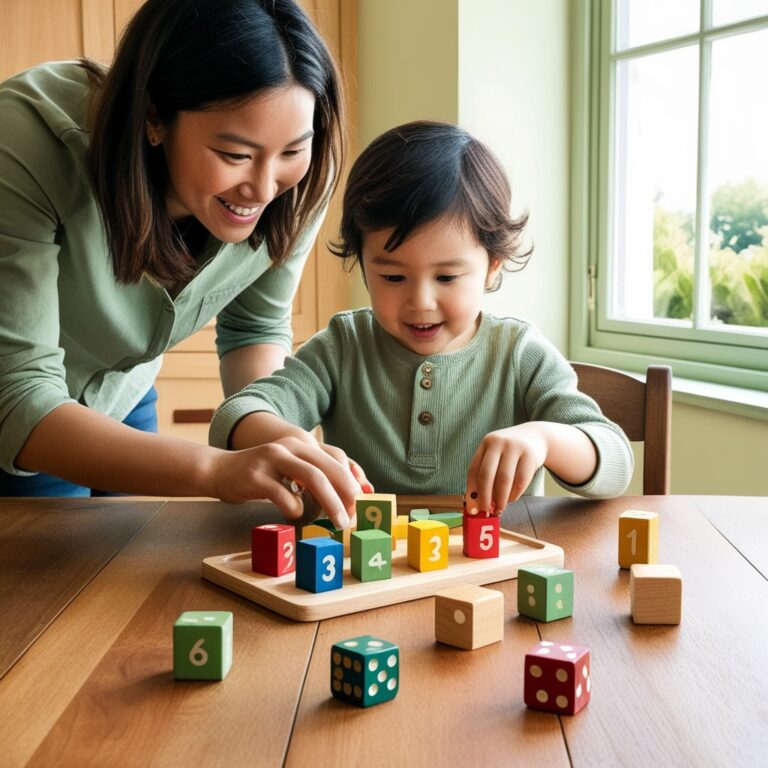
Free K-3 Hands-On Lesson Plan
Math Adventures: Everyday Numbers — printable PDF with 10 hands-on activities your kids will love.
Homeschool socialization tips are essential for parents who want to ensure their children develop strong social skills while learning at home. One of the most common concerns about homeschooling is whether children will have adequate opportunities to interact with peers and develop crucial social competencies. The good news is that homeschooled children can and do thrive socially when parents are intentional about creating diverse socialization opportunities.
This comprehensive guide will walk you through proven strategies to help your homeschooled children build meaningful friendships, develop confidence in social situations, and acquire the interpersonal skills they need for future success. From local community activities to structured group learning experiences, we’ll explore practical ways to create a rich social environment that complements your home education journey.
Key Takeaways
- Homeschool socialization requires intentional planning and diverse opportunities
- Community activities, co-ops, and clubs provide structured social interactions
- Mixed-age socialization often benefits homeschooled children more than traditional peer groups
- Quality social connections matter more than quantity
- Parents play a crucial role in modeling and teaching social skills
Understanding Homeschool Socialization Myths and Realities

Before diving into specific homeschool socialization tips, it’s important to address the common misconceptions surrounding this topic. Research consistently shows that homeschooled children are not socially isolated or lacking in social skills when compared to their traditionally schooled peers.
The Research Behind Homeschool Socialization
According to the National Home Education Research Institute, homeschooled children typically score above average on measures of social, emotional, and psychological development. Dr. Richard Medlin’s comprehensive research review found that homeschooled children are well-socialized and show no signs of social isolation.
The key difference lies in the type and quality of social interactions. While traditional school provides constant peer interaction, homeschooling offers more diverse social experiences across different age groups and community settings.
Quality vs. Quantity in Social Interactions
Effective socialization isn’t about the number of hours spent with peers, but rather the quality and diversity of social experiences. Homeschooled children often benefit from:
- More meaningful, less superficial relationships
- Interactions with people of various ages and backgrounds
- Opportunities to develop leadership skills in mixed-age groups
- Less exposure to negative peer pressure and bullying
- More time for deep friendships to develop
Building Social Connections Through Community Activities
One of the most effective homeschool socialization tips involves actively participating in your local community. Community-based activities provide natural opportunities for children to interact with diverse groups while pursuing their interests.
Library Programs and Activities
Public libraries offer numerous socialization opportunities for homeschooled children. Most libraries host regular programs including:
- Story time sessions for younger children
- Teen book clubs and reading challenges
- STEM workshops and maker spaces
- Cultural events and author visits
- Volunteer opportunities for older students
These programs allow children to meet peers who share similar interests while engaging in educational activities. Many libraries also offer special homeschool programs during traditional school hours.
Community Service and Volunteering
Volunteering provides excellent opportunities for children to develop empathy, leadership skills, and social awareness. Consider these age-appropriate volunteer activities:
- Animal shelters (walking dogs, socializing cats)
- Food banks and soup kitchens
- Senior centers (reading to residents, playing games)
- Environmental cleanup projects
- Helping at community events and festivals
Volunteering exposes children to people from different backgrounds and teaches valuable life skills while contributing to their community.
Religious and Cultural Organizations
Faith-based organizations and cultural centers often provide strong social networks for homeschooling families. These communities typically offer:
- Youth groups and activities
- Family-friendly events and celebrations
- Service projects and mission trips
- Mentorship opportunities
- Support networks for parents
Joining Homeschool Co-ops and Support Groups
Homeschool co-ops represent one of the most valuable resources for implementing effective homeschool socialization tips. These groups bring together families who share educational goals and values while providing structured learning and social opportunities.
Finding the Right Homeschool Co-op
When searching for a homeschool co-op, consider these factors:
- Educational philosophy alignment with your family’s approach
- Age range and class offerings
- Meeting frequency and time commitment
- Cost and volunteer requirements
- Geographic location and accessibility
Start by searching online directories, checking with local homeschool organizations, and asking other homeschooling families for recommendations. Many areas have multiple co-ops with different focuses, from academic subjects to arts and crafts.
Benefits of Co-op Participation
Homeschool co-ops offer unique advantages for social development:
- Regular interaction with the same group of children
- Opportunities to learn from other parents with different expertise
- Group projects and collaborative learning experiences
- Field trips and special events
- Parent networking and support
For additional resources on organizing your homeschool experience, explore our scheduling and planning guides to help balance co-op activities with your home education goals.
Starting Your Own Group
If existing co-ops don’t meet your needs, consider starting your own group. Begin small with 3-4 families and focus on:
- Establishing clear goals and expectations
- Creating a simple structure for meetings
- Rotating hosting and leadership responsibilities
- Planning age-appropriate activities
- Building in flexibility for different family needs
Maximizing Extracurricular and Sports Opportunities

Extracurricular activities provide excellent avenues for implementing homeschool socialization tips while allowing children to pursue their passions and develop new skills. These structured activities offer consistent social interaction and goal-oriented teamwork.
Sports and Physical Activities
Many communities offer sports leagues specifically for homeschooled children, while others welcome homeschoolers into general youth programs. Popular options include:
- Community soccer, baseball, and basketball leagues
- Swimming teams and lessons
- Martial arts classes
- Dance studios and performing groups
- Rock climbing and outdoor adventure clubs
Team sports teach cooperation, communication, and healthy competition while providing regular social interaction with teammates and coaches.
Arts and Creative Programs
Creative activities foster self-expression and often attract like-minded children who share similar interests:
- Community theater groups and drama classes
- Art studios and pottery classes
- Music lessons and youth orchestras
- Creative writing workshops
- Photography clubs
These activities often culminate in performances or exhibitions, giving children opportunities to showcase their work and build confidence.
Academic and STEM Clubs
Many communities offer academic clubs that welcome homeschooled students:
- 4-H clubs with various project focuses
- Robotics teams and coding clubs
- Science fairs and competition teams
- Debate and speech clubs
- Chess clubs and strategy game groups
These activities combine learning with socialization while developing critical thinking and problem-solving skills.
Teaching Social Skills at Home
While external activities provide socialization opportunities, parents play a crucial role in teaching and modeling social skills. Effective homeschool socialization tips include intentional instruction in interpersonal communication and relationship building.
Modeling Appropriate Social Behavior
Children learn social skills primarily through observation and imitation. Parents can model positive social behaviors by:
- Demonstrating respectful communication in all interactions
- Showing empathy and active listening skills
- Handling conflicts constructively and calmly
- Expressing gratitude and appreciation regularly
- Maintaining positive relationships with friends and neighbors
Invite friends and family over regularly so children can observe adult social interactions in a comfortable setting.
Role-Playing and Practice Scenarios
Create opportunities to practice social skills through role-playing exercises:
- Introducing oneself to new people
- Joining ongoing conversations or activities
- Handling disagreements respectfully
- Asking for help when needed
- Showing kindness to others who are struggling
Use real-life situations as teaching moments, discussing what went well and what could be improved after social interactions.
Building Emotional Intelligence
Help children develop emotional awareness and regulation skills:
- Identifying and naming emotions in themselves and others
- Understanding how actions affect other people’s feelings
- Learning coping strategies for difficult emotions
- Practicing patience and self-control
- Developing empathy through literature and real-life examples
For more structured approaches to character development, check out our curriculum and methods resources that include social-emotional learning components.
Embracing Mixed-Age Social Interactions
One unique advantage of homeschool socialization is the opportunity for children to interact regularly with people of different ages. This natural approach to social development offers benefits that age-segregated environments cannot provide.
Benefits of Multi-Age Interactions
Research shows that mixed-age socialization provides numerous advantages:
- Older children develop leadership and mentoring skills
- Younger children learn from positive role models
- Reduced competition and comparison among peers
- More inclusive and accepting social dynamics
- Preparation for real-world social situations
These interactions mirror natural family and community structures, preparing children for adult social environments.
Creating Mixed-Age Opportunities
Intentionally seek out activities that bring together children of different ages:
- Family-style homeschool groups with multiple age ranges
- Community service projects involving various age groups
- Neighborhood activities and block parties
- Intergenerational programs at senior centers
- Family-friendly hobby clubs and interest groups
Encourage your children to interact with adults in appropriate settings, such as greeting neighbors, thanking service providers, and participating in adult conversations when invited.
Sibling Socialization
For families with multiple children, sibling relationships provide constant opportunities for social skill development:
- Negotiating shared spaces and resources
- Resolving conflicts peacefully
- Collaborating on projects and activities
- Supporting each other through challenges
- Celebrating individual achievements
Guide siblings in developing positive relationships by establishing clear expectations, teaching conflict resolution skills, and creating opportunities for cooperation.
Leveraging Online Communities and Virtual Connections
In today’s digital age, online communities can supplement face-to-face interactions and provide valuable social connections. When used appropriately, technology can enhance homeschool socialization efforts.
Educational Online Platforms
Many online educational platforms include social components that allow children to connect with peers:
- Virtual classrooms with discussion forums
- Online clubs focused on specific subjects or hobbies
- Educational gaming platforms with social features
- Video conferencing study groups
- Collaborative project platforms
Always supervise online interactions and teach children about digital citizenship and online safety.
Virtual Homeschool Groups
Geographic limitations need not prevent participation in homeschool communities. Virtual groups offer:
- Online co-op classes and activities
- Virtual field trips and educational experiences
- Book clubs and discussion groups
- Show-and-tell sessions and talent showcases
- Pen pal programs with other homeschooled children
These connections can be especially valuable for families in rural areas or those with limited local homeschool resources.
Balancing Screen Time and Real-World Interaction
While online connections can be valuable, maintain balance by:
- Setting clear limits on screen time for social activities
- Prioritizing face-to-face interactions when possible
- Teaching children to recognize the difference between online and offline relationships
- Encouraging outdoor activities and physical play
- Modeling healthy technology use
Overcoming Common Socialization Challenges
Even with the best intentions, homeschooling families may encounter obstacles in implementing effective homeschool socialization tips. Understanding and addressing these challenges helps ensure social success.
Dealing with Shy or Introverted Children
Some children naturally prefer smaller groups or one-on-one interactions. Support shy children by:
- Starting with low-pressure social situations
- Allowing time to observe before participating
- Focusing on quality friendships over quantity
- Celebrating small social victories
- Respecting their need for quiet time and space
Remember that introversion is not a social deficit but a personality trait that requires different approaches to socialization.
Managing Scheduling Conflicts
Balancing academics with social activities can be challenging. Create manageable schedules by:
- Prioritizing activities that combine learning with socialization
- Choosing a few meaningful activities rather than overcommitting
- Building flexibility into your homeschool routine
- Involving children in scheduling decisions
- Regularly evaluating and adjusting commitments
For help organizing your homeschool schedule, visit our lesson plan resources for planning tools and templates.
Addressing Criticism and Doubts
When facing questions about your children’s socialization, respond with confidence by:
- Sharing specific examples of your children’s social activities
- Highlighting the benefits of diverse social experiences
- Referencing research on homeschool socialization outcomes
- Focusing on your children’s individual growth and happiness
- Connecting with other homeschooling families for support
Remember that every family’s approach to socialization will look different based on their values, location, and children’s needs.
Finding Your Community
Building a strong support network takes time and effort. If you’re struggling to find your homeschool community:
- Attend local homeschool conventions and meetups
- Join online groups for your area
- Start conversations with other parents at community activities
- Be patient and persistent in building relationships
- Consider different types of groups until you find the right fit
Frequently Asked Questions
How much socialization do homeschooled children need?
There’s no magic number for social interactions. Quality matters more than quantity. Most homeschooled children thrive with 2-3 regular social activities per week, combined with informal interactions and family time. Focus on meaningful connections rather than trying to replicate the constant peer interaction of traditional school.
Are homeschooled children socially awkward?
Research consistently shows that homeschooled children are not more socially awkward than their traditionally schooled peers. In fact, many studies indicate that homeschooled children often display better social skills and emotional maturity due to diverse social experiences and stronger family relationships.
What if there are no homeschool groups in my area?
Start by exploring general community activities like sports teams, art classes, or volunteer opportunities. Consider starting your own small group with just one or two other families. Online communities can also provide valuable connections, especially for families in rural areas.
How do I help my homeschooled child make friends?
Consistently participate in activities your child enjoys, as shared interests naturally lead to friendships. Teach your child how to initiate conversations and be a good friend. Arrange playdates and social gatherings, and model friendly behavior in your own interactions.
Should homeschooled children only socialize with other homeschoolers?
Not at all. While homeschool groups provide valuable connections with like-minded families, children benefit from diverse social experiences. Encourage interactions with traditionally schooled children, adults, and people from various backgrounds through community activities.
How do I know if my child is getting enough socialization?
Look for signs that your child is developing age-appropriate social skills, forming friendships, communicating effectively, and showing empathy. If your child seems happy, confident in social situations, and able to interact well with different people, they’re likely getting adequate socialization.
What about socialization for high school homeschoolers?
Teenagers can participate in community college classes, volunteer extensively, join community theater or sports teams, and take on part-time jobs. Many areas offer homeschool proms, graduation ceremonies, and teen groups. Focus on activities that align with their interests and future goals.
Hands-On Activity Resources
As an Amazon Associate, HomeschoolingExperts earns from qualifying purchases. Some links in this article are affiliate links, meaning we may earn a small commission at no extra cost to you.
Conclusion
Effective homeschool socialization requires intentional planning, but it offers unique advantages that traditional schooling cannot provide. By implementing these homeschool socialization tips, you can help your children develop strong social skills while maintaining the flexibility and personalized learning that drew you to homeschooling.
Remember that socialization is not about replicating the traditional school experience but about providing diverse, meaningful opportunities for your children to interact with others and develop into confident, empathetic individuals. Focus on quality relationships, embrace mixed-age interactions, and trust that your intentional approach to social development will serve your children well throughout their lives.
Every family’s journey will look different, and what works for one child may not work for another. Stay flexible, be patient with the process, and celebrate the unique social advantages that homeschooling provides. With consistent effort and creativity, your children can develop excellent social skills while thriving in their home education environment.
Ready to enhance your homeschool journey? Explore our comprehensive resources and connect with our community of experienced homeschooling families. Contact us for personalized guidance and support as you navigate your family’s educational adventure.
Related Resources
Continue exploring ways to enrich your homeschool experience with these helpful resources:
- Creative Activities and Ideas – Discover engaging projects and activities to supplement your social learning
- Getting Started with Homeschooling – Essential guidance for new homeschooling families
- About HomeschoolingExperts.org – Learn more about our mission to support homeschooling families

Loved this post? Grab the free resource above.
Math Adventures: Everyday Numbers — printable PDF with 10 hands-on activities your kids will love.