

Free Homeschool Starter Kit
Everything you need to begin homeschooling — checklist, planner, and first-week lesson plans.
Choosing between homeschool vs public school is one of the biggest decisions a family can make for their child’s education, and there is no one-size-fits-all answer. Both paths offer distinct advantages depending on your child’s learning style, your family’s schedule, and your long-term educational goals. This guide breaks down the real differences in academics, socialization, cost, flexibility, and outcomes so you can make an informed choice with confidence.
At HomeschoolingExperts.org, we talk to families every week who are weighing homeschool vs public school for the first time or reconsidering their current path. We have compiled research-backed data, practical comparisons, and firsthand insight to help you evaluate what truly matters for your child rather than relying on assumptions or outdated stereotypes.
Whether you are a curious parent just starting to research, a teacher exploring alternatives, or a family currently navigating public school and wondering if homeschooling might be a better fit, this comprehensive comparison covers everything you need to know.
Key Takeaways
- Homeschooling offers flexible scheduling, individualized pacing, and curriculum control, while public school provides structured social environments and free access to extracurriculars.
- Homeschooled students often score above average on standardized tests, according to research from the National Home Education Research Institute.
- Public school is tuition-free, while homeschooling costs vary widely depending on curriculum and materials chosen.
- Socialization happens differently in each setting, not less, in homeschooling environments.
- The right choice depends on your child’s learning needs, your family’s schedule, and your available resources.
Homeschool vs Public School: The Core Differences
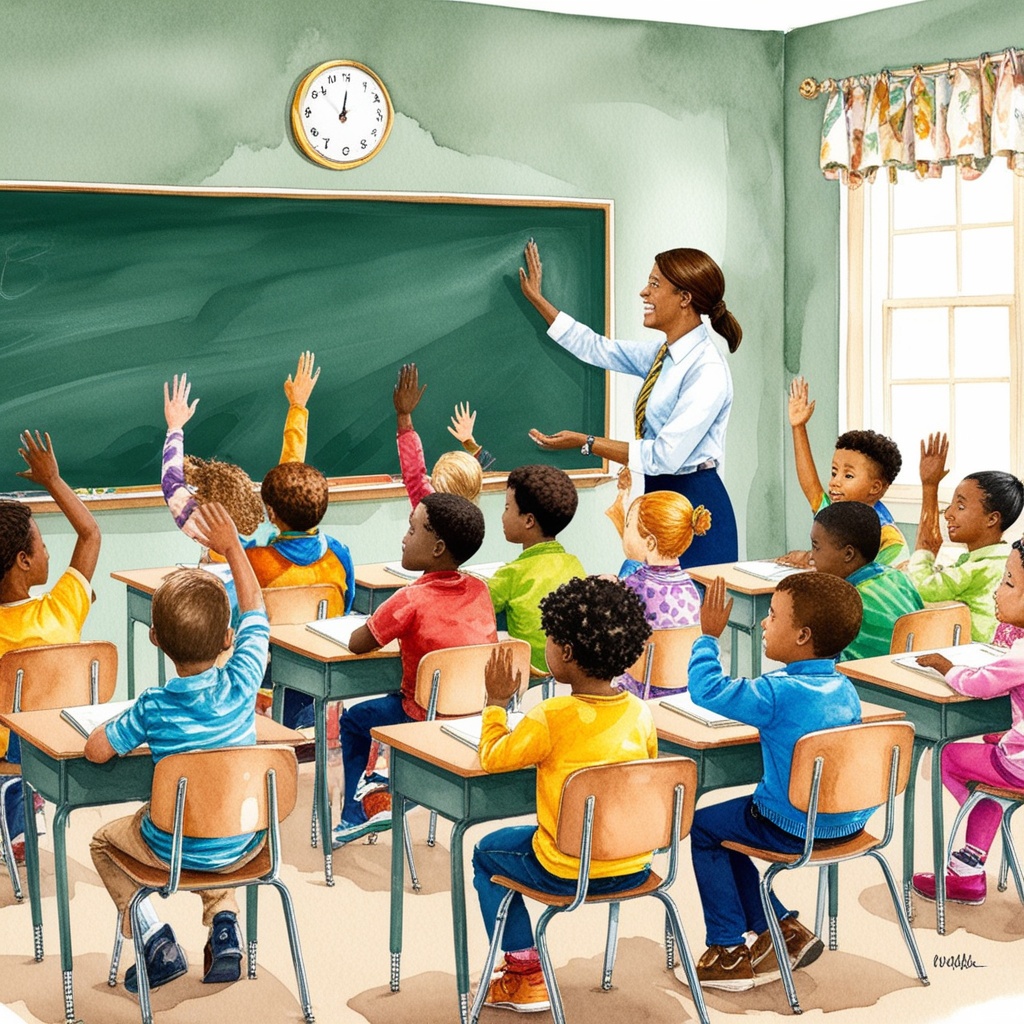
Before diving into specifics, it helps to understand the fundamental structural differences between homeschool vs public school education.
Public school is a government-funded institution that follows state-mandated curriculum standards, operates on a fixed daily schedule, and serves large groups of students in a single classroom setting. Homeschooling, by contrast, is a parent-led or guardian-led education model that allows families to choose curriculum, set their own schedule, and tailor instruction to a single child or small group of siblings.
Public School Structure
- Standardized curriculum set by state education boards
- Fixed class sizes, typically 20 to 30 students per teacher
- Set daily schedule, usually 7 to 8 hours including transportation
- Access to counselors, nurses, and specialized staff
- Free tuition funded through local and state taxes
Homeschool Structure
- Parent-selected curriculum, which can be religious, secular, classical, or eclectic
- Flexible group sizes, often one-on-one or small sibling groups
- Customizable daily schedule that can be compressed into 3 to 4 focused hours
- Parent or hired tutor serves as primary educator
- Costs vary based on materials and enrichment activities chosen
Understanding these baseline differences sets the stage for comparing outcomes, cost, and flexibility in more depth below.
[Image Placeholder]
Academic Outcomes and Learning Styles
One of the most common questions families ask is whether homeschooling actually produces strong academic results compared to public school. The data is encouraging for homeschool families.
According to the National Home Education Research Institute, homeschooled students typically score 15 to 30 percentile points above public school students on standardized achievement tests. This advantage tends to hold across subjects including reading, math, and science.
Why Homeschooling Can Boost Academic Performance
- Individualized pacing allows children to master concepts before moving forward
- One-on-one instruction reduces time lost to classroom management and transitions
- Curriculum can be adjusted immediately if a child is struggling or excelling
- Parents can incorporate real-world learning experiences into daily lessons
Where Public School Excels Academically
- Access to specialized teachers trained in specific subjects like chemistry or calculus
- Structured accountability through standardized testing and grading systems
- Advanced placement and honors tracks for high-achieving students
- Peer learning opportunities and group projects that build collaboration skills
Ultimately, academic success in either setting depends heavily on engagement, consistency, and quality of instruction rather than the setting alone. Families exploring homeschool curriculum options can browse our curriculum methods guide to find an approach that matches their child’s learning style.
Socialization: Debunking the Biggest Myth
The socialization question is arguably the most persistent myth in the homeschool vs public school debate. Many people assume homeschooled children miss out on friendships and social development, but the reality is more nuanced.
Homeschooled children often interact with a wider age range of people, including co-op peers, community groups, sports teams, and volunteer organizations, rather than being confined to same-age classmates for six hours a day.
Homeschool Socialization Opportunities
- Homeschool co-ops and learning pods
- Community sports leagues and dance or music classes
- Volunteer work and part-time jobs during teen years
- Field trips and group educational outings
Public School Socialization Opportunities
- Daily peer interaction in classrooms and hallways
- Structured extracurriculars like clubs, band, and student government
- School dances, assemblies, and sports events
- Exposure to diverse student populations within one building
Research published by education organizations, including studies referenced by the Home School Legal Defense Association, shows homeschooled adults report similar or higher levels of civic engagement and social confidence compared to their public school peers. The key is intentional effort, homeschool families need to seek out social opportunities rather than assuming they will happen automatically.
[Image Placeholder]
Cost Comparison: What You Will Actually Spend

When comparing homeschool vs public school financially, public school appears free on the surface because it is funded by taxes. However, homeschooling costs are often lower than people expect, and public school comes with hidden expenses many families overlook.
Public School Hidden Costs
- School supplies and classroom donations, averaging $100 to $300 per year
- Extracurricular fees for sports, clubs, and field trips
- Before and after school childcare if both parents work
- Transportation costs if living outside a bus route
Homeschooling Costs
- Basic curriculum packages ranging from $200 to $600 per child annually
- Optional online programs or tutoring, ranging from $500 to $2,000 per year
- Co-op membership fees, typically $100 to $400 annually
- Lesson plans and printable resources, often available affordably online
Families looking to minimize costs while maximizing quality can explore ready-made materials through our homeschool lesson plan shop, which offers budget-friendly options across multiple subjects and grade levels.
Schedule and Flexibility
Flexibility is one of the most cited reasons families choose homeschooling over public school, and the difference in daily structure is significant.
Public school follows a fixed calendar with set start times, mandatory attendance windows, and standardized breaks. Homeschooling allows families to build a schedule around travel, work commitments, therapy appointments, or a child’s natural energy levels throughout the day.
Benefits of Public School Scheduling
- Predictable routine that supports working parents
- Consistent structure that some children thrive under
- Built-in before and after care programs at many schools
Benefits of Homeschool Scheduling
- Ability to travel during off-peak seasons
- Shorter daily instructional time, often 3 to 5 hours total
- Flexibility to accommodate medical needs, sports training, or family businesses
- Year-round schooling options instead of a traditional academic calendar
Families new to homeschooling often find that building a consistent but flexible routine takes some trial and error. Our scheduling and planning resources offer templates and tips for creating a rhythm that works for your household.
Curriculum Control and Teaching Approaches
Another major differentiator in the homeschool vs public school comparison is who controls what gets taught and how.
Public school curriculum is determined by state education boards and must align with standardized testing requirements. Homeschool families have almost complete freedom to choose an educational philosophy that fits their values and their child’s learning style.
Popular Homeschool Curriculum Approaches
- Classical education, focusing on grammar, logic, and rhetoric stages
- Charlotte Mason method, emphasizing literature and nature study
- Unit studies, combining subjects around a central theme
- Unschooling, allowing child-led interest-based learning
- Traditional textbook-based curriculum, mirroring public school structure
Public School Curriculum Standards
- Common Core or state-specific academic standards
- Standardized testing benchmarks at multiple grade levels
- Limited ability for parents to modify content or pacing
- Uniform curriculum across all students in a grade level
Families transitioning from public school to homeschooling often feel overwhelmed by the sheer number of curriculum choices available. Our getting started guide walks new homeschoolers through selecting a curriculum step by step, and the U.S. Department of Education also provides general guidance on academic standards for families comparing both systems.
Special Needs and Individualized Learning
For families with children who have learning differences, ADHD, giftedness, or other special needs, the homeschool vs public school decision often carries extra weight.
Public schools are legally required to provide Individualized Education Programs, known as IEPs, and 504 plans for qualifying students. This can include speech therapy, occupational therapy, and specialized classroom accommodations at no direct cost.
Advantages for Special Needs in Public School
- Access to certified special education teachers and therapists
- Legally mandated accommodations under federal law
- Group therapy and peer modeling opportunities
Advantages for Special Needs in Homeschooling
- Ability to work at the child’s exact pace without classroom pressure
- Reduced sensory overload from large classroom environments
- Curriculum can be fully customized to address specific learning gaps
- More one-on-one attention throughout the day
Many families find that a hybrid approach, using public school therapy services while homeschooling academics, offers the best of both worlds. Organizations like the Home School Legal Defense Association offer state-specific guidance on navigating special education rights while homeschooling.
[Image Placeholder]
College Readiness and Long-Term Outcomes
A frequent concern in the homeschool vs public school debate is whether homeschooled students are adequately prepared for college and beyond.
The data suggests homeschooled students perform comparably or better than their public school peers in higher education settings. According to research cited by Scholastic, homeschooled college students often report stronger self-discipline, time management, and independent study skills compared to traditionally schooled peers.
College Admissions Considerations for Homeschoolers
- Most colleges accept homeschool transcripts and portfolios
- Standardized test scores like the SAT or ACT carry extra weight in admissions
- Dual enrollment at community colleges can supplement high school records
- Extracurricular documentation should be kept thorough and organized
College Admissions Considerations for Public School Students
- Official transcripts and class rank are readily available
- Guidance counselors assist directly with application processes
- Established grading systems are familiar to admissions officers
Both paths can lead to successful college admission and career outcomes when paired with strong record-keeping and a well-rounded transcript. Families planning ahead can review our grade level guides to ensure academic milestones are being met at each stage.
How to Decide Which Option Is Right for Your Family
After comparing homeschool vs public school across academics, cost, socialization, and flexibility, the final decision comes down to your family’s unique circumstances.
Consider Homeschooling If You Value
- Full control over curriculum and teaching philosophy
- Flexible daily and yearly scheduling
- One-on-one instructional time for your child
- The ability to travel or relocate frequently
Consider Public School If You Value
- A consistent daily structure and routine
- Access to specialized teachers and school-based therapy services
- Built-in peer socialization and extracurricular programs
- No tuition cost and free access to school resources
Many families also choose a hybrid model, combining homeschooling for core subjects with part-time public school enrollment for specific classes or activities. There is no wrong answer, only the option that best supports your child’s growth and your family’s lifestyle. If you are still unsure, our team is happy to help, feel free to reach out through our contact page for personalized guidance.
Frequently Asked Questions
Is homeschooling better than public school academically?
Research shows homeschooled students often score above average on standardized tests, but academic success ultimately depends on consistency, engagement, and quality of instruction rather than the setting alone.
Do homeschooled kids get enough socialization?
Yes, homeschooled children typically socialize through co-ops, sports leagues, community groups, and volunteer work, often interacting with a wider age range of people than same-age classmates alone.
How much does homeschooling cost compared to public school?
Public school is tuition-free but includes hidden costs like supplies and extracurricular fees, while homeschooling typically costs between 200 and 2000 dollars per child annually depending on curriculum choices.
Can homeschooled students get into college?
Yes, most colleges accept homeschool transcripts and portfolios, and homeschooled students often report strong self-discipline and independent study skills that colleges value.
Is it legal to homeschool instead of attending public school?
Yes, homeschooling is legal in all 50 states, though requirements vary, so families should check state-specific regulations through resources like the Home School Legal Defense Association.
What curriculum do homeschoolers use instead of public school textbooks?
Homeschool families can choose from classical education, Charlotte Mason, unit studies, unschooling, or traditional textbook-based curriculum depending on their child’s learning style and family values.
Can I switch between homeschool and public school?
Yes, many families move between homeschooling and public school as needs change, and some choose a hybrid approach combining both for the best fit at each stage.
📚 Recommended Homeschool Resources
As an Amazon Associate, I earn from qualifying purchases. Some links in this article are affiliate links, meaning I may earn a small commission at no extra cost to you.
Conclusion
The homeschool vs public school decision is deeply personal, and both paths offer legitimate, effective routes to a strong education. Homeschooling provides flexibility, individualized pacing, and curriculum control, while public school offers structured routine, specialized staff, and built-in social opportunities.
The best choice depends on your child’s learning style, your family’s daily schedule, and the resources available to you. Whichever path you choose, consistency, engagement, and a supportive learning environment matter more than the setting itself.
If you are ready to explore homeschooling further, browse our getting started resources or visit our about page to learn more about our mission at HomeschoolingExperts.org. Our team is always here to help you take the next confident step in your family’s education journey.
Related Resources
- Homeschool Curriculum Methods Guide
- Homeschool Scheduling and Planning Tips
- Homeschool Lesson Plans and Printable Resources
Loved this post? Grab the free resource above.
Everything you need to begin homeschooling — checklist, planner, and first-week lesson plans.


