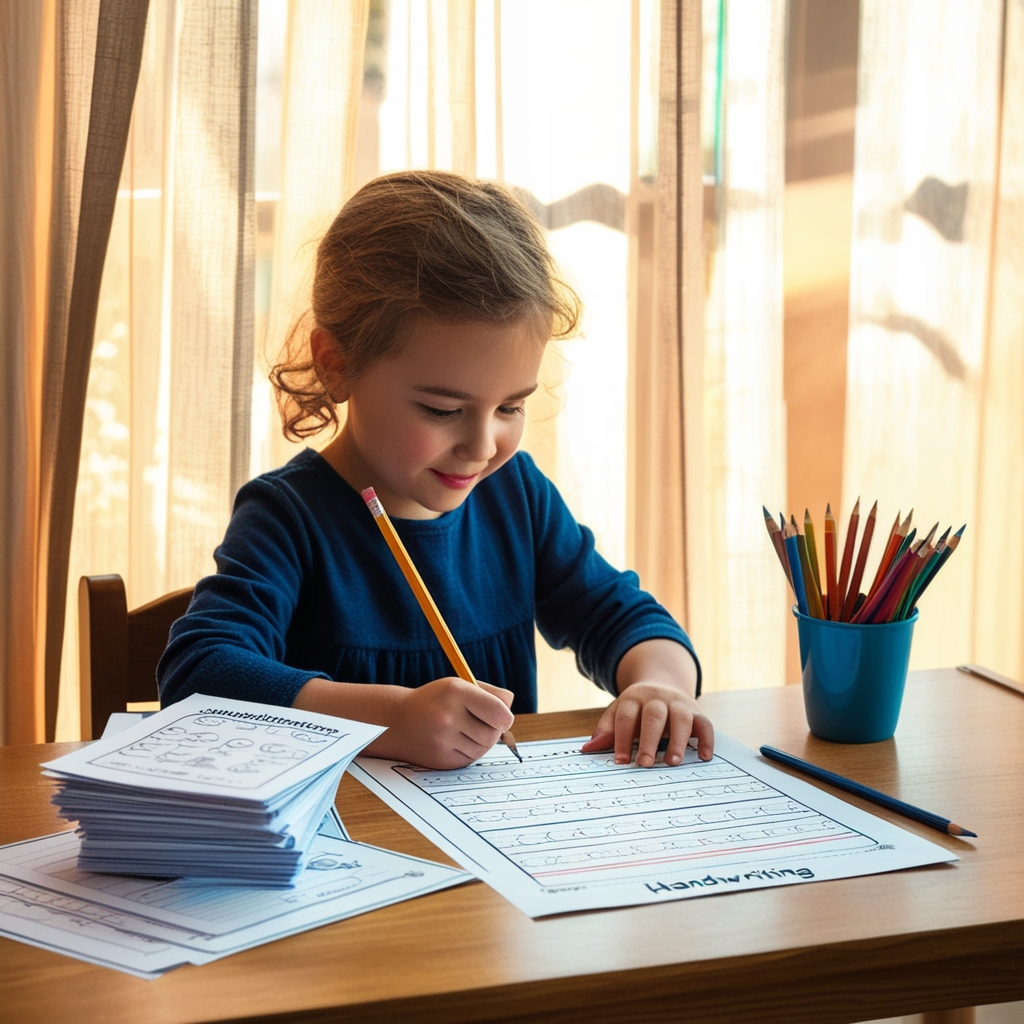
Free Sample Lesson Plan
Math Adventures: Everyday Numbers — drop your email and we'll send the printable PDF.
Homeschool handwriting practice worksheets PDF resources are essential tools that help parents provide structured, systematic handwriting instruction for their children at home. These downloadable worksheets offer a convenient, cost-effective way to support your child’s fine motor development and writing skills through guided practice and repetition.
Whether you’re teaching cursive, print letters, or helping your child transition between different writing styles, having access to quality PDF worksheets can transform your homeschool handwriting curriculum. These resources provide the consistency and structure needed to build strong foundational writing skills while allowing you to customize instruction to your child’s specific needs and learning pace.
In this comprehensive guide, we’ll explore the best types of handwriting worksheets available, how to choose age-appropriate materials, and practical strategies for implementing effective handwriting instruction in your homeschool routine. You’ll discover free and premium resources, learn about different handwriting methods, and get expert tips for making handwriting practice engaging and successful.
Key Takeaways
- PDF worksheets provide flexible, printable handwriting practice that adapts to your homeschool schedule
- Age-appropriate progression from pre-writing skills to cursive mastery ensures proper development
- Combining multiple worksheet types addresses different learning styles and skill levels
- Regular, short practice sessions are more effective than lengthy handwriting marathons
- Quality worksheets should include proper letter formation guides and adequate spacing
Benefits of Using Handwriting Practice Worksheets
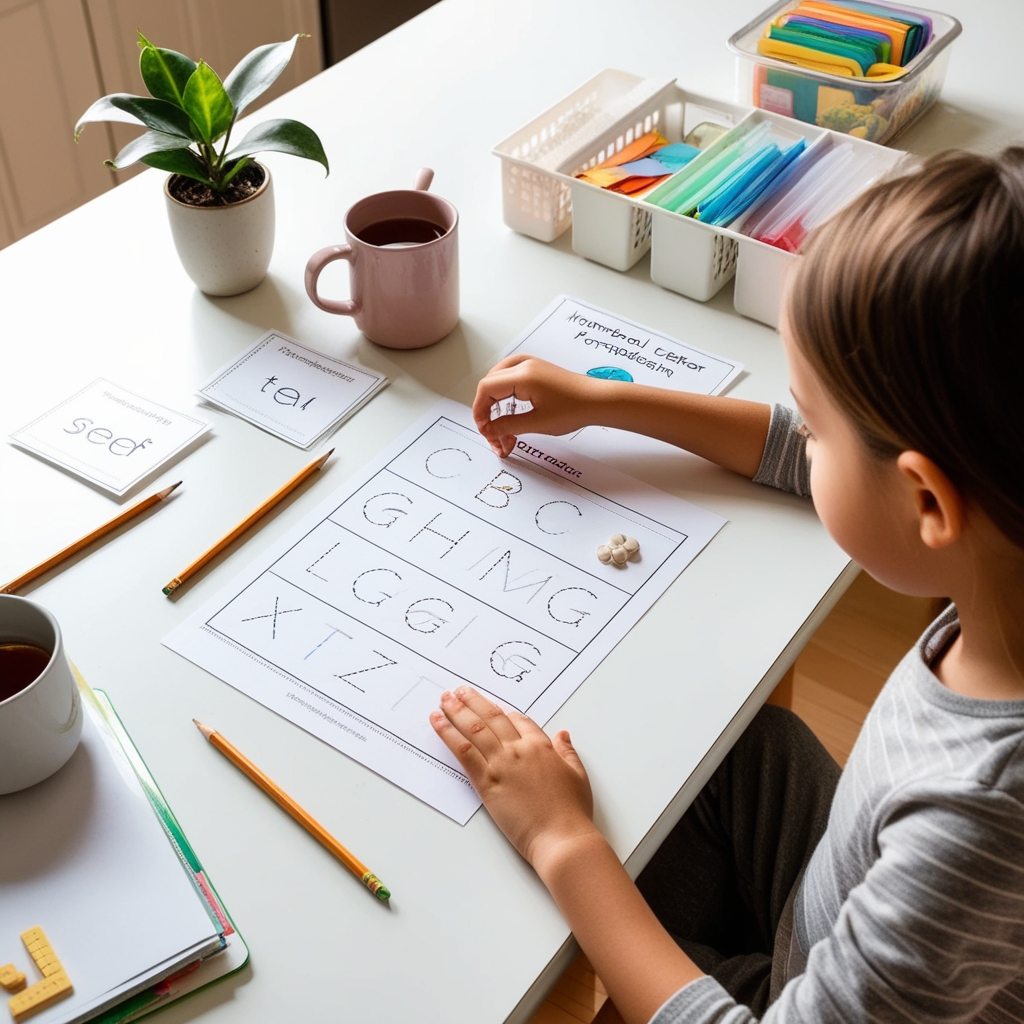
Homeschool handwriting practice worksheets PDF files offer numerous advantages for families seeking structured writing instruction. These resources provide consistency and measurable progress tracking that helps both parents and children stay motivated throughout the learning process.
Structured Learning Progression
Quality handwriting worksheets follow developmental milestones, starting with basic pre-writing skills and gradually advancing to complex letter combinations and cursive writing. This systematic approach ensures children build proper muscle memory and letter formation habits from the beginning.
Research from the Journal of Educational Psychology shows that students who practice handwriting with structured worksheets demonstrate 23% better letter recognition and 18% improved writing fluency compared to those using unstructured practice methods. This data underscores the importance of using well-designed worksheet sequences.
Cost-Effective Educational Solution
PDF worksheets eliminate the ongoing expense of workbooks and consumable materials. Once downloaded, families can print worksheets as needed, making them perfect for multiple children or repeated practice sessions.
Additionally, digital storage means you’ll never lose important practice materials, and you can easily organize worksheets by skill level or child. This convenience factor makes comprehensive lesson planning more manageable for busy homeschool parents.
Customizable Practice Sessions
Unlike traditional workbooks, PDF worksheets allow you to select specific skills for targeted practice. If your child struggles with lowercase letters but excels at uppercase formation, you can focus practice time where it’s needed most.
This flexibility also accommodates different learning paces within the same family. Siblings can work on age-appropriate materials simultaneously, making group instruction more effective and reducing preparation time for parents.
Types of Homeschool Handwriting Practice Worksheets
Understanding the different categories of handwriting worksheets helps you select materials that match your child’s current skill level and learning objectives. Each type serves specific developmental purposes in building comprehensive writing abilities.
Pre-Writing and Fine Motor Worksheets
These foundational worksheets focus on developing the hand strength and coordination necessary for proper letter formation. Activities include tracing straight lines, curves, zigzags, and geometric shapes that mirror the strokes used in actual letters.
Pre-writing worksheets typically feature larger practice spaces and bold guidelines to accommodate developing fine motor control. Many include fun themes like connecting dots to form animal shapes or completing pattern sequences to maintain engagement.
Print Letter Formation Worksheets
Print handwriting worksheets concentrate on teaching proper letter formation for both uppercase and lowercase letters. Quality worksheets show directional arrows indicating where to start each letter and which direction to move the pencil.
These materials often progress from individual letter practice to letter combinations, simple words, and eventually complete sentences. The U.S. Department of Education recommends spending adequate time on print mastery before introducing cursive writing.
Cursive Writing Practice Sheets
Cursive worksheets introduce the flowing, connected style of handwriting that many homeschool families choose to teach. These worksheets focus on proper letter slant, consistent letter sizing, and smooth connections between letters.
Modern cursive worksheets often use simplified letter forms that are easier for children to master while maintaining the benefits of cursive writing, including improved writing speed and enhanced fine motor development.
Copy Work and Dictation Sheets
These advanced worksheets combine handwriting practice with literature, scripture, poetry, or educational content. Students copy meaningful text while reinforcing proper letter formation and developing familiarity with spelling patterns and grammar structures.
Copy work sheets serve dual purposes by improving handwriting while exposing children to quality literature and expanding vocabulary. This approach aligns with proven curriculum methods used by successful homeschool families.
Choosing Age-Appropriate Handwriting Materials
Selecting handwriting worksheets that match your child’s developmental stage is crucial for building confidence and preventing frustration. Age-appropriate materials ensure steady progress while maintaining motivation and engagement.
Ages 3-5: Foundation Building
Preschool-aged children benefit from worksheets emphasizing pre-writing skills and basic shape recognition. Look for materials with wide spacing, simple instructions, and engaging illustrations that make practice feel like play.
At this stage, focus on worksheets that develop pencil grip, hand strength, and basic directional awareness. Activities should be short (5-10 minutes) and celebrate small victories to build positive associations with writing practice.
- Large format worksheets with 1-inch practice lines
- Thick, dotted guidelines for easy tracing
- Simple shapes and patterns before letter introduction
- Colorful, theme-based designs to maintain interest
Ages 6-8: Print Mastery
Elementary-aged children are ready for systematic letter instruction using properly formatted handwriting worksheets. Standard ruled paper with appropriate line spacing helps establish correct letter proportions and consistent baseline alignment.
Children in this age group can handle 15-20 minute practice sessions and benefit from worksheets that combine individual letters with simple words and sentences. Progress tracking becomes important for maintaining motivation.
- Standard ruled paper with dotted midlines
- Clear letter formation guides with numbered strokes
- Progression from letters to words to sentences
- Self-evaluation checklists for independence
Ages 9-12: Cursive Introduction and Refinement
Upper elementary students can begin cursive instruction while continuing to refine print handwriting. Worksheets should emphasize proper letter connections, consistent slant, and appropriate spacing between words.
This age group benefits from worksheets incorporating educational content, allowing handwriting practice to support other subject areas. Historical documents, poetry, and scientific facts make excellent copy work material.
Best Free PDF Handwriting Worksheet Resources
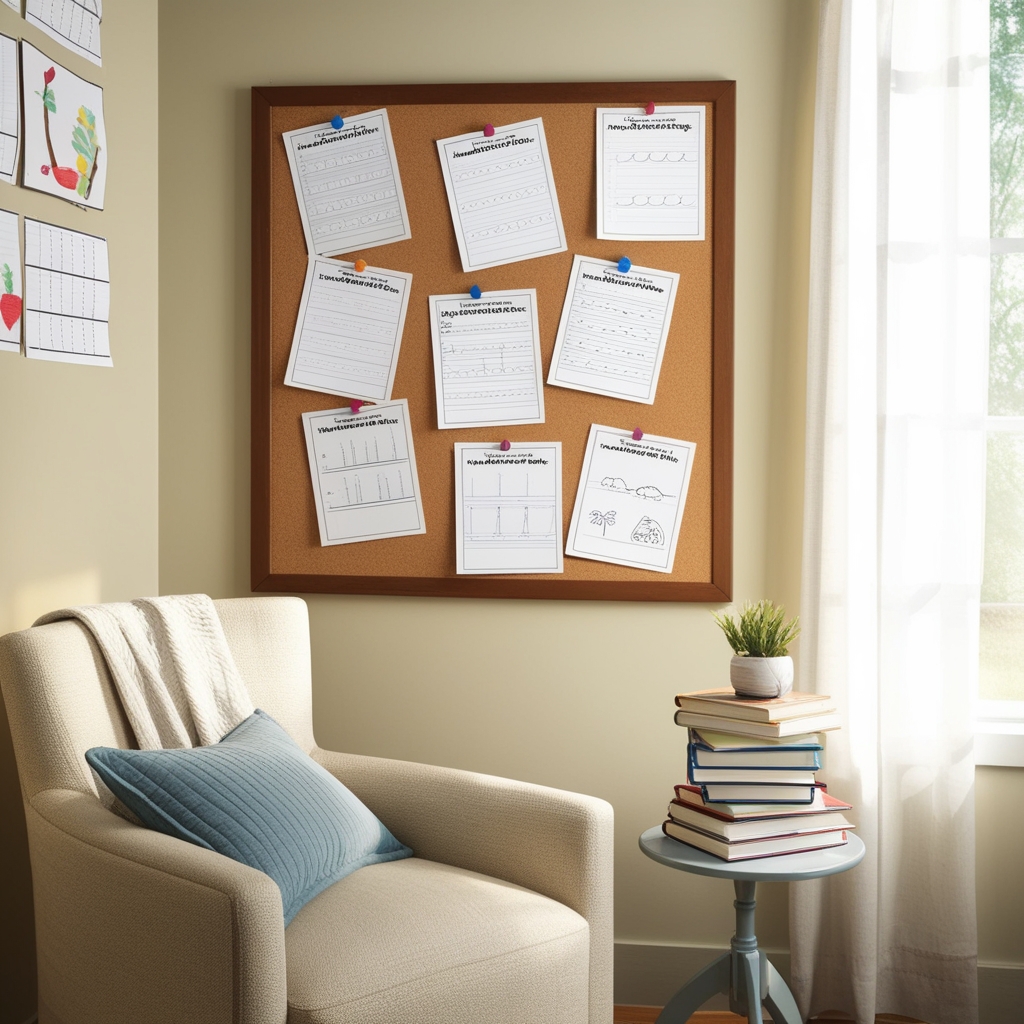
Numerous websites offer high-quality homeschool handwriting practice worksheets PDF downloads at no cost. These resources provide excellent starting points for families beginning their handwriting instruction journey.
Educational Website Collections
Several established educational organizations provide comprehensive handwriting worksheet collections. Scholastic’s teaching resources include professionally designed worksheets covering multiple handwriting styles and skill levels.
These institutional resources often undergo educational review processes, ensuring they meet established learning standards and developmental appropriateness guidelines. Many include teacher guides and implementation suggestions.
Homeschool Community Resources
Experienced homeschool educators frequently share their successful worksheet designs through blogs and educational websites. These resources often include practical tips from parents who have tested the materials with their own children.
Community-created resources tend to address real-world homeschool challenges and offer solutions that work within typical family schedules and learning environments.
Government and Non-Profit Educational Materials
State education departments and literacy organizations often provide free handwriting resources designed to support home education efforts. These materials typically align with state educational standards while remaining accessible to homeschool families.
Non-profit educational organizations frequently offer specialized worksheets for children with learning differences or those requiring additional support in fine motor development.
Premium Handwriting Worksheet Options
While free resources provide excellent starting points, premium handwriting worksheet collections often offer enhanced features, comprehensive scope and sequence, and ongoing updates that justify their cost for serious homeschool programs.
Complete Curriculum Packages
Premium handwriting programs provide systematic instruction sequences with detailed parent guides, assessment tools, and supplementary materials. These comprehensive packages eliminate guesswork and provide confidence for parents uncertain about handwriting instruction methods.
Many premium options include video demonstrations, troubleshooting guides, and customer support to help families overcome common challenges. The investment often pays for itself through reduced frustration and more efficient learning.
Customizable Worksheet Generators
Advanced premium services offer worksheet customization tools that allow parents to create personalized practice materials. These tools can generate worksheets using your child’s name, favorite words, or specific letter combinations that need extra practice.
Customization features are particularly valuable for children with learning differences or those requiring specialized instruction approaches. The ability to adjust line spacing, font size, and practice content ensures optimal learning conditions.
Multi-Child Family Licenses
Premium handwriting resources often include family licensing options that provide significant value for homeschool families with multiple children. These licenses typically allow unlimited printing and use across all family members.
Family packages frequently include materials spanning multiple grade levels, ensuring resources remain useful as children progress through different developmental stages.
Effective Implementation Strategies
Successfully integrating homeschool handwriting practice worksheets PDF materials into your daily routine requires thoughtful planning and consistent execution. The right implementation approach can transform handwriting from a dreaded chore into an enjoyable learning experience.
Creating Consistent Practice Routines
Establishing regular handwriting practice times helps children develop automatic habits and reduces resistance to writing activities. Most handwriting experts recommend short, frequent sessions rather than lengthy practice periods.
Consider incorporating handwriting practice into existing routines, such as morning work time or afternoon quiet activities. Consistency in timing helps children mentally prepare for focused practice and improves overall cooperation.
- Schedule 10-15 minute daily sessions for elementary ages
- Use timer systems to maintain focus and prevent fatigue
- Establish clear start and end signals for practice time
- Celebrate completion rather than perfection
Environment and Materials Setup
Creating an optimal practice environment significantly impacts handwriting success. Proper seating, lighting, and writing tools contribute to better letter formation and reduced physical strain during practice sessions.
Invest in age-appropriate writing tools and ensure worksheets are printed clearly on quality paper. Poor printing quality can frustrate children and interfere with their ability to follow letter formation guides accurately.
Progress Tracking and Motivation
Implementing simple progress tracking systems helps children see their improvement over time and maintains motivation during challenging learning periods. Visual progress indicators work particularly well for young learners.
Consider creating handwriting portfolios that showcase improvement from early attempts to current skill levels. This approach helps children appreciate their growth and builds confidence for tackling new challenges.
Troubleshooting Common Handwriting Challenges
Even with quality worksheets and consistent practice, homeschool families often encounter handwriting difficulties that require targeted solutions. Understanding common challenges helps parents respond effectively and maintain learning momentum.
Letter Reversal Issues
Letter reversals are normal developmental occurrences that typically resolve with proper practice and maturity. Worksheets specifically designed to address reversals use visual cues, memory aids, and repetitive practice to establish correct letter orientation.
When working with children experiencing persistent reversals, focus on one problematic letter at a time rather than attempting to correct multiple issues simultaneously. This targeted approach prevents overwhelm and allows for focused improvement.
Spacing and Sizing Problems
Inconsistent letter sizing and spacing issues often respond well to worksheets with enhanced visual guidelines. Look for materials that provide clear boundaries for letter placement and use color coding to distinguish different line functions.
Teaching children to use their finger as a spacer between words can help establish consistent spacing habits. Some worksheets include built-in spacing guides that gradually fade as children develop automatic spacing skills.
Speed and Fluency Concerns
Children who write correctly but very slowly may benefit from fluency-building worksheets that emphasize smooth, continuous letter formation. These materials focus on connecting strokes and reducing pencil lifts during writing.
Avoid rushing children who are still developing letter formation accuracy. Speed naturally increases as proper formation becomes automatic, but pushing for speed too early can result in poor habits that are difficult to correct later.
Creating Custom Handwriting Worksheets
While commercial handwriting worksheets serve most needs, creating custom materials allows you to address specific learning objectives or incorporate family interests into practice sessions. Custom worksheets can enhance engagement and target particular skill areas.
Using Worksheet Creation Software
Several software programs and online tools enable parents to create professional-quality handwriting worksheets. These tools typically include various fonts, line styles, and formatting options that match commercial worksheet standards.
When creating custom worksheets, maintain consistent formatting and ensure adequate spacing for your child’s current skill level. Test print worksheets before creating multiple copies to verify readability and appropriate sizing.
Incorporating Educational Content
Custom worksheets provide opportunities to combine handwriting practice with other subject areas. Science vocabulary, historical facts, or foreign language phrases can make handwriting practice more meaningful and educational.
This integrated approach aligns with creative homeschool activities that maximize learning time while maintaining student interest and engagement.
Personalizing for Individual Needs
Custom worksheets allow you to address your child’s specific interests, learning style, and skill level. Incorporating favorite characters, hobbies, or family experiences into practice materials can significantly increase motivation and cooperation.
Consider creating themed worksheet series that align with current unit studies or seasonal activities. This connection between handwriting practice and broader learning themes helps children see writing as a useful life skill rather than an isolated academic exercise.
Frequently Asked Questions
How often should my child practice handwriting with worksheets?
Daily practice sessions of 10-15 minutes are most effective for elementary-aged children. Consistency is more important than duration, so shorter daily sessions produce better results than longer sessions done less frequently. Preschoolers may only need 5-10 minutes of practice several times per week.
What age should I start using handwriting practice worksheets?
Pre-writing worksheets can begin around age 3-4, focusing on basic shapes and fine motor development. Formal letter instruction typically starts around age 5-6, though some children may be ready earlier or later depending on their fine motor development and interest level.
Should I teach print or cursive handwriting first?
Most education experts recommend teaching print letters first, as they are simpler to form and match the text children see in books. Cursive instruction typically begins around age 8-9, after children have mastered print letter formation and developed sufficient fine motor control.
How do I know if my handwriting worksheets are age-appropriate?
Age-appropriate worksheets should challenge your child without causing frustration. If your child consistently struggles to complete worksheets or becomes upset during practice, the material may be too advanced. Conversely, if worksheets seem too easy and your child shows no engagement, consider advancing to more challenging materials.
Can I use handwriting worksheets for children with learning differences?
Yes, but you may need to modify standard worksheets or seek specialized materials. Children with learning differences often benefit from larger writing spaces, enhanced visual cues, or alternative grip tools. Consult with occupational therapy resources or special education materials for additional support strategies.
What should I do if my child resists handwriting practice?
Try reducing practice time, incorporating preferred topics or characters into worksheets, or changing the practice environment. Some children respond better to different times of day or alternative seating arrangements. Make sure writing tools are comfortable and age-appropriate, as physical discomfort often contributes to resistance.
How can I track my child’s handwriting progress effectively?
Keep samples of your child’s work from different time periods to visually document improvement. Many parents create handwriting portfolios or take photos of completed worksheets. Focus on overall trends rather than daily variations, as handwriting skills develop gradually over time.
📚 Recommended Homeschool Resources
As an Amazon Associate, I earn from qualifying purchases. Some links in this article are affiliate links, meaning I may earn a small commission at no extra cost to you.
Conclusion
Homeschool handwriting practice worksheets PDF resources provide invaluable support for families committed to developing strong writing skills in their children. These flexible, cost-effective materials offer structured instruction that adapts to individual learning needs while maintaining the consistency necessary for skill development.
Success with handwriting worksheets depends on selecting age-appropriate materials, implementing consistent practice routines, and maintaining patience throughout the learning process. Remember that handwriting development occurs gradually, and each child progresses at their own pace.
By combining quality worksheet resources with supportive instruction and regular practice, you can help your child develop legible, confident handwriting that will serve them throughout their academic journey and beyond. The investment in proper handwriting instruction pays dividends in improved communication skills, enhanced fine motor development, and increased academic confidence.
Ready to transform your homeschool handwriting instruction? Start by exploring the comprehensive educational resources available through our lesson plan shop, where you’ll find carefully curated materials designed specifically for homeschool success.
Related Resources
Enhance your homeschool handwriting program with these additional resources:
- Grade-Level Learning Guides – Find age-appropriate expectations and milestones for handwriting development
- Homeschool Scheduling and Planning – Learn how to effectively incorporate handwriting practice into your daily routine
- About Our Educational Approach – Discover the research-based methods behind our curriculum recommendations

Loved this post? Grab the free resource above.
Math Adventures: Everyday Numbers — drop your email and we'll send the printable PDF.