
Free K-3 Hands-On Lesson Plan
Math Adventures: Everyday Numbers — printable PDF with 10 hands-on activities your kids will love.
Finding fresh homeschool co-op class ideas can transform a good co-op into a thriving learning community that families look forward to every week. Whether you are launching a brand-new co-op or looking to breathe new life into an established group, the right mix of classes keeps students engaged, parents invested, and the entire program running smoothly. This guide walks through dozens of tested homeschool co-op class ideas organized by subject, age group, and format so you can build a schedule that fits your community’s unique needs.
According to the National Home Education Research Institute, homeschooling has grown to include an estimated 3.1 million students in the United States, and co-ops have become one of the most popular ways families combine socialization with academics. A well-run co-op offers hands-on learning, mentorship opportunities, and a built-in support system for both parents and children. This post covers everything from academic core classes to elective enrichment options, plus practical tips for organizing your co-op schedule.
By the end of this article, you will have a running list of homeschool co-op class ideas ready to pitch at your next planning meeting, along with guidance on scheduling, staffing, and keeping classes age-appropriate. Let’s dive in.
Key Takeaways
- Homeschool co-op classes should blend core academics, hands-on electives, and social activities for a balanced schedule.
- Rotating themes and age-based groupings keep co-op classes engaging for a wide range of students.
- Successful co-ops rely on clear communication, shared teaching responsibilities, and flexible scheduling.
- Popular categories include STEM, arts, life skills, physical education, and literature-based discussion classes.
- Planning tools and lesson plan resources can save co-op leaders significant prep time.
Why Homeschool Co-op Classes Matter

Homeschool co-op classes give children the chance to learn alongside peers in a structured group setting. This matters because socialization and collaborative learning are often cited as top priorities for homeschooling families. A good co-op class idea does more than fill time; it builds community, teaches teamwork, and exposes students to instructors and perspectives beyond their own household.
For parents, co-ops distribute the teaching load. Instead of one parent covering every subject, families can specialize, teaching what they know best while their children benefit from other parents’ expertise. This shared model is one reason co-ops have become a cornerstone of many homeschooling communities across the country.
The Benefits of a Strong Co-op Schedule
A thoughtfully planned co-op schedule offers several advantages, including:
- Consistent social interaction with same-age peers
- Access to subjects that are harder to teach alone, such as chemistry labs or foreign language conversation practice
- Shared resources, supplies, and teaching costs
- Built-in accountability that keeps students motivated
- Opportunities for parents to network and support one another
If you are just getting started with homeschooling in general, our Getting Started resource hub offers foundational guidance before you dive into co-op planning.
Core Academic Homeschool Co-op Class Ideas
Academic core classes form the backbone of most homeschool co-ops. These homeschool co-op class ideas reinforce skills families are already working on at home while adding a collaborative dimension.
Literature and Writing Circles
Book clubs and writing workshops are among the most requested co-op classes. Students read a shared novel, discuss themes, and practice writing skills like persuasive essays or creative short stories. Rotating discussion leaders among older students builds public speaking confidence.
Math Games and Problem-Solving Labs
Math can feel isolating when taught one-on-one. A co-op math lab that uses games, logic puzzles, and group problem-solving challenges makes the subject social and fun. Consider grouping by skill level rather than strict age to keep the pace appropriate.
Geography and World Cultures
A rotating “country of the month” class works well for mixed-age groups. Students research a country’s food, history, and traditions, then present findings or host a mini cultural fair. This class idea pairs naturally with map skills and current events discussion.
Foreign Language Practice
Language acquisition improves dramatically with conversation practice. A Spanish, French, or Latin co-op class where students practice speaking in small groups reinforces vocabulary far better than solo drilling. Resources like Scholastic offer excellent supplementary materials for language and literacy classes.
Hands-On Science and STEM Co-op Classes
Science and STEM subjects shine in a co-op environment because they benefit from shared equipment, lab space, and group experimentation. These are consistently some of the most popular homeschool co-op class ideas among students of all ages.
Chemistry and Physics Lab Days
Pooling resources allows co-ops to afford lab equipment that would be costly for a single family. A monthly lab day covering chemical reactions, simple machines, or electricity circuits gives students hands-on experience they cannot easily replicate alone.
Coding and Robotics Clubs
Coding classes using free platforms like Scratch, along with robotics kits, teach computational thinking and teamwork. Older students can mentor younger ones, which builds leadership skills and reinforces their own learning.
Nature Study and Environmental Science
Outdoor nature study classes combine science with fresh air. Field journaling, plant identification, and pond ecosystem studies are all excellent co-op activities that require minimal equipment and a nearby park or backyard.
Engineering Challenges
STEM challenge classes, such as building bridges from popsicle sticks or designing egg-drop contraptions, teach the engineering design process through friendly competition. These classes work well for a wide age range when tasks are scaled by difficulty.
[Image Placeholder]
Creative Arts and Performance Co-op Classes
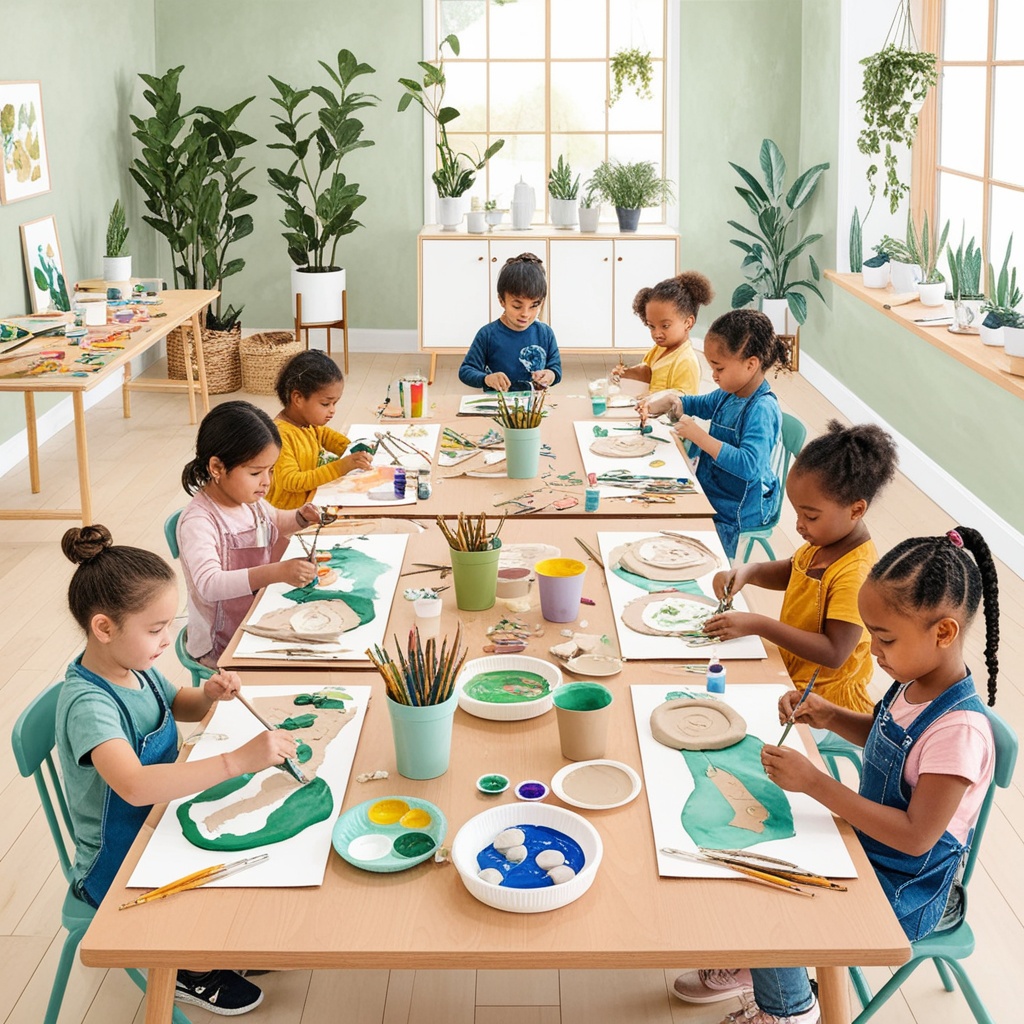
Arts classes give children a creative outlet and a chance to showcase talents that may not fit into a traditional academic schedule. Co-op settings are ideal for performance-based subjects because they provide a built-in audience.
Drama and Theater Productions
A drama class culminating in an end-of-semester play is a beloved tradition in many co-ops. Students practice memorization, public speaking, and collaboration while building sets, costumes, and props together.
Visual Arts and Mixed Media
Art classes rotating through drawing, painting, sculpture, and mixed media keep creativity fresh throughout the year. Group art projects, like a collaborative mural, also build a sense of shared accomplishment.
Music Ensemble and Choir
Group singing or instrumental ensembles teach musical timing and cooperation in a way solo lessons cannot. Even informal ukulele or recorder classes give beginners a low-pressure way to make music together.
Public Speaking and Debate
Debate classes teach research, argumentation, and confident speaking. Structured formats like Lincoln-Douglas debate work well for teens, while younger students can practice with simple show-and-tell style presentations.
Practical Life Skills and Elective Classes
Beyond core academics, life skills classes prepare students for real-world responsibilities and often become the most memorable part of a co-op experience.
Cooking and Baking Classes
Cooking classes teach measurement, following instructions, and kitchen safety. They also double as a math and chemistry lesson when discussing ratios and how ingredients react.
Personal Finance and Entrepreneurship
Teaching teens to budget, understand interest rates, and even start a small business is one of the most practical homeschool co-op class ideas available. Consider a semester-long project where students design and pitch a mock business plan.
Sewing, Woodworking, and Crafts
Skill-based classes like sewing or basic woodworking build fine motor skills and patience. These classes also produce tangible projects students can take home, which boosts motivation.
Typing and Digital Literacy
With so much schoolwork happening online, a typing and digital citizenship class helps younger students build keyboarding speed while learning safe internet habits.
For ready-made lesson materials covering many of these elective topics, browse the lesson plan shop for printable resources you can adapt for co-op use.
Physical Education and Outdoor Co-op Ideas
Movement-based classes are essential for balancing academic screen time and giving students an outlet for energy. Physical education is frequently ranked as a top request among co-op families.
Team Sports and Games
Kickball, soccer, and relay races require minimal equipment and naturally teach teamwork and sportsmanship. Rotating sports throughout the year keeps the PE schedule fresh.
Yoga and Mindfulness
A calming yoga or stretching class balances out higher-energy activities and introduces students to mindfulness practices that support focus and emotional regulation.
Hiking and Nature Challenges
If your co-op meets near trails or parks, a hiking club combines physical activity with nature study. Scavenger hunts add an academic twist to outdoor time.
Dance and Movement Classes
Simple folk dance, ballet basics, or even a themed flash-mob-style routine gives students a fun way to build coordination and confidence in front of peers.
[Image Placeholder]
Age-Specific Co-op Class Ideas
Not every homeschool co-op class idea works for every age group. Tailoring your offerings ensures younger children stay engaged while teens are appropriately challenged.
Preschool and Early Elementary (Ages 3-7)
- Story time and puppet shows
- Simple sensory science stations
- Basic art and craft rotations
- Circle time songs and movement games
Upper Elementary (Ages 8-11)
- Book clubs with grade-appropriate novels
- Introductory coding classes
- Geography bee preparation
- Beginner art and music electives
Middle School (Ages 12-14)
- Pre-algebra problem-solving groups
- Science labs with more advanced equipment
- Creative writing workshops
- Public speaking fundamentals
High School (Ages 15-18)
- Debate and mock trial
- Advanced lab sciences like chemistry or anatomy
- College prep and standardized test workshops
- Entrepreneurship and career exploration classes
For more detailed guidance on tailoring lessons to specific ages, check out our grade level guides.
How to Organize and Schedule Your Co-op Classes
Even the best homeschool co-op class ideas fall flat without solid organization. Scheduling logistics can make or break the co-op experience for families juggling multiple children and commitments.
Choose a Realistic Meeting Frequency
Many co-ops meet weekly, biweekly, or once a month, depending on family availability and driving distance. Weekly co-ops build stronger routines, while monthly co-ops may suit families spread across a wider area.
Group Classes by Block Scheduling
Block scheduling, where each class period lasts 45 to 60 minutes with short breaks in between, helps students transition smoothly between subjects. A typical co-op day might include:
- Opening assembly or announcements
- Two academic core class blocks
- Lunch and free play
- One elective or arts block
- Closing PE or outdoor activity
Plan a Semester-Based Rotation
Rotating class offerings each semester keeps the schedule fresh and prevents burnout for volunteer teachers. It also allows students to sample a wider variety of subjects over the course of a year.
For additional scheduling frameworks, our scheduling and planning category offers templates and tips specifically designed for co-op and homeschool calendars.
Tips for Recruiting Teachers and Volunteers
A co-op runs on volunteer power, so recruiting and supporting teachers is just as important as choosing class topics. According to guidance from the Home School Legal Defense Association, clear expectations and legal awareness help co-ops operate smoothly and avoid liability issues.
Match Parents to Their Strengths
Survey parents at the start of the year to identify hidden talents, whether that is a background in nursing, a hobby in pottery, or professional experience in finance. Matching interests to class topics increases teacher enthusiasm and class quality.
Offer Co-Teaching Options
Pairing two parents to co-teach a class reduces the burden on any single volunteer and provides built-in backup if one parent is unavailable on a given week.
Provide Simple Lesson Frameworks
Not every volunteer has classroom experience, so providing a basic lesson plan template removes intimidation and ensures consistency across classes. Our curriculum methods section includes frameworks that adapt well to co-op teaching.
Recognize and Rotate Responsibilities
To prevent volunteer burnout, rotate administrative duties like scheduling, communication, and supply purchasing among several families rather than relying on one person year after year.
Frequently Asked Questions
What are the best homeschool co-op class ideas for beginners?
Start with simple, low-prep classes like book clubs, art rotations, and outdoor games. These require minimal supplies and give new co-op leaders a chance to gauge interest before adding more complex STEM or lab-based classes.
How many students should be in a homeschool co-op class?
Most co-op classes work well with 6 to 15 students, depending on the subject. Hands-on classes like labs or art benefit from smaller groups, while lecture-style or discussion classes can accommodate larger numbers.
How often should a homeschool co-op meet?
Weekly meetings build the strongest routines and social bonds, but biweekly or monthly schedules can work well for families with long commutes or busy schedules. Choose a frequency that your core group of families can consistently commit to.
Do co-op teachers need formal teaching credentials?
No, most homeschool co-ops rely on parent volunteers rather than certified teachers. What matters most is enthusiasm, basic preparation, and a willingness to engage students in hands-on learning.
How do I keep mixed-age groups engaged in the same class?
Choose flexible topics like geography, art, or science labs where tasks can be scaled by difficulty. Pairing older students as mentors for younger ones also keeps everyone engaged and builds leadership skills.
What supplies do most homeschool co-op classes need?
Supply needs vary widely by subject, but common basics include art materials, science lab kits, workbooks, and a reliable meeting space. Many co-ops charge a small supply fee per semester to cover shared costs.
How do I find a homeschool co-op near me?
Local homeschooling Facebook groups, community centers, and churches often host or advertise co-ops. State-level homeschool associations and organizations like HSLDA also maintain directories of local support groups.
📚 Recommended Homeschool Resources
As an Amazon Associate, I earn from qualifying purchases. Some links in this article are affiliate links, meaning I may earn a small commission at no extra cost to you.
Conclusion
Building a strong lineup of homeschool co-op class ideas takes some planning, but the payoff in student engagement and community connection is well worth the effort. Start by mixing core academics with hands-on electives, tailor classes to different age groups, and lean on volunteer parents’ unique strengths to keep the schedule fresh each semester. With clear organization and a willingness to experiment, your co-op can become a highlight of your family’s homeschooling journey.
If you are ready to put these ideas into action, explore our full library of printable lesson plans and co-op-friendly resources, or reach out through our contact page with questions about getting started. Learn more about our mission on the about page, where we share our commitment to supporting homeschooling families at every stage.
Related Resources
- Activities and Ideas for Homeschool Families
- Homeschool Lesson Plans
- Curriculum Methods and Teaching Approaches

Loved this post? Grab the free resource above.
Math Adventures: Everyday Numbers — printable PDF with 10 hands-on activities your kids will love.