
Free Homeschool Quick-Start Checklist
Step-by-step compliance checklist for new homeschool families — covers notice of intent, record keeping, and testing.
If you’re planning to homeschool your children, choosing one of the most homeschool friendly states can make your educational journey significantly easier. States like Texas, Florida, Indiana, and Alaska offer minimal regulations, no mandatory testing, and broad curriculum freedom, while others require standardized testing, teacher qualifications, or regular portfolio reviews. Understanding these differences before you start, or before you relocate, can save you countless hours of paperwork and stress.
This guide breaks down exactly which states offer the most homeschool freedom, what regulatory categories mean for your family, and how to navigate the legal requirements wherever you live. We’ll cover specific state examples, compliance tips, and practical strategies drawn from years of supporting homeschooling families through HomeschoolingExperts.org.
Whether you’re a new homeschooling family weighing your options or a veteran considering a move, this comprehensive breakdown will help you understand the homeschool legal landscape across the United States.
Key Takeaways
- Homeschool friendly states generally fall into four regulatory categories: low, moderate, moderate-high, and high regulation.
- States like Texas, Alaska, Idaho, Indiana, Oklahoma, and Michigan require little more than a notice of intent, if that.
- Even in low-regulation states, keeping organized records is strongly recommended for college admissions and future compliance.
- Moving states mid-year requires understanding both your current and new state’s withdrawal and enrollment rules.
- The Home School Legal Defense Association (HSLDA) is a reliable resource for up-to-date state-by-state requirements.
What Makes a State “Homeschool Friendly”?
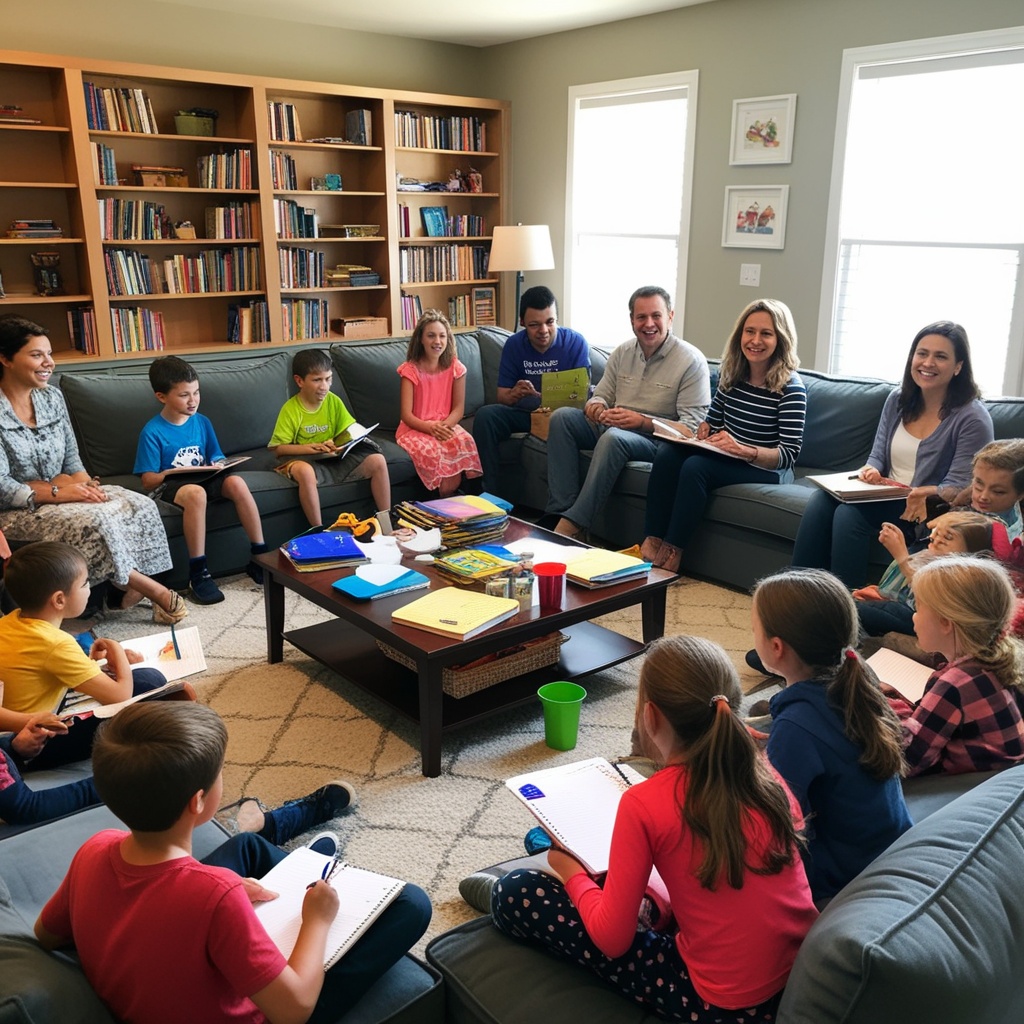
A homeschool friendly state typically has minimal government oversight of your curriculum, teaching methods, and assessment choices. These states generally do not require standardized testing, teacher certification, or detailed curriculum approval.
In contrast, less friendly states may require annual testing, portfolio reviews by certified teachers, or even home visits from school district officials. For many families, the level of state regulation becomes a deciding factor in where they choose to live.
Common Factors That Define Homeschool Freedom
When evaluating homeschool friendly states, consider these core factors:
- Whether you must file a notice of intent to homeschool
- Required subjects or instructional hours per year
- Mandatory standardized testing or academic assessments
- Teacher qualification requirements for parents
- Portfolio review or superintendent approval processes
- Access to public school resources, sports, and extracurriculars
According to the National Center for Education Statistics, approximately 3.1 million children were homeschooled in the United States as of recent reporting, reflecting a steady increase over the past decade (National Center for Education Statistics). This growth has pushed many states to clarify and sometimes relax their homeschool statutes.
The Four Regulatory Categories Explained
Understanding how states are categorized helps you quickly assess where your state, or a potential new state, falls on the regulation spectrum. Organizations like the Home School Legal Defense Association group states into four general tiers.
Low Regulation States
These states require no notification, no testing, and no curriculum approval. Parents have nearly complete autonomy over their child’s education.
Moderate Regulation States
Moderate regulation states typically require a simple notice of intent to homeschool, but they do not mandate testing or teacher qualifications.
Moderate-High Regulation States
These states require notification plus some form of assessment, such as standardized testing, professional evaluation, or periodic progress reports.
High Regulation States
High regulation states require notification, testing, and sometimes teacher qualifications or curriculum approval from local school boards.
Knowing which category your state falls into is the first step toward building a compliant and stress-free homeschool routine. For families just starting out, our getting started with homeschooling guide walks through the basics of state compliance alongside curriculum planning.
Top Homeschool Friendly States in 2024
If flexibility and minimal paperwork are priorities, these homeschool friendly states consistently rank at the top for low regulation and family autonomy.
Texas
Texas is widely considered one of the most homeschool friendly states in the country. There is no notification requirement, no mandatory testing, and no teacher qualification needed. Parents simply need to teach reading, spelling, grammar, mathematics, and good citizenship.
Alaska
Alaska imposes virtually no regulations on homeschooling families. There is no required notice of intent, no testing, and no curriculum oversight, making it ideal for families who want full independence.
Idaho
Idaho requires no notification and no assessments. Parents simply must ensure their children are taught subjects comparable to those offered in public schools.
Indiana
Indiana requires homeschools to operate as nonaccredited nonpublic schools, but there is no notification requirement and no mandated testing.
Oklahoma
Oklahoma’s homeschool statutes are rooted in state constitutional protections, requiring no notice, no testing, and no curriculum approval whatsoever.
Michigan
Michigan allows homeschooling under a simple framework with no notification requirement, no testing mandate, and no teacher qualifications needed for parents teaching their own children.
Each of these homeschool friendly states allows families to design truly individualized learning plans. If you’re exploring different instructional approaches, our curriculum methods resource hub can help you choose an approach suited to your state’s freedoms.
States With Moderate Homeschool Regulations

Not every state offers zero oversight, but many strike a reasonable balance between freedom and accountability. These moderate regulation states are still considered relatively homeschool friendly.
Notable Moderate Regulation States
- Alabama, which requires enrollment in a church school or private tutorial program
- Arizona, which requires a simple affidavit of intent filed with the county school superintendent
- Missouri, which requires 1,000 hours of instruction annually but no testing
- Illinois, which requires instruction in specific subjects but no formal notification
- California, which typically operates through private school affidavits or charter programs
These states generally require a notice of intent but stop short of mandating standardized testing or teacher credentials. Families in these states still enjoy considerable flexibility in choosing curriculum and pacing.
Why Moderate Regulation Can Still Work Well
Many families find that a small amount of structure, such as filing an annual notice, actually helps keep them organized. It can also simplify transitions if your child later enrolls in public or private school.
Transitioning between regulatory environments doesn’t have to be overwhelming. Our scheduling and planning category offers templates that adapt easily to varying state reporting requirements.
States With Higher Homeschool Regulation
On the other end of the spectrum, several states require more extensive documentation, testing, or professional oversight. While these states are less flexible, homeschooling is still entirely legal and manageable with the right preparation.
Examples of Higher Regulation States
- New York, which requires an individualized home instruction plan, quarterly reports, and annual assessments
- Pennsylvania, which requires a notarized affidavit, standardized testing in certain grades, and portfolio review
- Massachusetts, which requires school district approval of your homeschool plan
- Vermont, which requires an annual enrollment notice and assessment of progress
- Rhode Island, which requires school committee approval of homeschool programs
While these states demand more paperwork, thousands of families homeschool successfully there every year. Staying organized with lesson plans and progress records is essential.
Making High Regulation States Work for Your Family
If you live in a more regulated state, focus on building a consistent paper trail from day one. Keep samples of schoolwork, attendance logs, and assessment results in one place.
Our lesson plan shop offers ready-made plans that align with core subject requirements, making documentation significantly easier for families in high regulation states.
How to Choose the Right State for Your Homeschooling Family
Deciding where to live as a homeschooling family involves more than just regulatory freedom. Cost of living, community support, extracurricular access, and climate all play a role.
Questions to Ask Before Relocating
- How large and active is the local homeschool community?
- Does the state allow part-time public school enrollment for sports or electives?
- Are there co-ops, museums, and educational resources nearby?
- What is the cost of homeschool curriculum and extracurricular activities in that region?
- Does the state recognize homeschool diplomas for college admissions?
Balancing Freedom and Support
Some families actually prefer states with slightly more structure because it provides built-in support networks and clearer benchmarks. Others thrive with total independence.
There is no universally “best” homeschool friendly state, only the best fit for your family’s values, goals, and learning style. If you’re unsure where to start, our about page shares more about our mission to help families navigate exactly these kinds of decisions.
Legal Requirements You Should Never Skip
Regardless of how homeschool friendly your state is, certain best practices apply everywhere. Skipping these steps, even in low regulation states, can create problems down the road.
Essential Steps for Every Homeschooling Family
- Research your specific state’s current homeschool statutes before you begin
- File any required notice of intent by the applicable deadline
- Keep attendance and instructional hour records, even if not required
- Save samples of completed work each year for portfolio purposes
- Understand your state’s requirements for high school diplomas and transcripts
The Home School Legal Defense Association provides detailed, state-specific breakdowns that are updated regularly as laws change (HSLDA state law summaries). Checking this resource annually is a smart habit for every homeschooling parent.
Documentation That Protects Your Family
Even in states like Texas or Alaska with no formal requirements, maintaining a simple record-keeping system protects you if questions ever arise, and it supports stronger college applications later.
Tips for Moving to a New Homeschool Friendly State
Relocating as a homeschooling family requires some extra planning to ensure a smooth transition between differing legal requirements.
Before You Move
- Request a formal withdrawal or notice of completion from your current state if required
- Download or print copies of all academic records and transcripts
- Research your new state’s notification deadlines, which may be tied to the school calendar year
After You Arrive
- File any required paperwork within your new state’s specified window
- Connect with local homeschool co-ops and support groups right away
- Update your curriculum plan if your new state has different core subject requirements
Scholastic’s educator resources also offer helpful guidance on maintaining academic continuity during transitions, which can be especially useful for families relocating mid-year (Scholastic education resources).
For activity ideas that keep kids engaged during a move or transition period, browse our activities and ideas category for low-prep options that travel well.
Frequently Asked Questions
What are the most homeschool friendly states in the United States?
Texas, Alaska, Idaho, Indiana, Oklahoma, and Michigan are generally considered the most homeschool friendly states. They require little to no notification, testing, or teacher qualifications.
Do all states require a notice of intent to homeschool?
No, not all states require this. Low regulation states like Texas and Alaska do not require any formal notification, while moderate and high regulation states typically do.
Which states require standardized testing for homeschoolers?
States like New York, Pennsylvania, and Vermont require some form of standardized testing or academic assessment. Many low regulation states have no testing requirements at all.
Can I homeschool in a high regulation state without issues?
Yes, homeschooling is legal in all fifty states, including high regulation ones. Staying organized with required documentation makes compliance manageable even in stricter states.
How do I find my state’s specific homeschool laws?
The Home School Legal Defense Association maintains an updated, state-by-state database of homeschool statutes. Checking this resource annually ensures you stay current with any legal changes.
Does moving to a homeschool friendly state affect college admissions?
Generally, no. Most colleges accept homeschool transcripts regardless of state regulation level, though maintaining thorough records always strengthens an application.
Is it worth moving just for homeschool freedom?
It depends on your family’s priorities. Some families relocate specifically for homeschool freedom, while others find that community support and cost of living outweigh regulatory differences.
Stay-Compliant Toolkit
As an Amazon Associate, HomeschoolingExperts earns from qualifying purchases. Some links in this article are affiliate links, meaning we may earn a small commission at no extra cost to you.
Conclusion
Choosing among homeschool friendly states ultimately comes down to understanding your family’s needs, your tolerance for paperwork, and the kind of educational community you want to build. Low regulation states like Texas, Alaska, and Idaho offer maximum freedom, while moderate and higher regulation states provide more structure and built-in accountability.
Wherever you live, success comes from staying informed, organized, and connected to reliable resources. Regulations change, so make it a habit to check your state’s current requirements each year.
If you’re ready to build a strong homeschool foundation no matter which state you call home, explore our ready-made lesson plans or reach out through our contact page with your specific questions. Our team is here to help you homeschool with confidence.
Related Resources
- Getting Started with Homeschooling
- Grade Level Guides for Homeschooling Families
- Homeschool Lesson Plan Shop

Loved this post? Grab the free resource above.
Step-by-step compliance checklist for new homeschool families — covers notice of intent, record keeping, and testing.