
Free Grade-Level Sample Lesson Plan
Get a printable sample week of lesson plans you can use this week, regardless of grade.
A well-planned homeschool reading list by grade level takes the guesswork out of building a strong literacy foundation for your children. Whether you have a kindergartner just learning letter sounds or a high schooler tackling classic literature, knowing which books are age-appropriate and academically enriching can feel overwhelming. This guide breaks down recommended titles, reading goals, and practical strategies for every stage of your homeschool journey.
Reading is the single most important skill you will teach at home. According to the National Assessment of Educational Progress, students who read for pleasure regularly score significantly higher on comprehension assessments than those who do not. A thoughtfully curated homeschool reading list by grade level helps ensure your child is exposed to increasing complexity in vocabulary, themes, and sentence structure at the right pace.
In this comprehensive guide, we will walk through reading list recommendations from kindergarten through twelfth grade, explain how to choose books that match your child’s reading level, and share tips for keeping reading enjoyable rather than a chore. By the end, you will have a clear roadmap for building your own personalized homeschool reading list by grade level.
Key Takeaways
- A homeschool reading list by grade level should balance phonics-based early readers with rich literature as skills advance.
- Reading aloud daily, even to older children, builds vocabulary and comprehension faster than independent reading alone.
- Mixing classic literature with contemporary and diverse voices creates a well-rounded literary education.
- Reading levels vary widely; always adjust book selections to your individual child’s ability, not just their age.
- Free resources like public library reading programs and Scholastic book lists can supplement your homeschool curriculum affordably.
Why a Homeschool Reading List by Grade Level Matters
A homeschool reading list by grade level gives structure to what can otherwise feel like an endless sea of book choices. Without a plan, parents often default to whatever is easiest to find, which can leave gaps in vocabulary development or exposure to important literary themes.
Grade-level reading lists are built around research on cognitive development and typical reading progression. According to Scholastic’s research on reading levels, children generally move from decoding simple words in kindergarten to analyzing complex themes and symbolism by high school.
The Academic Benefits of Structured Reading
Following a homeschool reading list by grade level supports several academic goals simultaneously. It builds vocabulary, strengthens comprehension, and introduces students to the cultural touchstones referenced across other subjects like history and science.
- Improved standardized test performance in reading comprehension
- Stronger writing skills through exposure to varied sentence structures
- Greater cultural literacy and historical context
- Development of critical thinking through discussion of themes and characters
Flexibility Within Structure
A reading list should be a flexible framework, not a rigid mandate. If you need help organizing your approach, browsing our grade level guides can help you customize a plan that fits your family’s pace.
[Image Placeholder]
Kindergarten and Early Elementary Reading List (K-2)
The early years are all about building phonemic awareness and a love of stories. A homeschool reading list by grade level for kindergarten through second grade should emphasize read-alouds alongside beginning independent reading.
Kindergarten Reading List
- Brown Bear, Brown Bear, What Do You See? by Bill Martin Jr.
- Chicka Chicka Boom Boom by Bill Martin Jr. and John Archambault
- The Very Hungry Caterpillar by Eric Carle
- Green Eggs and Ham by Dr. Seuss
First Grade Reading List
- Frog and Toad Are Friends by Arnold Lobel
- Little Bear by Else Holmelund Minarik
- Henry and Mudge series by Cynthia Rylant
- Mercy Watson to the Rescue by Kate DiCamillo
Second Grade Reading List
- Junie B. Jones series by Barbara Park
- Magic Tree House series by Mary Pope Osborne
- The Boxcar Children by Gertrude Chandler Warner
- Charlotte’s Web by E.B. White (as a read-aloud)
At this stage, aim for 15 to 20 minutes of daily independent reading plus at least one read-aloud session. Our lesson plans category includes phonics-based activities that pair well with these titles.
Upper Elementary Reading List (Grades 3-5)
By third grade, most children transition from learning to read into reading to learn. This homeschool reading list by grade level introduces longer chapter books and more complex vocabulary.
Third Grade Reading List
- Charlotte’s Web by E.B. White
- The One and Only Ivan by Katherine Applegate
- Ramona Quimby, Age 8 by Beverly Cleary
- Because of Winn-Dixie by Kate DiCamillo
Fourth Grade Reading List
- The Tale of Despereaux by Kate DiCamillo
- Charlie and the Chocolate Factory by Roald Dahl
- Number the Stars by Lois Lowry
- The Lion, the Witch and the Wardrobe by C.S. Lewis
Fifth Grade Reading List
- Holes by Louis Sachar
- Bridge to Terabithia by Katherine Paterson
- The Wild Robot by Peter Brown
- Wonder by R.J. Palacio
This is also a great age to introduce independent reading logs and book discussions. If you want ready-made discussion guides, check out our downloadable lesson plans for upper elementary literature units.
[Image Placeholder]
Middle School Reading List (Grades 6-8)
Middle school readers are ready for more mature themes, longer narratives, and introductory classic literature. A homeschool reading list by grade level for this stage should stretch comprehension while still keeping content age-appropriate.
Sixth Grade Reading List
- The Giver by Lois Lowry
- Hatchet by Gary Paulsen
- Percy Jackson and the Olympians: The Lightning Thief by Rick Riordan
- Because of Mr. Terupt by Rob Buyea
Seventh Grade Reading List
- The Outsiders by S.E. Hinton
- A Wrinkle in Time by Madeleine L’Engle
- Roll of Thunder, Hear My Cry by Mildred D. Taylor
- Anne Frank: The Diary of a Young Girl
Eighth Grade Reading List
- To Kill a Mockingbird by Harper Lee
- Fahrenheit 451 by Ray Bradbury
- The Diary of Anne Frank (play version)
- Esperanza Rising by Pam Munoz Ryan
Middle school is an excellent time to start pairing literature with history studies. For example, reading Number the Stars alongside a World War II unit deepens comprehension. Explore our curriculum methods resources for ideas on integrating subjects.
High School Reading List (Grades 9-12)
High school reading should prepare students for college-level analysis and lifelong appreciation of literature. This portion of the homeschool reading list by grade level includes classic novels, essays, and diverse contemporary voices.
Ninth Grade Reading List
- Romeo and Juliet by William Shakespeare
- Animal Farm by George Orwell
- Of Mice and Men by John Steinbeck
- The Odyssey by Homer (adapted or full translation)
Tenth Grade Reading List
- 1984 by George Orwell
- Jane Eyre by Charlotte Bronte
- Night by Elie Wiesel
- The Crucible by Arthur Miller
Eleventh Grade Reading List
- The Great Gatsby by F. Scott Fitzgerald
- Their Eyes Were Watching God by Zora Neale Hurston
- The Scarlet Letter by Nathaniel Hawthorne
- Beloved by Toni Morrison
Twelfth Grade Reading List
- Hamlet by William Shakespeare
- Brave New World by Aldous Huxley
- Pride and Prejudice by Jane Austen
- Things Fall Apart by Chinua Achebe
For families navigating homeschool transcripts and graduation requirements, the Home School Legal Defense Association (HSLDA) offers detailed guidance on documenting literature courses for college admissions.
How to Choose Books That Match Your Child’s Reading Level
Grade level is only a starting point. Every child progresses at a different pace, so matching books to actual reading ability is essential for building confidence rather than frustration.
Use the Five-Finger Rule
Have your child read one page aloud. If they struggle with five or more words, the book may be too difficult for independent reading, though it could still work well as a read-aloud.
Check Lexile and Reading Level Scores
Many books include a Lexile measure, which quantifies text complexity. Tools available through Scholastic’s book finder can help you identify titles that match your child’s specific Lexile range rather than just their grade.
Watch for Content Maturity
Reading ability and emotional readiness do not always align. A strong reader in fourth grade may be able to decode a young adult novel but not be ready for its themes. Always preview content before assigning it.
- Read a sample chapter yourself first
- Check reviews from trusted homeschool curriculum sites
- Ask your child how they feel about the subject matter after a few pages
Building a Balanced Reading List Across Genres
A well-rounded homeschool reading list by grade level should not be limited to fiction alone. Exposure to multiple genres builds versatile reading skills and broader knowledge.
Genres to Include Each Year
- Historical fiction to complement social studies units
- Biographies and memoirs to build interest in real people and events
- Science and nature nonfiction to reinforce STEM learning
- Poetry to develop appreciation for rhythm and word choice
- Mythology and folklore from diverse cultures
Sample Genre Rotation
Consider assigning one fiction title, one nonfiction title, and one poetry or short story collection per quarter. This rotation keeps reading fresh and prevents burnout on any single genre.
Our activities and ideas section includes genre-based reading challenges that make this rotation more engaging for reluctant readers.
[Image Placeholder]
Tips for Encouraging a Lifelong Love of Reading
The ultimate goal of any homeschool reading list by grade level is not just academic achievement but a genuine, lasting love of books. Here are strategies that work across all ages.
Make Reading a Daily Ritual
Consistency matters more than duration. Even 20 minutes of daily reading adds up to over 120 hours per year, according to reading research from the U.S. Department of Education.
Let Children Choose Sometimes
Balance required reading with free choice. Giving children autonomy over some book selections increases motivation and reading stamina.
Model Reading Behavior
Children who see parents reading for pleasure are more likely to develop the same habit. Set aside family reading time where everyone, including adults, reads silently together.
Join Library Reading Programs
Most public libraries offer free summer reading programs with incentives for young readers. These programs are a great supplement to your structured homeschool reading list by grade level.
- Set achievable weekly reading goals
- Celebrate finished books with small rewards or discussions
- Rotate audiobooks in for reluctant or struggling readers
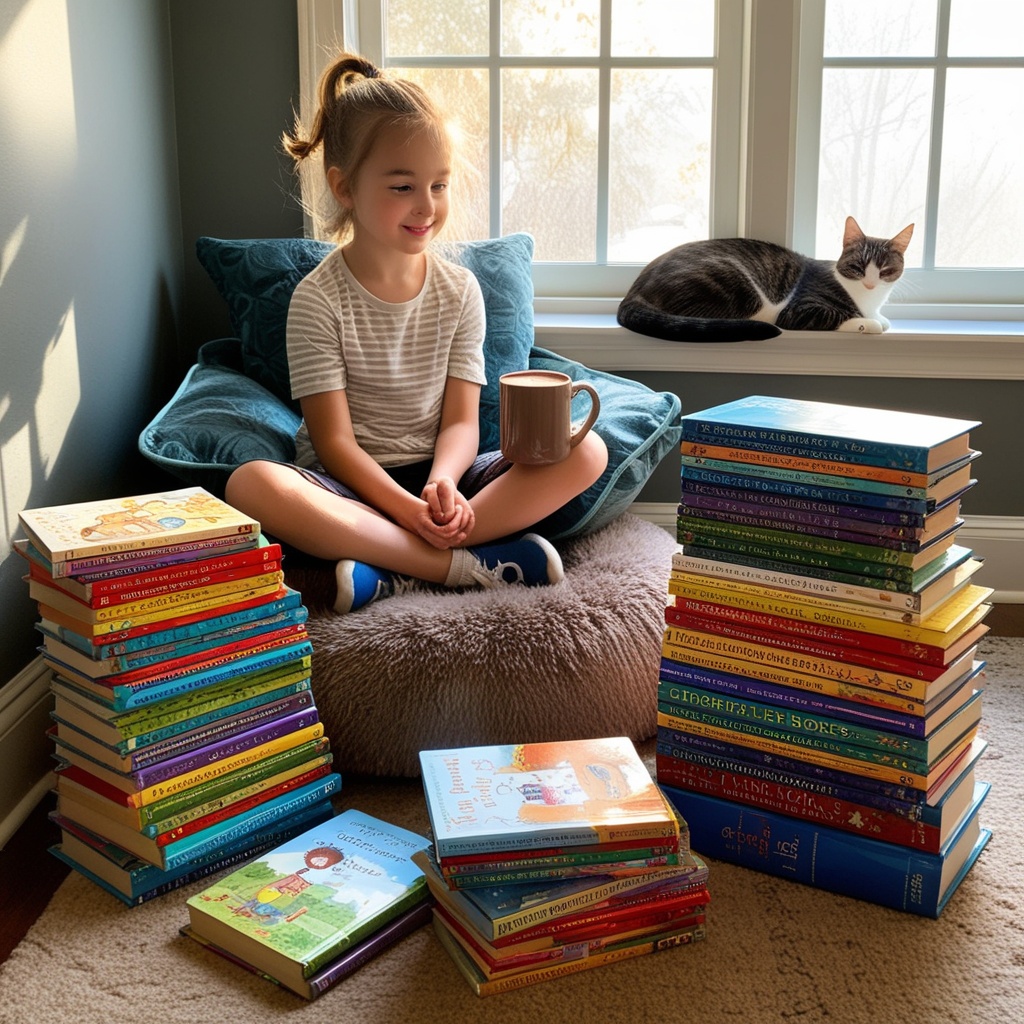
- Create a cozy, distraction-free reading nook at home
If you are just starting your homeschool journey and need help building routines around reading, our getting started guide walks through the basics step by step.
Frequently Asked Questions
How many books should a homeschooled child read per grade level?
Most experts recommend 20 to 40 books per year depending on length and reading level. Younger children benefit from more frequent, shorter titles, while older students may read fewer but longer and more complex works.
Can I follow a homeschool reading list by grade level if my child reads above or below grade average?
Yes, and you should adjust it. Grade-level lists are a general guide, not a strict requirement. Use your child’s actual reading ability and interests to select titles from adjacent grade levels as needed.
Should I use a set curriculum or build my own homeschool reading list?
Both approaches work well. A set curriculum offers structure and saves planning time, while building your own list allows for personalization based on your child’s interests and pace.
What is the difference between a read-aloud and an independent reading assignment?
A read-aloud is a book the parent reads to the child, often above their independent reading level, to build vocabulary and comprehension. Independent reading assignments are books the child reads alone at their own decoding level.
How do I know if a book is too advanced for my child’s reading level?
Use the five-finger rule during a sample page and check the book’s Lexile score against your child’s assessed reading level. If comprehension seems strained, switch to a read-aloud format instead.
Are classic novels necessary in a homeschool reading list by grade level?
Classics are valuable for cultural literacy and exposure to foundational literary techniques, but they should be balanced with contemporary and diverse voices for a well-rounded education.
Where can I find free homeschool reading lists by grade level?
Public libraries, Scholastic’s book finder tool, and homeschool education blogs often provide free, downloadable reading lists organized by grade and reading level.
Reading & Language Arts Picks
As an Amazon Associate, HomeschoolingExperts earns from qualifying purchases. Some links in this article are affiliate links, meaning we may earn a small commission at no extra cost to you.
Conclusion
Building a homeschool reading list by grade level does not have to be complicated. Start with the age-appropriate recommendations outlined above, adjust based on your child’s individual reading ability, and mix genres to create a well-rounded literary education.
Remember that consistency and enjoyment matter more than checking off a perfect list. Reading aloud, modeling good habits, and allowing some free choice will do more for your child’s long-term literacy than any single title ever could.
If you would like personalized help building a reading plan for your family, reach out through our contact page or learn more about our approach on the about page.
Related Resources
- Homeschool Grade Level Guides
- Scheduling and Planning Tips for Homeschool Families
- Homeschool Lesson Plan Shop
Loved this post? Grab the free resource above.
Get a printable sample week of lesson plans you can use this week, regardless of grade.