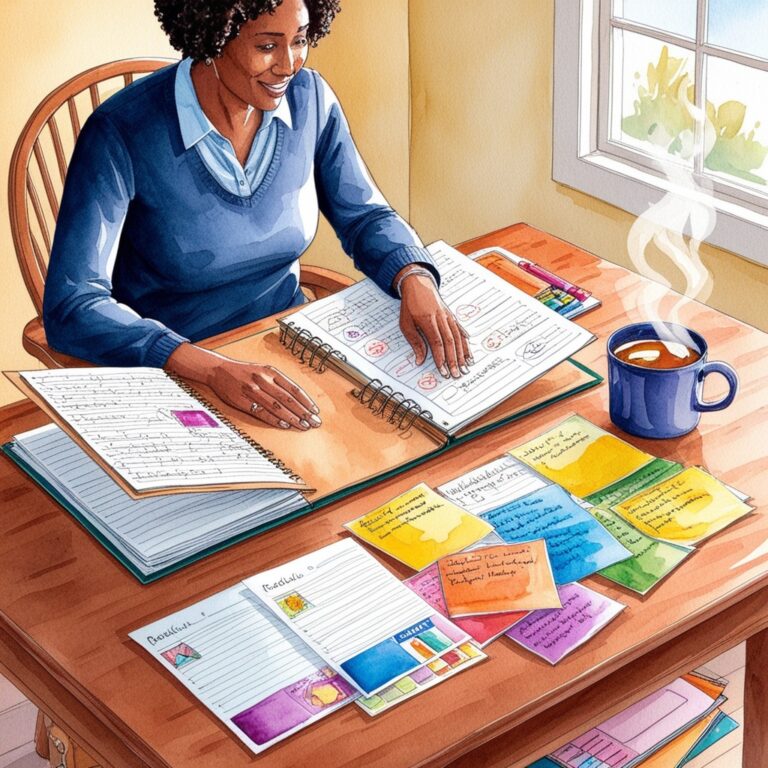
Free Printable Homeschool Year Planner
Plan your whole school year on one page — weekly, monthly, and yearly templates included.
A comprehensive homeschool year planner template serves as the foundation for organizing your entire educational journey, helping families structure their academic calendar, track progress, and maintain consistency throughout the school year. Whether you’re a seasoned homeschooling parent or just beginning your educational adventure, having a well-designed planning system can transform overwhelming curriculum decisions into manageable, organized learning experiences.
Effective homeschool planning requires more than just choosing curriculum materials. It involves creating a roadmap that accommodates your family’s unique schedule, learning styles, and educational goals while ensuring you meet state requirements and maintain detailed records. This comprehensive guide will walk you through everything you need to know about creating and using homeschool year planner templates that work for your family’s specific needs.
Key Takeaways
- A homeschool year planner template streamlines curriculum organization and progress tracking
- Essential components include academic calendars, subject planning pages, and assessment records
- Digital and printable options both offer unique advantages for different family preferences
- Customization ensures your planner meets specific state requirements and learning objectives
- Regular review and adjustment of your planning system improves long-term homeschool success
Benefits of Using a Homeschool Year Planner Template

Implementing a structured homeschool year planner template brings numerous advantages that extend far beyond simple organization. Research from the U.S. Department of Education indicates that well-planned homeschool programs consistently produce better academic outcomes and higher parent satisfaction rates.
Improved Academic Organization
A comprehensive planning template helps you break down annual learning goals into manageable monthly and weekly objectives. This systematic approach prevents the overwhelming feeling that many homeschool parents experience when facing a full year of curriculum without clear milestones.
Your planner serves as a central hub where all educational activities, field trips, co-op classes, and assessment dates are coordinated. This bird’s-eye view of your academic year allows you to identify potential scheduling conflicts and ensure balanced coverage across all subject areas.
Enhanced Time Management
Effective time allocation becomes significantly easier when you have a visual representation of your entire school year. Parents report saving an average of 2-3 hours per week on daily planning when using structured yearly templates, according to data from homeschooling surveys conducted by educational researchers.
The template format encourages you to establish realistic timeframes for completing units, projects, and assessments. This prevents the common pitfall of spending too much time on preferred subjects while neglecting others that require equal attention.
Stress Reduction and Confidence Building
Having a clear roadmap reduces the anxiety that often accompanies homeschool decision-making. When unexpected life events occur, your planner provides the flexibility to adjust schedules while maintaining educational continuity.
Parents consistently report feeling more confident in their teaching abilities when they have documented plans and can easily track their children’s progress throughout the year. This confidence translates into more effective instruction and better learning outcomes for students.
Essential Components of an Effective Planner
A well-designed homeschool year planner template must include several critical elements that work together to create a comprehensive educational management system. Understanding these components helps you evaluate existing templates or create custom solutions that meet your family’s specific needs.
Academic Calendar Framework
Your planner should begin with a clear academic calendar that outlines your school year dates, including start and end dates, planned breaks, and holiday schedules. This framework serves as the foundation for all other planning activities.
Consider including both traditional and alternative calendar options, such as year-round schooling or flexible scheduling that accommodates family travel or seasonal activities. Many successful homeschool families operate on non-traditional calendars that better suit their lifestyle and learning preferences.
Subject-Specific Planning Pages
Dedicated sections for each academic subject allow you to outline curriculum choices, learning objectives, and resource requirements. These pages should include space for:
- Curriculum selection and resource lists
- Scope and sequence planning
- Unit study breakdowns
- Project and assignment scheduling
- Assessment planning and recording
Each subject section should connect to your overall academic calendar, ensuring that learning objectives align with available time and complement other subjects being studied simultaneously.
Progress Tracking and Assessment Tools
Effective planners include systematic methods for monitoring student progress and documenting achievements. This component becomes particularly important for high school students who need detailed transcripts for college applications.
Your tracking system should accommodate different assessment methods, including traditional testing, portfolio evaluations, project-based assessments, and standardized test results. Flexibility in recording various types of academic evidence ensures compliance with state requirements while honoring your chosen educational philosophy.
Resource and Budget Management
Include sections dedicated to curriculum costs, educational supplies, and extracurricular expenses. Budget tracking helps families make informed decisions about resource allocation and prevents overspending on educational materials.
Resource management pages should also track library books, borrowed materials, and shared resources from homeschool co-ops or support groups. This organization prevents lost items and ensures timely returns of borrowed educational materials.
Choosing the Right Template for Your Family
Selecting an appropriate homeschool year planner template requires careful consideration of your family’s unique circumstances, educational philosophy, and practical requirements. The most beautiful planner becomes useless if it doesn’t align with your actual planning and teaching style.
Assessing Your Planning Style
Different families thrive with different levels of structure and detail in their planning systems. Some parents prefer comprehensive daily schedules with specific time blocks, while others work better with flexible weekly goals and general subject guidelines.
Consider your natural organizational tendencies and past experiences with planning systems. If you typically abandon overly complex systems, choose simpler templates that focus on essential elements rather than exhaustive detail.
Evaluating Family Size and Grade Levels
Families teaching multiple children across various grade levels need planning templates that accommodate diverse learning needs and scheduling requirements. Look for systems that allow easy differentiation and age-appropriate adaptations within the same framework.
Single-child families might benefit from more detailed individual planning pages, while larger families often prefer streamlined approaches that prevent planning from becoming overwhelming or time-intensive.
State Requirement Considerations
Your chosen template must accommodate specific documentation requirements mandated by your state’s homeschool regulations. Some states require detailed attendance records, while others focus on portfolio documentation or standardized testing results.
Research your state’s requirements thoroughly and ensure your planner template includes appropriate sections for required documentation. The Home School Legal Defense Association provides comprehensive state-by-state requirement summaries that can guide your template selection.
Technology Preferences and Access
Consider your comfort level with digital tools versus traditional paper-based planning. Digital templates offer advantages like automatic calculations, easy editing, and backup capabilities, but require consistent access to devices and basic technical skills.
Paper-based planners provide tactile satisfaction and don’t depend on technology, but may require more time for updates and lack the flexibility of digital systems. Many families successfully combine both approaches, using digital templates for planning and paper copies for daily reference.
Customizing Your Homeschool Year Planner Template
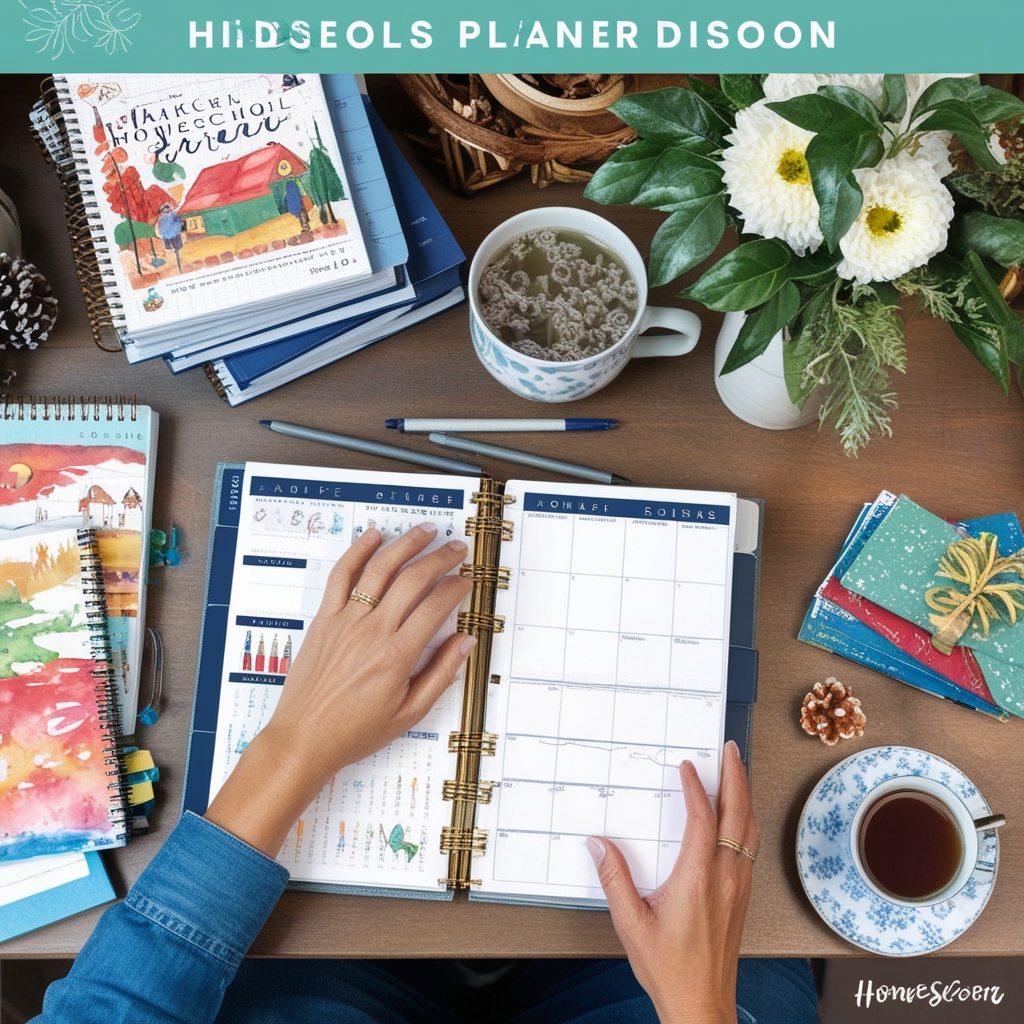
Even the most well-designed homeschool year planner template requires customization to truly serve your family’s educational goals and practical needs. Effective customization transforms a generic planning tool into a personalized system that supports your unique homeschool journey.
Adapting to Your Educational Philosophy
Your planning template should reflect your chosen educational approach, whether you follow traditional textbook methods, embrace unschooling principles, or implement unit studies and project-based learning. Customize section headings, planning categories, and assessment methods to align with your philosophy.
Charlotte Mason educators might emphasize nature study logs and living book lists, while classical homeschoolers may focus on grammar, logic, and rhetoric stage progressions. Ensure your template supports rather than conflicts with your educational beliefs and methods.
Incorporating Family Goals and Values
Beyond academic objectives, your planner should accommodate character development, life skills training, and family-specific goals. Many homeschool families prioritize values education, practical skills, or cultural learning that extends beyond traditional academic subjects.
Create dedicated spaces for tracking service projects, family traditions, spiritual development, or other priorities that define your homeschool experience. These elements often become the most meaningful aspects of your educational journey.
Adjusting for Learning Differences
Children with learning differences, special needs, or unique learning styles require customized planning approaches that accommodate their specific requirements. Your template should include space for therapy schedules, accommodation strategies, and alternative assessment methods.
Consider adding sections for tracking sensory breaks, medication schedules, or specialist appointments that impact your academic planning. This comprehensive approach ensures that educational goals remain realistic and achievable within your child’s individual capabilities.
Building in Flexibility and Review Cycles
Effective planning templates include built-in opportunities for evaluation and adjustment. Schedule regular review periods where you assess what’s working well and what needs modification in your planning system.
Include buffer time in your academic calendar for unexpected events, extended illness, or topics that require additional attention. Flexibility prevents planning from becoming a source of stress rather than a helpful organizational tool.
Organizing Curriculum and Learning Objectives
A well-structured homeschool year planner template provides the framework for organizing diverse curriculum choices into a coherent educational program. This organization ensures comprehensive coverage of essential skills while maintaining the flexibility that makes homeschooling attractive to many families.
Scope and Sequence Development
Creating a clear scope and sequence for each subject helps ensure systematic skill development and prevents important concepts from being overlooked. Your planner should include space for outlining major topics, skill progressions, and prerequisite knowledge for each subject area.
Break down annual objectives into quarterly and monthly goals that build upon each other logically. This approach makes it easier to identify when students are ready to advance or need additional practice with specific concepts.
Cross-Curricular Integration Planning
Effective homeschool planning often involves integrating multiple subjects around common themes or time periods. Your template should facilitate this integration by providing space to note connections between subjects and plan coordinated activities.
For example, studying American history might coordinate with reading historical fiction, practicing writing through research reports, and exploring period music or art. This integrated approach often proves more engaging and memorable for students than isolated subject study.
Resource Allocation and Scheduling
Your planner should help you allocate time and resources appropriately across all required subjects. Include sections for tracking curriculum purchases, library resources, and online subscriptions to ensure you’re maximizing your educational investments.
Plan for subjects that require special equipment, outdoor activities, or group participation well in advance. This foresight prevents last-minute scrambling and ensures all necessary materials are available when needed.
Consider exploring additional resources available through our comprehensive lesson plan collection to supplement your curriculum planning with ready-made educational materials.
Differentiation for Multiple Learners
Families teaching children at different grade levels or with varying abilities need planning systems that accommodate individual needs while maintaining family unity. Your template should include strategies for adapting lessons, assignments, and expectations for each child.
Consider planning some subjects individually and others as family units. History, science, and literature often work well as combined studies with differentiated assignments, while math and language arts typically require individual attention and grade-level appropriate materials.
Tracking Progress and Maintaining Records
Comprehensive progress tracking serves multiple purposes in homeschool education, from ensuring academic growth to maintaining required documentation for state compliance. Your homeschool year planner template should include systematic methods for recording achievements and identifying areas needing additional attention.
Academic Progress Monitoring
Regular progress monitoring helps you identify when students are mastering concepts and when they need additional support or challenge. Your tracking system should accommodate different types of evidence, including formal assessments, portfolio pieces, and observational notes.
Establish consistent intervals for progress review, such as weekly check-ins for daily work and monthly assessments for unit completion. This rhythm helps maintain momentum while providing opportunities to adjust instruction based on student needs.
Portfolio Development and Documentation
Many states accept portfolio documentation as evidence of educational progress, making systematic collection and organization of student work essential. Your planner should include guidelines for selecting representative samples and organizing them effectively.
Plan for regular portfolio reviews with your students, allowing them to participate in selecting work samples and reflecting on their learning progress. This involvement develops self-assessment skills and helps students take ownership of their educational journey.
Standardized Testing and External Assessments
If your state requires standardized testing or you choose to use external assessments, your planner should include preparation schedules and results tracking. Plan test preparation activities well in advance to reduce stress and ensure students are familiar with testing formats.
Document not only test scores but also observations about testing conditions, student attitudes, and factors that might influence results. This comprehensive record provides context for interpreting assessment data and making educational decisions.
College Preparation and Transcript Development
High school students need detailed record-keeping that supports transcript development and college applications. Your planner should include systems for tracking credit hours, calculating GPAs, and documenting extracurricular activities and community service.
Begin transcript planning early in high school to ensure all required courses are completed and properly documented. Include space for tracking dual enrollment courses, AP exams, and other college-level work that enhances transcript strength.
Digital vs. Printable Planning Solutions
The choice between digital and printable homeschool year planner templates significantly impacts how you interact with your planning system daily. Understanding the advantages and limitations of each format helps you select the option that best supports your family’s planning style and technological preferences.
Advantages of Digital Planning Templates
Digital planners offer unparalleled flexibility for editing, updating, and customizing your planning system throughout the year. Changes can be made instantly without recreating entire pages, and automatic calculations reduce mathematical errors in grade tracking and attendance records.
Cloud-based digital planners provide access from multiple devices and automatic backup protection, ensuring your planning information remains safe and accessible. Many digital templates also include interactive features like clickable links, dropdown menus, and automated formatting that streamline the planning process.
Sharing digital plans with spouses, tutors, or older students becomes simple through shared access or exported copies. This collaboration capability proves particularly valuable for families where multiple adults participate in educational planning and instruction.
Benefits of Printable Planning Solutions
Printable templates offer the tactile satisfaction that many people prefer for planning activities. Writing by hand often enhances memory retention and provides a different cognitive experience than typing on digital devices.
Paper planners don’t require electricity, internet access, or technical troubleshooting, making them reliable in any situation. Many homeschool parents appreciate having physical planning materials that can be referenced quickly without opening devices or navigating software.
Printable templates also allow for unlimited customization through handwritten additions, sketches, or attached materials that might be cumbersome to include in digital formats.
Hybrid Approaches for Maximum Flexibility
Many successful homeschool families combine digital and printable elements to capture the benefits of both formats. For example, you might use digital templates for initial planning and annual organization while printing weekly or monthly pages for daily reference.
Consider maintaining digital master copies for backup and editing purposes while using printed versions for daily instruction and student interaction. This approach provides security and flexibility while accommodating different preferences within your family.
Technical Considerations and Requirements
Digital planning requires reliable access to appropriate devices and basic technical skills for troubleshooting common issues. Evaluate your family’s technical comfort level honestly before committing to primarily digital planning systems.
Consider software compatibility, file format requirements, and long-term accessibility when choosing digital templates. Ensure that your chosen format will remain usable as technology evolves and that you can export data if needed.
Implementation Strategies for Long-term Success
Successfully implementing a homeschool year planner template requires more than simply filling out forms at the beginning of the academic year. Sustainable planning systems develop through consistent use, regular evaluation, and gradual refinement based on your family’s evolving needs and experiences.
Establishing Planning Routines and Rhythms
Effective planning becomes habitual through consistent routines that integrate seamlessly into your family’s weekly schedule. Establish specific times for weekly planning, monthly reviews, and quarterly evaluations that become non-negotiable appointments in your calendar.
Many successful homeschool families dedicate Sunday evenings to weekly planning, reviewing the upcoming week’s objectives and preparing necessary materials. This routine ensures each week begins with clear direction and reduces daily decision-making stress.
Include your children in age-appropriate planning activities to develop their organizational skills and sense of ownership in their education. Older students can maintain their own assignment calendars while younger children might help choose between activity options or select books for upcoming units.
Building Accountability and Support Systems
Share your planning goals and systems with other homeschool families, spouse, or mentor who can provide encouragement and accountability. Regular check-ins with supportive individuals help maintain momentum during challenging periods.
Consider joining or forming planning groups where homeschool parents meet regularly to work on their planning together. These gatherings provide motivation, idea sharing, and social interaction that makes planning feel less isolating.
For additional support and expert guidance, explore the resources and community available through our experienced homeschool team who understand the challenges and rewards of educational planning.
Adapting and Refining Your System
Expect your planning needs to evolve as your children grow, your family circumstances change, and you gain experience with homeschool education. Build flexibility into your system that allows for modifications without complete overhaul.
Schedule regular evaluation periods where you assess what aspects of your planning system work well and what elements need adjustment. These reviews prevent small frustrations from becoming major obstacles to consistent planning.
Document successful strategies and modifications so you can replicate them in future years or share them with other homeschool families. This reflection process helps you recognize growth in your planning skills and educational effectiveness.
Preparing for Transitions and Changes
Plan for predictable transitions such as moving from elementary to middle school curricula or adding new family members who will participate in homeschool activities. Anticipating these changes allows you to modify your planning system proactively rather than reactively.
Maintain backup plans for common disruptions like extended illness, family emergencies, or unexpected opportunities that might alter your academic schedule. Having contingency strategies reduces stress and helps maintain educational continuity during difficult periods.
Consider how your planning system will accommodate future goals such as dual enrollment, apprenticeships, or early graduation. Long-term thinking ensures that annual planning decisions support broader educational objectives.
Frequently Asked Questions
How detailed should my homeschool year planner template be?
The ideal level of detail depends on your planning style and state requirements. Start with essential elements like academic calendar, subject objectives, and progress tracking, then add detail gradually as you identify specific needs. Most successful planners include weekly objectives and monthly reviews without overwhelming daily detail.
Can I use the same planner template for multiple children?
Yes, but you’ll need to customize sections for different grade levels and learning needs. Many families use master templates with individual student pages for each child. Consider separate subject planning for grade-specific topics like math and language arts while sharing family subjects like history and science.
When should I start planning my homeschool year?
Begin planning 2-3 months before your intended start date to allow time for curriculum selection, resource gathering, and template customization. Spring planning for fall starts works well for most families, but year-round schoolers might prefer quarterly planning cycles that align with their flexible schedules.
How do I handle unexpected changes to my planned schedule?
Build flexibility into your original plan with buffer weeks and alternative activity options. When changes occur, focus on maintaining core objectives while adjusting timelines and methods as needed. Regular weekly reviews help you stay on track despite minor disruptions.
What should I do if my chosen planner template isn’t working?
Evaluate specific problems rather than abandoning the entire system. Often, minor modifications like simplifying sections or changing review frequencies can improve effectiveness. If major changes are needed, transition gradually by modifying one section at a time rather than starting completely over.
How do I ensure my planner meets state homeschool requirements?
Research your state’s specific documentation requirements and ensure your template includes appropriate tracking sections. Common requirements include attendance records, curriculum documentation, and progress assessments. When in doubt, contact your state’s homeschool organization or education department for clarification.
Should I involve my children in the planning process?
Age-appropriate involvement benefits both planning effectiveness and student engagement. Older students can participate in goal setting and schedule development, while younger children might help choose between curriculum options or activity preferences. This involvement develops organizational skills and educational ownership.
Planners Homeschool Moms Swear By
As an Amazon Associate, HomeschoolingExperts earns from qualifying purchases. Some links in this article are affiliate links, meaning we may earn a small commission at no extra cost to you.
Conclusion
A well-designed homeschool year planner template serves as the backbone of successful home education, transforming overwhelming curriculum choices and scheduling challenges into manageable, organized systems that support effective learning. The key to long-term success lies not in finding the perfect template, but in choosing a system that aligns with your family’s unique needs and consistently refining it based on experience and changing circumstances.
Remember that effective planning is a skill that develops over time through practice and reflection. Start with essential elements and gradually add complexity as you become comfortable with your basic system. The investment of time and energy in developing strong planning habits pays dividends in reduced stress, improved academic outcomes, and increased confidence in your homeschool journey.
Whether you choose digital or printable formats, simple or comprehensive designs, the most important factor is consistent use and regular evaluation of your planning system. Your homeschool year planner template should evolve with your family, supporting your educational goals while accommodating the unique rhythms and preferences that make your homeschool experience distinctively yours.
Take the next step in organizing your homeschool year by exploring planning resources and connecting with our supportive community. Your commitment to thoughtful planning sets the foundation for educational success and family growth that extends far beyond academic achievement.
Related Resources
Enhance your homeschool planning with these additional resources from HomeschoolingExperts.org:
- Comprehensive scheduling and planning guides for developing effective homeschool routines
- Getting started resources for new homeschool families beginning their educational journey
- Expert consultation services for personalized guidance on planning and curriculum selection

Loved this post? Grab the free resource above.
Plan your whole school year on one page — weekly, monthly, and yearly templates included.