Free Sample Lesson Plan
Math Adventures: Everyday Numbers — drop your email and we'll send the printable PDF.
Finding the perfect kindergarten homeschool lesson plans printable resources can transform your early education journey from overwhelming to organized. These ready-to-use educational materials provide structured learning activities that align with kindergarten standards while offering the flexibility that homeschooling families need.
Whether you’re a first-time homeschool parent or an experienced educator looking for fresh ideas, printable lesson plans serve as your roadmap to successful kindergarten instruction. They eliminate the guesswork from curriculum planning while ensuring your child receives a well-rounded education that covers essential subjects like phonics, math, science, and social skills.
This comprehensive guide will walk you through everything you need to know about selecting, implementing, and maximizing kindergarten homeschool lesson plans. From understanding core learning objectives to organizing your teaching materials, you’ll discover practical strategies that make homeschooling both effective and enjoyable for you and your child.
Key Takeaways
- Printable lesson plans provide structure and save preparation time for busy homeschool parents
- Quality kindergarten plans should cover core subjects: reading, math, science, social studies, and arts
- Look for plans that include hands-on activities, assessment tools, and differentiation options
- Free and premium resources are available from various educational websites and homeschool communities
- Successful implementation requires consistent scheduling, progress tracking, and flexibility for individual learning needs
Benefits of Using Printable Kindergarten Lesson Plans
Implementing kindergarten homeschool lesson plans printable resources offers numerous advantages that can significantly enhance your teaching experience and your child’s learning outcomes. These structured educational tools provide a solid foundation for your homeschool journey while maintaining the flexibility that makes home education so appealing.
Time-Saving Advantages for Busy Parents
Creating lesson plans from scratch requires extensive research, curriculum alignment, and activity development. Printable lesson plans eliminate this time-consuming process by providing ready-to-use materials that you can implement immediately.
According to the U.S. Department of Education, effective lesson planning typically requires 2-3 hours of preparation for every hour of instruction. With printable resources, you can reduce this preparation time by up to 75%, allowing you to focus more energy on actual teaching and one-on-one interaction with your child.
- Pre-designed activities with clear instructions
- Materials lists and preparation guidelines included
- Aligned learning objectives and assessment criteria
- Seasonal and thematic organization for easy planning
Structured Learning Framework
Quality printable lesson plans provide a systematic approach to kindergarten education that ensures comprehensive skill development. This structure helps maintain consistency in your teaching while covering all essential learning standards.
The organized framework typically includes warm-up activities, main instruction, practice exercises, and assessment components. This balanced approach supports different learning phases and helps children develop strong study habits early in their educational journey.
Cost-Effective Educational Solution
Professional curriculum packages can cost hundreds or even thousands of dollars annually. Printable lesson plans offer a budget-friendly alternative that doesn’t compromise on educational quality.
Many high-quality resources are available for free through educational websites and homeschool communities. Even premium printable plans typically cost significantly less than traditional curriculum packages while providing comparable educational value.
Essential Subjects Your Kindergarten Lesson Plans Should Cover
Comprehensive kindergarten homeschool lesson plans printable packages should address all core subject areas that form the foundation of early elementary education. Understanding these essential components helps you evaluate lesson plan quality and ensure your child receives a well-rounded education.
Language Arts and Early Literacy
Language arts forms the cornerstone of kindergarten education, encompassing reading readiness, phonics instruction, and early writing skills. Effective lesson plans should include systematic phonics instruction that introduces letter sounds, blending techniques, and sight word recognition.
Quality literacy plans incorporate multiple learning modalities through activities such as:
- Letter recognition and formation practice
- Phonemic awareness games and exercises
- Beginning reader books and comprehension activities
- Creative writing prompts and journaling opportunities
- Vocabulary building through themed word lists
Mathematics Fundamentals
Kindergarten mathematics focuses on number sense, basic operations, and geometric concepts. Strong lesson plans present mathematical concepts through hands-on activities and real-world applications that make abstract concepts concrete for young learners.
Essential math topics should include number recognition and counting to 100, basic addition and subtraction within 10, shape identification and classification, measurement concepts, and pattern recognition. These foundational skills prepare children for more advanced mathematical learning in later grades.
Science Exploration and Discovery
Science education at the kindergarten level should foster curiosity and observation skills through age-appropriate experiments and investigations. Effective lesson plans incorporate the scientific method in simple, engaging ways that encourage questioning and hypothesis formation.
Topics typically covered include basic life sciences (plants, animals, human body), earth sciences (weather, seasons, rocks), and physical sciences (magnets, simple machines, states of matter). Hands-on experiments and nature studies help children develop scientific thinking skills.
Social Studies and Community Awareness
Social studies instruction helps kindergarteners understand their place in the world and develop civic awareness. Quality lesson plans address family structures, community helpers, cultural diversity, and basic geography concepts.
These lessons often integrate with other subjects through activities like creating family trees, exploring different cultures through literature, mapping exercises, and community service projects that develop empathy and social responsibility.
How to Choose Quality Kindergarten Homeschool Lesson Plans
Selecting the right kindergarten homeschool lesson plans printable resources requires careful evaluation of several key factors. Not all lesson plans are created equal, and choosing high-quality materials will significantly impact your child’s learning experience and your teaching success.
Alignment with Educational Standards
Quality lesson plans should align with recognized educational standards such as Common Core State Standards or your state’s specific requirements. This alignment ensures that your child is learning age-appropriate skills and meeting typical kindergarten benchmarks.
Look for plans that clearly identify learning objectives and standards alignment for each activity. This transparency helps you track your child’s progress and ensures comprehensive skill development across all subject areas.
Age-Appropriate Content and Activities
Kindergarten children have unique developmental needs and learning characteristics. Effective lesson plans should incorporate short attention spans, need for movement, and hands-on learning preferences typical of 5-6 year olds.
Quality plans feature activities lasting 10-20 minutes, include movement breaks, provide manipulative-based learning opportunities, and offer multi-sensory experiences. The content should be challenging enough to promote growth while remaining achievable to build confidence.
Clear Instructions and Materials Lists
Well-designed lesson plans provide detailed, step-by-step instructions that are easy for parents to follow, regardless of their teaching background. Clear directions reduce preparation stress and increase the likelihood of successful implementation.
Each lesson should include comprehensive materials lists, preparation instructions, teaching tips, and suggested modifications for different learning styles. This level of detail supports confident teaching and positive learning experiences.
Assessment and Progress Monitoring Tools
Effective lesson plans include built-in assessment tools that help you monitor your child’s understanding and progress. These might include observation checklists, simple rubrics, portfolio guidelines, or informal assessment activities.
Regular assessment opportunities allow you to identify areas where your child excels and topics that may need additional reinforcement. This information guides your instructional decisions and helps you provide targeted support.
Top Sources for Free and Premium Printable Lesson Plans
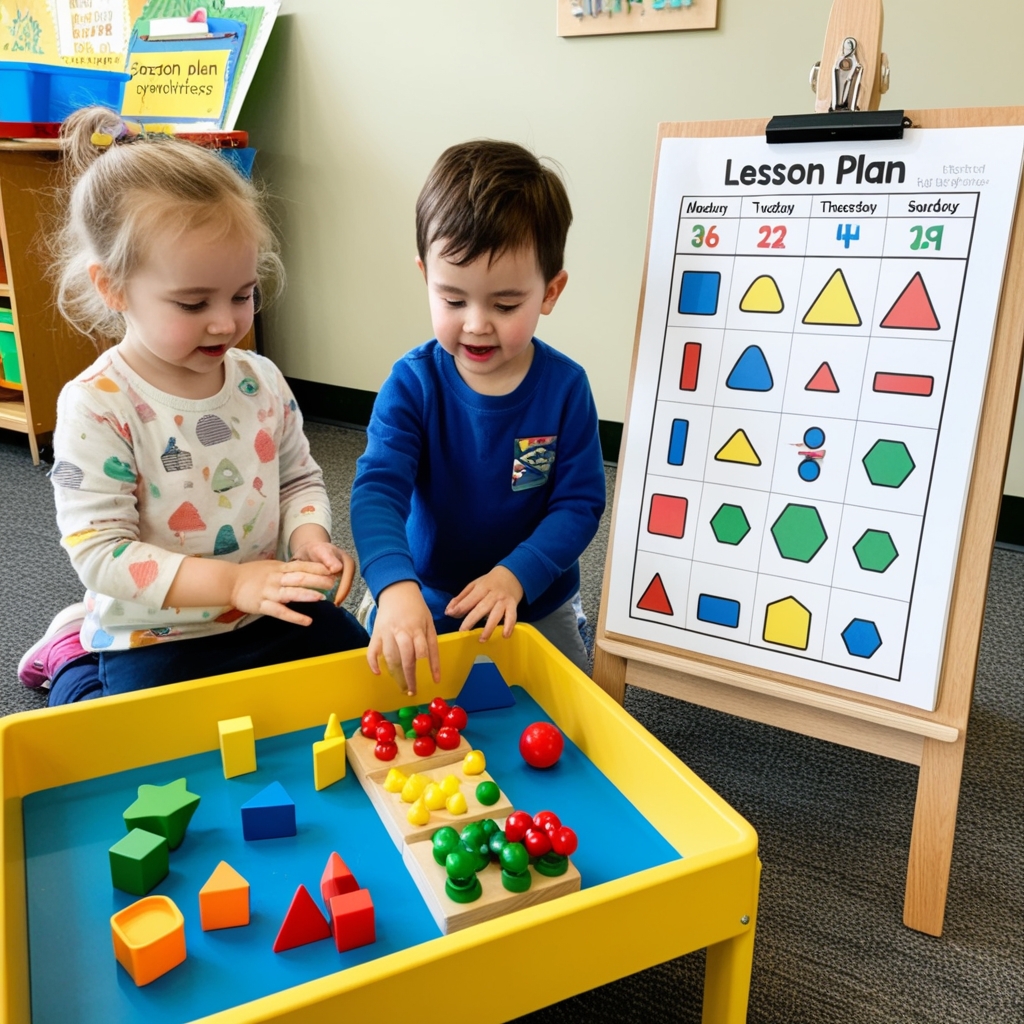
Finding reliable sources for kindergarten homeschool lesson plans printable materials can save you time and ensure access to quality educational content. Both free and premium options are available, each offering unique advantages depending on your needs and budget.
Free Educational Websites and Resources
Several reputable websites offer high-quality free printable lesson plans for kindergarten homeschoolers. These resources are often created by experienced educators and provide excellent starting points for your curriculum planning.
Scholastic offers extensive free resources including lesson plans, printable worksheets, and teaching guides. Their materials are professionally developed and aligned with educational standards, making them reliable choices for homeschool families.
Other valuable free sources include:
- Education.com – comprehensive lesson plans with printable materials
- Teachers Pay Teachers – free resources from practicing educators
- Pinterest – curated collections of homeschool lesson plans
- Local library systems – often provide educational resource access
- Homeschool blogs and community websites
Premium Lesson Plan Collections
Premium lesson plan resources typically offer more comprehensive coverage, professional design, and additional support materials. These paid options often provide better organization, more detailed instructions, and exclusive content not available through free sources.
For those seeking professionally developed materials, our lesson plan shop offers carefully curated resources designed specifically for homeschool families. These premium options provide comprehensive coverage and detailed implementation guides.
Homeschool Community Recommendations
Connecting with other homeschool families can provide valuable insights into effective lesson plan resources. Online forums, local support groups, and social media communities often share recommendations and reviews of different materials.
Many experienced homeschoolers are willing to share their favorite resources and provide honest feedback about what works well in practice. This peer-to-peer support can help you avoid ineffective materials and discover hidden gems.
Organizing and Implementing Your Printable Lesson Plans
Successfully using kindergarten homeschool lesson plans printable resources requires effective organization and systematic implementation strategies. Proper planning and organization can make the difference between a smooth, successful homeschool experience and daily chaos.
Creating an Effective Filing System
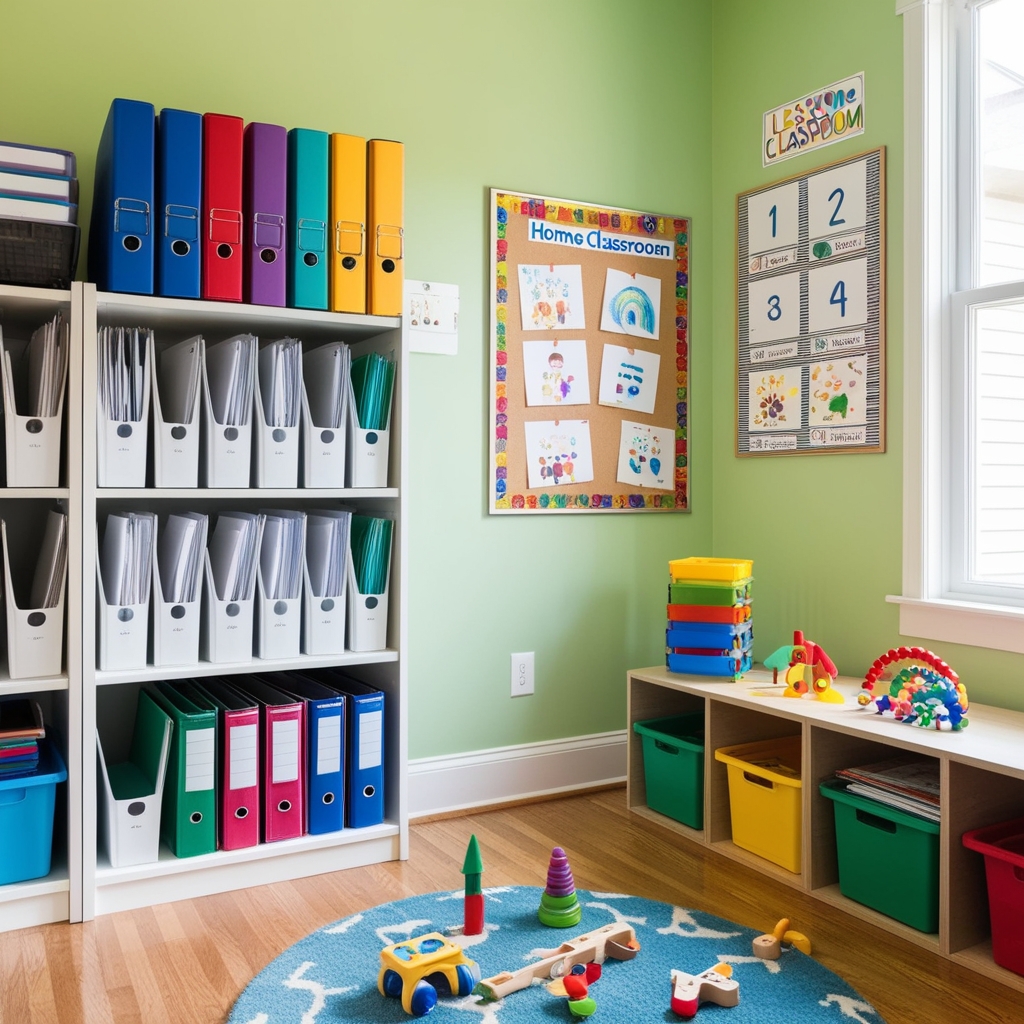
Developing a logical filing system for your printable lesson plans ensures easy access and reduces preparation time. Consider organizing materials by subject, theme, or time period depending on your teaching style and preferences.
Digital organization works well for many families. Create folders on your computer for each subject, with subfolders for different units or themes. This system allows for easy searching and quick printing when needed.
Physical organization might include three-ring binders with dividers, file folders in a portable filing box, or plastic storage containers with labeled sections. Choose a system that matches your space constraints and organizational preferences.
Weekly and Monthly Planning Strategies
Effective implementation requires advance planning that balances structure with flexibility. Weekly planning sessions help you prepare materials, review upcoming lessons, and adjust pacing based on your child’s progress.
Consider dedicating Sunday evenings to the following week’s preparation. Review lesson plans, gather materials, and make any necessary copies or preparations. This advance planning reduces daily stress and ensures smooth lesson flow.
Monthly planning allows for broader curriculum overview and seasonal activity integration. Use this time to plan field trips, special projects, or holiday-themed activities that enhance your regular lesson plans.
Daily Implementation Routines
Establishing consistent daily routines helps children know what to expect and reduces transition difficulties. Create a predictable schedule that includes time for each subject while maintaining flexibility for teachable moments.
A typical kindergarten day might include morning circle time, focused learning blocks for each subject, hands-on activities, outdoor time, and quiet reading. Adjust timing based on your child’s attention span and energy levels throughout the day.
Customizing and Adapting Plans for Your Child’s Learning Style
While kindergarten homeschool lesson plans printable resources provide excellent foundations, customization ensures optimal learning for your individual child. Understanding your child’s unique learning preferences and adapting materials accordingly maximizes educational effectiveness.
Identifying Your Child’s Learning Style
Kindergarten children typically exhibit preferences for visual, auditory, or kinesthetic learning approaches. Observing your child during various activities helps identify their strongest learning modalities and preferred instructional methods.
Visual learners benefit from colorful charts, picture books, graphic organizers, and visual demonstrations. They often prefer written instructions and learn well through observation and imitation.
Auditory learners respond well to songs, rhymes, verbal instructions, and discussion-based activities. They may benefit from reading aloud, music integration, and opportunities to explain their thinking verbally.
Kinesthetic learners need movement, hands-on manipulation, and physical activity integration. They learn best through doing, building, and experiencing concepts through multiple senses.
Modifying Activities for Individual Needs
Most printable lesson plans can be adapted to better suit your child’s learning style and developmental level. Simple modifications can transform a standard activity into a personalized learning experience.
For advanced learners, add extension activities, increase complexity, or incorporate additional challenges. For children who need more support, break activities into smaller steps, provide additional practice opportunities, or use more concrete manipulatives.
- Adjust activity duration based on attention span
- Modify difficulty level to match current skills
- Add movement breaks for kinesthetic learners
- Include visual aids for visual processors
- Incorporate music or rhymes for auditory learners
Incorporating Special Interests and Themes
Children learn more effectively when content connects to their personal interests and experiences. Adapting lesson plans to include your child’s favorite topics increases engagement and motivation.
If your child loves dinosaurs, incorporate paleontology themes into science lessons, use dinosaur counters for math activities, and include dinosaur books for reading practice. This thematic approach creates meaningful connections across subjects.
Assessment and Progress Tracking with Printable Resources
Effective assessment strategies help you monitor your child’s progress and adjust instruction accordingly. Quality kindergarten homeschool lesson plans printable materials should include assessment tools and progress monitoring guidelines that support data-driven instructional decisions.
Formal and Informal Assessment Methods
Kindergarten assessment should emphasize observation and authentic performance rather than traditional testing. Informal assessments provide ongoing feedback about your child’s understanding and skill development.
Informal assessment methods include daily observation checklists, work sample collections, photo documentation of hands-on activities, and anecdotal records of conversations and discoveries. These approaches provide rich information about your child’s learning process.
Formal assessments might include periodic skill checklists, simple rubrics for projects, or standardized screening tools. Use these sparingly and ensure they provide useful information for instructional planning.
Creating Learning Portfolios
Learning portfolios document your child’s growth over time and provide evidence of educational progress. Include work samples, photos, assessment results, and reflection notes that demonstrate learning across all subjects.
Digital portfolios can include video recordings of your child reading, explaining math concepts, or presenting science discoveries. These multimedia records capture learning in ways that traditional work samples cannot.
Regular portfolio reviews with your child help them reflect on their learning and set goals for future growth. This metacognitive practice develops self-awareness and intrinsic motivation for learning.
Adjusting Instruction Based on Assessment Data
Assessment information should guide your instructional decisions and help you provide appropriate support or enrichment. Regular review of assessment data helps you identify patterns and adjust your teaching approach accordingly.
If assessments reveal gaps in understanding, plan additional practice activities, reteach concepts using different methods, or provide more concrete examples. For areas of strength, consider acceleration or enrichment opportunities.
Troubleshooting Common Challenges with Kindergarten Lesson Plans
Even the best kindergarten homeschool lesson plans printable resources can present implementation challenges. Understanding common difficulties and having solutions ready helps maintain positive learning experiences and reduces frustration for both parent and child.
Attention Span and Engagement Issues
Kindergarten children typically have short attention spans, usually ranging from 10-15 minutes for focused activities. If your child seems restless or distracted, the activity may be too long or not engaging enough for their current state.
Break longer activities into smaller segments with movement breaks between sections. Incorporate hands-on elements, change positions frequently, and use timers to create manageable chunks of focused work time.
Consider your child’s natural rhythms and energy levels when scheduling different types of activities. Some children focus better in the morning, while others may be more alert after physical activity or snack time.
Skill Level Mismatches
Lesson plans may sometimes be too advanced or too simple for your child’s current skill level. This mismatch can lead to frustration, boredom, or loss of confidence.
Regularly assess your child’s understanding and adjust activities accordingly. Don’t hesitate to modify plans, skip sections that are too easy, or spend additional time on challenging concepts.
Remember that children develop at different rates and may be advanced in some areas while needing more support in others. Individualized pacing is one of the greatest advantages of homeschooling.
Material Preparation and Organization
Inadequate preparation can derail even the best lesson plans. Missing materials, unclear instructions, or disorganized resources can create stress and reduce learning effectiveness.
Establish weekly preparation routines that include reviewing upcoming lessons, gathering materials, and making necessary copies or preparations. Keep basic supplies easily accessible and organized.
Create a teaching kit with frequently used items like scissors, glue, crayons, manipulatives, and paper. Having these materials readily available reduces preparation time and eliminates mid-lesson interruptions.
Frequently Asked Questions
How many hours per day should kindergarten homeschool lesson plans cover?
Kindergarten homeschool lesson plans should typically cover 2-3 hours of structured learning per day. This includes short lessons across all subjects with plenty of breaks for play, snacks, and free exploration. Remember that kindergarteners learn through play, so not all learning needs to be formal instruction.
Can I use free printable lesson plans exclusively for kindergarten homeschooling?
Yes, you can successfully homeschool kindergarten using primarily free printable lesson plans. Many high-quality free resources are available from reputable educational websites. However, you may need to spend more time searching, organizing, and ensuring comprehensive coverage of all subjects compared to using a complete curriculum package.
What should I do if my child resists the activities in the lesson plans?
If your child resists lesson plan activities, first consider whether the content is age-appropriate and matches their current skill level. Try modifying the presentation, incorporating their interests, or taking a break and returning to the activity later. Sometimes resistance indicates the need for a different approach or more hands-on elements.
How do I know if my kindergarten lesson plans are meeting educational standards?
Look for lesson plans that explicitly state alignment with Common Core State Standards or your state’s kindergarten standards. Quality plans will include learning objectives and clearly identify which standards each activity addresses. You can also compare your child’s progress with typical kindergarten benchmarks published by educational organizations.
Should I follow printable lesson plans exactly or can I make changes?
You should definitely adapt printable lesson plans to meet your child’s individual needs and your family’s schedule. Use them as guides rather than rigid requirements. Modify activities based on your child’s interests, learning style, and skill level. The flexibility to customize is one of the main advantages of homeschooling.
How can I organize multiple subjects worth of printable lesson plans?
Create a filing system that works for your space and preferences. Digital folders organized by subject and week work well for many families. Physical organization might include binders with dividers, file folders, or storage boxes. The key is choosing a system you’ll consistently use and that allows quick access to needed materials.
What’s the difference between free and premium kindergarten lesson plans?
Premium lesson plans typically offer more comprehensive coverage, professional design, detailed instructions, and additional support materials like assessment tools and extension activities. Free plans can be excellent but may require more time to find, organize, and supplement. The choice depends on your budget, time availability, and specific needs.
📚 Recommended Homeschool Resources
As an Amazon Associate, I earn from qualifying purchases. Some links in this article are affiliate links, meaning I may earn a small commission at no extra cost to you.
Conclusion
Implementing kindergarten homeschool lesson plans printable resources can transform your homeschooling experience from overwhelming to organized and enjoyable. These structured educational tools provide the foundation for comprehensive learning while maintaining the flexibility that makes homeschooling so effective for individual children.
The key to success lies in choosing quality plans that align with educational standards, match your child’s developmental needs, and provide clear implementation guidance. Whether you select free resources or invest in premium materials, the most important factor is consistent, loving instruction that nurtures your child’s natural curiosity and love of learning.
Remember that lesson plans are tools to support your teaching, not rigid requirements that must be followed exactly. Adapt activities to match your child’s interests, learning style, and pace. Celebrate progress, maintain flexibility, and trust in your ability to provide an excellent education for your kindergartener.
Ready to begin your kindergarten homeschool journey with confidence? Start by exploring quality lesson plan resources and creating an organizational system that works for your family. With proper preparation and the right materials, you’ll create meaningful learning experiences that lay a strong foundation for your child’s educational future.
Related Resources
Enhance your homeschooling journey with these additional resources from HomeschoolingExperts.org:
- Getting Started with Homeschooling – Essential guidance for new homeschool families
- Scheduling and Planning – Tips for creating effective homeschool routines
- Educational Activities and Ideas – Creative learning activities to supplement your lesson plans
For personalized guidance and support, visit our about page to learn more about our expertise, or contact us with specific questions about kindergarten homeschooling.

Loved this post? Grab the free resource above.
Math Adventures: Everyday Numbers — drop your email and we'll send the printable PDF.