Free Curriculum Comparison Guide
Compare Charlotte Mason, Classical, Montessori, Waldorf, and more in one printable side-by-side guide.
Learning how to homeschool a gifted child means blending advanced academics with social-emotional support so your learner can thrive at their own pace, not the pace of a traditional classroom. Gifted children often think faster, ask deeper questions, and master concepts years ahead of their peers, which can leave them bored, frustrated, or misunderstood in a standard school setting. Homeschooling gives families the flexibility to match instruction to a child’s true readiness level rather than their birth year.
This guide walks you through identifying giftedness, choosing curriculum that stretches your child appropriately, avoiding common pitfalls like asynchronous development stress, and building a schedule that nurtures both intellect and emotional wellbeing. Whether you are just starting out or refining an existing approach, you will find practical, research-informed strategies here.
According to the National Association for Gifted Children, gifted students make up roughly 6 percent of the U.S. student population, yet many public schools lack dedicated resources to serve them (National Association for Gifted Children). Homeschooling a gifted child is one of the most effective ways to close that gap.
Key Takeaways
- Gifted children often show asynchronous development, meaning intellectual, emotional, and physical growth happen at different rates.
- Homeschooling a gifted child allows subject acceleration without full grade skipping, reducing social mismatch.
- Flexible, mastery-based curriculum works better than rigid grade-level workbooks for advanced learners.
- Social and emotional needs are just as important as academic challenge for gifted kids.
- Enrichment, mentorship, and real-world projects keep gifted students engaged and motivated.
Understanding What It Means to Homeschool a Gifted Child

Homeschooling a gifted child is fundamentally about individualized pacing rather than simply providing harder work. Giftedness is not just about high IQ scores; it often includes intense curiosity, rapid learning, and a strong need for depth over repetition.
Many parents assume that a gifted child just needs “more” of the same material. In reality, gifted learners typically need different material entirely, one that emphasizes complexity, abstraction, and independent inquiry.
Asynchronous Development Explained
Gifted children frequently experience asynchronous development, where cognitive abilities outpace emotional or fine motor skills. A seven-year-old might read at a tenth-grade level while still struggling with handwriting or peer conflict.
Recognizing this mismatch early helps you set realistic expectations and avoid pushing your child too hard in areas where they are developmentally on track for their age.
Why Traditional Grade Levels Often Don’t Fit
Grade-level curriculum assumes a single pace for every subject. Gifted homeschoolers, by contrast, can move a child through math three grade levels ahead while keeping writing or social studies closer to age level.
This subject-by-subject flexibility is one of the biggest advantages of homeschooling a gifted child compared to a traditional classroom setting.

Signs Your Child May Be Gifted
Before you can homeschool a gifted child effectively, it helps to recognize the traits that distinguish giftedness from simply being a bright or high-achieving student.
Common Characteristics of Gifted Learners
- Learns to read, calculate, or reason well before typical age benchmarks
- Asks probing, abstract questions that go beyond the immediate lesson
- Displays intense focus and curiosity on self-selected topics
- Has an unusually large vocabulary and complex sentence structure
- Shows strong memory retention with minimal repetition needed
- Exhibits heightened sensitivity, perfectionism, or emotional intensity
Formal Testing Versus Parent Observation
While formal IQ or achievement testing through a licensed psychologist can provide useful data, many homeschool parents rely on careful observation, portfolio review, and above-grade-level assessments to confirm giftedness.
Organizations like Scholastic offer age-based reading and skill benchmarks that can help you gauge whether your child is significantly ahead of typical milestones.
Getting Started: Assessment and Goal Setting
Once you suspect or confirm that your child is gifted, the next step in learning how to homeschool a gifted child is establishing a baseline and setting clear, flexible goals.
Conducting an Informal Academic Assessment
Use diagnostic tests or above-grade-level placement tests in core subjects like math, reading, and writing to determine your child’s true working level. This prevents the common mistake of teaching material that is already mastered.
Setting Individualized Learning Goals
Work with your child to set goals that stretch their thinking without overwhelming them emotionally. Good goals for gifted homeschoolers often include:
- Mastering a subject through depth rather than speed alone
- Completing at least one independent research project per term
- Developing executive function and organizational skills
- Building resilience through appropriately challenging tasks
If you are new to homeschooling altogether, our getting started guides can help you build a solid foundation before layering on gifted-specific strategies.
Choosing the Right Curriculum for a Gifted Learner

Curriculum choice is one of the most important decisions when you homeschool a gifted child. The goal is depth, complexity, and student-driven exploration rather than simple acceleration through a textbook.
Mastery-Based Versus Grade-Based Curriculum
Mastery-based programs allow a child to move forward as soon as they demonstrate understanding, rather than waiting for the rest of a grade-level cohort. This approach naturally accommodates gifted learners who grasp new concepts quickly.
Subject Acceleration Without Full Grade Skipping
Rather than skipping an entire grade, many families choose to accelerate individual subjects. A gifted nine-year-old might work through sixth-grade math while reading literature and writing at a fourth or fifth-grade level.
This targeted approach reduces the social and emotional strain that can come with full grade acceleration.
Curriculum Types That Work Well for Gifted Students
- Inquiry-based and project-based learning programs
- Classical education models emphasizing logic and rhetoric
- Unit studies that allow deep dives into a single topic across subjects
- Online advanced courses for subjects beyond parent expertise
- Self-paced mastery platforms in math and science
Browse our curriculum methods resources to compare approaches side by side, and check our printable lesson plans for ready-to-use materials that can be adapted upward for advanced learners.
Building a Flexible Schedule That Supports Deep Learning
A rigid, hour-by-hour school schedule rarely serves gifted children well. Instead, successful homeschool schedules for gifted learners prioritize flexibility, depth, and follow-through on curiosity.
Compacting the Curriculum
Curriculum compacting means skipping material your child has already mastered and moving directly to more challenging content. This can free up significant time each week for enrichment or passion projects.
Block Scheduling for Deep Focus
Consider scheduling longer, uninterrupted blocks of time for subjects your child loves, rather than forcing rigid 45-minute periods. Gifted children often thrive when allowed to fully immerse themselves in a topic.
Sample Weekly Structure
- Mornings: Core academics at accelerated pace (math, language arts, science)
- Midday: Independent research or passion project time
- Afternoons: Enrichment activities, extracurriculars, or hands-on projects
- One flexible day weekly for field trips, co-ops, or catch-up
For more scheduling frameworks, visit our scheduling and planning category for templates you can customize.
Supporting Social and Emotional Needs
Academic acceleration is only part of the equation. To fully homeschool a gifted child, you must also address the social and emotional intensity that often accompanies high intellectual ability.
Managing Perfectionism and Fear of Failure
Many gifted children avoid new challenges because they are used to instant success and fear making mistakes. Normalize struggle by intentionally introducing tasks where effort matters more than immediate mastery.
Building Peer Connections
Gifted children can feel isolated if they lack same-age peers who share their interests. Seek out gifted homeschool co-ops, online communities, or academic competitions where your child can connect with intellectual equals.
Practical Strategies for Emotional Regulation
- Teach growth mindset language around effort and mistakes
- Validate intense emotions without dismissing them as overreactions
- Provide outlets for physical activity to balance mental intensity
- Offer choices to give a sense of control over daily learning
The Homeschool Legal Defense Association also provides resources on navigating social development for homeschooled gifted students (HSLDA).
Enrichment, Mentorship, and Real-World Learning
Enrichment opportunities keep gifted learners engaged well beyond the core curriculum. When you homeschool a gifted child, real-world application often matters more than additional worksheets.
Independent Projects and Passion-Based Learning
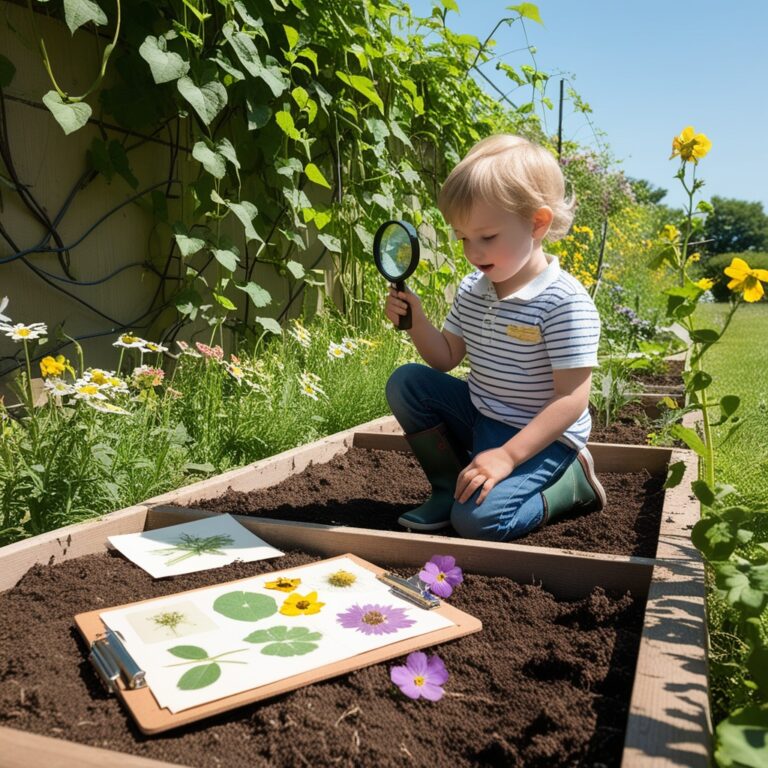
Allow significant time for your child to pursue self-directed projects, whether that’s coding an app, writing a novel, or researching astrophysics. Passion projects build intrinsic motivation and deep expertise.
Mentorship and Outside Experts
Connecting your child with a mentor, tutor, or online expert in their area of interest can provide challenge levels beyond what a parent alone can offer. Local universities, museums, and online platforms often have programs designed for advanced young learners.
Competitions and Extracurricular Enrichment
- Math Olympiad, Science Olympiad, or robotics competitions
- Debate clubs and Model UN programs
- Writing contests and literary magazines
- Community volunteer or entrepreneurial projects
For more hands-on ideas, explore our activities and enrichment ideas section, and check age-appropriate benchmarks in our grade level guides.
Avoiding Common Pitfalls When Homeschooling a Gifted Child
Even well-intentioned parents can make mistakes when they homeschool a gifted child. Being aware of these pitfalls in advance helps you course-correct quickly.
Over-Scheduling and Burnout
Filling every hour with academics or enrichment can lead to burnout, even in highly capable children. Build in unstructured downtime and rest just as intentionally as you build in challenge.
Ignoring Weaker Areas
It is tempting to focus entirely on a child’s strengths, but neglecting weaker subjects or skills, such as handwriting or organization, can create gaps later. Balance acceleration with consistent, patient support in developing areas.
Isolating Your Child Socially
Moving quickly through academics should not come at the cost of social opportunities. Prioritize regular interaction with peers, whether age-matched or intellectually matched, to support well-rounded development.
Connecting With Community and Ongoing Support
No parent has to navigate gifted homeschooling alone. Building a support network of other families, educators, and specialists makes the journey more sustainable.
Finding Local and Online Gifted Homeschool Groups
Search for local gifted homeschool co-ops, Facebook groups, or state-level gifted associations. These communities offer shared resources, field trip planning, and emotional support from parents facing similar challenges.
When to Seek Professional Guidance
If you notice significant emotional distress, learning differences alongside giftedness (often called twice-exceptional or 2e), or persistent motivation issues, consider consulting an educational psychologist familiar with gifted populations.
You can also reach out through our contact page if you need personalized guidance, or learn more about our approach on the about page.
Frequently Asked Questions
What is the best way to homeschool a gifted child academically?
The best approach combines subject-specific acceleration with mastery-based curriculum, allowing your child to move quickly through mastered material while spending extra time on complex, high-interest topics. Avoid rigid grade-level pacing in favor of individualized progression.
How do I know if my child is gifted enough to need a different approach?
Signs include early reading or math ability, intense curiosity, rapid mastery of new concepts, and advanced vocabulary. If your child consistently finishes standard grade-level work quickly and without challenge, they likely need an accelerated or enriched approach.
Should I skip a grade or accelerate individual subjects?
Subject-specific acceleration is generally recommended over full grade skipping because it addresses academic needs without disrupting social and emotional development tied to age-appropriate peer interaction.
How much time should a gifted child spend on academics each day?
Many gifted homeschoolers complete core academics in two to four hours daily due to efficient learning and curriculum compacting. The remaining time can be devoted to enrichment, projects, and social activities.
What is twice-exceptional, and how does it affect homeschooling?
Twice-exceptional, or 2e, describes a child who is both gifted and has a learning difference such as ADHD or dyslexia. Homeschooling these children requires balancing acceleration in strength areas with targeted support and accommodations in challenge areas.
How can I prevent my gifted child from becoming bored or unmotivated?
Prevent boredom by offering choice, depth, and real-world application rather than repetition. Independent projects, mentorship, and competitions keep gifted learners engaged and intrinsically motivated.
Do gifted homeschooled children need socialization outside the home?
Yes, socialization remains important for gifted homeschoolers. Co-ops, clubs, sports, and community programs help gifted children build peer relationships and practice social skills alongside their academic growth.
📚 Recommended Homeschool Resources
As an Amazon Associate, I earn from qualifying purchases. Some links in this article are affiliate links, meaning I may earn a small commission at no extra cost to you.
Conclusion
Learning how to homeschool a gifted child is ultimately about matching pace, depth, and support to your child’s unique profile rather than following a one-size-fits-all curriculum. By recognizing asynchronous development, choosing flexible mastery-based curriculum, and prioritizing both academic challenge and emotional wellbeing, you can help your gifted learner thrive.
Remember that giftedness is not just about speed through material, it is about depth, curiosity, and the freedom to explore ideas fully. With the right structure and support network, homeschooling can become the ideal environment for a gifted child to reach their full potential.
If you are ready to take the next step, explore our homeschool lesson plan shop for adaptable, advanced-level materials, or reach out through our contact page for personalized guidance on your gifted homeschooling journey.
Related Resources
- Curriculum Methods for Homeschooling
- Grade Level Guides for Homeschoolers
- Getting Started With Homeschooling

Loved this post? Grab the free resource above.
Compare Charlotte Mason, Classical, Montessori, Waldorf, and more in one printable side-by-side guide.