Free Curriculum Comparison Guide
Compare Charlotte Mason, Classical, Montessori, Waldorf, and more in one printable side-by-side guide.
Choosing the right Pennsylvania homeschool curriculum can feel overwhelming when you are also trying to navigate the state’s specific legal requirements, from portfolio reviews to standardized testing. The good news is that Pennsylvania families have more curriculum freedom than almost any other state, provided they understand the paperwork involved. This guide breaks down exactly what you need to know to select, document, and teach a compliant, high-quality homeschool program in Pennsylvania.
Whether you are pulling your child out of public school for the first time or simply reevaluating your approach for next year, this post covers everything from Pennsylvania’s 450-hour instructional requirement to the best curriculum options by grade level. We will also walk through standardized testing rules, portfolio building, and how to choose a teaching method that actually fits your family’s rhythm.
As a resource built specifically for homeschooling families, HomeschoolingExperts.org has researched state regulations, interviewed veteran Pennsylvania homeschoolers, and reviewed dozens of curriculum providers to put this together. Let’s get your homeschool year started on solid footing.
Key Takeaways
- Pennsylvania requires 180 days or 900 hours (elementary) and 990 hours (secondary) of instruction annually, but curriculum choice itself is entirely up to the parent.
- Families must file an affidavit (Form 170) with their local school district superintendent before August 1 or within five days of starting homeschooling.
- Standardized testing is required in grades 3, 5, and 8, and an annual portfolio evaluation is required every year.
- No single curriculum is “approved” by the state; Pennsylvania allows complete flexibility in materials, provided required subjects are covered.
- Combining a strong curriculum with good recordkeeping habits makes your required portfolio review far less stressful.
Understanding Pennsylvania Homeschool Law and Requirements

Before you shop for a single workbook, it helps to understand the legal framework that shapes your Pennsylvania homeschool curriculum decisions. Pennsylvania’s homeschool law is found under 24 P.S. Section 13-1327.1, often called the Home Education Program law. It is one of the more detailed homeschool statutes in the country, but it is also very workable once you know the steps.
Required Subjects by Law
Pennsylvania law specifies required subjects at each educational level, which should guide your curriculum planning. These include:
- English, including spelling, reading, and writing
- Arithmetic or mathematics
- Science
- Civics and social studies (history, geography)
- Health and physiology
- Physical education
- Art and music
- Safety education, including fire safety
At the secondary level, additional requirements apply, including courses in American history, civics, and economics. A thoughtfully chosen curriculum should check off each of these boxes naturally.
Filing Your Affidavit
Each year, the supervising parent must submit a notarized affidavit (commonly called Form 170) to the superintendent of the local school district. This filing must happen annually before August 1, or within five days of starting a new home education program mid-year.
According to the Home School Legal Defense Association, Pennsylvania is classified as a state with “moderate” regulation, meaning there is real oversight, but also real flexibility in how you teach. Understanding this balance early will save you headaches later.
How to Choose a Pennsylvania Homeschool Curriculum
With legal basics covered, the fun part begins: actually selecting materials. Because Pennsylvania does not mandate a specific curriculum, you can tailor your choices to your child’s learning style, your teaching comfort level, and your budget.
Consider Your Child’s Learning Style
Some children thrive with workbook-based, sequential lessons, while others need hands-on, project-based learning to stay engaged. Spend a few weeks observing how your child naturally learns before committing to a full-year program.
Decide Between All-in-One and À La Carte Options
You have two broad paths when building your Pennsylvania homeschool curriculum:
- All-in-one boxed curriculum: A single publisher provides materials for every subject, often with a scope and sequence already mapped out.
- À la carte or eclectic approach: You choose different resources for each subject, such as a strong math program paired with a literature-based history course.
Boxed curricula are easier for first-year homeschoolers, while the eclectic approach offers more customization once you feel confident.
Match Curriculum to Required Subjects
Since Pennsylvania requires documentation that specific subjects were covered, it helps to choose a curriculum with a clear scope and sequence you can reference during your portfolio review. Our curriculum methods category breaks down several approaches in more detail if you want to go deeper.

Best Pennsylvania Homeschool Curriculum Options by Subject
While no curriculum is mandated by the state, certain programs are especially popular among Pennsylvania homeschool families because they align well with state subject requirements and standardized testing content.
Math Curriculum Options
- Saxon Math, known for its incremental, spiral review approach
- Math-U-See, which uses manipulatives for hands-on learners
- Singapore Math, popular for its conceptual, visual teaching method
Language Arts and Reading
- The Good and the Beautiful, a literature-rich, nature-infused language arts program
- Logic of English, especially helpful for students who need structured phonics
- Scholastic’s reading lists, which many families use to supplement any core program; see Scholastic’s parent reading resources for grade-level book recommendations
Science and History
- Apologia, a popular Christian science curriculum with strong lab components
- Building Thinking Skills for critical reasoning development
- Story of the World, a narrative-style history series beloved for elementary grades
Mixing and matching these programs is common, and many Pennsylvania families find that a hybrid approach keeps both the student and the teaching parent engaged throughout the year.
Pennsylvania Homeschool Curriculum by Grade Level
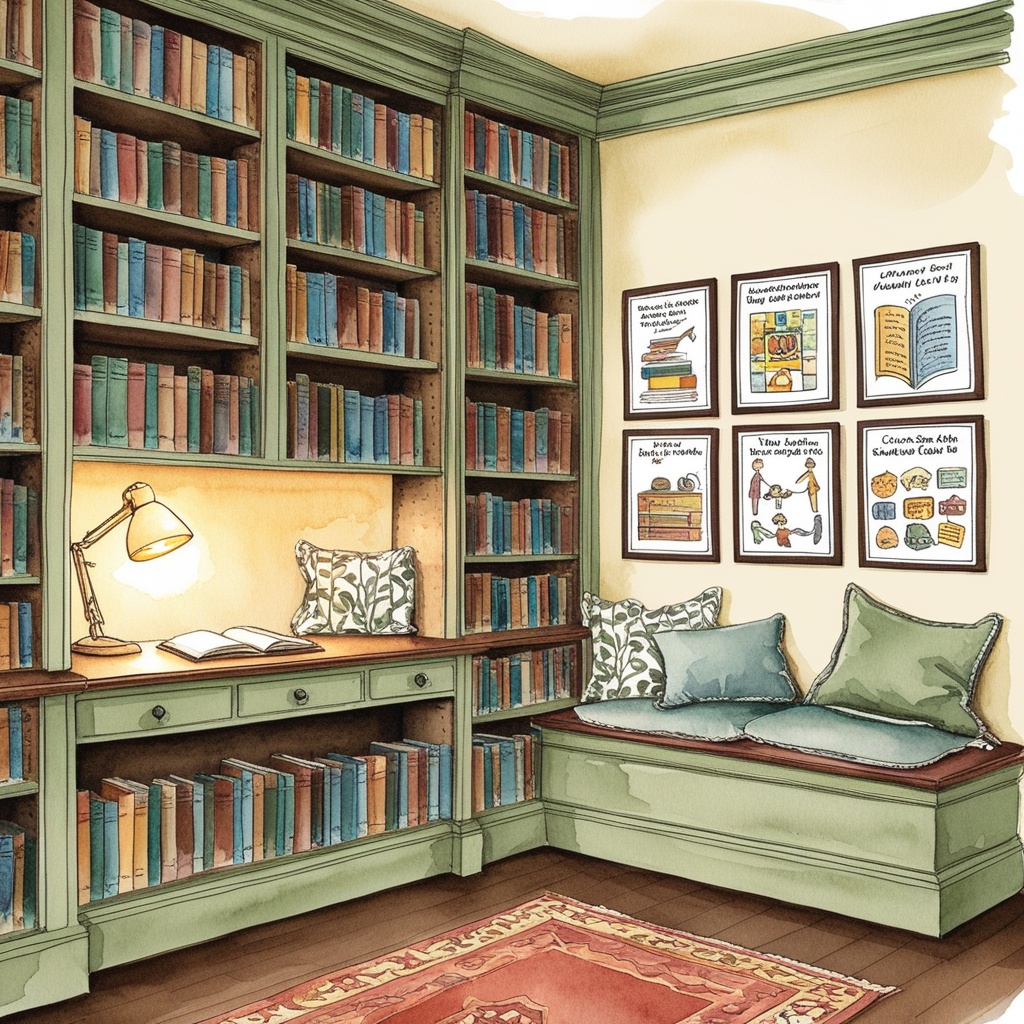
Curriculum needs shift significantly as children move from early elementary into middle and high school. Here is a general breakdown to guide your planning.
Elementary (Grades K-5)
Focus on foundational literacy and numeracy skills, paired with exposure to science and social studies through stories and hands-on activities. Short, engaging lessons work best at this age, often no more than two to three hours per day.
Middle School (Grades 6-8)
Students need more structured note-taking, writing, and independent study skills. This is also when standardized testing becomes mandatory in grade 8, so curriculum alignment with testing content matters more.
High School (Grades 9-12)
Pennsylvania secondary students must complete coursework that satisfies both graduation requirements and, if applicable, college admissions expectations. Many families begin tracking credits carefully during these years, including:
- 4 credits of English
- 3-4 credits of math
- 3-4 credits of science
- 3-4 credits of social studies, including civics and economics
- 2 credits of a foreign language (recommended for college-bound students)
For grade-specific guidance, check our grade level guides for detailed breakdowns of what to teach and when.
Standardized Testing and Portfolio Requirements
One of the most distinctive parts of homeschooling in Pennsylvania is the dual requirement of standardized testing and an annual portfolio review. Your curriculum choice should support both.
When Standardized Testing Is Required
Pennsylvania requires standardized testing in grades 3, 5, and 8. Families can choose from a list of approved tests, such as the Iowa Test of Basic Skills or the Stanford Achievement Test, administered by a certified evaluator or through an approved testing service.
Building Your Annual Portfolio
Every homeschooled student in Pennsylvania must have a portfolio reviewed annually by a certified teacher or licensed psychologist. This portfolio should include:
- A log of reading materials used or titles read during the year
- Samples of schoolwork in each required subject
- Results of the required standardized test (in testing years)
Choosing a curriculum with built-in assessments, worksheets, and project outputs makes assembling this portfolio dramatically easier at the end of the year. The U.S. Department of Education also offers general guidance on academic standards that can help you benchmark your child’s progress against grade-level expectations.
Working With a Certified Evaluator
Your evaluator will review the portfolio and determine whether appropriate educational progress has been made. Many Pennsylvania homeschool co-ops maintain lists of recommended evaluators, so ask around in local groups before your first review.
Popular Homeschool Teaching Methods in Pennsylvania
Beyond specific curriculum brands, many Pennsylvania families organize their homeschool around a broader educational philosophy. Understanding these methods can help you choose complementary materials.
Classical Education
This method organizes learning around the trivium (grammar, logic, rhetoric stages) and emphasizes Latin, great books, and formal logic in later years.
Charlotte Mason Method
Known for living books, nature study, and short lessons, this gentle approach is popular with families who want a literature-rich, low-pressure elementary experience.
Unit Studies
Unit studies combine multiple subjects around a central theme, such as studying ancient Egypt through history, art, writing, and even math concepts like geometry in pyramid construction.
Unschooling and Interest-Led Learning
Some Pennsylvania families follow a more relaxed, child-led approach, though it is worth noting this method still requires meeting the state’s portfolio and subject documentation requirements.
Our curriculum methods section offers deeper dives into each of these approaches if you are still deciding which fits your family best.
Budgeting for Your Pennsylvania Homeschool Curriculum
Curriculum costs can range from nearly free to well over a thousand dollars per child per year, depending on the materials and format you choose.
Free and Low-Cost Options
- Public library resources, including free access to databases and reading programs
- Open-source curriculum providers offering printable lessons
- Used curriculum sales through local Pennsylvania homeschool groups
Mid-Range Options
Many families spend between $200 and $600 per child annually by mixing a core math or language arts program with supplemental workbooks and library resources.
Premium All-in-One Programs
Full online academies or accredited distance-learning programs can run $700 to $1,500 or more per year but offer the benefit of automatic grading, accredited transcripts, and structured scheduling.
If you are looking for ready-made, affordable lesson plans to supplement any curriculum, browse our lesson plan shop for grade-specific materials designed to save you planning time.
Connecting With Pennsylvania Homeschool Communities
No curriculum guide is complete without mentioning the value of community support. Pennsylvania has one of the largest and most established homeschooling populations in the country, with support networks in nearly every county.
Local Co-ops and Support Groups
Co-ops offer group classes, field trips, and social opportunities, often meeting weekly or biweekly. Many also share curriculum recommendations based on firsthand experience.
Online Communities
Facebook groups and regional forums dedicated to Pennsylvania homeschooling can be a goldmine for curriculum sales, evaluator recommendations, and testing logistics.
Statewide Organizations
Organizations such as Pennsylvania Homeschoolers and the Pennsylvania Home Education Network provide updated legal information and curriculum fairs throughout the year. If you want personalized guidance on getting started, feel free to reach out through our contact page, or explore our getting started resources for newcomers.
Common Mistakes to Avoid When Choosing Curriculum
Even experienced homeschool parents can fall into a few predictable traps when selecting a Pennsylvania homeschool curriculum. Avoiding these early can save significant time and money.
Buying a Full Year Before Testing It
Always try a sample lesson or trial module before committing to a full-year purchase, especially for expensive boxed curricula.
Ignoring Your Child’s Pace
Rigid, grade-labeled curriculum can create unnecessary pressure. Remember that Pennsylvania law focuses on documented progress, not strict grade-level timelines.
Overlooking Required Subjects
It is easy to focus heavily on math and reading while neglecting art, music, and physical education, which are still legally required subjects in Pennsylvania.
Skipping a Scheduling Plan
Without a loose schedule, it is easy to fall behind on the 180-day instructional requirement. Our scheduling and planning resources can help you map out a realistic academic calendar from day one.
Frequently Asked Questions
Does Pennsylvania require a specific homeschool curriculum?
No, Pennsylvania does not mandate a specific curriculum. Parents have full freedom to choose materials, provided they cover the state’s required subjects and maintain proper documentation for the annual portfolio review.
How many hours of instruction does Pennsylvania require per year?
Pennsylvania requires 180 days of instruction, or 900 hours for elementary students (grades K-5) and 990 hours for secondary students (grades 6-12) annually.
What grades require standardized testing in Pennsylvania?
Standardized testing is required in grades 3, 5, and 8. Families can choose from a list of state-approved tests and must retain results for the annual portfolio review.
Do I need a teaching certification to homeschool in Pennsylvania?
No, parents do not need a teaching certification to homeschool. However, the supervising parent must hold a high school diploma or equivalent, and the annual portfolio must be reviewed by a certified teacher or licensed psychologist.
Can I switch curriculum mid-year in Pennsylvania?
Yes, since curriculum choice is not regulated by the state, you can switch materials at any point during the year as long as required subjects continue to be documented in your portfolio.
What subjects must be included in a Pennsylvania homeschool curriculum?
Required subjects include English, math, science, civics and social studies, health, physical education, art, music, and safety education, with additional requirements like American history and economics at the secondary level.
How much does a typical Pennsylvania homeschool curriculum cost?
Costs vary widely, from nearly free using library and open-source resources to $1,500 or more per year for full online academies. Most families spend between $200 and $600 per child annually using a mixed approach.
Books for New Homeschool Parents
As an Amazon Associate, HomeschoolingExperts earns from qualifying purchases. Some links in this article are affiliate links, meaning we may earn a small commission at no extra cost to you.
Conclusion
Selecting the right Pennsylvania homeschool curriculum does not have to be stressful once you understand the state’s legal framework and the wide range of materials available to you. Start by reviewing the required subjects, choose a curriculum style that matches your child’s learning needs, and build simple systems for tracking progress toward your annual portfolio review.
Remember that flexibility is one of Pennsylvania’s greatest homeschooling advantages. You are free to adjust, combine, or completely change your curriculum as your child grows and your family’s needs evolve.
If you want ready-to-use lesson plans that align with Pennsylvania’s required subjects, visit our lesson plan shop to save planning time this year. For more personalized support, learn more about our mission on the about page, or reach out directly through our contact page.
Related Resources
- Getting Started With Homeschooling
- Homeschool Curriculum Methods Explained
- Grade Level Guides for Homeschool Planning
Loved this post? Grab the free resource above.
Compare Charlotte Mason, Classical, Montessori, Waldorf, and more in one printable side-by-side guide.