Free Curriculum Comparison Guide
Compare Charlotte Mason, Classical, Montessori, Waldorf, and more in one printable side-by-side guide.
Choosing the right North Carolina homeschool curriculum is one of the biggest decisions a homeschooling family in the Tar Heel State will make each year. With over 140,000 homeschool students registered in North Carolina according to the North Carolina Division of Non-Public Education, families have more curriculum choices and community support than ever before. This guide breaks down state requirements, the best curriculum options by subject and learning style, and practical tips for building a homeschool plan that actually works for your family.
Whether you are just starting out or looking to switch things up for a new school year, understanding North Carolina’s specific homeschool laws alongside your curriculum options will save you time, money, and stress. We will walk through everything from legal requirements to specific curriculum recommendations, budgeting tips, and how to structure your homeschool year.
By the end of this post, you will have a clear roadmap for selecting a North Carolina homeschool curriculum that fits your child’s needs, your teaching style, and your family’s budget.
Key Takeaways
- North Carolina does not mandate a specific homeschool curriculum, giving families full freedom to choose their own materials and teaching methods.
- State law requires annual standardized testing, but you do not need to report scores to the state unless requested.
- Popular North Carolina homeschool curriculum options include Abeka, Sonlight, Math-U-See, The Good and the Beautiful, and Charlotte Mason-style programs.
- Homeschool families must file a Notice of Intent with the North Carolina Division of Non-Public Education before starting.
- Budget-friendly and free curriculum resources are widely available, so homeschooling in NC can be customized to nearly any budget.
Understanding North Carolina Homeschool Laws and Requirements
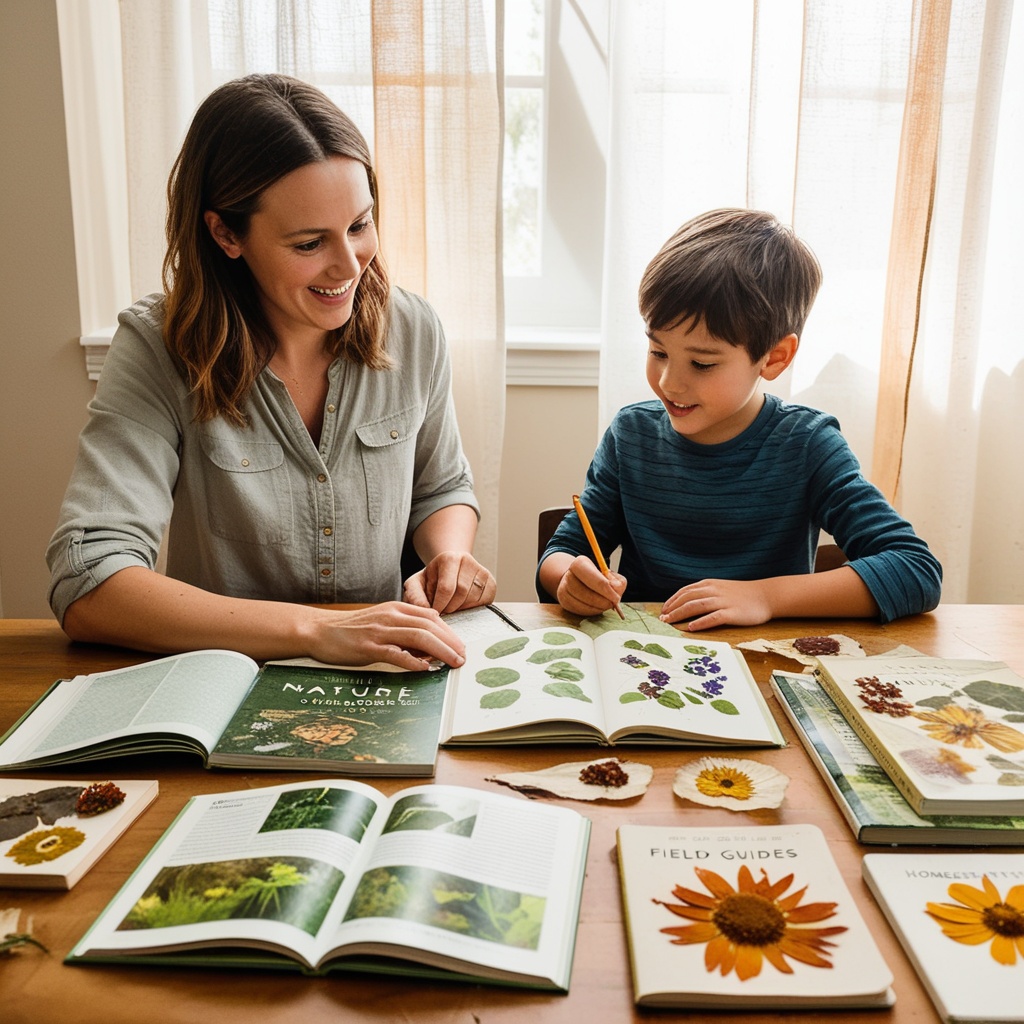
Before diving into curriculum choices, it helps to understand the legal framework that governs homeschooling in North Carolina. The state classifies homeschools as a type of private school, which means homeschooling families operate under relatively flexible regulations compared to many other states.
North Carolina requires homeschool families to file a Notice of Intent to Homeschool with the Division of Non-Public Education before beginning instruction. This filing is free and can be completed online in a matter of minutes.
Core Legal Requirements
- File a Notice of Intent to Homeschool with the state before starting.
- Maintain attendance records showing at least nine months of instruction per year.
- Keep immunization records on file for each student.
- Administer a nationally standardized test annually to students in certain grades.
- Maintain a portfolio of samples of your child’s work, though this is not submitted to the state.
According to the Home School Legal Defense Association, North Carolina is considered a moderately regulated state for homeschooling, which gives families considerable flexibility in choosing curriculum while still maintaining basic accountability.
Why Curriculum Freedom Matters
Because North Carolina does not mandate a specific curriculum or require approval of your teaching materials, you have the freedom to select a North Carolina homeschool curriculum that truly fits your child’s needs. This is one of the biggest advantages of homeschooling in this state compared to more restrictive regions.

How to Choose the Right North Carolina Homeschool Curriculum
With so many options available, selecting a North Carolina homeschool curriculum can feel overwhelming at first. The good news is that narrowing down your choices becomes much easier once you identify a few key factors.
Assess Your Child’s Learning Style
Some children thrive with hands-on, interactive lessons, while others prefer independent reading and workbook-style assignments. Taking time to observe how your child learns best will guide you toward curriculum that keeps them engaged rather than frustrated.
Consider Your Teaching Style
Your own comfort level as an instructor matters just as much as your child’s learning preferences. Parents who prefer open-and-go lesson plans often gravitate toward structured, scripted curriculum, while more flexible parents may enjoy unit studies or literature-based approaches.
Factor in Your Budget
Curriculum costs can range from completely free to several hundred dollars per subject per year. Setting a realistic budget early on will help you narrow your search and avoid overspending on materials you may not fully use.
Think About Long-Term Goals
If your child plans to transition to public or private school later, or pursue college admission, it is worth considering curriculum that aligns with common academic standards. Reviewing resources from organizations like Scholastic can help you benchmark grade-level expectations.
For additional guidance on getting started, check out our Getting Started with Homeschooling resource hub.
Top North Carolina Homeschool Curriculum Options by Subject
Many North Carolina homeschool families choose to mix and match curriculum by subject rather than relying on a single all-in-one program. Below are some of the most popular and well-reviewed options by subject area.
Language Arts
- The Good and the Beautiful Language Arts – known for its literature-rich, nature-infused approach
- All About Reading and All About Spelling – excellent for building strong phonics foundations
- Institute for Excellence in Writing – a favorite for developing strong writing skills in older students
Mathematics
- Math-U-See – a mastery-based, hands-on program using manipulatives
- Saxon Math – a spiral review approach that reinforces concepts over time
- Teaching Textbooks – a popular choice for independent learners who want digital, self-grading lessons
Science
- Apologia Science – a Christian-based curriculum with strong hands-on experiments
- Mystery Science – free or low-cost video-based lessons ideal for elementary grades
- Real Science Odyssey – a secular option with a strong lab component
History and Social Studies
- Sonlight – a literature-based, chronological approach to world and American history
- Story of the World – a narrative-style history curriculum beloved by younger learners
- Notgrass History – a faith-based option with strong primary source integration
Many of these curriculum providers offer samples, so it is worth requesting a free trial before committing to a full-year purchase. You can also browse our own homeschool lesson plans shop for ready-to-use materials across multiple subjects.
Best Curriculum Picks for Different Learning Styles
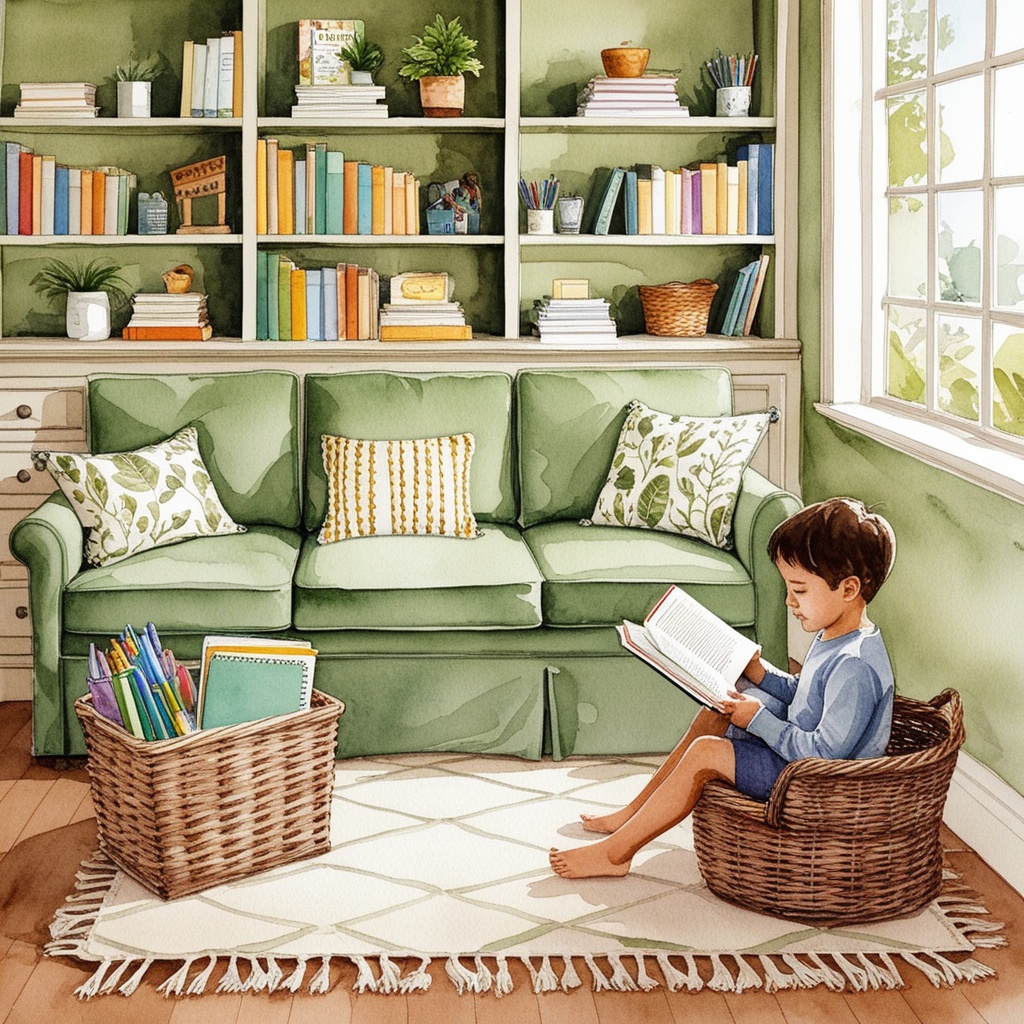
Choosing a North Carolina homeschool curriculum that matches your child’s learning style can dramatically improve engagement and retention. Here is a breakdown of options based on common learning preferences.
For Visual and Hands-On Learners
Kinesthetic learners often do best with curriculum that incorporates manipulatives, experiments, and movement. Math-U-See, Apologia Science, and unit study programs like Learning Through History are excellent fits.
For Independent, Self-Motivated Students
Older students who prefer to work at their own pace benefit from programs like Teaching Textbooks, Time4Learning, or Easy Peasy All-in-One Homeschool, which is also completely free.
For Charlotte Mason Style Families
If you lean toward a literature-rich, nature-based approach, consider Ambleside Online, a free Charlotte Mason curriculum, or A Gentle Feast, which blends classic texts with gentle daily rhythms.
For Classical Education Families
Classical homeschoolers often choose Memoria Press or Veritas Press, both of which emphasize Latin, logic, and the great books tradition. To explore more approaches, visit our curriculum methods category for in-depth comparisons.
North Carolina Homeschool Curriculum by Grade Level
Curriculum needs shift significantly as children move through different developmental stages. Here is a general overview of what to prioritize at each level.
Early Elementary (Kindergarten through 2nd Grade)
- Focus heavily on phonics and early reading skills
- Introduce basic math facts through hands-on manipulatives
- Keep science and social studies light and exploratory
Upper Elementary (3rd through 5th Grade)
- Build reading comprehension and writing fluency
- Introduce multiplication, division, and fractions
- Begin structured science units with simple experiments
Middle School (6th through 8th Grade)
- Transition to pre-algebra and algebra
- Introduce research-based writing assignments
- Add foreign language study if not already started
High School (9th through 12th Grade)
- Focus on college-preparatory coursework, including Algebra II, Biology, and Chemistry
- Track credits carefully for transcript purposes
- Consider dual enrollment options at local community colleges
For detailed subject and age-specific recommendations, our grade level guides offer deeper breakdowns for each stage of your child’s education.
Budgeting for Your North Carolina Homeschool Curriculum
One of the most common concerns among new homeschool families is cost. Fortunately, a North Carolina homeschool curriculum can be built at nearly any price point.
Free and Low-Cost Resources
- Easy Peasy All-in-One Homeschool – a completely free, full curriculum
- Khan Academy – free video lessons and practice across most subjects
- Your local public library system, which often offers free homeschool resource nights
Mid-Range Investment Options
Programs like Math-U-See, All About Reading, and The Good and the Beautiful typically range from 30 to 100 dollars per subject per year, making them accessible for most family budgets.
Premium All-in-One Programs
Comprehensive boxed curriculums like Sonlight or Abeka can run several hundred dollars per year but often include everything you need in one package, which can save time on planning.
Many families also save money by buying used curriculum through North Carolina homeschool Facebook groups or local curriculum swaps. If you are looking for affordable, teacher-created lesson plans, our downloads shop offers budget-friendly options across multiple grade levels.
Testing and Record Keeping Requirements in North Carolina
Staying compliant with North Carolina’s testing and record keeping laws is an important part of successfully homeschooling in the state. Fortunately, these requirements are straightforward once you understand them.
Standardized Testing
North Carolina requires homeschooled students to take a nationally standardized test annually once they reach the appropriate age. You do not need to submit these results to the state, but you must keep them on file in case they are requested.
Attendance and Portfolio Records
Families must maintain records showing at least nine months of instruction, along with a disease immunization record for each enrolled child. Keeping a simple portfolio of completed work, graded assignments, and reading logs is also highly recommended.
Why Record Keeping Matters
Good records not only keep you compliant with state law but also help you track your child’s progress throughout the year. This is especially helpful when selecting next year’s North Carolina homeschool curriculum, since you can clearly see where your child excelled or struggled.
For more detailed state-specific information, the North Carolina Division of Non-Public Education website is the official source for current requirements.
Building a Support Network and Co-op Resources
Homeschooling does not have to be an isolated endeavor. North Carolina has a thriving homeschool community with co-ops, support groups, and extracurricular opportunities throughout the state.
Finding Local Co-ops
Homeschool co-ops allow families to share teaching responsibilities, access group classes, and build social connections for their children. Many co-ops meet weekly and offer everything from science labs to art classes and foreign language instruction.
Online Communities
Facebook groups specific to North Carolina homeschooling, along with regional forums, are excellent places to ask curriculum questions, find used materials, and connect with experienced homeschool parents.
Extracurricular Opportunities
- Homeschool sports leagues through organizations like Homeschool Legacy Athletics
- 4-H programs available in most North Carolina counties
- Community college dual enrollment programs for high schoolers
Building relationships with other homeschool families can make a tremendous difference in sustaining motivation throughout the school year. If you have questions about building your support network, feel free to reach out through our contact page.
Creating a Homeschool Schedule That Works
Even the best North Carolina homeschool curriculum will not be effective without a workable daily and weekly schedule. Structure helps children know what to expect while still allowing flexibility for the unique benefits of homeschooling.
Daily Rhythm Tips
- Start with the most challenging subjects first thing in the morning
- Build in regular breaks to prevent burnout, especially for younger children
- Keep daily schedules flexible enough to accommodate field trips and co-op days
Weekly and Yearly Planning
Many North Carolina families choose a four-day school week, using the fifth day for field trips, co-op classes, or catch-up work. Planning your year around North Carolina’s mild climate also allows for extended outdoor learning opportunities in fall and spring.
For more detailed scheduling strategies, our scheduling and planning category offers printable planners and sample schedules you can adapt for your own family.
Frequently Asked Questions
Does North Carolina require a specific homeschool curriculum?
No, North Carolina does not require families to use a specific curriculum. The state allows homeschool parents complete freedom to choose the materials and teaching methods that best fit their child’s needs.
What are the basic legal requirements to homeschool in North Carolina?
Families must file a Notice of Intent to Homeschool, maintain attendance and immunization records, provide at least nine months of instruction annually, and administer a nationally standardized test each year.
How much does a North Carolina homeschool curriculum typically cost?
Costs vary widely, ranging from completely free programs like Easy Peasy All-in-One Homeschool to several hundred dollars per year for comprehensive boxed curriculums. Most families spend between 200 and 600 dollars per child annually.
Do I need to report standardized test scores to the state of North Carolina?
No, you do not need to submit test scores to the state unless specifically requested. You are, however, required to keep these records on file for your own compliance purposes.
What is the best North Carolina homeschool curriculum for beginners?
Many new homeschool families find success with all-in-one programs like Sonlight or Abeka, which provide structured, open-and-go lesson plans that remove much of the planning burden in the first year.
Can I switch curriculum mid-year if it is not working?
Yes, one of the benefits of homeschooling in North Carolina is the flexibility to adjust your curriculum at any point during the year if it is not meeting your child’s needs.
Are there free North Carolina homeschool curriculum options available?
Yes, resources like Easy Peasy All-in-One Homeschool, Khan Academy, and Ambleside Online offer complete or near-complete curriculum at no cost, making homeschooling accessible regardless of budget.
Books for New Homeschool Parents
As an Amazon Associate, HomeschoolingExperts earns from qualifying purchases. Some links in this article are affiliate links, meaning we may earn a small commission at no extra cost to you.
Conclusion
Selecting the right North Carolina homeschool curriculum does not have to be stressful once you understand the state’s flexible legal framework and the wide range of curriculum options available. By considering your child’s learning style, your teaching preferences, and your family’s budget, you can build a customized homeschool experience that truly works.
Remember that North Carolina law gives you the freedom to adjust your curriculum as needed throughout the year, so do not be afraid to make changes if something is not working. The right fit often takes a bit of trial and error, and that is completely normal.
If you are ready to take the next step in your homeschooling journey, explore our homeschool lesson plans shop for ready-to-use materials, or learn more about our mission on the About page. We are here to support North Carolina families at every stage of their homeschool journey.
Related Resources
- Getting Started with Homeschooling
- Homeschool Curriculum Methods Explained
- Grade Level Guides for Homeschool Families
Loved this post? Grab the free resource above.
Compare Charlotte Mason, Classical, Montessori, Waldorf, and more in one printable side-by-side guide.