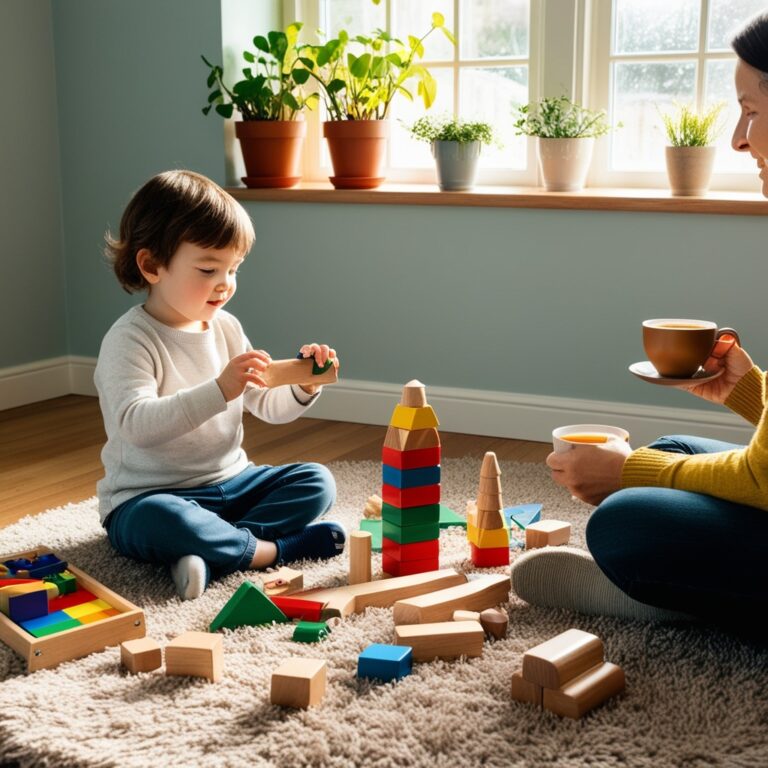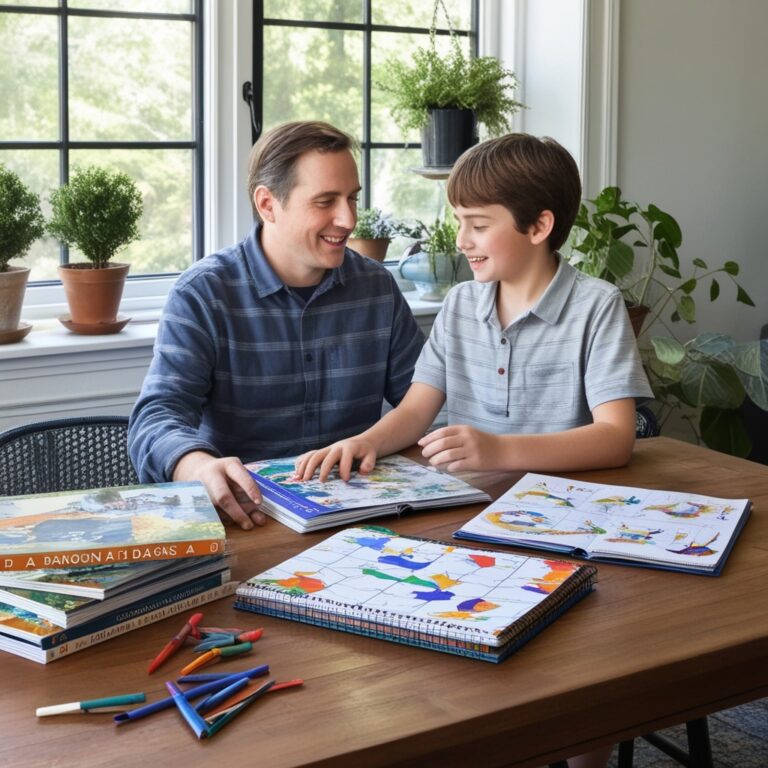
Free Sample Lesson Plan
Math Adventures: Everyday Numbers — drop your email and we'll send the printable PDF.
Free homeschool printables for kindergarten are one of the fastest ways to build a rich, hands-on learning routine without spending a fortune on curriculum. Whether you are just starting your homeschooling journey or looking to supplement an existing program, printable worksheets, activity pages, and workbooks give kindergarteners the repetition and practice they need to master letters, numbers, and early reasoning skills. In this guide, we round up the best sources, subjects, and strategies for using free kindergarten printables effectively at home.
Kindergarten is a foundational year. According to the National Association for the Education of Young Children, children ages 5 to 6 are developing critical pre-reading, number sense, and fine motor skills that set the stage for all future academic work. Printables offer a low-pressure, screen-free way to reinforce these skills through coloring, tracing, matching, and simple problem-solving activities.
This post covers where to find high-quality free printables, how to organize them into a workable routine, the best subjects to prioritize, and tips for keeping your kindergartener engaged. By the end, you will have a practical toolkit for building an affordable, effective kindergarten homeschool year.
Key Takeaways
- Free homeschool printables for kindergarten cover core skills like letters, numbers, fine motor control, and early phonics.
- Reliable sources include established education organizations, homeschool blogs, and teacher resource sites.
- A simple weekly rotation of 20 to 30 minutes of printable work daily keeps kindergarteners engaged without burnout.
- Combining printables with hands-on activities and read-alouds creates a well-rounded kindergarten routine.
- Organizing printables in binders or folders by subject saves time and reduces daily planning stress.
Why Free Homeschool Printables for Kindergarten Matter
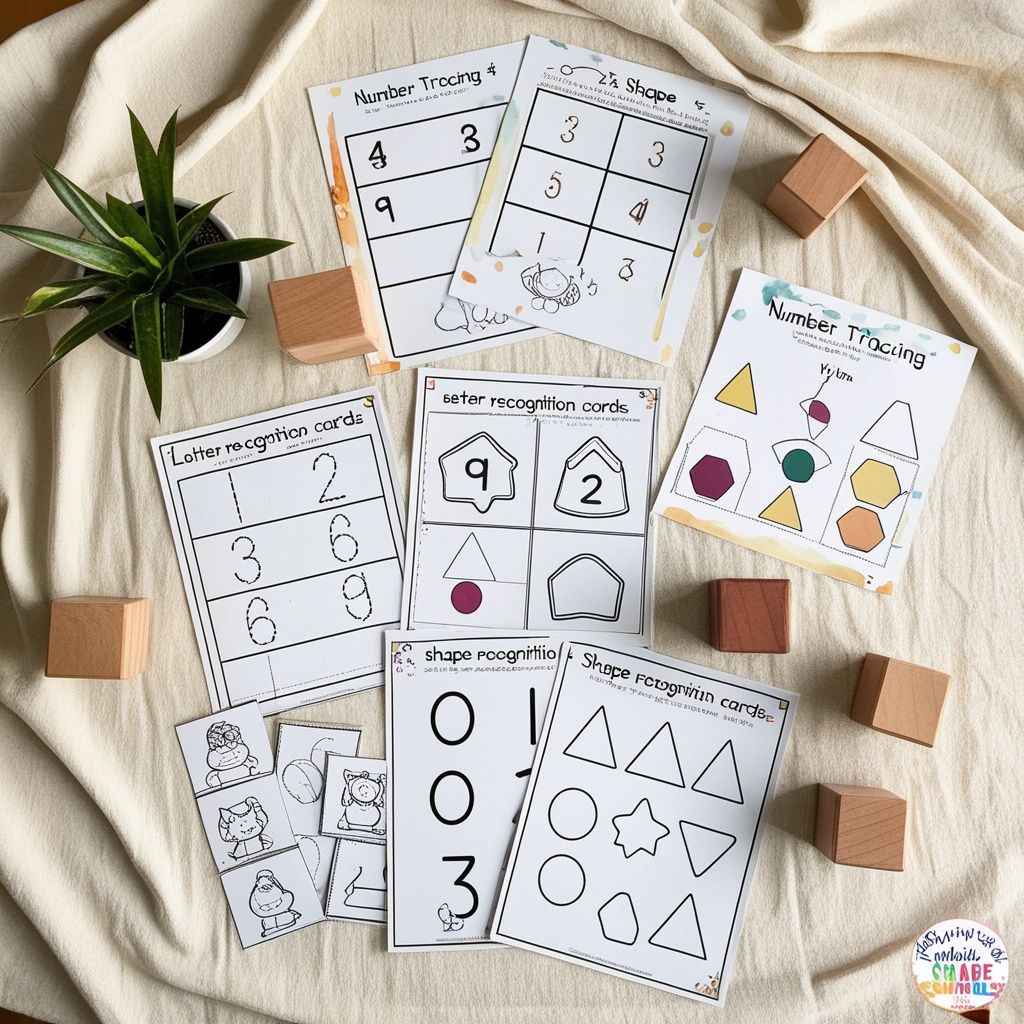
Kindergarten is often the entry point for families new to homeschooling. Free homeschool printables for kindergarten allow parents to test different teaching approaches before committing to a full curriculum purchase.
They also give structure to a day that might otherwise feel unstructured, especially for parents transitioning from traditional school settings. A simple worksheet on letter recognition or number tracing provides a clear, achievable task for both parent and child.
Cost Savings Without Sacrificing Quality
Curriculum costs for a full kindergarten year can range from 100 to 600 dollars depending on the publisher. Free printables let you build a customized learning plan at little to no cost while still covering essential skills.
Flexibility for Different Learning Styles
Printables come in countless formats: tracing pages, matching games, cut-and-paste crafts, and simple word problems. This variety makes it easy to adapt your homeschool day to your child’s attention span and learning preferences.

Best Websites for Free Kindergarten Printables
Not all printable sources are created equal. Some sites offer beautifully designed, teacher-vetted materials, while others are cluttered with ads or low-quality scans. Here are trusted categories to explore.
Educational Publisher Sites
Large education companies often release free sample pages to showcase their full curriculum. Scholastic offers a rotating selection of free printable worksheets organized by grade and subject, making it a reliable starting point for kindergarten families.
Government and Nonprofit Education Resources
Organizations focused on early childhood education frequently publish free, research-backed materials. These resources are especially useful because they are designed with developmental milestones in mind rather than purely for entertainment.
Homeschool-Specific Blogs and Communities
Many homeschooling parents and educators create and share printables through personal blogs and community sites. These often include seasonal themes, unit studies, and printables tied to specific books or topics your child is already interested in.
For legal guidance on homeschooling requirements while you gather resources, the Home School Legal Defense Association provides state-by-state information that pairs well with your printable-based curriculum planning.
Core Subjects to Cover with Printables
A well-rounded kindergarten year touches on several key subject areas. Free homeschool printables for kindergarten can address nearly all of them with the right selection.
- Letter recognition and phonics
- Number sense and basic math operations
- Fine motor skills through tracing and cutting
- Early science observation activities
- Social studies concepts like community helpers and holidays
- Emotional and social skill building through simple worksheets
Covering these areas does not require a rigid daily schedule. Instead, rotate through subjects across the week so your child experiences variety without feeling overwhelmed.
Balancing Academics with Play
Kindergarten curriculum guidance from many state education departments emphasizes play-based learning alongside academic printables. Combining a worksheet with a related game or craft reinforces the concept while keeping engagement high.
Alphabet and Phonics Printables
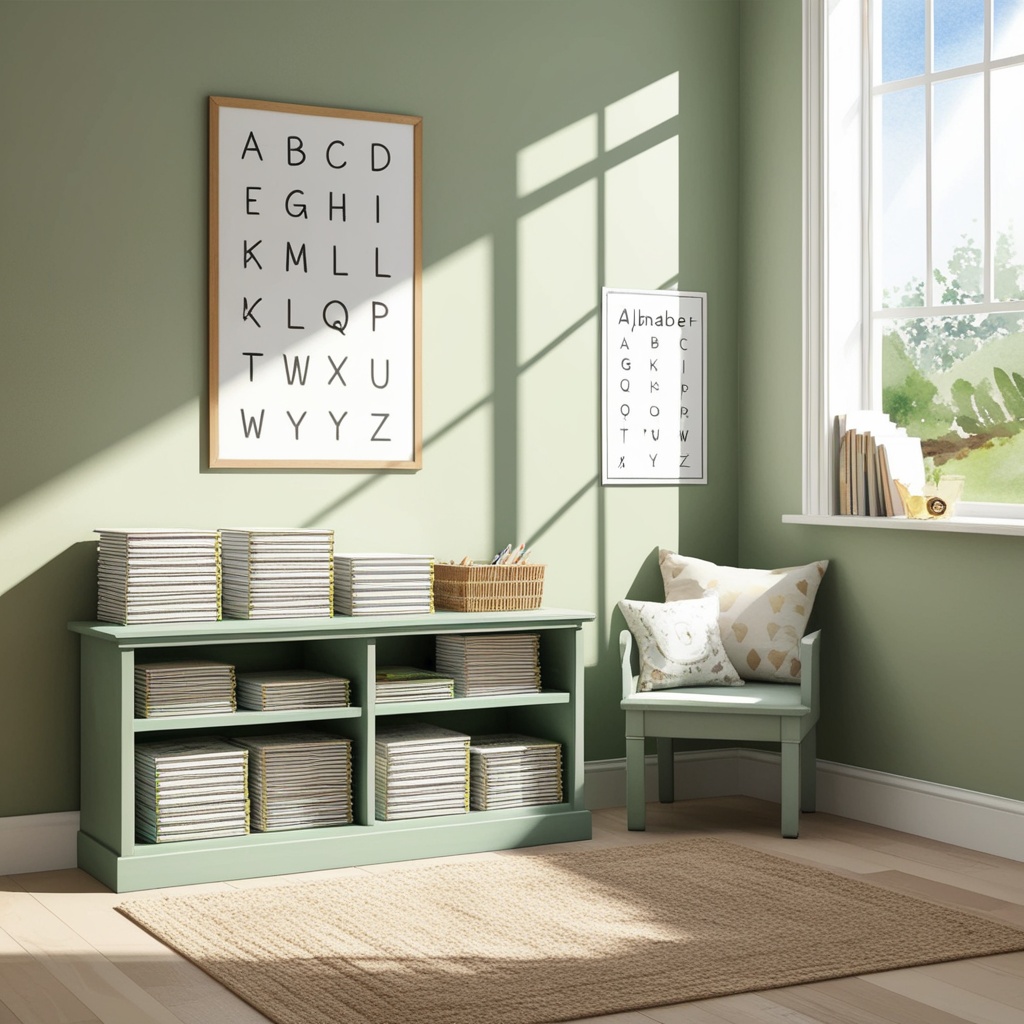
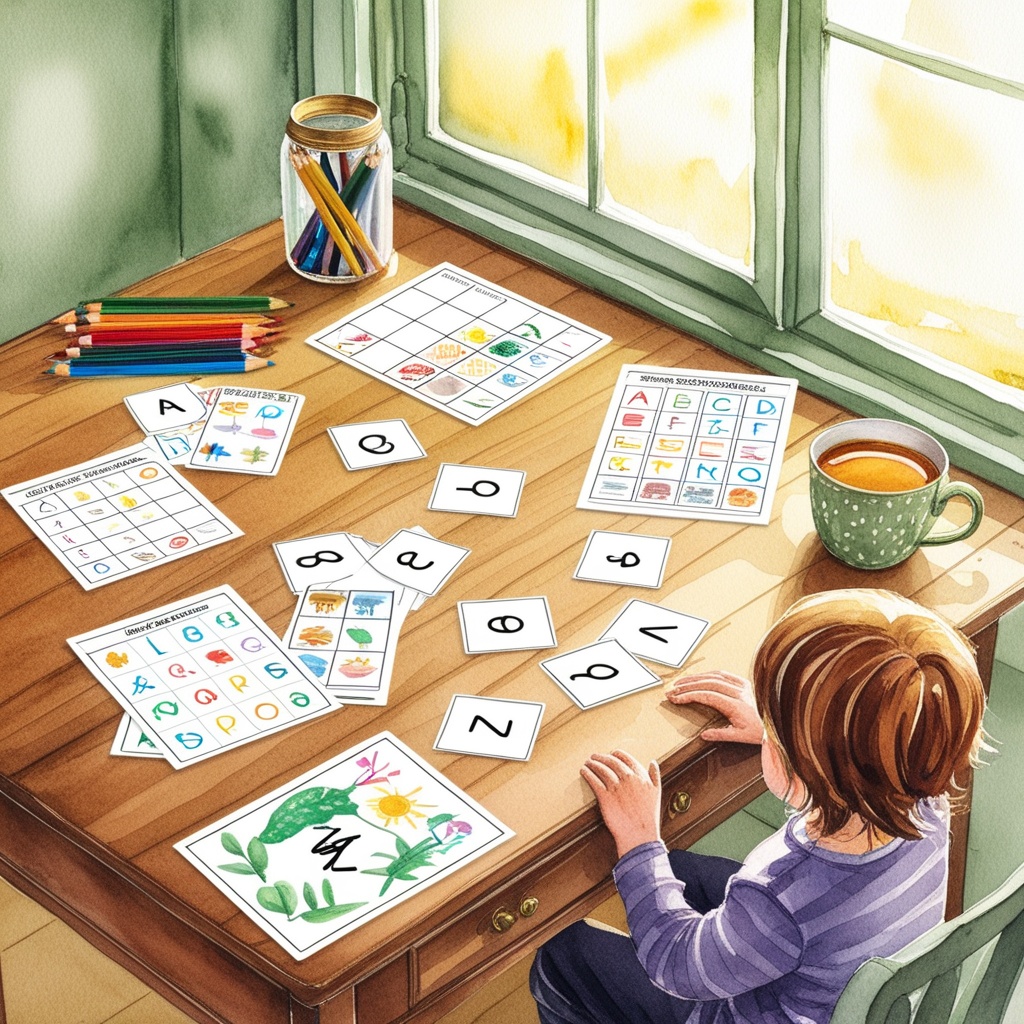
Letter recognition is one of the most heavily requested printable categories for kindergarten families, and for good reason. Strong phonics foundations directly predict later reading success.
Types of Alphabet Printables to Use
- Uppercase and lowercase letter tracing sheets
- Letter and picture matching games
- Beginning sound sorting activities
- Alphabet coloring pages with corresponding vocabulary words
- Simple sight word tracing and recognition sheets
Tips for Teaching Phonics with Printables
Introduce one or two letters per week rather than rushing through the entire alphabet. Pair each printable with a hands-on activity, such as finding household objects that start with the target letter.
Consistency matters more than volume. A single well-completed tracing page daily builds more retention than five rushed pages in one sitting.
Math and Number Sense Printables
Kindergarten math printables typically focus on counting, number recognition, simple addition, and pattern recognition. These skills form the backbone of all future math learning.
Popular Kindergarten Math Printable Categories
- Number tracing from 1 to 20
- Counting and one-to-one correspondence worksheets
- Simple shape identification pages
- Basic addition and subtraction with pictures
- Pattern completion activities
Making Math Concrete
Kindergarteners learn math best through concrete, hands-on experiences before moving to abstract worksheets. Use counting bears, buttons, or blocks alongside a printable counting page to reinforce the concept physically before asking your child to write numbers independently.
If you want a more structured approach to sequencing math skills across the year, browsing ready-made lesson plans in our lesson plan shop can help you see how printables fit into a broader scope and sequence.
Fine Motor Skills and Handwriting Practice
Before children can write letters and numbers confidently, they need to develop the small muscle control in their hands and fingers. Free homeschool printables for kindergarten that target fine motor skills are essential, even if they seem unrelated to core academics at first glance.
Fine Motor Printable Ideas
- Cutting practice sheets with straight and curved lines
- Dot-to-dot pages that build pencil control
- Maze worksheets that encourage steady hand movement
- Lacing card templates for hand-eye coordination
- Simple lined handwriting practice pages
Why Fine Motor Practice Cannot Be Skipped
Occupational therapists frequently note that weak fine motor skills contribute to frustration during handwriting tasks. Spending just five to ten minutes daily on cutting or tracing activities can dramatically improve a child’s confidence and legibility over the kindergarten year.
How to Organize and Store Your Printables
Once you start downloading free printables, it is easy to accumulate hundreds of pages within a few weeks. A simple organizational system prevents clutter and saves planning time.
Binder and Sheet Protector Method
Sort printables by subject into a three-ring binder using sheet protectors. This allows your child to use dry-erase markers on tracing pages and reuse them multiple times before moving to permanent pencil work.
Digital Folder System
Create labeled digital folders such as Alphabet, Numbers, Fine Motor, and Seasonal on your computer or cloud storage. Print only what you need for the upcoming week rather than printing everything at once.
Weekly Printable Baskets
Some families prefer physical baskets or file folders labeled by day of the week. Preparing a week of printables in advance on Sunday evening reduces morning stress and keeps your homeschool day running smoothly.
For more ideas on setting up your homeschool space and materials from the very beginning, our getting started category offers step-by-step guidance for new homeschool families.
Building a Weekly Printable Routine
Structure helps young children thrive, but kindergarten schedules should remain flexible and short. Most kindergarten-aged children can focus on structured seated work for only 15 to 30 minutes at a time.
Sample Weekly Printable Schedule
- Monday: Alphabet tracing and letter sound matching
- Tuesday: Number counting and simple addition practice
- Wednesday: Fine motor cutting and lacing activities
- Thursday: Sight word tracing and beginning reading printables
- Friday: Review worksheet combining the week’s skills plus a fun coloring page
This rotation ensures all core subjects receive attention without overwhelming your child with too much seated work in a single day. Adjust the order and pace based on your child’s energy levels and interests.
Combining Printables with Curriculum Methods
Printables work well as a standalone approach, but they also complement structured curricula like Montessori, Charlotte Mason, or classical education. If you are exploring different teaching philosophies, our curriculum methods category breaks down how printables fit into each approach.
Common Mistakes to Avoid
Even well-intentioned homeschool parents can fall into a few common traps when using free printables. Avoiding these pitfalls keeps your kindergarten year productive and enjoyable.
Overloading the Day with Too Many Pages
More printables do not equal more learning. Piling on worksheets can lead to burnout and resistance, especially in five and six year olds who need movement and play breaks throughout the day.
Ignoring Skill Progression
Random printables pulled from different sources may not build on each other logically. Try to sequence your printables so skills increase gradually in difficulty rather than jumping between levels.
Relying Solely on Worksheets
Printables are a valuable tool, but they should not replace hands-on activities, read-alouds, outdoor play, and conversation. A balanced kindergarten day mixes printable work with sensory and experiential learning.
For more hands-on activity ideas to pair with your printables, check out our activities and ideas category for inspiration beyond the worksheet.
Skipping Assessment and Reflection
Take a few minutes each week to notice which printables your child enjoyed and which skills need more repetition. This reflection helps you choose better resources going forward and avoids wasted printing.
Frequently Asked Questions
Where can I find free homeschool printables for kindergarten?
Reliable sources include established educational publishers like Scholastic, homeschool blogs, teacher resource sites, and nonprofit early childhood education organizations. Always preview printables before use to confirm they match your child’s current skill level.
How many printables should a kindergartener complete each day?
Most kindergarteners do well with one to three printable pages per day, totaling around 15 to 30 minutes of seated work. Shorter, focused sessions are more effective than long worksheet packets.
Are free printables enough for a full kindergarten curriculum?
Free printables can cover core academic skills, but a complete kindergarten experience should also include read-alouds, hands-on play, outdoor time, and social interaction. Printables work best as one component of a broader, balanced routine.
What subjects do kindergarten printables typically cover?
Kindergarten printables commonly cover alphabet recognition, phonics, number sense, basic math, fine motor skills, and simple science or social studies concepts. Seasonal and holiday-themed printables are also widely available.
How do I know if a printable is age-appropriate for kindergarten?
Look for printables labeled specifically for ages five to six or kindergarten grade level. Content should involve simple instructions, large clear images, and tasks that match typical developmental milestones like counting to twenty or recognizing uppercase and lowercase letters.
Can printables help with handwriting practice?
Yes, tracing and dot-to-dot printables are excellent tools for building the fine motor control needed for handwriting. Pairing these with physical activities like cutting practice further strengthens the hand muscles required for writing.
How often should I rotate printable topics during the week?
Rotating topics daily, such as alphabet work on Monday and math on Tuesday, keeps kindergarteners engaged and prevents repetition fatigue. A weekly review day combining several skills also reinforces retention.
Preschool & Kindergarten Favorites
As an Amazon Associate, HomeschoolingExperts earns from qualifying purchases. Some links in this article are affiliate links, meaning we may earn a small commission at no extra cost to you.
Conclusion
Free homeschool printables for kindergarten offer an accessible, budget-friendly way to build a strong academic foundation for your child. By selecting quality sources, covering core subjects like phonics, math, and fine motor skills, and organizing your materials into a manageable weekly routine, you can create a kindergarten year that feels both structured and joyful.
Remember that printables work best as part of a larger, balanced homeschool approach that includes play, conversation, and hands-on exploration. Start small, stay consistent, and adjust based on what excites your child most.
If you would like personalized guidance on building out your kindergarten homeschool plan, visit our about page to learn more about our team, or reach out directly through our contact page with your questions.
Related Resources
- Homeschool Lesson Plans Category
- Grade Level Guides for Homeschooling
- Scheduling and Planning Resources

Loved this post? Grab the free resource above.
Math Adventures: Everyday Numbers — drop your email and we'll send the printable PDF.