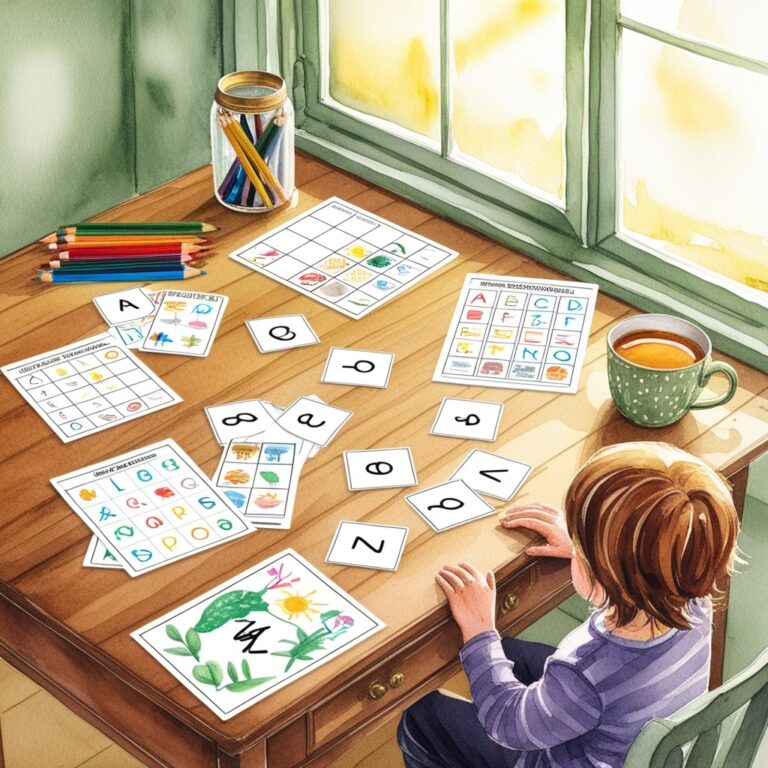
Free Sample Lesson Plan
Math Adventures: Everyday Numbers — drop your email and we'll send the printable PDF.
Unit study lesson plans for homeschool families offer an integrated approach to education that connects multiple subjects around a central theme, making learning more engaging and meaningful for children. This comprehensive teaching method allows students to explore topics in depth while naturally incorporating reading, writing, math, science, social studies, and creative arts into cohesive learning experiences.
Whether you’re new to homeschooling or looking to refresh your curriculum approach, unit studies provide flexibility and creativity that traditional textbook methods often lack. This guide will walk you through everything you need to know about creating, implementing, and maximizing unit study lesson plans that work for your family’s unique learning style and educational goals.
From understanding the core principles of unit study methodology to practical implementation strategies and resource recommendations, you’ll discover how to transform your homeschool experience into dynamic, interconnected learning adventures that spark curiosity and foster deep understanding across all subject areas.
Key Takeaways
- Unit studies integrate multiple subjects around central themes for deeper learning
- This approach works for mixed-age groups and different learning styles
- Planning involves selecting themes, gathering resources, and creating activities
- Assessment focuses on projects, portfolios, and real-world applications
- Free and paid resources are available to support your unit study journey
What Are Unit Studies and How Do They Work

Unit studies represent a holistic educational approach where learning revolves around a central theme, topic, or concept. Instead of teaching subjects in isolation, this method weaves together language arts, mathematics, science, social studies, and creative arts into interconnected lessons that reinforce and complement each other.
The foundation of unit study methodology rests on the principle that children learn best when information connects to real-world contexts and personal interests. By exploring themes like “Ancient Egypt,” “Ocean Life,” or “Weather Patterns,” students naturally encounter vocabulary, mathematical concepts, scientific principles, historical facts, and artistic expressions within meaningful frameworks.
Core Components of Effective Unit Studies
Successful unit study lesson plans incorporate several essential elements that ensure comprehensive learning across multiple domains:
- Central Theme: A unifying topic that serves as the foundation for all learning activities
- Cross-Curricular Integration: Seamless blending of traditional subjects within theme-based contexts
- Hands-On Activities: Experiential learning opportunities that engage multiple senses
- Literature Connections: Quality books that support and expand theme understanding
- Assessment Projects: Creative culminating activities that demonstrate learning
The Learning Cycle in Unit Studies
Unit studies typically follow a natural learning progression that mirrors how children absorb and process information. This cycle begins with introduction and exploration, moves through investigation and discovery, and concludes with application and demonstration of knowledge.
During the exploration phase, students encounter new vocabulary, concepts, and questions related to the theme. The investigation period involves deeper research, hands-on experiments, and skill-building activities. Finally, the application phase allows students to synthesize learning through projects, presentations, or creative expressions.
Benefits of Unit Study Lesson Plans for Homeschool Families
Homeschool families consistently report higher engagement levels and improved retention when implementing unit study approaches compared to traditional textbook methods. Research from the U.S. Department of Education indicates that integrated curriculum approaches can increase student achievement by up to 15% across multiple subject areas.
Academic Advantages
Unit studies naturally reinforce learning through repetition and application across different contexts. When students encounter mathematical concepts while measuring ingredients for a medieval feast, calculating distances between ancient cities, or graphing weather patterns, they develop deeper understanding than isolated math lessons typically provide.
The interconnected nature of unit studies also promotes critical thinking skills as students learn to make connections between seemingly unrelated concepts. This analytical ability serves them well in advanced academic pursuits and real-world problem-solving situations.
Family and Practical Benefits
For families with multiple children, unit studies offer significant practical advantages. Parents can teach the same theme to different age groups while adjusting complexity levels and expectations accordingly. A study about butterflies might involve picture books and simple crafts for younger children while older students research migration patterns and conduct scientific observations.
This approach also reduces preparation time for parents who would otherwise need to plan separate lessons for each subject and each child. Experienced homeschool educators report spending 30-40% less time on lesson planning when using unit study methods effectively.
Learning Style Accommodations
Unit studies naturally accommodate different learning preferences through varied activity types and presentation methods. Visual learners benefit from maps, timelines, and artistic projects. Auditory learners engage through discussions, music, and storytelling. Kinesthetic learners thrive with hands-on experiments, building projects, and dramatic presentations.
This multi-sensory approach ensures that all children can access and demonstrate learning through their strongest modalities while still developing skills in other areas.
Planning Your First Unit Study Lesson Plans
Creating effective unit study lesson plans requires thoughtful preparation and organization, but the process becomes more intuitive with experience. Start with a clear timeline and realistic expectations for your first unit study adventure.
Setting Duration and Scope
Most successful unit studies last between two to six weeks, depending on the topic’s complexity and your family’s interest level. Beginning homeschoolers often find success with shorter, two-week units that maintain momentum without overwhelming participants.
Consider your family’s schedule, attention spans, and other commitments when determining unit length. Some families prefer intensive one-week deep dives, while others enjoy extended explorations that span entire months.
Establishing Learning Objectives
Define clear, measurable goals for each subject area within your unit study framework. These objectives should align with your state’s educational standards while remaining flexible enough to accommodate your children’s interests and natural learning progression.
For example, a unit about the solar system might include objectives such as:
- Identify and describe characteristics of each planet
- Calculate distances using astronomical units
- Write creative stories about space exploration
- Create scale models demonstrating planetary relationships
- Research historical contributions of famous astronomers
Resource Gathering and Organization
Successful unit studies require diverse resources including books, videos, websites, materials for hands-on activities, and field trip opportunities. Begin collecting resources several weeks before starting your unit study to ensure adequate preparation time.
Create a dedicated storage system for unit study materials, whether physical containers or digital folders. This organization system will serve you well for future units and make resource sharing with other homeschool families more manageable.
Choosing Engaging Themes and Topics
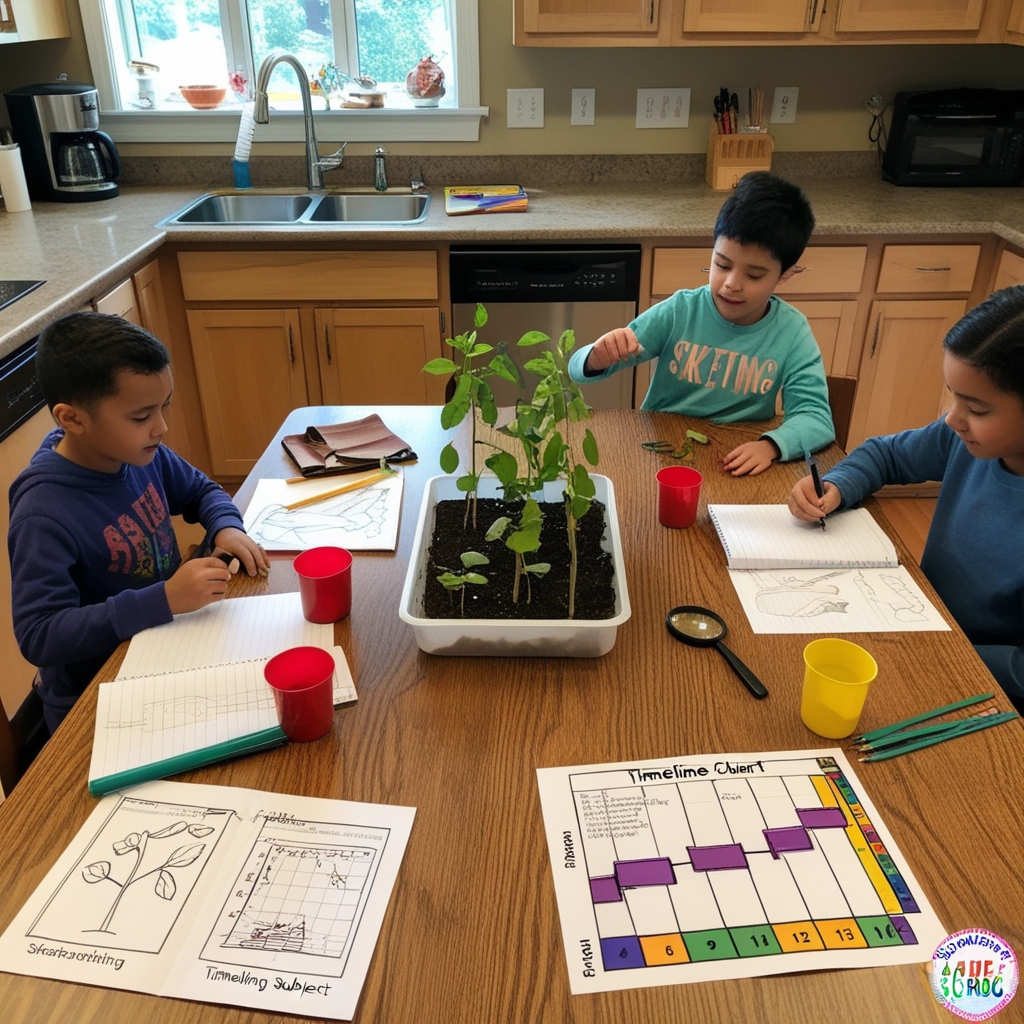
The success of your unit study lesson plans largely depends on selecting themes that capture your children’s imagination while providing rich learning opportunities across multiple subjects. Effective themes offer natural connections to various academic disciplines without forcing artificial relationships.
Age-Appropriate Theme Selection
Consider your children’s developmental stages and interests when choosing unit study themes. Younger children often gravitate toward concrete topics like animals, community helpers, or seasonal changes. Older students may prefer more abstract concepts such as civilizations, scientific phenomena, or literary periods.
Popular themes for elementary ages include:
- Dinosaurs and prehistoric life
- Ocean creatures and marine ecosystems
- Weather patterns and natural disasters
- Community helpers and career exploration
- Plants and gardening
Middle and high school students often engage with themes such as:
- Ancient civilizations and their contributions
- Environmental science and conservation
- Inventors and scientific discoveries
- Cultural studies and world geography
- Historical time periods and their impact
Ensuring Cross-Curricular Connections
Before finalizing a theme, evaluate its potential for meaningful integration across subject areas. Strong unit study topics naturally incorporate reading, writing, mathematics, science, social studies, and creative arts without requiring forced connections.
Test your theme by brainstorming activities for each subject area. If you struggle to identify natural connections in any academic domain, consider modifying your theme or choosing a different topic altogether.
Incorporating Student Interests
The most successful unit studies build upon your children’s existing curiosities and passions. Observe what captures their attention during free time, note questions they ask frequently, and consider topics they mention repeatedly in conversations.
You can also involve children directly in theme selection by presenting several options and allowing them to vote or by encouraging them to suggest topics they’d like to explore. This ownership increases engagement and motivation throughout the unit study experience.
Creating Cross-Curricular Activities and Projects
The heart of effective unit study lesson plans lies in thoughtfully designed activities that seamlessly blend multiple subjects while maintaining engagement and educational value. These activities should feel natural and purposeful rather than contrived or artificially connected.
Language Arts Integration Strategies
Reading and writing opportunities should emerge organically from your chosen theme. Select high-quality literature that supports and expands understanding while providing models for excellent writing. Include various genres such as fiction, non-fiction, poetry, and biographical works.
Writing activities might include research reports, creative stories, journal entries from historical perspectives, poetry inspired by scientific observations, or persuasive essays about environmental issues. These assignments develop writing skills while reinforcing theme-related content knowledge.
Vocabulary development occurs naturally as students encounter theme-specific terminology in context. Create word walls, vocabulary journals, or interactive games that help students master new terms while building general language skills.
Mathematics Applications
Mathematics concepts integrate most effectively when they serve authentic purposes within your unit study context. Look for genuine opportunities to use mathematical skills rather than forcing artificial connections that feel disconnected from the theme.
Examples of natural math integration include:
- Measuring and calculating during science experiments
- Creating graphs and charts to display research data
- Using geometry concepts in art and architecture projects
- Calculating distances, time periods, or quantities in historical contexts
- Managing budgets for simulation activities or field trips
Science and Social Studies Connections
Science and social studies often form the backbone of unit study themes, providing rich content for exploration and investigation. Design experiments, research projects, and field studies that allow students to think and work like real scientists and historians.
Encourage students to ask questions, form hypotheses, conduct investigations, and draw conclusions based on evidence. These inquiry-based approaches develop critical thinking skills while building content knowledge in specific subject areas.
Creative Arts Enhancement
Arts integration adds depth, creativity, and personal expression to unit study experiences. Visual arts, music, drama, and creative movement provide alternative ways for students to process and demonstrate learning while developing artistic skills and appreciation.
Consider incorporating period music, artistic techniques from different cultures, dramatic presentations of historical events, or creative interpretations of scientific concepts. These activities often become the most memorable and meaningful aspects of unit study experiences.
Implementation Strategies for Different Ages
Successful unit study implementation requires adapting activities, expectations, and pacing to match your children’s developmental stages and learning needs. The beauty of this approach lies in its flexibility to accommodate mixed-age groups while maintaining appropriate challenge levels for each participant.
Early Elementary Adaptations
Young learners thrive with shorter activity periods, concrete concepts, and hands-on experiences. Structure your unit study lesson plans with frequent breaks, varied activities, and plenty of opportunities for movement and manipulation.
Focus on foundational skills such as letter recognition, basic math concepts, and simple scientific observations. Use picture books, educational videos, and sensory activities to introduce new concepts before moving to more abstract applications.
Assessment for this age group should emphasize observation, discussion, and creative projects rather than formal testing. Document learning through photographs, work samples, and anecdotal records that capture growth and understanding.
Upper Elementary Considerations
Students in grades 3-6 can handle more complex concepts, longer projects, and increased independence in their learning. Introduce research skills, note-taking strategies, and basic report writing within your unit study framework.
This age group benefits from collaborative projects, leadership opportunities, and chances to teach younger siblings or peers. Encourage deeper questioning and critical thinking while maintaining the hands-on, engaging activities that make unit studies appealing.
Begin incorporating formal assessment methods such as tests, essays, and presentations while continuing to value creative demonstrations of learning.
Middle and High School Applications
Older students can engage with sophisticated themes, conduct independent research, and take responsibility for significant portions of their learning. Unit studies at this level should meet or exceed traditional academic standards while maintaining the integrated, meaningful approach that defines this methodology.
Consider allowing students to specialize in particular aspects of the theme based on their interests and career goals. One student might focus on the scientific aspects of environmental issues while another explores the political and economic implications.
Formal assessment becomes more important at these levels to prepare students for college and career expectations. Balance traditional evaluation methods with authentic assessments that demonstrate real-world application of knowledge and skills.
Assessment and Evaluation Methods
Assessment in unit study lesson plans should reflect the integrated, authentic nature of the learning experience. Rather than relying solely on traditional tests and quizzes, effective evaluation encompasses multiple methods that capture the full scope of student growth and achievement.
Portfolio-Based Assessment
Portfolios provide comprehensive documentation of student learning throughout the unit study experience. Include work samples from each subject area, photographs of projects and activities, reflection journals, and self-assessment rubrics that help students evaluate their own progress.
Organize portfolios chronologically to show growth over time, or arrange them by subject area to demonstrate cross-curricular connections. Regular portfolio reviews with students help them recognize their accomplishments and identify areas for continued growth.
Digital portfolios using platforms like Google Sites or Seesaw can enhance traditional paper collections with video recordings, audio explanations, and interactive elements that capture learning in dynamic ways.
Performance-Based Evaluation
Performance assessments allow students to demonstrate learning through authentic applications that mirror real-world tasks. These might include scientific presentations, historical reenactments, artistic exhibitions, or community service projects related to the unit theme.
Develop clear rubrics that outline expectations for content knowledge, skill demonstration, and presentation quality. Share these rubrics with students at the beginning of projects so they understand success criteria and can self-monitor their progress.
Consider inviting family members, friends, or community experts to serve as authentic audiences for student presentations. This real-world context increases motivation and provides valuable feedback from diverse perspectives.
Ongoing Formative Assessment
Regular check-ins throughout the unit study help ensure students are progressing toward learning objectives and allow for timely adjustments to instruction. Use quick activities like exit tickets, one-minute writings, or verbal check-ins to gauge understanding.
Observation during hands-on activities provides valuable insights into student thinking processes, collaboration skills, and problem-solving strategies. Keep simple notes about significant observations that inform future planning and instruction.
Student self-reflection activities help develop metacognitive awareness and personal responsibility for learning. Provide prompts that encourage students to think about what they’ve learned, how they’ve grown, and what they’d like to explore further.
Resources and Materials for Unit Studies
Building a comprehensive collection of unit study resources enhances your ability to create engaging, educational experiences while reducing preparation time for future themes. Successful homeschool families typically combine free resources with carefully selected commercial materials that align with their educational philosophy and budget.
Free Online Resources
The internet offers abundant free resources for unit study lesson plans, including lesson plans, printables, videos, and interactive activities. Government websites, educational institutions, and nonprofit organizations provide high-quality materials aligned with educational standards.
Valuable free resource websites include:
- Library of Congress educational materials and primary sources
- NASA educational resources for space and science themes
- National Geographic Kids for geography and animal studies
- Smithsonian Learning resources for history and culture
- Khan Academy for supplemental instruction across subjects
Many experienced homeschool bloggers and educators share their unit study plans, printables, and activity ideas through personal websites and social media platforms. These resources often include practical tips and real-world testing that inform your implementation decisions.
Commercial Unit Study Programs
Published unit study curricula can provide structure and comprehensive coverage while saving significant preparation time. These programs typically include detailed lesson plans, activity suggestions, resource lists, and assessment tools.
When evaluating commercial programs, consider factors such as educational philosophy alignment, age appropriateness, resource requirements, and flexibility for adaptation. Read reviews from multiple sources and examine sample materials before making significant investments.
Popular commercial unit study publishers include companies that specialize in integrated curriculum approaches and understand the unique needs of homeschool families. Browse our lesson plan shop for carefully curated unit study resources that support your educational goals.
Library and Community Resources
Local libraries serve as treasure troves for unit study materials, offering books, DVDs, online databases, and often special programming that supports your themes. Develop relationships with children’s librarians who can help identify resources and suggest new materials.
Community resources such as museums, nature centers, historical sites, and cultural organizations provide authentic learning experiences that enhance unit study themes. Many offer educational programs specifically designed for homeschool groups.
Consider connecting with other homeschool families to share resources, plan group activities, and exchange ideas. Homeschool co-ops and support groups often organize unit study collaborations that benefit all participants.
Troubleshooting Common Challenges
Even well-planned unit study lesson plans can encounter obstacles that require creative solutions and flexible thinking. Understanding common challenges and proven strategies helps you navigate difficulties while maintaining positive learning experiences for your family.
Managing Overwhelm and Scope Creep
Enthusiasm for unit study themes can lead to overly ambitious plans that become overwhelming for both parents and students. Combat this tendency by establishing clear boundaries around unit duration, daily time commitments, and activity complexity.
Start with simple, manageable units and gradually increase complexity as you gain experience and confidence. Remember that depth of understanding matters more than breadth of coverage, especially for younger learners.
Create realistic daily and weekly schedules that include buffer time for unexpected discoveries, extended discussions, or activities that take longer than anticipated. Flexibility is one of homeschooling’s greatest advantages, so embrace it rather than fighting against it.
Addressing Different Learning Paces
Children naturally progress at different rates, and unit studies must accommodate these variations without leaving anyone behind or holding back eager learners. Develop strategies for differentiation that maintain family unity while meeting individual needs.
Provide extension activities for quick learners and additional support for those who need more time with concepts. Consider allowing students to specialize in particular aspects of the theme based on their interests and abilities.
Use flexible grouping strategies that sometimes separate children by ability level and other times bring them together for collaborative activities. This approach ensures appropriate challenge levels while maintaining family connections.
Maintaining Momentum and Engagement
Long unit studies can lose steam if activities become repetitive or fail to maintain student interest. Plan variety in activity types, learning environments, and presentation methods to sustain engagement throughout the unit.
Build in culminating events or celebrations that provide goals to work toward and recognition for achievements. These might include family presentations, community showcases, or special field trips that celebrate learning.
Remain responsive to student interests and questions that emerge during the unit. Some of the best learning opportunities arise from unexpected directions that students want to explore.
Ensuring Academic Rigor
Some critics question whether unit studies provide sufficient academic rigor compared to traditional textbook approaches. Address this concern by aligning your unit study lesson plans with educational standards and maintaining high expectations for student work.
Document learning carefully through portfolios, assessments, and progress records that demonstrate academic growth. This documentation serves both your own evaluation purposes and any external reporting requirements.
Don’t hesitate to supplement unit studies with traditional materials when necessary to ensure comprehensive coverage of essential skills, particularly in mathematics and formal writing instruction.
Frequently Asked Questions
How long should a unit study last for elementary students?
Most elementary unit studies work best when they last 2-4 weeks. This timeframe allows for deep exploration without losing student interest. Younger children (ages 5-7) often do better with shorter 1-2 week units, while older elementary students can sustain interest for 4-6 weeks on engaging topics.
Can unit studies meet state educational standards and requirements?
Yes, well-designed unit study lesson plans can fully meet state educational standards. The key is intentional planning that ensures all required subjects and skills are addressed within the thematic framework. Many homeschool families find that unit studies actually exceed standard requirements due to their integrated, in-depth approach.
How do I assess learning in unit studies without traditional tests?
Unit study assessment focuses on authentic evaluation methods including portfolios, projects, presentations, and performance-based tasks. These methods often provide more comprehensive pictures of student learning than traditional tests. You can still include formal assessments when needed while emphasizing real-world applications of knowledge and skills.
What if my children have very different interests and ages?
Unit studies work exceptionally well for mixed-age families because themes can be adapted for different developmental levels. Choose broad themes that offer multiple entry points, then adjust activities, expectations, and assessments for each child’s age and ability level while maintaining the family learning experience.
How much preparation time do unit studies require?
Initial unit study preparation typically requires 3-5 hours for gathering resources, planning activities, and organizing materials. However, this front-loaded preparation often saves time during implementation compared to daily lesson planning across multiple separate subjects. The investment pays off through reduced daily prep time and increased teaching efficiency.
Are there subjects that don’t work well in unit studies?
While most subjects integrate naturally into unit studies, some skills-based subjects like phonics, grammar, and certain mathematics concepts may require separate, systematic instruction. Many families combine unit studies with traditional approaches for these foundational skills while using the thematic approach for content-heavy subjects.
How do I transition from traditional curriculum to unit studies?
Start gradually by implementing one short unit study while maintaining your current curriculum for other subjects. This allows you to gain confidence and experience without overwhelming your family. As you become comfortable with the approach, you can expand unit studies to cover more subjects and longer time periods.
Top-Rated Lesson Plan Books
As an Amazon Associate, HomeschoolingExperts earns from qualifying purchases. Some links in this article are affiliate links, meaning we may earn a small commission at no extra cost to you.
Conclusion
Unit study lesson plans for homeschool families offer a powerful alternative to traditional educational approaches, creating meaningful connections between subjects while fostering deep learning and genuine engagement. This integrated methodology transforms education from isolated subject instruction into cohesive, purposeful exploration that mirrors how we encounter knowledge in real-world contexts.
The flexibility inherent in unit studies makes them particularly well-suited for homeschool environments where families can adapt pacing, content, and activities to match their unique needs and interests. Whether you’re teaching a single child or managing multiple age groups, unit studies provide frameworks that accommodate diverse learning styles while maintaining family unity and shared experiences.
Success with unit studies comes through thoughtful planning, realistic expectations, and willingness to embrace the natural learning opportunities that emerge during implementation. Start small with manageable themes and gradually build your confidence and resource collection as you discover what works best for your family.
Remember that the goal isn’t perfection but rather creating rich, meaningful learning experiences that inspire curiosity, develop critical thinking skills, and foster lifelong love of learning. Unit studies offer the flexibility and creativity to make education an adventure rather than a chore.
Ready to begin your unit study journey? Contact our educational experts for personalized guidance and support as you implement this transformative approach to homeschool education.
Related Resources
Explore these additional resources to support your homeschool unit study journey:
- Comprehensive Lesson Plan Collection – Discover ready-to-use lesson plans across all subjects and grade levels
- Curriculum Methods and Approaches – Compare different homeschool methodologies to find your perfect fit
- Homeschool Scheduling and Planning – Master the art of organizing your homeschool day and year

Loved this post? Grab the free resource above.
Math Adventures: Everyday Numbers — drop your email and we'll send the printable PDF.