Free Sample Lesson Plan
Math Adventures: Everyday Numbers — drop your email and we'll send the printable PDF.
Waldorf homeschool lesson plans offer a unique, holistic approach to education that nurtures children’s intellectual, artistic, and practical development through carefully crafted, age-appropriate curricula. These lesson plans, rooted in Rudolf Steiner’s educational philosophy, emphasize imagination, creativity, and hands-on learning experiences that engage the whole child.
If you’re considering implementing Waldorf education in your homeschool, understanding how to structure and utilize these distinctive lesson plans is essential for success. This comprehensive guide will walk you through everything you need to know about Waldorf homeschool lesson plans, from their foundational principles to practical implementation strategies.
Whether you’re new to Waldorf education or looking to deepen your existing practice, you’ll discover how to create meaningful learning experiences that honor your child’s developmental stages while fostering a lifelong love of learning.
Key Takeaways
- Waldorf lesson plans follow developmental stages and emphasize artistic integration in all subjects
- Main lesson blocks allow for deep, focused study of core subjects over 3-4 week periods
- Rhythm and repetition create security and natural learning patterns for children
- Handwork, movement, and practical skills are essential components of Waldorf education
- Assessment focuses on observation and portfolio development rather than standardized testing
Understanding Waldorf Education Philosophy

Waldorf education, developed by Austrian philosopher Rudolf Steiner in 1919, is built on the fundamental belief that education should address the whole human being: head, heart, and hands. This holistic approach recognizes that children develop in predictable stages and that learning should align with these natural developmental patterns.
The philosophy emphasizes that children learn best when education engages their thinking, feeling, and willing capacities. Rather than rushing academic concepts, Waldorf lesson plans honor each child’s developmental readiness and create rich, imaginative learning experiences.
Core Principles of Waldorf Education
Several key principles guide the development of Waldorf homeschool lesson plans. Understanding these foundations will help you create authentic Waldorf learning experiences in your home.
- Developmental appropriateness: Curriculum content matches children’s cognitive and emotional development stages
- Artistic integration: All subjects incorporate artistic elements to engage multiple learning pathways
- Imagination and creativity: Storytelling, play, and creative expression are central to learning
- Practical life skills: Handwork, gardening, and domestic arts develop practical capabilities
- Natural rhythms: Daily, weekly, and seasonal rhythms create security and predictability
According to the Association of Waldorf Schools of North America, these principles have been successfully implemented in over 1,000 schools worldwide, demonstrating their effectiveness across diverse cultural contexts.
Benefits of Waldorf Homeschool Lesson Plans
Families who choose Waldorf homeschooling often report significant benefits for their children’s overall development. Research indicates that Waldorf-educated students demonstrate strong creative thinking skills, emotional intelligence, and intrinsic motivation for learning.
The emphasis on delayed academics allows children to develop strong foundations in language, imagination, and social skills before formal academic instruction begins. This approach often results in confident, capable learners who approach challenges with creativity and resilience.
Core Structure of Waldorf Homeschool Lesson Plans
Waldorf lesson plans follow a distinctive structure that differs significantly from conventional educational approaches. Understanding this framework is crucial for successfully implementing Waldorf homeschool lesson plans in your daily routine.
The typical Waldorf school day begins with a main lesson block, followed by artistic and practical activities, and concludes with quiet, reflective work. This structure can be adapted for homeschooling families while maintaining the essential elements.
Daily Lesson Structure
A well-planned Waldorf homeschool day includes several key components that work together to create a balanced learning experience. Each element serves a specific purpose in supporting your child’s development.
Morning Circle (15-20 minutes): Begin each day with verses, songs, and movement activities that awaken the child’s body and spirit. This ritual creates a sense of reverence and prepares children for learning.
Main Lesson (60-90 minutes): The core academic block focuses on a single subject taught in concentrated periods. This deep-dive approach allows children to fully immerse themselves in the material.
Artistic Activities (30-45 minutes): Drawing, painting, music, or eurythmy activities engage the child’s creative faculties and support learning integration.
Practical Work (30-60 minutes): Handwork, cooking, gardening, or household tasks develop practical skills and connect children to meaningful work.
Weekly and Monthly Planning Cycles
Waldorf education emphasizes rhythmic cycles that extend beyond daily planning. Weekly themes and monthly focuses create deeper learning patterns that support retention and understanding.
Many Waldorf homeschooling families dedicate specific days to particular subjects or activities. For example, Mondays might focus on storytelling and language arts, while Fridays could emphasize handwork and practical skills.
Monthly planning allows for seasonal connections and thematic integration. Our lesson plan shop offers detailed monthly planning guides that align with Waldorf principles and seasonal celebrations.
Developmental Stages and Age-Appropriate Planning
One of the most distinctive aspects of Waldorf homeschool lesson plans is their careful attention to developmental stages. Steiner identified three major phases of child development, each requiring different educational approaches and content.
Understanding these stages helps parents choose appropriate activities, set realistic expectations, and create learning experiences that support natural development rather than forcing premature academic achievement.
Early Childhood (Ages 0-7): The Willing Stage
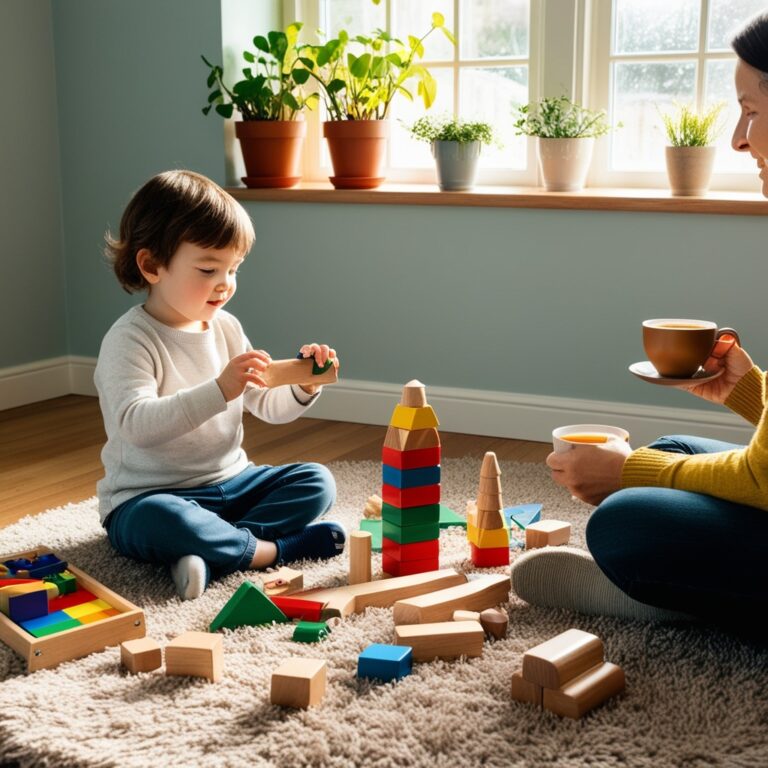
During the early childhood years, children learn primarily through imitation and sensory experiences. Waldorf lesson plans for this stage emphasize play, storytelling, and practical activities rather than formal academics.
Key elements of early childhood Waldorf education include:
- Daily domestic activities like cooking, cleaning, and gardening
- Imaginative play with simple, natural toys
- Fairy tales and nature stories told orally
- Seasonal crafts and nature walks
- Simple songs and finger games
Research from the National Association for the Education of Young Children supports this play-based approach, showing that children who engage in rich imaginative play develop stronger executive function skills and creativity.
Elementary Years (Ages 7-14): The Feeling Stage
The elementary years mark the beginning of formal academics in Waldorf education. Children’s capacity for imagination remains strong while their ability to think logically begins to develop.
Waldorf lesson plans for elementary students integrate academic subjects with artistic activities and emphasize storytelling as a primary teaching method. Main lesson blocks typically focus on subjects like mathematics, language arts, history, and science.
Characteristic features of elementary Waldorf lesson plans include:
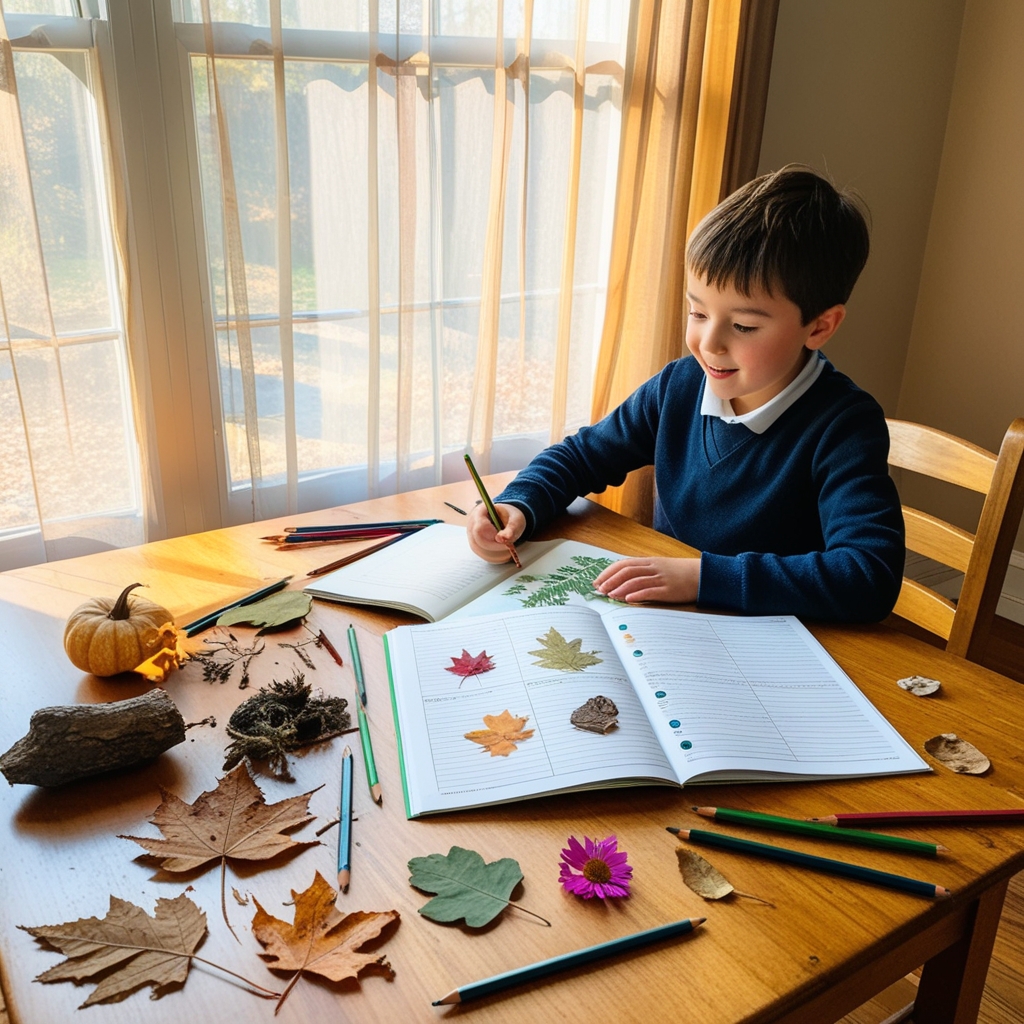
- Main lesson books created by students to record their learning
- Form drawing exercises that prepare for writing and mathematics
- Historical narratives that bring the past to life
- Nature study through direct observation and artistic representation
- Beginning handwork skills like knitting and woodworking
High School Years (Ages 14-18): The Thinking Stage
Adolescent students are ready for abstract thinking and critical analysis. Waldorf lesson plans for high school students emphasize independent research, artistic projects, and practical applications of learning.
This stage includes specialized subject blocks, senior projects, and opportunities for students to teach younger children. The curriculum becomes more academically rigorous while maintaining artistic and practical elements.
Creating Effective Main Lesson Blocks

The main lesson block is the heart of Waldorf homeschool lesson plans, providing focused, in-depth study of core academic subjects. Unlike traditional education that fragments learning into short periods, main lesson blocks allow for deep concentration and meaningful connections.
Typically lasting 3-4 weeks, these blocks concentrate on a single subject area, allowing children to fully immerse themselves in the material. This approach supports better retention and understanding while reducing the stress of constant subject switching.
Planning a Main Lesson Block
Successful main lesson blocks require careful planning that considers your child’s developmental stage, interests, and learning goals. Each block should have a clear arc that builds knowledge and skills progressively.
Begin by identifying the key concepts or skills you want your child to master during the block. Then, plan daily lessons that introduce, develop, and integrate these concepts through various activities and approaches.
A typical 3-week block might follow this structure:
- Week 1: Introduction and exploration of new concepts
- Week 2: Deepening understanding through practice and application
- Week 3: Integration and artistic expression of learning
Subject-Specific Block Examples
Different subjects lend themselves to different block structures and activities. Here are examples of how various subjects might be approached in Waldorf homeschool lesson plans.
Mathematics Block: A fractions block for 4th grade might begin with stories about sharing and division, progress to hands-on work with manipulatives, and conclude with artistic representations of fractional relationships.
History Block: An ancient civilizations block could start with creation myths, explore daily life through storytelling, and culminate in creating a main lesson book with illustrations and maps.
Science Block: A botany block might include nature walks, plant observations, drawing exercises, and gardening activities that connect children directly with plant life.
Integrating Assessment into Main Lesson Blocks
Assessment in Waldorf education focuses on observation and documentation rather than testing. During main lesson blocks, parents can assess learning through portfolio development, artistic work, and informal conversations.
Keep detailed notes about your child’s engagement, understanding, and progress throughout each block. This information will help you plan future blocks and identify areas that need additional attention or review.
Integrating Arts and Handwork into Daily Lessons
Artistic integration is a cornerstone of Waldorf homeschool lesson plans, distinguishing them from conventional educational approaches. Rather than treating arts as separate subjects, Waldorf education weaves artistic activities throughout all learning experiences.
This integration serves multiple purposes: it engages different learning styles, supports memory and retention, and helps children develop aesthetic sensibilities and creative problem-solving skills.
Visual Arts in Waldorf Lesson Plans
Drawing, painting, and modeling are integral components of Waldorf education from the earliest grades. These activities support academic learning while developing fine motor skills and artistic expression.
Form drawing, a unique Waldorf practice, helps children develop the foundational skills needed for writing and mathematics. These exercises involve creating flowing, geometric, and symmetrical forms that strengthen hand-eye coordination and spatial awareness.
Watercolor painting in Waldorf lesson plans emphasizes color experience and mood rather than realistic representation. Children explore how colors interact and affect emotions, developing sensitivity to beauty and artistic expression.
Music and Movement
Music permeates Waldorf education through daily singing, instrumental instruction, and eurythmy movement. These activities support language development, mathematical understanding, and physical coordination.
Pentatonic music, based on five-tone scales, is particularly emphasized in early childhood because of its harmonious, soothing qualities. Children learn to play simple instruments like wooden flutes and lyres.
Eurythmy, often called “visible speech and song,” translates sounds and rhythms into movement. This unique art form helps children embody language and mathematical concepts through physical expression.
Handwork and Practical Arts
Handwork instruction begins in first grade with knitting and progresses through increasingly complex skills including crocheting, sewing, woodworking, and metalworking. These activities develop concentration, perseverance, and practical capabilities.
The progression of handwork skills parallels children’s developmental stages. Young children work with soft materials like wool and fabric, while older students tackle harder materials requiring more strength and precision.
Many families find that handwork projects provide natural opportunities for mathematical learning, as children count stitches, measure materials, and explore geometric patterns.
Establishing Rhythm and Routine in Waldorf Homeschooling
Rhythm and routine form the foundation of successful Waldorf homeschool lesson plans, creating security and predictability that supports children’s healthy development. Unlike rigid schedules, Waldorf rhythms flow naturally and accommodate the family’s unique needs.
These rhythms operate on multiple levels: daily routines, weekly patterns, and seasonal celebrations. Each level contributes to children’s sense of security and helps them develop internal time awareness.
Daily Rhythms
A well-established daily rhythm includes consistent wake-up times, meal schedules, and learning periods. This predictability helps children feel secure and allows them to anticipate what comes next.
The rhythm of expansion and contraction guides daily planning in Waldorf education. Active, outgoing activities alternate with quiet, inward-focused work, creating a natural breathing pattern throughout the day.
Morning activities typically involve more concentrated academic work when children’s attention is fresh, while afternoon activities might include artistic work, outdoor time, or practical tasks.
Weekly Rhythms
Many Waldorf homeschooling families assign specific activities or subjects to particular days of the week. This weekly rhythm helps children anticipate and prepare for different types of learning experiences.
A sample weekly rhythm might include:
- Monday: Fresh start with new main lesson content
- Tuesday: Continued main lesson work and handwork
- Wednesday: Mid-week review and artistic activities
- Thursday: Practical work and nature study
- Friday: Integration, storytelling, and preparation for the weekend
Seasonal Celebrations and Festivals
Waldorf education emphasizes seasonal awareness through festivals and celebrations that connect children to natural cycles. These observances provide rich content for lesson planning and create meaningful family traditions.
Major festivals in the Waldorf calendar include Michaelmas (autumn courage), Advent/Christmas (winter light), Easter (spring renewal), and May Day (spring celebration). Each festival offers opportunities for storytelling, artistic projects, and special foods.
Seasonal planning helps families connect their learning to the natural world and provides natural breaks and transitions throughout the year. Our scheduling and planning resources offer detailed guidance for incorporating seasonal rhythms into your homeschool year.
Practical Implementation Tips for Waldorf Lesson Plans
Successfully implementing Waldorf homeschool lesson plans requires thoughtful preparation, flexibility, and patience as families adapt to this unique educational approach. Many families find the transition rewarding but acknowledge that it requires intentional changes to their daily routines and expectations.
Starting gradually and focusing on one element at a time helps families avoid overwhelm while building confidence in their Waldorf practice. Remember that authentic Waldorf education develops over time rather than happening instantly.
Creating Your Learning Environment
The physical environment plays a crucial role in supporting Waldorf homeschool lesson plans. Waldorf educators emphasize natural materials, soft colors, and organized spaces that invite learning and creativity.
Essential elements of a Waldorf learning environment include:
- Natural lighting whenever possible, supplemented by warm artificial light
- Natural materials like wood, cotton, wool, and stone
- Organized storage for art supplies, handwork materials, and books
- A designated space for main lesson work and quiet study
- Display areas for children’s artwork and seasonal decorations
You don’t need expensive furniture or extensive renovations to create a Waldorf-inspired learning space. Simple changes like adding plants, using natural fabrics, and organizing materials thoughtfully can transform any space.
Gathering Resources and Materials
Waldorf homeschool lesson plans require specific materials that may differ from conventional homeschool supplies. Investing in quality basic materials will serve your family for many years and support authentic Waldorf experiences.
Essential materials include:
- Block and stick crayons for young children
- Watercolor paints and wet-on-wet paper
- Knitting needles and natural wool yarn
- Blank books for main lesson work
- Musical instruments like wooden flutes or lyres
Many materials can be made at home or purchased gradually over time. Online Waldorf suppliers offer authentic materials, but creative families often find ways to adapt or create their own versions.
Building Your Confidence as a Waldorf Educator
Many parents feel intimidated by the artistic and storytelling aspects of Waldorf education, worrying that they lack the necessary skills or creativity. Remember that your enthusiasm and willingness to learn alongside your child matter more than perfect execution.
Start with simple activities and gradually expand your comfort zone. Join online Waldorf homeschooling communities, attend workshops when possible, and remember that every family’s Waldorf practice will look slightly different.
Consider connecting with other Waldorf homeschooling families in your area for support, resource sharing, and collaborative learning opportunities. Many communities have informal Waldorf playgroups or co-op classes that can supplement your home program.
Assessment and Documentation in Waldorf Education
Assessment in Waldorf homeschool lesson plans focuses on observation, documentation, and portfolio development rather than standardized testing or grades. This approach provides a more complete picture of children’s development while honoring their individual growth patterns.
Waldorf assessment recognizes that children develop unevenly and that meaningful learning often happens gradually over time. Rather than comparing children to external standards, this approach focuses on each child’s individual progress and development.
Observation-Based Assessment
Careful observation forms the foundation of Waldorf assessment practices. Parents learn to notice how their children engage with learning, what captures their interest, and where they show growth or need additional support.
Effective observation includes noting:
- Attention span and engagement during different activities
- Quality of work and effort put forth
- Social and emotional development
- Physical development and coordination
- Creative expression and artistic development
Keep a simple observation journal where you record significant moments, breakthroughs, and concerns. This documentation will prove invaluable for planning future lessons and tracking long-term development.
Portfolio Development
Student portfolios in Waldorf education include main lesson books, artwork, handwork projects, and written reflections. These collections provide tangible evidence of learning and growth over time.
Main lesson books, created by students themselves, serve as both learning tools and assessment artifacts. These beautiful books contain the child’s written work, illustrations, and artistic representations of their learning.
Photograph handwork projects, large artwork, and three-dimensional creations to include in digital portfolios. These images capture the progression of skills and the child’s developing aesthetic sense.
Meeting Legal Requirements
Homeschooling families must balance Waldorf assessment practices with their state’s legal requirements for documentation and evaluation. Research your state’s specific requirements and develop systems that satisfy legal obligations while maintaining Waldorf principles.
Many states accept portfolio-based assessment, narrative evaluations, or evaluations by certified teachers. Some families supplement their Waldorf assessment with periodic standardized testing when required by law.
For detailed guidance on meeting legal requirements while maintaining Waldorf principles, consult resources from the Home School Legal Defense Association or connect with experienced Waldorf homeschooling families in your state.
Frequently Asked Questions
What age should children start formal Waldorf lesson plans?
Waldorf education delays formal academics until age 6 or 7, focusing on play-based learning during early childhood. Formal lesson plans with main lesson blocks typically begin in first grade, around age 6-7, when children show readiness for structured learning. Before this age, Waldorf approaches emphasize storytelling, imaginative play, and practical life activities.
How do Waldorf lesson plans address different learning styles?
Waldorf homeschool lesson plans naturally accommodate different learning styles by integrating visual, auditory, and kinesthetic elements into every subject. Children learn through storytelling (auditory), artistic activities (visual), and hands-on work (kinesthetic). This multi-sensory approach ensures that all children can access learning through their preferred modalities while developing other areas.
Can I combine Waldorf lesson plans with other educational approaches?
While some families successfully blend Waldorf elements with other approaches, pure Waldorf education works best as a complete system where all elements support each other. If you choose to combine approaches, focus on maintaining Waldorf’s emphasis on developmental appropriateness, artistic integration, and rhythm. Consider starting with core Waldorf principles and gradually incorporating other elements as needed.
How much time should main lesson blocks take each day?
Main lesson blocks typically last 60-90 minutes for elementary-aged children, depending on their attention span and the complexity of the material. Younger children (grades 1-3) may need shorter blocks of 45-60 minutes, while older elementary students can handle 90 minutes or more. The key is maintaining engaged attention rather than forcing predetermined time periods.
What if my child resists artistic activities in Waldorf lesson plans?
Resistance to artistic activities often indicates that the child needs a different approach rather than elimination of arts. Try varying the medium, reducing pressure for perfection, or connecting artistic work more clearly to the child’s interests. Remember that artistic development takes time, and children may need repeated exposure before becoming comfortable with creative expression.
How do I prepare for teaching subjects I’m not comfortable with?
Start by focusing on storytelling and wonder rather than expertise in every subject. Waldorf education emphasizes learning alongside your child and approaching subjects with curiosity. Use quality Waldorf curriculum guides, join online communities for support, and remember that your enthusiasm matters more than perfect knowledge. Consider collaborating with other families for subjects that challenge you.
Are Waldorf homeschool lesson plans suitable for children with special needs?
Waldorf education’s emphasis on multiple learning modalities, individualized pacing, and holistic development can benefit many children with special needs. The approach’s flexibility allows for adaptations while maintaining core principles. However, some children may need additional specialized support or modifications to standard Waldorf practices. Consult with educational professionals familiar with both Waldorf education and your child’s specific needs.
Waldorf Homeschool Favorites
As an Amazon Associate, HomeschoolingExperts earns from qualifying purchases. Some links in this article are affiliate links, meaning we may earn a small commission at no extra cost to you.
Conclusion
Waldorf homeschool lesson plans offer a rich, holistic approach to education that honors children’s developmental stages while fostering creativity, critical thinking, and practical skills. By understanding the core principles of rhythm, artistic integration, and developmental appropriateness, families can create meaningful learning experiences that nurture the whole child.
Success with Waldorf homeschooling requires patience, flexibility, and commitment to the long-term vision of education as human development rather than mere information transfer. Start gradually, focus on building sustainable rhythms, and trust in your child’s natural capacity for learning and growth.
Remember that every family’s Waldorf journey will look unique, shaped by individual needs, interests, and circumstances. The key is maintaining fidelity to core principles while adapting practices to serve your family’s specific situation.
Ready to begin your Waldorf homeschooling adventure? Start by establishing simple daily rhythms, gathering basic materials, and connecting with other families who share this educational vision. Your commitment to this transformative approach will create lasting benefits for your child’s intellectual, artistic, and personal development.
Related Resources
Explore these additional resources to support your Waldorf homeschooling journey:
- Curriculum Methods and Approaches – Discover how Waldorf education compares to other homeschooling philosophies and find the right fit for your family
- Educational Activities and Ideas – Find creative, hands-on activities that align with Waldorf principles and engage children’s natural love of learning
- About HomeschoolingExperts.org – Learn more about our mission to support families in their homeschooling journey with expert guidance and practical resources

Loved this post? Grab the free resource above.
Math Adventures: Everyday Numbers — drop your email and we'll send the printable PDF.