Free Sample Lesson Plan
Math Adventures: Everyday Numbers — drop your email and we'll send the printable PDF.
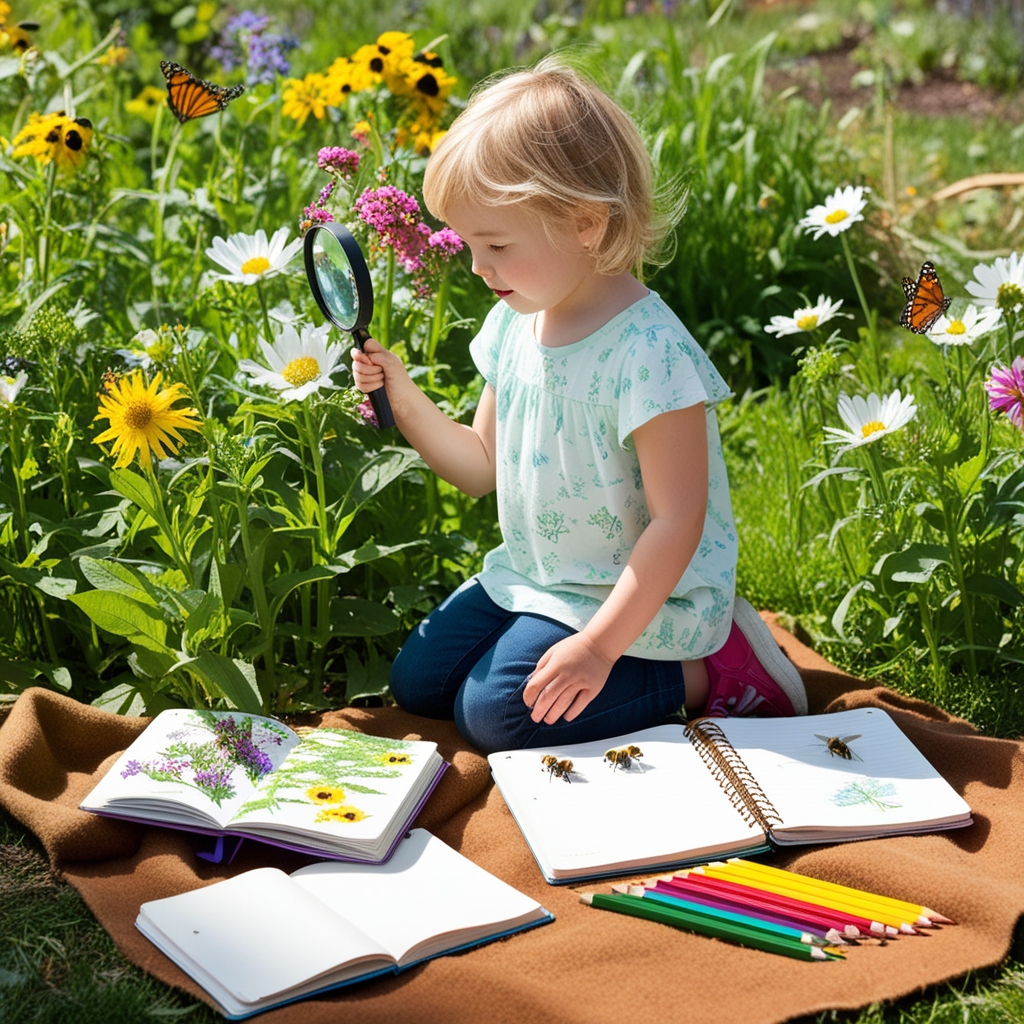
Homeschool nature study lesson plans provide a structured yet flexible approach to connecting children with the natural world while meeting educational objectives across multiple subjects. These carefully crafted educational frameworks combine outdoor exploration, scientific observation, and hands-on learning to create memorable experiences that foster both academic growth and environmental appreciation.
Nature study represents one of the most effective methods for homeschooling families to integrate science, art, writing, and critical thinking skills into a cohesive learning experience. Unlike traditional textbook-based science education, nature study encourages children to become active observers and investigators of their immediate environment, developing skills that extend far beyond academic requirements.
This comprehensive guide explores everything you need to know about implementing effective homeschool nature study lesson plans, from basic planning principles to advanced seasonal activities that will transform your family’s educational journey.
Key Takeaways
- Nature study lesson plans integrate multiple subjects while fostering outdoor exploration and scientific observation skills
- Effective plans include observation journals, field guides, and hands-on activities suitable for various learning styles
- Seasonal planning ensures year-round engagement with changing natural phenomena and wildlife patterns
- Assessment focuses on observation skills, nature journaling quality, and scientific thinking development rather than traditional testing
- Successful implementation requires minimal equipment but consistent outdoor time and structured reflection activities
Foundations of Nature Study Education
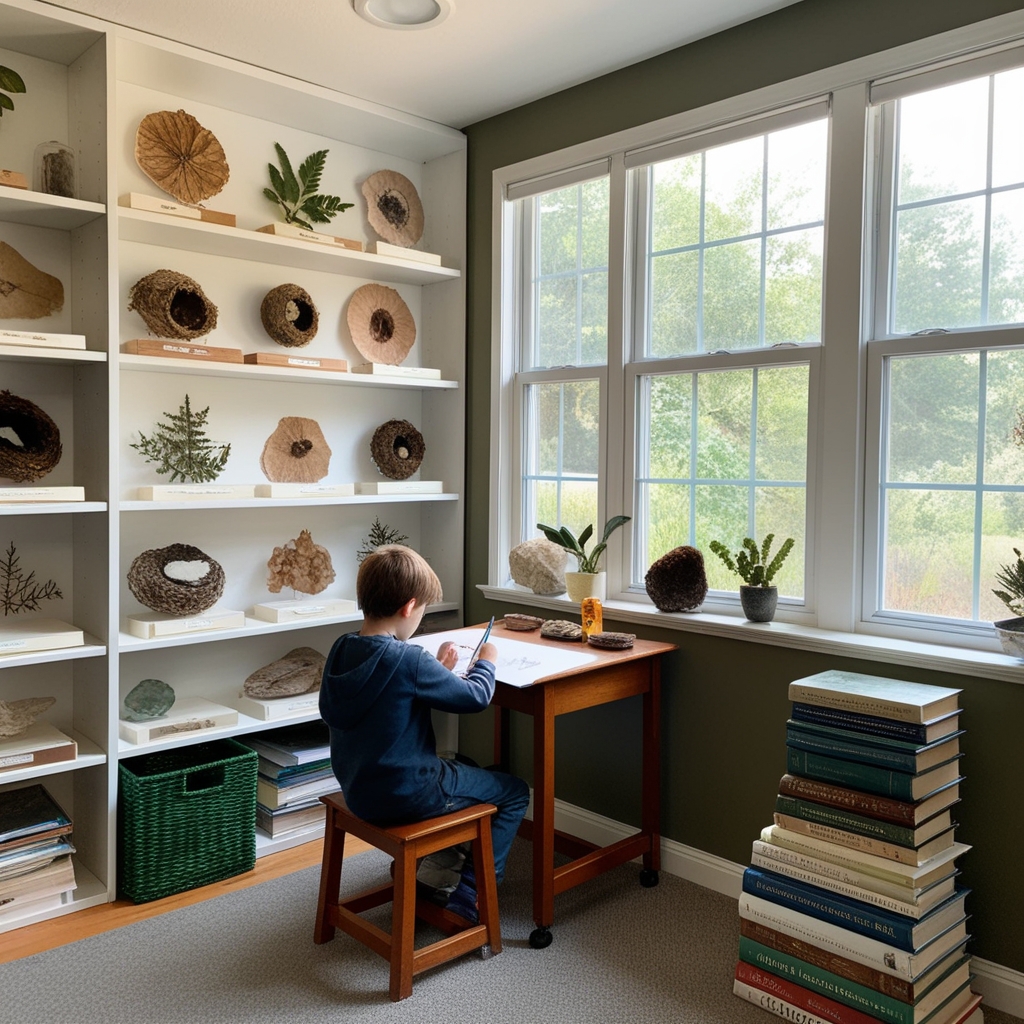
Nature study education traces its roots to the progressive education movement of the early 20th century, when educators like Anna Botsford Comstock pioneered outdoor learning approaches that emphasized direct observation over textbook memorization. This educational philosophy recognizes that children possess an innate curiosity about the natural world that serves as a powerful motivational tool for learning.
The Charlotte Mason method, widely adopted by homeschooling families, positions nature study as a cornerstone of quality education. According to the Charlotte Mason Institute, this approach develops children’s powers of observation, scientific thinking, and artistic expression through regular, sustained contact with nature.
Core Principles of Nature Study
Successful homeschool nature study lesson plans rest on several fundamental principles that distinguish this approach from conventional science education. First, the emphasis on firsthand observation encourages children to develop their own understanding rather than simply accepting information from secondary sources.
Second, nature study prioritizes quality over quantity, focusing on deep exploration of local environments rather than superficial coverage of distant ecosystems. This approach allows children to develop intimate knowledge of their immediate surroundings while building transferable observation and analysis skills.
- Regular outdoor time regardless of weather conditions
- Emphasis on observation before explanation
- Integration of art, writing, and scientific recording
- Respect for living creatures and natural processes
- Encouragement of wonder and curiosity over quick answers
Benefits for Homeschool Families
Research from the National Wildlife Federation indicates that children who participate in regular nature-based learning demonstrate improved academic performance, enhanced creativity, and better social-emotional development compared to their classroom-bound peers. For homeschooling families, these benefits extend beyond academic achievement to include stronger family bonds and shared experiences.
Nature study lesson plans also provide natural opportunities for multi-level teaching, allowing families with children of different ages to explore the same natural phenomena at appropriate developmental levels. This efficiency makes nature study particularly valuable for busy homeschool parents managing multiple grade levels simultaneously.
Essential Components of Effective Nature Study Lesson Plans
Well-designed homeschool nature study lesson plans incorporate specific elements that maximize learning while maintaining the flexibility that homeschool families value. These components work together to create structured yet adaptable educational experiences that can be modified based on local environments, seasonal changes, and individual student interests.
Observation and Documentation Framework
The foundation of any effective nature study lesson plan lies in systematic observation and documentation practices. Students should maintain nature journals that serve as both learning tools and assessment records, capturing their growing understanding through drawings, written observations, and scientific questions.
Effective documentation includes date, time, weather conditions, and location for each entry, helping students recognize patterns and changes over time. This systematic approach mirrors professional scientific methodology while remaining accessible to learners of all ages.
- Guided observation prompts and questions
- Sketching techniques for accurate documentation
- Weather and seasonal tracking systems
- Specimen collection and preservation methods
- Photography integration for detailed study
Inquiry-Based Learning Activities
Strong nature study lesson plans incorporate inquiry-based activities that encourage students to formulate questions, develop hypotheses, and conduct simple investigations. These activities should build naturally from initial observations, allowing student curiosity to drive deeper exploration.
For example, observing bird behavior at a feeder might lead to questions about feeding preferences, which could develop into controlled experiments comparing different seed types. This progression from observation to investigation mirrors authentic scientific processes while maintaining engagement through student-directed learning.
Hands-On Learning Experiences
Tactile experiences enhance memory formation and deepen understanding in nature study contexts. Lesson plans should include opportunities for students to interact directly with natural materials through activities like bark rubbing, leaf pressing, rock classification, and habitat construction.
These hands-on components serve multiple learning styles while providing concrete experiences that support abstract concept development. Students who struggle with traditional academic approaches often excel in nature study settings where kinesthetic learning opportunities abound.
Seasonal Planning Strategies for Year-Round Learning
Effective homeschool nature study lesson plans capitalize on seasonal changes to provide diverse learning opportunities throughout the academic year. This cyclical approach ensures that students experience the full range of natural phenomena while developing an understanding of ecological relationships and environmental patterns.
Spring Exploration Focus Areas
Spring offers unparalleled opportunities for observing life cycles, plant growth, and animal behavior changes. Nature study lesson plans for this season should emphasize emergence, growth, and renewal themes that align naturally with new beginnings and fresh starts.
Key spring topics include seed germination studies, migration pattern observations, wildflower identification, and nesting behavior documentation. These subjects provide rich material for cross-curricular integration while capitalizing on the natural excitement that spring weather brings to outdoor learning.
- Phenology studies tracking seasonal changes
- Garden planning and seed starting projects
- Bird migration and nesting observations
- Wildflower identification and pressing activities
- Weather pattern tracking and analysis
Summer Learning Opportunities
Summer’s extended daylight hours and warm weather create ideal conditions for intensive nature study experiences. Lesson plans should take advantage of increased outdoor time while addressing the unique phenomena that occur during peak growing season.
This season provides excellent opportunities for habitat studies, insect investigations, and water ecosystem exploration. Families can undertake longer hiking expeditions, camping-based learning experiences, and community science projects that would be challenging during the school year.
Autumn Investigation Themes
Fall presents dramatic changes that capture student attention while providing clear examples of natural cycles and adaptations. Nature study lesson plans should focus on preparation themes, including animal behavior changes, plant reproduction strategies, and weather transition patterns.
Harvest activities, leaf studies, and migration observations create natural connections to cultural traditions while reinforcing scientific concepts. This season also provides excellent opportunities for food preservation studies and traditional skills exploration.
Winter Wonder Studies
Winter challenges educators to maintain outdoor engagement during challenging weather conditions, but this season offers unique learning opportunities unavailable during other times of the year. Effective winter nature study lesson plans emphasize adaptation, survival, and dormancy themes.
Snow studies, evergreen investigations, and winter animal tracking provide engaging activities that encourage outdoor time even in cold conditions. Indoor activities can include seed examination, bird feeding station maintenance, and planning for the upcoming growing season.
Age-Appropriate Nature Study Activities and Adaptations
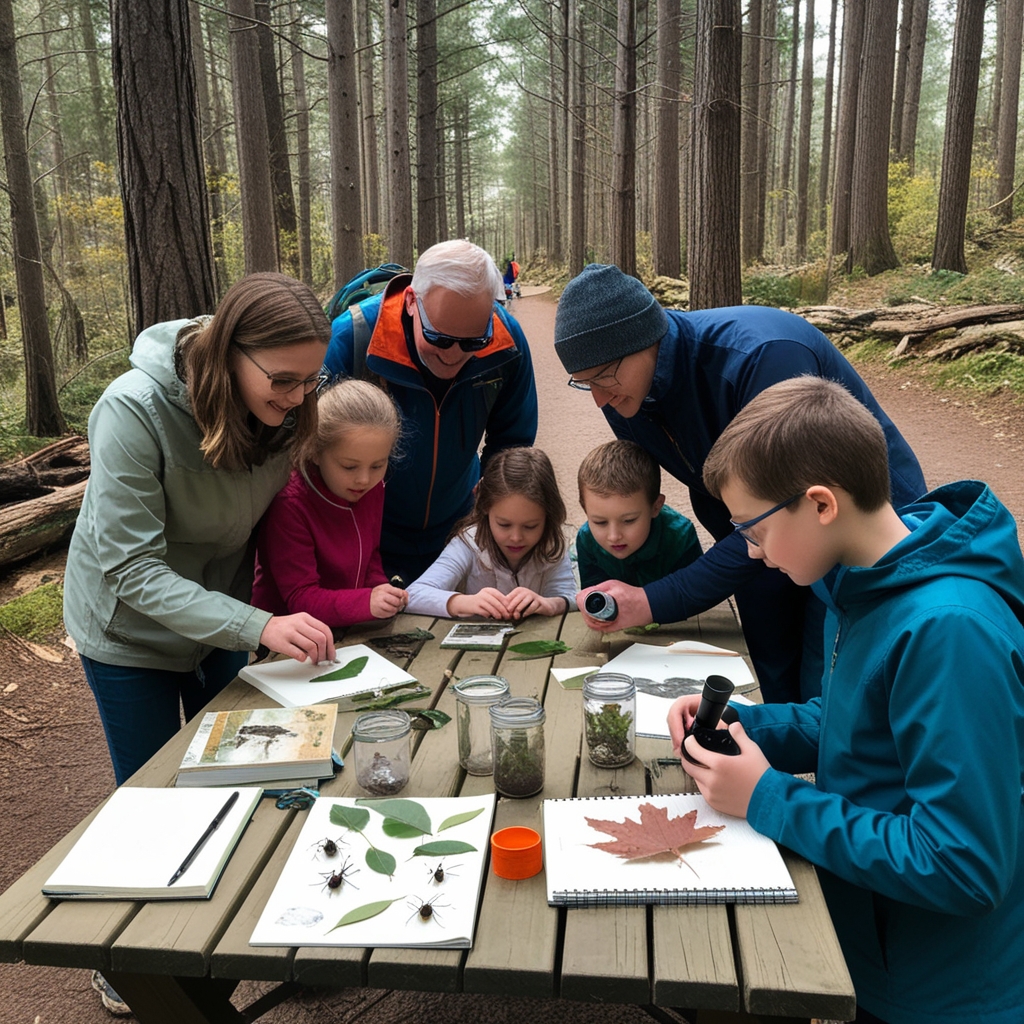
Successful homeschool nature study lesson plans must be adapted to match developmental stages and learning capabilities while maintaining the core principles of observation-based education. This flexibility allows families to implement nature study across multiple grade levels simultaneously while ensuring that each child receives appropriate challenges and support.
Early Elementary Adaptations (Ages 5-8)
Young children approach nature study with natural enthusiasm and curiosity that should be nurtured rather than constrained by overly structured activities. Lesson plans for this age group should emphasize sensory exploration, simple observations, and basic documentation skills that build foundation knowledge for more advanced studies.
Activities should be relatively short in duration but can be repeated frequently to build familiarity and comfort with outdoor learning environments. Simple nature journals with more drawing than writing accommodate developing literacy skills while maintaining the documentation emphasis that characterizes effective nature study.
- Sensory exploration games and activities
- Simple nature crafts using collected materials
- Basic animal and plant identification
- Weather observation and simple tracking
- Story-based learning connecting literature to nature
Upper Elementary Focus (Ages 9-12)
Students in this age range can handle more complex observations and begin developing scientific thinking skills that will serve them throughout their educational journey. Nature study lesson plans should introduce basic scientific methodology while maintaining the wonder and exploration that characterizes quality nature education.
This age group can maintain more detailed nature journals, conduct simple experiments, and begin making connections between different natural phenomena. Field guides become valuable tools as students develop identification skills and learn to use scientific resources independently.
Middle School Challenges (Ages 13-15)
Adolescent learners benefit from nature study approaches that acknowledge their developing independence while providing opportunities for deeper scientific investigation. Lesson plans should incorporate more sophisticated research projects, community science participation, and connections to current environmental issues.
This age group can handle multi-week projects, statistical analysis of collected data, and presentation of findings to family members or homeschool groups. Photography and digital tools can enhance documentation while appealing to technology-oriented students.
High School Applications (Ages 16-18)
Advanced students can use nature study as a foundation for serious scientific investigation, college preparation, and career exploration. Lesson plans should incorporate rigorous methodology, data analysis, and connections to broader scientific principles and environmental issues.
Students at this level can participate in citizen science projects, conduct independent research, and use nature study experiences to explore potential career paths in environmental science, biology, or related fields. These experiences can provide valuable material for college applications and scholarship opportunities.
Subject Integration Through Nature-Based Learning
One of the greatest strengths of homeschool nature study lesson plans lies in their natural ability to integrate multiple academic subjects within a single learning experience. This interdisciplinary approach mirrors real-world problem-solving while maximizing educational efficiency for busy homeschool families.
Science Connections and Applications
Nature study provides an ideal foundation for comprehensive science education, covering biology, ecology, chemistry, physics, and earth science through hands-on investigation and observation. Students develop scientific thinking skills while exploring concepts that might seem abstract when presented through textbook-only approaches.
For example, studying a local pond ecosystem naturally incorporates water chemistry concepts, food web relationships, adaptation principles, and seasonal change patterns. These integrated experiences provide deeper understanding than isolated subject presentations while demonstrating the interconnected nature of scientific knowledge.
- Biology through plant and animal studies
- Chemistry via soil and water testing
- Physics through weather and seasonal observations
- Earth science via geology and climate studies
- Environmental science through ecosystem investigations
Language Arts Enhancement
Nature study lesson plans naturally incorporate reading, writing, speaking, and listening skills through journal maintenance, field guide usage, research activities, and presentation opportunities. Students develop vocabulary through authentic contexts while practicing communication skills that transfer to other academic areas.
Nature-based writing assignments often produce some of students’ best work because they draw from personal experience and genuine interest. Poetry, descriptive writing, and scientific reporting all find natural places within comprehensive nature study programs.
Mathematics in Natural Contexts
Mathematical concepts become meaningful when applied to real-world nature study investigations. Students can practice measurement, data collection, graphing, and statistical analysis through phenology studies, growth measurements, and population surveys that provide authentic applications for mathematical skills.
Geometry appears in leaf shapes, flower structures, and crystal formations, while patterns and sequences emerge through seasonal observations and life cycle studies. These natural mathematical connections help students understand the relevance and beauty of mathematical thinking.
Art and Creative Expression
Nature study lesson plans should always include artistic components that serve both documentation and creative expression purposes. Scientific illustration skills develop observation abilities while providing alternative assessment opportunities for students who struggle with traditional academic presentations.
Artistic activities can include botanical illustration, nature photography, sculpture using natural materials, and creative writing inspired by outdoor experiences. These creative components often become students’ favorite aspects of nature study while supporting learning objectives across multiple domains.
Assessment and Documentation Methods
Effective assessment in homeschool nature study lesson plans differs significantly from traditional testing approaches, focusing instead on portfolio development, skill demonstration, and growth over time. This authentic assessment approach provides meaningful feedback while supporting continued learning and development.
Portfolio-Based Assessment Strategies
Nature study portfolios should include a variety of evidence demonstrating student learning and growth over time. These collections provide comprehensive pictures of student development while serving as valuable records for transcript development and college applications.
Effective portfolios include nature journal entries, scientific illustrations, research projects, photography collections, and reflection essays that demonstrate both content knowledge and skill development. Regular portfolio reviews allow students to recognize their own growth while identifying areas for continued development.
- Nature journal quality and consistency
- Scientific illustration skill development
- Research project completion and presentation
- Field guide creation and accuracy
- Reflection and analysis writing samples
Skill Development Tracking
Nature study assessment should focus on skill development rather than content memorization, tracking students’ growing abilities in observation, documentation, analysis, and communication. These transferable skills serve students well beyond nature study contexts while providing clear evidence of educational progress.
Rubrics can help families track development in specific skill areas while maintaining the flexibility that homeschool families value. Regular skill assessments also help identify areas where additional support or instruction might be beneficial.
Documentation for Transcript Purposes
Homeschool families need clear documentation of nature study activities for transcript development and college admission purposes. Effective record-keeping should include hours spent, topics covered, skills developed, and evidence of mastery that can be translated into traditional academic categories when necessary.
Many families find that comprehensive nature study programs easily fulfill science requirements while also contributing to art, English, and mathematics credit hours. Detailed documentation supports these claims while providing concrete evidence of rigorous educational experiences.
Resources and Materials for Successful Implementation
Implementing effective homeschool nature study lesson plans requires careful selection of resources and materials that support learning objectives while remaining within reasonable budget constraints. The good news is that nature study can be highly effective with minimal equipment, though certain tools can enhance the experience significantly.
Essential Equipment and Supplies
Basic nature study equipment includes items that support observation, documentation, and collection activities. While specialized scientific equipment can enhance studies, families can begin with simple, inexpensive tools that provide excellent learning opportunities.
Quality field guides specific to local regions provide invaluable identification support and serve as models for scientific documentation. Magnifying glasses, collection containers, and basic measurement tools round out the essential equipment list for most nature study activities.
- Regional field guides for plants, animals, and geological features
- Magnifying glasses and simple microscopes
- Collection containers and specimen preservation materials
- Measurement tools including rulers, scales, and thermometers
- Quality journals and drawing supplies
- Camera for detailed documentation
Digital Tools and Technology Integration
Modern technology can enhance nature study experiences when used appropriately, providing identification support, documentation tools, and connections to broader scientific communities. Apps for species identification, weather tracking, and citizen science participation can add value to traditional nature study approaches.
Digital photography allows for detailed documentation that supports later study and analysis, while online databases provide access to information that extends local observations. However, technology should supplement rather than replace direct observation and hands-on investigation.
Curriculum and Lesson Plan Resources
While many families develop their own nature study lesson plans based on local environments and student interests, published resources can provide structure and inspiration for busy homeschool parents. The lesson plan shop offers professionally developed materials that can be adapted to local conditions and family needs.
Quality curriculum resources provide scope and sequence guidance while maintaining the flexibility that effective nature study requires. These materials often include assessment rubrics, activity suggestions, and integration ideas that save planning time while ensuring comprehensive coverage.
Overcoming Common Challenges in Nature Study
Even the most enthusiastic homeschool families encounter challenges when implementing nature study lesson plans. Understanding these common obstacles and developing strategies to address them helps ensure long-term success and continued engagement with outdoor learning approaches.
Weather and Seasonal Limitations
Adverse weather conditions often discourage families from maintaining consistent nature study practices, particularly during extreme temperatures or precipitation. However, each weather condition provides unique learning opportunities that cannot be replicated during pleasant conditions.
Successful nature study programs include weather-appropriate clothing recommendations, indoor alternatives for extreme conditions, and activities that specifically capitalize on challenging weather patterns. Rain studies, snow investigations, and storm observations can become highlight experiences rather than obstacles to learning.
- Invest in appropriate outdoor clothing for all family members
- Develop indoor nature study alternatives for extreme weather
- Create weather-specific lesson plans that capitalize on conditions
- Maintain nature study corners indoors for year-round access
- Use weather delays for planning and reflection activities
Urban Environment Adaptations
Families living in urban environments often believe that nature study requires access to pristine wilderness areas, but cities provide abundant opportunities for meaningful nature investigation. Urban nature study can focus on adaptation themes, human-nature interactions, and the surprising diversity of life in developed environments.
City parks, vacant lots, rooftop gardens, and even sidewalk cracks provide investigation opportunities that can be every bit as engaging as rural environments. Urban nature study also provides excellent opportunities to explore environmental issues and conservation topics that are highly relevant to modern life.
Time Management and Consistency
Busy homeschool schedules can make regular nature study seem challenging, but consistency is more important than duration for building effective nature study habits. Short, frequent outdoor experiences provide better learning outcomes than infrequent extended sessions.
Successful families often integrate nature study into daily routines rather than treating it as a separate subject requiring dedicated time blocks. Morning nature walks, backyard observations during lunch breaks, and evening sky studies can provide regular nature contact without overwhelming busy schedules.
Student Resistance and Motivation
Some students, particularly those accustomed to screen-based entertainment, may initially resist outdoor learning activities. Building enthusiasm requires patience, creativity, and willingness to adapt approaches based on individual student interests and learning styles.
Starting with student interests and gradually expanding to broader nature topics often proves more successful than attempting to impose predetermined lesson plans. Photography-focused students might begin with nature photography projects, while hands-on learners might prefer collection and classification activities.
Frequently Asked Questions
How much time should we spend on nature study each week?
Most successful homeschool families dedicate 2-4 hours per week to structured nature study activities, though this can be broken into short daily sessions rather than single long periods. Consistency matters more than duration, so 20-30 minutes daily often produces better results than one lengthy weekly session. Additional informal nature observation throughout the week enhances learning without requiring formal lesson time.
Can nature study fulfill high school science requirements?
Yes, comprehensive nature study programs can fulfill biology, environmental science, and even chemistry or physics requirements when properly documented and supplemented with appropriate resources. Many colleges recognize well-documented nature study experiences as rigorous science preparation, particularly when students participate in citizen science projects or conduct independent research. Maintaining detailed portfolios and connecting studies to standard scientific concepts helps ensure transcript acceptance.
What if we live in an area with limited natural spaces?
Every environment offers nature study opportunities, including urban settings with parks, vacant lots, or even potted plants and window boxes. Urban nature study can focus on adaptation, human-environment interactions, and the surprising diversity of city wildlife. Many successful nature study programs operate from small yards, balconies, or regular visits to local parks rather than wilderness areas.
How do I assess learning in nature study without traditional tests?
Nature study assessment focuses on portfolio development, skill demonstration, and growth over time rather than traditional testing. Effective assessment includes nature journal quality, scientific illustration improvement, observation skill development, and ability to ask meaningful questions. Regular portfolio reviews and student reflection activities provide clear evidence of learning progress while maintaining the exploratory spirit of nature study.
What materials do we need to get started with nature study?
Basic nature study requires minimal equipment: journals, pencils, magnifying glasses, and regional field guides provide an excellent foundation. Collection containers, basic measurement tools, and a camera enhance the experience but are not essential for beginning. Many families start with items they already own and gradually add specialized tools as interests develop and budgets allow.
How can I integrate nature study with other subjects effectively?
Nature study naturally incorporates multiple subjects through observation journals (writing), scientific illustration (art), data collection and analysis (mathematics), and research activities (reading). Weather tracking provides mathematics practice, while nature-inspired creative writing develops language arts skills. The key is recognizing these connections and documenting them for transcript purposes rather than forcing artificial integration.
Should nature study follow a specific curriculum or be child-led?
The most effective approach combines structured lesson plans with child-led exploration, using curriculum resources to ensure comprehensive coverage while remaining flexible enough to pursue student interests. Seasonal planning provides natural structure, while student questions and discoveries guide specific investigations. This balanced approach ensures educational objectives are met while maintaining the curiosity and wonder that make nature study effective.
📚 Recommended Homeschool Resources
As an Amazon Associate, I earn from qualifying purchases. Some links in this article are affiliate links, meaning I may earn a small commission at no extra cost to you.
Conclusion
Homeschool nature study lesson plans offer families an invaluable opportunity to combine rigorous education with meaningful outdoor experiences that foster both academic achievement and environmental stewardship. Through systematic observation, hands-on investigation, and integrated learning approaches, nature study develops critical thinking skills while nurturing the sense of wonder that drives lifelong learning.
The flexibility inherent in nature study makes it particularly well-suited to homeschool environments, where families can adapt activities to local conditions, student interests, and available time while maintaining educational rigor. Whether implemented as a comprehensive science program or integrated throughout the curriculum, nature study provides authentic learning experiences that prepare students for academic success and environmental citizenship.
Success in nature study depends more on consistency and enthusiasm than on expensive equipment or perfect conditions. Families who commit to regular outdoor time, maintain documentation practices, and remain open to unexpected discoveries will find that nature study becomes one of the most rewarding aspects of their homeschool journey.
Ready to transform your homeschool science education through nature study? Start by exploring our comprehensive lesson plan resources and begin planning your family’s nature study adventure today. Remember, the natural world is waiting just outside your door, ready to provide endless learning opportunities for curious minds of all ages.
Related Resources
- Curriculum Methods and Approaches – Explore different homeschool methodologies including Charlotte Mason and unit study approaches
- Activities and Ideas – Discover hands-on learning activities and creative educational projects for homeschool families
- Scheduling and Planning – Learn effective strategies for organizing your homeschool year and managing multiple subjects

Loved this post? Grab the free resource above.
Math Adventures: Everyday Numbers — drop your email and we'll send the printable PDF.