Free Curriculum Comparison Guide
Compare Charlotte Mason, Classical, Montessori, Waldorf, and more in one printable side-by-side guide.
Finding the perfect homeschool spelling curriculum printable can transform your child’s language arts education while keeping your budget intact. With countless options available online, many homeschooling families struggle to identify high-quality printable spelling resources that truly engage students and build lasting literacy skills.
This comprehensive guide explores the best printable spelling curricula available for homeschoolers, covering everything from free resources to premium options. Whether you’re teaching kindergarten basics or advanced high school vocabulary, you’ll discover practical strategies, implementation tips, and specific recommendations to create an effective spelling program tailored to your child’s learning style.
We’ll examine the key features that make printable spelling curricula successful, compare popular options, and provide actionable advice for maximizing your investment in your child’s spelling education. By the end of this guide, you’ll have the knowledge and confidence to select and implement the ideal spelling program for your homeschool.
Key Takeaways
- Printable spelling curricula offer flexibility and cost-effectiveness for homeschooling families
- Look for programs that incorporate multiple learning styles and phonics-based instruction
- Free resources can supplement paid curricula effectively when used strategically
- Consistent daily practice with varied activities produces the best spelling outcomes
- Digital integration enhances traditional printable materials without replacing their benefits
Benefits of Printable Spelling Curricula
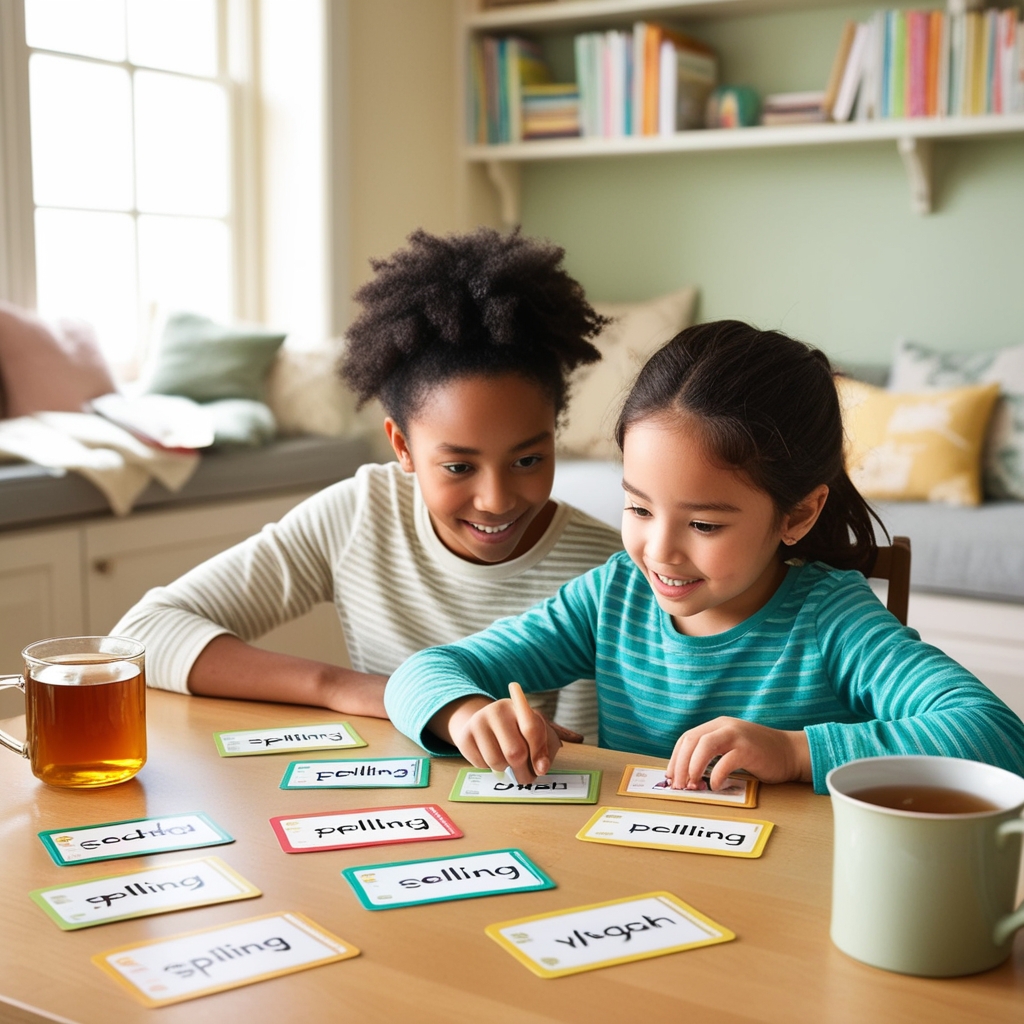
Printable spelling curricula offer unique advantages that make them particularly appealing to homeschooling families. Unlike traditional textbooks or digital-only programs, printable resources provide the perfect balance of structure and flexibility that many homeschoolers crave.
Cost-Effectiveness and Budget Management
One of the most significant benefits of choosing a homeschool spelling curriculum printable is the substantial cost savings. Traditional spelling textbooks can cost $50-100 per grade level, while comprehensive printable curricula typically range from $15-40 for an entire year’s worth of materials.
Many families can use the same printable curriculum for multiple children by simply printing additional copies. This approach can reduce per-child costs to as little as the price of paper and ink, making quality education accessible regardless of family size or budget constraints.
Customization and Flexibility
Printable spelling materials allow unprecedented customization options. Parents can easily modify worksheets, adjust difficulty levels, or skip sections that don’t align with their child’s needs. This flexibility proves invaluable when working with children who have learning differences or those who are ahead or behind grade level.
The ability to print materials on demand means you can adapt your approach mid-year without purchasing entirely new curricula. If your child struggles with a particular concept, you can print additional practice sheets or create supplementary materials using the same format.
Multi-Sensory Learning Opportunities
Quality printable spelling curricula incorporate various learning modalities to accommodate different learning styles. Visual learners benefit from colorful worksheets and graphic organizers, while kinesthetic learners can engage through hands-on activities like word sorts and spelling games.
Research from the National Institute of Child Health and Human Development indicates that multi-sensory instruction significantly improves spelling retention and overall literacy outcomes.
How to Choose the Right Homeschool Spelling Curriculum Printable
Selecting the ideal printable spelling curriculum requires careful consideration of your child’s learning style, your family’s educational philosophy, and practical implementation factors. Understanding these key elements will help you make an informed decision that serves your family well.
Assessing Your Child’s Learning Style
Before exploring curriculum options, take time to observe how your child learns best. Visual learners typically excel with programs that emphasize word patterns, color-coding, and graphic organizers. Auditory learners benefit from curricula that include phonetic instruction and opportunities for verbal practice.
Kinesthetic learners thrive with hands-on activities like letter tiles, word building exercises, and movement-based spelling games. Many children are multi-modal learners who benefit from curricula that incorporate all three approaches.
Phonics-Based vs. Whole Word Approaches
Most effective spelling curricula employ a phonics-based approach that teaches students to understand the relationship between sounds and letters. This systematic method helps children decode unfamiliar words and apply spelling rules consistently.
Some programs combine phonics instruction with sight word memorization for high-frequency words that don’t follow standard phonetic patterns. This balanced approach typically produces the most comprehensive spelling skills.
Scope and Sequence Considerations
Examine the curriculum’s scope and sequence to ensure it aligns with your educational goals. Quality programs should progress logically from simple phonetic patterns to more complex spelling rules and exceptions.
Look for curricula that include regular review and spiral learning, where previously taught concepts are revisited and reinforced throughout the program. This approach helps ensure long-term retention of spelling skills.
Essential Features to Look For
When evaluating printable spelling curricula, prioritize programs that include these essential features:
- Clear lesson plans with suggested timeframes
- Varied activity types to maintain student engagement
- Built-in assessment tools and progress tracking
- Teacher guides with implementation suggestions
- Differentiation options for various skill levels
- Answer keys and correction guidelines
Top Free Printable Spelling Resources
While premium curricula offer comprehensive programs, numerous high-quality free resources can supplement your spelling instruction or serve as standalone options for budget-conscious families.
Government and Educational Institution Resources
The U.S. Department of Education provides extensive free literacy resources through their educational materials portal. These research-backed materials align with national literacy standards and offer proven instructional strategies.
Many state education departments also provide free printable spelling resources designed to support homeschooling families. These materials often include detailed implementation guides and alignment with state standards.
Teacher-Created Resources
Experienced educators frequently share their spelling materials through educational websites and teacher resource platforms. These resources benefit from classroom-tested approaches and practical insights gained through years of teaching experience.
Look for materials created by certified teachers who specialize in elementary literacy instruction. These resources often include helpful tips for implementation and troubleshooting common challenges.
Nonprofit Organization Materials
Several nonprofit organizations dedicated to literacy education provide free printable spelling resources. These materials are typically developed by education professionals and undergo rigorous review processes to ensure quality and effectiveness.
Organizations like Reading Rockets and the International Dyslexia Association offer specialized resources for children with learning differences, providing valuable alternatives for families with unique needs.
Limitations of Free Resources
While free resources offer excellent value, they typically require more preparation time and may lack the cohesive structure found in comprehensive curricula. Parents often need to supplement free materials with additional resources to create a complete program.
Free resources may also have inconsistent quality or formatting, requiring additional time to evaluate and organize materials effectively. Consider these factors when deciding between free and paid options.
Premium Printable Spelling Curriculum Options
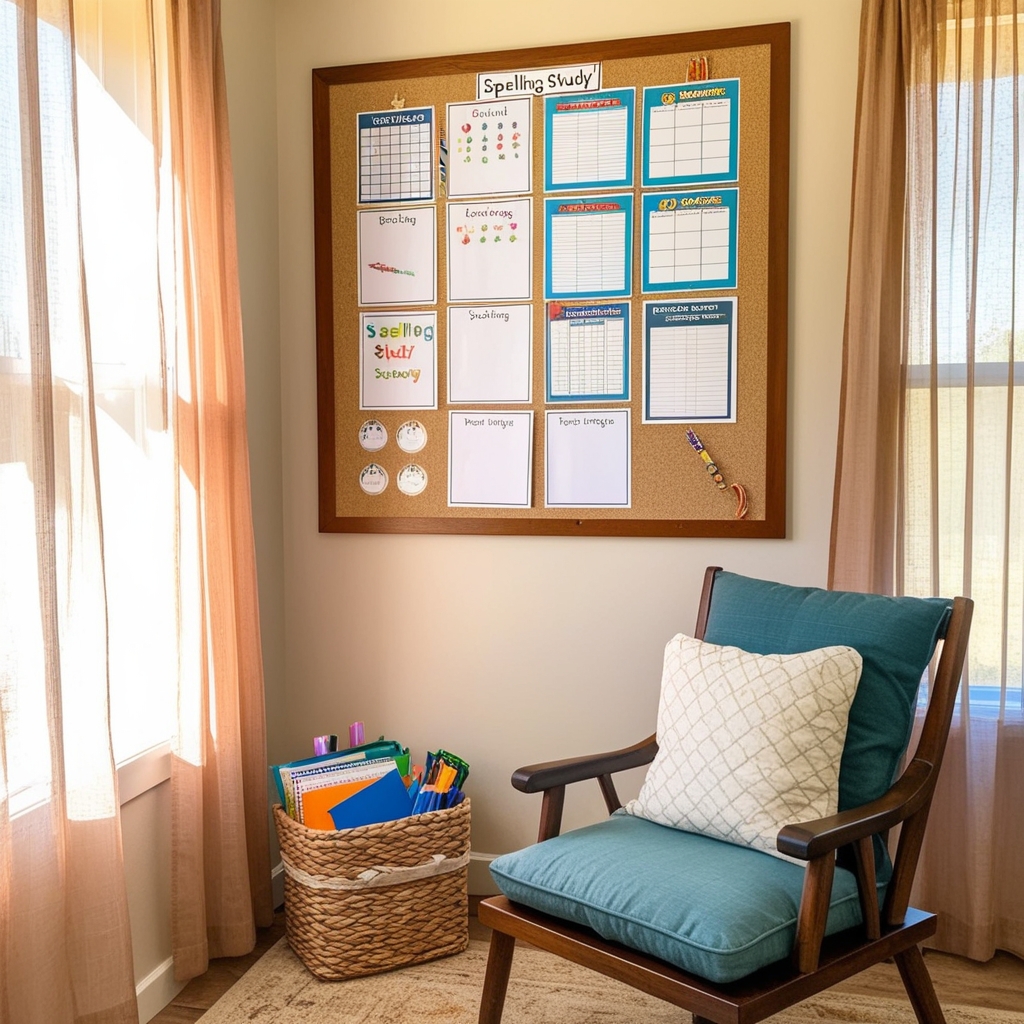
Investing in a premium homeschool spelling curriculum printable often provides comprehensive programs with professional development, structured lesson plans, and ongoing support that can significantly enhance your teaching effectiveness.
All About Spelling
All About Spelling offers a multi-sensory, phonics-based program that includes printable student materials alongside manipulatives and detailed teacher guides. The program emphasizes mastery-based learning and provides extensive review opportunities.
The curriculum includes seven levels covering kindergarten through high school, with each level building systematically on previously learned concepts. The printable components include student worksheets, assessment materials, and reference charts.
Sequential Spelling
Sequential Spelling takes a unique approach by focusing on word families and common letter patterns rather than traditional spelling rules. The program includes printable student response sheets and comprehensive teacher guides.
This curriculum particularly benefits students who struggle with traditional spelling approaches, as it emphasizes pattern recognition and natural language acquisition principles.
Spelling Power
Spelling Power offers a diagnostic-prescriptive approach that identifies each student’s specific spelling needs and provides targeted instruction. The program includes extensive printable materials and placement tests.
The curriculum accommodates multiple grade levels simultaneously, making it ideal for families with children at different academic levels. The printable components include diagnostic tests, practice sheets, and progress tracking forms.
Evaluating Premium Options
When considering premium curricula, evaluate the total cost including any required manipulatives or additional materials. Calculate the cost per year of use and consider whether the program can be used for multiple children.
Read reviews from other homeschooling families and consider requesting sample lessons to evaluate the program’s fit for your family before making a significant investment.
Implementation Strategies for Success
Successfully implementing a homeschool spelling curriculum printable requires thoughtful planning, consistent execution, and regular assessment of student progress. These proven strategies will help maximize your curriculum investment and ensure positive learning outcomes.
Creating an Effective Study Schedule
Establish a consistent daily spelling routine that includes 15-20 minutes of focused instruction and practice. Research indicates that frequent, shorter sessions produce better retention than longer, less frequent study periods.
Consider your child’s natural energy patterns when scheduling spelling instruction. Many children perform best during morning hours when concentration levels are highest, while others may prefer afternoon sessions.
For comprehensive scheduling guidance and planning templates, explore our scheduling and planning resources to create a sustainable routine that works for your family.
Organizing Materials and Resources
Develop an organizational system that makes materials easily accessible while maintaining order. Use binders with clear sheet protectors for frequently referenced materials like spelling rules charts and word lists.
Create a dedicated spelling supply kit that includes pencils, colored pens, index cards, and any manipulatives used in your curriculum. Having materials readily available reduces preparation time and maintains lesson momentum.
Incorporating Review and Assessment
Build regular review sessions into your weekly schedule to reinforce previously learned concepts. Spiral review helps ensure long-term retention and identifies areas that may need additional attention.
Use both formal assessments provided by your curriculum and informal evaluation methods like observation and student self-assessment. Track progress using simple charts or portfolios that document improvement over time.
Adapting for Different Learning Needs
Modify activities to accommodate your child’s learning preferences and any special needs. Visual learners may benefit from highlighting word patterns, while kinesthetic learners might prefer tracing letters in sand or forming words with letter tiles.
Don’t hesitate to adjust the pace of instruction based on your child’s mastery of concepts. Some children may need additional time with certain spelling patterns, while others may be ready to accelerate through familiar material.
Grade-Specific Recommendations and Adaptations
Different grade levels require tailored approaches to spelling instruction, with age-appropriate expectations and developmentally suitable activities. Understanding these distinctions helps ensure your homeschool spelling curriculum printable meets your child’s specific needs.
Elementary Grades (K-2)
Early elementary students benefit from programs that emphasize phonemic awareness and basic phonetic patterns. Look for curricula that include picture-based activities, simple word families, and plenty of hands-on manipulation opportunities.
At this level, focus on building foundational skills rather than memorizing extensive word lists. Activities should be engaging and brief, typically lasting 10-15 minutes per session to match young children’s attention spans.
Incorporate games, songs, and movement activities to make spelling instruction enjoyable and memorable. Many successful programs for this age group include printable games and manipulative activities.
Intermediate Grades (3-5)
Intermediate students are ready for more systematic spelling instruction that introduces common spelling rules and patterns. Curricula should include regular practice with prefixes, suffixes, and root words.
Students at this level can handle longer word lists and more complex activities like word sorts and pattern analysis. Include dictionary skills and encourage students to identify spelling patterns in their reading materials.
Assessment becomes more formal at this level, with weekly spelling tests and progress tracking playing important roles in measuring student achievement.
Middle School Grades (6-8)
Middle school students benefit from spelling instruction that connects to their vocabulary development and writing assignments. Focus on commonly misspelled words and academic vocabulary relevant to their studies.
Incorporate etymology and word origins to help students understand spelling patterns and remember difficult words. Many middle schoolers enjoy learning about language history and word relationships.
Connect spelling instruction to writing assignments and encourage students to maintain personal spelling journals with words they frequently misspell in their own writing.
High School Adaptations
High school students typically need targeted instruction focused on commonly misspelled words and academic vocabulary. Emphasize proofreading skills and the use of spelling resources like dictionaries and spell-check tools.
Consider incorporating SAT and ACT vocabulary words into spelling instruction, as these words often present spelling challenges while building college-readiness skills.
For additional grade-specific guidance and resources, visit our grade level guides section for detailed recommendations tailored to each academic level.
Troubleshooting Common Spelling Challenges
Even with carefully selected curricula and thoughtful implementation, homeschooling families often encounter spelling challenges that require creative solutions and adaptive strategies.
Addressing Spelling Difficulties
When children struggle with spelling, first assess whether the curriculum level is appropriate. Students working above or below their instructional level often experience frustration that impedes learning progress.
Consider whether learning differences like dyslexia or visual processing issues might be contributing to spelling difficulties. Specialized approaches may be necessary for children with documented learning challenges.
Implement multi-sensory techniques that engage multiple learning pathways simultaneously. Activities like sky writing, rainbow writing, and tactile letter formation can help struggling spellers develop stronger memory connections.
Maintaining Motivation and Engagement
Spelling instruction can become monotonous without variety in activities and presentation methods. Rotate between different types of exercises and incorporate games, competitions, and creative projects.
Set achievable goals and celebrate progress to maintain student motivation. Consider using reward systems or spelling achievements charts to recognize improvement and effort.
Connect spelling words to your child’s interests whenever possible. If your child loves animals, incorporate animal-themed spelling lists and activities to increase engagement.
Managing Time and Consistency
Consistency challenges are common in homeschooling environments where families manage multiple subjects and responsibilities. Create realistic expectations and build flexibility into your spelling routine.
Consider using shorter, more frequent sessions rather than longer weekly sessions if daily consistency proves difficult. Even 10 minutes of daily practice produces better results than sporadic longer sessions.
Develop backup plans for busy days, such as audio spelling practice during car rides or quick review games during waiting times.
Dealing with Perfectionism
Some children become discouraged by spelling mistakes and develop negative associations with writing. Emphasize that spelling is a skill that improves with practice and that mistakes are part of the learning process.
Teach students to view spelling errors as learning opportunities rather than failures. Implement gentle correction methods that preserve confidence while addressing mistakes.
Integrating Digital Tools with Printable Materials
Modern homeschool spelling curriculum printable programs can be enhanced significantly through thoughtful integration of digital tools and online resources that complement traditional paper-based instruction.
Online Spelling Games and Activities
Supplement your printable curriculum with engaging online spelling games that reinforce the same concepts being taught in your lessons. Many educational websites offer games aligned with common spelling patterns and rules.
Use online activities as rewards for completing printable assignments or as alternative practice methods for children who enjoy digital learning environments.
Digital Assessment Tools
Online spelling tests and assessment tools can provide immediate feedback and track progress over time. Many digital platforms offer detailed analytics that help identify specific areas needing additional attention.
Consider using digital portfolios to document student work and progress, combining photos of completed printable assignments with digital assessment results.
Audio and Video Resources
Incorporate pronunciation guides and instructional videos that demonstrate proper spelling techniques and strategies. These resources particularly benefit auditory learners and can clarify concepts that may be challenging to explain through text alone.
Use audio recordings of spelling words to support students with reading difficulties or to provide pronunciation practice for challenging vocabulary.
Maintaining Balance
While digital tools offer valuable enhancements, maintain the core benefits of printable materials by ensuring screen time doesn’t overwhelm hands-on learning opportunities. The tactile experience of writing and manipulating physical materials remains crucial for many learners.
Use technology to supplement rather than replace your primary curriculum, maintaining the flexibility and customization advantages that drew you to printable materials initially.
Frequently Asked Questions
What age should children start using a formal spelling curriculum?
Most children are ready for formal spelling instruction around age 6-7, typically in first grade, after they have developed basic phonemic awareness and can recognize most letters. However, informal spelling activities can begin much earlier through games, songs, and natural writing experiences. Adjust the starting point based on your child’s individual readiness and interest level.
How much should I spend on a homeschool spelling curriculum printable?
Quality printable spelling curricula typically range from $15-40 for a full year’s program, making them significantly more affordable than traditional textbooks. Free resources can also provide excellent supplemental materials. Consider your budget, the curriculum’s comprehensiveness, and whether it can be used for multiple children when evaluating cost-effectiveness.
Can I use the same spelling curriculum for multiple grade levels?
Many printable spelling curricula are designed with flexibility to accommodate multiple grade levels, especially programs that focus on skill mastery rather than strict grade-level progression. Look for curricula with placement tests and differentiation options that allow you to meet each child’s individual needs regardless of their chronological grade level.
How do I know if my child is making adequate progress in spelling?
Track progress through regular assessments, observation of writing samples, and monitoring your child’s confidence when attempting to spell new words. Most children should show steady improvement in accuracy and be able to apply spelling rules to unfamiliar words. If progress stalls for several weeks, consider adjusting your approach or seeking additional resources.
What should I do if my child hates spelling practice?
Make spelling more engaging by incorporating games, hands-on activities, and connections to your child’s interests. Vary your instructional methods and consider whether the curriculum level is appropriate. Sometimes resistance indicates that material is too easy or too difficult. Focus on making spelling fun and relevant to your child’s daily life and writing needs.
Are free printable spelling resources as effective as paid curricula?
Free resources can be highly effective when carefully selected and organized into a coherent program. However, they typically require more preparation time and may lack the systematic progression found in comprehensive paid curricula. Many families successfully combine free and paid resources to create customized programs that meet their specific needs and budgets.
How do I adapt spelling curriculum for a child with learning differences?
Children with learning differences often benefit from multi-sensory approaches, slower pacing, and additional review opportunities. Look for curricula specifically designed for struggling learners or adapt regular programs by incorporating tactile activities, visual supports, and breaking lessons into smaller segments. Consider consulting with learning specialists for personalized strategies.
📚 Recommended Homeschool Resources
As an Amazon Associate, I earn from qualifying purchases. Some links in this article are affiliate links, meaning I may earn a small commission at no extra cost to you.
Conclusion
Choosing the right homeschool spelling curriculum printable can significantly impact your child’s literacy development while providing the flexibility and affordability that homeschooling families value. Whether you opt for free resources, premium curricula, or a combination of both, the key lies in selecting materials that align with your child’s learning style and your family’s educational goals.
Remember that successful spelling instruction requires consistency, variety, and patience. The most expensive curriculum won’t be effective without regular practice and thoughtful implementation, while even simple resources can produce excellent results when used systematically and enthusiastically.
Take time to evaluate your options carefully, considering factors like your child’s learning preferences, your available time for preparation, and your budget constraints. Don’t hesitate to adjust your approach as needed – the beauty of homeschooling lies in the ability to customize education to meet your child’s unique needs.
Start implementing these strategies today by exploring our comprehensive collection of lesson plans and educational resources to support your spelling instruction journey.
Related Resources
Enhance your homeschool spelling program with these additional resources from HomeschoolingExperts.org:
- Curriculum Methods and Approaches – Explore different educational philosophies and teaching methods to complement your spelling instruction
- Creative Activities and Ideas – Discover engaging activities to make spelling practice more enjoyable and effective
- Lesson Plans and Teaching Resources – Access ready-to-use lesson plans and teaching materials to supplement your spelling curriculum

Loved this post? Grab the free resource above.
Compare Charlotte Mason, Classical, Montessori, Waldorf, and more in one printable side-by-side guide.