
Free Curriculum Comparison Guide
Compare Charlotte Mason, Classical, Montessori, Waldorf, and more in one printable side-by-side guide.
A comprehensive homeschool language arts curriculum PDF can transform your child’s educational journey by providing structured, downloadable resources that cover reading, writing, grammar, and literature in one convenient format. These digital curricula offer flexibility, immediate access, and often cost-effective solutions for homeschooling families seeking quality language arts education.
Whether you’re a new homeschooling parent or looking to switch curriculum approaches, PDF-based language arts programs provide the convenience of instant downloads, printable worksheets, and comprehensive lesson plans that can be tailored to your child’s learning pace. From phonics foundations to advanced composition skills, these digital resources cover every aspect of language arts education.
This comprehensive guide explores everything you need to know about selecting, implementing, and maximizing homeschool language arts curriculum PDFs for your family’s educational success.
Key Takeaways
- PDF curricula offer immediate access, cost savings, and printing flexibility for homeschool families
- Quality programs integrate reading, writing, grammar, and literature into cohesive lesson plans
- Age-appropriate content spans from early phonics through high school composition and analysis
- Digital formats allow for easy customization and adaptation to different learning styles
- Proper evaluation criteria help families select curricula aligned with their educational goals
Benefits of PDF Language Arts Curriculum

Digital homeschool language arts curriculum PDF formats offer numerous advantages that make them increasingly popular among homeschooling families. Understanding these benefits helps parents make informed decisions about their educational investments.
Immediate Access and Convenience
PDF curricula eliminate waiting times associated with shipping physical materials. Once purchased, families can download and begin using their language arts program immediately. This instant access proves particularly valuable when starting mid-semester or needing to quickly replace ineffective curricula.
The digital format also means no lost or damaged books. Parents can print multiple copies of worksheets, create backup files, and access materials from any device with PDF reading capabilities.
Cost-Effectiveness and Budget Benefits
PDF curricula typically cost significantly less than traditional textbook sets. According to the National Home Education Research Institute, homeschooling families spend an average of $600 per child annually on educational materials, and PDF resources can reduce these costs substantially.
Additional savings come from:
- No shipping fees or sales tax in many states
- Ability to reuse materials for multiple children
- Reduced storage space requirements
- No replacement costs for damaged materials
Printing and Customization Flexibility
Families can print only needed sections, adjust page sizes for different learning needs, and create customized workbooks. This flexibility allows parents to modify difficulty levels, skip inappropriate content, or emphasize particular skills based on their child’s requirements.
Many programs also allow families to print in black and white or color, depending on budget constraints and learning preferences.
Essential Components of Quality Programs
Effective homeschool language arts curriculum PDF programs integrate multiple literacy components into cohesive, age-appropriate lessons. Understanding these essential elements helps families select comprehensive programs that address all aspects of language arts education.
Reading Comprehension and Literature
Quality curricula include diverse reading selections spanning fiction, non-fiction, poetry, and drama. Programs should provide guided reading questions, vocabulary development activities, and critical thinking exercises that deepen comprehension skills.
Literature components often feature:
- Age-appropriate book lists and reading schedules
- Character analysis and plot development exercises
- Cultural and historical context discussions
- Comparative literature studies
Writing Instruction and Practice
Comprehensive writing instruction progresses from basic sentence construction to advanced composition techniques. Effective programs provide step-by-step guidance for various writing types, including narrative, expository, persuasive, and creative writing.
Strong writing components include detailed rubrics, peer review guidelines, and revision strategies that help students develop clear, coherent communication skills.
Grammar and Mechanics Integration
Rather than teaching grammar in isolation, quality curricula integrate grammar instruction within meaningful writing and reading contexts. This approach helps students understand how proper mechanics enhance communication effectiveness.
Grammar instruction should cover parts of speech, sentence structure, punctuation rules, and usage conventions appropriate for each grade level.
Phonics and Word Study
For elementary programs, systematic phonics instruction forms the foundation of reading success. Quality curricula provide sequential phonics lessons, sight word practice, and spelling patterns that build decoding skills progressively.
Advanced programs may include etymology studies, vocabulary expansion strategies, and word analysis techniques that support reading comprehension and writing precision.
Age and Grade Level Considerations
Selecting appropriate homeschool language arts curriculum PDF materials requires understanding developmental stages and grade-level expectations. Different age groups need distinct approaches to language arts instruction.
Early Elementary (Grades K-2)
Early elementary curricula focus on foundational literacy skills including phonemic awareness, basic phonics patterns, and simple reading comprehension. Programs should emphasize hands-on activities, visual learning supports, and short lesson durations appropriate for young attention spans.
Key components for this age group include:
- Letter recognition and formation practice
- Beginning reading strategies and sight words
- Simple sentence writing and basic punctuation
- Listening comprehension activities
Upper Elementary (Grades 3-5)
Upper elementary students transition from learning to read to reading to learn. Curricula should introduce more complex texts, multi-paragraph writing, and systematic grammar instruction while maintaining engaging, age-appropriate content.
Programs typically include research skills, note-taking strategies, and introduction to different writing genres that prepare students for middle school expectations.
Middle School (Grades 6-8)
Middle school language arts curricula emphasize critical thinking, analytical writing, and literature analysis. Students explore more sophisticated texts and develop advanced communication skills through formal writing assignments and presentations.
Quality programs address the social and emotional development of adolescents through relevant literature selections and meaningful writing topics that connect to students’ experiences.
High School (Grades 9-12)
High school curricula prepare students for college and career readiness through advanced literature study, research writing, and critical analysis skills. Programs often follow traditional sequences like American Literature, British Literature, and World Literature with corresponding writing intensives.
Advanced programs may include AP preparation materials, college application essay guidance, and career-focused communication skills that prepare students for post-secondary success.
How to Evaluate Curriculum Options
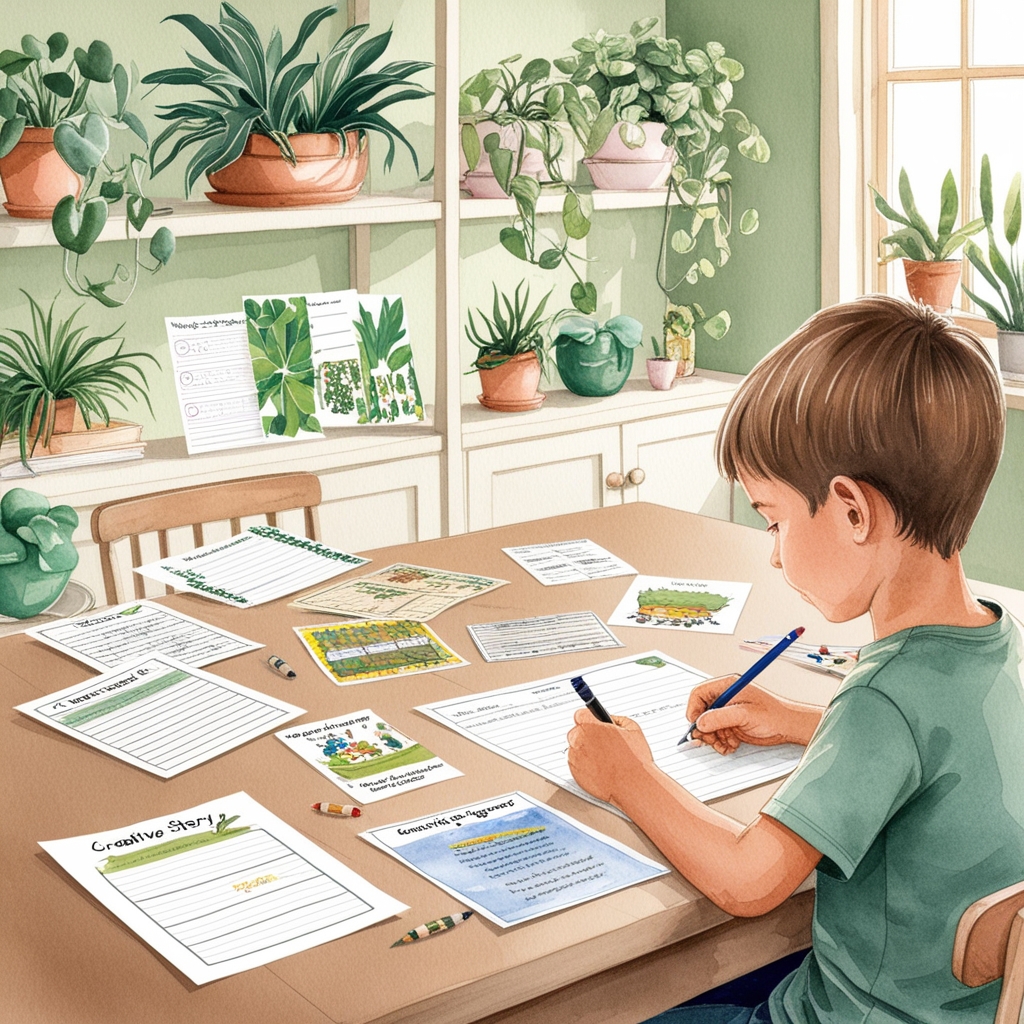
Choosing the right homeschool language arts curriculum PDF requires careful evaluation of multiple factors. Systematic assessment helps families select programs that align with their educational philosophy, learning objectives, and practical constraints.
Educational Philosophy Alignment
Consider whether the curriculum’s approach matches your family’s educational values and teaching preferences. Some programs emphasize classical education principles, while others follow Charlotte Mason methods or contemporary educational research.
Review sample lessons to ensure the content, tone, and instructional methods align with your homeschooling philosophy and family values.
Scope and Sequence Evaluation
Examine the curriculum’s scope and sequence to ensure comprehensive coverage of language arts skills. Quality programs provide clear learning objectives, skill progressions, and assessment criteria for each grade level.
Compare the program’s scope with your state’s educational standards or your preferred educational framework to identify any gaps or overlaps that might require supplementation.
User Reviews and Testimonials
Research user experiences through homeschooling forums, curriculum review sites, and social media groups. Pay attention to comments about ease of implementation, student engagement levels, and long-term educational outcomes.
Consider reaching out to families with similar educational backgrounds or learning challenges to gather specific insights about curriculum effectiveness.
Sample Materials and Trial Periods
Many publishers offer sample lessons or trial periods that allow families to evaluate curricula before purchasing complete programs. Take advantage of these opportunities to assess instructional quality, layout design, and compatibility with your teaching style.
Test the materials with your children to gauge their engagement levels and comprehension of the instructional approach.
Implementation and Organization Strategies
Successful implementation of homeschool language arts curriculum PDF programs requires thoughtful planning and organization. Effective strategies help families maximize the benefits of digital curricula while maintaining educational consistency.
Digital Organization Systems
Create organized folder structures on your computer or cloud storage system to manage curriculum files effectively. Use clear naming conventions that include grade levels, subjects, and lesson numbers for easy retrieval.
Consider using educational planning software or apps that integrate with PDF curricula to track progress, schedule lessons, and maintain records. The scheduling and planning resources at HomeschoolingExperts.org provide additional organizational strategies.
Printing and Binding Considerations
Develop efficient printing strategies that balance convenience with cost-effectiveness. Consider printing entire units at once, using duplex printing to save paper, and investing in quality binding methods for frequently used materials.
Create reusable materials by laminating frequently used worksheets or printing answer keys separately to preserve student workbooks for multiple children.
Lesson Planning Integration
Integrate PDF curriculum materials into your broader homeschool planning system. Many families benefit from weekly or monthly planning sessions that align language arts lessons with other subjects and family activities.
Use the curriculum’s suggested pacing guides as starting points, but adjust timing based on your child’s learning pace and comprehension levels.
Progress Tracking and Assessment
Establish consistent methods for tracking student progress through PDF curricula. This might include digital portfolios, printed progress charts, or online gradebooks that document completed lessons and mastered skills.
Regular assessment helps identify areas where students need additional support or acceleration, allowing for timely curriculum adjustments.
Customization and Adaptation Tips
One significant advantage of homeschool language arts curriculum PDF programs is their adaptability to individual learning needs. Strategic customization helps families address diverse learning styles, special needs, and varying academic levels within the same household.
Adapting for Different Learning Styles
Visual learners benefit from highlighting key concepts, adding graphic organizers, and creating visual vocabulary cards from curriculum content. Kinesthetic learners may need movement breaks between lessons and hands-on activities that reinforce abstract concepts.
Auditory learners often benefit from reading lessons aloud, using text-to-speech software for PDF materials, and incorporating discussion-based activities that supplement written assignments.
Accommodating Special Needs
PDF curricula can be easily modified for students with special needs. Text can be enlarged for students with visual processing difficulties, lessons can be broken into smaller segments for attention challenges, and additional practice materials can be printed as needed.
Consider using assistive technology tools that work with PDF files, such as screen readers, highlighting software, or voice recognition programs that support students with specific learning differences.
Multi-Level Teaching Strategies
Families with children at different grade levels can often use portions of the same curriculum with modifications. Younger students might complete simplified versions of activities while older students tackle extension assignments or independent research projects.
Create family learning opportunities by selecting literature or writing topics that allow for age-appropriate participation from multiple children simultaneously.
Supplementation and Enrichment
Identify areas where your chosen curriculum might need supplementation and develop strategies for addressing these gaps. This might involve adding specific grammar practice, incorporating more diverse literature selections, or providing additional writing opportunities.
Use the activities and ideas section to find creative ways to enhance your PDF curriculum with engaging, hands-on learning experiences.
Troubleshooting Common Challenges
Even well-chosen homeschool language arts curriculum PDF programs may present implementation challenges. Understanding common issues and their solutions helps families maintain educational momentum and student engagement.
Technical Difficulties and Solutions
PDF compatibility issues can sometimes arise with different devices or software versions. Ensure you have updated PDF reading software and consider alternative programs if formatting problems persist.
Printing problems often stem from margin settings or paper size configurations. Most curricula provide printing guidelines that optimize page layout and readability.
Student Engagement and Motivation
If students show decreased engagement with PDF materials, consider incorporating more interactive elements such as online discussions, multimedia supplements, or hands-on projects that complement the curriculum.
Sometimes changing the physical learning environment or study schedule can reinvigorate interest in curriculum materials that have become routine.
Pacing and Time Management Issues
Families often struggle with curriculum pacing, either moving too quickly through materials or falling behind suggested schedules. Remember that PDF curricula offer flexibility to adjust pacing based on individual learning needs rather than arbitrary timelines.
Consider focusing on mastery rather than completion, allowing students to spend additional time on challenging concepts while accelerating through familiar material.
Assessment and Evaluation Concerns
Some parents worry about adequately assessing student progress without traditional textbook tests. Create alternative assessment methods such as portfolio reviews, oral presentations, or project-based evaluations that demonstrate learning outcomes.
Many PDF curricula include assessment rubrics and evaluation tools that can be adapted to your family’s assessment preferences and requirements.
Frequently Asked Questions
What age range do homeschool language arts curriculum PDFs typically cover?
Most PDF curricula cover kindergarten through 12th grade, with many publishers offering complete K-12 sequences. Programs are typically designed for specific grade ranges such as elementary (K-5), middle school (6-8), or high school (9-12), though some offer more flexible, multi-level approaches suitable for mixed-age teaching.
Can I legally print and use PDF curricula for multiple children?
Usage rights vary by publisher, but most homeschool PDF curricula allow printing and use for all children within a single household. Always review the license agreement before purchasing to understand specific terms regarding printing, sharing, and multi-child usage rights.
How do PDF curricula compare in cost to traditional textbooks?
PDF curricula typically cost 30-60% less than equivalent traditional textbook programs. A complete grade-level PDF program often ranges from $50-200, while traditional textbook sets can cost $200-500 or more, not including shipping and potential replacement costs.
What technical requirements do I need for PDF curricula?
Basic requirements include a computer or tablet with PDF reading software (such as Adobe Reader), internet access for downloading, and a printer for hard copies. Most programs are compatible with Windows, Mac, and mobile devices, though some interactive features may require specific software versions.
How do I know if a PDF curriculum will meet state educational requirements?
Research your state’s homeschool regulations and academic standards, then compare them with the curriculum’s scope and sequence. Many PDF publishers provide standards alignment charts showing how their programs meet common state requirements. The Home School Legal Defense Association offers state-specific guidance on educational requirements.
Can I get refunds if a PDF curriculum doesn’t work for my family?
Refund policies vary significantly among publishers. Some offer satisfaction guarantees or trial periods, while others have no-refund policies due to the digital nature of the products. Always review return policies before purchasing and consider starting with sample materials when available.
How do I supplement PDF curricula with hands-on activities?
Many PDF programs include suggestions for hands-on extensions, but you can also add activities like creative writing projects, literature-based crafts, author studies, or community-based learning experiences. Online homeschooling communities and educational blogs offer numerous ideas for enhancing digital curricula with interactive elements.
📚 Recommended Homeschool Resources
As an Amazon Associate, I earn from qualifying purchases. Some links in this article are affiliate links, meaning I may earn a small commission at no extra cost to you.
Conclusion
Choosing the right homeschool language arts curriculum PDF can significantly enhance your family’s educational experience while providing flexibility, affordability, and comprehensive coverage of essential literacy skills. The key to success lies in careful evaluation of your family’s needs, thorough research of available options, and thoughtful implementation strategies that maximize the benefits of digital learning resources.
Remember that no single curriculum will be perfect for every child or family situation. The beauty of PDF curricula lies in their adaptability and the ability to customize materials to meet individual learning needs. Whether you’re seeking a complete language arts solution or supplemental resources to enhance your existing program, PDF curricula offer valuable tools for homeschooling success.
Take time to explore sample materials, read user reviews, and consider how different programs align with your educational goals and teaching style. With careful selection and thoughtful implementation, a quality PDF language arts curriculum can provide years of effective, engaging education for your children.
Ready to explore curriculum options? Visit our lesson plan shop to discover high-quality educational resources, or contact our team for personalized curriculum recommendations based on your family’s specific needs.
Related Resources
Enhance your homeschooling journey with these additional resources from HomeschoolingExperts.org:
- Curriculum Methods and Approaches – Explore different educational philosophies and teaching methods to find the best fit for your family
- Grade Level Planning Guides – Access comprehensive guides for planning curriculum and activities for each grade level
- Getting Started with Homeschooling – Essential information and resources for families beginning their homeschool journey

Loved this post? Grab the free resource above.
Compare Charlotte Mason, Classical, Montessori, Waldorf, and more in one printable side-by-side guide.