
Free K-3 Hands-On Lesson Plan
Math Adventures: Everyday Numbers — printable PDF with 10 hands-on activities your kids will love.
Finding effective toddler learning activities printable resources can transform your homeschool experience by providing structured, engaging educational content that develops your little one’s essential skills. These downloadable activities offer busy parents a convenient way to support their toddler’s cognitive, motor, and social development through hands-on learning experiences that can be used anywhere, anytime.
Printable learning activities serve as invaluable tools for homeschooling families, offering age-appropriate challenges that grow with your child while building foundational skills in literacy, numeracy, problem-solving, and creativity. Whether you’re looking to supplement your existing curriculum or create engaging learning moments throughout your day, these resources provide the flexibility and structure that modern homeschooling families need.
This comprehensive guide will walk you through everything you need to know about selecting, implementing, and maximizing printable learning activities for toddlers aged 18 months to 4 years, ensuring your homeschool journey starts with confidence and success.
Key Takeaways
- Printable toddler activities support multiple developmental areas including fine motor skills, cognitive growth, and early literacy
- Quality printables should be age-appropriate, safe, and aligned with early childhood development milestones
- Successful implementation requires proper preparation, supervision, and adaptation to your child’s interests and abilities
- Free and paid resources are available, with paid options often offering more comprehensive curriculum alignment
- Regular assessment and documentation help track progress and identify areas for additional focus
Benefits of Printable Learning Activities for Toddlers
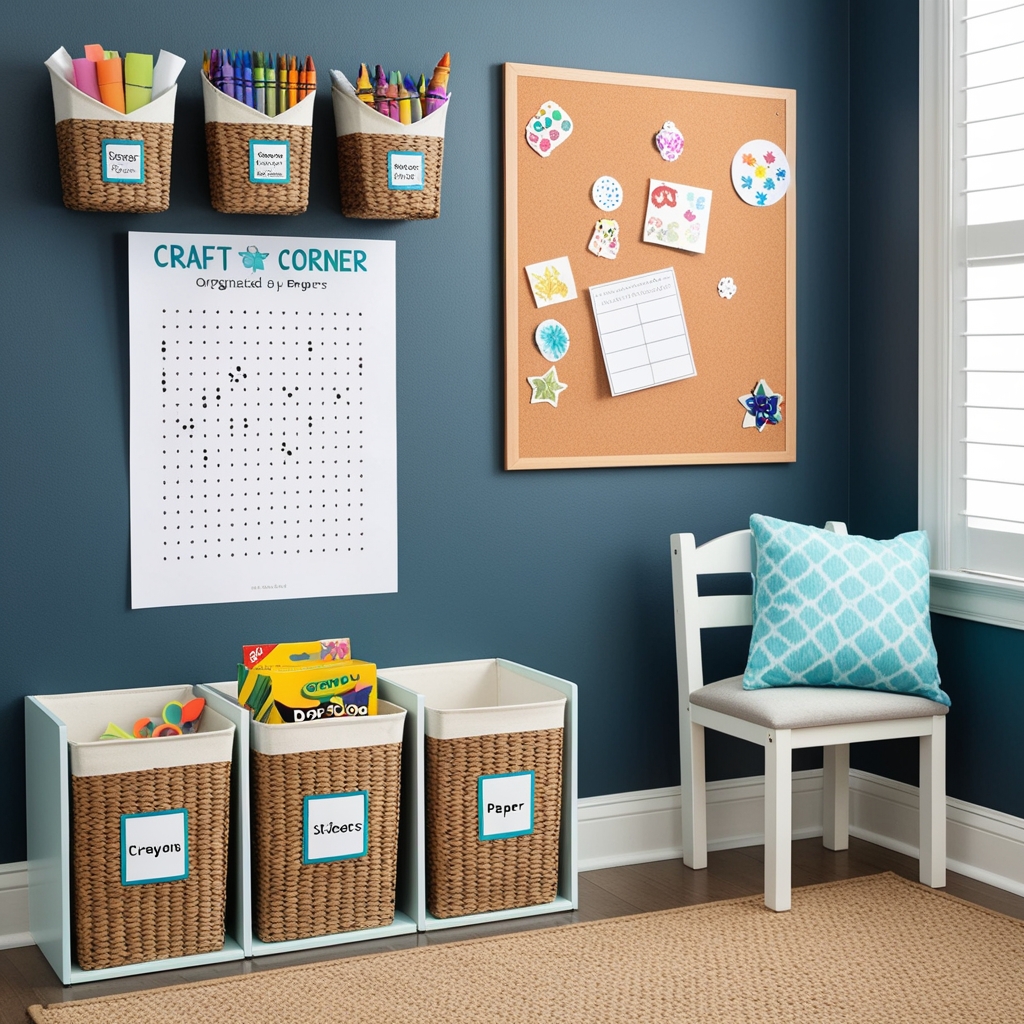
Printable learning activities offer numerous advantages for homeschooling families with toddlers. These resources provide immediate access to educational content without the need for extensive preparation or expensive materials, making quality education accessible to families regardless of budget constraints.
Research from the National Association for the Education of Young Children emphasizes that developmentally appropriate practices in early childhood education significantly impact long-term academic success. Printable activities allow parents to implement these practices consistently at home.
Cost-Effective Educational Solutions
Unlike traditional educational materials that can cost hundreds of dollars, printable activities offer affordable access to high-quality learning resources. Many free options are available, while premium collections typically cost less than a single textbook yet provide months of educational content.
The ability to print multiple copies means activities can be repeated as needed, accommodating different learning paces and providing opportunities for skill reinforcement without additional costs.
Flexibility and Convenience
Printable resources adapt to your family’s schedule and learning environment. Whether you’re at home, visiting grandparents, or traveling, these activities can be printed in advance and used anywhere.
This flexibility proves especially valuable for homeschooling families who prefer non-traditional schedules or need educational activities that can be quickly accessed when teachable moments arise.
Customization Opportunities
Many printable activities can be modified to match your toddler’s specific interests and developmental level. Parents can adjust difficulty levels, incorporate family photos, or adapt themes to align with seasonal celebrations or family traditions.
Key Developmental Areas Addressed
Effective toddler learning activities printable resources target multiple developmental domains simultaneously, maximizing learning opportunities while keeping activities engaging and age-appropriate.
Cognitive Development
Cognitive skills form the foundation for future academic success. Printable activities support cognitive development through pattern recognition, problem-solving challenges, and memory games that strengthen neural pathways.
Activities focusing on sorting, matching, and categorizing help toddlers develop logical thinking skills while building vocabulary and conceptual understanding. These skills directly correlate with later success in mathematics and reading comprehension.
Fine Motor Skills Enhancement
Fine motor development is crucial for future writing abilities and self-care skills. Printable activities incorporate tracing, cutting, coloring, and manipulative tasks that strengthen hand muscles and improve hand-eye coordination.
Progressive skill-building through printable activities helps toddlers develop the precise motor control needed for pencil grip, scissors use, and eventually, independent writing.
Language and Literacy Foundation
Early literacy development begins long before formal reading instruction. Printable activities introduce letter recognition, phonemic awareness, and vocabulary development through engaging, multi-sensory approaches.
According to the U.S. Department of Education, children who receive quality early literacy instruction are more likely to become successful readers, making these foundational activities critically important.
Mathematical Concepts Introduction
Early mathematical thinking develops through concrete experiences with numbers, shapes, patterns, and spatial relationships. Printable activities introduce these concepts through counting games, shape recognition, and basic measurement activities.
These early experiences create positive associations with mathematics while building essential numeracy skills that support later formal math instruction.
How to Choose Age-Appropriate Printable Activities
Selecting appropriate printable activities requires understanding your toddler’s current developmental stage and individual interests. Age recommendations provide general guidelines, but individual readiness varies significantly among children.
Assessing Your Toddler’s Readiness
Before introducing new printable activities, observe your child’s current abilities and interests. Can they hold a crayon with intention? Do they show interest in books or letters? Are they beginning to recognize colors or shapes?
These observations help you select activities that provide appropriate challenge without causing frustration. Activities should be engaging but achievable with minimal adult assistance.
Age-Specific Considerations
For 18-24 month toddlers, focus on simple coloring pages, large shape matching, and basic sensory activities. Two-year-olds can handle more complex coloring, simple puzzles, and beginning letter recognition activities.
Three-year-olds are ready for pre-writing activities, counting exercises, and more detailed coloring pages. Four-year-olds can tackle beginning phonics activities, simple addition concepts, and complex pattern recognition.
Quality Indicators
High-quality printable activities feature clear, age-appropriate graphics, logical skill progression, and educational objectives aligned with early childhood development standards. Look for resources that provide parent guidance and extension activities.
Avoid activities with overly complex instructions, inappropriate content, or unclear educational objectives. Quality resources should enhance learning rather than simply occupy time.
Types of Toddler Learning Activities Printable Resources
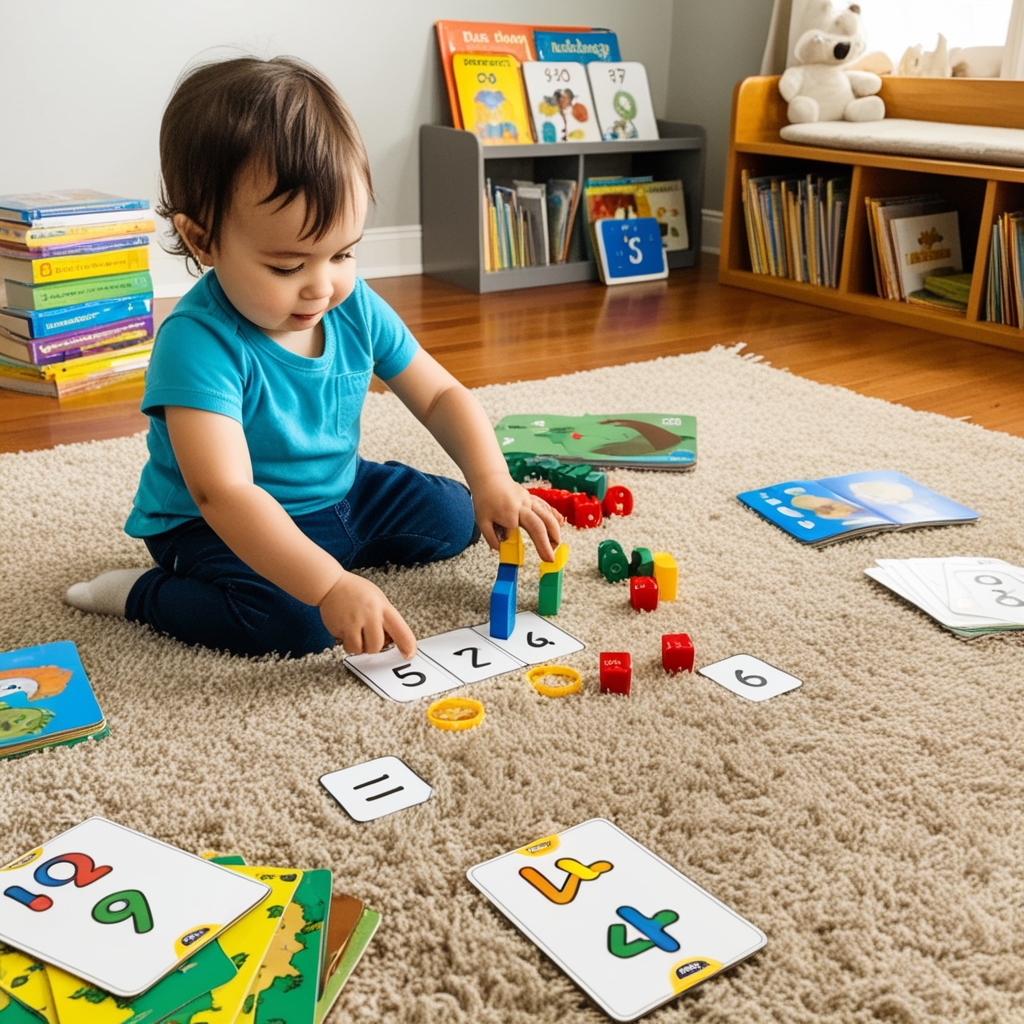
The variety of available toddler learning activities printable options ensures you can find resources matching your child’s interests and developmental needs. Understanding different activity types helps you create a well-rounded educational experience.
Coloring and Art Activities
Coloring pages designed for toddlers feature large, simple designs that promote creativity while developing fine motor skills. These activities can be themed around seasons, animals, shapes, or letters to reinforce specific learning objectives.
Advanced coloring activities might include color-by-number pages or pattern completion exercises that combine artistic expression with cognitive challenges.
Pre-Writing and Tracing Worksheets
Pre-writing activities help toddlers develop the motor skills necessary for future writing success. These printables typically include straight line tracing, curved line practice, and eventually letter formation exercises.
Progressive difficulty levels allow children to build skills gradually, starting with simple horizontal and vertical lines before advancing to complex letter shapes.
Math and Number Recognition
Early mathematics printables introduce number recognition, counting, and basic mathematical concepts through visual and hands-on activities. These might include number tracing, counting exercises, and simple addition using pictures.
Shape recognition activities, pattern completion, and size comparison exercises build spatial reasoning skills essential for later mathematical understanding.
Science and Discovery Activities
Science-themed printables encourage curiosity and observation skills through nature identification, weather tracking, and simple experiment recording sheets. These activities foster scientific thinking and vocabulary development.
Seasonal science activities help toddlers observe and document changes in their environment while building understanding of natural cycles and cause-and-effect relationships.
Social Skills and Emotional Learning
Printable activities addressing social-emotional development include emotion identification cards, family tree templates, and community helper recognition sheets. These resources support important life skills development alongside academic learning.
Implementation Tips for Maximum Learning
Successful implementation of printable learning activities requires thoughtful preparation and consistent approach. The way you introduce and facilitate these activities significantly impacts their educational effectiveness.
Creating an Optimal Learning Environment
Establish a dedicated learning space that minimizes distractions and provides easy access to necessary materials. This space should be child-sized, well-lit, and stocked with age-appropriate writing tools, safety scissors, and other supplies.
Organization is key to maintaining engagement. Store completed activities in portfolios or binders to track progress and provide opportunities for review and celebration of achievements.
Introducing New Activities
When introducing new printable activities, model the expected behavior and provide clear, simple instructions. Start with demonstration, then guide your toddler through the first few steps before allowing independent work.
Keep initial sessions short (10-15 minutes) to match toddler attention spans. Gradually increase duration as your child’s focus and interest develop.
Providing Appropriate Support
Offer encouragement and assistance without taking over the activity. Ask open-ended questions that promote thinking: “What do you notice about these shapes?” or “Which color would you like to use next?”
Celebrate effort rather than perfection. Focus on the learning process and skill development rather than the final product appearance.
Adapting for Individual Needs
Some toddlers may need activities simplified, while others require additional challenges. Be prepared to modify activities by reducing complexity, providing additional examples, or extending learning through related activities.
For more comprehensive resources and professional guidance, visit our lesson plan shop for expertly designed educational materials.
Creating a Structured Learning Routine
Establishing consistent routines around toddler learning activities printable resources helps maximize educational benefits while creating positive associations with learning. Predictable schedules provide security and help toddlers transition into focused learning time.
Daily Schedule Integration
Integrate printable activities into natural daily rhythms rather than forcing rigid schedules. Many families find success with brief morning activities, post-lunch quiet time learning, or pre-dinner educational play.
Consider your toddler’s energy levels and attention patterns when scheduling learning time. Some children focus best in the morning, while others are more receptive after physical activity or meals.
Weekly Planning Strategies
Plan weekly themes or focus areas to provide continuity while maintaining variety. For example, dedicate Monday to letter recognition, Tuesday to number activities, Wednesday to science exploration, and so forth.
Prepare activities in advance to ensure smooth transitions and minimize setup time. Having materials ready prevents delays that can derail toddler attention and enthusiasm.
Seasonal and Holiday Integration
Incorporate seasonal themes and holiday celebrations to maintain engagement and relevance. Seasonal activities help toddlers understand time concepts while providing meaningful contexts for learning.
Holiday-themed activities can reinforce family traditions while providing educational opportunities around cultural awareness, counting, and creative expression.
Assessing Progress and Documenting Growth
Regular assessment helps ensure printable activities effectively support your toddler’s development while identifying areas needing additional attention or challenge. Documentation provides valuable records for future educational planning.
Informal Assessment Techniques
Observe your toddler during activities, noting engagement levels, problem-solving approaches, and skill demonstration. Take photos or videos of your child working to document progress over time.
Create simple checklists tracking skill development in areas like fine motor control, letter recognition, or counting ability. These records help identify patterns and growth areas.
Portfolio Development
Maintain a portfolio of completed activities, organizing them chronologically to show development progression. Include photos, work samples, and brief notes about your child’s approach to different activities.
Review portfolios regularly with your toddler, celebrating growth and discussing favorite activities. This reflection reinforces learning while building positive associations with educational activities.
Adjusting Based on Progress
Use assessment information to adjust activity selection and difficulty levels. If your toddler consistently completes activities quickly and easily, introduce more challenging materials.
Conversely, if activities consistently cause frustration, step back to simpler options or provide additional support and practice with foundational skills.
Troubleshooting Common Challenges
Even well-planned printable activity programs encounter challenges. Understanding common issues and having solutions ready helps maintain positive learning experiences while addressing obstacles constructively.
Resistance to Activities
If your toddler shows resistance to printable activities, examine potential causes. Are activities too difficult or too easy? Is the environment distracting? Are you inadvertently creating pressure or stress?
Try offering choices between activities, incorporating your child’s interests, or changing the timing or location of learning sessions. Sometimes a simple environmental adjustment resolves resistance issues.
Short Attention Spans
Toddler attention spans naturally vary, but consistently short focus periods may indicate activities are inappropriate for current developmental levels or interests.
Break complex activities into smaller segments, provide movement breaks, or alternate between active and quiet activities to maintain engagement throughout learning sessions.
Perfectionism and Frustration
Some toddlers become frustrated when their work doesn’t match their expectations or adult examples. Emphasize process over product, model making mistakes, and celebrate effort and improvement.
Provide activities with multiple correct solutions or open-ended creative options to reduce performance pressure while maintaining educational value.
Material Management Issues
Lost materials, damaged printables, or disorganized supplies can disrupt learning flow. Establish clear storage systems, laminate frequently used materials, and involve your toddler in cleanup routines.
Consider digital storage of printable files to enable easy reprinting when materials are lost or damaged.
Frequently Asked Questions
At what age should I start using printable learning activities with my toddler?
Most toddlers can begin simple printable activities around 18-24 months, starting with large coloring pages and basic matching activities. The key is choosing age-appropriate materials that match your child’s developmental stage rather than chronological age. Look for signs of interest in books, crayons, or paper-based activities as indicators of readiness.
How long should toddler printable activity sessions last?
Toddler attention spans typically range from 5-15 minutes for focused activities. Start with shorter sessions (5-10 minutes) and gradually increase duration as your child’s interest and focus develop. It’s better to have multiple short, positive experiences than one long, frustrating session.
Are free printable activities as effective as paid resources?
Both free and paid printable activities can be effective when chosen appropriately. Free resources work well for basic skill practice, while paid resources often offer more comprehensive curriculum alignment, professional design, and parent guidance materials. The key is selecting high-quality materials regardless of cost.
How do I know if a printable activity is too advanced for my toddler?
Signs that an activity may be too advanced include consistent frustration, inability to complete tasks even with help, or lack of engagement. If your toddler needs constant adult assistance or shows signs of stress, consider stepping back to simpler activities and gradually building skills.
Should I correct my toddler’s work on printable activities?
Focus on effort and process rather than perfect execution. Gentle guidance is appropriate, but avoid over-correcting or redoing your toddler’s work. The learning happens through the doing, not necessarily through perfect results. Celebrate attempts and improvements rather than demanding perfection.
How can I make printable activities more engaging for my reluctant toddler?
Try incorporating your child’s interests into activity selection, offering choices between options, using special materials like stickers or stamps, or turning activities into games. Sometimes changing the location or time of day can also increase engagement. Consider your child’s learning style and adapt accordingly.
What supplies do I need for toddler printable learning activities?
Basic supplies include a printer, paper, large crayons or markers, safety scissors, glue sticks, and a child-sized workspace. Consider laminating frequently used materials and using dry-erase markers for reusable activities. Having materials organized and easily accessible helps maintain smooth learning sessions.
Montessori at Home
As an Amazon Associate, HomeschoolingExperts earns from qualifying purchases. Some links in this article are affiliate links, meaning we may earn a small commission at no extra cost to you.
Conclusion
Implementing toddler learning activities printable resources in your homeschool routine provides an excellent foundation for your child’s educational journey. These versatile tools support multiple developmental areas while offering the flexibility and affordability that modern homeschooling families need.
Success with printable activities depends on thoughtful selection, appropriate implementation, and consistent support. By understanding your toddler’s developmental needs, creating supportive learning environments, and maintaining realistic expectations, you can maximize the educational benefits of these valuable resources.
Remember that every child develops at their own pace, and the goal is to foster a love of learning rather than achieve perfect performance. Celebrate small victories, maintain patience during challenges, and trust that consistent, positive learning experiences will build the foundation for future academic success.
Ready to get started? Explore our comprehensive collection of professionally designed educational materials and connect with our community of experienced homeschooling families who can provide ongoing support and encouragement throughout your journey.
Related Resources
For additional support in your homeschooling journey, explore these valuable resources:
- Creative Learning Activities and Ideas – Discover innovative approaches to hands-on learning
- Getting Started with Homeschooling – Essential guidance for new homeschooling families
- About HomeschoolingExperts.org – Learn more about our mission and educational philosophy

Loved this post? Grab the free resource above.
Math Adventures: Everyday Numbers — printable PDF with 10 hands-on activities your kids will love.