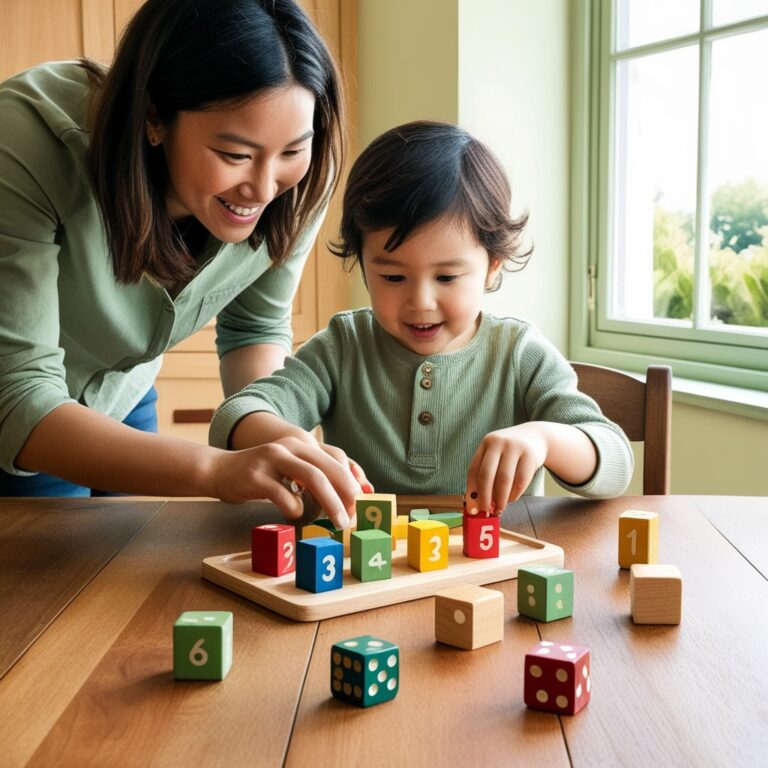
Free K-3 Hands-On Lesson Plan
Math Adventures: Everyday Numbers — printable PDF with 10 hands-on activities your kids will love.
Unschooling activities and resources offer families a natural, child-led approach to education that follows children’s interests and curiosity rather than predetermined curricula. This educational philosophy, pioneered by educator John Holt in the 1970s, empowers children to learn through real-world experiences, exploration, and self-directed discovery.
Unlike traditional homeschooling methods, unschooling trusts that children are natural learners who will acquire knowledge and skills when they need them. This approach requires parents to shift from being instructors to becoming facilitators, providing rich environments and resources that support their children’s innate desire to learn and grow.
In this comprehensive guide, we’ll explore practical unschooling activities, essential resources, and strategies to help you create an engaging learning environment that nurtures your child’s natural curiosity and supports their educational journey without the constraints of traditional classroom structures.
Key Takeaways
- Unschooling follows children’s natural interests and curiosity rather than predetermined curricula
- Parents act as facilitators and resource providers rather than traditional instructors
- Real-world experiences and hands-on activities form the foundation of unschooling
- Technology, community resources, and nature-based learning are essential components
- Documentation and flexible assessment methods help track progress without formal testing
Understanding the Unschooling Philosophy
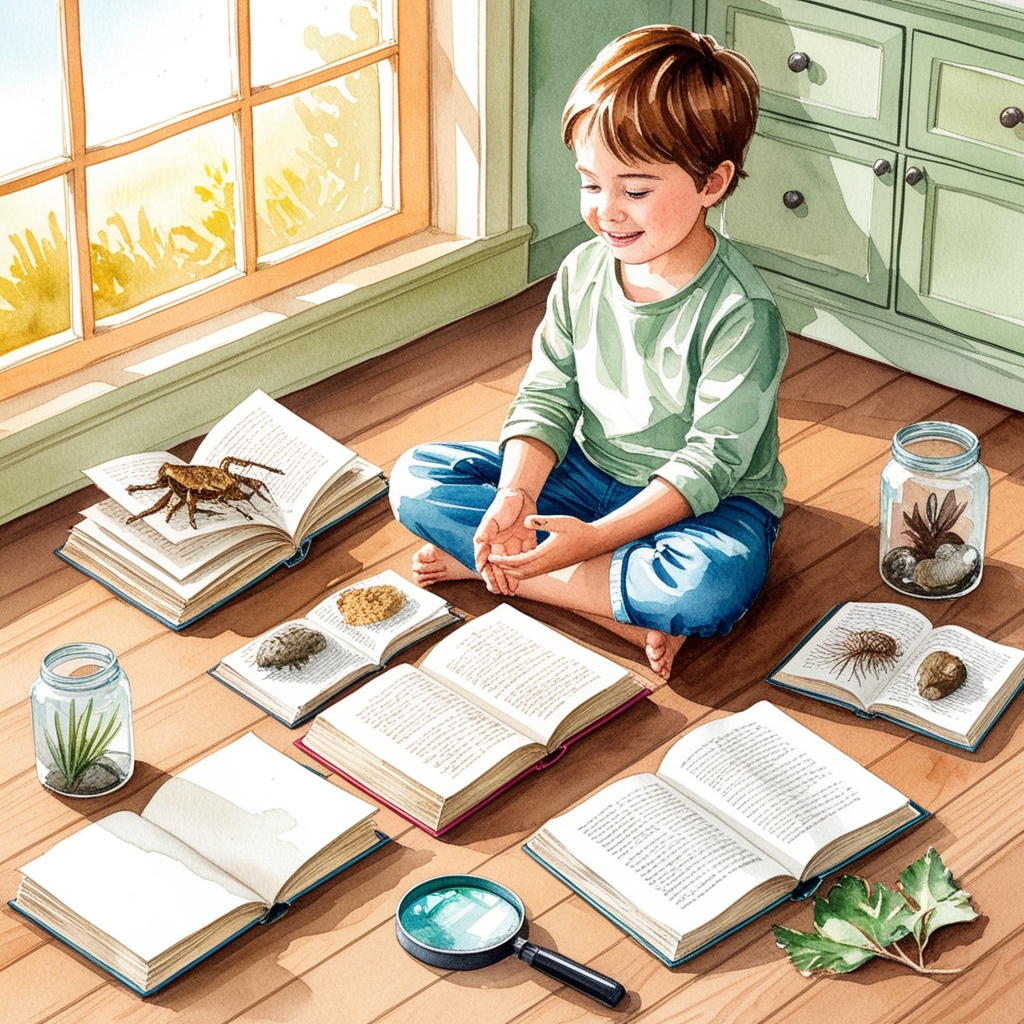
Unschooling activities stem from the fundamental belief that children learn best when they’re genuinely interested and engaged. This educational approach recognizes that learning happens naturally through living, playing, and exploring the world around us.
Core Principles of Unschooling
The foundation of successful unschooling rests on several key principles that guide how families approach education. Trust forms the cornerstone—trust in children’s ability to learn, trust in their natural curiosity, and trust in the learning process itself.
Child-led learning means following your child’s interests and questions rather than imposing external expectations. When a child shows fascination with dinosaurs, that interest can lead to paleontology, geology, history, geography, and scientific research methods naturally.
Creating a Learning-Rich Environment
Successful unschooling requires intentional environment creation. This doesn’t mean purchasing expensive educational materials, but rather ensuring access to diverse experiences, books, art supplies, building materials, and opportunities for exploration.
Consider your home and community as an extended classroom. Libraries, museums, parks, workshops, and everyday locations become venues for discovery and learning when viewed through an unschooling lens.
Nature-Based Unschooling Activities
Nature provides unlimited opportunities for unschooling activities that engage multiple senses and learning styles. Outdoor exploration naturally integrates science, mathematics, art, and physical education without artificial subject divisions.
Seasonal Nature Studies
Each season offers unique learning opportunities that children can explore at their own pace and interest level. Spring might bring questions about plant growth, leading to gardening projects, botanical studies, or investigations into photosynthesis.
Summer exploration could include water studies, insect observation, or astronomy sessions during longer daylight hours. Fall naturally introduces concepts of change, cycles, and preparation, while winter might spark interest in animal adaptations, weather patterns, or indoor growing projects.
Nature Journaling and Documentation
Encourage children to document their outdoor discoveries through nature journals. These personal records become valuable learning tools that develop observation skills, scientific thinking, and artistic expression simultaneously.
Nature journaling can include sketches, pressed flowers, weather observations, animal behavior notes, or questions for future investigation. This practice develops writing skills organically while pursuing genuine interests.
Outdoor Skill Development
Practical outdoor skills provide hands-on learning opportunities that build confidence and competence. Activities might include:
- Fire building and outdoor cooking
- Plant identification and foraging basics
- Shelter construction and camping skills
- Navigation using maps and natural landmarks
- Weather prediction through observation
- Wildlife tracking and behavior study
Hands-On Learning Through Daily Life
Daily life activities provide rich unschooling resources that develop practical skills while reinforcing academic concepts. Cooking, cleaning, budgeting, and home maintenance become natural learning laboratories.
Kitchen Chemistry and Mathematics
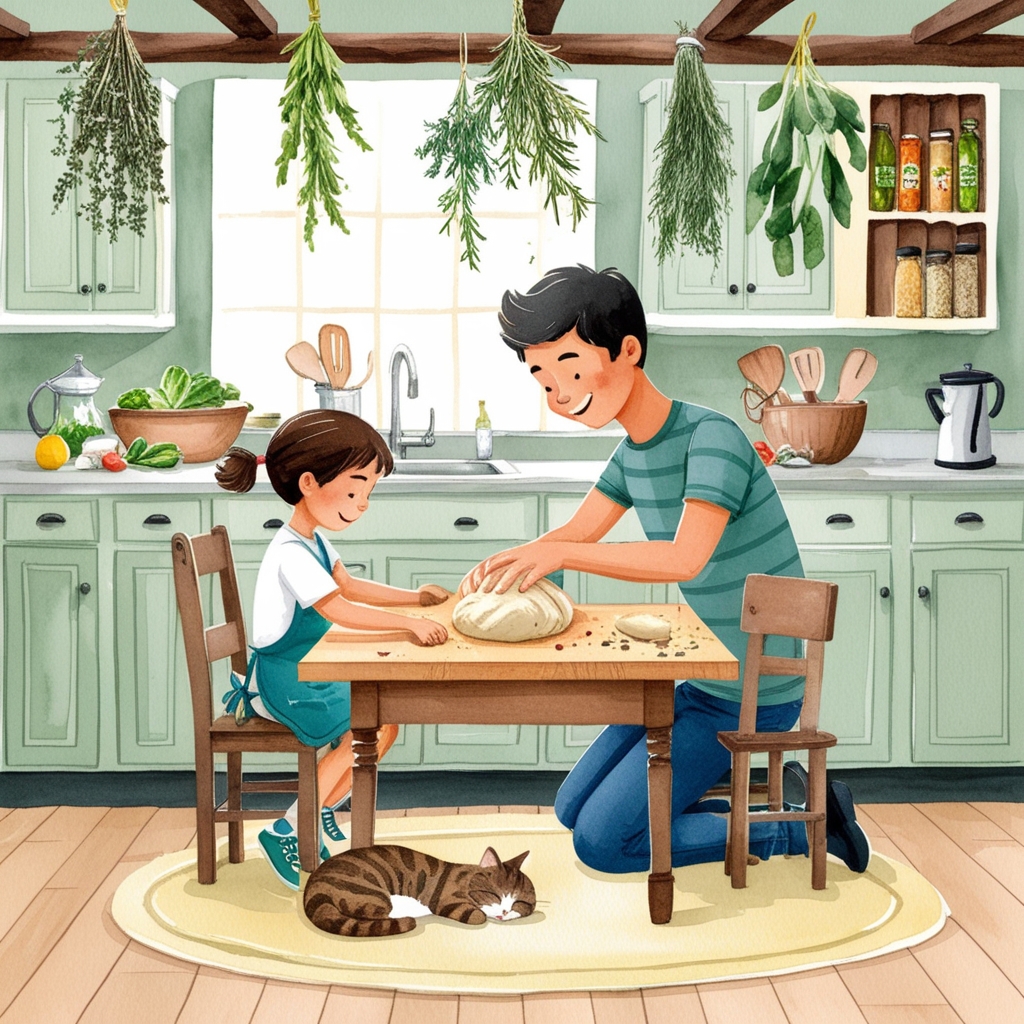
Cooking offers endless opportunities for mathematical thinking, scientific observation, and cultural exploration. Measuring ingredients develops fraction concepts, while observing chemical reactions during baking introduces scientific principles.
Recipe modification encourages problem-solving and proportional thinking. Exploring cuisines from different cultures naturally leads to geography, history, and social studies discussions.
Home Economics and Life Skills
Managing household responsibilities teaches valuable life skills while providing practical applications for academic concepts. Budgeting groceries involves mathematics, comparison shopping develops critical thinking, and meal planning requires organizational skills.
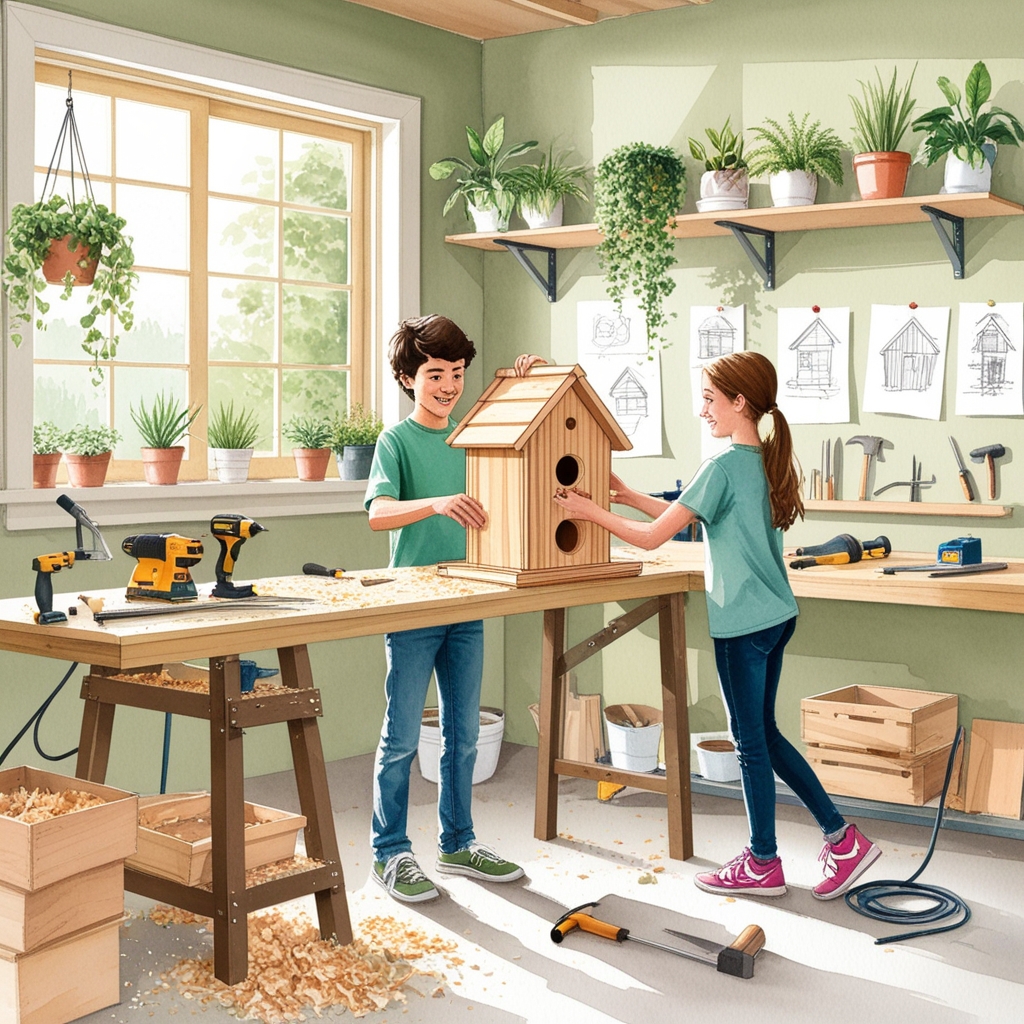
Home repair projects introduce physics concepts, tool usage, and problem-solving strategies. Children learn measurement, spatial reasoning, and cause-and-effect relationships through real-world applications.
Entrepreneurial Projects
Small business ventures provide comprehensive learning experiences that integrate multiple skill areas. Whether selling crafts, offering services, or developing products, entrepreneurial activities teach:
- Financial literacy and money management
- Marketing and communication skills
- Customer service and interpersonal relations
- Problem-solving and creative thinking
- Goal setting and project management
Technology and Digital Resources for Unschoolers
Technology serves as a powerful tool for unschooling activities when used thoughtfully and purposefully. Digital resources can expand learning opportunities, connect children with global communities, and provide access to information and experiences beyond local limitations.
Educational Platforms and Online Communities
Numerous online platforms support self-directed learning through interactive courses, virtual field trips, and collaborative projects. Khan Academy offers free courses across multiple subjects, allowing children to explore topics at their own pace and level.
The U.S. Department of Education provides resources and guidelines that can help families understand educational standards while maintaining flexibility in their unschooling approach.
Digital Creation Tools
Creative technology tools enable children to produce original content, express ideas, and develop digital literacy skills. Video editing software, graphic design programs, and coding platforms provide outlets for artistic and technical expression.
Blogging, podcasting, and social media creation (with appropriate supervision) help children develop communication skills while sharing their interests and learning with broader audiences.
Virtual Exploration and Research
Digital tools expand exploration possibilities beyond physical limitations. Virtual museum tours, online archives, and interactive simulations provide access to resources and experiences that might otherwise be unavailable.
Research skills develop naturally as children pursue questions and interests using online databases, academic resources, and expert interviews conducted through video conferencing.
Building Community Connections and Real-World Learning
Unschooling activities flourish when families actively engage with their communities and seek real-world learning opportunities. These connections provide mentorship, practical experience, and social interaction that enriches the educational experience.
Mentorship and Apprenticeship Opportunities
Connecting children with adults who share their interests provides valuable mentorship and real-world skill development. Local artisans, professionals, and community members often welcome enthusiastic young learners who show genuine interest in their work.
These relationships can develop into informal apprenticeships where children learn practical skills, work habits, and industry knowledge through hands-on experience and observation.
Community Service and Civic Engagement
Volunteer work provides meaningful learning experiences while developing social responsibility and civic awareness. Children can contribute to causes they care about while learning about community needs, organizational structures, and collaborative problem-solving.
Service projects often integrate multiple learning areas naturally. Environmental cleanup efforts combine science education with physical activity and community engagement.
Local Resource Utilization
Every community offers unique unschooling resources waiting to be discovered and utilized. Libraries provide more than books—they often offer workshops, maker spaces, and community programs. Museums, historical sites, and cultural centers provide educational programming and behind-the-scenes learning opportunities.
Local businesses, government offices, and nonprofit organizations can provide field trip destinations, expert speakers, and real-world learning contexts that bring abstract concepts to life.
Creative Expression and Arts Integration
Creative expression forms a vital component of unschooling activities, providing outlets for self-expression while developing cognitive skills, emotional intelligence, and cultural awareness. The arts integrate naturally with other learning areas and provide alternative ways to explore and communicate ideas.
Visual Arts Exploration
Visual arts activities can spring from any interest or topic of study. Scientific observation drawings develop both artistic skills and scientific thinking. Historical art projects provide cultural context while developing creative techniques.
Providing access to diverse art materials and techniques allows children to experiment and discover their preferred modes of expression. Digital art tools expand creative possibilities while developing technological skills.
Music and Sound Exploration
Musical activities develop mathematical thinking, cultural awareness, and emotional expression. Children might explore music from different cultures, learn instruments, compose original pieces, or investigate the science of sound and acoustics.
Technology enables music creation and manipulation that was previously available only to professional studios. Recording, editing, and sharing musical creations provides comprehensive learning experiences.
Creative Writing and Storytelling
Writing skills develop naturally when children have meaningful purposes for communication. Personal narratives, fictional stories, poetry, and informational writing can emerge from any area of interest or study.
Storytelling traditions from various cultures provide models and inspiration while developing oral communication skills and cultural awareness.
Essential Resources for Unschooling Families
Successful unschooling requires access to quality resources that support diverse interests and learning styles. These unschooling resources range from physical materials to digital tools, books, and community connections.
Building a Home Learning Library
A well-curated home library provides foundation resources for exploration and research. Focus on high-quality reference materials, diverse literature, and books that spark curiosity rather than textbooks that dictate learning sequences.
Consider including field guides, atlases, art books, biographies, poetry collections, and books about topics that interest your family. Library sales, used bookstores, and online resources can help build collections affordably.
Hands-On Learning Materials
Invest in open-ended materials that support multiple types of exploration and creation. Art supplies, building materials, scientific instruments, and craft supplies provide tools for investigation and expression.
Quality tools appropriate for children’s skill levels enable independent exploration and skill development. Consider materials that grow with children and support increasingly complex projects over time.
Digital and Online Resources
Curate digital resources that support your family’s interests and learning style. Educational websites, online courses, virtual field trips, and digital creation tools expand learning possibilities.
For additional support and structured activities, explore the lesson plan resources available through HomeschoolingExperts.org, which can supplement unschooling approaches when desired.
Community and Support Networks
Connect with other unschooling families through local groups, online communities, and educational cooperatives. These networks provide support, resource sharing, and social opportunities for both parents and children.
Professional organizations like the Home School Legal Defense Association offer legal guidance and advocacy for homeschooling families, including those following unschooling approaches.
Documentation and Assessment in Unschooling
While unschooling activities flow naturally from children’s interests, many families find value in documenting learning for legal requirements, college preparation, or personal reflection. Effective documentation captures the breadth and depth of learning without constraining the natural learning process.
Portfolio Development
Learning portfolios provide comprehensive records of educational experiences and growth over time. Include photos of projects, writing samples, artwork, and documentation of activities and field trips.
Digital portfolios using blogs, websites, or specialized software can organize materials effectively while providing easy sharing capabilities for college applications or other purposes.
Narrative Assessment Methods
Narrative assessments describe learning progress and achievements in detailed, personalized ways that capture the full scope of unschooling experiences. These assessments can highlight growth, challenges overcome, and skills developed through real-world applications.
Regular reflection sessions with children help them articulate their learning and set goals for future exploration. This metacognitive practice develops self-awareness and learning strategies.
Meeting Legal Requirements
Research your state’s homeschool requirements to ensure compliance while maintaining unschooling principles. Some states require testing, while others accept portfolio assessments or narrative evaluations.
Work with experienced unschooling families or educational consultants to develop documentation systems that satisfy legal requirements without compromising your educational approach.
Frequently Asked Questions
What age is best to start unschooling activities?
Unschooling can begin at any age, as it’s based on natural learning processes that occur from birth. Many families start unschooling activities in early childhood, while others transition from traditional schooling at various ages. The key is following your child’s readiness and interests regardless of age.
How do unschooled children learn math and reading?
Math and reading skills develop naturally through real-world applications and genuine interest. Children learn math through cooking, building, budgeting, and games. Reading develops through pursuing interests, following instructions, and accessing information they want to understand. Formal instruction occurs only when children request it or show readiness.
Will my unschooled child be prepared for college?
Many unschooled children successfully enter and excel in college. They often develop strong self-direction, critical thinking, and learning skills through their unschooling experience. College preparation may require some formal coursework or testing, but this can be addressed when college becomes a goal.
How much structure should unschooling activities have?
Unschooling activities should have minimal imposed structure, instead allowing natural rhythms and interests to guide learning. Some families benefit from loose routines or resource availability, but rigid schedules and mandatory activities contradict unschooling principles.
What if my child only wants to play video games?
Trust that children learn through all activities, including video games, which develop problem-solving, reading, strategic thinking, and technology skills. Provide rich alternatives and opportunities, but avoid restricting activities unless they’re harmful. Often, intense interests naturally evolve and expand over time.
How do I know if unschooling is working?
Look for signs of curiosity, engagement, skill development, and happiness in learning. Children who are learning naturally ask questions, pursue interests deeply, develop skills they need, and maintain their love of learning. Growth may look different from traditional measures but should be evident over time.
Can I combine unschooling with some formal curriculum?
Many families successfully blend unschooling activities with some formal instruction, often called “relaxed homeschooling” or “eclectic unschooling.” The key is maintaining the child-led principle and using formal materials only when they serve the child’s interests or goals.
Unschooling & Project-Based Picks
As an Amazon Associate, HomeschoolingExperts earns from qualifying purchases. Some links in this article are affiliate links, meaning we may earn a small commission at no extra cost to you.
Conclusion
Unschooling activities and resources provide families with powerful tools for nurturing natural learning and supporting children’s educational development through interest-led exploration. This approach requires trust in children’s innate ability to learn, commitment to providing rich environments and opportunities, and willingness to step back from traditional educational models.
Success in unschooling comes from understanding that learning happens everywhere and all the time when children are engaged and supported. By embracing nature-based activities, hands-on life experiences, community connections, and creative expression, families can create comprehensive educational experiences that prepare children for lifelong learning and success.
Remember that unschooling is a journey of discovery for both children and parents. Start small, follow interests, document the journey, and trust the process. The natural curiosity and joy in learning that unschooling preserves and nurtures will serve children throughout their lives.
Ready to begin your unschooling journey? Explore our comprehensive resources and connect with our community of experienced homeschooling families for ongoing support and inspiration.
Related Resources
Discover additional support for your homeschooling journey through these valuable resources:
- Creative Activities and Ideas – Explore more hands-on learning activities and creative projects
- Curriculum Methods and Approaches – Learn about different homeschooling philosophies and methods
- About HomeschoolingExperts.org – Discover our mission and expertise in supporting homeschooling families

Loved this post? Grab the free resource above.
Math Adventures: Everyday Numbers — printable PDF with 10 hands-on activities your kids will love.