
Free Curriculum Comparison Guide
Compare Charlotte Mason, Classical, Montessori, Waldorf, and more in one printable side-by-side guide.
Homeschool curriculum packages complete offer busy parents a comprehensive, all-in-one educational solution that eliminates the guesswork from planning your child’s academic year. These carefully designed bundles include everything from lesson plans and textbooks to assessments and supplementary materials, providing a structured pathway through each grade level while maintaining the flexibility that makes homeschooling so appealing.
Whether you’re a first-time homeschooler feeling overwhelmed by curriculum choices or a veteran educator looking to streamline your planning process, complete curriculum packages can transform your homeschool experience. These comprehensive systems take the burden of curriculum coordination off your shoulders, ensuring all subjects work together cohesively while meeting state educational standards.
In this comprehensive guide, we’ll explore the top complete curriculum packages available today, help you identify which approach best fits your family’s learning style, and provide practical tips for maximizing your investment in a full curriculum system.
Key Takeaways
- Complete curriculum packages save 10-15 hours per week in lesson planning and coordination
- Most comprehensive packages cost between $300-$800 per student annually
- Top-rated complete curricula include Abeka, Sonlight, Time4Learning, and All-in-One Curriculum
- Consider your child’s learning style, family schedule, and teaching confidence when selecting
- Many packages offer both secular and faith-based options to match family values
What Are Complete Homeschool Curriculum Packages
Complete homeschool curriculum packages are comprehensive educational systems that bundle all core subjects into one coordinated program. Unlike piecing together individual subject curricula, these packages provide a unified approach to education that ensures consistency across all academic areas.
Most complete packages include four to six core subjects: language arts, mathematics, science, social studies, and often art and music. The materials typically encompass student textbooks, teacher guides, workbooks, assessments, and supplementary resources like educational games or online components.
Essential Components of Complete Packages
A quality complete curriculum package should include several key elements that work together seamlessly. The foundation consists of scope and sequence documents that outline exactly what concepts will be taught and when throughout the academic year.
- Detailed lesson plans with daily, weekly, and monthly objectives
- Student textbooks and workbooks for all core subjects
- Comprehensive teacher guides with answer keys
- Assessment tools including tests, quizzes, and project rubrics
- Supplementary materials like manipulatives, charts, or digital resources
- Progress tracking systems and record-keeping tools
Different Package Formats Available
Modern complete curriculum packages come in various formats to accommodate different family preferences and learning styles. Traditional print-based packages remain popular among families who prefer tangible books and hands-on activities.
Digital and online packages have gained significant traction, especially since 2020, offering interactive lessons, automatic grading, and multimedia content. Hybrid packages combine the best of both worlds, providing core materials in print while supplementing with online resources and activities.
Benefits of Using Complete Curriculum Systems
The primary advantage of homeschool curriculum packages complete lies in their time-saving potential. Research from the National Home Education Research Institute indicates that parents using complete packages spend 40% less time on lesson planning compared to those who piece together individual subjects.
This time savings translates directly into reduced stress and increased confidence, particularly for new homeschooling families. When everything is planned and coordinated, parents can focus on teaching and building relationships with their children rather than scrambling to find appropriate materials.
Educational Consistency and Scope
Complete packages ensure educational consistency across all subjects, preventing gaps in learning that can occur when mixing different publishers’ materials. The scope and sequence is carefully planned to build upon previous concepts while preparing students for future learning.
This systematic approach helps maintain academic rigor and ensures students receive a well-rounded education. Many packages align with national standards, making transitions to other educational settings smoother if circumstances change.
Cost-Effectiveness Over Time
While the initial investment in a complete package may seem substantial, it often proves more economical than purchasing individual curricula. Buying subjects separately can cost 25-40% more than bundled packages, according to curriculum comparison studies.
Additionally, many complete packages include materials for multiple children at discounted rates, and some offer family licenses for digital content. The included teacher support and resources add significant value that would otherwise require separate purchases.
Built-in Support Systems
Most reputable complete curriculum providers offer extensive support systems that independent curriculum shoppers lack. This support includes customer service, online communities, webinars, and detailed implementation guides.
Many publishers also provide placement tests, remediation suggestions, and enrichment activities to accommodate different learning paces and styles within the same package framework.
Top Complete Homeschool Curriculum Packages Reviewed
Selecting from the numerous homeschool curriculum packages complete options available requires understanding each program’s unique strengths and approach. We’ve evaluated the most popular packages based on educational quality, ease of use, customer support, and overall value.
Abeka Complete Curriculum
Abeka offers one of the most comprehensive traditional curriculum packages available, serving over 50,000 homeschool families annually. Their program provides a structured, academically rigorous approach with a Christian worldview integrated throughout all subjects.
The package includes colorful textbooks, detailed lesson plans, and extensive teacher support materials. Abeka’s strength lies in its systematic phonics approach to reading and traditional mathematics instruction that builds strong foundational skills.
- Grade levels: K-12
- Format: Print-based with digital supplements
- Cost: $400-600 per grade level
- Best for: Families preferring traditional, structured learning
Sonlight Complete Packages
Sonlight takes a literature-rich approach to education, building curriculum around carefully selected books that bring subjects to life. Their complete packages integrate history, geography, and literature into cohesive studies that engage the whole family.
The program excels at developing critical thinking skills and cultural awareness through diverse literature selections. Sonlight’s detailed instructor guides make implementation straightforward even for parents without teaching backgrounds.
- Grade levels: Preschool-12th grade
- Format: Print-based with extensive book lists
- Cost: $500-800 per grade level
- Best for: Literature-loving families who enjoy reading aloud together
Time4Learning Online Complete Curriculum
Time4Learning provides a fully online complete curriculum that adapts to individual student pacing and learning styles. The program uses multimedia lessons, interactive activities, and automated record-keeping to create an engaging digital learning environment.
Students can work independently while parents monitor progress through detailed reporting systems. The curriculum covers all core subjects with additional electives available for older students.
- Grade levels: PreK-12th grade
- Format: Fully online platform
- Cost: $20-30 per month per student
- Best for: Tech-savvy families seeking flexible, self-paced learning
All-in-One Curriculum (AOPCC)
All-in-One Curriculum provides secular, comprehensive packages designed by experienced homeschool parents. Their approach emphasizes hands-on learning, critical thinking, and real-world applications across all subjects.
The curriculum integrates subjects naturally, showing students how different areas of knowledge connect. Detailed daily plans eliminate guesswork while maintaining flexibility for family preferences and schedules.
- Grade levels: 1st-8th grade
- Format: Digital downloads with printable components
- Cost: $150-250 per grade level
- Best for: Families wanting secular, integrated learning approaches
How to Choose the Right Complete Package
Selecting the ideal homeschool curriculum packages complete for your family requires careful consideration of multiple factors. The decision impacts not just academic outcomes but also daily family life and long-term educational goals.
Start by honestly assessing your family’s unique situation, including available time, teaching confidence, budget constraints, and educational philosophy. This foundation helps narrow the field of options significantly.
Assessing Your Child’s Learning Style
Understanding how your child learns best is crucial for curriculum success. Visual learners thrive with programs that include colorful textbooks, charts, and diagrams, while auditory learners benefit from curricula with strong read-aloud components or audio supplements.
Kinesthetic learners need hands-on activities and movement breaks, making programs with manipulatives and experiments essential. Many children combine learning styles, so look for packages that incorporate multiple approaches.
Consider your child’s attention span, independence level, and motivation patterns. Some children flourish with structured, sequential programs while others need more flexibility and choice in their learning path.
Evaluating Family Teaching Preferences
Your comfort level and available time for teaching directly impact which complete package will work best. New homeschoolers often benefit from highly structured programs with detailed lesson plans and extensive teacher support.
Experienced educators might prefer packages that provide flexibility for customization and adaptation. Consider whether you enjoy teaching multiple children together or prefer individualized instruction for each child.
Think about your family’s daily schedule and energy levels. Some packages require significant parent involvement and preparation time, while others are designed for more independent student work.
Matching Educational Philosophy and Values
Complete curriculum packages often reflect specific educational philosophies and worldviews. Faith-based families might prioritize packages that integrate religious perspectives, while secular families seek programs focused purely on academic content.
Consider whether you prefer traditional, classical, Charlotte Mason, or unit study approaches. Each methodology shapes how subjects are presented and connected, affecting both learning outcomes and daily experience.
Review sample lessons and materials carefully to ensure the content aligns with your family’s values and educational goals. Many publishers offer sample pages or trial periods to help families make informed decisions.
Cost Comparison and Budget Planning
Understanding the true cost of homeschool curriculum packages complete involves more than comparing sticker prices. Factor in shipping costs, supplementary materials, potential sibling discounts, and the value of included support services.
Most complete packages range from $300 to $800 per student annually, with digital options typically costing less than print-based programs. However, digital packages may require technology investments that offset initial savings.
Breaking Down Package Pricing
Complete curriculum costs vary significantly based on format, grade level, and included components. Elementary packages generally cost less than high school programs due to the complexity and specialization of upper-level courses.
| Package Type | Elementary Cost | High School Cost |
|---|---|---|
| Print-based Traditional | $400-600 | $600-800 |
| Online Complete | $200-400 | $300-500 |
| Digital Download | $150-300 | $250-400 |
Hidden Costs and Additional Expenses
Budget planning must account for expenses beyond the basic package price. Shipping costs for print materials can add $50-100 to your total, while some packages require additional purchases like calculators, art supplies, or science equipment.
Technology-based packages may necessitate computer upgrades, internet improvements, or subscription renewals. Factor in printing costs for digital packages, which can be substantial depending on the program’s design.
Consider the longevity of materials when calculating cost-effectiveness. Some packages can be reused for younger siblings with minimal additional purchases, while others require fresh workbooks for each child.
Money-Saving Strategies
Several strategies can reduce the cost of complete curriculum packages without sacrificing educational quality. Many publishers offer early-bird discounts of 10-20% for orders placed before specific deadlines.
Used curriculum markets, both online and at local homeschool conventions, can provide significant savings on print-based packages. Ensure you’re getting current editions and complete sets when buying used materials.
Some families successfully share packages with other homeschool families, particularly for subjects like science experiments or art projects that don’t require consumable workbooks.
Implementation Tips for Maximum Success
Successfully implementing homeschool curriculum packages complete requires strategic planning and realistic expectations. Even the best curriculum can fail without proper preparation and consistent execution.
Start by thoroughly reviewing all materials before beginning instruction. Familiarize yourself with the scope and sequence, gather necessary supplies, and set up organized storage systems for easy access to daily materials.
Creating an Effective Learning Environment
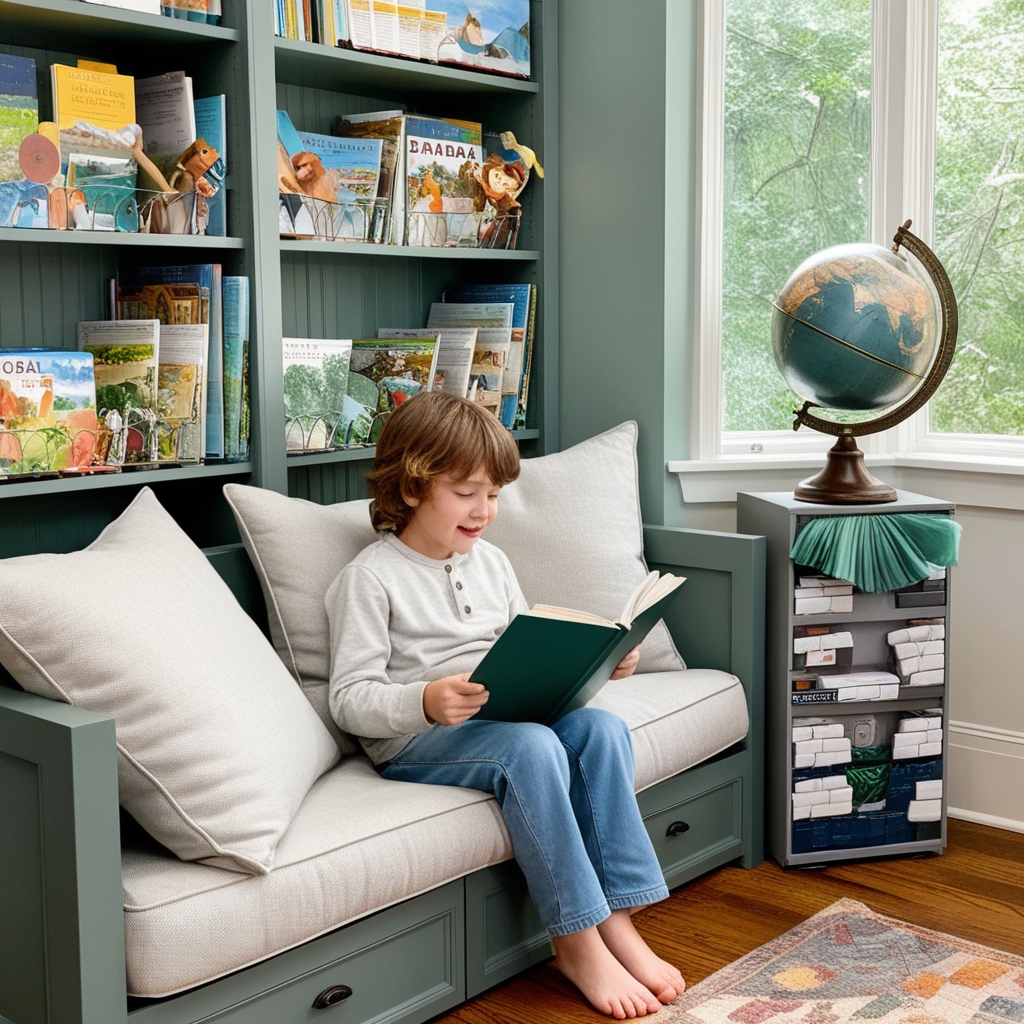
Designate specific spaces for different types of learning activities included in your complete package. A quiet reading corner, well-lit desk area for written work, and open space for hands-on activities help students transition smoothly between subjects.
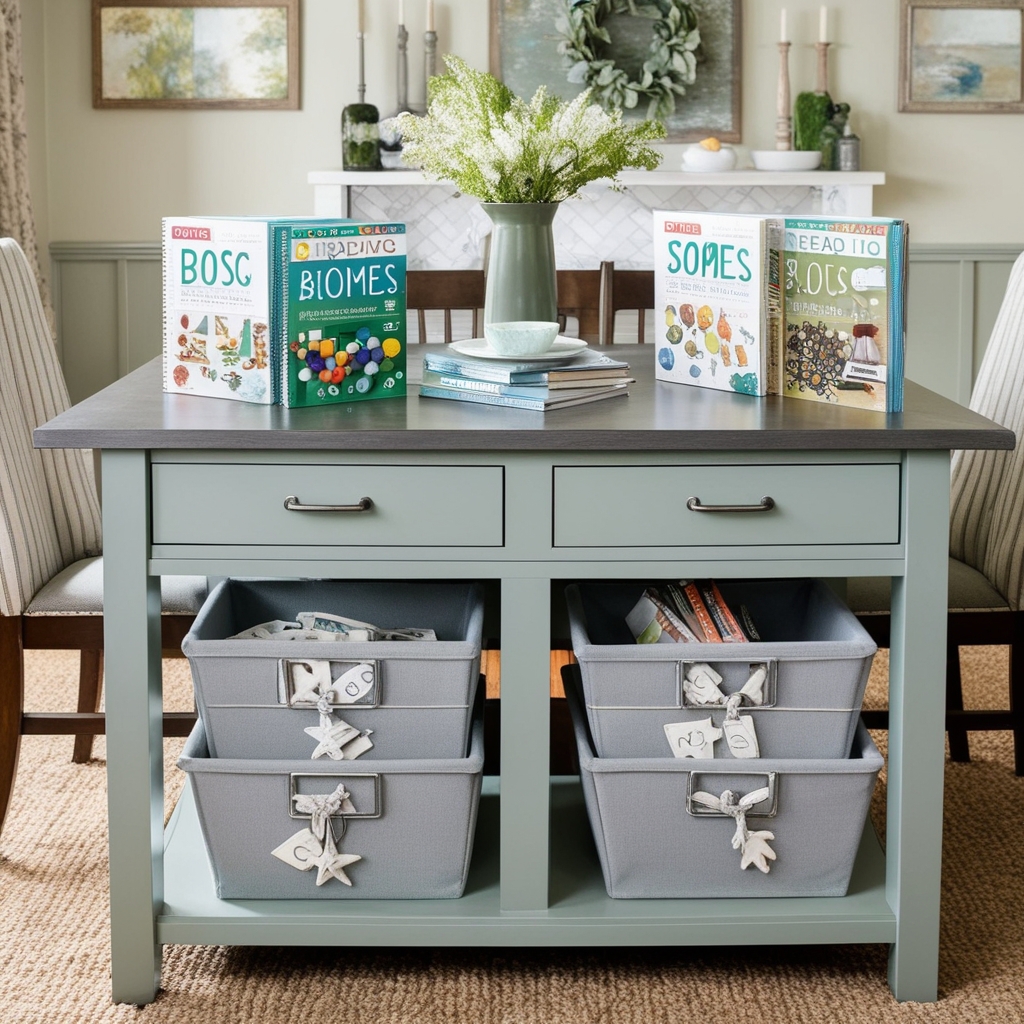
Organize materials systematically to minimize daily setup time. Many successful homeschool families use rolling carts, labeled bins, or dedicated shelving to keep each subject’s materials easily accessible.
Consider the flow of your daily schedule when arranging learning spaces. Position frequently used materials within easy reach and create systems that children can manage independently as they mature.
Establishing Consistent Routines
Complete packages work best within consistent daily and weekly routines that provide structure while maintaining flexibility. Establish regular start times, break schedules, and subject rotations that match your family’s natural rhythms.
Build buffer time into your schedule for days when lessons take longer than expected or when children need additional practice with challenging concepts. Most curriculum publishers design lessons with average completion times, but individual needs vary significantly.
Create weekly planning sessions to review upcoming lessons, gather materials, and adjust schedules as needed. This proactive approach prevents daily scrambling and ensures smooth implementation.
Tracking Progress and Maintaining Records
Effective record-keeping is essential for monitoring progress and meeting legal requirements in most states. Many complete packages include tracking systems, but you may need to adapt them to your state’s specific documentation needs.
Document completed lessons, assessment scores, and notable achievements or challenges. This information helps identify patterns in your child’s learning and informs future curriculum decisions.
Consider using digital tools or apps that integrate with your chosen curriculum package. Many modern platforms offer automated progress tracking and report generation that simplifies record-keeping significantly.
Customizing Your Complete Curriculum Package
While homeschool curriculum packages complete are designed to work as unified systems, successful families often make strategic modifications to better serve their children’s unique needs and interests.
The key to effective customization lies in understanding which elements are essential to the curriculum’s integrity and which can be adapted without compromising educational outcomes.
Adapting Pacing and Scheduling
Most complete packages assume a traditional school year schedule, but homeschool families can adjust pacing to match their lifestyle and learning preferences. Some families prefer year-round schooling with frequent breaks, while others follow traditional academic calendars.
Accelerate through subjects where your child shows mastery and spend additional time on challenging concepts. The beauty of homeschooling lies in this flexibility to match instruction to individual learning needs.
Consider seasonal adjustments that take advantage of natural learning opportunities. Science lessons about weather might be more meaningful during storm season, while historical studies can coincide with relevant holidays or local events.
Supplementing Weak Areas
Even excellent complete packages may not address every child’s learning needs perfectly. Identify areas where your child needs additional support and research supplementary resources that complement your chosen curriculum.
Common areas for supplementation include handwriting practice, advanced mathematics concepts, foreign language instruction, or specialized learning needs support. The lesson plan shop offers additional materials that can enhance any complete curriculum package.
When adding supplements, ensure they align with your main curriculum’s approach and philosophy. Conflicting methodologies can confuse children and undermine the coherence that makes complete packages effective.
Incorporating Family Interests and Strengths
Use your family’s unique interests and expertise to enrich the standard curriculum content. Parents with professional backgrounds can add depth to relevant subjects, while family hobbies can provide hands-on applications for academic concepts.
Travel opportunities, community resources, and local experts can transform textbook lessons into memorable real-world experiences. Many complete packages include suggestions for field trips and community connections that enhance learning.
Document these customizations and their outcomes to inform future curriculum decisions. What works well for one child may benefit siblings, while unsuccessful modifications can be avoided in the future.
Troubleshooting Common Challenges
Even carefully chosen homeschool curriculum packages complete can present challenges that require creative problem-solving and patience. Understanding common issues and their solutions helps families navigate difficulties without abandoning their investment.
Most curriculum-related problems fall into categories of pacing issues, engagement challenges, or implementation difficulties. Identifying the root cause helps determine the most effective solution strategy.
Addressing Pacing Problems
Students who consistently finish lessons too quickly may need enrichment activities or acceleration to maintain engagement. Conversely, children who struggle to keep up may benefit from modified expectations or additional practice time.
Consider whether pacing issues stem from curriculum design, individual learning differences, or external factors like family schedule disruptions. Each cause requires different adjustment strategies.
Don’t hesitate to contact curriculum publishers for guidance. Most companies offer customer support and can suggest modifications that maintain educational integrity while addressing specific challenges.
Overcoming Engagement Issues
When children lose interest in their complete package, examine whether the problem lies with content difficulty, presentation style, or external motivation factors. Sometimes simple changes in environment or schedule can reignite enthusiasm.
Incorporate more hands-on activities, educational games, or real-world applications to make abstract concepts more concrete and engaging. Many curricula include optional enrichment activities that can boost interest.
Consider whether your child’s learning style matches the curriculum’s primary teaching methods. Some adjustments in presentation or activity types can make the same content much more appealing.
Managing Implementation Overwhelm
Parents feeling overwhelmed by their complete package should step back and prioritize essential elements over optional components. Focus on core subjects and gradually add enrichment activities as confidence and routine develop.
Break large projects or units into smaller, manageable segments. Daily success builds momentum and confidence for both parents and children.
Connect with other families using the same curriculum through online forums or local support groups. Experienced users often share practical tips and encouragement that can transform the homeschool experience.
Frequently Asked Questions
How much do complete homeschool curriculum packages typically cost?
Complete homeschool curriculum packages generally range from $300-$800 per student annually, depending on grade level and format. Digital packages tend to cost less ($150-$400) while comprehensive print packages with extensive materials cost more ($400-$800). Consider additional costs like shipping, supplies, and technology requirements when budgeting.
Can I use the same complete curriculum package for multiple children?
Yes, many components of complete packages can be shared between siblings, including teacher guides, textbooks, and manipulatives. However, consumable workbooks typically need to be purchased separately for each child. Many publishers offer sibling discounts or family licenses that reduce the cost for additional students.
What’s the difference between secular and religious complete curriculum packages?
Religious packages integrate faith-based perspectives throughout all subjects, often including Bible study and Christian worldview applications. Secular packages focus purely on academic content without religious references. Both types can provide excellent education; the choice depends on your family’s values and preferences for worldview integration.
How do I know if a complete curriculum package is working for my child?
Signs of curriculum success include consistent progress through material, maintained or increased enthusiasm for learning, and mastery of grade-level concepts. If your child consistently struggles, shows declining motivation, or fails to grasp fundamental concepts after reasonable time and effort, consider modifications or alternatives.
Can I customize or modify a complete curriculum package?
Absolutely! Most successful homeschool families make some modifications to complete packages. You can adjust pacing, skip or supplement certain lessons, and add enrichment activities. The key is maintaining the curriculum’s overall structure and scope while adapting to your child’s specific needs and interests.
Do complete curriculum packages meet state homeschool requirements?
Most reputable complete packages are designed to meet or exceed typical state education standards. However, homeschool requirements vary by state, so verify that your chosen package addresses your specific state’s subject and hour requirements. Many curriculum companies provide compliance information for different states.
Should new homeschoolers start with a complete curriculum package?
Complete packages are often ideal for new homeschoolers because they eliminate the overwhelming task of coordinating multiple curricula. They provide structure, comprehensive coverage, and built-in support systems that help families establish successful homeschool routines. You can always customize or change approaches as you gain experience and confidence.
📚 Recommended Homeschool Resources
As an Amazon Associate, I earn from qualifying purchases. Some links in this article are affiliate links, meaning I may earn a small commission at no extra cost to you.
Conclusion
Choosing homeschool curriculum packages complete represents a significant decision that can transform your family’s educational journey. These comprehensive systems offer the structure and support that many families need to create successful homeschool experiences while maintaining the flexibility that makes home education so valuable.
The key to success lies in carefully matching a complete package to your family’s unique needs, learning styles, and educational goals. Whether you choose a traditional print-based program, an innovative online platform, or a literature-rich approach, the most important factor is consistent implementation with realistic expectations and patience for the learning process.
Remember that no curriculum is perfect for every child or family situation. The best complete package is one that you can implement consistently, that engages your children in meaningful learning, and that aligns with your family’s values and educational philosophy. Don’t hesitate to make modifications, seek support from other homeschool families, or consult with curriculum publishers when challenges arise.
Ready to explore complete curriculum options for your family? Start by requesting sample materials from publishers that interest you, and consider attending local homeschool conventions where you can examine materials firsthand and speak with experienced users.
Related Resources
Explore these additional resources to support your homeschool curriculum planning:
- Curriculum Methods and Approaches – Discover different educational philosophies and teaching methods
- Getting Started with Homeschooling – Essential guidance for new homeschool families
- Grade Level Planning Guides – Specific advice for each educational stage
Related Guides & Resources

Loved this post? Grab the free resource above.
Compare Charlotte Mason, Classical, Montessori, Waldorf, and more in one printable side-by-side guide.