Free Curriculum Comparison Guide
Compare Charlotte Mason, Classical, Montessori, Waldorf, and more in one printable side-by-side guide.
Choosing the best homeschool curriculum for beginners can feel overwhelming when you’re just starting your homeschooling journey. With hundreds of options available, new homeschool families often struggle to find a curriculum that matches their teaching style, their child’s learning needs, and their family’s budget and lifestyle.
The good news is that selecting the right curriculum doesn’t have to be complicated. This comprehensive guide will walk you through everything you need to know about choosing beginner-friendly homeschool curricula, from understanding different curriculum types to evaluating your family’s specific needs. We’ll explore the top-rated options for new homeschoolers, provide practical selection criteria, and share expert tips to help you make an informed decision that sets your family up for homeschool success.
Whether you’re looking for a complete all-in-one program or prefer to mix and match subjects, this guide will equip you with the knowledge and confidence to choose a curriculum that works for your unique situation.
Key Takeaways
- All-in-one curricula are ideal for beginners who want structured, comprehensive programs
- Consider your child’s learning style, your teaching confidence, and available time when selecting curriculum
- Online programs offer convenience and built-in record keeping, while traditional curricula provide more flexibility
- Start with core subjects (math, language arts, science, social studies) before adding extras
- Most quality beginner curricula cost between $200-800 per child annually
- You can always switch or supplement curricula if your first choice isn’t working
Understanding Different Homeschool Curriculum Types
Before diving into specific recommendations, it’s crucial to understand the main types of homeschool curricula available. Each type offers different advantages for beginning homeschool families.
All-in-One Complete Programs
All-in-one curricula provide everything you need for multiple grade levels and subjects in a single package. These comprehensive programs are particularly appealing to new homeschoolers because they eliminate guesswork and provide a structured learning path.
These programs typically include detailed lesson plans, teaching guides, student workbooks, and assessment materials. Many also offer online components with video lessons, interactive activities, and automatic grading features that reduce the parent’s teaching load.
Online and Digital Curricula
Online homeschool programs have gained tremendous popularity, especially among tech-savvy families and those seeking convenience. These digital platforms often feature multimedia lessons, interactive exercises, and built-in progress tracking.
The main advantage of online curricula is their self-directed nature, which allows students to work more independently while parents monitor progress through detailed reporting systems. This can be particularly helpful for busy parents or those who lack confidence in certain subject areas.
Traditional Textbook-Based Programs
Traditional curricula rely primarily on textbooks, workbooks, and printed materials. While they may seem old-fashioned compared to digital alternatives, many families prefer the tactile experience and reduced screen time these programs offer.
These programs often provide more flexibility in pacing and allow for easy customization based on your child’s needs. They’re also typically more budget-friendly than their digital counterparts.
Unit Study and Living Books Approaches
Unit studies integrate multiple subjects around central themes, while living books curricula emphasize high-quality literature and narrative-based learning. These approaches can be engaging but may require more preparation and creativity from parents.
While these methods can be highly effective, they’re often better suited for families who have some homeschooling experience or strong confidence in their teaching abilities.
Essential Criteria for Evaluating Beginner Curricula
Selecting the best homeschool curriculum for beginners requires careful consideration of several key factors. Understanding these criteria will help you make an informed decision that aligns with your family’s needs and goals.
Your Child’s Learning Style and Preferences
Consider whether your child learns best through visual, auditory, or kinesthetic methods. Some children thrive with video-based lessons, while others prefer hands-on activities or traditional reading and writing exercises.
Also evaluate your child’s attention span, independence level, and subject preferences. A child who struggles with focus might benefit from shorter, more interactive lessons, while a self-motivated learner could handle longer, more in-depth study sessions.
Parent Teaching Confidence and Available Time
Honestly assess your comfort level with different subjects and your available time for lesson preparation and teaching. If you’re nervous about teaching math or science, look for curricula with strong teacher support, video lessons, or detailed explanations.
Consider your daily schedule and energy levels. Some curricula require significant parent involvement and preparation time, while others are designed for more independent student work.
Educational Philosophy and Approach
Different curricula reflect various educational philosophies, from traditional academic approaches to more progressive, child-led methods. Some programs emphasize drill and practice, while others focus on conceptual understanding and real-world application.
Consider whether you prefer a structured, systematic approach or more flexibility to adapt lessons based on your child’s interests and needs. There’s no right or wrong choice, but alignment with your family’s values and educational goals is important.
Technical Requirements and Setup
For online curricula, evaluate your technology setup, internet reliability, and comfort level with digital platforms. Consider whether you have adequate devices for all children who will be using the program.
Some programs require specific software, browsers, or regular updates that might impact your experience. Factor in any additional costs for technology upgrades or internet service improvements.
Top All-in-One Programs for Homeschool Beginners
All-in-one programs offer the most comprehensive solution for families seeking a complete educational package. These curricula are particularly well-suited for beginning homeschoolers who want structure and guidance.
Abeka Academy
Abeka Academy provides a traditional, academically rigorous program with a Christian worldview. The curriculum includes video lessons taught by experienced teachers, detailed lesson plans, and all necessary materials.
The program offers both accredited and parent-directed options, making it suitable for families who want either full independence or official school records. Abeka’s systematic approach and proven track record make it a popular choice among new homeschoolers seeking academic excellence.
Sonlight Curriculum
Sonlight takes a literature-based approach, incorporating high-quality books and real-life learning experiences. The curriculum includes detailed instructor guides that tell parents exactly what to do each day, making it ideal for beginners.
Each program comes with a complete book package, including readers, read-alouds, and reference materials. Sonlight’s emphasis on reading and discussion helps develop critical thinking skills while covering multiple subjects through integrated studies.
The Good and the Beautiful
This increasingly popular curriculum combines academic excellence with character development and nature appreciation. The materials are beautifully designed and available at very affordable prices, with many components offered free online.
The Good and the Beautiful provides clear daily schedules and requires minimal parent preparation. The program’s emphasis on virtue and beauty appeals to families seeking wholesome educational content without religious doctrine.
My Father’s World
My Father’s World offers unit study-based curricula that integrate multiple subjects around historical themes. The programs include detailed teacher manuals with daily lesson plans and all necessary materials.
This curriculum works well for families with multiple children, as many components can be used across different grade levels. The hands-on activities and living books approach make learning engaging while maintaining academic rigor.
Best Online Homeschool Curricula for New Families

Online curricula have revolutionized homeschooling by providing professional instruction, automatic record-keeping, and flexible scheduling. These programs are excellent options for homeschool curriculum beginners who want comprehensive support.
Time4Learning
Time4Learning offers a comprehensive online curriculum for PreK-12th grade with an easy-to-use interface and flexible pacing. The program includes animated lessons, interactive activities, and automatic grading and record-keeping.
Parents can easily monitor progress through detailed reporting features and adjust the curriculum as needed. The month-to-month subscription model allows families to try the program without long-term commitments, making it perfect for beginners who want to test the waters.
Khan Academy
While not a complete curriculum, Khan Academy provides excellent supplemental content across all subject areas completely free of charge. The platform offers personalized learning dashboards and mastery-based progression.
Khan Academy works particularly well for math and science subjects, with clear explanations and plenty of practice problems. Many homeschool families use it as their primary math curriculum or as supplemental support for challenging concepts.
Discovery K12
Discovery K12 provides a complete online curriculum for grades K-12 at no cost to families. The program includes lesson plans, educational videos, and assessment tools across all core subjects.
While the interface isn’t as polished as paid alternatives, the comprehensive content and zero cost make it an attractive option for budget-conscious beginners. The program allows for flexible pacing and includes both online and printable components.
Acellus Academy
Acellus offers video-based instruction with adaptive learning technology that adjusts to each student’s pace and understanding. The program provides automatic grading, progress tracking, and detailed reporting for parents.
The curriculum covers all core subjects with engaging video lessons and interactive exercises. Acellus also offers both self-paced and accredited diploma programs, giving families options as their needs evolve.
Traditional Textbook-Based Options
Traditional curricula remain popular among homeschool families who prefer printed materials and hands-on learning approaches. These programs often provide more flexibility and cost-effectiveness than their digital counterparts.
Saxon Math
Saxon Math is renowned for its incremental approach, where new concepts are introduced gradually and previous skills are continuously reviewed. This method helps ensure long-term retention and builds strong mathematical foundations.
The program includes detailed lesson explanations and plenty of practice problems. While some students find the repetitive nature tedious, many families appreciate the thorough skill development and consistent progress Saxon provides.
Apologia Science
Apologia offers engaging science curricula that combine rigorous academics with hands-on experiments and real-world applications. The programs are written directly to the student, allowing for more independent learning.
Each course includes detailed explanations, experiment instructions, and review questions. The conversational writing style makes complex scientific concepts accessible to students and parents alike.
Teaching Textbooks
Teaching Textbooks combines traditional textbook learning with CD-ROM or online lectures and automated grading. This hybrid approach provides the benefits of both printed materials and digital instruction.
The program is particularly strong for families who want textbook-based learning but need additional instructional support. The step-by-step solutions and hints help students work independently while building confidence.
Subject-Specific Curriculum Recommendations
Many beginning homeschool families prefer to select different curricula for each subject rather than using an all-in-one program. This approach allows for customization based on individual strengths and interests.
Language Arts and Reading
For language arts, consider programs like All About Reading and All About Spelling, which provide systematic, multisensory instruction. These programs are particularly effective for children who struggle with traditional reading methods.
Writing curricula such as Institute for Excellence in Writing (IEW) or WriteShop offer structured approaches to developing writing skills. These programs provide clear instruction and gradual skill building that works well for both students and teaching parents.
Mathematics Programs
Beyond Saxon Math, consider Singapore Math for its problem-solving approach and visual methods. Math-U-See uses manipulatives and systematic instruction that appeals to kinesthetic learners.
For families preferring online instruction, programs like CTC Math or Math Mammoth provide comprehensive coverage with different teaching styles to match various learning preferences.
Science Curricula
In addition to Apologia, consider Trail Guide to Learning for integrated science and history studies. Berean Builders offers hands-on science with a focus on real-world applications and critical thinking.
For nature-focused families, programs like Nature’s Workshop Plus combine outdoor exploration with scientific learning, making science engaging and memorable.
History and Social Studies
Beautiful Feet Books offers literature-based history studies that bring historical periods to life through quality books and engaging activities. Trail Guide to History provides comprehensive coverage with timeline work and mapping activities.
For families preferring traditional textbooks, consider programs from publishers like Pearson or Bob Jones University Press, which offer structured, comprehensive coverage of historical content.
Budget-Friendly Options and Cost Considerations
Cost is often a significant factor when selecting the best homeschool curriculum for beginners. Fortunately, quality education doesn’t always require expensive materials.
Free and Low-Cost Resources
Many excellent resources are available at no cost, including Khan Academy, Discovery K12, and various state-sponsored online programs. Public libraries offer extensive collections of educational materials, including many homeschool-specific resources.
The Good and the Beautiful provides many materials free online, while Easy Peasy All-in-One Homeschool offers a complete curriculum using primarily free online resources.
Budget-Friendly Commercial Options
Programs like The Good and the Beautiful, Teaching Textbooks, and various online subscriptions offer comprehensive education at reasonable prices. Many publishers offer digital versions of their curricula at reduced costs compared to printed materials.
Consider purchasing used curricula from homeschool co-ops, online marketplaces, or curriculum fairs. Many programs can be reused for multiple children, making the per-child cost even more reasonable.
Cost-Saving Strategies
Start with core subjects before adding electives or enrichment programs. Focus your budget on areas where you need the most support, and use free resources for subjects you’re comfortable teaching independently.
Consider sharing costs with other homeschool families for expensive items like science equipment or specialized programs. Many online programs offer family discounts for multiple children.
Making Your Final Curriculum Decision
After evaluating your options, it’s time to make a decision and move forward with confidence. Remember that no curriculum choice is permanent, and you can always adjust as you learn what works best for your family.
Trial Periods and Samples
Take advantage of free trials, sample lessons, and money-back guarantees offered by many curriculum publishers. This allows you to test the program’s fit before making a significant financial commitment.
Many companies offer sample pages, video previews, or short-term trials that give you a realistic sense of the program’s approach and requirements. Use these opportunities to involve your children in the decision-making process.
Starting Small and Building Up
Consider starting with just core subjects (math, language arts, science, social studies) and adding other components as you become more comfortable with homeschooling. This approach reduces overwhelm and allows you to focus on establishing good routines.
You can always add art, music, foreign languages, or other enrichment subjects once you’ve mastered the basics of homeschool life. Our getting started resources can help you plan a manageable first year.
Flexibility and Adaptation
Remember that curriculum is a tool, not a master. Be prepared to adapt, supplement, or even switch programs if your initial choice isn’t working well for your family.
Many successful homeschool families use a combination of resources rather than sticking rigidly to one program. Allow yourself the freedom to customize your approach based on what you learn about your children’s needs and your teaching preferences.
Implementation Tips for Homeschool Success
Selecting the right curriculum is just the beginning. Successful implementation requires planning, patience, and realistic expectations as you begin your homeschool journey.
Creating a Learning Environment
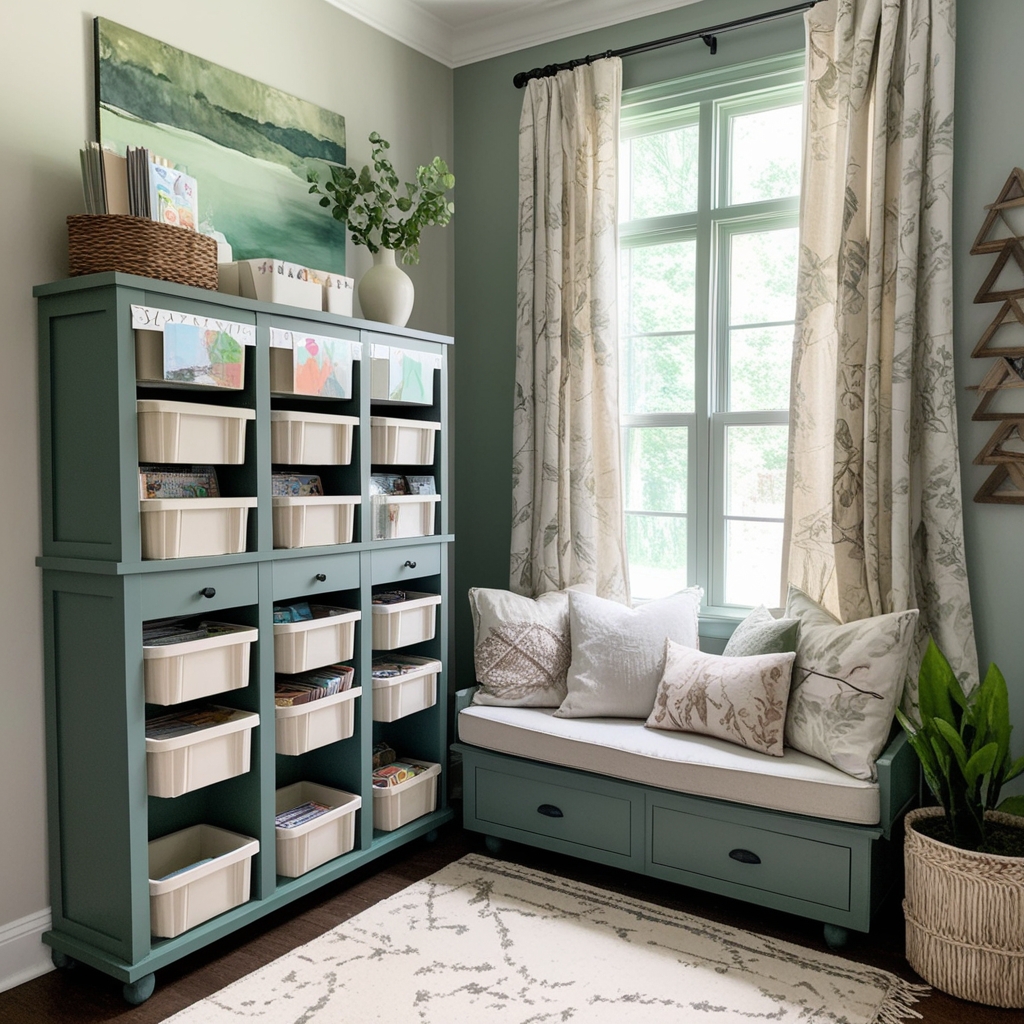
Establish a dedicated learning space that minimizes distractions and promotes focus. This doesn’t need to be elaborate – a quiet corner with good lighting and organized supplies can work well.
Organize your materials for easy access and consider your family’s natural rhythms when scheduling lessons. Some families work better in the morning, while others prefer afternoon learning sessions.
Establishing Routines and Expectations
Develop consistent daily and weekly routines that provide structure while maintaining flexibility for real life interruptions. Clear expectations help children understand what’s expected and reduce daily negotiations about schoolwork.
Start with shorter learning sessions and gradually increase as children adapt to the homeschool routine. Be patient with yourself and your children as everyone adjusts to this new way of learning.
Record Keeping and Assessment
Establish simple systems for tracking attendance, completed work, and progress from the beginning. Many states have specific record-keeping requirements for homeschool families, so research your local regulations.
Our lesson plan shop offers templates and tools to help you maintain organized records while focusing on teaching and learning.
Building Support Networks
Connect with other homeschool families through local co-ops, online communities, or support groups. Experienced homeschoolers can provide valuable advice, encouragement, and practical tips for curriculum implementation.
Don’t hesitate to reach out for help when you need it. The homeschool community is generally very supportive of newcomers, and many families are happy to share their experiences and insights.
Frequently Asked Questions
What is the best homeschool curriculum for complete beginners?
All-in-one programs like Sonlight, Abeka Academy, or Time4Learning are excellent for complete beginners because they provide comprehensive instruction, detailed lesson plans, and all necessary materials. These programs eliminate guesswork and provide structure while you learn to homeschool effectively.
How much should I expect to spend on homeschool curriculum annually?
Quality homeschool curricula typically cost between $200-800 per child annually, depending on the program type and grade level. All-in-one programs and online subscriptions tend to be on the higher end, while traditional textbooks and free resources can significantly reduce costs.
Can I switch curricula mid-year if it’s not working?
Yes, you can absolutely switch curricula if your current choice isn’t meeting your family’s needs. Many homeschool families make adjustments during their first year as they discover what works best. Look for programs with money-back guarantees or trial periods to minimize financial risk.
Should I choose the same curriculum for all subjects?
Not necessarily. While all-in-one programs offer convenience, many families find success mixing and matching curricula based on each subject’s specific needs and their child’s strengths. Start with core subjects and add others as you become more comfortable with homeschooling.
How do I know if an online or traditional curriculum is better for my child?
Consider your child’s learning style, attention span, and technology comfort level. Children who enjoy interactive media and can work independently often thrive with online programs, while those who prefer hands-on learning or have limited screen time may do better with traditional curricula.
What if I’m not confident teaching certain subjects like math or science?
Look for curricula with strong teacher support, video lessons, or detailed answer keys. Programs like Teaching Textbooks for math or Apologia for science are designed to help parents teach subjects they may not feel confident about. Online programs can also provide professional instruction in challenging areas.
Do I need to buy curriculum for every grade level if I have multiple children?
Not always. Many curricula, especially unit studies and living books programs, can be adapted for multiple grade levels simultaneously. This approach, called “teaching to the middle,” can save money and time while allowing siblings to learn together.
📚 Recommended Homeschool Resources
As an Amazon Associate, I earn from qualifying purchases. Some links in this article are affiliate links, meaning I may earn a small commission at no extra cost to you.
Conclusion
Choosing the best homeschool curriculum for beginners is a significant decision that will shape your family’s educational journey. The key is finding a program that aligns with your child’s learning style, your teaching confidence, and your family’s goals and resources.
Remember that there’s no single “perfect” curriculum that works for every family. All-in-one programs offer structure and convenience for new homeschoolers, while subject-specific options provide flexibility and customization. Online curricula deliver professional instruction and convenience, while traditional materials offer hands-on learning and budget-friendly options.
Start with your core subjects, take advantage of trial periods and samples, and don’t be afraid to make adjustments as you learn what works best for your family. The homeschool journey is a marathon, not a sprint, and finding the right curriculum is just the first step toward creating a successful and enjoyable educational experience.
Most importantly, trust yourself and your instincts as a parent. You know your child better than anyone, and with the right curriculum and support, you can provide an excellent education that meets their unique needs and helps them thrive.
Ready to take the next step in your homeschool journey? Explore our curriculum methods resources for more detailed guidance on implementing your chosen program successfully.
Related Resources
- Homeschool Scheduling and Planning Guides – Learn how to create effective schedules that work with your chosen curriculum
- Grade-Level Specific Guidance – Find detailed curriculum recommendations tailored to your child’s specific grade level
- About HomeschoolingExperts.org – Learn more about our mission to support homeschool families with practical, research-based guidance

Loved this post? Grab the free resource above.
Compare Charlotte Mason, Classical, Montessori, Waldorf, and more in one printable side-by-side guide.