Free Curriculum Comparison Guide
Compare Charlotte Mason, Classical, Montessori, Waldorf, and more in one printable side-by-side guide.
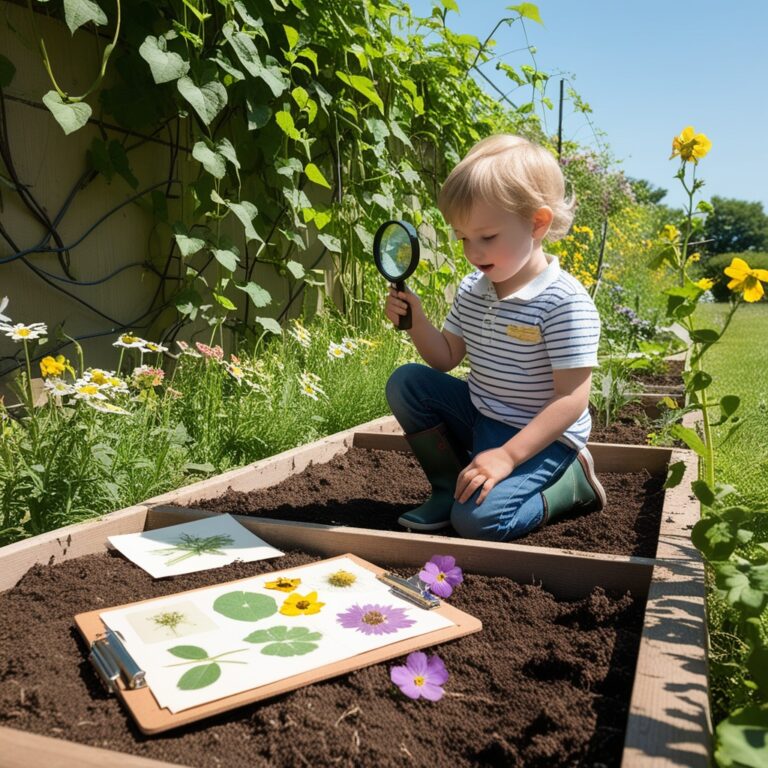
A hands-on homeschool science curriculum transforms abstract concepts into tangible learning experiences that engage children through experimentation, observation, and discovery. Unlike traditional textbook-based approaches, hands-on science education allows students to become active participants in their learning journey, fostering deeper understanding and genuine enthusiasm for scientific exploration.
This comprehensive guide will walk you through everything you need to know about implementing an effective hands-on science curriculum in your homeschool. From understanding the core benefits to selecting age-appropriate materials and creating engaging experiments, you’ll discover practical strategies that make science education both memorable and meaningful for your children.
Key Takeaways
- Hands-on science learning increases retention rates by up to 90% compared to traditional lecture methods
- Interactive experiments develop critical thinking skills and scientific reasoning abilities
- Simple household materials can create powerful learning experiences without expensive equipment
- Age-appropriate activities ensure engagement while building foundational scientific concepts
- Documentation and reflection enhance the learning process and create lasting memories
Benefits of Hands-On Science Learning
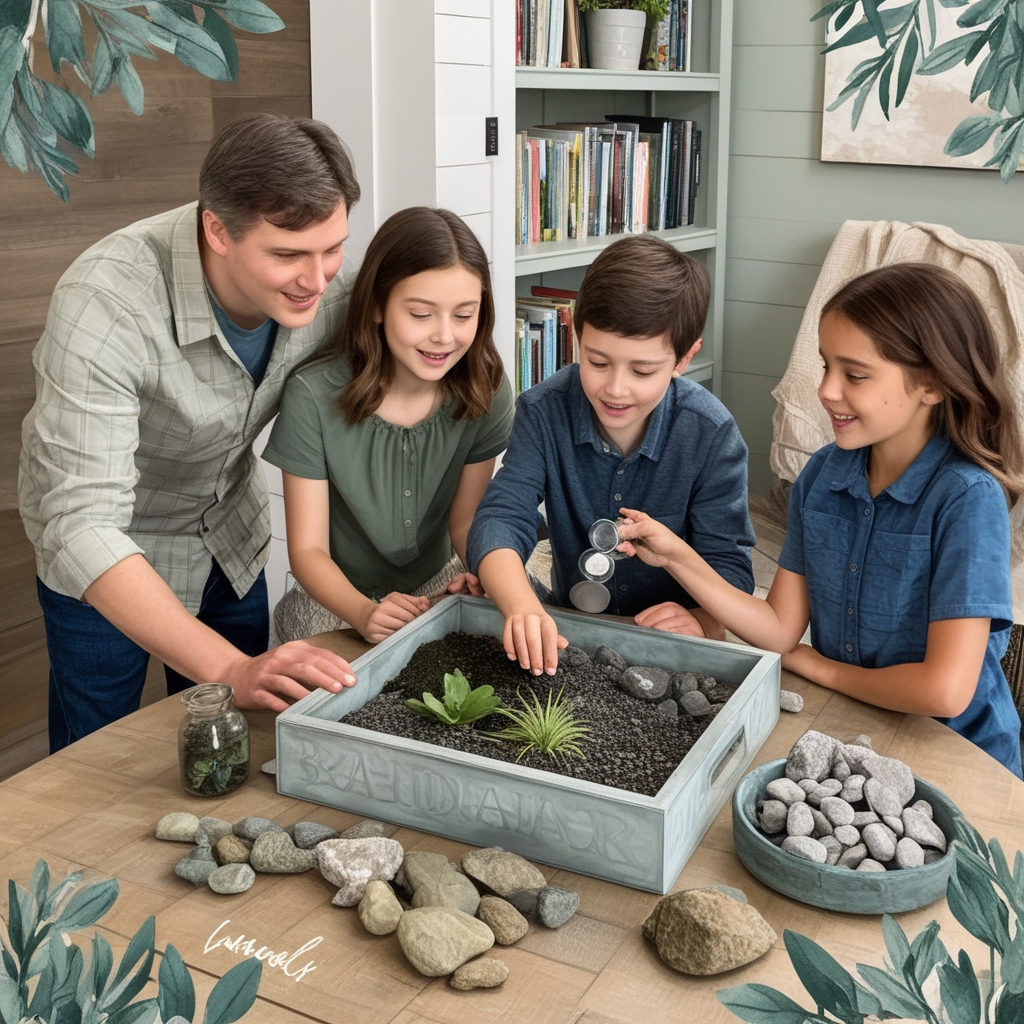
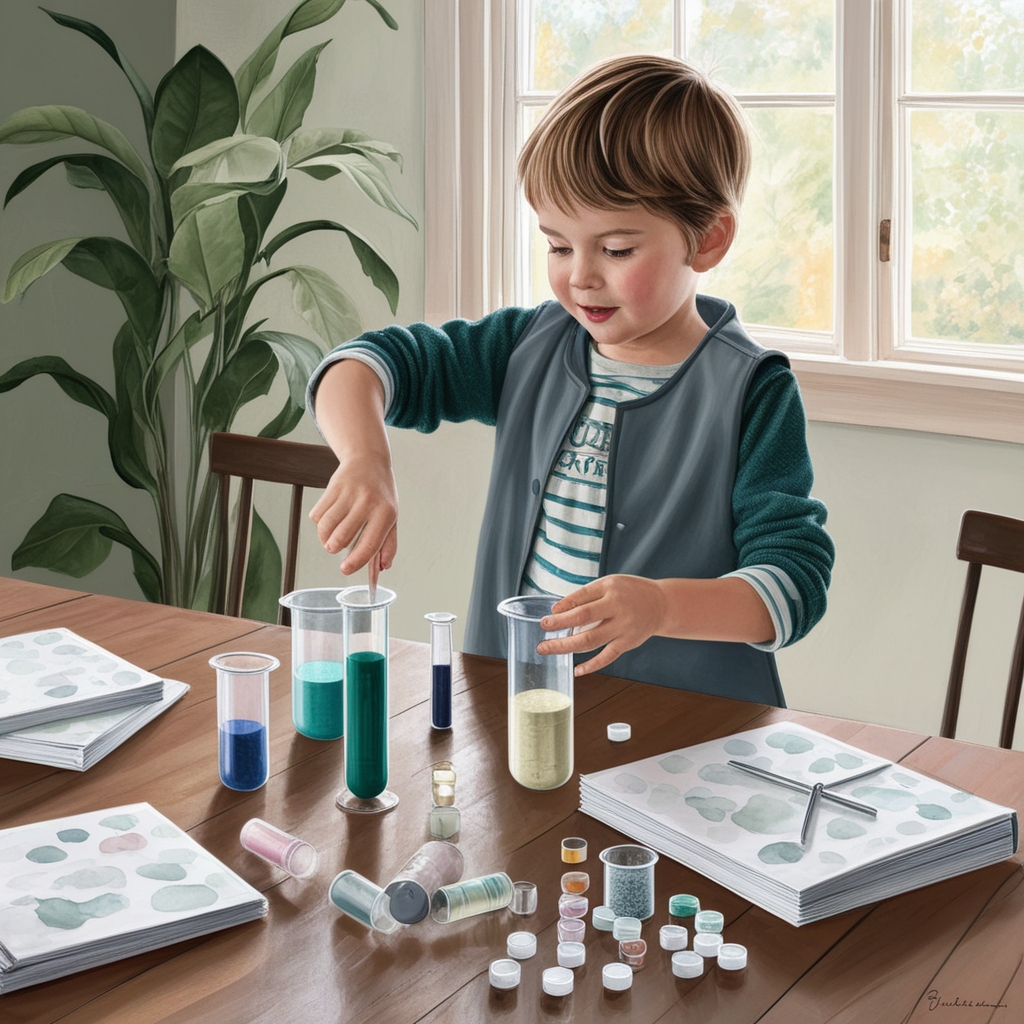
Research consistently demonstrates that hands-on homeschool science curriculum approaches yield superior learning outcomes compared to traditional methods. According to the National Training Laboratories, students retain approximately 90% of what they learn through hands-on activities, compared to only 10% through lecture-based instruction.
Enhanced Memory Retention and Understanding
When children physically manipulate materials and observe cause-and-effect relationships firsthand, they create multiple neural pathways that strengthen memory formation. This multi-sensory approach engages visual, tactile, and kinesthetic learning styles simultaneously, accommodating diverse learning preferences within your homeschool environment.
Interactive science experiences also promote deeper conceptual understanding rather than mere memorization. Students develop genuine comprehension of scientific principles by witnessing them in action, making abstract concepts concrete and accessible.
Development of Critical Thinking Skills
Hands-on experiments naturally encourage hypothesis formation, prediction making, and analytical thinking. Children learn to ask meaningful questions, design investigations, and draw evidence-based conclusions through guided discovery experiences.
These problem-solving skills extend beyond science education, benefiting students across all academic subjects and real-world situations. The U.S. Department of Education emphasizes that inquiry-based learning develops essential 21st-century skills including creativity, collaboration, and communication.
Increased Motivation and Engagement
Interactive science activities transform learning from a passive to an active experience, naturally increasing student motivation and enthusiasm. Children develop positive associations with scientific exploration when they experience the excitement of discovery and successful experimentation.
This intrinsic motivation proves particularly valuable in homeschool settings, where maintaining engagement can be challenging without peer interaction and structured classroom environments.
Choosing the Right Hands-On Science Curriculum
Selecting an appropriate hands-on homeschool science curriculum requires careful consideration of your family’s unique needs, learning styles, and educational goals. The abundance of available options can feel overwhelming, but focusing on key criteria will help you make an informed decision.
Curriculum Structure and Scope
Effective hands-on science curricula provide clear scope and sequence guidelines that build knowledge progressively across grade levels. Look for programs that integrate multiple scientific disciplines including biology, chemistry, physics, and earth science rather than isolating subjects into separate units.
Consider whether you prefer structured daily lessons or flexible unit studies that allow for deeper exploration of topics that capture your child’s interest. Some families thrive with detailed lesson plans, while others prefer adaptable frameworks they can customize.
Material Requirements and Budget Considerations
Evaluate the materials and equipment required for each curriculum option, considering both initial investment and ongoing supply costs. Some programs utilize common household items, while others require specialized scientific equipment or prepared kits.
Budget-conscious families can find excellent options that emphasize creativity and resourcefulness over expensive materials. Many successful hands-on experiments use items like baking soda, vinegar, food coloring, and recycled containers to demonstrate fundamental scientific principles.
Age-Appropriateness and Skill Development
Choose curricula that match your children’s developmental stages and existing knowledge levels. Effective programs scaffold learning experiences, introducing basic concepts before progressing to more complex applications and abstract thinking.
Consider multi-level curricula if you’re teaching children of different ages simultaneously. These programs provide core activities that can be simplified or expanded based on individual capabilities and interests.
Essential Materials and Equipment
Building a well-equipped hands-on science learning environment doesn’t require expensive laboratory equipment or specialized facilities. Strategic selection of versatile, high-quality materials maximizes educational value while maintaining reasonable costs.
Basic Laboratory Equipment
Start with fundamental tools that support multiple types of experiments and investigations:
- Digital scale for measuring mass and exploring density concepts
- Measuring cups and graduated cylinders for volume measurements
- Thermometers for temperature monitoring and heat transfer studies
- Magnifying glasses and basic microscopes for detailed observations
- pH strips or digital pH meters for chemistry experiments
- Safety goggles and aprons for protection during messy activities
Common Household Supplies
Many effective science experiments utilize readily available household materials, making hands-on learning accessible and affordable:
- Baking soda and vinegar for chemical reaction demonstrations
- Food coloring for visualizing mixing and diffusion processes
- Salt, sugar, and other kitchen ingredients for solution studies
- Balloons, straws, and rubber bands for physics investigations
- Recycled containers, bottles, and cardboard for construction projects
- Seeds, soil, and small plants for biology and botany studies
Organizational Systems
Implement efficient storage and organization systems to maintain materials in good condition and facilitate easy access during learning sessions. Clear, labeled containers help children develop responsibility for equipment care while streamlining setup and cleanup processes.
Consider creating portable science kits for different subject areas, allowing for flexible learning locations and easy transport for outdoor investigations or field studies.
Age-Appropriate Science Activities
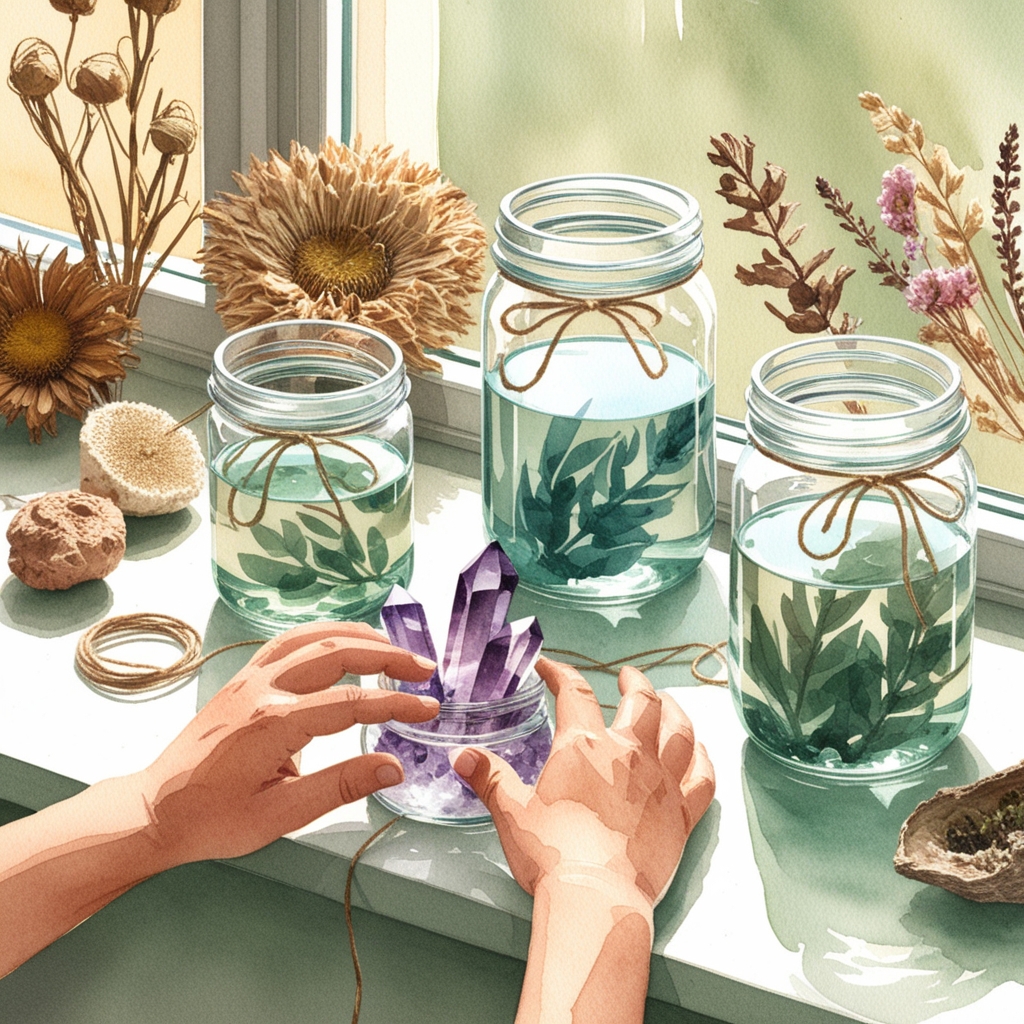
Successful hands-on homeschool science curriculum implementation requires matching activities to children’s developmental stages and capabilities. Age-appropriate experiments ensure safety while maximizing engagement and learning outcomes.
Early Elementary (Ages 5-8)
Young children learn best through sensory exploration and simple cause-and-effect relationships. Focus on activities that encourage observation, comparison, and basic scientific vocabulary development.
Recommended activities include:
- Color mixing experiments using water and food coloring
- Sink or float investigations with various household objects
- Plant growth observations using seeds and different growing conditions
- Weather tracking and simple meteorology activities
- Magnet exploration and sorting activities
- Basic cooking chemistry like making butter or bread
Upper Elementary (Ages 9-12)
Older elementary students can handle more complex procedures and begin understanding abstract scientific concepts. Introduce hypothesis formation and basic experimental design principles.
Appropriate activities include:
- Volcano eruptions demonstrating chemical reactions
- Simple circuit building and electrical conductivity tests
- Crystal growing experiments exploring saturation and precipitation
- Density towers using liquids of different specific gravities
- Microscope investigations of pond water or plant cells
- Basic physics experiments with levers, pulleys, and inclined planes
Middle School (Ages 13-15)
Middle school students can engage with more sophisticated scientific concepts and take greater responsibility for experimental design and data collection. Encourage independent thinking and research skills development.
Advanced activities include:
- pH testing and acid-base reaction studies
- Genetics investigations using fruit flies or plant breeding
- Astronomy observations and celestial motion tracking
- Environmental science projects and ecosystem studies
- Engineering design challenges with specific constraints
- Advanced chemistry experiments with proper safety protocols
Creating Your Own Science Experiments
Developing original hands-on science activities allows you to customize learning experiences to match your children’s interests and address specific curriculum objectives. This creative approach also helps you utilize available materials efficiently while fostering innovation and problem-solving skills.
Identifying Learning Objectives
Begin experiment design by clearly defining what scientific concepts or skills you want students to develop. Specific learning objectives guide activity structure and help you assess whether educational goals are met effectively.
Consider both content knowledge and process skills when establishing objectives. Content goals might include understanding photosynthesis or exploring density relationships, while process goals could focus on data collection techniques or hypothesis testing abilities.
Utilizing Available Resources
Survey your existing materials and household supplies to identify potential experiment components. Creative repurposing of common items often leads to innovative and memorable learning experiences that demonstrate scientific principles effectively.
Online resources and educational websites provide inspiration and guidance for experiment development. The lesson plan resources available through HomeschoolingExperts.org offer structured frameworks you can adapt for your specific needs and interests.
Ensuring Safety and Success
Test all experiments yourself before presenting them to students, identifying potential safety hazards and troubleshooting procedural issues. This preparation ensures smooth execution and builds your confidence in guiding students through the activity.
Develop clear, step-by-step instructions that students can follow independently when appropriate. Include safety reminders and cleanup procedures to promote responsibility and maintain organized learning environments.
Safety Considerations and Guidelines
Maintaining a safe learning environment is paramount when implementing hands-on homeschool science curriculum activities. Proper safety protocols protect students while allowing them to explore scientific concepts with confidence and enthusiasm.
Basic Safety Equipment and Procedures
Invest in essential safety equipment including safety goggles, aprons or old clothes, and first aid supplies. Establish clear safety rules and procedures that students understand and follow consistently during all science activities.
Create a designated science workspace with adequate ventilation, proper lighting, and easy access to water for cleanup and emergency situations. Keep safety equipment easily accessible and ensure all family members know its location and proper use.
Chemical and Material Safety
Research all materials and chemicals before use, understanding potential hazards and appropriate handling procedures. Many common household chemicals can create dangerous reactions when mixed improperly, so never allow unsupervised experimentation with unknown substances.
Store all science materials safely, keeping potentially hazardous items away from young children and pets. Label containers clearly and maintain material safety data sheets for any commercial chemicals or supplies you use regularly.
Age-Appropriate Supervision Levels
Adjust supervision intensity based on student ages, experience levels, and activity complexity. Young children require constant direct supervision, while older students can work more independently with periodic check-ins and guidance.
Teach students to recognize potential hazards and make safe decisions independently. This skill development proves valuable as they progress to more advanced scientific work and take greater responsibility for their own safety.
Assessment and Documentation Methods
Effective assessment and documentation strategies help you track student progress, identify areas needing additional attention, and create lasting records of scientific learning experiences. These practices also help students develop reflection skills and scientific communication abilities.
Portfolio Development
Encourage students to maintain science portfolios containing experiment reports, observations, drawings, and reflection essays. These comprehensive records demonstrate learning progress over time and provide valuable review materials for reinforcing key concepts.
Include photographs of experiments, data tables, graphs, and student-created diagrams in portfolios. Visual documentation helps students remember experiences and provides concrete evidence of hands-on learning for record-keeping purposes.
Observation and Lab Reports
Teach students to write clear, detailed observation reports that include hypotheses, procedures, results, and conclusions. This scientific writing practice develops communication skills while reinforcing the scientific method and logical thinking processes.
Adapt report formats to match student developmental levels, using simple templates for younger children and more sophisticated formats for advanced students. Focus on clear communication and evidence-based reasoning rather than perfect grammar or formatting.
Performance-Based Assessment
Evaluate student understanding through practical demonstrations, oral presentations, and hands-on problem-solving activities. These authentic assessments provide more accurate measures of scientific understanding than traditional paper-and-pencil tests.
Consider having students teach concepts to siblings or create their own experiments to demonstrate mastery. Teaching others requires deep understanding and helps identify areas where additional learning may be needed.
Troubleshooting Common Challenges
Even the most well-planned hands-on homeschool science curriculum implementation encounters obstacles and unexpected difficulties. Developing strategies for addressing common challenges helps maintain momentum and preserve positive learning experiences for all family members.
Managing Mess and Cleanup
Hands-on science activities inevitably create messes, which can cause stress for parents and interfere with learning if not managed effectively. Establish clear cleanup expectations and provide adequate time for proper workspace restoration after each activity.
Use protective coverings like plastic tablecloths or newspaper to minimize cleanup requirements. Involve students in cleanup processes, teaching responsibility while reinforcing the importance of maintaining organized, safe learning environments.
Dealing with Failed Experiments
Failed experiments provide valuable learning opportunities when handled appropriately. Help students analyze what went wrong, form new hypotheses, and design improved procedures for future attempts.
Emphasize that scientific discovery often involves multiple attempts and refinements. Real scientists rarely achieve perfect results on their first tries, so failed experiments actually provide authentic scientific experiences that build resilience and problem-solving skills.
Maintaining Student Engagement
Some students may lose interest in hands-on activities if they don’t see immediate dramatic results or if activities become repetitive. Vary experiment types, incorporate student interests, and connect activities to real-world applications to maintain enthusiasm.
Allow students to pursue their own questions and investigations when possible. Student-driven inquiry often generates higher engagement levels than teacher-directed activities, even when the underlying scientific concepts are identical.
Balancing Structure and Flexibility
Finding the right balance between structured learning objectives and flexible, student-led exploration can be challenging. Some families need more structure to stay on track, while others thrive with open-ended investigation opportunities.
Consider your family’s learning style preferences and adjust your approach accordingly. You might use structured curricula as starting points while allowing time for extended exploration of topics that particularly interest your children.
Frequently Asked Questions
How much should I budget for a hands-on homeschool science curriculum?
Budget requirements vary significantly depending on your chosen approach. Basic hands-on science education can cost as little as $50-100 annually using household materials and library resources, while comprehensive curriculum packages with prepared materials may cost $200-500 per year. Many families find success with mid-range options around $100-200 that combine structured guidance with accessible materials.
Can I teach hands-on science if I don’t have a strong science background?
Absolutely! Many successful homeschool parents teach hands-on science without advanced scientific training. Quality curriculum resources provide clear explanations and step-by-step guidance that allow you to learn alongside your children. Your enthusiasm and willingness to explore together matter more than extensive prior knowledge.
How do I ensure my hands-on science curriculum meets state standards?
Research your state’s science education standards and compare them with your chosen curriculum’s scope and sequence. Most quality hands-on programs align with national standards that form the basis for state requirements. Document your activities and learning outcomes to demonstrate compliance during evaluations or assessments.
What safety precautions are essential for homeschool science experiments?
Essential safety measures include providing appropriate protective equipment, establishing clear safety rules, maintaining adult supervision levels appropriate for student ages and activity complexity, researching all materials before use, and keeping first aid supplies readily available. Never allow unsupervised experimentation with unfamiliar substances or procedures.
How often should we do hands-on science activities?
Most families benefit from 2-3 hands-on science sessions per week, with each session lasting 30-60 minutes depending on student ages and attention spans. Consistency matters more than frequency, so choose a schedule you can maintain long-term rather than attempting intensive daily sessions that may become overwhelming.
Can hands-on science activities work for multiple age groups simultaneously?
Yes! Many hands-on experiments can be adapted for different developmental levels through varied questioning, different recording methods, and adjusted complexity levels. Older students can help younger siblings while reinforcing their own understanding, and younger children often learn from observing more advanced procedures.
How do I document hands-on learning for portfolio or transcript purposes?
Document hands-on learning through photographs, student lab reports, project portfolios, and detailed records of activities completed and concepts covered. Include examples of student work, reflection essays, and connections to state standards or curriculum objectives. This comprehensive documentation provides concrete evidence of scientific learning and skill development.
📚 Recommended Homeschool Resources
As an Amazon Associate, I earn from qualifying purchases. Some links in this article are affiliate links, meaning I may earn a small commission at no extra cost to you.
Conclusion
Implementing a hands-on homeschool science curriculum transforms abstract scientific concepts into engaging, memorable learning experiences that foster deep understanding and genuine enthusiasm for discovery. Through carefully selected activities, appropriate materials, and thoughtful safety considerations, you can create powerful educational opportunities that serve your children well throughout their academic journey and beyond.
Remember that successful hands-on science education doesn’t require perfect execution or expensive equipment. Your willingness to explore, experiment, and learn alongside your children creates the foundation for meaningful scientific discovery. Start with simple activities using household materials, gradually building confidence and expanding your repertoire as you gain experience.
The investment in hands-on science education pays dividends through improved critical thinking skills, increased scientific literacy, and positive associations with learning that extend far beyond the homeschool years. Your children will carry these experiences and skills into their future educational and career pursuits, well-prepared for an increasingly science and technology-focused world.
Ready to begin your hands-on science journey? Start by exploring our curriculum methods resources for additional guidance and inspiration tailored to your family’s unique needs and learning style preferences.
Related Resources
Enhance your homeschool science education with these valuable resources:
- Science Activities and Ideas – Discover creative experiments and projects for all age levels
- Grade-Level Science Guides – Find age-appropriate science curriculum recommendations and implementation strategies
- Scheduling and Planning Resources – Learn effective strategies for incorporating hands-on science into your homeschool routine

Loved this post? Grab the free resource above.
Compare Charlotte Mason, Classical, Montessori, Waldorf, and more in one printable side-by-side guide.