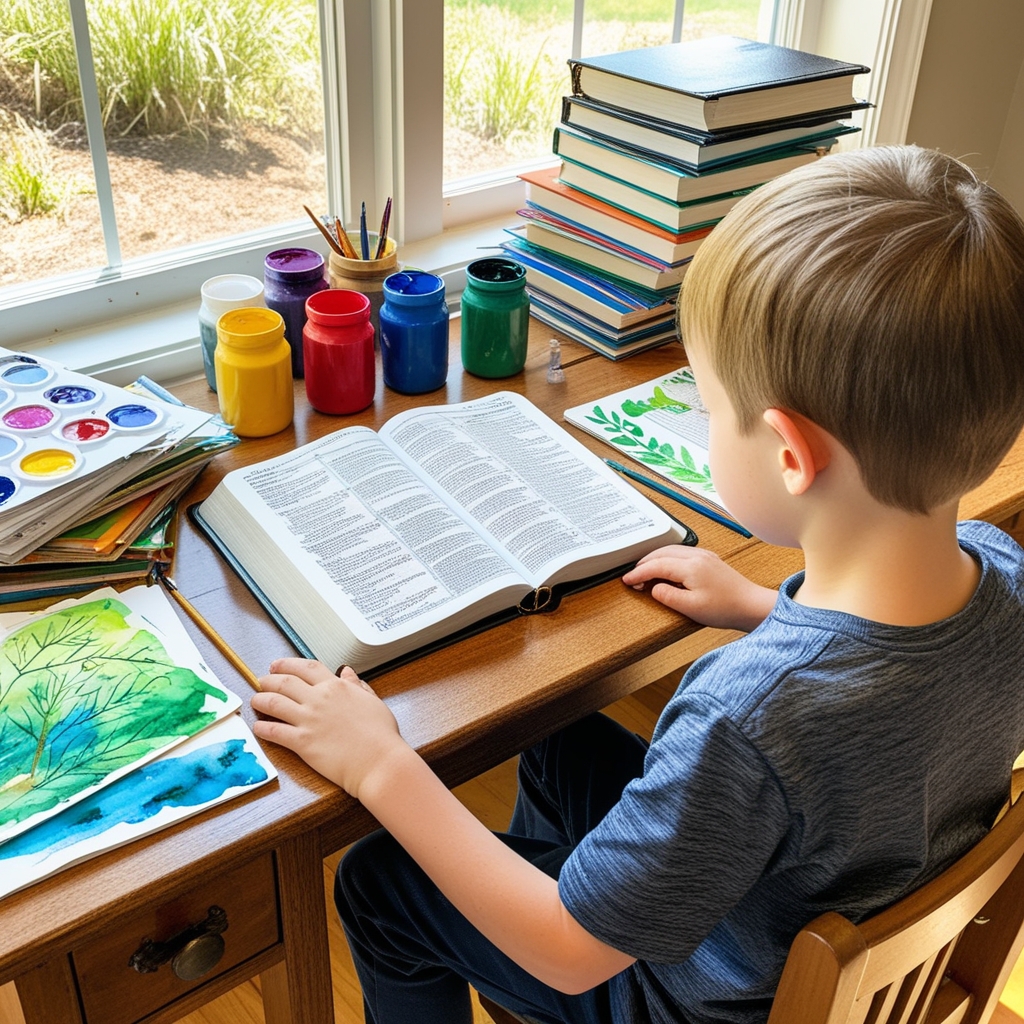
Free Sample Lesson Plan
Math Adventures: Everyday Numbers — drop your email and we'll send the printable PDF.
Homeschool Bible lesson plans provide the foundation for meaningful spiritual education in your home classroom, offering structured approaches to teaching Scripture while accommodating your family’s unique learning style and schedule. Whether you’re a seasoned homeschooling parent or just beginning your journey, well-crafted Bible lesson plans can transform daily devotions into engaging, educational experiences that help children develop a deeper understanding of God’s Word.
Creating effective Bible lesson plans requires balancing theological accuracy with age-appropriate activities, incorporating various learning styles, and maintaining consistency throughout the school year. This comprehensive guide will walk you through everything you need to know about developing, implementing, and adapting Bible lesson plans that will enrich your homeschool curriculum and strengthen your children’s faith foundation.
Key Takeaways
- Structured Bible lesson plans provide consistency and depth in spiritual education
- Age-appropriate activities and multiple learning styles enhance engagement and retention
- Regular assessment helps track spiritual growth and biblical knowledge
- Seasonal and thematic studies add variety and relevance to Bible lessons
- Quality resources and preparation are essential for successful implementation
Benefits of Structured Bible Lesson Plans

Implementing structured homeschool Bible lesson plans offers numerous advantages for both parents and children. Research from the Home School Legal Defense Association indicates that families who incorporate systematic Bible study into their homeschool curriculum report higher levels of spiritual growth and biblical literacy among their children.
Consistency and Progression
Well-planned Bible lessons ensure consistent spiritual instruction throughout the academic year. Rather than sporadic Bible reading or random devotional time, structured lesson plans provide a systematic approach to covering essential biblical concepts, stories, and principles.
This consistency helps children develop a comprehensive understanding of Scripture, building upon previous lessons and creating connections between different biblical themes. Studies show that children who receive regular, structured religious education retain biblical knowledge 40% better than those with irregular instruction.
Comprehensive Biblical Knowledge
Structured lesson plans ensure coverage of both Old and New Testament stories, helping children understand the complete narrative of God’s relationship with humanity. This comprehensive approach prevents gaps in biblical knowledge and helps children see how different parts of Scripture connect to form a cohesive message.
Additionally, organized Bible lesson plans incorporate various genres of biblical literature, including historical narratives, poetry, prophecy, and epistles. This exposure helps children develop skills in interpreting different types of biblical texts.
Character Development and Moral Foundation
Systematic Bible study through lesson plans provides regular opportunities to discuss character traits, moral decisions, and ethical principles. Children learn to apply biblical teachings to real-life situations, developing a strong moral compass based on scriptural principles.
Choosing the Right Bible Curriculum for Your Family
Selecting appropriate Bible curriculum materials forms the foundation of successful homeschool Bible lesson plans. The choice depends on your family’s denominational preferences, children’s ages, and educational philosophy.
Denominational Considerations
Different Christian denominations emphasize various aspects of biblical teaching. Consider your family’s theological perspective when selecting curriculum materials. Some families prefer non-denominational approaches that focus on core biblical truths, while others seek materials aligned with specific denominational teachings.
Popular denominational approaches include Reformed theology curricula, which emphasize God’s sovereignty and grace, and Arminian-based materials that focus on free will and personal responsibility. Catholic families often choose curricula that incorporate tradition and church teachings alongside Scripture.
Age-Appropriate Content
Bible curriculum should match your children’s developmental stages and reading levels. Preschool curricula typically focus on simple Bible stories with colorful illustrations and hands-on activities. Elementary programs introduce basic theological concepts and encourage Scripture memorization.
Middle school curricula often explore biblical history and geography, while high school programs delve into apologetics, theology, and practical Christian living. The Christian Book Distributors curriculum guide provides detailed age recommendations for various Bible study programs.
Teaching Method Preferences
Consider your preferred teaching style when selecting Bible curriculum. Some families thrive with discussion-based approaches that encourage questions and exploration. Others prefer more structured programs with clear lesson objectives and assessment tools.
Unit study approaches integrate Bible lessons with other subjects like history, science, and literature. Charlotte Mason methods emphasize living books and narration, while classical approaches focus on memorization and systematic theology.
Creating Effective Homeschool Bible Lesson Plans
Developing your own Bible lesson plans allows for customization based on your children’s specific needs and interests. Effective lesson planning requires careful preparation and clear objectives.
Essential Components of Bible Lesson Plans
Every effective Bible lesson plan should include several key elements. Start with a clear learning objective that specifies what children should know or be able to do after completing the lesson. Include the primary Scripture passage and any supporting verses that reinforce the main theme.
Incorporate an engaging opening activity or discussion question to capture children’s attention and introduce the lesson topic. Plan the main teaching segment with age-appropriate explanations, illustrations, and examples that help children understand the biblical concept.
Include hands-on activities or crafts that reinforce the lesson theme. These might include coloring pages for younger children, journaling prompts for older students, or family service projects that apply biblical principles.
Lesson Structure and Timing
Structure your Bible lessons with a logical flow that maintains children’s attention and maximizes learning. A typical 30-45 minute lesson might include:
- Opening prayer and review (5 minutes)
- Introduction and attention-grabber (5 minutes)
- Main teaching segment (15-20 minutes)
- Activity or discussion (10-15 minutes)
- Closing prayer and application (5 minutes)
Adjust timing based on your children’s ages and attention spans. Preschoolers may need shorter segments with more frequent activity changes, while teenagers can handle longer discussion periods.
Incorporating Memory Work
Scripture memorization plays a crucial role in Bible education. Select key verses that reinforce lesson themes and provide practical guidance for daily living. Use various memorization techniques including repetition, songs, hand motions, and visual aids.
Consider implementing a systematic Scripture memory program that covers foundational verses throughout the year. Many families find success with programs like Fighter Verses or Scripture Memory Fellowship that provide structured memorization plans.
Age-Appropriate Bible Activities and Methods
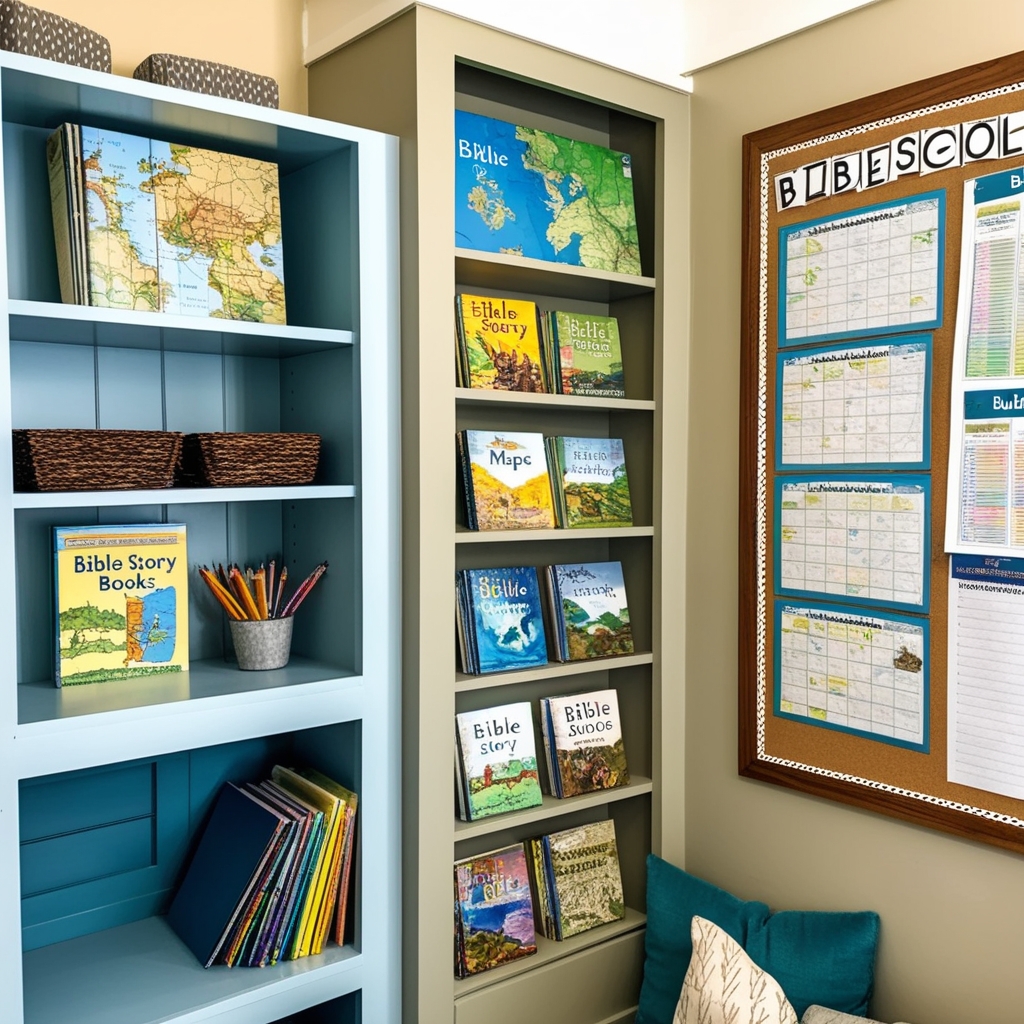
Tailoring Bible lesson activities to different age groups ensures maximum engagement and comprehension. Each developmental stage requires specific approaches and materials.
Preschool Bible Activities (Ages 3-5)
Preschoolers learn best through sensory experiences and repetition. Incorporate simple crafts, songs, and movement activities that reinforce Bible stories. Use picture books with colorful illustrations to tell biblical narratives.
Popular preschool activities include:
- Bible story coloring pages and stickers
- Simple crafts using construction paper and glue sticks
- Action songs and finger plays
- Dramatic play with Bible story props
- Snacks that connect to lesson themes
Keep lessons short (15-20 minutes) and include frequent movement breaks. Repeat key concepts multiple times using different activities to reinforce learning.
Elementary Bible Studies (Ages 6-11)
Elementary students can handle more complex Bible stories and begin learning basic theological concepts. Introduce simple Bible study tools like children’s concordances and Bible atlases.
Effective elementary activities include:
- Bible timeline projects and maps
- Character study worksheets
- Scripture copywork and basic calligraphy
- Bible-based science experiments
- Historical research projects
Encourage questions and provide age-appropriate answers that satisfy curiosity while building faith. Use concrete examples and analogies to explain abstract spiritual concepts.
Middle and High School Approaches (Ages 12-18)
Older students benefit from in-depth Bible study that addresses real-life issues and challenges. Introduce apologetics, systematic theology, and practical Christian living topics.
Advanced Bible study methods include:
- Inductive Bible study techniques
- Research projects on biblical topics
- Apologetics discussions and debates
- Service learning projects
- Mentorship and discipleship opportunities
Encourage critical thinking while maintaining respect for Scripture’s authority. Address doubts and questions honestly, providing resources for further investigation.
Incorporating Different Learning Styles
Effective homeschool Bible lesson plans accommodate various learning preferences to ensure all children can engage meaningfully with Scripture. Understanding and implementing multiple learning styles enhances comprehension and retention.
Visual Learning Strategies
Visual learners benefit from seeing information presented through charts, diagrams, illustrations, and videos. Create colorful Bible timeline posters, character trait charts, and geographic maps to support visual processing.
Visual Bible study tools include:
- Illustrated Bible storybooks and graphic novels
- Bible mapping activities and geography studies
- Character comparison charts
- Video documentaries about biblical times
- Art projects and creative expression activities
Many visual learners also benefit from color-coding systems for different themes, characters, or theological concepts throughout their Bible study materials.
Auditory Learning Methods
Auditory learners process information best through listening and discussion. Incorporate audio Bible recordings, worship music, and verbal storytelling into lesson plans.
Auditory strategies include:
- Scripture songs and hymns
- Audio Bible recordings and dramatizations
- Discussion-based lessons and Socratic questioning
- Oral narration and storytelling
- Debate and group dialogue activities
Encourage auditory learners to read Scripture passages aloud and participate in family devotional discussions.
Kinesthetic Learning Activities
Kinesthetic learners need movement and hands-on experiences to process information effectively. Design Bible lessons that incorporate physical activity, building projects, and tactile experiences.
Kinesthetic Bible activities include:
- Building models of biblical structures (ark, tabernacle, temple)
- Acting out Bible stories and parables
- Outdoor nature studies connecting to biblical themes
- Service projects and mission activities
- Cooking foods from biblical times
Allow kinesthetic learners to move during lessons and provide fidget tools or stress balls to help maintain focus during discussion times.
Assessment and Progress Tracking
Regular assessment helps parents evaluate their children’s spiritual growth and biblical knowledge retention. Unlike traditional academic subjects, Bible assessment focuses on both cognitive understanding and heart transformation.
Formal Assessment Methods
Formal assessments provide measurable data about biblical knowledge and comprehension. These might include written tests, oral examinations, and project-based evaluations.
Effective formal assessment tools include:
- Weekly quizzes on Scripture passages and key concepts
- Monthly tests covering unit themes and character studies
- Scripture memory recitations and accuracy checks
- Research project presentations and reports
- Portfolio collections of Bible study work
Keep formal assessments age-appropriate and avoid creating anxiety around spiritual learning. Focus on growth and improvement rather than perfect performance.
Informal Progress Monitoring
Informal assessment provides valuable insights into children’s spiritual development and application of biblical principles. Observe how children apply biblical teachings in daily situations and relationships.
Informal assessment strategies include:
- Daily observation of character growth and behavior changes
- Family devotional participation and engagement levels
- Spontaneous biblical references in conversation
- Prayer requests and spiritual concerns expressed
- Service attitude and willingness to help others
Document observations in a spiritual growth journal to track long-term development and celebrate progress milestones.
Self-Assessment and Reflection
Encourage older children to evaluate their own spiritual growth through journaling and reflection activities. Self-assessment promotes ownership of faith development and encourages honest spiritual introspection.
Self-assessment tools include spiritual growth journals, prayer logs, and personal Bible study records. Provide guided questions that help children reflect on how biblical teachings impact their thoughts, attitudes, and actions.
Seasonal and Thematic Bible Studies
Incorporating seasonal themes and special topics into homeschool Bible lesson plans adds variety and relevance to spiritual education. These focused studies help children connect biblical truths to current experiences and cultural celebrations.
Holiday-Centered Bible Studies
Christian holidays provide natural opportunities for intensive Bible study focused on specific theological themes. Christmas studies explore the incarnation, prophecies about the Messiah, and God’s plan of salvation.
Easter lessons delve deep into the passion week, resurrection accounts, and the significance of Christ’s sacrifice. These extended studies often span several weeks and include special activities, service projects, and family traditions.
Other Christian holidays like Pentecost, Reformation Day, and Epiphany offer additional opportunities for focused biblical exploration and historical learning.
Character Study Series
Multi-week character studies allow for in-depth exploration of biblical figures and their relevance to modern Christian living. Popular character study subjects include David, Daniel, Esther, Paul, and Mary.
Character studies typically examine:
- Historical and cultural background
- Key life events and decisions
- Character strengths and weaknesses
- Lessons learned from successes and failures
- Applications for contemporary Christian living
These studies help children understand that biblical characters were real people who faced challenges similar to modern believers.
Topical Bible Studies
Thematic studies address specific topics relevant to Christian living and spiritual growth. Popular topics include prayer, forgiveness, friendship, stewardship, and courage.
Topical studies examine multiple Scripture passages related to the chosen theme, helping children develop a comprehensive biblical worldview on important life issues. These studies often include practical application activities and real-life scenario discussions.
Essential Resources and Tools
Quality resources enhance the effectiveness of homeschool Bible lesson plans and support both parent preparation and student engagement. Building a well-equipped Bible study library requires careful selection of age-appropriate and theologically sound materials.
Bible Versions and Study Tools
Select Bible versions appropriate for your children’s reading levels and comprehension abilities. Popular children’s Bible versions include the International Children’s Bible, New International Reader’s Version, and English Standard Version.
Essential study tools include:
- Children’s Bible dictionaries and concordances
- Bible atlases with maps and geographical information
- Commentaries written for family devotional use
- Cross-reference study Bibles
- Bible software and digital study tools
Many families find value in having multiple Bible versions available for comparison and deeper study, especially with older children who can benefit from examining different translations.
Curriculum and Lesson Plan Resources
Pre-made curriculum resources can supplement or provide the foundation for your Bible lesson plans. Many publishers offer comprehensive Bible curricula designed specifically for homeschool families.
Popular homeschool Bible curricula include Grapevine Studies, Beautiful Feet Books, and Answers in Genesis materials. These resources often include teacher guides, student workbooks, and supplementary materials like audio recordings or online components.
For additional lesson plan ideas and resources, visit our comprehensive lesson plan collection featuring Bible studies for all age groups.
Technology and Digital Resources
Digital tools can enhance Bible study through interactive maps, virtual museum tours, and multimedia presentations. Bible software programs like Logos or Accordance provide advanced study tools for older students and parent preparation.
Useful digital resources include:
- Bible app games and interactive activities
- Virtual Holy Land tours and archaeological sites
- Online Bible study tools and commentaries
- Educational videos and documentaries
- Scripture memory apps and programs
Balance digital resources with hands-on activities and traditional study methods to accommodate different learning preferences and avoid over-dependence on technology.
Frequently Asked Questions
How long should daily Bible lessons be for homeschooled children?
Bible lesson length depends on children’s ages and attention spans. Preschoolers typically need 15-20 minute lessons, elementary students can handle 30-45 minutes, and teenagers may engage in hour-long studies. Quality engagement matters more than duration, so adjust timing based on your children’s needs and interest levels.
What if my child asks difficult theological questions during Bible lessons?
Welcome difficult questions as opportunities for deeper learning and spiritual growth. Research answers together using age-appropriate resources, consult with pastors or mature believers when needed, and remember that it’s okay to say “I don’t know, but let’s find out together.” Honest exploration strengthens rather than weakens faith.
Should I use the same Bible curriculum for all my children?
While family Bible time can include shared stories and discussions, individual children benefit from age-appropriate materials that match their developmental stages and learning styles. Consider using a multi-level approach with core family lessons supplemented by individual study materials tailored to each child’s needs.
How can I make Bible lessons engaging for reluctant or distracted children?
Incorporate hands-on activities, movement, and interactive elements that match your child’s learning style. Use props, costumes, and dramatic play for younger children. For older students, try discussion-based lessons, research projects, or service learning opportunities that connect biblical principles to real-life situations.
What role should Scripture memorization play in homeschool Bible lessons?
Scripture memorization provides children with a foundation of biblical truth that guides decision-making and spiritual growth throughout life. Include age-appropriate memory work that connects to lesson themes, using songs, games, and visual aids to make memorization enjoyable rather than burdensome.
How do I assess spiritual growth versus just biblical knowledge?
Spiritual assessment goes beyond factual knowledge to include character development, attitude changes, and practical application of biblical principles. Observe how children treat siblings, respond to correction, show compassion for others, and demonstrate growing relationship with God through prayer and worship.
Can I create effective Bible lesson plans without formal theological training?
Many parents successfully teach Bible lessons without formal theological education by using quality curriculum resources, consulting reliable commentaries, and seeking guidance from pastors or mature believers when needed. Focus on clear biblical truths and age-appropriate applications while continuing to grow in your own understanding.
📚 Recommended Homeschool Resources
As an Amazon Associate, I earn from qualifying purchases. Some links in this article are affiliate links, meaning I may earn a small commission at no extra cost to you.
Conclusion
Developing and implementing effective homeschool Bible lesson plans requires intentional planning, age-appropriate resources, and a heart committed to nurturing children’s spiritual growth. By incorporating structured lesson planning with engaging activities and multiple learning styles, parents can create meaningful Bible study experiences that build both biblical knowledge and personal faith.
Remember that successful Bible education extends beyond formal lesson time to include family devotions, character training opportunities, and modeling Christian living throughout daily routines. The investment you make in your children’s spiritual education through well-planned Bible lessons will yield eternal dividends as they develop personal relationships with God and biblical worldviews that guide their life decisions.
Start implementing these Bible lesson planning strategies today to enrich your homeschool curriculum and strengthen your family’s spiritual foundation. For additional support and resources, explore our comprehensive homeschool guidance and connect with our community of experienced homeschool families.
Related Resources
Expand your homeschool Bible teaching with these additional resources:
- Complete Lesson Plan Collection – Browse hundreds of ready-to-use Bible lesson plans for all grade levels
- Curriculum Selection Guide – Compare different Bible curriculum options and teaching methods
- Expert Consultation – Get personalized advice for your family’s Bible education needs

Loved this post? Grab the free resource above.
Math Adventures: Everyday Numbers — drop your email and we'll send the printable PDF.