Free Printable Homeschool Year Planner
Plan your whole school year on one page — weekly, monthly, and yearly templates included.
A solid homeschool record keeping guide is the difference between confidently walking into a graduation review and scrambling through shoeboxes of loose papers to prove your child learned anything at all. Whether you are homeschooling for the first time or you have been at it for years, keeping accurate, organized records protects your family legally, supports college and job applications down the road, and gives you a clear picture of your child’s academic growth. This guide walks you through exactly what to track, how to organize it, and which tools make the process painless.
Record keeping requirements vary significantly by state, with some states requiring detailed portfolios and standardized testing while others ask for little more than a notice of intent to homeschool. According to the Home School Legal Defense Association (HSLDA), homeschool regulations fall into four broad categories ranging from “no notice required” to “high regulation,” which means your record keeping obligations depend heavily on where you live.
This comprehensive guide covers everything from legal requirements and daily logging systems to digital tools, transcript building, and portfolio assembly. By the end, you will have a repeatable system you can maintain in just a few minutes a day.
Key Takeaways
- Homeschool record keeping requirements are set at the state level, so verifying your local laws should be your first step.
- A complete homeschool record keeping system includes attendance logs, work samples, grades, standardized test scores, and a reading list.
- Daily or weekly logging takes as little as 10 minutes and prevents end-of-year scrambling.
- Digital tools like spreadsheets and dedicated homeschool apps simplify tracking, but paper binders remain valid and reliable.
- High schoolers need transcripts, course descriptions, and credit hour calculations for college applications.
- Portfolios that combine work samples with reflective notes offer the richest picture of a child’s progress.
Why Homeschool Record Keeping Matters

Good record keeping is not just busywork. It serves several practical purposes that benefit your family long after the school year ends.
Legal Protection
If your state ever requests proof of educational activity, thorough records demonstrate compliance immediately. Without documentation, families can face unnecessary stress or even legal complications.
Academic Continuity
Records help you see what your child has actually mastered versus what still needs review. This is especially important when switching curriculum or teaching methods, a topic covered in more depth in our curriculum methods category.
College and Career Preparation
Colleges, scholarship committees, and even employers may request transcripts or proof of coursework. A well-maintained homeschool record keeping system makes producing these documents fast and stress-free.
Peace of Mind
Perhaps most importantly, organized records reduce parental anxiety. You can answer the question “are we on track?” with data instead of guesswork.
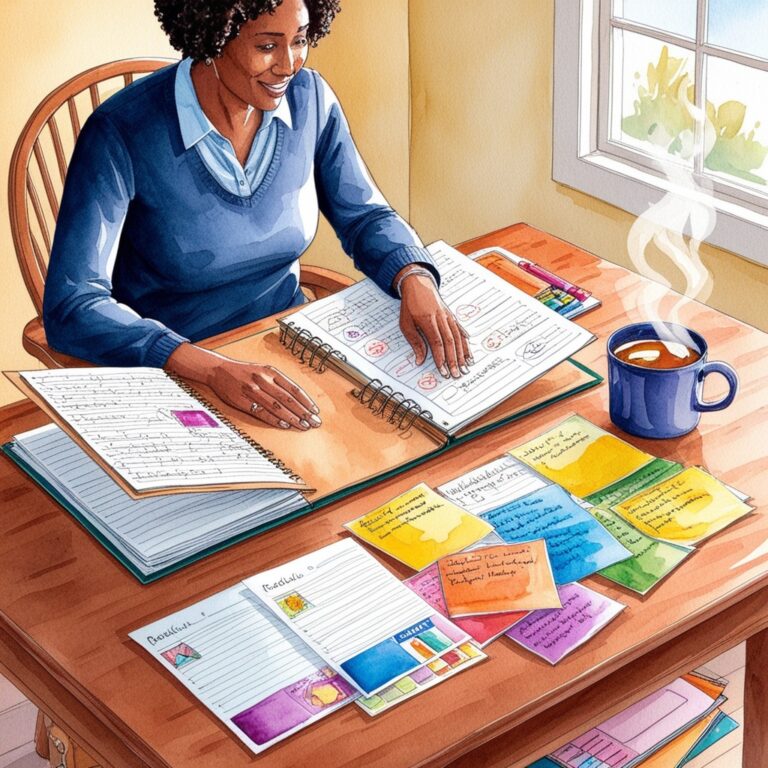
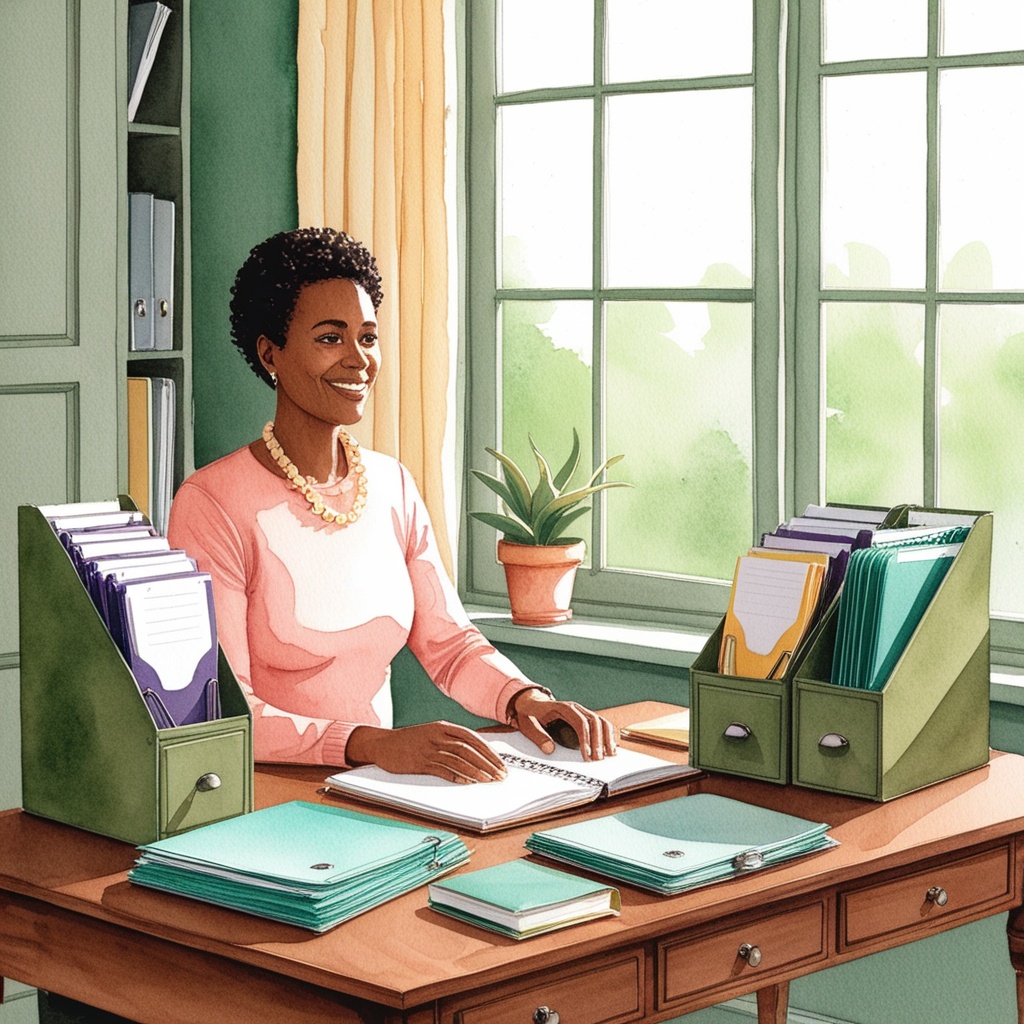
[Image placeholder: parent organizing a homeschool record keeping binder]
Understanding Your State’s Legal Requirements
Before building any system, you need to know what your state actually requires. Homeschool regulations differ dramatically across the country.
Types of State Requirements
- Notice-only states that require a simple letter of intent
- States requiring attendance records and immunization documentation
- States requiring standardized testing or professional evaluation
- States requiring detailed curriculum outlines and portfolio review
The HSLDA maintains an updated, state-by-state breakdown of homeschool laws that is worth bookmarking as your primary reference. You can review the current requirements directly through the HSLDA legal analysis by state.
What to Do If Your State Changes Its Laws
Homeschool legislation shifts periodically. Subscribe to updates from your state homeschool association and check in at the start of each academic year. If you are unsure how a change affects your family, our team is happy to help through the contact page.
Record Retention Timelines
Even in low-regulation states, most experienced homeschool parents recommend keeping records for at least three to four years, and permanently for high school transcripts and diplomas.
Essential Documents Every Homeschool Record Keeping System Needs
A complete homeschool record keeping system typically includes several categories of documentation. Missing any of these can create gaps later.
Core Documents
- Attendance logs tracking instructional days
- Curriculum and lesson plans used throughout the year
- Grades or narrative progress evaluations
- Standardized test scores, if applicable
- Work samples representing each subject
- Reading lists and book logs
- Extracurricular activity and field trip logs
- Immunization or health records, where required
Supplemental Records Worth Keeping
- Photos or videos of projects and experiments
- Volunteer hours and community service logs
- Letters of recommendation for older students
- Standardized assessment reports from co-ops or tutors
Scholastic’s guide to tracking student progress notes that consistent documentation, even informal notes, correlates with stronger academic outcomes because it forces regular reflection on learning goals. You can read more from Scholastic’s parent resources on tracking academic progress.
Daily and Weekly Logging Methods
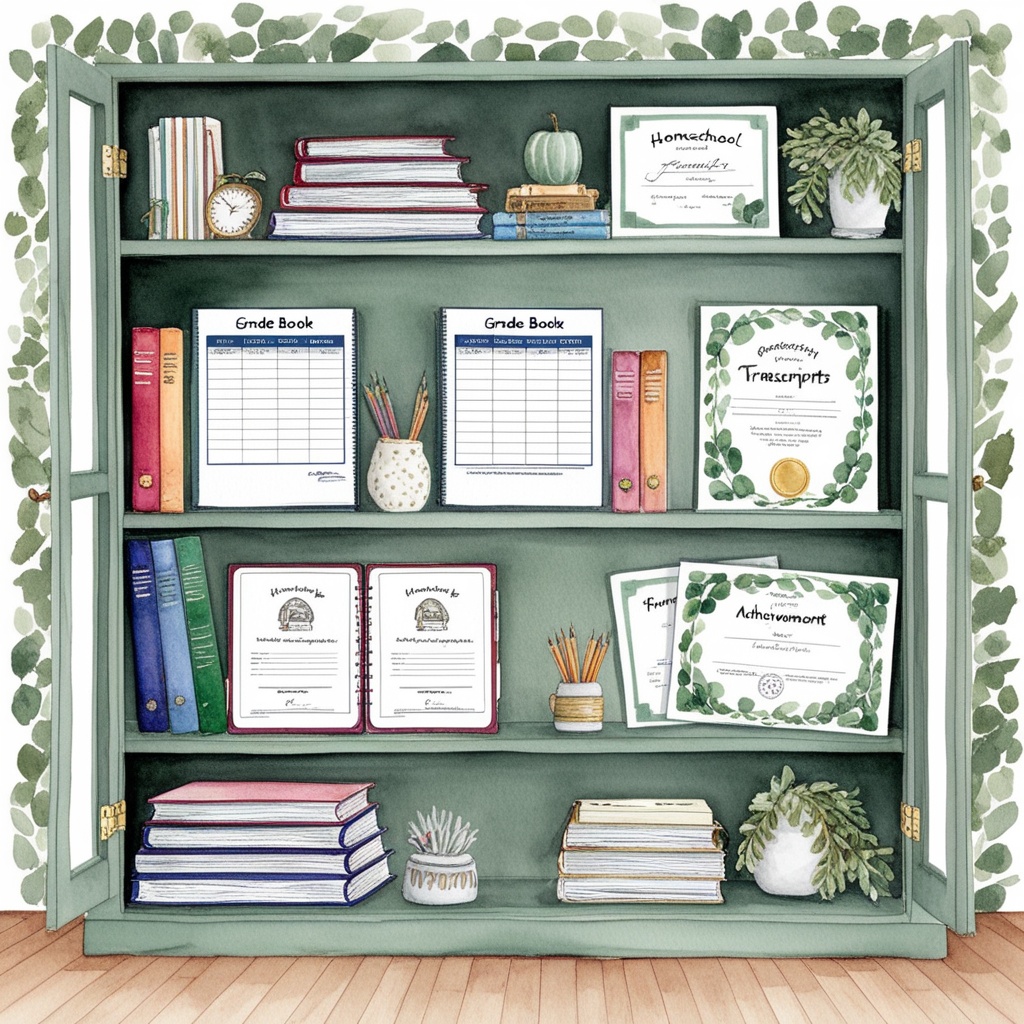
The backbone of any homeschool record keeping guide is a simple, sustainable logging habit. If your system takes too long to maintain, you will abandon it by October.
The Daily Log Method
Spend two to three minutes each evening jotting down subjects covered, pages completed, and any notable breakthroughs or struggles. This creates a real-time record without relying on memory.
The Weekly Summary Method
Some families prefer a single weekly entry that summarizes the week’s work across all subjects. This works well for unschooling or relaxed homeschooling approaches where daily subject-by-subject tracking feels restrictive.
The Checklist Method
Create a simple checklist of weekly learning objectives and check off items as they are completed. This pairs well with pre-made planning tools, like those found in our lesson plan shop, which often include built-in tracking sheets.
Sample Weekly Log Template
| Day | Subjects Covered | Time Spent | Notes |
|---|---|---|---|
| Monday | Math, Reading, Science | 3 hours | Struggled with fractions, needs review |
| Tuesday | Writing, History | 2.5 hours | Finished chapter 4 essay |
Consistency matters more than perfection. A slightly messy log kept every day beats a beautiful log that stops after week three.
Digital vs. Paper Record Keeping Systems
One of the biggest decisions in any homeschool record keeping guide is choosing between digital and paper systems, or blending the two.
Advantages of Digital Record Keeping
- Searchable and easily backed up in the cloud
- Automatically calculates hours, credits, or GPA
- Easy to share with co-ops, evaluators, or grandparents
- Reduces physical storage clutter
Advantages of Paper Record Keeping
- No dependence on technology or internet access
- Feels more tangible for younger children reviewing their own work
- Simple binder systems are easy for co-parents or grandparents to understand
- Works well as a backup even if you primarily use digital tools
Popular Digital Tools
- Spreadsheet templates (Google Sheets or Excel) for attendance and grades
- Dedicated homeschool planning apps with built-in transcript builders
- Cloud photo albums organized by subject or project
- Shared drives for storing scanned work samples
Many families adopt a hybrid approach: daily logging on paper, with a monthly digital backup scan. This protects against lost binders while keeping the daily habit low-friction. For more scheduling strategies that pair well with record keeping, browse our scheduling and planning category.
[Image placeholder: digital app versus paper binder comparison]
Building a Homeschool Portfolio
A portfolio is a curated collection of your child’s work that tells the story of their learning journey. It is often required for annual review in portfolio-based states, but it is valuable for every family.
What to Include in a Portfolio
- Three to five representative work samples per subject, per quarter
- A brief reflective note explaining why each sample was chosen
- Photos of hands-on projects, field trips, or lab experiments
- Reading logs with titles, authors, and completion dates
- Standardized test results or evaluator letters, if applicable
Organizing the Portfolio
Divide the portfolio by subject or by quarter, whichever matches your state’s review format. Label each section clearly with dates so an outside evaluator can follow your child’s progression at a glance.
Digital Portfolio Tools
If you prefer digital storage, scan work samples into a shared folder organized by month and subject. Apps designed for homeschool portfolios often allow you to tag entries by learning standard, which simplifies annual reviews significantly.
Building strong portfolios pairs naturally with the activities you choose throughout the year. Our activities and ideas category offers projects specifically designed to generate strong, evaluator-ready work samples.
Creating Transcripts for High School Homeschoolers
Transcripts become critical once your child enters high school, especially if college applications are on the horizon.
What a Homeschool Transcript Should Include
- Student’s full legal name and date of birth
- List of courses completed by year, with credit hours
- Grades or grade point average for each course
- Cumulative GPA calculation
- Graduation date and diploma statement
- Standardized test scores, such as the SAT or ACT
Calculating Credit Hours
Most homeschool transcripts follow the Carnegie unit standard, where one credit equals approximately 120 to 150 hours of instructional time in a subject over the course of a year.
Writing Course Descriptions
Many colleges request brief course descriptions alongside the transcript, particularly for non-traditional or self-designed courses. A short paragraph outlining the textbook used, major topics covered, and assessment methods is usually sufficient.
Sample Transcript Layout
| Course | Credit Hours | Grade | Year |
|---|---|---|---|
| Algebra I | 1.0 | A | 9th Grade |
| World History | 1.0 | B+ | 9th Grade |
For families navigating this stage for the first time, our grade level guides category breaks down exactly what each high school year should include academically.
Organizing Records by Grade Level and Subject
How you organize your homeschool record keeping system should evolve as your child moves through different stages of education.
Early Elementary (Kindergarten to 3rd Grade)
Focus on attendance, simple work samples, and reading logs. Formal grades are usually unnecessary; narrative notes about progress work better at this stage.
Upper Elementary and Middle School (4th to 8th Grade)
Introduce basic grading, subject-by-subject folders, and standardized testing if required. Begin saving significant projects, as some states request cumulative portfolios spanning multiple years.
High School (9th to 12th Grade)
Shift toward formal transcripts, credit tracking, and course descriptions as outlined in the previous section. Keep detailed records of extracurriculars and volunteer hours, since these often matter for scholarships.
Organizing by Subject vs. by Year
Some families find it easier to organize records by subject across multiple years, which helps visualize long-term progression in areas like math or writing. Others prefer organizing strictly by academic year, which mirrors how most state evaluators expect to see records presented. Choose whichever system matches your state’s requirements and your own retrieval habits.
[Image placeholder: color-coded folders organized by subject and grade]
Common Record Keeping Mistakes to Avoid
Even experienced homeschool parents fall into a few predictable traps. Avoiding these will save you significant stress.
Waiting Until the End of the Year
Trying to reconstruct an entire year’s activities in May is overwhelming and inaccurate. Small, consistent entries beat a massive year-end catch-up session every time.
Not Backing Up Digital Files
A crashed hard drive should never mean losing a year of academic records. Use cloud storage or an external drive as a backup, ideally both.
Ignoring State-Specific Requirements
Generic templates found online do not always match your state’s exact requirements. Cross-check any template against your state’s official homeschool statute before relying on it.
Overcomplicating the System
A record keeping system you cannot maintain is worse than a simple one you actually use. Start basic and add complexity only if a specific requirement demands it.
Forgetting Extracurriculars and Life Skills
Academic subjects tend to dominate record keeping, but extracurriculars, volunteer work, and life skills often matter just as much for scholarships and college applications. Do not let these fall through the cracks.
If you are just starting your homeschool journey and want a foundational system before tackling advanced record keeping, our getting started category is the best place to begin.
Frequently Asked Questions
What records are legally required for homeschooling?
Legal requirements vary by state, ranging from no formal records to detailed portfolios and standardized testing. Check your state’s specific homeschool statute through HSLDA or your state department of education to confirm exact obligations.
How long should I keep homeschool records?
Most experts recommend keeping annual records for at least three to four years, and permanently retaining high school transcripts and diplomas. Some states also require immunization or attendance records to be kept longer.
Do I need to keep grades for elementary students?
Formal grades are usually unnecessary in early elementary grades. Narrative progress notes and work samples typically provide a more accurate picture of learning at this stage.
What is the best homeschool record keeping app?
The best app depends on your family’s needs, but effective options generally include attendance tracking, grade calculation, and transcript generation. Spreadsheet templates work equally well for families who prefer full customization over a pre-built app.
How do I create a homeschool transcript for college applications?
A homeschool transcript should list courses, credit hours, grades, and a cumulative GPA, along with graduation information. Include brief course descriptions for any non-traditional or self-designed classes.
Can I switch from paper to digital record keeping mid-year?
Yes, switching systems mid-year is fine as long as you maintain continuity in the information tracked. Scan existing paper records into your new digital system to keep everything centralized.
What should a homeschool portfolio include?
A homeschool portfolio should include representative work samples, reading logs, project photos, and any standardized test results organized by subject or quarter. Reflective notes explaining why each sample was chosen add helpful context for evaluators.
Planners Homeschool Moms Swear By
As an Amazon Associate, HomeschoolingExperts earns from qualifying purchases. Some links in this article are affiliate links, meaning we may earn a small commission at no extra cost to you.
Conclusion
A dependable homeschool record keeping guide does not need to be complicated to be effective. The core elements, attendance, work samples, grades, and portfolios, work together to protect your family legally and paint a clear picture of your child’s growth over time.
Start small, stay consistent, and adjust your system as your child moves through different grade levels. Whether you choose paper, digital, or a hybrid approach, the most important factor is simply showing up to log the work regularly.
If you want ready-made planning tools that make daily logging effortless, explore our lesson plan shop for templates designed specifically for homeschool families. And if you have questions about building a system tailored to your state’s requirements, reach out through our contact page; our team, detailed on the about page, is happy to help.
Related Resources
- Getting Started with Homeschooling
- Homeschool Scheduling and Planning
- Grade Level Guides for Homeschoolers

Loved this post? Grab the free resource above.
Plan your whole school year on one page — weekly, monthly, and yearly templates included.