
Free Printable Homeschool Year Planner
Plan your whole school year on one page — weekly, monthly, and yearly templates included.
Learning how to track homeschool progress is one of the most important skills you can develop as a homeschooling parent, since it directly impacts your child’s academic growth, your state compliance requirements, and your own confidence in the choices you are making. Without a system in place, it is easy to lose sight of what your child has actually mastered versus what still needs work. This guide walks you through practical, proven methods for tracking homeschool progress so you can teach with clarity instead of guesswork.
Whether you are brand new to homeschooling or have been at it for years, tracking progress does not need to be complicated or time-consuming. In this post, we will cover record-keeping systems, portfolio building, standardized assessments, subject-specific tracking strategies, digital tools, and how to use progress data to adjust your homeschool curriculum in real time.
By the end of this article, you will have a clear, customizable framework for monitoring academic growth, meeting state homeschool requirements, and identifying learning gaps before they become bigger problems.
Key Takeaways
- Tracking homeschool progress requires both qualitative records (portfolios, work samples) and quantitative data (grades, test scores, checklists).
- Most states require some form of homeschool record keeping, so check your local regulations through resources like HSLDA.
- Digital tools and simple spreadsheets can dramatically reduce the time spent on tracking without sacrificing accuracy.
- Regular check-ins, at least monthly, help you catch learning gaps early and adjust your teaching approach.
- Standardized testing is optional in many states but can offer useful benchmarking data.
Why Tracking Homeschool Progress Matters
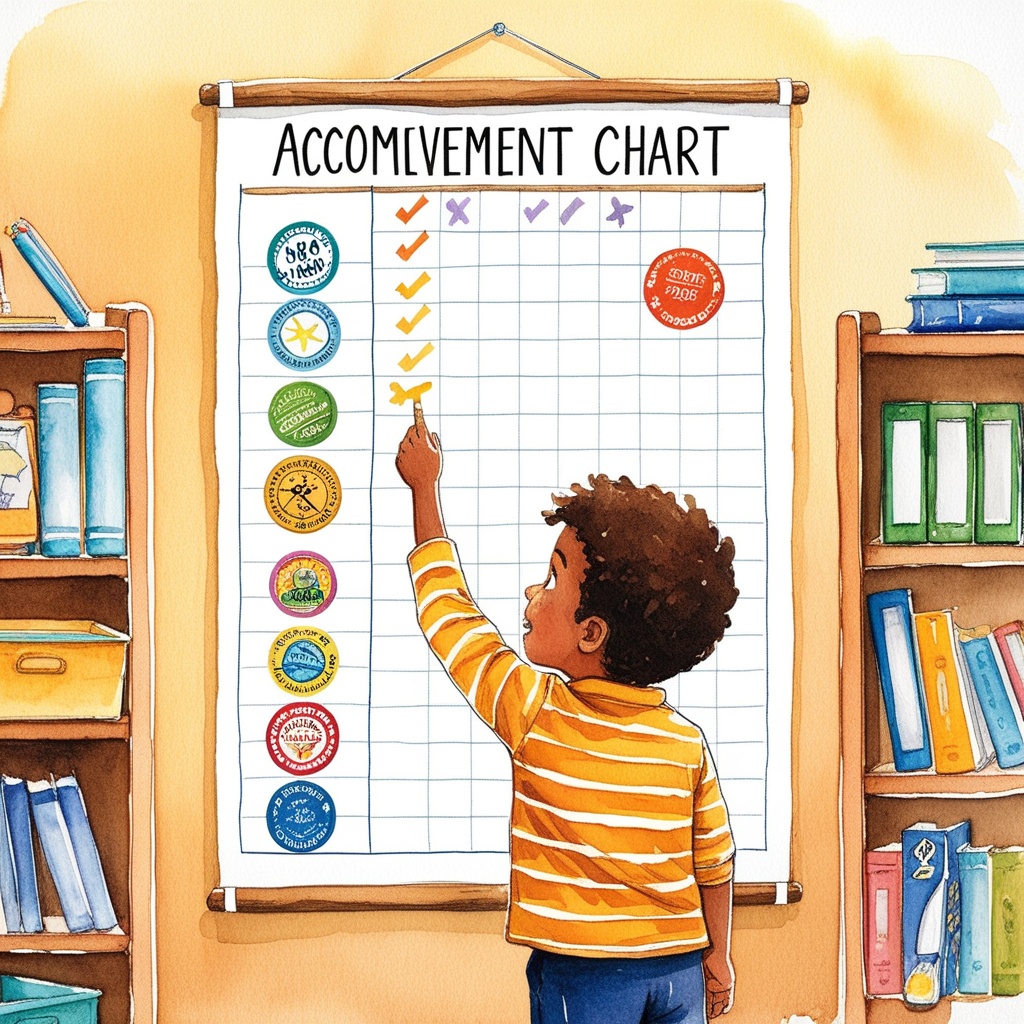
Tracking homeschool progress is not just an administrative chore, it is the foundation of effective teaching. When you consistently monitor how your child is doing, you can identify strengths, address weaknesses, and make informed decisions about curriculum changes.
Progress tracking also protects you legally. Many states require homeschool families to maintain attendance records, work samples, or assessment results in case of an audit or evaluation.
Beyond compliance, tracking progress gives you peace of mind. According to the National Home Education Research Institute, homeschooled students typically score 15 to 30 percentile points above public school students on standardized achievement tests, but those results are only meaningful when parents actually measure and compare progress over time (National Home Education Research Institute).
Academic Benefits of Consistent Tracking
When you track homeschool progress consistently, you create a feedback loop that informs daily lesson planning. You will know exactly which concepts your child has mastered and which ones require review before moving forward.
Emotional and Motivational Benefits
Seeing measurable growth, even in small increments, boosts a child’s confidence and motivation. Progress tracking transforms abstract learning into something visible and celebratory for both parent and student.

Understanding Your State’s Homeschool Record-Keeping Requirements
Before you choose a tracking method, it is essential to understand what your state legally requires. Homeschool regulations vary widely across the United States, ranging from no reporting at all to mandatory standardized testing and portfolio reviews.
The Home School Legal Defense Association (HSLDA) categorizes states into four groups based on regulatory strictness, and checking your state’s classification is a smart first step (HSLDA legal requirements by state).
Common Requirements Across States
- Notice of intent to homeschool filed with the local school district
- Minimum number of instructional days or hours per year
- Standardized testing at specific grade levels
- Portfolio review by a certified teacher or evaluator
- Attendance records and immunization documentation
How to Stay Organized for Compliance
Create a dedicated folder, whether physical or digital, for all compliance-related paperwork. Update it monthly rather than scrambling at the end of the school year.
If you are unsure where to start with state-specific planning, our getting started with homeschooling resources can help you build a solid foundation.
Building a Homeschool Portfolio
A homeschool portfolio is one of the most effective ways to track homeschool progress over an entire academic year. It is a curated collection of your child’s work that demonstrates growth across subjects.
Portfolios are especially useful in states that require an annual review, but even if your state does not mandate one, they serve as a rich record of your child’s educational journey.
What to Include in a Homeschool Portfolio
- Samples of writing from the beginning, middle, and end of the year
- Completed workbook pages or worksheets in math and science
- Photos of hands-on projects, science experiments, or field trips
- Reading logs listing books completed and reading levels
- Certificates, awards, or completed course transcripts
Organizing Your Portfolio Efficiently
Use a three-ring binder with labeled dividers for each subject, or go digital with a shared cloud folder organized by month. Either way, consistency matters more than the specific tool you choose.
For ready-made templates that simplify this process, browse our homeschool lesson plans and printable resources designed to pair with portfolio tracking.
Using Checklists and Learning Logs
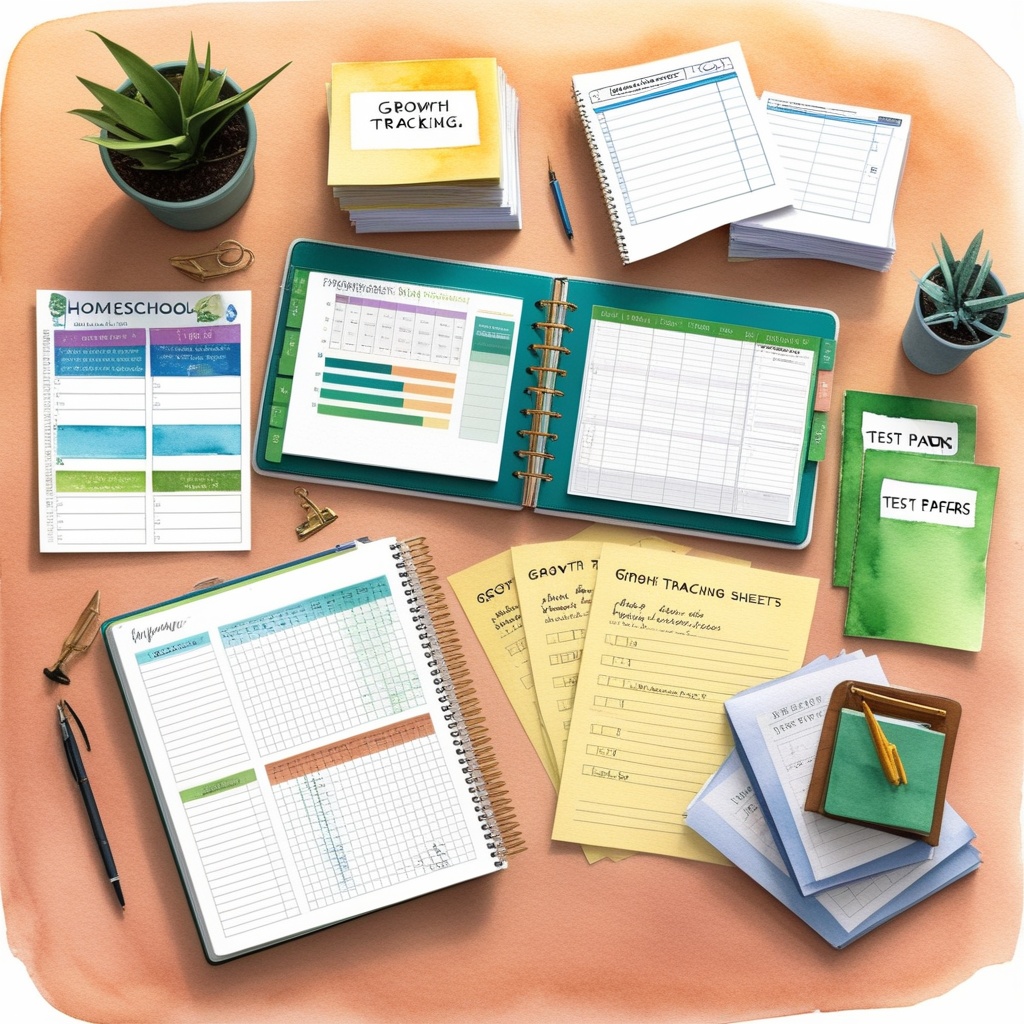
Checklists and daily learning logs are among the simplest tools for tracking homeschool progress on a day-to-day basis. They require minimal setup and can be adapted for any age or subject.
Unlike portfolios, which capture a broader picture, checklists give you granular, real-time insight into whether specific skills are being covered consistently.
Daily and Weekly Learning Logs
A simple learning log includes the date, subject, lesson topic, and a short note on how the child performed. Over a semester, these logs become a detailed record of instructional time and content coverage.
Skill-Based Checklists
Many curriculum providers publish scope and sequence checklists broken down by grade level. Checking off mastered skills as you go helps ensure no foundational concept gets skipped.
- Print or create a checklist for each subject at the start of the year
- Mark skills as introduced, practiced, or mastered
- Review the checklist monthly to spot gaps
- Adjust lesson plans based on what still needs reinforcement
Explore our grade level guides for age-appropriate skill checklists you can adapt for your own tracking system.
Grading Systems and Report Cards for Homeschoolers
Creating a grading system helps formalize how you track homeschool progress, especially as children reach middle and high school. Grades provide a quantitative measure that can be useful for transcripts, scholarships, or college applications later on.
You do not need to replicate a traditional school’s grading scale exactly, but having some consistent method makes long-term tracking much easier.
Simple Grading Approaches for Homeschoolers
- Percentage-based grading tied to completed assignments and quizzes
- Mastery-based grading, where a skill is marked complete only once fully understood
- Narrative evaluations describing strengths and areas for growth instead of letter grades
Creating Report Cards at Home
A homeschool report card does not need to be elaborate. A simple template listing subjects, grades or mastery levels, and a brief teacher comment is often sufficient for record-keeping purposes.
If you are approaching high school, review our guidance on curriculum methods for homeschoolers to understand how grading ties into transcript preparation.
Standardized Testing and Assessments
Standardized testing is one option for tracking homeschool progress against national or state benchmarks. While not required everywhere, many families choose to test annually for added data.
Common assessments used by homeschoolers include the Iowa Test of Basic Skills, the California Achievement Test, and the Stanford Achievement Test. Scholastic also offers assessment resources that align with common core benchmarks, useful for families wanting a comparative reference point (Scholastic education resources).
Benefits of Standardized Testing
- Provides an objective, third-party measure of academic performance
- Identifies gaps that may not be obvious through daily instruction
- Satisfies state requirements in areas where testing is mandatory
- Offers useful data for families considering a return to traditional school
Alternative Assessment Options
If standardized testing feels stressful or misaligned with your homeschooling philosophy, consider portfolio reviews, oral narrations, or project-based assessments instead. These methods still generate useful progress data without a formal test environment.
Digital Tools and Apps for Tracking Homeschool Progress
Technology has made tracking homeschool progress significantly easier over the past decade. A wide range of apps and platforms now allow parents to log attendance, grades, and assignments in one centralized place.
Choosing the right digital tool depends on your family’s needs, tech comfort level, and whether you need state-compliant reporting features.
Popular Categories of Tracking Tools
- Homeschool-specific record-keeping apps with built-in transcript generators
- General-purpose spreadsheet templates customized for attendance and grades
- Learning management systems that track completed assignments automatically
- Simple planner apps combined with a shared family calendar
Tips for Choosing the Right Tool
- Prioritize tools that export reports in formats accepted by your state
- Look for cloud-based storage so records are backed up automatically
- Choose a system simple enough that you will actually use it consistently
- Test free versions before committing to a paid subscription
For families who prefer a low-tech approach, our printable planners in the scheduling and planning collection pair well with any digital system you choose.
Subject-Specific Progress Tracking Strategies
Different subjects require different tracking approaches. A one-size-fits-all method rarely captures the nuance of skill development across reading, math, science, and writing.
Tracking Reading Progress
Maintain a reading log noting titles, reading levels, and comprehension notes. Reading fluency assessments every few months help confirm steady growth.
Tracking Math Progress
Because math builds sequentially, mastery-based tracking works particularly well here. Keep a running list of mastered concepts before advancing to the next unit.
Tracking Writing Progress
Save dated writing samples throughout the year to visually demonstrate growth in vocabulary, sentence structure, and organization. Rubric-based grading can add consistency to writing assessments.
Tracking Science and Social Studies
Project logs, lab reports, and narration summaries work well for content-heavy subjects where comprehension matters more than repetition. Photos of experiments or projects also make excellent portfolio additions.
Browse our hands-on activities and ideas for subject-specific projects that double as tracking opportunities.
Using Progress Data to Adjust Your Homeschool Plan
Collecting data is only half the equation, the real value comes from acting on it. Regularly reviewing your tracking system allows you to make timely adjustments rather than waiting until the end of the year.
Monthly Progress Reviews
Set aside 30 minutes each month to review checklists, grades, and portfolio samples. Ask yourself whether your child is on pace, ahead, or falling behind in each subject.
When to Adjust Curriculum or Pace
- If a concept is consistently marked as unmastered after multiple attempts
- If assessment scores drop significantly compared to previous checkpoints
- If your child shows signs of boredom, suggesting a need for acceleration
- If attendance logs reveal inconsistent instructional time
Involving Your Child in the Process
Older children benefit from reviewing their own progress data. This builds ownership over their education and helps them set personal academic goals.
If you need personalized support building out a tracking and curriculum plan, our team is happy to help through the contact page at HomeschoolingExperts.org.
Frequently Asked Questions
How often should I track homeschool progress?
Most homeschooling families benefit from daily learning logs combined with monthly progress reviews. This rhythm balances detailed record keeping with practical time management.
Do I need to give my child grades if I am homeschooling?
Grades are not required in every state, but they become important once your child reaches high school and needs a transcript. Many elementary and middle school families use mastery-based or narrative evaluations instead.
What is the easiest way to track homeschool progress for multiple children?
A shared digital spreadsheet or homeschool tracking app with individual student profiles is usually the most efficient solution. This allows you to log attendance, grades, and completed work for each child in one centralized system.
Is standardized testing required to track homeschool progress?
No, standardized testing is only required in some states and is not the only valid method of tracking progress. Portfolios, checklists, and mastery-based assessments are equally effective alternatives.
How do I create a homeschool transcript from my progress records?
A homeschool transcript is built from your accumulated grades, course descriptions, and credit hours tracked throughout high school. Keeping organized records from ninth grade onward makes transcript creation far easier when it comes time to apply for college.
What should I do if my tracking data shows my child is behind?
First, identify the specific skill or concept causing difficulty rather than assuming a broad deficiency. Then adjust your pacing, try a different teaching method, or incorporate additional practice before moving forward.
Can I switch tracking methods partway through the school year?
Yes, it is completely acceptable to change your tracking system if your current method is not working well. The most important thing is finding a consistent process you will actually maintain.
Planners Homeschool Moms Swear By
As an Amazon Associate, HomeschoolingExperts earns from qualifying purchases. Some links in this article are affiliate links, meaning we may earn a small commission at no extra cost to you.
Conclusion
Learning how to track homeschool progress effectively gives you the clarity and confidence to guide your child’s education with intention. Whether you choose portfolios, checklists, digital apps, or a combination of methods, the goal is consistency and honest reflection on what is working.
Start small if you feel overwhelmed. Even a simple learning log or monthly checklist review is far better than no system at all.
To learn more about how HomeschoolingExperts.org supports families through every stage of their homeschooling journey, visit our about page, and reach out anytime through our contact page if you have questions about building a tracking system tailored to your family.
Related Resources
- Getting Started with Homeschooling
- Homeschool Scheduling and Planning Tips
- Homeschool Lesson Plans and Printable Resources

Loved this post? Grab the free resource above.
Plan your whole school year on one page — weekly, monthly, and yearly templates included.