Free Sample Lesson Plan
Math Adventures: Everyday Numbers — drop your email and we'll send the printable PDF.
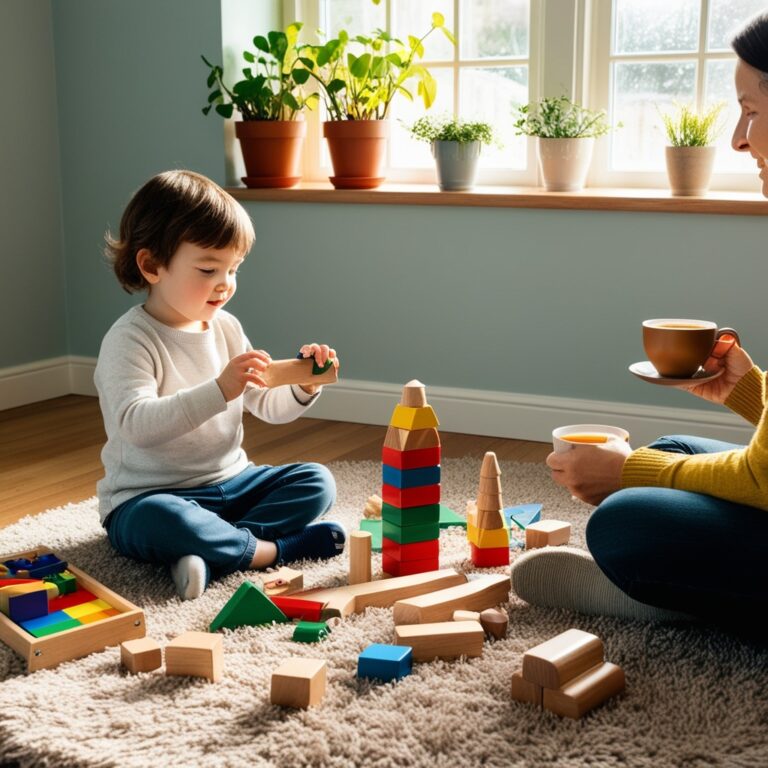
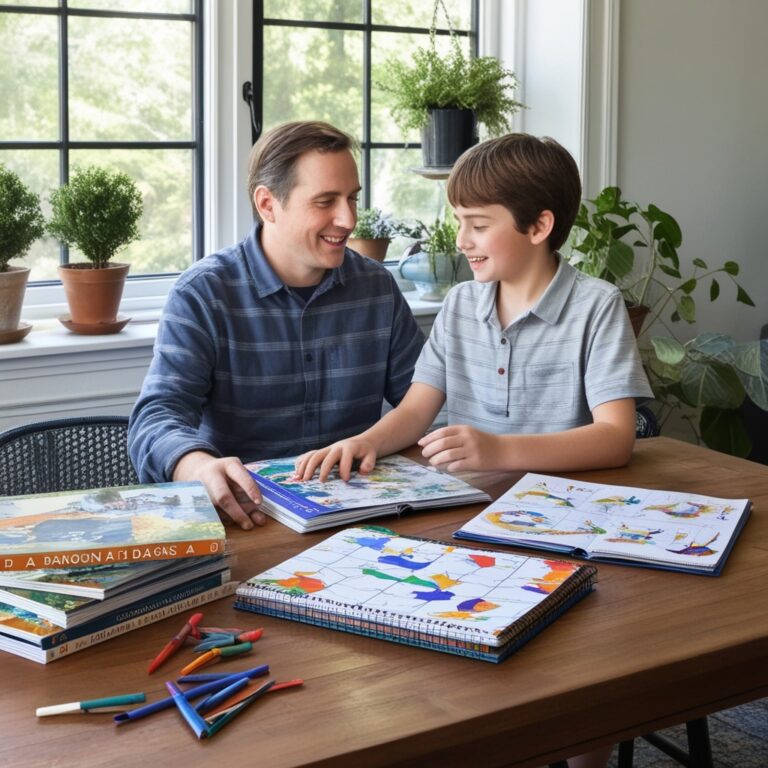
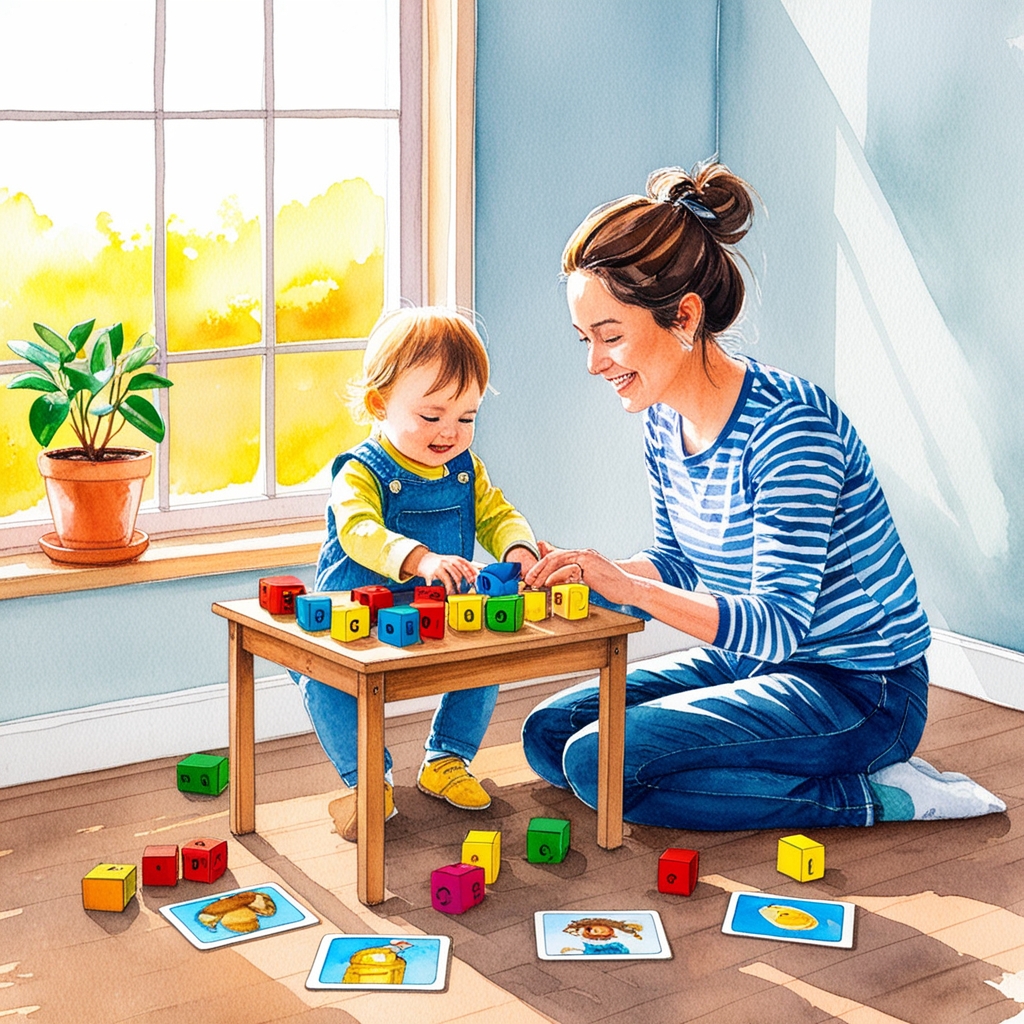
Creating effective pre-k homeschool lesson plans is one of the most rewarding yet challenging aspects of educating your 4-5 year old at home. At this crucial developmental stage, children are naturally curious, eager to learn, and ready to build foundational skills that will serve them throughout their educational journey. The key to successful pre-kindergarten homeschooling lies in structured yet flexible lesson plans that balance academic learning with play-based activities.
This comprehensive guide will walk you through everything you need to know about developing, implementing, and adapting pre-k homeschool lesson plans that work for your family. From understanding developmental milestones to creating engaging activities across all subject areas, you’ll discover practical strategies that make learning both effective and enjoyable. Whether you’re a seasoned homeschooling parent or just beginning your journey, these insights will help you create meaningful educational experiences that prepare your child for kindergarten and beyond.
Key Takeaways
- Pre-k lesson plans should focus on foundational skills like letter recognition, number concepts, and social-emotional development
- Play-based learning is most effective for 4-5 year olds, combining education with natural curiosity
- Flexible scheduling allows for individual learning styles and developmental differences
- Integration of multiple subjects within themed units maximizes learning retention
- Regular assessment helps track progress and adjust lesson plans accordingly
Understanding Pre-K Development and Learning Needs
Before diving into specific lesson plans, it’s crucial to understand where your pre-kindergarten child is developmentally. According to the National Association for the Education of Young Children, 4-5 year olds are in a unique stage where they’re transitioning from purely sensory learning to more structured academic concepts.
Cognitive Development Milestones
Pre-k children typically demonstrate several key cognitive abilities that inform effective lesson planning. They can focus on activities for 10-15 minutes, understand basic cause and effect relationships, and begin to grasp abstract concepts like numbers and letters.
Your pre-k homeschool lesson plans should accommodate these developing attention spans. Short, varied activities work better than lengthy sessions. Children at this age also benefit from repetition and routine, which helps reinforce learning and provides security.
Physical Development Considerations
Fine and gross motor skills are rapidly developing during the pre-k years. Children are learning to hold pencils correctly, cut with scissors, and coordinate complex movements. Incorporating physical activities into lesson plans isn’t just beneficial—it’s essential for proper development.
Gross motor activities like dancing, jumping, and outdoor play should be integrated throughout the day. Fine motor skills can be developed through activities like playdough manipulation, bead threading, and simple crafts that support academic learning.
Social-Emotional Learning Needs
Pre-k children are developing emotional regulation skills and learning to interact appropriately with others. Even in homeschool settings, these skills need attention and practice. Lesson plans should include opportunities for sharing, turn-taking, and expressing emotions appropriately.
Essential Components of Pre-K Homeschool Lesson Plans
Effective pre-k homeschool lesson plans share several common elements that support comprehensive learning. Understanding these components helps ensure your daily activities address all areas of development while maintaining engagement and fun.
Circle Time and Morning Routine
Starting each day with a consistent circle time routine helps children feel secure and ready to learn. This 15-20 minute period typically includes calendar activities, weather observation, singing, and discussing the day’s plans.
During circle time, incorporate basic academic concepts naturally. Count the days of the month, identify letter sounds in weather words, and practice social skills through group songs and games. This routine becomes the anchor that holds your entire day together.
Literacy Foundation Activities
Pre-k literacy development focuses on phonemic awareness, letter recognition, and print concepts rather than formal reading instruction. Your lesson plans should include daily exposure to books, letter games, and sound recognition activities.
Read aloud sessions are particularly valuable, exposing children to rich vocabulary and story structure. Choose books that connect to your weekly themes and encourage discussion about characters, plot, and personal connections.
Mathematical Concepts Introduction
Early math skills for pre-k include number recognition, counting, basic shapes, patterns, and measurement concepts. These skills develop best through hands-on activities and real-world applications rather than worksheets.
Incorporate counting into daily routines, use manipulatives for number concepts, and explore shapes through art and building activities. Mathematical thinking develops naturally when integrated into play and exploration.
Creative Expression Opportunities
Art, music, and dramatic play aren’t just fun additions to pre-k lesson plans—they’re essential for cognitive development and creative thinking. These activities also provide natural opportunities to practice fine motor skills and express emotions.
Creating Structured Yet Flexible Daily Plans
The most successful pre-k homeschool lesson plans balance structure with flexibility. Children this age thrive on routine but also need the freedom to explore interests and accommodate varying energy levels throughout the day.
Sample Daily Schedule Framework
A typical pre-k homeschool day might follow this general structure, though timing should be adjusted based on your family’s needs and your child’s natural rhythms:
- 9:00-9:20 AM: Circle Time and Morning Routine
- 9:20-9:40 AM: Literacy Activity
- 9:40-10:00 AM: Math Exploration
- 10:00-10:30 AM: Outdoor Play/Gross Motor
- 10:30-11:00 AM: Science or Social Studies Activity
- 11:00-11:30 AM: Creative Arts
- 11:30 AM-12:00 PM: Free Play/Individual Choice
Remember that flexibility is key. If your child is deeply engaged in a science experiment, let it continue longer and adjust other activities accordingly. The goal is learning, not rigid adherence to time blocks.
Weekly Planning Strategies
When developing weekly pre-k homeschool lesson plans, consider using themes that allow integration across subjects. For example, a week focused on “Community Helpers” can incorporate letter sounds (firefighter starts with ‘F’), counting (how many wheels on a fire truck), and dramatic play (pretending to be different helpers).
Plan your weeks but remain open to following your child’s interests. If they show particular fascination with insects during a nature walk, be prepared to extend that learning opportunity even if it means adjusting your planned activities.
Seasonal and Holiday Integration
Incorporating seasonal changes and holidays into lesson plans provides natural learning opportunities and helps children understand the passage of time. Fall leaves can teach colors and counting, while winter weather introduces measurement concepts through temperature discussions.
Subject-Specific Activities and Learning Goals
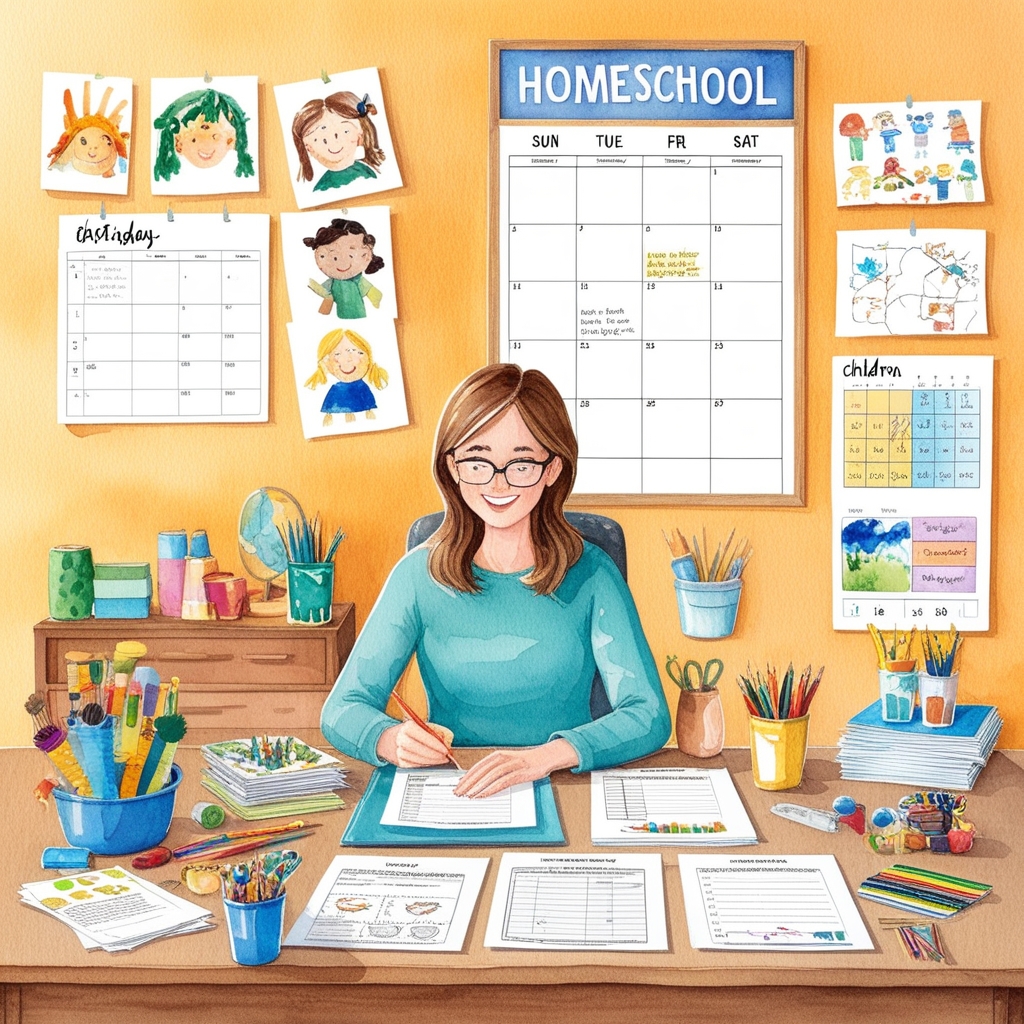
While integration is important in pre-k education, understanding specific subject area goals helps ensure comprehensive development. Each area has particular skills that pre-k homeschool lesson plans should address systematically.
Language Arts Development
Pre-k language arts focuses on building the foundation for future reading and writing success. Key areas include phonemic awareness, vocabulary development, and beginning writing skills.
Phonemic awareness activities might include rhyming games, identifying beginning sounds, and clapping syllables in words. These skills develop through playful activities rather than formal instruction. Singing songs, reading poetry, and playing word games naturally build these crucial abilities.
Writing development begins with fine motor strengthening activities and progresses to letter formation. Encourage drawing, tracing in sand or salt, and painting letters before expecting pencil control. Many children aren’t developmentally ready for extensive writing until later in the pre-k year.
Mathematics Exploration
Pre-k mathematics should emphasize understanding concepts rather than memorizing facts. Number sense develops through counting real objects, comparing quantities, and recognizing numerals in context.
Pattern recognition is another crucial skill. Use blocks, beads, or natural objects to create and extend patterns. Shape recognition develops through sorting activities, shape hunts, and building with geometric blocks.
Measurement concepts can be explored through cooking activities, comparing heights, and discussing time concepts during daily routines. These real-world applications make abstract concepts concrete and meaningful.
Science Discovery
Pre-k science education should emphasize observation, questioning, and hands-on exploration. Simple experiments, nature walks, and sensory activities build scientific thinking skills.
Weather observation provides daily science opportunities. Keep a simple weather chart, discuss seasonal changes, and explore how weather affects daily life. These activities build observation skills and introduce data collection concepts.
Life science concepts develop naturally through pet care, gardening, and studying living things in your environment. Physical science emerges through exploring how things move, float, or change when mixed together.
Social Studies Understanding
Pre-k social studies focuses on understanding self, family, and community. These concepts develop through discussions about family traditions, community helpers, and basic geography concepts.
Map skills begin with understanding spatial relationships in familiar environments. Create simple maps of your home or neighborhood, and discuss relative positions using directional words.
Themed Unit Studies for Integrated Learning
Themed unit studies are particularly effective for pre-k learners because they provide context and connection between different subject areas. When developing themed pre-k homeschool lesson plans, choose topics that naturally incorporate multiple learning objectives.
Popular Pre-K Themes
Some themes work particularly well for pre-k because they connect to children’s natural interests and provide rich learning opportunities across subjects:
- Transportation: Explore different vehicles, practice counting wheels, learn about community helpers who use various transportation
- Seasons: Observe changes in nature, discuss weather patterns, explore seasonal activities and holidays
- Animals: Learn about habitats, practice animal sounds and movements, explore life cycles
- My Family: Discuss family roles, create family trees, explore cultural traditions
- Plants and Gardens: Observe plant growth, learn about plant parts, explore healthy eating
Each theme should last 1-2 weeks, allowing enough time for deep exploration without losing interest. You can find additional themed resources and ready-made lesson plans in our lesson plan shop.
Creating Cross-Curricular Connections
The power of themed learning lies in natural connections between subjects. When studying “Community Helpers,” children might read books about firefighters (literacy), count fire truck ladders (math), learn about fire safety (science), and role-play being helpers (social studies and dramatic play).
These connections help children see learning as interconnected rather than isolated subjects. This understanding builds critical thinking skills and helps retain information more effectively.
Extending Learning Beyond Lessons
Themed learning extends naturally into daily life when you help children make connections. During a transportation theme, point out different vehicles during errands, discuss how family members get to work, and explore transportation in your community.
Assessment and Progress Tracking Methods
Assessment in pre-k homeschooling looks different from traditional testing. Instead, focus on observational assessment that documents growth over time and informs future lesson planning.
Portfolio Development
Creating portfolios provides concrete evidence of learning progress. Include samples of artwork, photos of building projects, recordings of reading attempts, and notes about social interactions.
Organize portfolios chronologically to show growth over time. Include your child in the process by asking them to choose favorite work samples and explain what they learned. This reflection builds metacognitive skills and pride in accomplishments.
Developmental Checklists
Use developmental checklists to track skill acquisition across different areas. These tools help identify strengths and areas needing additional support. Many state education departments provide pre-k developmental indicators that can guide your observations.
Review checklists monthly rather than daily. Look for patterns and progress rather than focusing on specific timelines. Remember that development occurs at individual rates, and temporary plateaus are normal.
Documentation Through Photos and Videos
Visual documentation captures learning moments that traditional assessments might miss. Photos of block constructions show spatial reasoning development, while videos of storytelling demonstrate language growth.
Create digital albums organized by subject area or month. These become valuable records for tracking progress and can be shared with family members who want to follow your child’s educational journey.
Resources and Materials for Success
Successful pre-k homeschool lesson plans don’t require expensive materials, but having the right basic supplies makes implementation smoother and more engaging.
Essential Learning Materials
Focus on open-ended materials that can be used across multiple activities and subjects. These provide better value and encourage creativity:
- Manipulatives: blocks, counting bears, pattern blocks, tangrams
- Art supplies: crayons, markers, child-safe scissors, glue sticks, construction paper
- Sensory materials: playdough, rice, beans, water table or large container
- Books: variety of picture books, including fiction and non-fiction
- Writing materials: thick pencils, markers, whiteboards, magnetic letters
Many effective learning materials can be found around your home or created inexpensively. Empty containers become sorting tools, kitchen items work for measurement activities, and cardboard boxes transform into imaginative play props.
Technology Integration
While screen time should be limited for pre-k children, appropriate technology can enhance learning when used purposefully. Educational apps that focus on letter sounds, number recognition, or creative expression can supplement hands-on activities.
The Common Sense Media website provides excellent reviews of educational apps appropriate for preschoolers. Choose apps that encourage interaction and creativity rather than passive consumption.
Creating Learning Spaces
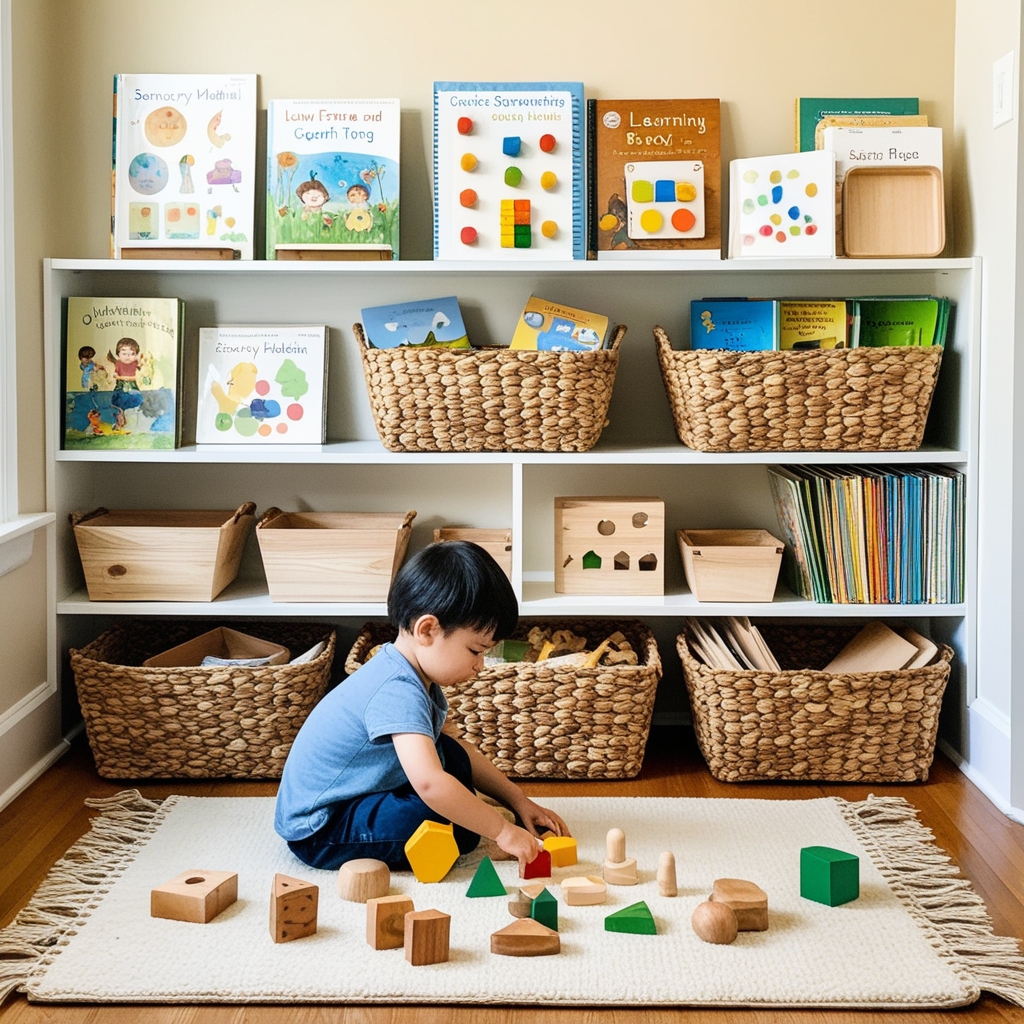
Designate specific areas for different types of learning activities. A reading corner with comfortable seating and good lighting encourages literacy activities. An art table with easily accessible supplies promotes creativity.
Rotate materials regularly to maintain interest and provide new challenges. Store materials in clear, labeled containers that children can access independently, promoting responsibility and choice in learning.
Common Challenges and Solutions
Even the best-planned pre-k homeschool lesson plans encounter challenges. Understanding common issues and having strategies ready helps maintain positive learning experiences.
Attention Span Difficulties
Short attention spans are developmentally appropriate for pre-k children. If your child consistently loses focus during activities, consider shortening lesson segments or adding more movement breaks.
Some children focus better with background music, while others need complete quiet. Experiment with different environmental factors to find what works best for your child’s learning style.
Resistance to Structured Activities
If your child resists structured learning time, examine whether expectations are developmentally appropriate. Some children need more free play time before engaging in directed activities.
Try embedding learning objectives within play activities rather than separating play and learning time. Count while building blocks, practice letters during art projects, and explore science concepts through sensory play.
Balancing Multiple Children
Homeschooling multiple children requires careful planning and realistic expectations. Include older children as helpers for pre-k activities, and plan some activities that engage multiple age levels simultaneously.
For guidance on managing multiple grade levels, explore our scheduling and planning resources that address multi-level homeschooling strategies.
Perfectionism and Pressure
Some parents feel pressure to replicate traditional preschool experiences exactly. Remember that homeschooling allows for individualization that group settings cannot provide. Focus on your child’s unique needs and interests rather than comparing to external standards.
Celebrate small victories and remember that learning happens through play, exploration, and everyday experiences, not just formal lesson time.
Frequently Asked Questions
How long should pre-k homeschool lessons last each day?
Pre-k children typically benefit from 2-3 hours of structured learning activities spread throughout the day, with individual activities lasting 10-20 minutes. The key is following your child’s attention span and energy levels rather than adhering to rigid time requirements. Remember that learning happens during play, daily routines, and informal conversations throughout the day.
What subjects should I include in pre-k homeschool lesson plans?
Focus on foundational skills in literacy (letter recognition, phonemic awareness), mathematics (counting, shapes, patterns), science exploration, social studies concepts, creative arts, and physical development. These subjects are best integrated through themed units and play-based activities rather than taught as separate, isolated subjects.
Do I need formal curriculum for pre-k homeschooling?
Formal curriculum isn’t necessary for pre-k, though some families find structured programs helpful for organization and confidence. Many successful pre-k homeschool programs use library books, hands-on activities, and everyday experiences as their primary curriculum. The most important factor is matching your approach to your child’s learning style and developmental needs.
How do I know if my pre-k child is ready for kindergarten?
Kindergarten readiness includes social-emotional skills (following directions, sharing, expressing needs), basic academic skills (recognizing some letters and numbers, holding a pencil), and physical development (using scissors, jumping, running). Focus on overall development rather than academic achievement alone, as social and emotional readiness are equally important.
What if my child resists structured learning activities?
Resistance often indicates that activities aren’t matching developmental readiness or learning style preferences. Try shorter activity periods, more hands-on approaches, or embedding learning within play. Some children need more free exploration time before engaging in directed activities. Adjust your approach based on your child’s responses rather than forcing compliance.
How much should pre-k children write or do worksheets?
Pre-k children should focus on fine motor development through play activities like playdough, painting, and building rather than extensive writing practice. Brief, fun writing activities (tracing letters in sand, painting letters) are appropriate, but avoid lengthy worksheet sessions that can cause frustration and negative associations with learning.
Can I homeschool pre-k without teaching experience?
Absolutely! Pre-k education focuses on play-based learning, exploration, and building foundational skills that parents naturally support. Your knowledge of your child’s interests, learning style, and developmental needs is more valuable than formal teaching credentials. Many resources are available to support parent educators, including our comprehensive guides and lesson plan collections.
📚 Recommended Homeschool Resources
As an Amazon Associate, I earn from qualifying purchases. Some links in this article are affiliate links, meaning I may earn a small commission at no extra cost to you.
Conclusion
Creating effective pre-k homeschool lesson plans requires understanding your child’s developmental needs, balancing structure with flexibility, and focusing on play-based learning approaches. The most successful programs integrate multiple subject areas through engaging themes while allowing plenty of time for exploration and discovery.
Remember that pre-k education is about building foundations rather than achieving specific academic milestones. Focus on fostering curiosity, developing social-emotional skills, and creating positive associations with learning. Your individualized approach provides advantages that traditional group settings cannot match.
As you develop and implement your lesson plans, remain flexible and responsive to your child’s changing needs and interests. Celebrate progress, document growth through portfolios and observations, and trust in your ability to provide meaningful educational experiences.
Start planning your pre-k homeschool journey today by exploring our extensive collection of resources and connecting with our supportive community. Your child’s educational adventure begins with your commitment to their unique learning needs and developmental journey.
Related Resources
Enhance your pre-k homeschooling journey with these additional resources from HomeschoolingExperts.org:
- Getting Started with Homeschooling – Essential information for new homeschooling families
- Educational Activities and Ideas – Creative learning activities for all ages
- Grade Level Guides – Comprehensive guides for each educational level
For personalized guidance and support, don’t hesitate to contact our team of experienced homeschooling consultants.
Loved this post? Grab the free resource above.
Math Adventures: Everyday Numbers — drop your email and we'll send the printable PDF.