Free Sample Lesson Plan
Math Adventures: Everyday Numbers — drop your email and we'll send the printable PDF.
Homeschool music lesson plans printable resources provide structured, ready-to-use educational materials that make teaching music theory, appreciation, and performance accessible for parents without formal musical training. These comprehensive downloadable lesson plans eliminate the guesswork from music education, offering step-by-step instructions, activities, and assessments that align with educational standards while fostering creativity and musical understanding in children of all ages.
Music education plays a crucial role in developing cognitive skills, emotional intelligence, and cultural awareness in children. Research from the National Association for Music Education shows that students who participate in music programs score an average of 63 points higher on verbal SATs and 44 points higher on math SATs compared to students with no music participation. For homeschooling families, printable music lesson plans bridge the gap between wanting to provide quality music education and having the expertise to create comprehensive curricula from scratch.
This comprehensive guide explores everything you need to know about selecting, implementing, and maximizing homeschool music lesson plans printable resources. From understanding different musical learning styles to creating engaging practice routines, we’ll cover practical strategies that transform music education from intimidating to inspiring for both parents and students.
Key Takeaways
- Printable music lesson plans provide structured guidance for non-musical parents to teach comprehensive music education
- Age-appropriate lesson plans should include theory, listening, movement, and creative expression components
- Successful implementation requires consistent scheduling, proper materials, and adaptability to individual learning styles
- Free and premium resources are available, with premium options typically offering more comprehensive scope and sequence
- Regular assessment and documentation help track progress and identify areas needing additional focus
Benefits of Using Printable Music Lesson Plans
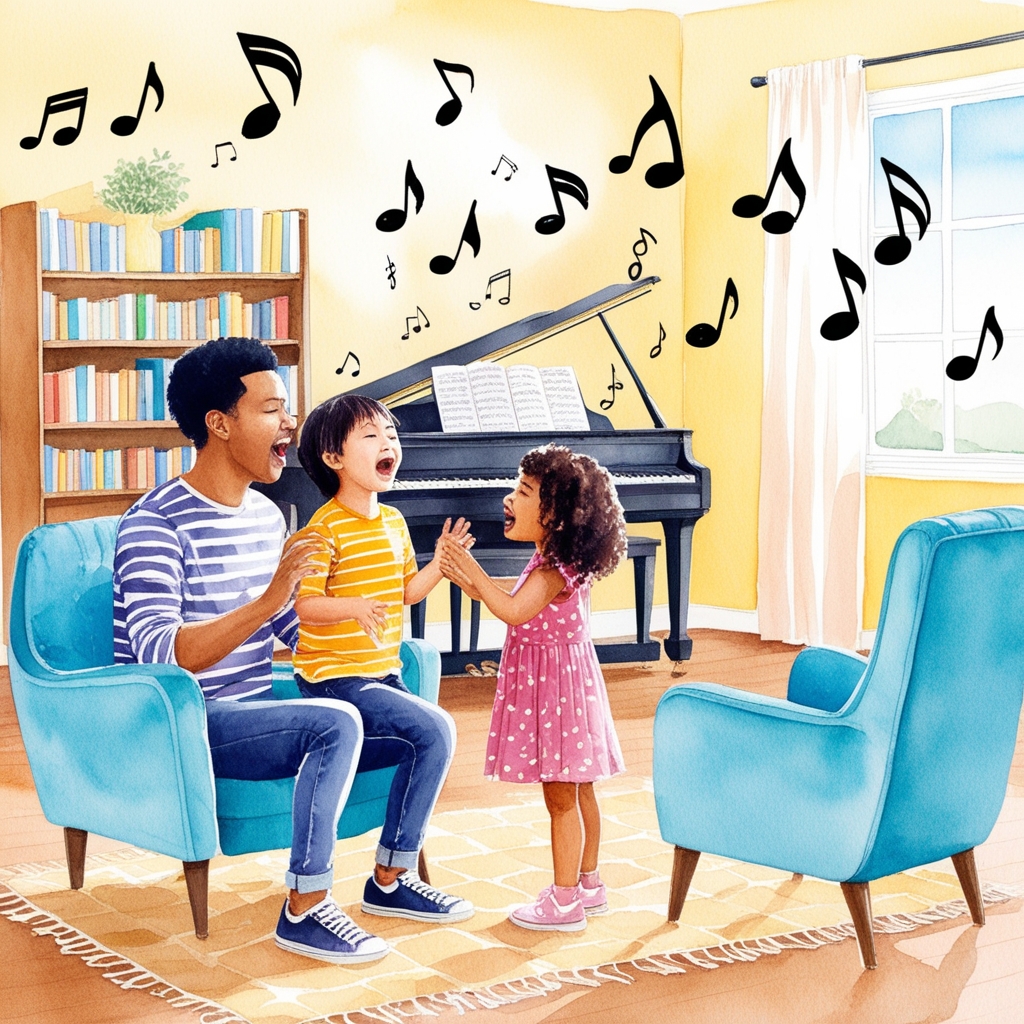
Homeschool music lesson plans printable formats offer numerous advantages that make music education accessible and manageable for families regardless of their musical background. The structured approach eliminates the overwhelming task of creating curricula while ensuring comprehensive coverage of essential musical concepts.
Accessibility for Non-Musical Parents
Many homeschooling parents feel intimidated by the prospect of teaching music, especially if they lack formal musical training. Printable lesson plans bridge this knowledge gap by providing detailed instructions, background information, and teaching tips that enable confident instruction delivery.
These resources typically include phonetic pronunciations for musical terms, simplified explanations of complex concepts, and suggested responses to common student questions. This comprehensive support system transforms parents from hesitant instructors into confident music educators.
Cost-Effective Education Solution
Traditional private music lessons can cost between $30-60 per hour, making comprehensive music education financially challenging for many families. Printable lesson plans offer a one-time investment that provides months or years of structured instruction at a fraction of the cost.
Additionally, these resources can be reused for multiple children, shared with homeschool co-ops, or referenced for review sessions, maximizing the educational value per dollar spent.
Flexibility and Customization
Unlike rigid curriculum programs, printable music lesson plans allow families to adapt pacing, emphasis, and activities to match their children’s interests and learning styles. Parents can spend extra time on challenging concepts, skip familiar material, or integrate lessons with other subjects like history or science.
This flexibility proves particularly valuable for children with special needs, gifted learners, or families following specific educational philosophies that emphasize integrated learning approaches.
Choosing the Right Music Lesson Plans for Your Family
Selecting appropriate homeschool music lesson plans printable resources requires careful consideration of your family’s unique needs, goals, and circumstances. The right choice sets the foundation for successful music education experiences.
Assessing Your Family’s Musical Goals
Before exploring available resources, clearly define your family’s musical education objectives. Some families prioritize music appreciation and cultural literacy, while others focus on developing performance skills or music theory understanding.
Consider whether you want your children to learn specific instruments, understand music history and composers, develop singing skills, or gain general musical literacy. These goals will guide your selection toward resources that emphasize appropriate areas.
Evaluating Age Appropriateness
Quality lesson plans clearly specify target age ranges and provide developmental considerations for different stages. Early elementary students benefit from movement-based activities, simple songs, and instrument exploration, while middle school students can handle more complex theory concepts and historical contexts.
Look for resources that offer progression pathways, allowing students to build skills systematically over multiple years rather than jumping between unrelated concepts.
Considering Available Time and Resources
Realistic assessment of your available time, space, and materials prevents frustration and ensures sustainable implementation. Some lesson plans require minimal preparation and basic supplies, while others involve extensive setup or specialized instruments.
Factor in your comfort level with technology, as some modern resources incorporate digital components, online listening examples, or interactive elements that enhance traditional printable materials.
Essential Components of Effective Music Lesson Plans
Comprehensive homeschool music lesson plans printable resources should include multiple components that address different aspects of musical learning and development. Understanding these elements helps parents evaluate potential resources and supplement existing materials when necessary.
Music Theory Foundations
Solid music theory instruction forms the backbone of comprehensive music education. Effective lesson plans introduce concepts like rhythm, melody, harmony, and form through age-appropriate activities and explanations.
Beginning students should learn basic note values, simple time signatures, and major scale patterns. Advanced students can explore chord progressions, key relationships, and compositional techniques. The National Association for Music Education provides detailed standards that guide appropriate theory instruction at different grade levels.
Music History and Cultural Context
Quality lesson plans integrate music history and cultural studies, helping students understand how music reflects and influences society. This component should include composer biographies, historical periods, and diverse musical traditions from around the world.
Effective resources provide listening examples, timeline activities, and connections between musical developments and broader historical events. This integration helps students develop cultural awareness and critical thinking skills while deepening their musical understanding.
Active Music Making
The most engaging music lesson plans include opportunities for active music making through singing, instrument playing, movement, and creative expression. These hands-on activities reinforce theoretical concepts while developing practical musical skills.
Look for resources that accommodate various skill levels and instrument availability, offering alternatives for families with limited access to traditional instruments.
Age-Specific Approaches to Music Education
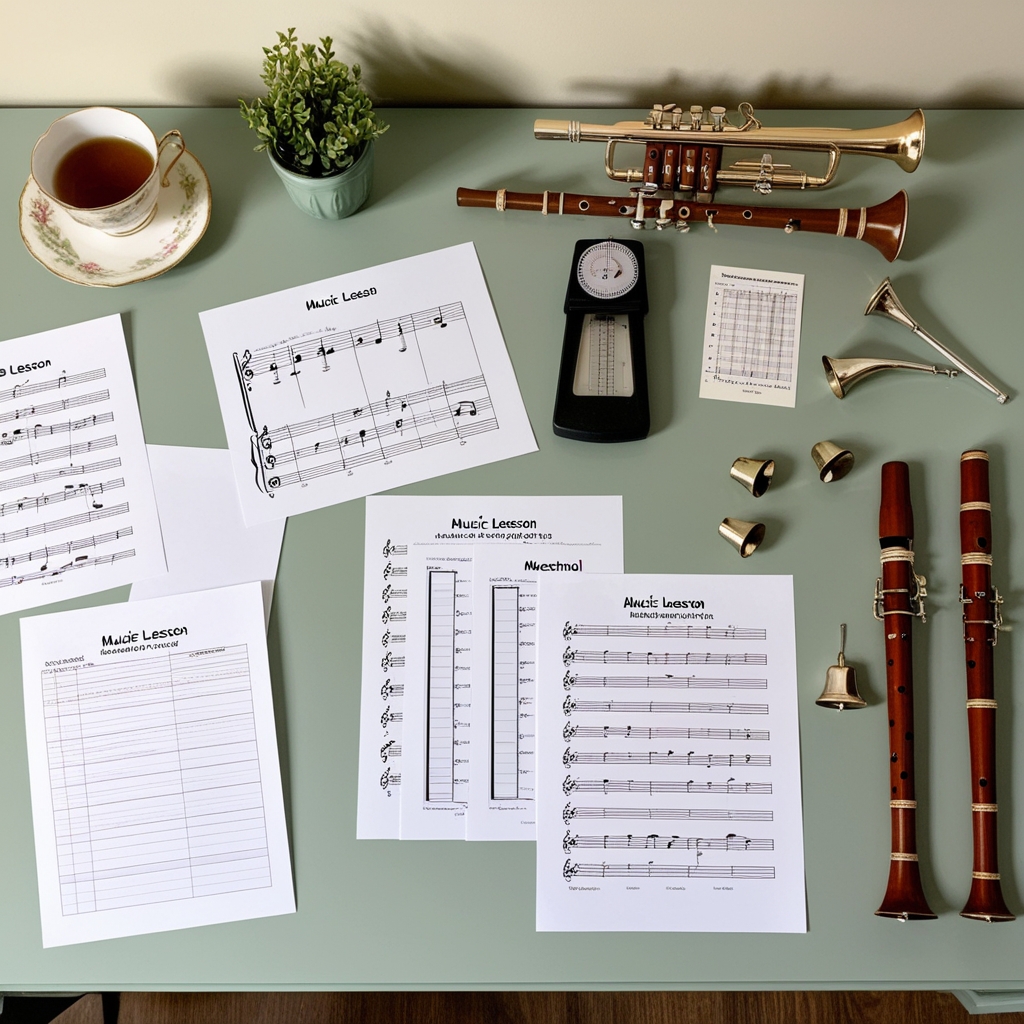
Effective homeschool music lesson plans printable resources recognize that children’s musical development follows predictable patterns, requiring different approaches and expectations at various ages.
Early Elementary (Ages 5-8)
Young children learn music best through play, movement, and repetition. Lesson plans for this age group should emphasize singing games, simple instrument exploration, and basic rhythm activities.
Key concepts include steady beat recognition, high and low pitch discrimination, loud and soft dynamics, and simple song memorization. Activities might include marching to music, playing rhythm instruments, or acting out song lyrics.
Upper Elementary (Ages 9-11)
Students in this age range can handle more structured learning while still benefiting from hands-on activities. Lesson plans should introduce basic music reading, instrument instruction, and simple composition activities.
Appropriate goals include learning note names, understanding basic rhythm notation, exploring different instrument families, and beginning music history studies focusing on famous composers and their most recognizable works.
Middle School (Ages 12-14)
Adolescent students can engage with abstract concepts and complex musical relationships. Lesson plans should include detailed theory instruction, comprehensive music history studies, and opportunities for creative expression.
This age group benefits from exploring personal musical preferences, analyzing popular music alongside classical traditions, and developing critical listening skills that help them articulate musical observations and opinions.
Implementation Strategies for Success
Even the best homeschool music lesson plans printable resources require thoughtful implementation to achieve desired educational outcomes. Successful music education depends on consistent application, appropriate pacing, and responsive teaching strategies.
Creating Effective Practice Routines
Establishing regular music instruction time helps children develop musical skills and understanding systematically. Most families find success with 15-30 minute daily sessions rather than longer weekly sessions.
Structure each session with familiar warm-up activities, new concept introduction, practice time, and creative expression opportunities. This predictable format helps children feel secure while ensuring comprehensive skill development.
Integrating Music with Other Subjects
Music education becomes more meaningful when connected to other academic areas. Historical music studies can complement social studies units, while rhythm and pattern work reinforces mathematical concepts.
Science connections might include sound wave exploration, instrument construction projects, or studies of how the ear processes musical information. Literature connections could involve setting poems to music or exploring musical themes in novels.
Adapting for Different Learning Styles
Children process musical information differently, requiring varied instructional approaches for optimal learning. Visual learners benefit from written notation, charts, and diagrams, while auditory learners prefer listening activities and verbal explanations.
Kinesthetic learners need movement activities, hands-on instrument exploration, and opportunities to physically demonstrate musical concepts. Effective lesson plans provide multiple activity options that address these different learning preferences.
Free vs. Premium Music Lesson Plan Resources
Families can choose from numerous free and paid options when selecting homeschool music lesson plans printable materials. Understanding the differences helps parents make informed decisions based on their specific needs and budgets.
Free Resource Advantages and Limitations
Free music lesson plans offer excellent starting points for families exploring music education options. Many quality resources are available through educational websites, teacher blogs, and open-source educational platforms.
However, free resources often lack comprehensive scope and sequence, requiring parents to piece together materials from multiple sources. Quality and depth can vary significantly, and ongoing support or updates may not be available.
Premium Resource Benefits
Paid lesson plan resources typically offer more comprehensive curricula with carefully planned progression, professional layout and design, and ongoing customer support. These materials often include additional resources like audio examples, assessment tools, and supplementary activities.
Premium resources from established educational publishers usually align with national standards and provide detailed teacher guidance that helps non-musical parents deliver effective instruction. The lesson plan shop at HomeschoolingExperts.org offers carefully curated music education resources that meet these quality standards.
Making the Right Choice for Your Family
Consider starting with free resources to gauge your family’s interest and commitment to music education. If you find music lessons engaging and want more comprehensive instruction, investing in premium resources often provides better long-term value.
Evaluate potential purchases by reviewing sample lessons, reading user reviews, and confirming that the scope and sequence match your educational goals and timeline.
Assessment and Progress Tracking Methods
Effective homeschool music lesson plans printable resources should include assessment strategies that help parents monitor student progress and identify areas needing additional attention or review.
Informal Assessment Techniques
Daily observation provides valuable insights into student understanding and engagement. Note when children sing along confidently, recognize musical patterns, or demonstrate concepts through movement or discussion.
Portfolio collections of student work, including compositions, drawings of musical concepts, or recordings of performances, create tangible evidence of learning progress over time.
Formal Assessment Options
Some families prefer more structured assessment approaches, including written quizzes on music theory concepts, practical skill demonstrations, or project-based evaluations that combine multiple learning objectives.
Rubrics help standardize evaluation criteria and provide clear expectations for student achievement. Many premium lesson plan resources include pre-developed assessment tools that align with their instructional content.
Documentation for Records
Maintaining detailed records of music instruction supports homeschool compliance requirements and helps track long-term educational progress. Document lesson topics covered, skills developed, and notable achievements or challenges.
Consider creating simple progress charts that visualize skill development over time, making it easy to identify patterns and adjust instruction accordingly.
Troubleshooting Common Challenges
Even well-planned music education programs encounter obstacles that can disrupt learning progress. Understanding common challenges and proven solutions helps families maintain momentum and achieve their musical education goals.
Addressing Student Resistance
Some children initially resist music instruction, particularly if they feel self-conscious about singing or lack confidence in their abilities. Combat resistance by emphasizing fun over perfection and providing multiple ways to participate successfully.
Allow students to choose some repertoire, incorporate their musical preferences when possible, and celebrate small achievements consistently. Remember that musical development takes time, and forcing participation often backfires.
Managing Limited Resources
Families with tight budgets or limited space can still provide quality music education by focusing on vocal music, using household items as instruments, and taking advantage of free digital resources for listening examples.
Community resources like library music collections, free concerts, and instrument lending programs can supplement home instruction without significant financial investment.
Overcoming Parent Insecurity
Many parents worry about their ability to teach music effectively, especially if they consider themselves “non-musical.” Remember that enthusiasm and willingness to learn alongside your children often matter more than advanced musical knowledge.
Focus on following lesson plan instructions carefully, learning concepts slightly ahead of teaching them, and maintaining realistic expectations for both yourself and your students. The team at HomeschoolingExperts.org understands these concerns and provides resources specifically designed to support confident music instruction by non-specialist parents.
Frequently Asked Questions
How much time should I dedicate to music lessons each week?
Most successful homeschool music programs include 15-30 minutes of instruction daily, totaling 75-150 minutes per week. Younger children benefit from shorter, more frequent sessions, while older students can handle longer periods. Consistency matters more than total time invested, so choose a schedule your family can maintain long-term.
Do I need musical training to use printable music lesson plans effectively?
No formal musical training is required for most homeschool music lesson plans printable resources. Quality materials include detailed instructions, background information, and teaching tips that enable confident instruction delivery. Many successful music educators started with minimal musical knowledge and learned alongside their students.
What supplies do I need beyond the printable lesson plans?
Basic supplies typically include simple rhythm instruments, audio playback capability, writing materials, and access to listening examples. Many lessons can be adapted for available resources, and household items often substitute for specialized music equipment. Specific supply lists should be included with quality lesson plan resources.
How do I know if my child is making appropriate progress in music?
Musical progress varies significantly among children, but indicators include increased confidence in singing, ability to keep steady beat, recognition of familiar songs, and growing musical vocabulary. Focus on engagement and enjoyment rather than comparing to external standards, especially in early years.
Can printable music lesson plans work for multiple children of different ages?
Yes, many families successfully adapt lesson plans for mixed-age groups by providing different expectations and activities within the same general topic. Older children can help teach younger siblings, while younger children benefit from exposure to advanced concepts even if they cannot fully master them yet.
Should I focus on one musical style or include variety in our studies?
Comprehensive music education includes exposure to multiple styles, periods, and cultural traditions. While you might emphasize certain genres based on family preferences, broad exposure helps children develop musical understanding and cultural awareness. Quality lesson plans typically include diverse musical examples.
How do I handle assessment and grading for music in our homeschool records?
Assessment approaches vary based on your state requirements and family preferences. Many families use portfolio-based assessment, documenting participation, effort, and skill development rather than traditional grades. Focus on growth over time and maintain records that demonstrate consistent instruction and learning progress.
📚 Recommended Homeschool Resources
As an Amazon Associate, I earn from qualifying purchases. Some links in this article are affiliate links, meaning I may earn a small commission at no extra cost to you.
Conclusion
Homeschool music lesson plans printable resources provide an accessible pathway for families to incorporate comprehensive music education into their learning programs. These structured materials eliminate barriers that prevent many parents from attempting music instruction while ensuring students receive quality educational experiences that develop both musical skills and broader cognitive abilities.
Success with printable music lesson plans depends on selecting appropriate resources, implementing consistent instruction routines, and maintaining realistic expectations for both parents and students. Remember that musical development takes time, and the journey of learning together often proves as valuable as the destination of musical competency.
The investment in music education pays dividends throughout children’s lives, enhancing academic performance, emotional development, and cultural understanding. With quality printable lesson plans and committed implementation, homeschooling families can provide music education experiences that rival those available in traditional school settings.
Start your family’s musical journey today by exploring available resources and selecting lesson plans that align with your goals and circumstances. The world of music education awaits, and with proper preparation and quality materials, you can guide your children toward lifelong musical appreciation and understanding.
Related Resources
Explore these additional resources to enhance your homeschool music education program:
- Complete Lesson Plan Collection – Browse our comprehensive library of educational resources across all subjects
- Creative Learning Activities – Discover engaging activities that make learning memorable and fun
- Homeschool Planning Strategies – Learn effective techniques for organizing and implementing your educational program

Loved this post? Grab the free resource above.
Math Adventures: Everyday Numbers — drop your email and we'll send the printable PDF.