Free Curriculum Comparison Guide
Compare Charlotte Mason, Classical, Montessori, Waldorf, and more in one printable side-by-side guide.
A homeschool preschool curriculum printable offers busy parents an affordable, convenient way to provide structured early learning at home. These ready-to-print educational materials eliminate the guesswork from preschool planning while giving families the flexibility to learn at their own pace and customize activities to match their child’s interests and developmental needs.
Whether you’re new to homeschooling or looking to enhance your current preschool program, printable curricula provide an excellent foundation for ages 3-5. From alphabet recognition and number concepts to fine motor skills and creative expression, these comprehensive resources cover all essential preschool learning domains while keeping costs manageable for families.
In this comprehensive guide, we’ll explore everything you need to know about selecting, implementing, and maximizing homeschool preschool curriculum printables to create an engaging and effective early learning experience for your little one.
Key Takeaways
- Printable preschool curricula cost 60-80% less than traditional programs while offering comparable educational value
- Quality printables should cover literacy, math, science, social studies, and creative arts with age-appropriate activities
- Most families need 2-3 hours weekly for printing and preparation to maintain smooth daily lessons
- Combining multiple printable resources creates a more comprehensive and engaging learning experience
- Proper organization and storage systems are essential for maximizing the effectiveness of printable materials
Benefits of Printable Preschool Curriculum
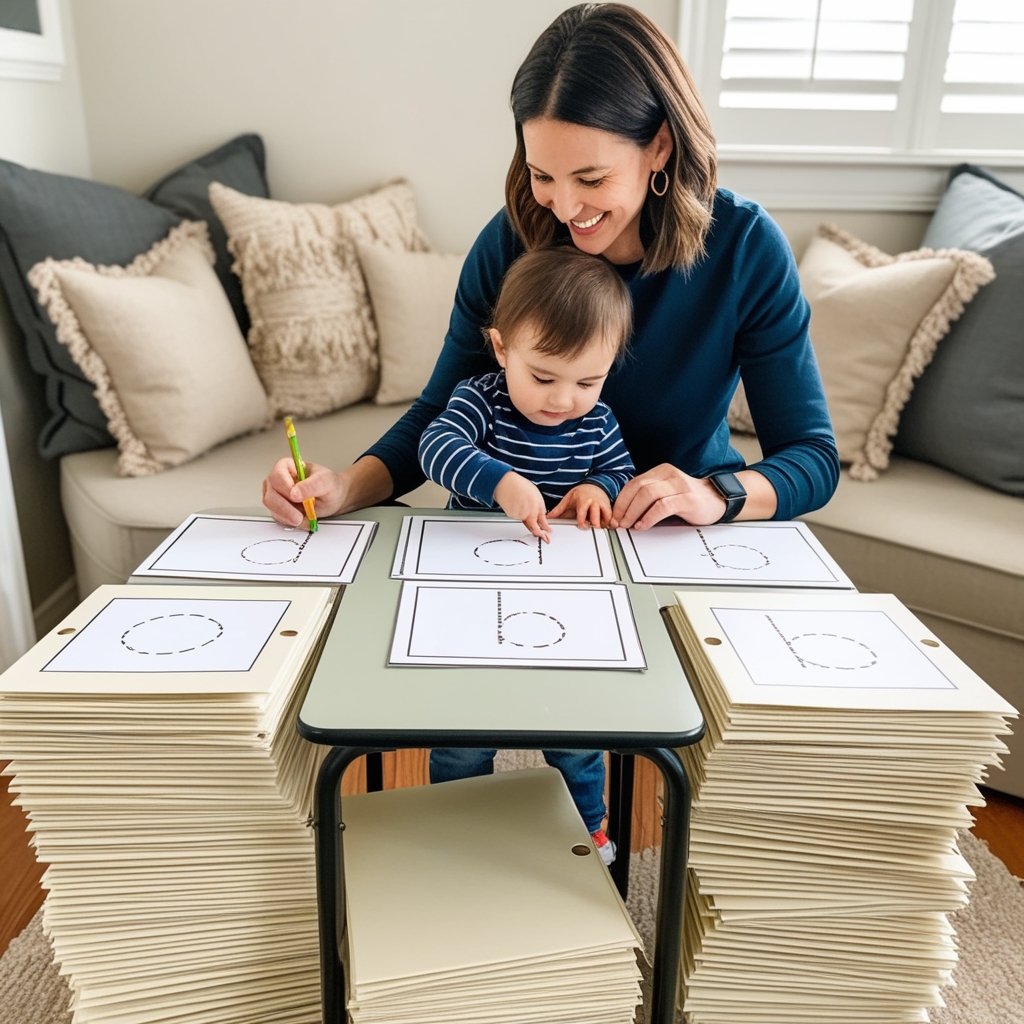
Printable preschool curricula have revolutionized home education by making quality early learning materials accessible to families regardless of budget or location. These digital resources offer unprecedented flexibility and customization options that traditional textbooks simply cannot match.
Cost-Effectiveness and Budget-Friendly Learning
The financial advantages of homeschool preschool curriculum printables are substantial. While comprehensive boxed curricula can cost $300-800 annually, quality printable programs typically range from $30-150 per year. This represents savings of 60-80% without sacrificing educational quality.
Additionally, printable materials eliminate shipping costs and allow families to reprint activities as needed. If your child particularly enjoys a specific worksheet or needs extra practice with certain concepts, you can simply print additional copies at minimal cost.
Flexibility and Customization Advantages
Unlike rigid traditional curricula, printables adapt to your family’s unique needs and schedule. You can easily skip activities that don’t suit your child’s learning style, repeat challenging concepts, or accelerate through material your preschooler has already mastered.
This flexibility proves especially valuable for families with multiple children at different developmental stages. The same printable curriculum can be modified to challenge a advanced 4-year-old while remaining accessible to a younger sibling.
Immediate Access and Convenience
Digital delivery means instant gratification for eager parents and children. Once purchased, most printable curricula provide immediate download access, allowing you to start lessons the same day. This eliminates waiting periods and shipping delays that can interrupt learning momentum.
The convenience extends to travel situations as well. Printable activities can be prepared in advance for car trips, vacations, or visits to grandparents, ensuring learning continuity wherever your family goes.
Essential Components of Quality Printable Curricula
Not all printable preschool curricula are created equal. Understanding the essential components of comprehensive programs helps parents make informed decisions and ensures children receive well-rounded early education experiences.
Core Academic Skills Development
Quality homeschool preschool curriculum printables should address fundamental pre-academic skills across multiple domains. Literacy components must include letter recognition, phonemic awareness, vocabulary building, and early writing skills through tracing and drawing activities.
Mathematical concepts should encompass number recognition (1-20), counting, basic shapes, patterns, sorting, and measurement concepts. These skills form the foundation for future academic success and should be presented through engaging, hands-on activities rather than drill-based worksheets.
Fine and Gross Motor Skill Activities
Physical development remains crucial during preschool years, and quality printables incorporate motor skill practice throughout academic activities. Fine motor development occurs through cutting practice, tracing exercises, coloring activities, and manipulative-based learning games.
Gross motor skills can be addressed through movement cards, yoga poses, dance activities, and outdoor exploration guides that complement indoor academic work. According to the Centers for Disease Control and Prevention, physical activity supports cognitive development and learning readiness in young children.
Creative Arts and Expression
Comprehensive curricula include art projects, music activities, dramatic play suggestions, and creative writing opportunities. These components foster imagination, self-expression, and emotional development while supporting academic learning through multi-sensory experiences.
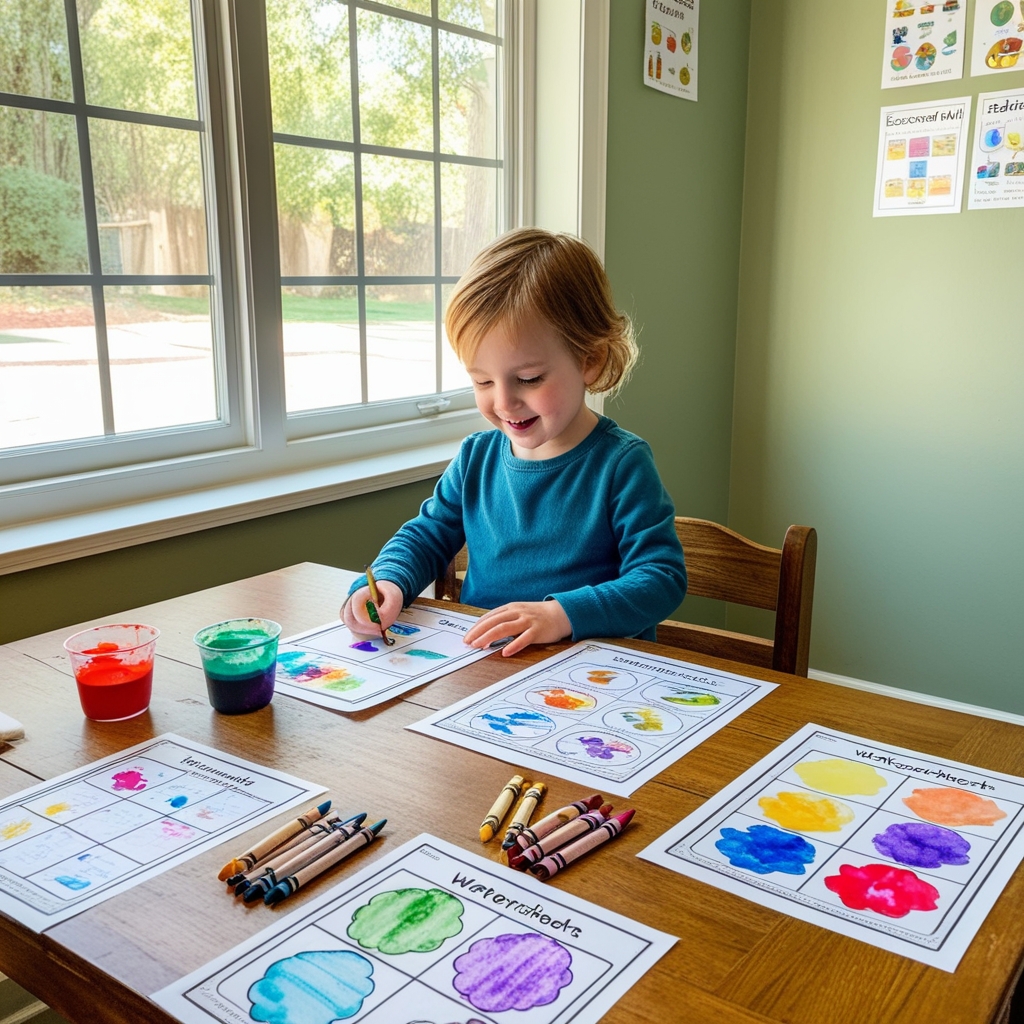
Art activities should vary in complexity and medium, offering opportunities for painting, drawing, collage work, and sculpture projects using common household materials.
Science and Social Studies Integration
Preschool science exploration should focus on observation, questioning, and hands-on experimentation. Quality printables include nature study guides, simple experiment instructions, weather tracking charts, and seasonal activity suggestions.
Social studies components introduce community helpers, family structures, cultural awareness, and basic geography concepts through age-appropriate activities and discussions.
How to Choose the Right Homeschool Preschool Curriculum Printable
Selecting the ideal printable curriculum requires careful consideration of your child’s learning style, family goals, and practical implementation factors. This decision significantly impacts your homeschool preschool experience and your child’s learning outcomes.
Assessing Your Child’s Learning Style
Before choosing a homeschool preschool curriculum printable, observe how your child naturally approaches learning. Visual learners thrive with colorful worksheets, picture cards, and graphic organizers. Kinesthetic learners need hands-on activities, movement integration, and manipulative-based lessons.
Auditory learners benefit from curricula that include songs, rhymes, read-aloud suggestions, and verbal instruction components. Many children exhibit characteristics of multiple learning styles, making balanced curricula the ideal choice for most families.
Evaluating Curriculum Scope and Sequence
Examine the curriculum’s scope (breadth of topics covered) and sequence (order of skill introduction) to ensure comprehensive coverage of preschool standards. The National Association for the Education of Young Children provides guidelines for developmentally appropriate practice that quality curricula should follow.
Look for programs that spiral concepts, introducing skills at basic levels and gradually increasing complexity throughout the year. This approach reinforces learning and accommodates different developmental timelines.
Considering Implementation Requirements
Realistic assessment of your available time, resources, and teaching confidence helps narrow curriculum choices. Some printables require extensive preparation, cutting, and laminating, while others offer simple print-and-go convenience.
Consider your comfort level with open-and-go programs versus those requiring more parent planning and creativity. Neither approach is superior; the best choice depends on your family’s specific circumstances and preferences.
Reading Reviews and Sample Materials
Reputable curriculum publishers provide sample pages or preview materials that allow parents to evaluate quality, design, and appropriateness before purchasing. Take advantage of these opportunities to assess whether the materials align with your expectations and teaching style.
Seek reviews from other homeschooling families with similar educational philosophies and family structures. Online homeschool communities and curriculum review sites offer valuable insights from experienced users.
Top Printable Preschool Curriculum Resources
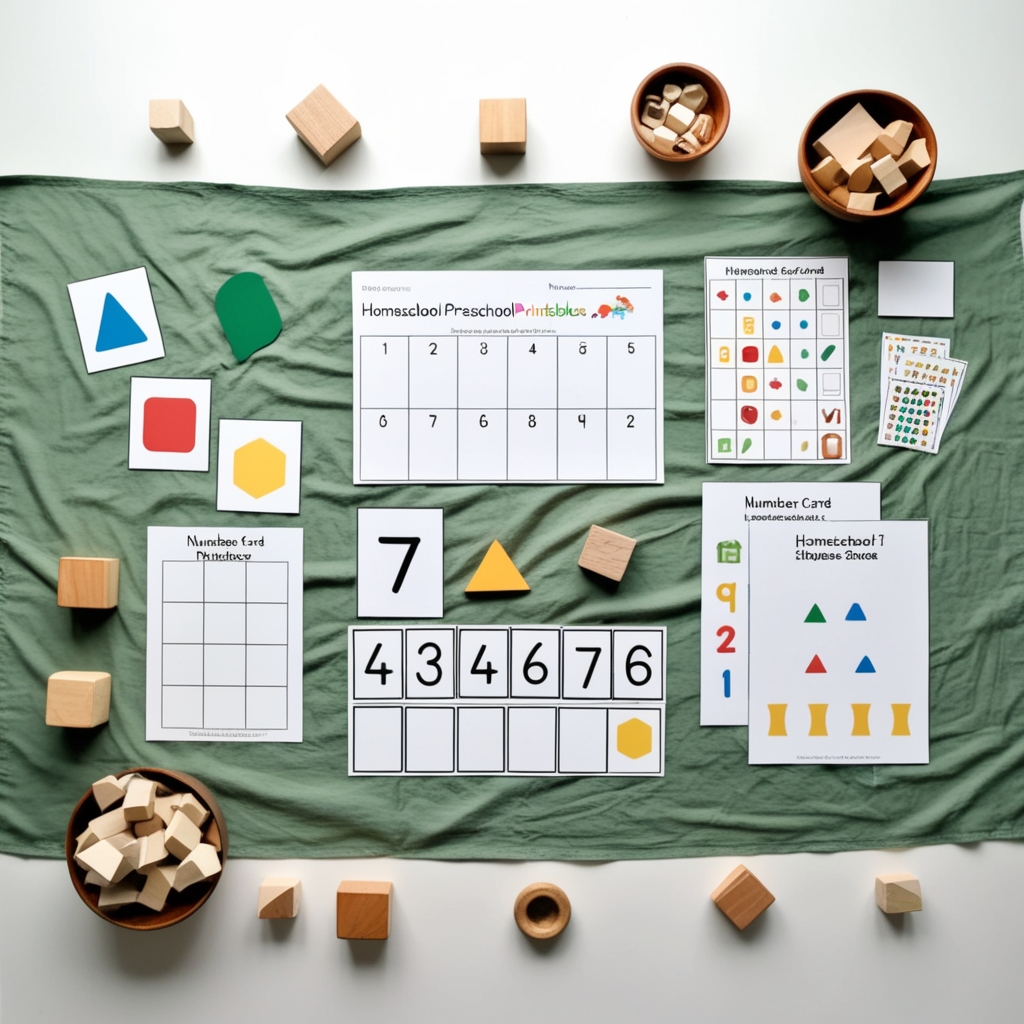
The marketplace offers numerous high-quality printable preschool curricula, each with unique strengths and approaches. Understanding the most popular and well-regarded options helps parents make informed decisions based on their specific needs and preferences.
Comprehensive All-in-One Programs
Several publishers offer complete homeschool preschool curriculum printable packages that cover all subject areas in coordinated, themed units. These programs typically include detailed lesson plans, assessment tools, and parent guidance materials alongside student activities.
All-in-one programs work well for parents who prefer structured guidance and comprehensive coverage without needing to coordinate multiple resources. They often include suggested schedules and pacing guides that simplify implementation for busy families.
Subject-Specific Printable Collections
Some families prefer mixing and matching subject-specific printable collections to create customized curricula. This approach allows parents to select the strongest literacy program from one publisher while choosing math materials from another source.
Subject-specific collections often provide deeper coverage within particular domains and may better accommodate children with varying ability levels across different subjects.
Themed Unit Study Printables
Unit study approaches integrate multiple subjects around central themes like seasons, animals, or community helpers. These printables appeal to families who prefer connected learning experiences and children who thrive with focused, immersive topics.
Themed units typically last 1-4 weeks and include activities spanning literacy, math, science, social studies, and arts. This approach naturally reinforces vocabulary and concepts across multiple contexts.
Free and Low-Cost Options
Numerous websites offer free printable preschool activities, though these typically require more parent curation and organization. Quality free resources include educational blogs, teacher resource sites, and government educational portals.
While free materials can supplement purchased curricula effectively, creating a complete program from free resources requires significant time investment in searching, organizing, and ensuring comprehensive coverage.
Implementation Strategies for Success
Successful implementation of printable preschool curricula requires thoughtful planning, realistic expectations, and flexible approaches that accommodate both parent and child needs. These strategies help families maximize their investment and create positive learning experiences.
Creating Effective Daily Routines
Establishing consistent daily routines provides structure that helps preschoolers feel secure and ready to learn. Most homeschool preschool curriculum printable programs work best with 30-60 minute focused learning sessions, depending on the child’s attention span and developmental stage.
Consider your child’s natural energy patterns when scheduling formal learning time. Some children focus best in the morning, while others perform better after physical activity or snack time. Flexibility in timing often proves more important than strict adherence to predetermined schedules.
Balancing Structure and Flexibility
While printable curricula provide structure, successful implementation requires balancing planned activities with spontaneous learning opportunities. If your child shows particular interest in a topic or activity, extend the learning experience rather than rigidly following predetermined lesson plans.
Similarly, if a planned activity isn’t working well, don’t hesitate to modify or skip it. The goal is positive learning experiences, not perfect curriculum completion.
Incorporating Multi-Sensory Learning
Enhance printable activities by adding multi-sensory elements that engage different learning styles. Simple additions like using finger paints for letter formation, incorporating music during math activities, or adding texture materials to worksheets significantly increase engagement and retention.
Consider how each printable activity can be enhanced through movement, music, or hands-on manipulation. These modifications often transform basic worksheets into memorable learning experiences.
Managing Parent Preparation Time
Most families need 2-3 hours weekly for printing, cutting, organizing, and preparing printable materials. Batch preparation during weekends or evenings helps ensure smooth daily implementation without last-minute rushing.
Create systems for advance preparation, such as preparing a full week’s materials on Sunday evenings or organizing monthly preparation sessions. Consistent preparation prevents gaps in learning continuity.
Organization and Storage Solutions
Effective organization systems are crucial for maximizing the benefits of printable preschool curricula. Well-organized materials reduce preparation time, prevent lost resources, and help maintain learning momentum throughout the school year.
Physical Storage Systems
Invest in storage solutions that accommodate the volume and variety of printable materials you’ll accumulate. File folders, binders with sheet protectors, and plastic storage containers work well for different types of materials and family preferences.
Many families find success with weekly file systems, where each week’s homeschool preschool curriculum printable materials are organized in advance and stored in easily accessible containers. This approach reduces daily decision-making and ensures all necessary materials are readily available.
Digital Organization Strategies
Maintain organized digital files for easy reprinting and sharing between children. Create clearly labeled folders on your computer that mirror your physical organization system, making it simple to locate and reprint materials as needed.
Consider cloud storage solutions that allow access to materials from multiple devices and locations. This proves especially valuable for families who travel frequently or want to access materials from different rooms in the house.
Reusable Material Systems
Laminating frequently used materials or using sheet protectors with dry-erase markers extends the life of printables and reduces paper consumption. This approach works particularly well for tracing activities, counting games, and pattern exercises.
Invest in quality laminating equipment if you plan to reuse materials extensively. The initial investment pays for itself quickly through reduced printing costs and increased material durability.
Rotation and Archive Methods
Develop systems for rotating seasonal materials and archiving completed work. Clear storage bins labeled by month or theme help organize seasonal activities, while portfolio systems preserve examples of your child’s progress throughout the year.
Regular rotation prevents overwhelming accumulation of materials while ensuring appropriate activities are available when needed.
Customization and Adaptation Tips
One of the greatest advantages of printable curricula is the ability to customize and adapt materials to meet individual family needs and child interests. These modification strategies help maximize engagement and learning outcomes.
Adapting for Different Skill Levels
Modify homeschool preschool curriculum printable activities to match your child’s current ability level rather than chronological age. Advanced children may benefit from additional challenge questions or extension activities, while those needing extra support might require simplified instructions or additional practice opportunities.
Consider creating multiple versions of the same activity at different difficulty levels, allowing you to adjust as your child’s skills develop throughout the year.
Incorporating Special Interests
Enhance engagement by incorporating your child’s special interests into curriculum activities. If your preschooler loves dinosaurs, adapt counting activities to use dinosaur figures or modify letter recognition games with dinosaur-themed vocabulary.
This personalization approach often transforms routine activities into exciting learning adventures that capture and maintain your child’s attention more effectively than generic materials.
Cultural and Family Value Integration
Adapt printable materials to reflect your family’s cultural background, traditions, and values. This might involve modifying holiday activities, incorporating family languages, or adjusting social studies content to include diverse perspectives and experiences.
Such modifications help children see themselves reflected in their learning materials while building cultural awareness and family identity.
Addressing Learning Differences
Children with learning differences or developmental delays may require specific modifications to standard printable activities. Consider factors like visual processing needs, fine motor challenges, or attention span limitations when adapting materials.
Simple modifications like enlarging text, reducing visual clutter, or breaking activities into smaller steps can make printable curricula accessible to children with diverse learning needs.
Cost Analysis and Budgeting Guide
Understanding the true costs associated with printable preschool curricula helps families budget effectively and make informed purchasing decisions. While initial costs appear low, ongoing expenses for printing, supplies, and materials can accumulate over time.
Initial Curriculum Investment
Quality homeschool preschool curriculum printable programs typically cost $30-150 annually, depending on comprehensiveness and publisher. This represents significant savings compared to traditional curricula, but families should budget for multiple resources to create well-rounded programs.
Consider starting with one comprehensive program and supplementing with specific subject resources as needed. This approach allows you to assess what works best for your family before making additional investments.
Ongoing Printing and Supply Costs
Printing costs vary significantly based on curriculum design, color requirements, and paper choices. Families typically spend $50-150 annually on printing costs, depending on the volume of materials used and local printing expenses.
Basic supplies like crayons, scissors, glue sticks, and construction paper add $30-60 annually to curriculum costs. Many activities can be adapted to use household materials, reducing supply expenses.
Equipment and Organization Investments
Consider one-time investments in equipment that enhances curriculum implementation. A quality printer, laminator, paper cutter, and storage systems typically cost $200-400 initially but provide value over multiple years of use.
These investments often pay for themselves through convenience and improved organization, making daily implementation smoother and more enjoyable for both parents and children.
Cost-Saving Strategies
Several strategies help minimize costs while maintaining quality educational experiences. Printing in black and white reduces ink costs significantly, and many activities work effectively without color. Consider using both sides of paper when appropriate and reprinting only favorite activities.
Sharing resources with other homeschooling families through co-ops or informal arrangements can reduce individual costs while providing variety and social interaction opportunities.
Frequently Asked Questions
How much time should I spend daily on homeschool preschool curriculum printables?
Most preschoolers benefit from 30-60 minutes of structured learning time daily, though this can be broken into shorter 10-15 minute sessions throughout the day. The key is maintaining engagement rather than adhering to strict time limits. Follow your child’s attention span and interest level as primary guides.
Do I need a special printer for homeschool preschool curriculum printables?
Any standard home printer works for most printable curricula. However, consider a printer with reasonable ink costs and good paper handling if you’ll be printing frequently. Color printing enhances some activities but isn’t essential for most learning objectives.
Can I use printable preschool curriculum for multiple children?
Yes, most printable curricula can be used with multiple children by printing additional copies of consumable worksheets while reusing teacher guides and instruction materials. This makes printables especially cost-effective for larger families.
How do I know if my child is ready for homeschool preschool curriculum printables?
Children typically show readiness around age 3-4 through increased attention span, interest in letters and numbers, and ability to follow simple instructions. However, readiness varies significantly between children. Start with short, engaging activities and adjust based on your child’s response and interest level.
What supplies do I need beyond the printable curriculum materials?
Basic supplies include crayons, markers, scissors, glue sticks, construction paper, and pencils. Many activities can be adapted to use common household items like buttons for counting, magazines for cutting practice, or kitchen items for sorting activities.
How do I track my preschooler’s progress with printable curricula?
Create simple portfolio systems to save examples of your child’s work over time. Many printable curricula include assessment checklists or progress tracking sheets. Regular observation and documentation of skill development provides valuable insight into learning progress.
Can printable preschool curricula prepare my child for kindergarten?
Quality printable preschool curricula address essential kindergarten readiness skills including letter recognition, number concepts, fine motor development, and social skills. However, success depends on consistent implementation and choosing curricula aligned with kindergarten expectations in your area.
Preschool & Kindergarten Favorites
As an Amazon Associate, HomeschoolingExperts earns from qualifying purchases. Some links in this article are affiliate links, meaning we may earn a small commission at no extra cost to you.
Conclusion
Homeschool preschool curriculum printables offer families an affordable, flexible, and comprehensive approach to early childhood education. These resources provide the structure and guidance parents need while maintaining the customization and convenience that make homeschooling attractive to growing numbers of families.
Success with printable curricula depends on choosing materials that match your child’s learning style and developmental needs, implementing consistent routines that balance structure with flexibility, and maintaining organized systems that support smooth daily operations. The initial investment in quality curricula, basic supplies, and organization systems pays dividends through years of engaging, effective learning experiences.
Remember that the best homeschool preschool curriculum printable is the one that works for your unique family situation. Don’t hesitate to modify, adapt, and customize materials to create the most engaging and effective learning environment for your preschooler. The flexibility to meet your child exactly where they are developmentally while nurturing their natural curiosity and love of learning is one of homeschooling’s greatest gifts.
Start with one quality curriculum that appeals to your teaching style and your child’s interests, then build your resource collection gradually as you gain experience and confidence. With patience, creativity, and the right materials, you can create a rich, nurturing preschool experience that prepares your child for future academic success while strengthening your family bonds through shared learning adventures.
Related Resources
Explore our comprehensive collection of printable lesson plans and educational materials designed specifically for homeschooling families. Our curated resources complement any curriculum and provide additional activities for extended learning.
For families just beginning their homeschool journey, visit our getting started guide for essential tips and strategies that ensure a smooth transition to home education.
Connect with our experienced team through our contact page for personalized guidance on selecting and implementing the perfect preschool curriculum for your family’s unique needs and goals.

Loved this post? Grab the free resource above.
Compare Charlotte Mason, Classical, Montessori, Waldorf, and more in one printable side-by-side guide.