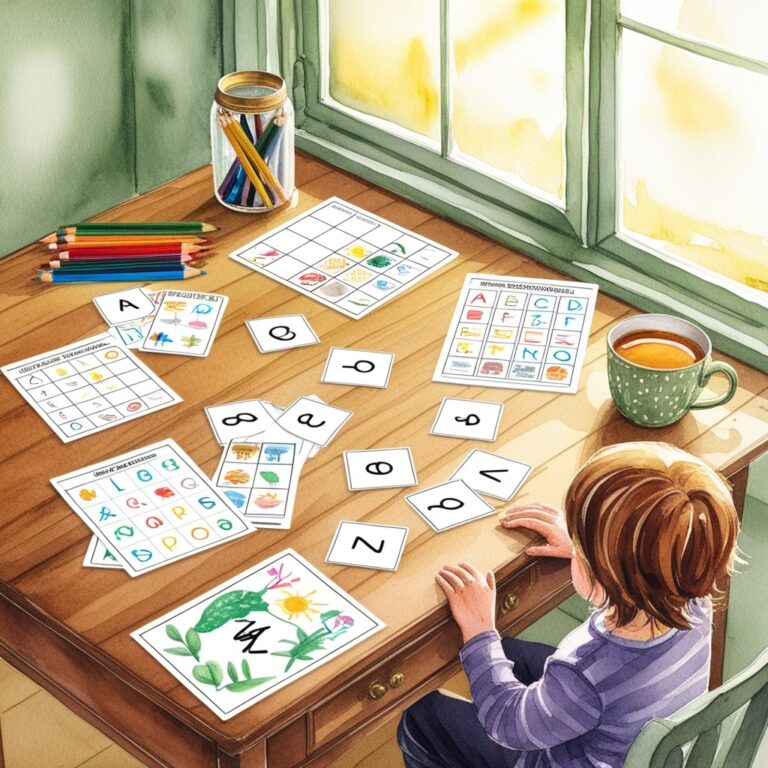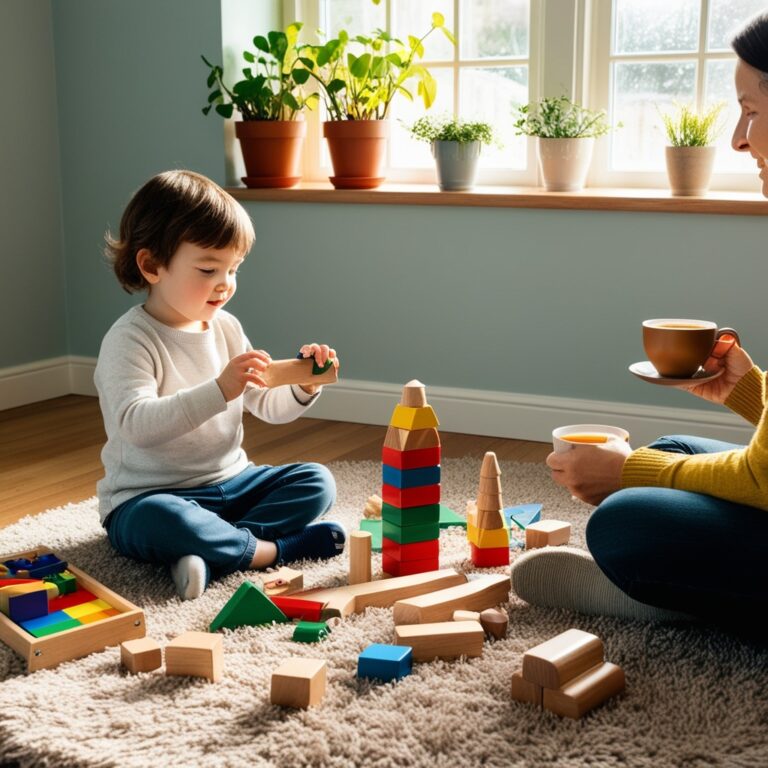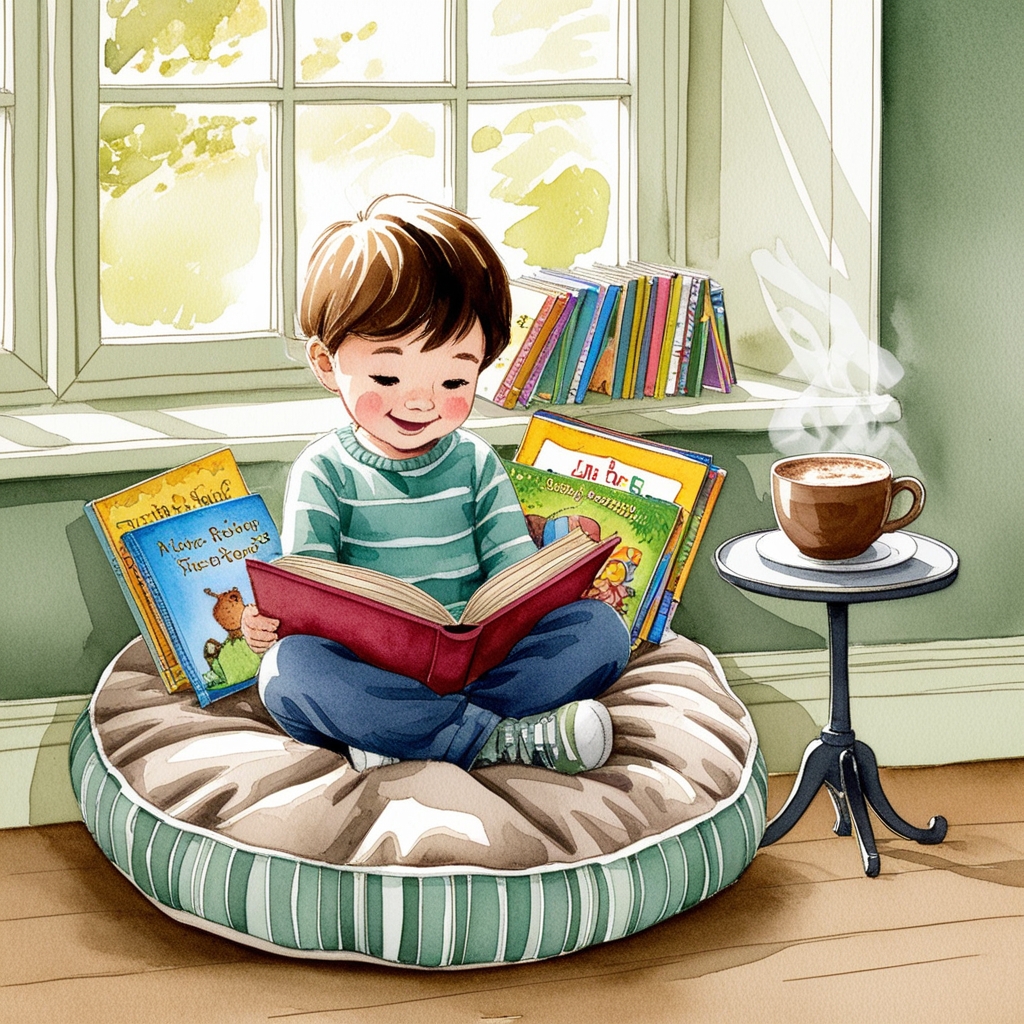
Free Sample Lesson Plan
Math Adventures: Everyday Numbers — drop your email and we'll send the printable PDF.
Creating effective homeschool reading lesson plans by grade is essential for developing your child’s literacy skills in a structured, age-appropriate manner. Whether you’re a new homeschooling parent or looking to refine your current approach, having grade-specific reading plans ensures your child builds strong foundational skills while progressing at their own pace. These carefully crafted lesson plans provide the framework for systematic reading instruction that adapts to each developmental stage.
Successful homeschool reading instruction requires more than just picking up any book and reading together. It involves understanding phonics progression, comprehension strategies, vocabulary development, and fluency building at each grade level. This comprehensive guide will walk you through detailed reading lesson plans for kindergarten through eighth grade, complete with specific activities, recommended timeframes, and assessment strategies that have been proven effective in homeschool environments.
Key Takeaways
- Grade-specific reading lesson plans should focus on phonics, fluency, vocabulary, and comprehension skills appropriate for each developmental stage
- Effective homeschool reading instruction typically requires 30-60 minutes daily, depending on the child’s age and attention span
- Assessment and progress tracking help identify areas needing additional support and celebrate achievements
- Flexibility in pacing allows homeschool families to accelerate or spend extra time on challenging concepts
- Multi-sensory activities and real-world connections make reading lessons more engaging and memorable
Building Strong Reading Foundations
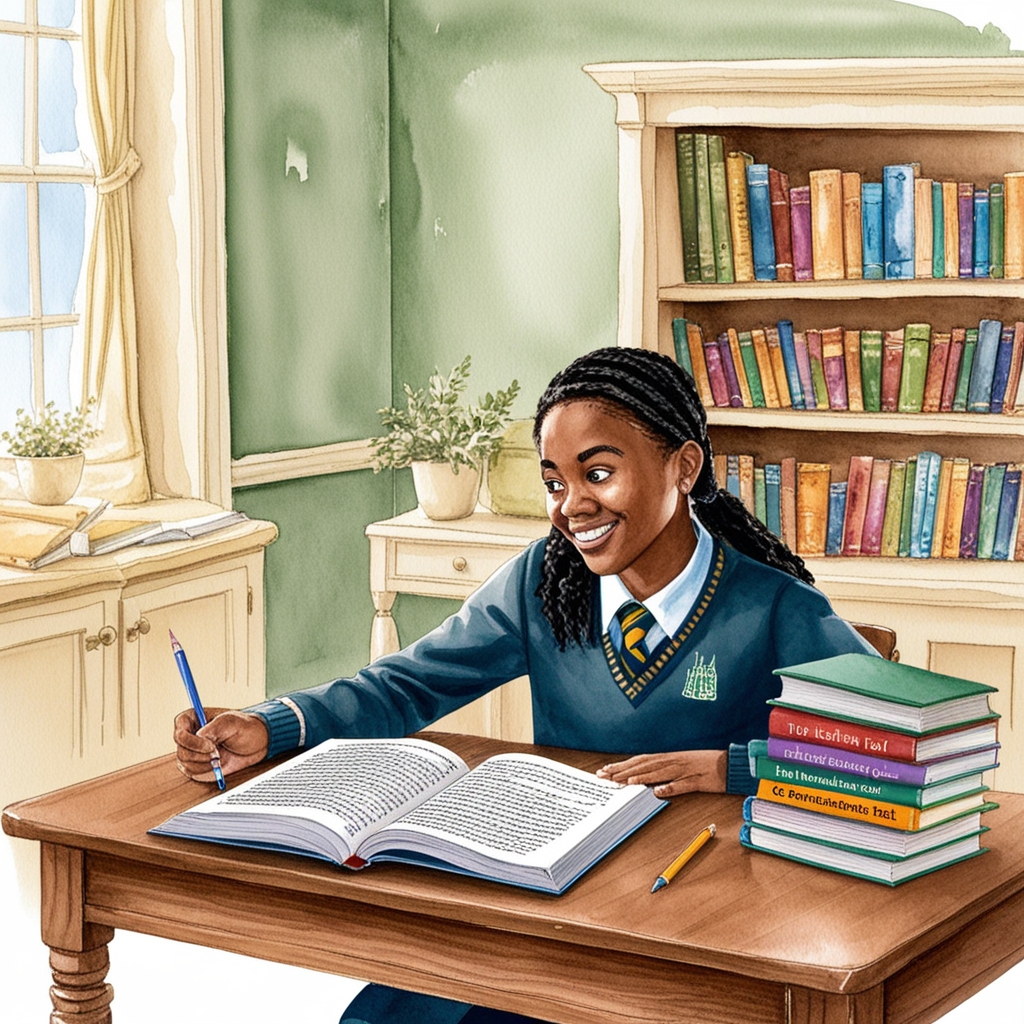
Before diving into specific grade-level plans, understanding the five pillars of reading instruction is crucial for creating effective homeschool reading lesson plans by grade. These foundational elements—phonemic awareness, phonics, fluency, vocabulary, and comprehension—form the backbone of successful reading programs.
The Science of Reading in Homeschool Settings
Research from the National Institute of Child Health and Human Development shows that systematic, explicit instruction in these five areas produces the best reading outcomes. Homeschool families have a unique advantage in implementing these research-based practices with individualized attention and flexible pacing.
Phonemic awareness activities should begin early and continue through first grade. These include rhyming games, sound isolation exercises, and blending activities that help children understand that words are made up of individual sounds.
Creating a Reading-Rich Environment
Your homeschool reading environment significantly impacts lesson effectiveness. Establish a dedicated reading space with good lighting, comfortable seating, and easy access to books at various reading levels.
Consider these environmental factors:
- Book accessibility: Keep books within reach and organized by reading level or interest
- Distraction-free zones: Minimize noise and visual distractions during focused reading time
- Reading materials variety: Include fiction, non-fiction, poetry, and magazines to expose children to different text types
- Technology integration: Balance digital and print materials based on your family’s preferences
Kindergarten and First Grade Reading Lesson Plans
Early elementary homeschool reading lesson plans by grade focus heavily on phonics instruction and building foundational skills. At this level, lessons should be short, engaging, and multi-sensory to match young learners’ developmental needs.
Daily Lesson Structure (20-30 minutes)
Warm-up (5 minutes)
Begin each lesson with a familiar song, rhyme, or finger play that reinforces phonemic awareness. Popular choices include alphabet songs with sound emphasis or rhyming chants that get children moving.
Phonics Instruction (10-15 minutes)
Introduce one new letter-sound relationship per week, following a systematic sequence. Start with the most common sounds: /m/, /a/, /t/, /s/, /i/, /f/, /d/, /r/, /o/, /g/, /l/, /h/, /u/, /c/, /b/, /n/, /k/, /v/, /e/, /w/, /j/, /p/, /y/.
Use multi-sensory activities like:
- Tracing letters in sand or salt trays
- Building letters with playdough
- Sky writing (tracing letters in the air)
- Letter-sound matching games
Reading Practice (5-10 minutes)
Progress from reading individual words to simple sentences. Use decodable books that contain only the phonics patterns you’ve taught. This ensures children can successfully read the material using their developing skills.
Weekly Lesson Plan Template
Monday: Introduce new letter sound with multiple examples and practice activities
Tuesday: Review new sound and practice blending with previously learned sounds
Wednesday: Word building activities and simple sentence reading
Thursday: Comprehension activities with pictures and oral storytelling
Friday: Review week’s learning and assessment through games and activities
Assessment Strategies for Early Readers
Track progress through informal observations and simple assessments. Note which letter sounds children recognize quickly and which need more practice. Keep records of sight words mastered and reading fluency development.
Second and Third Grade Reading Lesson Plans
As children progress into second and third grade, homeschool reading lesson plans by grade shift focus toward fluency development and reading comprehension strategies. Students at this level are transitioning from learning to read to reading to learn.
Expanded Lesson Structure (30-45 minutes)
Fluency Practice (10 minutes)
Begin lessons with repeated reading exercises using texts at the child’s instructional level. Focus on accuracy, appropriate pacing, and expression. Use a timer occasionally to track words per minute, but avoid making speed the primary goal.
Partner reading works well in homeschool settings. Parents can model fluent reading, then have children echo read the same passage. This technique, supported by research from Scholastic’s reading research, significantly improves both fluency and comprehension.
Vocabulary Development (10 minutes)
Introduce 3-5 new vocabulary words weekly through context, visual aids, and hands-on activities. Create word walls or vocabulary journals where children can record new words with definitions and illustrations.
Effective vocabulary activities include:
- Word mapping exercises
- Synonym and antonym exploration
- Using new words in original sentences
- Acting out vocabulary words
Comprehension Instruction (15-20 minutes)
Teach specific comprehension strategies explicitly. Focus on one strategy at a time until children can apply it independently. Key strategies include:
- Predicting: Use book covers, titles, and pictures to make predictions about story content
- Questioning: Teach children to ask themselves questions before, during, and after reading
- Visualizing: Encourage mental image creation while reading descriptive passages
- Summarizing: Practice identifying main ideas and supporting details
Genre Exploration and Text Types
Second and third-grade students benefit from exposure to various text types. Plan weekly themes that incorporate different genres:
- Fiction weeks: Focus on story elements like character, setting, plot, and theme
- Non-fiction weeks: Practice using text features like headings, captions, and glossaries
- Poetry weeks: Explore rhythm, rhyme, and figurative language
- Biography weeks: Learn about real people while practicing chronological thinking
Fourth and Fifth Grade Reading Lesson Plans

Upper elementary homeschool reading lesson plans by grade emphasize critical thinking skills and independent reading strategies. Students at this level can handle longer, more complex texts and benefit from analytical discussions about their reading.
Advanced Lesson Structure (45-60 minutes)
Independent Reading Time (15-20 minutes)
Begin each lesson with sustained silent reading. Students should choose books at their independent reading level—texts they can read with 95% accuracy and good comprehension. This builds reading stamina and allows for personal interest exploration.
Maintain reading logs where students record:
- Books completed
- Personal ratings and brief reviews
- New vocabulary encountered
- Connections to other books or experiences
Strategy Instruction (20-25 minutes)
Focus on sophisticated comprehension strategies that prepare students for middle school expectations:
Making Inferences: Teach students to use text clues combined with background knowledge to understand implied meanings. Practice with short passages that require inferential thinking.
Analyzing Text Structure: Help students recognize how authors organize information in different ways:
- Chronological order in historical texts
- Cause and effect in science materials
- Compare and contrast in social studies
- Problem and solution in literature
Critical Analysis: Introduce concepts like author’s purpose, point of view, and bias. Use newspaper articles, advertisements, and opinion pieces to practice these skills.
Literature Circles and Book Discussions
Even in homeschool settings, students benefit from discussing books with others. Consider joining homeschool co-ops or organizing virtual book clubs with other homeschool families.
Structure literature discussions around:
- Character motivation and development
- Theme identification and analysis
- Historical or cultural context
- Personal connections and responses
For families preferring independent study, parents can facilitate rich discussions by asking open-ended questions and encouraging children to support their opinions with text evidence.
Writing Integration
Fourth and fifth-grade reading lessons should integrate writing activities that deepen comprehension:
- Reading response journals: Students write reactions, questions, and predictions
- Character analysis essays: Practice supporting opinions with evidence from the text
- Book recommendations: Students write persuasive pieces recommending favorite books
- Alternative endings: Creative writing that demonstrates understanding of plot and character
Middle School Reading Lesson Plans (Grades 6-8)
Middle school represents a significant transition in reading instruction. Homeschool reading lesson plans by grade at this level prepare students for high school literature courses while maintaining engagement through choice and relevance.
Comprehensive Lesson Structure (60-75 minutes)
Reading Workshop Model (20-25 minutes)
Implement a workshop approach where students spend significant time reading self-selected books at appropriate challenge levels. This builds intrinsic motivation while developing advanced reading skills.
During workshop time, conduct individual conferences to:
- Assess comprehension and reading growth
- Provide personalized strategy instruction
- Discuss book choices and reading goals
- Address specific challenges or interests
Literary Analysis Instruction (25-30 minutes)
Middle school students need explicit instruction in literary analysis techniques that will serve them throughout their academic careers.
Theme Analysis: Help students identify universal themes across different texts and cultures. Practice tracing how authors develop themes through character actions, dialogue, and plot events.
Symbolism and Figurative Language: Introduce concepts like metaphor, symbolism, and allegory through accessible texts before moving to more complex literature.
Historical and Cultural Context: Connect literature to historical periods and cultural movements. This interdisciplinary approach enriches understanding and makes reading more meaningful.
Research and Media Literacy (15-20 minutes)
In our digital age, middle school students need strong research and evaluation skills. Integrate these competencies into reading instruction:
- Evaluate source credibility and bias
- Synthesize information from multiple sources
- Distinguish between fact and opinion
- Understand how media influences perspective
Advanced Text Complexity
Middle school readers should engage with increasingly complex texts that challenge their thinking and expand their worldview. Balance classic literature with contemporary works that reflect diverse perspectives and experiences.
Consider these text selection criteria:
- Lexile levels appropriate for individual students
- Thematic relevance to adolescent experiences and interests
- Cultural diversity representing various backgrounds and perspectives
- Genre variety including drama, poetry, and non-fiction
The experts at Home School Legal Defense Association recommend scaffolding challenging texts with background knowledge building and vocabulary pre-teaching to ensure student success.
Assessment and Progress Tracking
Effective assessment drives instruction and helps families make informed decisions about their homeschool reading lesson plans by grade. Unlike traditional classrooms, homeschool assessment can be highly individualized and authentic.
Formative Assessment Strategies
Running Records: Conduct monthly running records to track reading accuracy, fluency, and comprehension growth. These detailed assessments reveal specific areas needing attention and document progress over time.
Reading Conferences: Weekly one-on-one discussions provide insights into student thinking and comprehension that written assessments might miss. Ask open-ended questions about:
- Character motivations and relationships
- Personal connections to the text
- Challenging vocabulary or concepts
- Reading strategies used
Portfolio Assessment: Maintain portfolios containing:
- Reading logs and book lists
- Written responses to literature
- Vocabulary development records
- Self-reflection pieces about reading growth
Summative Assessment Options
Project-Based Assessments: Allow students to demonstrate comprehension through creative projects like:
- Character costume presentations
- Historical fiction research projects
- Book trailer videos
- Alternative book endings
Standardized Assessments: Many homeschool families use annual standardized tests to gauge progress compared to national norms. Popular options include the Iowa Test of Basic Skills or Stanford Achievement Test.
Benchmark Assessments: Use curriculum-based assessments quarterly to ensure students meet grade-level expectations and identify any learning gaps.
Progress Tracking Systems
Develop systems that work for your family’s organizational style. Digital options include spreadsheets or specialized homeschool record-keeping software. Traditional families might prefer physical portfolios or grade books.
Track these key metrics:
- Books read independently
- Reading level progression
- Comprehension strategy mastery
- Vocabulary growth
- Fluency development
Essential Resources and Materials
Success with homeschool reading lesson plans by grade requires carefully selected resources that align with your teaching philosophy and budget. Building a comprehensive reading program doesn’t require expensive purchases if you’re strategic about resource selection.
Core Curriculum Options
Phonics Programs: For early elementary, consider systematic programs like All About Reading, Teach Your Child to Read in 100 Easy Lessons, or Logic of English. These provide structured scope and sequence with detailed lesson plans.
Literature-Based Programs: Families preferring literature-rich approaches might choose Beautiful Feet Books, Sonlight, or Five in a Row. These programs integrate reading with other subjects through quality children’s literature.
Online Resources: Digital platforms like Reading A-Z, Epic Books, or Khan Academy provide leveled reading materials and interactive activities that adapt to individual student needs.
Free and Low-Cost Resources
Public Library Partnerships: Develop relationships with local librarians who can recommend books, provide research assistance, and offer programs that complement your homeschool reading instruction.
Educational Websites: Utilize free resources from:
- ReadWorks.org for passages and comprehension questions
- Storyline Online for read-aloud videos
- Poetry4kids.com for engaging poetry activities
- Newsela for current events at various reading levels
Community Resources: Explore local museums, historical societies, and cultural centers that offer educational programs supporting reading comprehension and background knowledge development.
Assessment and Planning Tools
Effective lesson planning requires organizational tools that streamline preparation and record-keeping. Our comprehensive lesson plan templates and resources provide structured formats adaptable to any reading curriculum.
Consider investing in:
- Leveled reading assessment kits
- Graphic organizer templates
- Reading conference forms
- Progress tracking sheets
Troubleshooting Common Challenges
Even well-planned homeschool reading lesson plans by grade encounter challenges. Recognizing common issues and having strategies ready helps maintain progress and family harmony during difficult periods.
Addressing Reading Reluctance
Interest-Based Solutions: When children resist reading, examine whether materials match their interests and abilities. A child fascinated by dinosaurs might engage enthusiastically with paleontology books at their reading level, even if they reject other topics.
Choice and Autonomy: Provide structured choices within your lesson plans. Allow students to choose between two books, select which comprehension activity to complete first, or decide whether to read silently or aloud.
Environmental Modifications: Some children read better in different locations or positions. Experiment with:
- Reading outdoors or in different rooms
- Using comfortable seating like bean bags or floor cushions
- Adjusting lighting or reducing background noise
- Incorporating movement breaks
Managing Different Reading Levels
Homeschool families with multiple children often struggle to provide appropriate instruction for different reading levels simultaneously.
Flexible Grouping: Group children by skill level for specific activities while maintaining grade-level expectations for age-appropriate content. A third-grader reading at first-grade level might participate in grade-level discussions while receiving phonics instruction separately.
Peer Tutoring: Encourage older siblings to read with younger ones, providing both children with valuable learning experiences. The older child reinforces their own skills while the younger child receives additional practice.
Technology Integration: Use adaptive online programs that automatically adjust difficulty levels, allowing multiple children to work independently while you provide targeted instruction to those needing additional support.
Dealing with Learning Differences
Homeschool settings provide ideal environments for accommodating learning differences, but families need specific strategies for success.
Dyslexia Support: Children with dyslexia benefit from:
- Multisensory phonics instruction using Orton-Gillingham approaches
- Extended time for reading activities
- Audio books paired with print versions
- Specialized fonts and colored overlays
Attention Challenges: Students with ADHD or attention difficulties need:
- Shorter lesson segments with movement breaks
- Fidget tools during reading time
- Clear visual schedules and expectations
- Frequent positive reinforcement
For families needing additional support, consider consulting with educational specialists or connecting with other homeschool families facing similar challenges through our support community.
Frequently Asked Questions
How long should daily reading lessons be for each grade level?
Reading lesson length should increase gradually with age and attention span. Kindergarten and first grade typically need 20-30 minutes daily, second and third grade benefit from 30-45 minutes, fourth and fifth grade should have 45-60 minutes, and middle school students can handle 60-75 minutes. However, these are guidelines—adjust based on your individual child’s needs and engagement level.
What if my child is reading above or below grade level?
Homeschooling allows for flexible pacing that meets children where they are academically. Use your child’s actual reading level for instructional materials while maintaining age-appropriate content for discussions and comprehension activities. A third-grader reading at fifth-grade level can handle advanced books but still needs instruction in grade-appropriate writing and critical thinking skills.
How do I know if my homeschool reading lesson plans are effective?
Monitor progress through regular informal assessments, reading conferences, and observation of your child’s engagement and independence. Look for steady growth in reading level, increased vocabulary usage, improved comprehension discussions, and growing enthusiasm for reading. Annual standardized tests can provide additional data points, but daily interactions often reveal the most meaningful progress indicators.
Should I use a formal reading curriculum or create my own lesson plans?
Both approaches can be successful depending on your teaching confidence, available time, and child’s needs. Formal curricula provide structure and scope-and-sequence guidance, especially helpful for new homeschool families. Creating custom lesson plans allows maximum flexibility but requires more preparation time and educational knowledge. Many families successfully combine elements of both approaches.
How can I incorporate reading instruction across other subjects?
Reading skills naturally integrate with all academic areas. Use science texts for comprehension practice, historical documents for primary source analysis, and math word problems for vocabulary development. Literature can connect to history studies, while research projects combine reading and writing skills. This integrated approach reinforces reading strategies while making learning more meaningful and efficient.
What should I do if my child struggles with reading comprehension?
First, ensure that reading materials are at an appropriate difficulty level—children should understand 90-95% of what they read independently. Teach comprehension strategies explicitly, including predicting, questioning, visualizing, and summarizing. Use graphic organizers to help organize thinking, encourage discussion about reading, and consider whether underlying issues like vocabulary gaps or processing differences need attention.
How do I balance phonics instruction with whole language approaches?
Research supports a balanced literacy approach that includes systematic phonics instruction within meaningful reading contexts. Begin with explicit phonics teaching for decoding skills, then apply these skills through reading engaging, authentic texts. This combination provides children with both the tools to decode unfamiliar words and the motivation to read for meaning and enjoyment.
Reading & Language Arts Picks
As an Amazon Associate, HomeschoolingExperts earns from qualifying purchases. Some links in this article are affiliate links, meaning we may earn a small commission at no extra cost to you.
Conclusion
Developing effective homeschool reading lesson plans by grade requires understanding developmental stages, individual learning needs, and research-based instructional practices. The structured approaches outlined in this guide provide frameworks that can be adapted to your family’s unique circumstances while ensuring comprehensive reading skill development.
Remember that successful reading instruction is a marathon, not a sprint. Some children will progress quickly through phonics stages, while others need extended practice with foundational skills. The beauty of homeschooling lies in this flexibility—you can accelerate when children are ready and provide additional support when needed without the constraints of traditional classroom pacing.
Consistency in daily reading instruction, combined with authentic assessment and responsive teaching, creates an environment where children develop both reading competency and a lifelong love of literature. The investment you make in carefully planned reading lessons during these formative years will pay dividends throughout your child’s academic journey and beyond.
Start with the grade-level guidelines provided here, but always prioritize your child’s individual needs and interests. Effective reading instruction is both an art and a science—use research-based practices as your foundation while remaining responsive to what motivates and engages your unique learner.
For additional support in implementing these strategies, explore our comprehensive collection of detailed lesson plan resources designed specifically for homeschool families.
Related Resources
- Complete Grade-Level Learning Guides – Comprehensive academic planning resources for every grade
- Curriculum Selection and Teaching Methods – Expert guidance on choosing the right educational approaches for your family
- Engaging Educational Activities and Ideas – Creative ways to make learning fun and memorable
Loved this post? Grab the free resource above.
Math Adventures: Everyday Numbers — drop your email and we'll send the printable PDF.