
Free Sample Lesson Plan
Math Adventures: Everyday Numbers — drop your email and we'll send the printable PDF.
Creating effective homeschool social studies lesson plans is essential for providing your children with a comprehensive understanding of history, geography, civics, and cultural studies. As homeschooling parents, you have the unique opportunity to tailor social studies education to your child’s learning style, interests, and family values while ensuring they meet essential educational standards.
Social studies encompasses a broad range of subjects that help children understand their place in the world, from ancient civilizations to modern government systems. Well-structured lesson plans provide the framework needed to cover these complex topics systematically while keeping students engaged and motivated to learn.
This comprehensive guide will walk you through everything you need to know about developing and implementing successful homeschool social studies lesson plans, including age-appropriate activities, assessment strategies, and resources to enhance your teaching effectiveness.
Key Takeaways
- Effective homeschool social studies lesson plans should integrate multiple subjects and learning styles
- Age-appropriate activities and hands-on learning experiences enhance retention and engagement
- Regular assessment and documentation help track progress and meet state requirements
- Digital resources and educational technology can significantly enhance social studies instruction
- Flexible pacing allows for deep exploration of topics that capture student interest
Foundations of Effective Social Studies Lesson Planning
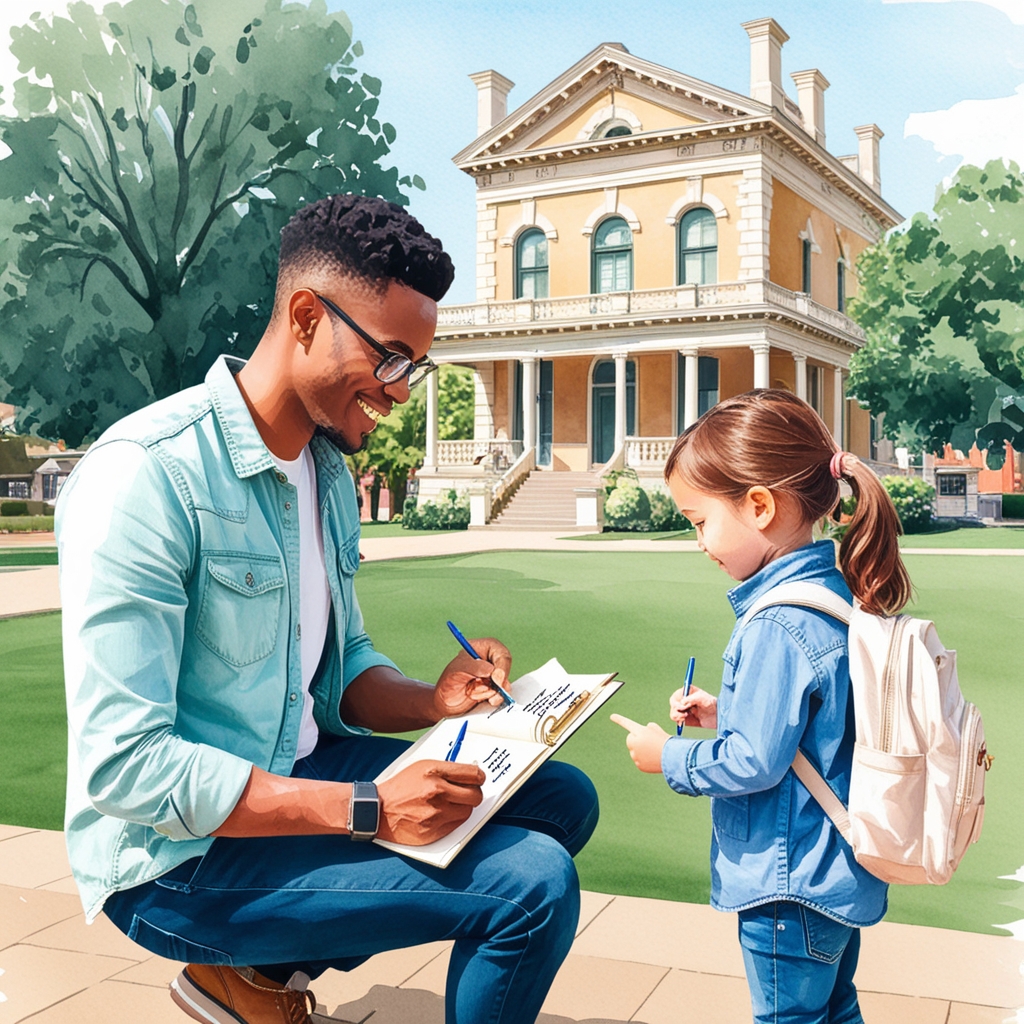
Building strong homeschool social studies lesson plans begins with understanding the core objectives of social studies education. According to the National Council for the Social Studies, effective social studies programs help students develop the ability to make informed decisions as citizens of a diverse democratic society.
The foundation of any successful social studies curriculum rests on ten thematic strands that provide a framework for learning. These include culture, time and continuity, people and environments, individual development, institutions, power and governance, production and consumption, science and technology, global connections, and civic ideals and practices.
Understanding Your State Standards
Before developing your lesson plans, research your state’s social studies standards and requirements. Most states provide detailed guidelines outlining what students should know and be able to do at each grade level.
These standards typically cover four main areas: history, geography, civics and government, and economics. Understanding these requirements helps ensure your homeschool social studies lesson plans meet educational expectations while providing flexibility in how you present the material.
Incorporating Multiple Learning Styles
Effective lesson planning accommodates different learning preferences through varied instructional methods. Visual learners benefit from maps, timelines, and graphic organizers, while auditory learners thrive with discussions, storytelling, and music integration.
Kinesthetic learners need hands-on activities like role-playing, building models, and field trips. By incorporating multiple approaches within your lesson plans, you ensure all children can access and engage with social studies content effectively.
Age-Appropriate Social Studies Curriculum Design
Designing age-appropriate social studies instruction requires understanding developmental stages and adjusting content complexity accordingly. Young children learn best through concrete experiences and storytelling, while older students can handle abstract concepts and complex analysis.
Elementary Years (K-5): Building Foundations
Elementary homeschool social studies lesson plans should focus on familiar concepts that gradually expand outward. Start with family and community studies, then progress to state, national, and world topics.
Key topics for elementary students include:
- Family traditions and community helpers
- Local and state history and geography
- American symbols and holidays
- Basic map skills and cardinal directions
- Introduction to different cultures and countries
- Simple economic concepts like needs versus wants
Use picture books, simple timelines, and hands-on activities to make abstract concepts concrete. For example, when teaching about Native American cultures, create traditional crafts or prepare foods from different tribes.
Middle School Years (6-8): Developing Critical Thinking
Middle school students can handle more complex historical narratives and begin developing critical thinking skills. Your lesson plans should encourage analysis, comparison, and evaluation of historical events and their consequences.
Focus areas for middle school include:
- Ancient civilizations and their contributions
- Medieval history and the Renaissance
- Exploration and colonization
- Revolutionary periods and nation-building
- Geography skills including climate and physical features
- Government structures and civic responsibilities
Incorporate primary source documents, debate activities, and research projects to develop analytical skills. Students at this level can begin creating their own timelines and making connections between historical events.
High School Years (9-12): Advanced Analysis and Preparation
High school social studies lesson plans should prepare students for college-level work and active citizenship. Focus on developing research skills, critical analysis, and the ability to support arguments with evidence.
Advanced topics include:
- World history and comparative civilizations
- American government and constitutional principles
- Economics and personal finance
- Current events and contemporary issues
- Research methodologies and source evaluation
- Preparation for standardized tests and college admissions
Essential Components of Homeschool Social Studies Lesson Plans
Well-structured homeschool social studies lesson plans include several key components that ensure comprehensive coverage and effective learning outcomes. Each lesson should have clear objectives, engaging activities, and assessment methods.
Learning Objectives and Standards Alignment
Begin each lesson plan with specific, measurable learning objectives that align with state standards. Clear objectives help you stay focused and provide a framework for assessment.
Write objectives using action verbs like “identify,” “compare,” “analyze,” or “evaluate.” For example: “Students will compare and contrast the causes of the American Revolution and the Civil War, identifying three similarities and three differences.”
Engaging Opening Activities
Start each lesson with an engaging hook that captures student interest and connects to prior knowledge. This might include showing a short video, sharing an interesting historical artifact, or posing a thought-provoking question.
Opening activities should be brief but effective in setting the stage for learning. Consider using current events connections, personal stories, or surprising historical facts to grab attention.
Instructional Methods and Activities
The main body of your lesson should include varied instructional methods that accommodate different learning styles. Combine direct instruction with interactive activities, discussions, and hands-on experiences.
Effective instructional strategies include:
- Interactive lectures with visual aids
- Small group discussions and debates
- Document analysis activities
- Map work and geography exercises
- Role-playing and simulations
- Creative projects and presentations
Assessment and Reflection
Conclude each lesson with assessment activities that measure student understanding and provide feedback for future instruction. This might include exit tickets, quick quizzes, or reflection questions.
Regular assessment helps you identify areas where students need additional support and ensures learning objectives are being met. Consider both formal and informal assessment methods to get a complete picture of student progress.
Hands-On Activities and Project-Based Learning
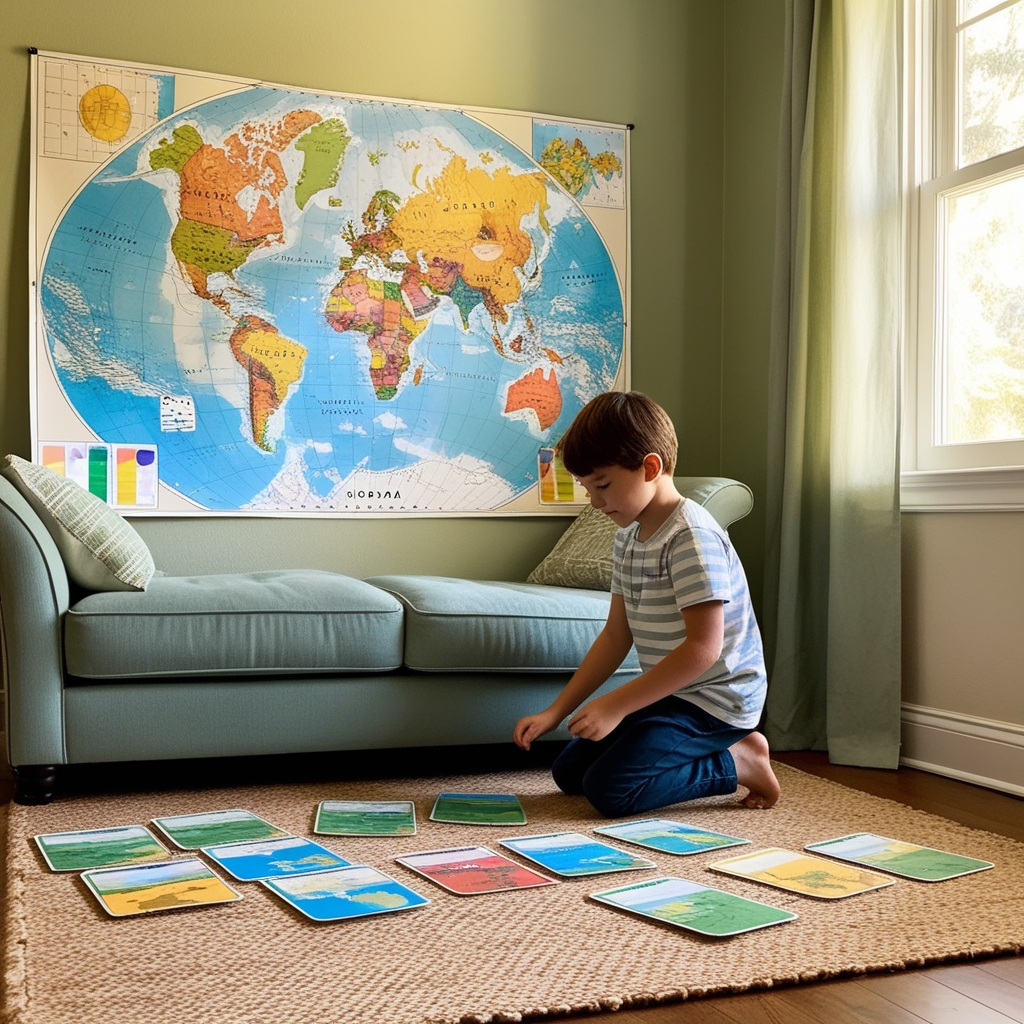
Hands-on activities and project-based learning make social studies come alive for homeschool students. These approaches help students develop deeper understanding while building practical skills they’ll use throughout their lives.
Historical Reenactments and Role-Playing
Historical reenactments allow students to step into the shoes of historical figures and experience events from different perspectives. Create simple costumes and props to enhance the experience.
Popular reenactment activities include:
- Colonial town meetings and decision-making processes
- Constitutional Convention debates
- Underground Railroad simulations
- Ancient Greek Olympic games
- Medieval feast celebrations
- Pioneer life demonstrations
These activities help students understand historical contexts while developing empathy and critical thinking skills. Document these experiences with photos and reflective writing assignments.
Geography and Mapping Projects
Geography skills are essential components of social studies education. Create engaging mapping projects that help students understand spatial relationships and geographic concepts.
Effective geography activities include creating salt dough maps, designing travel brochures for different countries, and conducting virtual field trips using online resources. Students can also create their own maps of fictional places, demonstrating understanding of geographic features and symbols.
Cultural Exploration and Celebrations
Exploring different cultures through food, music, art, and traditions helps students develop global awareness and appreciation for diversity. Plan cultural celebration days that immerse students in different ways of life.
Cultural activities might include preparing traditional foods, learning folk dances, creating cultural artifacts, and connecting with pen pals from other countries. These experiences broaden perspectives and build cultural competency.
Assessment Strategies and Progress Tracking
Effective assessment strategies help you monitor student progress, identify learning gaps, and demonstrate educational achievement to meet homeschool requirements. Develop a balanced approach that includes both formal and informal assessment methods.
Formative Assessment Techniques
Formative assessments provide ongoing feedback during the learning process. These quick checks help you adjust instruction and ensure students are mastering concepts before moving forward.
Useful formative assessment techniques include:
- Exit tickets with key questions
- Think-pair-share discussions
- Quick sketch summaries
- Thumbs up/down comprehension checks
- One minute papers
- Concept mapping exercises
Regular formative assessment helps you identify when students need additional support or when they’re ready to move on to more challenging material.
Summative Assessment Options
Summative assessments evaluate student learning at the end of instructional units. These assessments should align with your learning objectives and provide clear evidence of student achievement.
Consider various summative assessment formats including traditional tests, research projects, presentations, portfolios, and performance-based demonstrations. Choose methods that best match your student’s strengths while still measuring essential skills and knowledge.
Portfolio Development and Documentation
Student portfolios provide comprehensive documentation of learning progress over time. Include a variety of work samples that demonstrate growth and achievement across different social studies concepts.
Portfolio contents might include research papers, project photos, reflection essays, maps, timelines, and assessment results. Regular portfolio reviews help students see their own progress and take ownership of their learning journey.
Digital Resources and Educational Technology
Educational technology offers powerful tools for enhancing homeschool social studies lesson plans. Digital resources can bring historical events to life, provide access to primary sources, and connect students with global learning opportunities.
Virtual Field Trips and Online Museums
Virtual field trips eliminate geographic and financial barriers while providing rich learning experiences. Many museums, historical sites, and cultural institutions offer high-quality virtual tours and educational programs.
Popular virtual field trip destinations include the Smithsonian museums, Colonial Williamsburg, the White House, and UNESCO World Heritage sites. These experiences can supplement or replace traditional field trips while providing access to locations around the world.
Primary Source Collections and Digital Archives
Digital archives provide access to primary source documents, photographs, and artifacts that bring history to life. Students can analyze original documents and develop historical thinking skills.
Valuable digital collections include the Library of Congress digital archives, the National Archives, and university special collections. These resources help students understand that history is constructed from evidence and multiple perspectives.
Educational Apps and Interactive Tools
Educational apps and interactive tools can gamify learning and provide personalized instruction. Many apps offer adaptive learning features that adjust difficulty based on student performance.
Useful social studies apps include geography games, timeline creators, virtual reality historical experiences, and current events platforms. Choose tools that align with your learning objectives and enhance rather than replace quality instruction.
Lesson Planning Templates and Organization Systems
Organized lesson planning saves time and ensures comprehensive coverage of social studies topics. Develop templates and systems that work for your family’s needs and teaching style.
The HomeschoolingExperts.org lesson plan shop offers professionally designed templates that can streamline your planning process while ensuring you cover all essential components.
Weekly and Unit Planning Templates
Create standardized templates for weekly and unit planning that include all essential elements. Templates should have sections for objectives, materials, activities, assessments, and reflection notes.
Consistent formatting makes it easier to review previous lessons, identify successful strategies, and maintain continuity across units. Digital templates can be easily modified and reused for different topics.
Long-Term Scope and Sequence Planning
Develop a comprehensive scope and sequence that outlines what topics you’ll cover throughout the academic year. This long-term planning helps ensure balanced coverage and prevents important topics from being overlooked.
Your scope and sequence should align with state standards while allowing flexibility for student interests and current events. Review and adjust your plan regularly based on student progress and emerging opportunities.
Resource Organization and Management
Organize your teaching resources for easy access and reuse. Create digital folders for different topics and grade levels, and maintain physical storage systems for hands-on materials.
Good organization systems save preparation time and help you quickly locate materials when inspiration strikes. Consider using cloud storage for digital resources so you can access materials from anywhere.
Common Challenges and Solutions
Homeschool social studies instruction presents unique challenges, but with proper planning and strategies, these obstacles can be overcome effectively.
Making History Relevant and Engaging
Many students find history boring or irrelevant to their lives. Combat this challenge by making connections between historical events and current situations, emphasizing the human stories behind major events.
Use multimedia resources, primary sources, and hands-on activities to bring the past to life. Help students see how historical events shaped the world they live in today and how they can learn from past experiences.
Covering Controversial Topics
Social studies naturally includes controversial topics that require careful handling. Approach these subjects with balance, presenting multiple perspectives while maintaining age-appropriateness.
Focus on developing critical thinking skills rather than promoting specific viewpoints. Encourage students to examine evidence, consider different perspectives, and form their own informed opinions based on facts.
Time Management and Curriculum Coverage
Balancing comprehensive coverage with deep learning can be challenging. Prioritize essential concepts and skills while allowing time for topics that particularly interest your students.
Remember that homeschooling allows for flexible pacing. You can spend extra time on engaging topics and move more quickly through less interesting material, as long as you meet overall learning objectives.
Assessment and Documentation Requirements
Meeting state assessment and documentation requirements while maintaining engaging instruction requires careful planning. Develop systems that capture student learning without overwhelming your teaching time.
Consider using authentic assessments that serve dual purposes as both learning activities and documentation tools. Projects, presentations, and portfolios can demonstrate learning while providing engaging educational experiences.
Frequently Asked Questions
How much time should I spend on social studies each day?
Most educational experts recommend 30-45 minutes daily for elementary students and 45-90 minutes for middle and high school students. However, homeschooling allows for flexible scheduling, so you can adjust based on your student’s needs and interests. Some families prefer longer sessions fewer times per week, while others integrate social studies throughout their day.
Do I need to follow a specific curriculum or can I create my own lesson plans?
You have the freedom to choose either approach or combine both methods. Many successful homeschool families create their own lesson plans using state standards as a guide, while others prefer structured curricula. Creating your own plans allows for customization but requires more preparation time. Consider your teaching confidence, available time, and student needs when making this decision.
How can I make social studies interesting for reluctant learners?
Focus on hands-on activities, storytelling, and connections to your student’s interests. Use games, role-playing, cooking historical foods, and field trips to make learning interactive. Connect historical events to current events and popular culture when appropriate. Allow students to choose some topics for deeper exploration based on their interests.
What resources do I need to teach social studies effectively at home?
Essential resources include age-appropriate textbooks or online content, maps and globes, timeline materials, and access to primary sources through digital archives. You’ll also benefit from educational videos, historical fiction books, art supplies for projects, and basic reference materials. Many excellent resources are available free online through educational websites and virtual museums.
How do I assess my child’s progress in social studies?
Use a combination of formal and informal assessments including projects, presentations, written assignments, discussions, and traditional tests when appropriate. Create portfolios to document learning over time, and use rubrics to evaluate complex assignments. Regular conversations about what your child is learning provide valuable insight into their understanding and retention.
Should I teach social studies as a separate subject or integrate it with other subjects?
Both approaches have benefits, and many families use a combination. Integration can make learning more meaningful and efficient by connecting social studies with literature, science, art, and math. However, some topics benefit from focused study time. Consider your teaching style, student preferences, and the specific content when deciding how to structure your lessons.
How do I handle sensitive or controversial topics in social studies?
Present multiple perspectives while maintaining age-appropriateness, and focus on developing critical thinking skills rather than promoting specific viewpoints. Use primary sources when possible, encourage questions, and create a safe environment for discussion. Consider your family values while ensuring students understand different perspectives exist. Prepare yourself by researching topics thoroughly before teaching them.
📚 Recommended Homeschool Resources
As an Amazon Associate, I earn from qualifying purchases. Some links in this article are affiliate links, meaning I may earn a small commission at no extra cost to you.
Conclusion
Creating effective homeschool social studies lesson plans requires thoughtful planning, creativity, and flexibility. By incorporating engaging activities, utilizing digital resources, and maintaining clear objectives, you can provide your children with a comprehensive social studies education that prepares them for active citizenship and lifelong learning.
Remember that homeschooling allows you to adapt your approach based on your student’s interests, learning style, and pace. Use the strategies and resources outlined in this guide to develop lesson plans that make social studies come alive for your family.
The key to success lies in consistent planning, regular assessment, and willingness to adjust your methods based on what works best for your students. With dedication and creativity, you can create memorable learning experiences that foster a love of history, geography, and civic engagement that will serve your children throughout their lives.
Start implementing these strategies today, and watch as your students develop a deeper understanding and appreciation for the world around them through well-crafted social studies instruction.
Related Resources
Explore these additional resources to enhance your homeschool social studies instruction:
- Browse our complete collection of lesson plans for all subjects and grade levels
- Discover different curriculum methods and approaches that might work for your family
- Find creative activities and project ideas to supplement your social studies lessons
For personalized guidance on developing your homeschool social studies program, contact our educational consultants who can provide tailored advice based on your family’s specific needs and goals.

Loved this post? Grab the free resource above.
Math Adventures: Everyday Numbers — drop your email and we'll send the printable PDF.