Free Sample Lesson Plan
Math Adventures: Everyday Numbers — drop your email and we'll send the printable PDF.
Creating effective homeschool writing lesson plans is essential for developing your child’s communication skills and fostering a lifelong love of writing. Whether you’re a seasoned homeschooling parent or just beginning your educational journey, structured writing instruction provides the foundation your student needs to express ideas clearly, think critically, and communicate effectively across all subjects.
This comprehensive guide will walk you through everything you need to know about developing engaging writing curricula for your homeschool. From understanding developmental stages and choosing appropriate teaching methods to creating assessment rubrics and troubleshooting common challenges, you’ll discover practical strategies that make writing instruction both effective and enjoyable.
By implementing the lesson planning frameworks and activities outlined here, you’ll be equipped to nurture confident, capable writers who can tackle everything from creative storytelling to academic essays with enthusiasm and skill.
Key Takeaways
- Effective homeschool writing lesson plans should be tailored to your child’s developmental stage and learning style
- Successful writing instruction combines structured lessons with creative freedom and regular practice
- Assessment should focus on progress over perfection, using rubrics that celebrate growth
- Technology tools and resources can enhance traditional writing instruction when used strategically
- Common writing challenges can be overcome with patience, targeted strategies, and consistent encouragement
Understanding Developmental Writing Stages

Before diving into specific homeschool writing lesson plans, it’s crucial to understand how writing skills develop naturally in children. Research from the Scholastic Teaching Resources shows that children progress through predictable stages of writing development, each building upon the previous one.
Pre-Writing Stage (Ages 3-5)
During this foundational stage, children begin to understand that marks on paper have meaning. They experiment with scribbling, drawing, and letter-like forms. Your lesson plans should focus on:
- Fine motor skill development through tracing and drawing activities
- Letter recognition and formation practice
- Storytelling through pictures and dictated narratives
- Building vocabulary through read-alouds and conversation
Emergent Writing Stage (Ages 4-6)
Children at this stage begin to connect sounds with letters and attempt to write words phonetically. They understand that writing conveys messages and start experimenting with different forms of communication.
Focus your writing instruction on phonemic awareness, sight word recognition, and encouraging risk-taking in spelling attempts. Celebrate invented spelling as a natural part of the learning process.
Early Writing Stage (Ages 5-7)
Students begin writing simple sentences and short paragraphs with increasing accuracy. They start to understand basic punctuation and capitalization rules while developing their unique voice.
Your lesson plans should incorporate guided writing exercises, journal writing, and introduction to different text types like narratives and informational writing.
Essential Components of Effective Writing Lesson Plans
Well-structured homeschool writing lesson plans share several key components that ensure comprehensive skill development. These elements work together to create engaging, educational experiences that build writing competency over time.
Clear Learning Objectives
Every lesson should begin with specific, measurable goals. Rather than vague objectives like “improve writing,” focus on concrete skills such as “students will write a five-sentence paragraph with a clear topic sentence and supporting details.”
Align your objectives with your state’s educational standards or established frameworks like the Common Core State Standards to ensure comprehensive coverage of essential skills.
Pre-Writing Activities
Successful writing begins before pen touches paper. Incorporate brainstorming sessions, graphic organizers, and discussion activities that help students generate and organize ideas.
- Mind mapping for creative writing projects
- Research activities for informational writing
- Character development exercises for narrative writing
- Outline creation for structured essays
Guided Instruction and Modeling
Demonstrate the writing process through think-alouds and shared writing experiences. Show students how experienced writers approach different tasks, from generating ideas to revising drafts.
Use mentor texts to illustrate effective writing techniques and provide concrete examples of quality writing in various genres and formats.
Creating Age-Appropriate Writing Curricula
Developing effective homeschool writing lesson plans requires careful consideration of your child’s age, developmental stage, and individual learning needs. A well-designed curriculum progresses logically from simple to complex skills while maintaining engagement and motivation.
Elementary Years (Grades K-5)
Elementary writing instruction should emphasize foundational skills while nurturing creativity and self-expression. Focus on building confidence through frequent, low-stakes writing opportunities.
Key curriculum elements include:
- Handwriting and keyboarding skills development
- Sentence structure and basic grammar concepts
- Narrative writing through personal experiences and imagination
- Descriptive writing using sensory details
- Simple informational writing about familiar topics
Incorporate cross-curricular connections by having students write about science experiments, historical events, or mathematical problem-solving processes. This approach reinforces learning across subjects while providing authentic writing purposes.
Middle School Years (Grades 6-8)
Middle school students are ready for more sophisticated writing challenges and can handle longer, multi-paragraph compositions. They’re also developing critical thinking skills that enhance their analytical writing abilities.
Your curriculum should include:
- Five-paragraph essay structure and organization
- Research skills and source citation basics
- Persuasive writing with evidence and reasoning
- Creative writing in various genres
- Peer review and collaborative writing processes
High School Years (Grades 9-12)
High school writing instruction prepares students for college and career success. Emphasis shifts toward sophisticated analysis, research-based writing, and mastery of various academic formats.
Advanced curriculum components include literary analysis, research papers, college application essays, and professional communication skills.
Proven Teaching Methods and Approaches
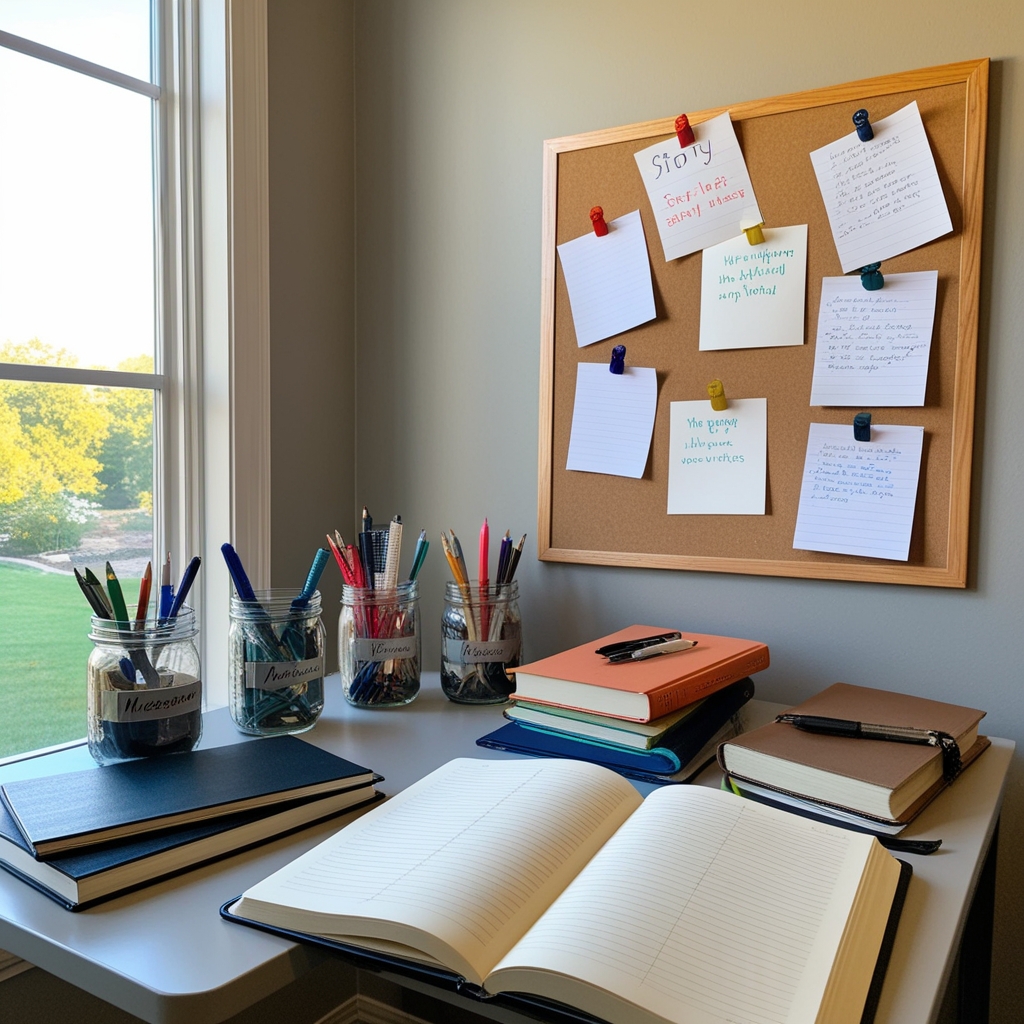
Successful writing instruction employs varied teaching methods that accommodate different learning styles and maintain student engagement. The most effective homeschool writing lesson plans combine multiple approaches to create rich, comprehensive learning experiences.
The Writing Workshop Model
This student-centered approach divides instruction into mini-lessons, independent writing time, and sharing sessions. Students work at their own pace while receiving individualized guidance and feedback.
Structure your workshop sessions with a 10-minute mini-lesson, 30-40 minutes of independent writing time, and 10 minutes of sharing and reflection. This format allows for differentiated instruction while building a community of writers.
Process Writing Approach
Emphasize writing as a recursive process involving prewriting, drafting, revising, editing, and publishing stages. This method helps students understand that good writing develops through multiple iterations and revision cycles.
Teach students specific strategies for each stage, such as brainstorming techniques for prewriting, organizational patterns for drafting, and proofreading checklists for editing.
Genre-Based Instruction
Focus instruction around specific text types and genres, teaching the unique characteristics, structures, and purposes of each. This approach helps students understand how form follows function in effective writing.
Rotate through different genres throughout the year, spending 3-4 weeks exploring each one through reading mentor texts, analyzing features, and creating original pieces.
Sample Lesson Plans by Grade Level
These detailed examples demonstrate how to structure engaging writing lessons that build skills progressively. Each plan includes objectives, materials, procedures, and assessment strategies tailored to specific grade levels.
Kindergarten: “My Family” Descriptive Writing
Objective: Students will create a simple descriptive sentence about a family member using adjectives and illustrations.
Materials: Drawing paper, crayons, word bank of family words and adjectives, sentence frame template
Procedure:
- Begin with a family photo sharing circle (5 minutes)
- Introduce descriptive words through picture cards (10 minutes)
- Model writing a descriptive sentence about your family (5 minutes)
- Students draw family members and write descriptive sentences using sentence frames (20 minutes)
- Share completed work in author’s chair (10 minutes)
Third Grade: “How-To” Procedural Writing
Objective: Students will write a clear, sequenced set of instructions for a familiar task using transition words and specific details.
This lesson builds on students’ personal experiences while introducing important organizational and instructional writing skills. Students learn to consider their audience and provide sufficient detail for successful task completion.
Sixth Grade: Persuasive Letter Writing
Objective: Students will compose a persuasive letter using proper business letter format, clear thesis statement, and supporting evidence.
Focus on real-world applications by having students write to local officials, school administrators, or business owners about issues they care about. This authentic purpose increases engagement and demonstrates writing’s power to create change.
Assessment and Progress Tracking Strategies
Effective assessment in homeschool writing instruction goes beyond traditional grading to provide meaningful feedback that guides instruction and motivates continued growth. Your homeschool writing lesson plans should incorporate multiple assessment methods that capture different aspects of writing development.
Formative Assessment Techniques
Use ongoing assessment strategies to monitor student progress and adjust instruction accordingly. These informal assessments provide valuable insights into student thinking and skill development.
- Writing conferences and one-on-one discussions
- Exit tickets with quick writing prompts
- Peer feedback sessions and writing partnerships
- Self-reflection journals and goal-setting activities
Keep detailed notes during writing conferences, focusing on patterns in student strengths and areas for improvement. This information helps you tailor future lessons to address specific needs.
Portfolio Assessment
Maintain writing portfolios that showcase student growth over time. Include pieces from different genres, stages of the writing process, and student reflections on their learning journey.
Review portfolios quarterly with students, celebrating progress and setting goals for continued improvement. This collaborative approach helps students take ownership of their learning while building metacognitive skills.
Rubric-Based Evaluation
Develop age-appropriate rubrics that clearly communicate expectations and provide specific feedback on different aspects of writing quality. Focus on 3-4 key criteria to avoid overwhelming students with too much feedback at once.
Create separate rubrics for different writing purposes, such as creative writing, informational texts, and persuasive essays. This specificity helps students understand genre-specific expectations and requirements.
Technology Tools and Digital Resources
Modern homeschool writing instruction benefits significantly from thoughtful integration of technology tools and digital resources. These platforms can enhance traditional teaching methods while providing engaging, interactive learning experiences.
Writing and Publishing Platforms
Digital writing tools offer features that support the writing process, from initial brainstorming through final publication. Popular options include Google Docs for collaborative writing, Storybird for creative storytelling, and Book Creator for digital publishing projects.
These platforms often include built-in spell-check, grammar assistance, and formatting tools that help students produce polished final products while learning important digital literacy skills.
Research and Citation Tools
Teach students to use age-appropriate research databases and citation generators to support academic writing projects. Resources like Scholastic GO! and National Geographic Kids provide reliable, student-friendly information sources.
Introduce citation tools gradually, starting with simple bibliography formats in elementary grades and progressing to more sophisticated citation styles in high school.
Assessment and Feedback Applications
Digital tools can streamline the assessment process while providing detailed feedback to students. Voice recording apps allow for personalized audio feedback, while online rubric tools make evaluation more efficient and consistent.
Consider using screen recording software to create mini-lessons that address common writing issues, allowing students to review instruction as needed during independent work time.
Troubleshooting Common Writing Challenges
Even the most carefully crafted homeschool writing lesson plans will encounter obstacles and challenges. Understanding common issues and having strategies ready helps maintain momentum and student confidence throughout the learning process.
Reluctant Writers and Motivation Issues
Many students struggle with writing motivation, often due to perfectionism, lack of confidence, or previous negative experiences. Address these challenges by emphasizing process over product and celebrating small victories.
Strategies for reluctant writers include:
- Offering choice in topics and formats
- Starting with very short writing tasks
- Using drawing and visual elements to support writing
- Connecting writing to student interests and passions
- Providing alternative ways to demonstrate understanding
Handwriting and Fine Motor Difficulties
Some students struggle with the physical aspects of writing, which can interfere with their ability to express ideas effectively. Separate handwriting instruction from composition work when necessary.
Consider accommodations such as larger writing tools, specialized paper, or keyboarding alternatives for students with persistent fine motor challenges. The goal is to remove barriers to expression while still developing necessary skills.
Grammar and Mechanics Overwhelm
Avoid overwhelming students by teaching grammar and mechanics in context rather than as isolated skills. Focus on one or two concepts at a time, providing ample practice opportunities before introducing new elements.
Use student writing as the basis for mini-lessons on grammar and mechanics, making the instruction relevant and meaningful to their immediate needs and interests.
Frequently Asked Questions
How often should I teach writing in my homeschool?
Daily writing practice is ideal, even if only for 10-15 minutes. Consistent, frequent practice builds skills more effectively than longer, less frequent sessions. You can vary the type of writing from formal lessons to journal entries or creative free-writing.
What if my child hates writing and resists every lesson?
Start small and focus on topics your child loves. Try alternative formats like comic strips, letters to favorite characters, or collaborative storytelling. Remove pressure by emphasizing that first drafts don’t need to be perfect, and consider whether physical writing difficulties might be contributing to resistance.
Should I correct every mistake in my child’s writing?
No, focus on 1-2 specific areas for improvement at a time to avoid overwhelming your child. Prioritize content and ideas over mechanics in early drafts, and use mistakes as teaching opportunities rather than failures to correct.
How do I know if my homeschool writing curriculum is working?
Look for gradual improvement in writing fluency, willingness to write, and ability to express ideas clearly. Keep writing samples over time to track progress, and pay attention to your child’s confidence and attitude toward writing tasks.
What’s the best way to teach grammar within writing lessons?
Teach grammar in context using your child’s own writing as examples. Focus on one concept at a time and provide immediate application opportunities. Mini-lessons of 5-10 minutes work better than lengthy grammar sessions disconnected from actual writing.
How can I help my child develop their own writing voice?
Encourage personal expression by offering choices in topics and formats. Read diverse authors together and discuss different writing styles. Avoid over-correcting and allow your child to experiment with different approaches to find what feels natural to them.
When should I introduce different types of writing like essays and research papers?
Begin with simple paragraph structure in grades 2-3, introduce basic five-paragraph essays in grades 4-5, and add research components in middle school. Always ensure students have mastered foundational skills before moving to more complex formats.
📚 Recommended Homeschool Resources
As an Amazon Associate, I earn from qualifying purchases. Some links in this article are affiliate links, meaning I may earn a small commission at no extra cost to you.
Conclusion
Creating effective homeschool writing lesson plans requires thoughtful planning, patience, and flexibility to meet your child’s unique needs and learning style. By understanding developmental stages, incorporating proven teaching methods, and maintaining realistic expectations, you can foster a love of writing that will serve your student throughout their academic journey and beyond.
Remember that writing development is a gradual process that unfolds differently for each child. Focus on celebrating progress, providing consistent encouragement, and creating meaningful opportunities for expression and communication.
Start implementing these strategies gradually, adapting them to fit your family’s schedule and your child’s interests. With consistent practice and supportive instruction, you’ll see steady improvement in both writing skills and confidence.
Ready to begin your writing instruction journey? Explore our comprehensive collection of ready-to-use lesson plans designed specifically for homeschooling families, or contact our team for personalized guidance on developing your writing curriculum.
Related Resources
Continue building your homeschool expertise with these helpful resources:
- Curriculum Methods and Approaches – Explore different educational philosophies and teaching strategies
- Grade-Level Planning Guides – Find age-specific advice and milestone expectations
- Scheduling and Planning Resources – Learn effective strategies for organizing your homeschool day
Loved this post? Grab the free resource above.
Math Adventures: Everyday Numbers — drop your email and we'll send the printable PDF.