Free Curriculum Comparison Guide
Compare Charlotte Mason, Classical, Montessori, Waldorf, and more in one printable side-by-side guide.
Homeschooling a child with dyslexia is one of the most rewarding ways to give a struggling reader the individualized attention they need to thrive. Unlike a traditional classroom with twenty-five students and one teacher, home education allows you to move at your child’s pace, use multisensory methods proven to help dyslexic learners, and remove the shame that so often accompanies reading struggles in school settings. According to the International Dyslexia Association, dyslexia affects an estimated 15 to 20 percent of the population, making it the most common learning difference among school-age children.
This guide walks you through everything you need to know about homeschooling a child with dyslexia, from understanding the condition to choosing curriculum, building a daily schedule, and finding support along the way. Whether you are just starting this journey or looking to refine your current approach, you will find practical, actionable strategies here.
As homeschooling educators who have worked with hundreds of families navigating learning differences, we know that the right structure and mindset can transform a child’s relationship with reading. Let’s explore how to make that happen in your home.
Key Takeaways
- Homeschooling a child with dyslexia allows for a personalized, pressure-free learning pace that many struggling readers cannot get in a traditional classroom.
- Structured literacy and multisensory, Orton-Gillingham based programs are among the most researched and effective approaches for dyslexic learners.
- A formal evaluation helps you understand your child’s specific needs and may qualify you for accommodations and support services.
- Short, consistent daily practice sessions outperform long, infrequent lessons for building reading skills.
- Emotional support and confidence building are just as important as academic instruction for children with dyslexia.
Understanding Dyslexia and Why Homeschooling Can Help
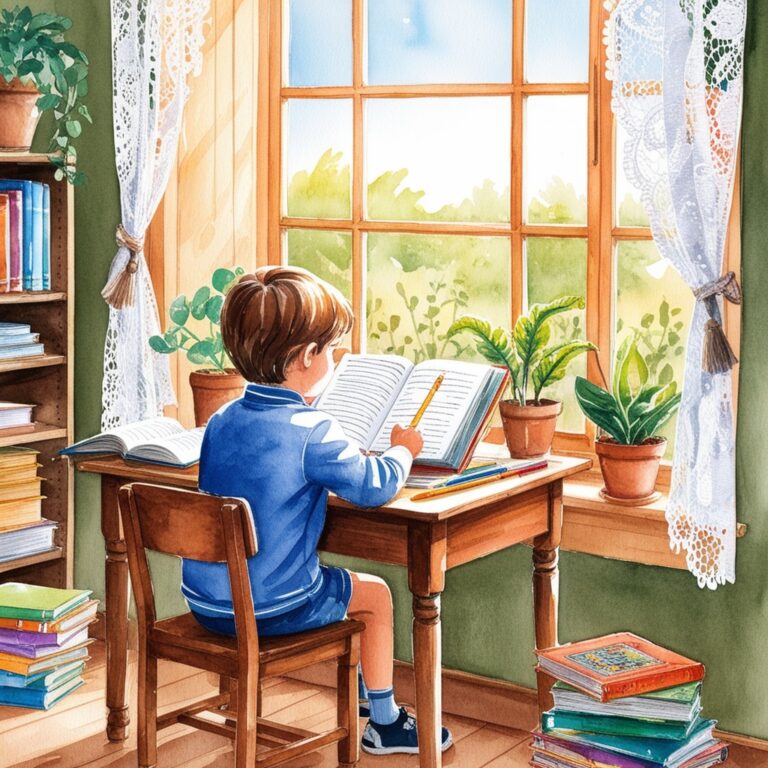
Dyslexia is a specific learning difference rooted in how the brain processes language, particularly the connection between sounds and letters. It is not related to intelligence, vision problems, or lack of effort. Many dyslexic children are bright, creative, and verbally skilled, yet they struggle significantly with decoding words on a page.
Homeschooling a child with dyslexia offers distinct advantages over a traditional classroom setting. You can slow down or speed up based on mastery rather than a rigid calendar. You can also repeat lessons as many times as needed without a child feeling singled out in front of peers.
Why Traditional Classrooms Can Be Challenging for Dyslexic Students
Large classrooms often rely on whole-group instruction that moves at an average pace, leaving dyslexic students behind before they have mastered foundational skills. Reading aloud in front of classmates can also create anxiety and embarrassment that compounds the academic struggle.
Homeschooling removes much of this pressure. Your child can practice reading in a safe, private environment where mistakes are simply part of the learning process.
The Flexibility Advantage
One of the greatest benefits of homeschooling a dyslexic child is flexibility in both pacing and method. If a phonics lesson is not clicking, you can try a different multisensory approach the next day without waiting for a new unit or semester.
[Image placeholder]
Signs Your Child May Have Dyslexia
Recognizing dyslexia early can make a significant difference in how quickly you can implement effective strategies. While every child is different, there are common patterns that tend to appear across age groups.
Early Childhood Signs
- Delayed speech development or difficulty pronouncing words
- Trouble learning the alphabet or rhyming words
- Difficulty remembering names of letters, numbers, or colors
- Family history of reading or spelling difficulties
Elementary School Signs
- Slow, labored reading that does not match verbal intelligence
- Difficulty sounding out unfamiliar words
- Reversing letters or numbers beyond the typical age range
- Avoiding reading activities or reading below grade level
- Trouble with spelling even after repeated practice
Signs in Older Children and Teens
Older students with undiagnosed dyslexia often develop coping strategies, such as memorizing sight words or relying heavily on context clues. They may also show strong verbal skills alongside weak written output, slow reading speed, or avoidance of reading-heavy subjects.
If you notice several of these signs, it is worth pursuing a professional evaluation, which we cover in the next section.
Getting an Evaluation Before You Start
While you do not need a formal diagnosis to begin homeschooling a child with dyslexia, an evaluation provides valuable insight into your child’s specific strengths and challenges. It can also open doors to accommodations for standardized testing later on.
Who Can Provide a Dyslexia Evaluation
Evaluations are typically conducted by licensed psychologists, educational diagnosticians, or specialists trained in reading disorders. Some school districts offer evaluations even for homeschooled children, though availability varies by state.
The Home School Legal Defense Association (HSLDA) is an excellent resource for understanding your rights and local options when seeking an evaluation while homeschooling.
What an Evaluation Typically Includes
- Cognitive and intelligence testing
- Phonological awareness and processing assessments
- Reading fluency and comprehension measures
- Spelling and written expression evaluation
Using Results to Guide Instruction
Once you have evaluation results, you can tailor your homeschool approach to address specific weak areas, whether that is phonemic awareness, working memory, or processing speed. This data becomes the foundation for choosing curriculum, which we discuss next.
Choosing the Right Curriculum for a Dyslexic Learner
Not all reading curricula are created equal when it comes to supporting dyslexic learners. The most effective programs use structured literacy, a systematic and explicit approach to teaching phonics, decoding, and spelling.
What to Look for in a Dyslexia-Friendly Curriculum
- Systematic and sequential phonics instruction
- Multisensory teaching components (visual, auditory, and kinesthetic)
- Cumulative review of previously taught concepts
- Explicit instruction rather than discovery-based learning
- Built-in repetition and mastery checks
Popular Structured Literacy Programs
Many homeschooling families find success with Orton-Gillingham based programs, which were specifically designed for students with dyslexia. These programs break reading down into small, logical steps and reinforce each one through multiple senses before moving forward.
Scholastic’s research on literacy instruction (scholastic.com) also offers supplementary reading resources that can complement a structured literacy base, particularly for building vocabulary and comprehension once decoding skills improve.
Avoiding Curriculum Pitfalls
Whole-language or three-cueing approaches, which encourage children to guess words from pictures or context, tend to be especially difficult for dyslexic students. These methods can mask underlying decoding weaknesses rather than addressing them directly.
If you are unsure where to start, our curriculum methods resources can help you compare approaches before committing to a program. You can also browse ready-made lesson plans in our lesson plan shop designed with struggling readers in mind.
[Image placeholder]
Multisensory Teaching Techniques That Work
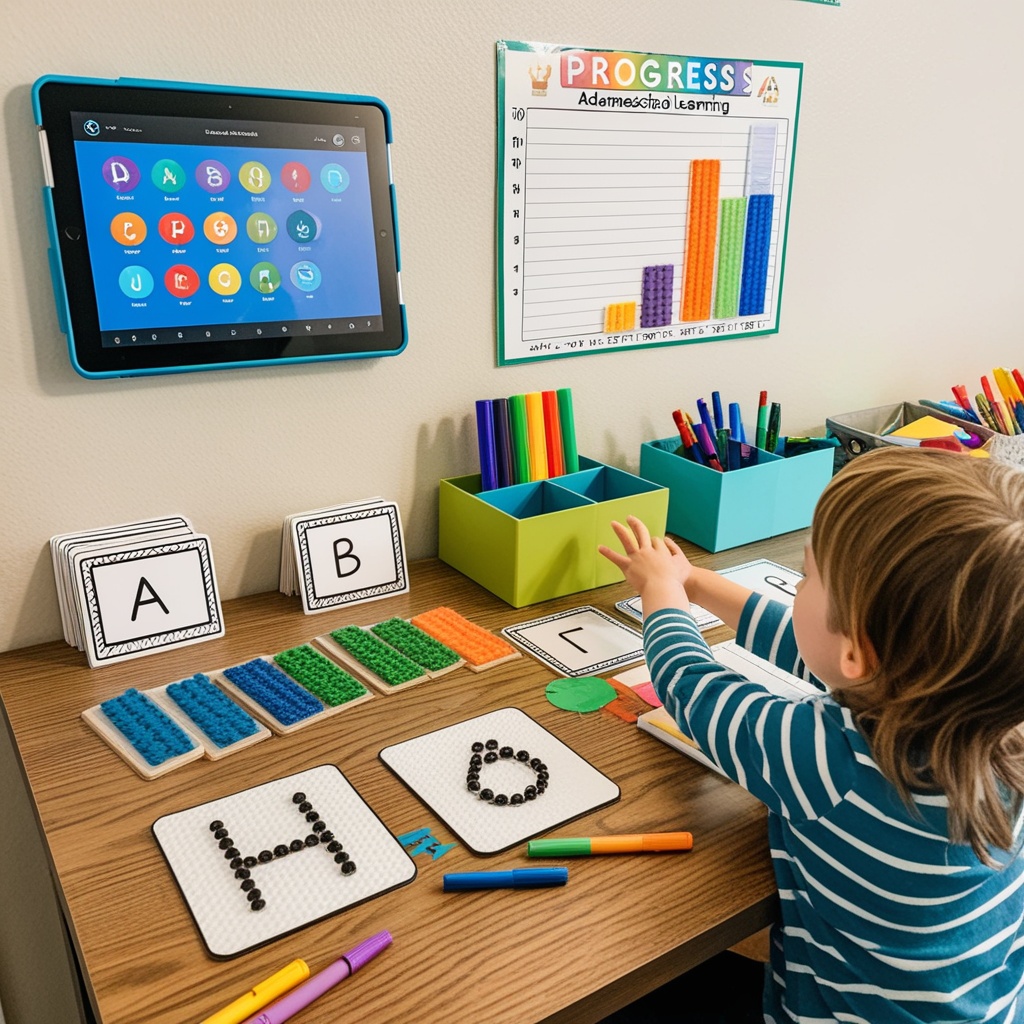
Multisensory instruction engages sight, sound, touch, and movement simultaneously, helping dyslexic learners build stronger neural connections between letters and sounds. This approach is considered the gold standard for dyslexia intervention.
Visual, Auditory, and Kinesthetic Strategies
- Tracing letters in sand, shaving cream, or textured paper while saying the sound aloud
- Using colored tiles or magnetic letters to build words physically
- Tapping out syllables or sounds with fingers while reading
- Pairing hand motions with specific phonics rules
Incorporating Movement Into Reading Lessons
Children with dyslexia often benefit from whole-body learning. Try writing letters in the air, hopping between letter cards on the floor, or using a whiteboard at eye level to engage large motor movements during spelling practice.
Repetition Without Frustration
Because dyslexic learners need significantly more repetition than their peers to master a skill, it is important to vary the activity while keeping the content consistent. Practicing the same phonics rule through a game, a worksheet, and a hands-on activity keeps engagement high while reinforcing the concept.
For additional hands-on ideas, explore our activities and ideas section, which includes games specifically designed for multisensory reinforcement.
Building a Daily Homeschool Schedule for a Child With Dyslexia
Consistency is critical when homeschooling a child with dyslexia. Short, frequent practice sessions tend to be far more effective than long, infrequent study blocks.
Sample Daily Reading Block Structure
- Five minutes of phonemic awareness warm-up (rhyming, blending sounds)
- Fifteen to twenty minutes of structured phonics or decoding practice
- Ten minutes of guided reading with a decodable book
- Five to ten minutes of spelling or handwriting reinforcement
- A short break before moving to other subjects
Balancing Reading Instruction With Other Subjects
Dyslexia primarily affects reading and spelling, so subjects like math, science, and art can often be taught using grade-level materials with accommodations such as audiobooks or verbal assessments. This helps your child stay engaged and confident across the full curriculum rather than feeling stuck only on reading.
If you need help structuring your week, our scheduling and planning guides offer templates you can adapt for a reading-intensive homeschool day.
Adjusting Pace Based on Age and Grade Level
A kindergartner with early signs of dyslexia will need a very different schedule than a dyslexic middle schooler catching up on foundational skills. Our grade level guides can help you benchmark appropriate expectations while still allowing for individualized pacing.
Supporting Emotional Wellbeing and Confidence
Academic strategies alone are not enough. Many children with dyslexia develop anxiety, low self-esteem, or a fear of failure after struggling in traditional school settings, and emotional support must be woven into your homeschool approach.
Reframing the Narrative Around Dyslexia
Help your child understand that dyslexia affects how the brain processes language, not how smart they are. Sharing stories of successful, well-known individuals with dyslexia can help normalize their experience and build hope.
Celebrating Small Wins
Progress with dyslexia is often slow and incremental, so it is important to celebrate small victories, such as correctly decoding a tricky word or finishing a short book independently. These moments build the confidence needed to tackle harder material.
Watching for Signs of Burnout or Anxiety
If your child shows increased resistance, tears, or avoidance around reading time, it may be a sign that the pace needs to slow down or the approach needs to change. Taking breaks and revisiting easier material can rebuild confidence before moving forward again.
[Image placeholder]
Tools, Accommodations, and Assistive Technology
Technology and simple accommodations can dramatically reduce frustration and increase independence for dyslexic learners, allowing them to access grade-level content even while reading skills catch up.
Helpful Assistive Technology
- Text-to-speech software for reading assignments aloud
- Speech-to-text tools for writing assignments
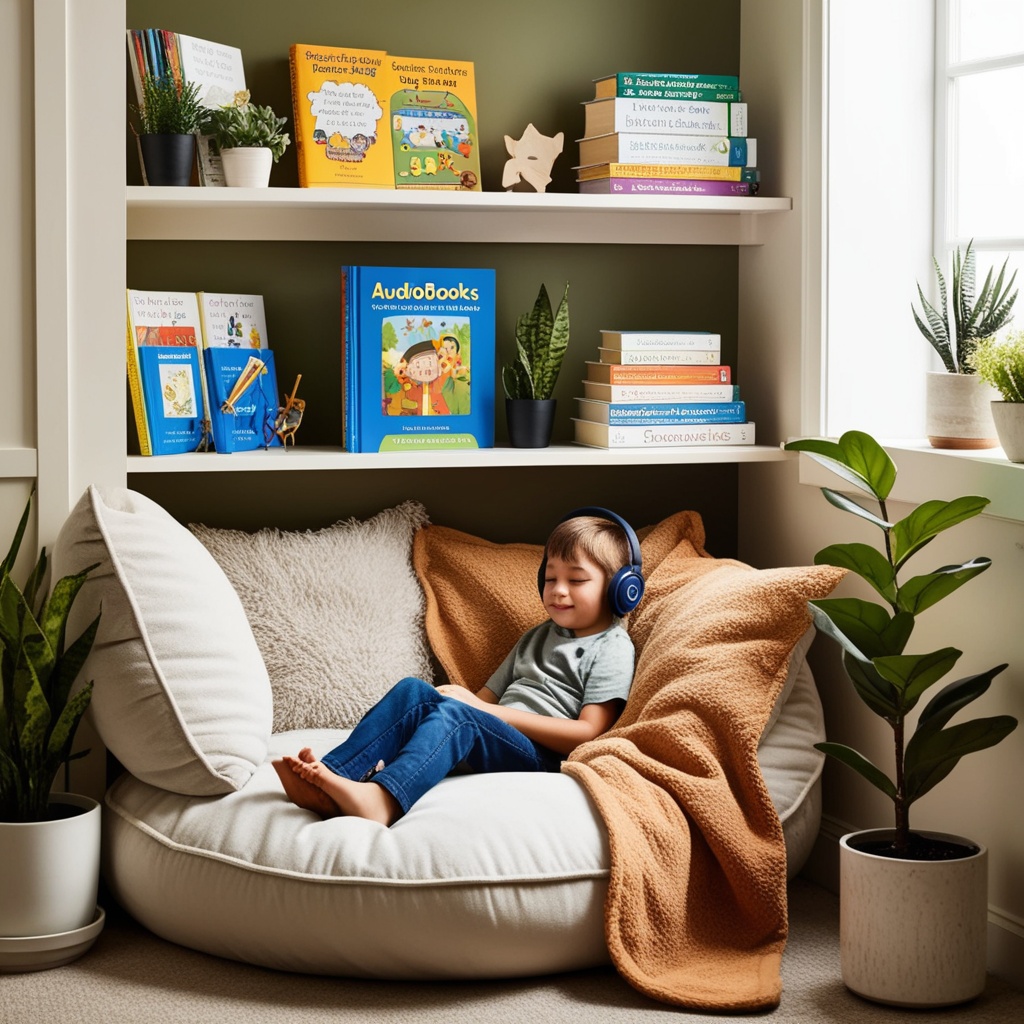
- Audiobooks paired with physical copies for following along
- Dyslexia-friendly fonts that increase letter spacing and clarity
Simple Classroom Accommodations You Can Use at Home
- Allowing extra time for reading and writing tasks
- Reducing the amount of copying required from a textbook or board
- Offering oral assessments as an alternative to written tests
- Using larger fonts and increased spacing on worksheets
When to Seek Outside Tutoring or Therapy
If progress stalls despite consistent structured literacy instruction, a certified dyslexia tutor or reading specialist may provide targeted intervention beyond what is feasible at home. This does not mean you have failed as a homeschool parent; it simply means your child may benefit from an additional layer of specialized support.
Connecting With Support Communities and Resources
You do not have to navigate homeschooling a child with dyslexia alone. A strong support network can provide encouragement, curriculum recommendations, and practical advice from families who have walked this path before you.
Organizations Worth Following
The International Dyslexia Association offers research-backed resources, webinars, and a directory of structured literacy programs. HSLDA also provides legal guidance and advocacy support specifically for homeschooling families navigating learning differences.
Local and Online Homeschool Groups
Many regions have homeschool co-ops or support groups specifically for families raising children with learning differences. These communities can be invaluable for sharing curriculum reviews, tutor recommendations, and emotional support.
Getting Personalized Guidance
If you are feeling overwhelmed or unsure where to start, our team is happy to help. Visit our about page to learn more about our mission, or reach out directly through our contact page with specific questions about your child’s homeschool journey. For families just beginning, our getting started resources offer a solid foundation before diving into specialized dyslexia strategies.
Frequently Asked Questions
Can you homeschool a child with dyslexia without a formal diagnosis?
Yes, you can begin homeschooling a child with dyslexia without a formal diagnosis. Many parents start using structured literacy methods based on observed signs, though a professional evaluation can help confirm the specific nature of the challenge and guide more targeted instruction.
What is the best reading curriculum for homeschooling a child with dyslexia?
Structured literacy programs based on the Orton-Gillingham approach are widely considered the most effective option for dyslexic learners. Look for curriculum that is systematic, multisensory, and offers plenty of built-in repetition and review.
How long does it take to teach a dyslexic child to read?
Progress varies widely depending on the severity of dyslexia and consistency of instruction, but many children show measurable improvement within six months to a year of daily structured literacy practice. Patience and consistency are more important than speed.
Do dyslexic homeschoolers need accommodations for standardized testing?
Many dyslexic students benefit from accommodations such as extended time or read-aloud options during standardized testing. A formal evaluation is typically required to document the need for these accommodations through your state’s homeschool testing provider.
Is dyslexia a sign of low intelligence?
No, dyslexia is not related to intelligence. It is a neurological difference in how the brain processes written and spoken language, and many dyslexic individuals are highly intelligent and creative thinkers.
How many minutes a day should a dyslexic child practice reading?
Most experts recommend twenty to thirty minutes of focused, structured reading instruction daily, broken into shorter segments if needed. Consistency on a daily basis is more effective than longer, less frequent sessions.
Can other subjects be affected by dyslexia besides reading?
Yes, dyslexia can impact spelling, writing, and even word problems in math due to the language processing demands involved. Providing accommodations like audiobooks or oral assessments can help your child access content across all subjects.
Books for New Homeschool Parents
As an Amazon Associate, HomeschoolingExperts earns from qualifying purchases. Some links in this article are affiliate links, meaning we may earn a small commission at no extra cost to you.
Conclusion
Homeschooling a child with dyslexia is a journey that requires patience, the right tools, and a willingness to adapt as you learn what works best for your unique learner. By using structured literacy methods, incorporating multisensory techniques, and prioritizing your child’s emotional wellbeing alongside academics, you can help your child build genuine reading confidence at their own pace.
Remember that progress with dyslexia is rarely linear, and celebrating small wins along the way will keep both you and your child motivated. You are not alone in this process, and the right curriculum, community, and support can make all the difference.
If you are ready to take the next step, explore our lesson plan shop for structured literacy resources, or reach out through our contact page for personalized guidance on your homeschooling journey.
Related Resources
- Curriculum Methods for Homeschooling Families
- Getting Started With Homeschooling
- Grade Level Guides for Homeschool Planning

Loved this post? Grab the free resource above.
Compare Charlotte Mason, Classical, Montessori, Waldorf, and more in one printable side-by-side guide.