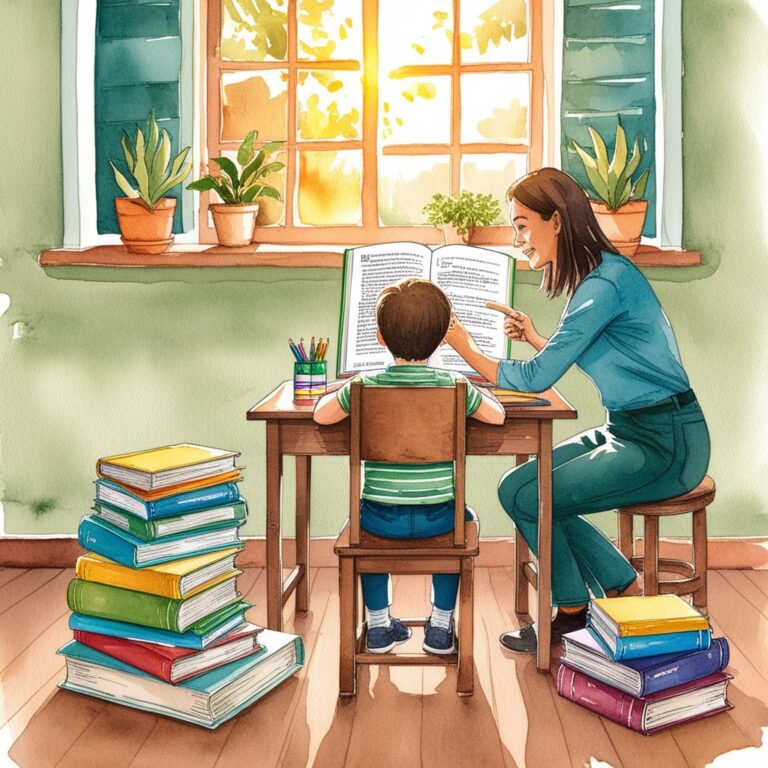
Free Curriculum Comparison Guide
Compare Charlotte Mason, Classical, Montessori, Waldorf, and more in one printable side-by-side guide.
Low-screen homeschooling is an approach to home education that intentionally minimizes digital device usage in favor of hands-on materials, printed curriculum, outdoor learning, and real-world experiences. For families overwhelmed by tablets, video lessons, and educational apps, this method offers a refreshing path back to tactile, engaged learning. If you have been searching for ways to reduce screen time while still delivering a rigorous education, this guide will show you exactly how to build a thriving low-screen homeschool.
Many parents choose homeschooling specifically to escape the screen-heavy culture of modern classrooms, only to find their children spending just as many hours on laptops and learning apps at home. According to the American Academy of Pediatrics, excessive screen time in children is linked to attention difficulties, sleep disruption, and reduced physical activity. Low-screen homeschooling addresses these concerns directly by centering education around books, manipulatives, nature study, and face-to-face instruction.
In this comprehensive guide, we will cover the benefits of low-screen homeschooling, practical strategies for reducing digital dependence, age-specific approaches, curriculum recommendations, and answers to the most common questions parents ask. Whether you are just beginning your homeschool journey or looking to scale back existing screen habits, you will find actionable steps here.
Key Takeaways
- Low-screen homeschooling prioritizes books, hands-on activities, and real-world experiences over digital instruction.
- Research links excessive screen time to attention and sleep issues, making this approach appealing to health-conscious families.
- Successful low-screen homeschools use a mix of printed curriculum, manipulatives, nature study, and structured routines.
- Screens do not need to be eliminated entirely; the goal is intentional, limited use rather than total avoidance.
- A predictable daily schedule and clear expectations make the transition to low-screen learning much smoother.
What Is Low-Screen Homeschooling?

Low-screen homeschooling is an educational philosophy that limits reliance on tablets, computers, and video-based lessons. Instead, families use physical textbooks, workbooks, art supplies, and outdoor exploration as the foundation of daily learning. It is not the same as being entirely screen-free, but rather intentional and limited in digital use.
This approach often overlaps with methods like Charlotte Mason education, classical homeschooling, and nature-based learning, all of which emphasize living books and real experiences over passive digital consumption. Parents practicing low-screen homeschooling typically reserve screens for specific, purposeful tasks rather than as a default teaching tool.
How Low-Screen Differs From Screen-Free Homeschooling
Screen-free homeschooling eliminates digital devices almost entirely, which can be difficult in a world where research and communication often require internet access. Low-screen homeschooling, by contrast, allows for occasional and purposeful technology use, such as looking up a fact, watching a short documentary clip, or using a single educational app for math drills.
The distinction matters because it makes the low-screen approach far more sustainable for most modern families.
Why More Families Are Choosing Low-Screen Homeschooling
Interest in low-screen homeschooling has grown alongside broader concerns about childhood screen time. A 2019 study published by the American Academy of Pediatrics found that higher screen use in children was associated with lower scores on language and cognitive development assessments. Homeschool parents are taking notice.
Beyond the research, many families simply report that their children focus better, sleep more soundly, and display more creativity when screens are minimized.
Health and Developmental Benefits
- Improved attention span and reduced hyperactivity
- Better sleep quality due to less blue light exposure before bed
- Stronger fine motor skills from handwriting, drawing, and hands-on projects
- Increased physical activity and outdoor time
Academic and Social Benefits
- Deeper reading comprehension from physical books versus digital text
- More meaningful parent-child interaction during lessons
- Enhanced critical thinking through discussion-based learning
- Reduced distraction from notifications, games, and social media
These combined benefits explain why low-screen homeschooling continues to gain traction among families seeking a more intentional educational lifestyle.
Getting Started With a Low-Screen Homeschool Routine
Transitioning to low-screen homeschooling does not require an overnight overhaul. Most families find success by gradually replacing digital tools with analog alternatives over several weeks.
Step-by-Step Transition Plan
- Audit your current screen usage to understand where time is actually going.
- Identify which screen activities are essential versus habitual.
- Replace one digital subject at a time with a printed curriculum alternative.
- Set clear daily screen time limits and stick to them consistently.
- Introduce screen-free rewards like extra outdoor time or a special project.
If you are new to homeschooling altogether, our getting started resources can help you build a solid foundation before layering in a low-screen philosophy.
Setting Realistic Screen Time Boundaries
The American Academy of Pediatrics recommends no more than one to two hours of recreational screen time per day for school-age children, a guideline many low-screen homeschoolers use as a benchmark for total daily screen exposure, including educational use.
Establishing this boundary early prevents the slow creep back toward screen dependency.
Best Low-Screen Curriculum Methods and Materials
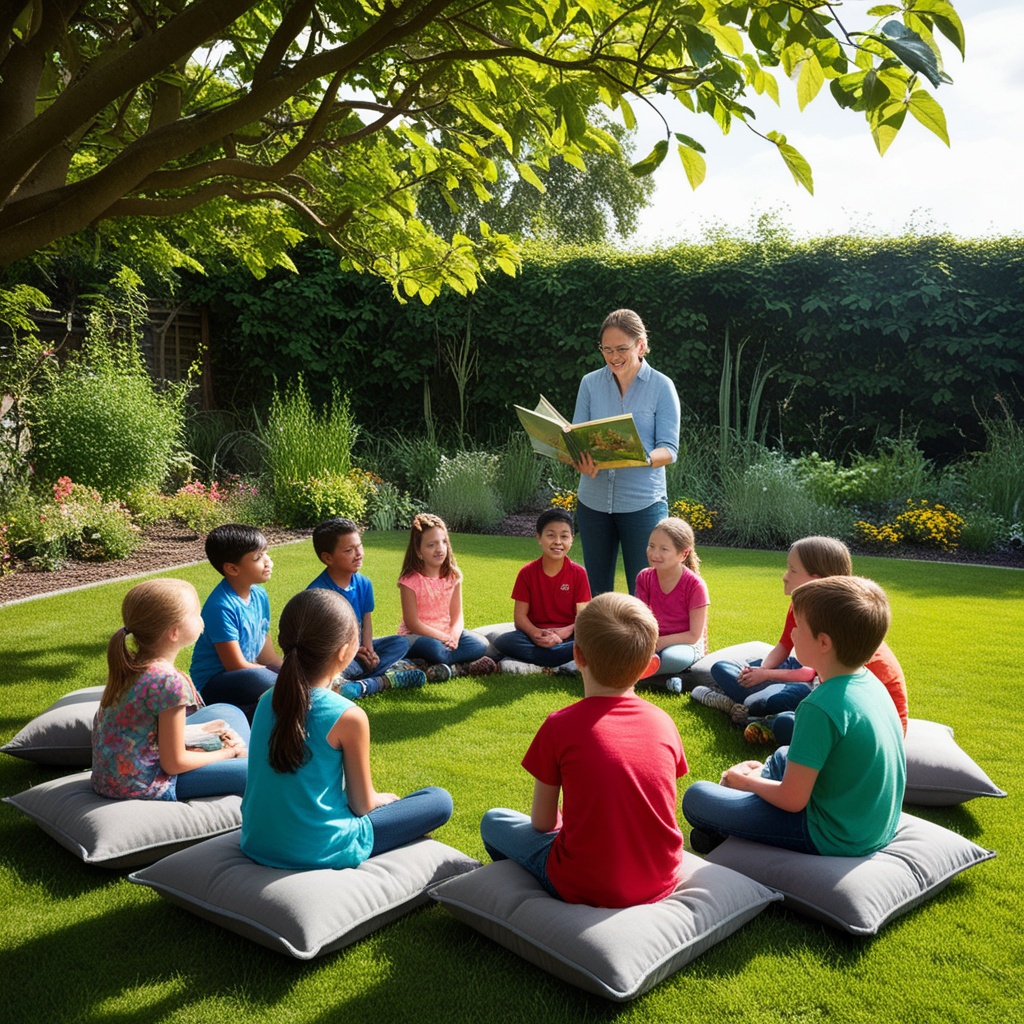
Choosing the right curriculum is the backbone of successful low-screen homeschooling. Fortunately, many time-tested educational methods were designed long before digital learning existed.
Charlotte Mason Method
The Charlotte Mason approach relies heavily on living books, nature journals, and narration rather than workbooks or screens. Children read rich literature and then narrate what they learned back to a parent, building comprehension and communication skills naturally.
Classical Education
Classical homeschooling emphasizes the trivium of grammar, logic, and rhetoric stages, using primary texts, memorization, and discussion. This method pairs beautifully with a low-screen lifestyle since it is rooted in reading and dialogue.
Montessori-Inspired Learning
Montessori education prioritizes hands-on manipulatives and self-directed exploration, making it naturally low-screen by design. Children learn math concepts with physical beads and blocks rather than app-based drills.
Print-Based Textbook Curriculum
Traditional print curriculum publishers still offer complete subject coverage without requiring a single login or app download. Pairing textbooks with printed workbooks keeps learning tactile and screen-free.
For ready-to-use printed materials designed with low-screen families in mind, browse our homeschool lesson plans and printable resources.
[Image placeholder]
Low-Screen Homeschooling by Age and Grade Level
Low-screen strategies naturally shift as children grow. What works for a preschooler will look very different for a high schooler preparing for college applications.
Early Childhood and Elementary (Ages 4-10)
- Focus on read-alouds, picture books, and phonics workbooks
- Use manipulatives for math instead of apps
- Incorporate nature walks and simple science experiments
- Limit screens to occasional documentaries or music lessons
Middle School (Ages 11-13)
- Introduce research skills using library books alongside limited internet searches
- Use printed novel studies and written essays over typed assignments when possible
- Add hands-on science kits and history projects
High School (Ages 14-18)
High school naturally requires more digital literacy for research, typing, and eventual college or career preparation. Low-screen high schoolers can still minimize screens by:
- Handwriting first drafts of essays before typing final copies
- Using printed textbooks for core subjects like literature and history
- Reserving screens specifically for research, typing papers, and select online courses
For grade-specific planning support, explore our grade level homeschool guides.
Screen-Free Activities That Build Real Skills
One of the most rewarding aspects of low-screen homeschooling is discovering how much learning happens through ordinary, hands-on activities.
Practical Life and Skill-Building Activities
- Cooking and baking to teach fractions and measurement
- Gardening to explore biology and life cycles
- Woodworking or sewing to build fine motor coordination
- Journaling and letter writing to strengthen written communication
Nature-Based and Outdoor Learning
Nature study remains one of the most effective low-screen tools available. Simply taking children outside to observe plants, insects, and weather patterns builds scientific observation skills without a single device.
Creative and Artistic Pursuits
- Drawing, painting, and sculpture for creative expression
- Musical instrument practice for discipline and focus
- Board games and puzzles for strategic thinking
- Drama and storytelling for verbal communication skills
For more hands-on ideas, visit our full collection of homeschool activities and ideas.
[Image placeholder]
Balancing Low-Screen Learning With Necessary Technology
Even the most committed low-screen families acknowledge that some technology use is unavoidable and even beneficial in moderation. The goal is intentionality, not total avoidance.
When Screens Add Genuine Value
- Typing instruction for future academic and career needs
- Video calls with grandparents or homeschool co-op groups
- Specific research tasks that printed resources cannot fulfill
- Educational documentaries that supplement a unit study
Creating a Family Media Plan
The organization Common Sense Media recommends families create a written media plan outlining exactly when and how screens will be used each day. This structure removes ambiguity and prevents screen time from silently expanding.
A simple family media agreement might specify designated screen hours, approved content categories, and required screen-free zones like bedrooms and the dinner table.
Overcoming Common Challenges in Low-Screen Homeschooling
Like any educational approach, low-screen homeschooling comes with its own set of obstacles. Understanding these challenges in advance makes them far easier to navigate.
Challenge: Resistance From Children
Children accustomed to frequent screen time often push back initially. Gradual reduction rather than abrupt elimination tends to produce less resistance and more lasting buy-in.
Challenge: Limited Curriculum Options
While digital curriculum has exploded in popularity, quality print-based options still exist across every subject and grade level. Homeschool support organizations like the Home School Legal Defense Association maintain curriculum directories that include many screen-free choices.
Challenge: Parent Burnout
Low-screen homeschooling often requires more direct parental involvement than app-based learning. Building in planning time and using pre-made lesson plans can significantly reduce this burden.
Our printable lesson plan shop offers ready-made materials specifically designed to reduce prep time for busy low-screen homeschool parents.
Building a Sustainable Low-Screen Homeschool Schedule
A well-structured schedule is essential to making low-screen homeschooling work long term. Without one, families often drift back toward screens simply out of convenience.
Sample Daily Rhythm
- Morning basket time with read-alouds and memory work
- Core subject instruction using printed textbooks and workbooks
- Outdoor break for movement and nature observation
- Hands-on project or art time in the afternoon
- Optional brief screen use for typing practice or a single approved app
Weekly Planning Tips
- Batch plan lessons on Sunday evenings to reduce daily decision fatigue
- Rotate hands-on projects throughout the week to maintain variety
- Reserve one day for field trips or nature-based learning
- Build in flexibility for unexpected schedule disruptions
For more structured planning help, our scheduling and planning resources walk you through building a rhythm that fits your family.
Frequently Asked Questions
What counts as low-screen homeschooling?
Low-screen homeschooling means limiting digital devices to occasional, purposeful use rather than relying on them as the primary teaching method. Most instruction comes from printed books, workbooks, and hands-on materials, with screens reserved for specific tasks like research or typing practice.
Is low-screen homeschooling better than digital homeschooling?
Neither approach is universally better, as it depends on your family’s goals and learning styles. Low-screen homeschooling tends to support stronger attention, sleep, and hands-on skill development, while digital homeschooling can offer more flexibility and self-paced options.
How much screen time is appropriate for homeschooled children?
The American Academy of Pediatrics generally recommends limiting recreational screen time to one to two hours daily for school-age children. Many low-screen homeschool families apply this same guideline to combined educational and recreational screen use.
Can you homeschool completely without any screens?
It is possible, especially in the early elementary years, though it becomes more challenging as children reach high school and need research and typing skills. Most families find a low-screen approach more practical than a completely screen-free one.
What curriculum works best for low-screen homeschooling?
Charlotte Mason, classical education, and Montessori-inspired methods all work exceptionally well because they were designed around books and hands-on materials rather than digital tools. Traditional print textbook curriculum is another strong option for families wanting comprehensive subject coverage.
How do I transition my child from heavy screen use to low-screen homeschooling?
Start gradually by replacing one digital subject at a time with printed alternatives rather than eliminating all screens at once. Setting clear daily limits and offering screen-free rewards also helps children adjust more smoothly.
Does low-screen homeschooling affect college readiness?
No, low-screen homeschooling does not negatively impact college readiness when digital literacy skills are intentionally introduced during the high school years. Many low-screen families incorporate typing and research technology specifically to prepare teens for college coursework.
Books for New Homeschool Parents
As an Amazon Associate, HomeschoolingExperts earns from qualifying purchases. Some links in this article are affiliate links, meaning we may earn a small commission at no extra cost to you.
Conclusion
Low-screen homeschooling offers a practical, research-backed path to reducing digital dependence while still delivering a rich, comprehensive education. By centering your homeschool around printed curriculum, hands-on activities, and outdoor exploration, you can support your child’s attention, creativity, and overall well-being.
Remember that this approach does not require eliminating technology entirely, only using it with intention and purpose. Start small, build a consistent routine, and adjust as your family finds what works best.
If you are ready to build your own low-screen homeschool plan, explore our printable lesson plans and curriculum resources, or reach out through our contact page for personalized guidance. Learn more about our mission on our about page.
Related Resources
- Homeschool Curriculum Methods Comparison Guide
- Getting Started With Homeschooling: A Beginner’s Roadmap
- Printable Lesson Plans for Every Grade Level

Loved this post? Grab the free resource above.
Compare Charlotte Mason, Classical, Montessori, Waldorf, and more in one printable side-by-side guide.