Free Curriculum Comparison Guide
Compare Charlotte Mason, Classical, Montessori, Waldorf, and more in one printable side-by-side guide.
A nature-based homeschool curriculum uses the outdoors as the primary classroom, blending science, math, literacy, and art through hands-on exploration of the natural world. Instead of learning about ecosystems from a textbook, children observe them firsthand in a backyard garden, a nearby forest, or a local creek bed. This approach has surged in popularity among homeschooling families who want their children to develop curiosity, resilience, and a genuine love of learning.
This guide walks you through everything you need to build a nature-based homeschool curriculum from the ground up. You will find subject-by-subject ideas, seasonal planning strategies, recommended tools, and answers to the questions families ask most often when transitioning to nature-centered learning.
Whether you are a longtime homeschooler looking to add more outdoor learning to your week or a brand-new family exploring your options, this article gives you practical, research-backed strategies you can start using immediately.
Key Takeaways
- A nature-based homeschool curriculum integrates outdoor exploration into core subjects like science, math, and language arts.
- Nature journaling is one of the most versatile and low-cost tools for tracking learning across multiple subjects.
- Seasonal rhythms help structure a nature-based curriculum without requiring rigid daily lesson plans.
- Studies show time in nature improves children’s attention, mood, and retention of information.
- You do not need acres of land or expensive materials to start; a backyard, park, or balcony garden can work.
What Is a Nature-Based Homeschool Curriculum
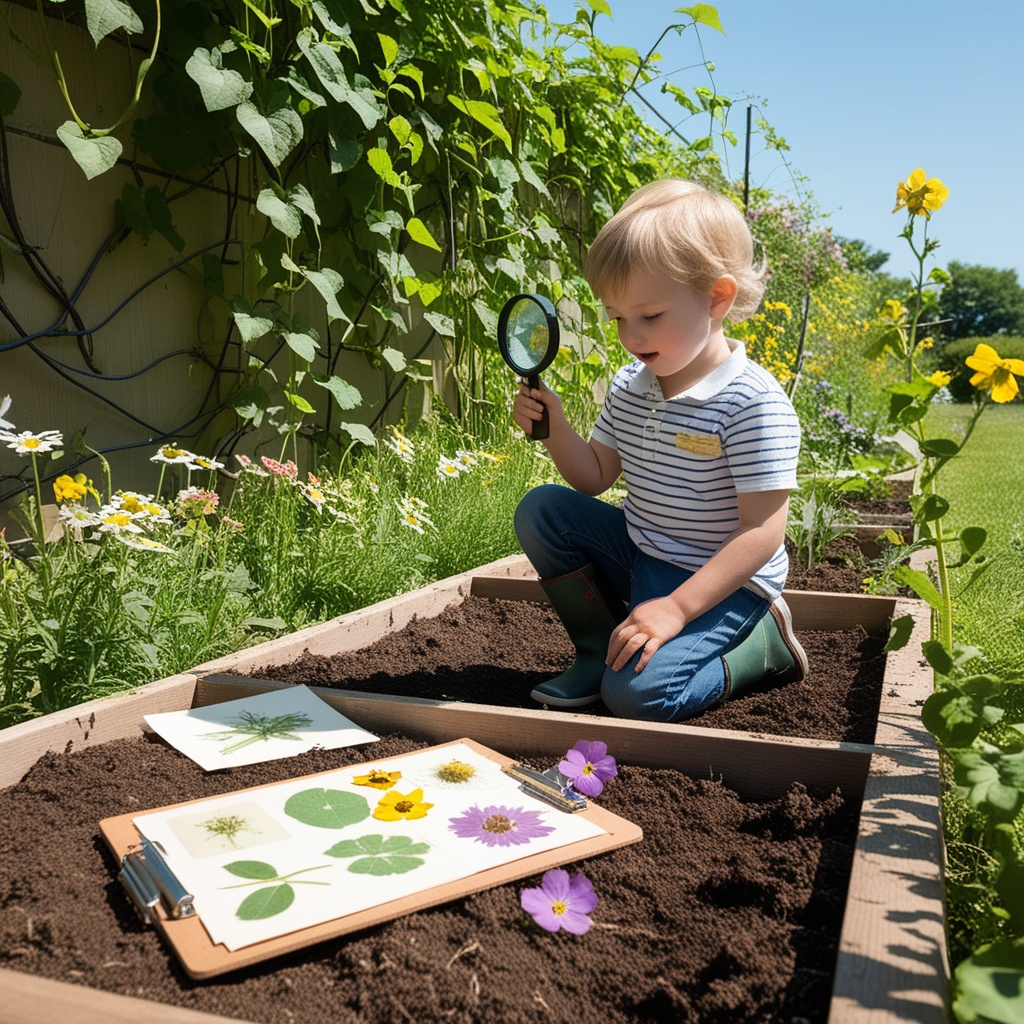
A nature-based homeschool curriculum centers learning around direct experiences with the outdoors rather than relying solely on textbooks and worksheets. Children study plants, animals, weather, and ecosystems by observing them in real time. This method draws heavily from the Charlotte Mason philosophy, forest school traditions, and Waldorf education, all of which prioritize direct sensory experience.
Unlike a purely unschooling approach, a nature-based curriculum can still include structured goals, checklists, and assessments. The difference is that the outdoor environment becomes the primary source of content rather than an occasional field trip.
How It Differs From Traditional Curriculum
Traditional curricula often introduce a concept first through a book, then reinforce it with an activity. Nature-based learning flips this order.
- Children experience a phenomenon outdoors first, such as watching a caterpillar form a chrysalis.
- They record observations through drawing, writing, or photography.
- Parents introduce vocabulary, scientific concepts, and related reading afterward.
This sequence, sometimes called “experience before explanation,” tends to increase retention and curiosity according to research summarized by organizations like the Scholastic education resource network.
Benefits of Nature-Based Learning at Home
Families choose nature-based homeschooling for reasons that go well beyond academics. The benefits touch physical health, emotional regulation, and long-term academic performance.
Cognitive and Academic Benefits
- Improved focus and reduced symptoms of attention fatigue after time outdoors.
- Stronger retention of scientific concepts through hands-on observation.
- Natural integration of math skills like measurement, counting, and pattern recognition.
Physical and Emotional Benefits
- Increased physical activity, which supports healthy development.
- Lower reported stress levels in children who spend regular time outdoors.
- Opportunities for risk assessment and confidence building through age-appropriate outdoor challenges.
If you are just getting started with homeschooling in general, our getting started guide covers the basics of choosing a philosophy and setting realistic expectations before you layer in nature-based elements.
Core Subjects You Can Teach Through Nature
One of the biggest misconceptions about a nature-based homeschool curriculum is that it only covers science. In reality, nearly every core subject can be taught outdoors with a little creativity.
Science
- Track weather patterns and graph temperature changes over a month.
- Identify local plant and animal species using a field guide or app.
- Study life cycles by observing eggs, seeds, or larvae firsthand.
Math
- Measure tree circumference, leaf length, or rainfall using simple tools.
- Use fallen leaves or pinecones for counting, sorting, and basic addition.
- Calculate the angle of shadows at different times of day for older students exploring geometry.
Language Arts
- Write descriptive paragraphs about a chosen outdoor spot each season.
- Read nature-focused literature and compare it to real observations.
- Practice spelling and vocabulary using nature-related word lists.
Art and History
- Sketch landscapes, plants, and wildlife using pencil, watercolor, or charcoal.
- Research how indigenous or historical communities used local plants and resources.
- Create nature-inspired crafts using collected natural materials.
For families who want ready-made lesson structures around these subjects, our homeschool lesson plan shop includes printable units designed specifically for outdoor and nature-focused learning.
Nature Journaling as a Foundational Practice
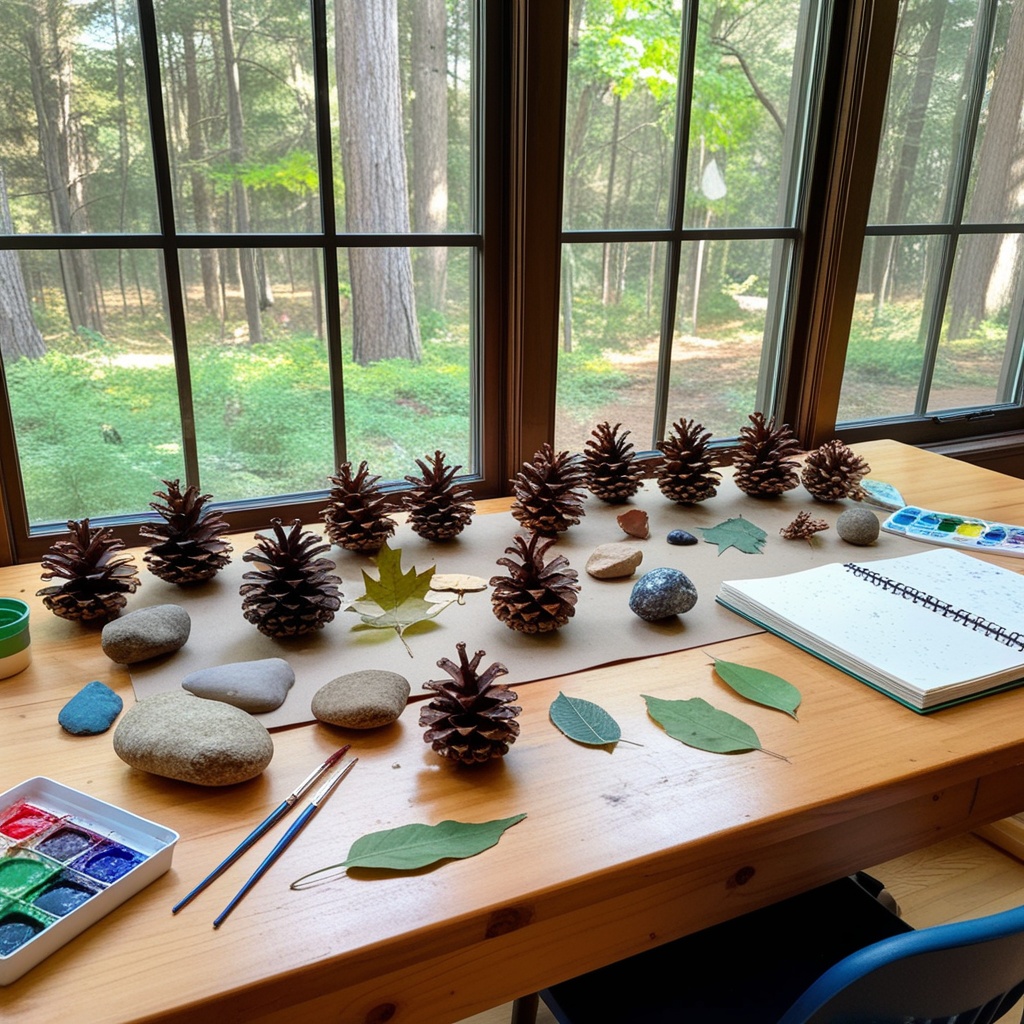
Nature journaling is widely considered the backbone of a strong nature-based homeschool curriculum. It is inexpensive, adaptable to any age, and doubles as a portfolio of learning over time.
What to Include in a Nature Journal
- Date, location, weather, and temperature for each entry.
- A labeled sketch of something observed that day.
- A short written observation or question generated by the child.
- Optional data like measurements, counts, or collected specimens.
Age-Appropriate Journaling Tips
Younger children, roughly ages four to seven, can dictate observations to a parent while drawing simple pictures. Elementary-age students, around eight to eleven, can write full sentences and begin labeling diagrams. Middle and high schoolers can incorporate scientific classification, data tables, and research questions tied to what they observe.
Consistency matters more than perfection. A five-minute entry done weekly builds a more valuable record than an elaborate journal attempted once a month.
[Image placeholder]
Seasonal Nature-Based Curriculum Ideas
Structuring your nature-based homeschool curriculum around the seasons creates a natural rhythm that keeps lessons fresh and relevant. This method also mirrors real ecological cycles, reinforcing science concepts organically.
Fall Curriculum Ideas
- Study leaf pigmentation and why leaves change color.
- Collect and identify seeds, comparing dispersal methods.
- Track migrating birds using a simple observation log.
Winter Curriculum Ideas
- Study animal tracks in snow or mud.
- Learn about hibernation, dormancy, and adaptation.
- Explore basic meteorology by tracking snowfall or rainfall totals.
Spring Curriculum Ideas
- Plant a garden and track germination rates as a math and science project.
- Observe pollinators and discuss their ecological role.
- Study amphibian life cycles using a nearby pond if available.
Summer Curriculum Ideas
- Conduct a simple backyard biodiversity count.
- Study constellations and basic astronomy after sunset.
- Explore water ecosystems through creek, lake, or beach visits.
If you want help mapping these ideas onto a full-year plan, our scheduling and planning resources offer templates you can adapt to a nature-based rhythm.
Building a Weekly Nature-Based Homeschool Schedule
Consistency is key to making a nature-based homeschool curriculum sustainable, especially for families juggling multiple children or work schedules. A simple weekly structure prevents overwhelm while still leaving room for spontaneous outdoor exploration.
Sample Weekly Structure
- Monday: Nature walk and journaling session.
- Tuesday: Science deep dive based on something observed Monday.
- Wednesday: Math and measurement activities using natural materials.
- Thursday: Reading and writing tied to a nature theme.
- Friday: Art project or field trip to a park, garden, or nature center.
Balancing Structure and Flexibility
Weather, seasons, and a child’s natural curiosity should influence how strictly you follow the schedule. Many experienced homeschoolers recommend treating the weekly plan as a flexible guide rather than a fixed rulebook.
Families new to structuring their week around a specific teaching philosophy may find it useful to review different curriculum methods before settling on a final approach.
Essential Tools and Resources for Nature-Based Homeschooling
You do not need an expensive setup to begin a nature-based homeschool curriculum, but a few tools make the process smoother and more educational.
Basic Supply List
- A sturdy nature journal or blank sketchbook.
- Colored pencils or watercolor paints for sketching.
- A magnifying glass for close observation of insects and plants.
- A field guide specific to your region’s plants and animals.
- A simple measuring tape or ruler for math-related activities.
Recommended Organizations and References
Several established organizations provide free or low-cost resources for nature-based education. The Home School Legal Defense Association offers guidance on state requirements that can affect how you document outdoor learning. National park systems and local extension offices often publish free identification guides tailored to your specific region.
For families looking for pre-built activities rather than starting from scratch, our activities and ideas section includes seasonal projects you can plug directly into your week.
Overcoming Common Challenges
Even motivated families run into obstacles when starting a nature-based homeschool curriculum. Knowing what to expect helps you push through the early adjustment period.
Limited Access to Green Space
You do not need a forest or farm to make this approach work. A small backyard, community garden, or even potted plants on a balcony can provide meaningful observation opportunities.
Weather and Seasonal Limitations
Cold, rain, or extreme heat can limit outdoor time, but they also create teachable moments about adaptation and seasonal change. Layer clothing appropriately and keep outdoor sessions shorter but more frequent during harsh weather.
Tracking Academic Progress
Some parents worry that nature-based learning is too informal to satisfy state reporting requirements. Nature journals, photo logs, and simple checklists can serve as strong documentation. According to guidance published by the U.S. Department of Education, homeschool documentation requirements vary significantly by state, so checking your local regulations is an important first step.
If you are unsure how nature-based learning fits into grade-level expectations, our grade-level guides break down typical academic milestones by age.
Frequently Asked Questions
What age is best to start a nature-based homeschool curriculum?
Nature-based learning works well starting as early as preschool age. Younger children benefit from sensory exploration and simple observation, while older children can add scientific classification, research, and data tracking to the same outdoor activities.
Do I need a large yard or rural property to homeschool this way?
No, a large property is not required. A small backyard, local park, community garden, or even a balcony with potted plants can provide enough material for meaningful nature study.
How do I document learning for state homeschool requirements?
Most states accept nature journals, photo logs, and portfolios as valid documentation. Check your specific state guidelines through resources like the Home School Legal Defense Association to confirm what your state requires.
Can a nature-based curriculum cover all core subjects?
Yes, science, math, language arts, art, and even history can be taught through nature-based methods. The outdoor environment serves as the entry point, with related reading and structured lessons reinforcing the concepts afterward.
How much time should we spend outdoors each week?
Many nature-based homeschool families aim for at least three to five hours per week of dedicated outdoor learning, though this can be adjusted based on climate, schedule, and family preference.
What if my child shows little interest in nature at first?
Start small with short, low-pressure outdoor sessions and let curiosity build gradually. Introducing a magnifying glass, a simple scavenger hunt, or a pet-friendly nature walk often sparks initial interest that grows over time.
Is nature-based homeschooling the same as unschooling?
Not necessarily. While some families combine the two approaches, a nature-based curriculum can still include structured goals, lesson plans, and assessments, unlike a purely child-led unschooling model.
📚 Recommended Homeschool Resources
As an Amazon Associate, I earn from qualifying purchases. Some links in this article are affiliate links, meaning I may earn a small commission at no extra cost to you.
Conclusion
A nature-based homeschool curriculum offers a flexible, research-supported way to teach core academic subjects while nurturing curiosity, physical health, and emotional well-being. By combining structured tools like nature journals with seasonal themes and a simple weekly rhythm, you can build a program that grows with your child year after year.
Start small, stay consistent, and let the outdoors do much of the teaching for you. If you want more support building out your specific plan, explore our full library of homeschooling resources or reach out to our team with your questions.
Related Resources
- Browse ready-made lesson plans for hands-on nature and science units.
- Compare curriculum methods to find the best fit for your family’s teaching style.
- Learn more about our team and the experience behind HomeschoolingExperts.org.
Loved this post? Grab the free resource above.
Compare Charlotte Mason, Classical, Montessori, Waldorf, and more in one printable side-by-side guide.