Free Curriculum Comparison Guide
Compare Charlotte Mason, Classical, Montessori, Waldorf, and more in one printable side-by-side guide.
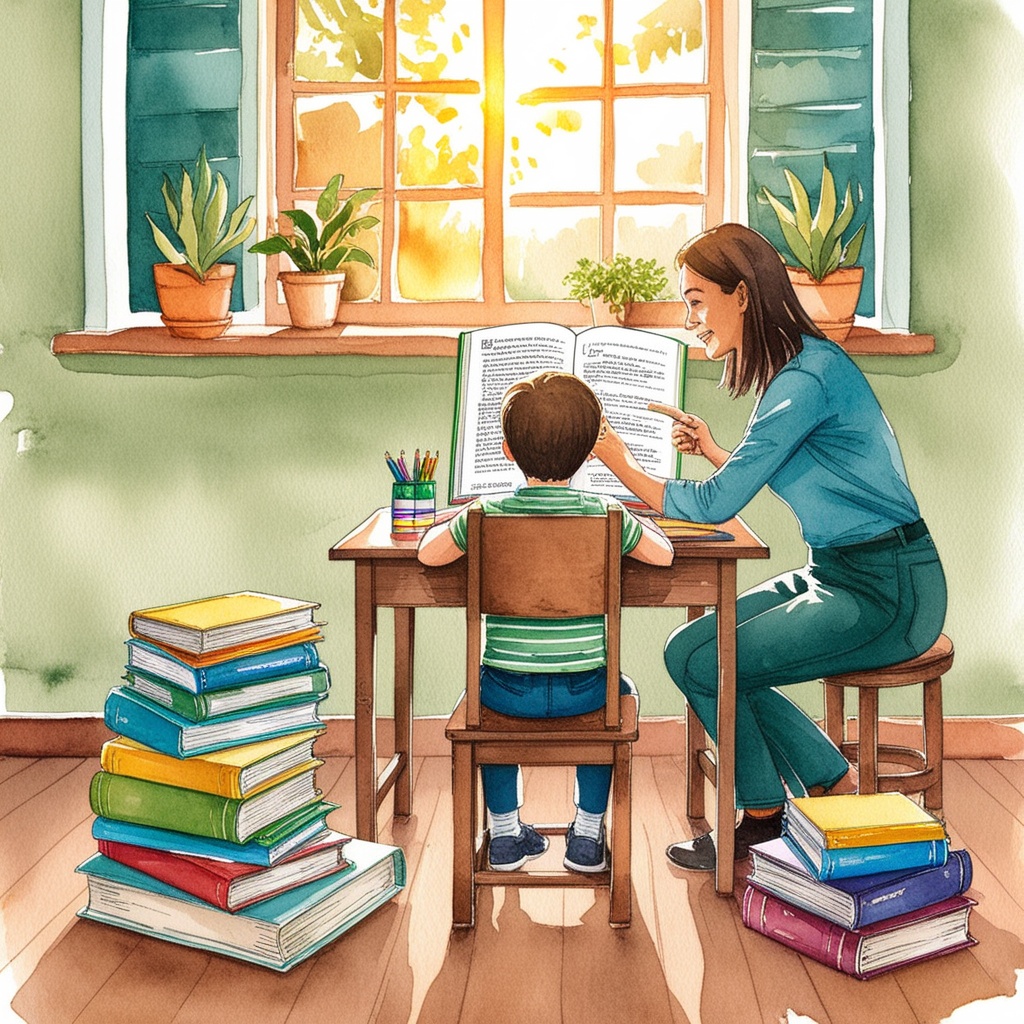
A personalized homeschool curriculum is a learning plan tailored to your child’s unique interests, learning style, pace, and academic strengths rather than a one-size-fits-all textbook series. If you have ever watched your child breeze through math but struggle with reading comprehension, or excel in hands-on science while dreading worksheets, you already understand why customization matters. Standardized curricula are built for the “average” student, but no child is actually average.
This guide walks you through exactly how to build a personalized homeschool curriculum from the ground up, whether you are just starting your homeschool journey or looking to revamp an approach that is not working. We will cover assessing learning styles, choosing the right materials, blending teaching methods, setting realistic schedules, and adjusting course as your child grows.
As a resource created by experienced homeschool educators, HomeschoolingExperts.org has helped thousands of families move away from rigid, prepackaged programs toward flexible plans that actually fit their kids. The strategies below reflect what real homeschool families use every day, backed by educational research and practical classroom-tested methods.
Key Takeaways
- A personalized homeschool curriculum adapts to your child’s learning style, pace, and interests instead of forcing a generic program.
- Start with an honest assessment of your child’s strengths, weaknesses, and preferred learning modalities before choosing any materials.
- Mixing curriculum methods (unit studies, textbooks, project-based learning) often works better than committing to a single approach.
- Flexible scheduling and regular reassessment are essential since a personalized plan is never truly “finished.”
- Free and low-cost tools exist to help you build a custom plan without expensive all-in-one packages.
What Is a Personalized Homeschool Curriculum?
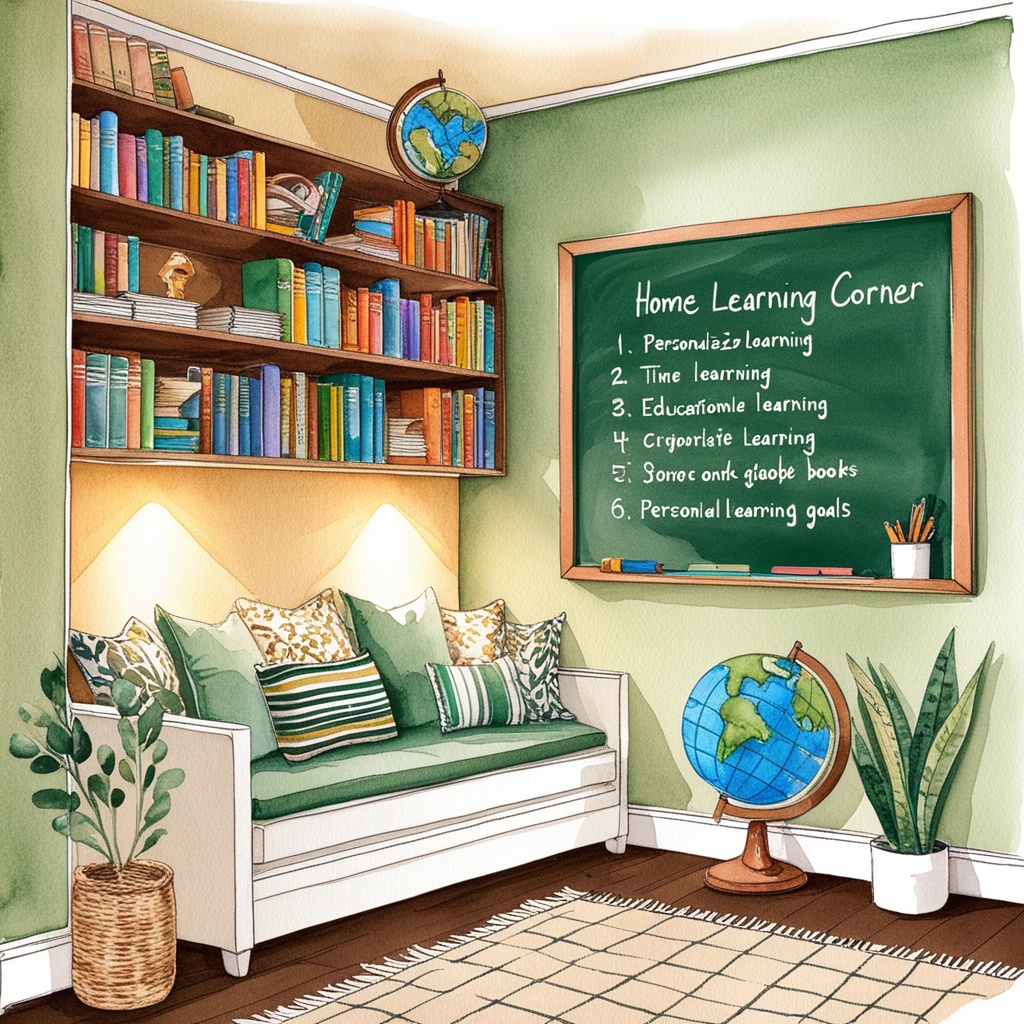
A personalized homeschool curriculum is an educational plan designed around one specific student rather than an entire classroom or grade level. It draws from multiple sources, teaching methods, and pacing structures to match how your child actually learns best.
Unlike a boxed curriculum that dictates every lesson in a fixed sequence, a personalized approach treats curriculum as a flexible toolkit. You select pieces from different programs, adjust the order, and change pace subject by subject.
Key Characteristics of Personalized Curriculum
- Adapts to visual, auditory, kinesthetic, or reading/writing learning preferences
- Allows acceleration in strong subjects and extra time in challenging ones
- Incorporates the child’s genuine interests to boost engagement
- Combines multiple teaching methods rather than relying on one philosophy
- Changes over time as the student’s needs evolve

This is different from simply “eclectic homeschooling,” although the two overlap. Personalization is intentional and data-driven, based on ongoing assessment of what is and is not working for your specific student.
Why Personalized Learning Outperforms One-Size-Fits-All Programs
Research consistently shows that individualized instruction improves both academic outcomes and student motivation. According to the U.S. Department of Education, students who receive instruction tailored to their pace and learning style show measurably higher engagement and retention rates than those in standardized programs.
Homeschooling gives families a rare opportunity that traditional classrooms cannot easily offer: true one-on-one customization.
Benefits of a Personalized Homeschool Curriculum
- Faster mastery: Students move on once they truly understand a concept, not when a calendar says so.
- Reduced frustration: Struggling learners get more time and different explanations without feeling “behind.”
- Higher engagement: Lessons built around real interests keep children motivated to learn.
- Better retention: Multi-sensory, personalized instruction tends to improve long-term memory of material.
- Confidence building: Children experience more success and less comparison to arbitrary grade-level benchmarks.
Organizations like the Home School Legal Defense Association (HSLDA) have long documented how flexible, individualized homeschool approaches support academic achievement across a wide range of learning profiles, including gifted students and those with learning differences.
Step 1: Assess Your Child’s Learning Style and Needs
Before you can personalize anything, you need real data about how your child learns. This is the foundation of the entire process.
Identify Learning Modalities
Most children lean toward one or two primary learning styles, although many benefit from a blend:
- Visual learners absorb information through diagrams, color-coding, and videos.
- Auditory learners retain more from discussions, audiobooks, and verbal explanation.
- Kinesthetic learners need hands-on activities, movement, and manipulatives.
- Reading/writing learners thrive with traditional textbooks and written assignments.
Evaluate Academic Strengths and Gaps
Spend two to three weeks observing your child across subjects before committing to a full curriculum. Simple diagnostic tests, informal quizzes, or even casual conversation can reveal where your child is ahead or behind grade-level expectations.
Scholastic offers free printable assessments and reading level checks that many homeschool parents use as a starting benchmark, which you can find on Scholastic’s education resources.
Consider Interests and Motivation
Ask your child directly what topics excite them. A reluctant reader who loves dinosaurs will engage far more with paleontology-themed books than generic leveled readers.
If you are unsure where to begin this assessment process, our Getting Started with Homeschooling category walks through beginner-friendly evaluation tools step by step.
Step 2: Set Clear Academic Goals
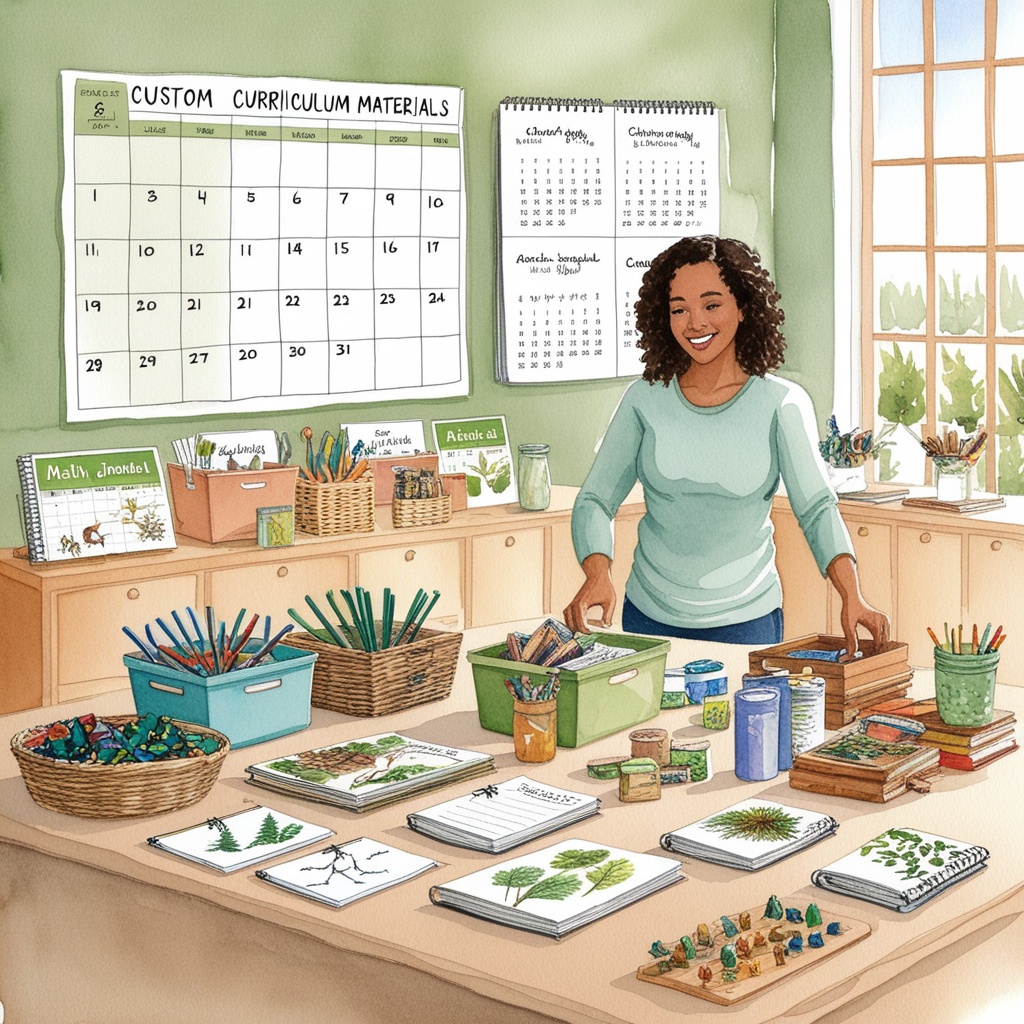
A personalized homeschool curriculum still needs structure. Without clear goals, personalization can drift into inconsistency.
Short-Term vs. Long-Term Goals
Break goals into manageable timeframes:
- Weekly goals: Specific skills or chapters to complete
- Monthly goals: Broader unit or subject milestones
- Yearly goals: Grade-level competencies and standardized test readiness, if applicable
Align with State Requirements
Even a fully personalized plan must meet your state’s homeschool regulations. Requirements vary significantly, so check your local department of education guidelines or consult HSLDA’s state-by-state legal guide for accurate, up-to-date requirements.
Keeping a simple goals tracker, whether digital or paper-based, helps ensure your personalized approach still hits necessary academic checkpoints.
Step 3: Choose and Blend Curriculum Methods
One of the most powerful aspects of building a personalized homeschool curriculum is that you are not locked into a single teaching philosophy. Many successful homeschool families blend two or three methods.
Popular Curriculum Methods to Combine
- Traditional/textbook-based: Structured, sequential, ideal for reading/writing learners
- Unit studies: Cross-curricular projects built around one theme, great for kinesthetic and interest-driven kids
- Charlotte Mason: Living books, nature study, and narration for a gentle, literature-rich approach
- Classical education: Grammar, logic, and rhetoric stages emphasizing critical thinking
- Montessori: Self-directed, hands-on learning with an emphasis on independence
- Project-based learning: Real-world problem solving over extended timeframes
Example of a Blended Approach
A personalized plan for a hands-on ten-year-old might use a traditional math textbook for structured skill building, a Charlotte Mason-style literature list for reading, and unit studies for science and history built around the child’s love of space exploration.
For deeper comparisons of these approaches, explore our full breakdown in the Curriculum Methods category.
Step 4: Build a Flexible Daily and Weekly Schedule
Personalized curriculum only works if your schedule supports it. Rigid, hour-by-hour timetables often defeat the purpose of customization.
Block Scheduling
Instead of scheduling by the clock, many families use block scheduling, grouping subjects into flexible time blocks (morning academics, afternoon hands-on projects, etc.) that can expand or shrink based on that day’s needs.
Loop Scheduling
Loop scheduling rotates through a list of subjects in order, picking up wherever you left off the previous day rather than forcing every subject into every single day. This naturally accommodates days when one subject needs more attention.
Sample Weekly Structure
- Monday/Wednesday/Friday: Core academics (math, language arts)
- Tuesday/Thursday: Unit study deep-dives, science experiments, field trips
- Daily: 20-30 minutes of independent reading based on interest
Need help designing your own week? Our Scheduling and Planning resources include printable templates for both block and loop scheduling systems.
Step 5: Select Resources and Materials
Once you know your child’s learning style, goals, and preferred methods, it is time to gather materials. You do not need an expensive all-in-one box curriculum to personalize effectively.
Where to Find Personalized Homeschool Resources
- Curated lesson plans designed around specific learning styles or subjects
- Free public library resources, including audiobooks and research databases
- Open educational resources and printable worksheets
- Local co-ops or community classes for hands-on subjects like art or lab science
- Educational apps that adapt difficulty based on student performance
Ready-made, standards-aligned lesson plans can save significant prep time while still allowing for customization. Browse our lesson plan shop for materials organized by subject, grade level, and learning style so you can mix and match pieces into your own personalized plan.
Grade-Specific Considerations
Resource selection should also reflect developmental stage. A personalized kindergarten plan looks very different from a personalized high school plan focused on transcripts and credit hours.
Our Grade Level Guides break down age-appropriate benchmarks to help you select materials that are challenging but not overwhelming.
Step 6: Track Progress and Adjust Regularly
A personalized homeschool curriculum is never truly finished. It is a living plan that requires regular check-ins and adjustments.
Weekly Reflection
Spend ten minutes each Friday reviewing what worked and what did not. Did your child breeze through a concept? Move faster. Did they struggle for three days straight? Try a different explanation or resource.
Quarterly Deep Review
Every nine to twelve weeks, step back and evaluate:
- Is your child meeting the academic goals you set in Step 2?
- Are current materials still holding their interest?
- Does the schedule still fit your family’s life?
- Are there new interests emerging worth building into the plan?
Portfolio and Record Keeping
Keep samples of completed work, reading logs, and photos of projects. Many states require portfolios for homeschool compliance, and they also give you concrete evidence of growth over time.
Not sure how to structure your review process? Our team at HomeschoolingExperts.org offers personalized consulting; learn more on our about page or reach out directly through our contact page with specific questions about your child’s plan.
Common Mistakes to Avoid When Personalizing Curriculum
Even experienced homeschool parents fall into these traps when building a personalized homeschool curriculum. Avoiding them early will save significant frustration.
Mistake 1: Trying to Personalize Everything at Once
Start with one or two subjects that need the most attention rather than overhauling your entire curriculum simultaneously.
Mistake 2: Ignoring State Requirements
Flexibility does not mean skipping mandatory subjects or reporting requirements. Always check your state’s specific homeschool laws.
Mistake 3: Confusing Personalization with No Structure
Personalized does not mean unplanned. Children, especially younger ones, still benefit from predictable routines even within a flexible framework.
Mistake 4: Never Reassessing
What works at age seven may not work at age nine. Build in regular review points rather than assuming your plan will work forever unchanged.
Mistake 5: Overlooking Social and Physical Development
Academic personalization matters, but do not neglect physical education, social interaction, and creative outlets in your planning. Explore our Activities and Ideas section for well-rounded enrichment options.
Frequently Asked Questions
What is the difference between eclectic homeschooling and a personalized homeschool curriculum?
Eclectic homeschooling generally means mixing curriculum sources without a formal system. A personalized homeschool curriculum is more intentional, built from ongoing assessment of a specific child’s learning style, goals, and progress data.
How much does a personalized homeschool curriculum cost?
Costs vary widely, from free (using library resources and open educational content) to several hundred dollars per year for curated lesson plans and specialized materials. Personalization actually often reduces costs since you only purchase what your child specifically needs.
Can I personalize curriculum for multiple children at once?
Yes, though it requires more planning. Many families use shared unit study themes for the whole family while personalizing core subjects like math and reading by individual grade level and ability.
How do I know if my personalized curriculum meets state requirements?
Check your state department of education’s homeschool guidelines directly, or consult HSLDA’s state-specific legal resources, which detail required subjects, testing, and reporting obligations by state.
What age is best to start personalizing homeschool curriculum?
You can personalize from the very start, even in preschool and kindergarten. Younger children benefit especially from interest-based learning, while personalization becomes more academically structured in upper elementary and beyond.
Do I need special training to build a personalized homeschool curriculum?
No formal training is required. Most homeschool parents learn through research, trial and error, and community resources like curriculum guides, co-ops, and consulting services designed specifically for homeschool families.
How often should I update or change my child’s personalized curriculum?
Review progress weekly and conduct a deeper evaluation every quarter. Significant changes in interest, ability, or motivation may warrant adjustments sooner.
Books for New Homeschool Parents
As an Amazon Associate, HomeschoolingExperts earns from qualifying purchases. Some links in this article are affiliate links, meaning we may earn a small commission at no extra cost to you.
Conclusion
Building a personalized homeschool curriculum takes more upfront thought than opening a boxed program, but the payoff is a learning experience genuinely designed for your child. By assessing learning style, setting clear goals, blending teaching methods, and committing to regular review, you create a plan that grows and adapts alongside your student rather than forcing them to adapt to it.
Remember that personalization is a process, not a one-time decision. Start small, stay consistent with reflection, and give yourself permission to adjust course whenever something is not working.
If you are ready to start building your own personalized plan, explore our curated lesson plan shop for ready-to-use materials organized by subject and learning style, or reach out through our contact page for individualized guidance from our team.
Related Resources
- Getting Started with Homeschooling
- Homeschool Curriculum Methods Explained
- Homeschool Scheduling and Planning Tools

Loved this post? Grab the free resource above.
Compare Charlotte Mason, Classical, Montessori, Waldorf, and more in one printable side-by-side guide.