Free Curriculum Comparison Guide
Compare Charlotte Mason, Classical, Montessori, Waldorf, and more in one printable side-by-side guide.
A screen-free homeschool curriculum is a learning approach that relies on books, hands-on materials, printed lesson plans, and real-world experiences instead of tablets, apps, or educational videos. Families choose this path for many reasons, from concerns about excessive screen time to a desire for deeper, more tactile learning. If you are searching for ways to teach your children without relying on digital devices, you are in good company, and this guide will show you exactly how to build a thriving, screen-free learning environment.
In this comprehensive resource, we will walk through why screen-free homeschooling matters, how to choose curriculum materials, and practical strategies for every subject and grade level. We will also cover common obstacles families face and how to overcome them without giving in to the screen-time default.
As educators and homeschooling parents ourselves, the team at HomeschoolingExperts.org has helped thousands of families design low-tech and no-tech learning plans that actually work. Whether you are just starting out or looking to reduce your family’s screen dependence, this article gives you a clear roadmap.
Key Takeaways
- A screen-free homeschool curriculum uses books, manipulatives, and hands-on activities instead of digital tools for core instruction.
- Research links reduced screen time to improved attention, sleep, and creativity in children, making screen-free learning appealing to many families.
- Successful screen-free homeschooling requires intentional planning, quality printed materials, and a supportive daily rhythm.
- Charlotte Mason, classical, and Montessori-inspired methods naturally lend themselves to screen-free learning.
- You can adapt a screen-free approach at any grade level, from preschool through high school.

What Is a Screen-Free Homeschool Curriculum?
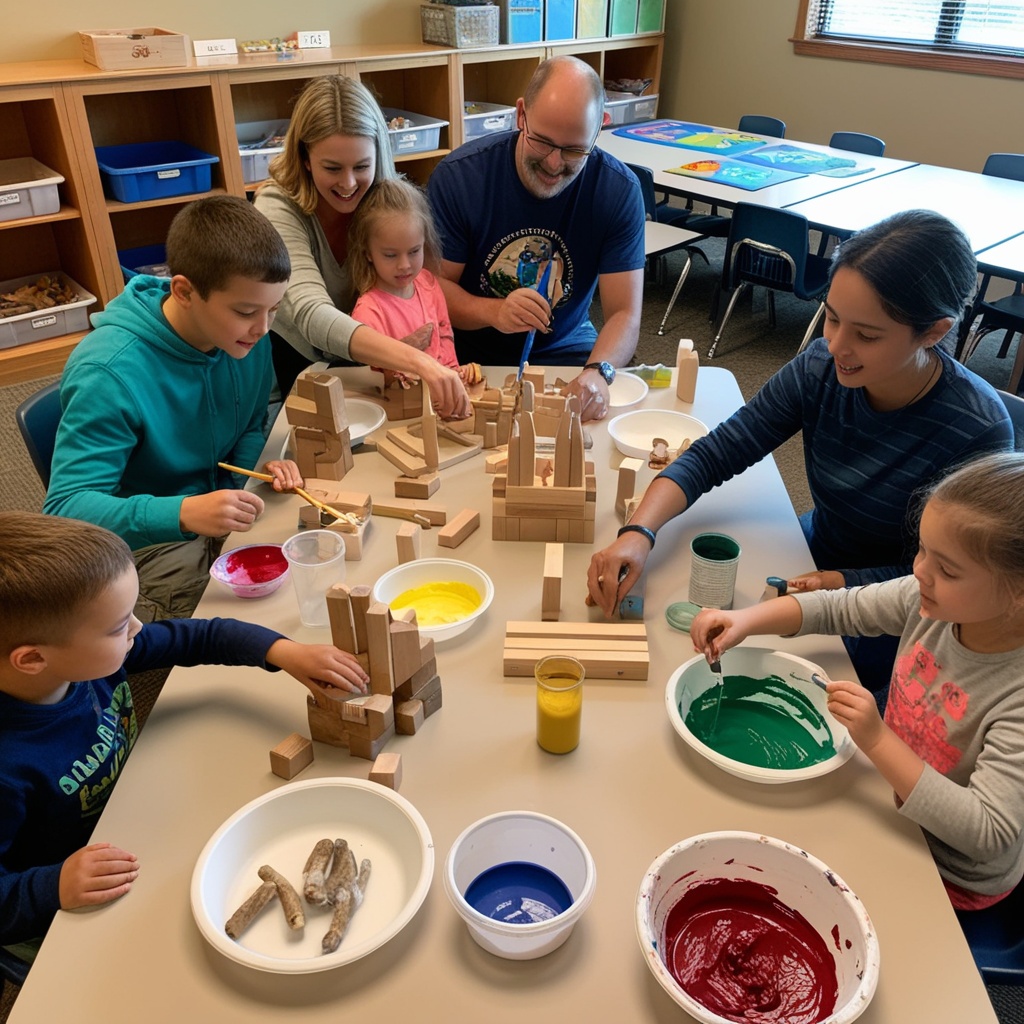
A screen-free homeschool curriculum is any structured learning plan that avoids digital devices such as tablets, computers, and smartphones for daily instruction. Instead, lessons rely on physical textbooks, workbooks, manipulatives, art supplies, and real-life experiences.
This does not mean technology is banned from the household entirely. Many families still use a computer occasionally for research or record-keeping, but the core teaching method stays analog.
Screen-Free vs. Low-Tech vs. Digital Homeschooling
It helps to understand the spectrum of homeschooling styles when it comes to technology use.
- Screen-free homeschooling: No screens used during instructional time at all.
- Low-tech homeschooling: Occasional screen use for specific purposes, like documentaries or typing practice.
- Digital homeschooling: Curriculum delivered primarily through apps, online courses, or video lessons.
Most screen-free families fall somewhere on this spectrum but prioritize hands-on, book-based learning as the default. If you are new to homeschooling in general, our getting started guide can help you understand the basics before diving into a specific style.
Why Families Choose Screen-Free Homeschooling
Understanding the motivations behind screen-free education can help you decide if it is right for your household. Many parents cite health, focus, and developmental concerns as primary drivers.
The Research on Screen Time and Child Development
According to the American Academy of Pediatrics, excessive screen time in children has been associated with sleep disruption, attention difficulties, and reduced physical activity. The organization recommends limiting entertainment screen use and prioritizing hands-on play and reading for younger children.
Studies referenced by the Home School Legal Defense Association (HSLDA) also note that many homeschooling families intentionally reduce screen exposure as part of their broader educational philosophy, particularly in the early elementary years.
Benefits Parents Commonly Report
- Improved focus and attention span during lessons.
- Stronger fine motor skills from handwriting and hands-on crafts.
- Better sleep quality, especially when screens are limited in the evening.
- Increased creativity and imaginative play.
- More natural, unhurried family connection during learning time.
Of course, every family is different, and a screen-free homeschool curriculum is a personal choice rather than a one-size-fits-all mandate.
Core Components of a Screen-Free Curriculum
Building an effective screen-free homeschool curriculum requires thoughtful selection of materials. Below are the essential building blocks most successful screen-free homeschools rely on.
1. Quality Printed Textbooks and Workbooks
Look for well-sequenced, subject-specific books rather than generic worksheets. Publishers focused on traditional print curriculum remain widely used among homeschool families precisely because they do not require internet access.
2. Hands-On Manipulatives
Math manipulatives like base-ten blocks, fraction tiles, and counting bears make abstract concepts concrete. Similarly, science kits with real materials allow children to experiment without a screen in sight.
3. Literature-Rich Reading Lists
A strong home library, supplemented by trips to your local library, forms the backbone of a screen-free education. Reading widely across subjects, from history to science to classic literature, builds vocabulary and comprehension naturally.
4. Nature Study and Outdoor Learning
Outdoor exploration, nature journaling, and field trips provide experiential learning that no app can replicate. Many Charlotte Mason-style curriculums build entire units around nature study.
5. Art, Music, and Creative Supplies
Paints, instruments, clay, and craft supplies allow for creative expression that engages the whole child, not just the eyes and ears.
How to Choose Screen-Free Curriculum by Subject
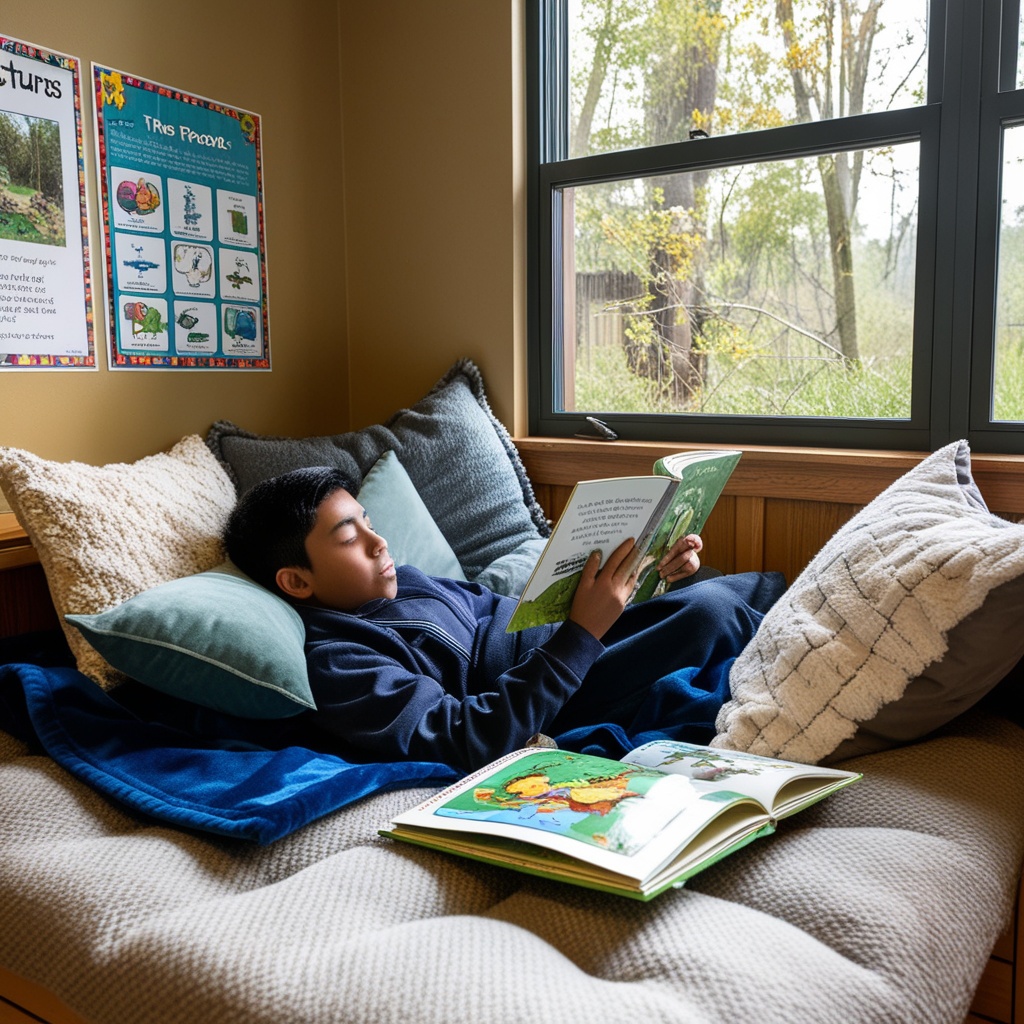
Every subject can be taught effectively without screens, though each requires a slightly different approach. Here is a breakdown by core subject area.
Math
- Use manipulative-based programs that emphasize hands-on problem solving.
- Incorporate real-life math through cooking, budgeting, and measuring projects.
- Practice with printed workbooks and flashcards for repetition and fluency.
Reading and Language Arts
- Build a rotating home library organized by reading level and topic.
- Use printed phonics readers for early learners.
- Assign narration and written summaries instead of digital quizzes.
Science
- Choose curriculum kits that include physical experiment materials.
- Encourage nature journaling and specimen collection.
- Visit science centers, botanical gardens, or farms for experiential learning.
History and Social Studies
- Read living books and biographies instead of textbook summaries alone.
- Use timelines, maps, and hands-on projects like dioramas.
- Visit museums and historical sites when possible.
For more subject-specific ideas, browse our curriculum methods category for deeper guidance on each core subject.
Screen-Free Homeschooling by Grade Level
A screen-free homeschool curriculum should evolve as your child grows. Here is how the approach typically shifts across grade levels.
Preschool and Kindergarten
At this stage, learning should be almost entirely play-based and sensory. Focus on picture books, songs, simple counting games, and outdoor exploration.
Elementary (Grades 1 to 5)
Elementary students benefit from a strong foundation in phonics, handwriting, and basic math facts using printed materials and manipulatives. This is also the ideal age to build daily reading habits and start simple nature journals.
Middle School (Grades 6 to 8)
Middle schoolers can handle more independent reading and writing assignments. Introduce research projects using library books and encyclopedias rather than internet searches, and add hands-on lab science kits.
High School (Grades 9 to 12)
High school is often where families struggle most to stay screen-free, since standardized testing and college prep can involve digital tools. Even so, many core subjects like literature, history, and math can still be taught with printed textbooks, essay writing, and discussion-based learning.
For detailed, age-specific planning help, visit our grade level guides.
Building a Screen-Free Daily Schedule
Consistency is one of the biggest predictors of success in screen-free homeschooling. Without the built-in structure of an app or online course, families need a clear daily rhythm.
Sample Screen-Free Daily Schedule
- 8:00 to 8:30 AM: Morning basket with read-alouds, poetry, and calendar time.
- 8:30 to 9:30 AM: Math with manipulatives and printed workbook practice.
- 9:30 to 10:15 AM: Language arts, including phonics or grammar and handwriting.
- 10:15 to 10:30 AM: Outdoor break or movement activity.
- 10:30 to 11:15 AM: Science or history with living books and hands-on projects.
- 11:15 AM to 12:00 PM: Independent reading and quiet work time.
- Afternoon: Art, music, nature study, or field trips.
You do not need to follow this exactly. The key is establishing predictable blocks of time so children know what to expect each day.
Tips for Staying Consistent
- Prepare a weekly lesson plan in advance so you are not scrambling each morning.
- Keep supplies organized in labeled bins for quick access.
- Build in flexible buffer time for days that do not go as planned.
If scheduling feels overwhelming, our scheduling and planning resources offer templates you can adapt immediately.
Overcoming Common Screen-Free Homeschooling Challenges
Transitioning to or maintaining a screen-free homeschool curriculum is not without obstacles. Here are the most common challenges families encounter, along with practical solutions.
Challenge: Limited Grading and Assessment Tools
Without digital quizzes or auto-graded tests, tracking progress can feel harder. Solve this by using printed answer keys, weekly narration checks, and simple portfolio folders to save completed work.
Challenge: Finding Enough Printed Resources
Some families worry that quality print curriculum is harder to find than digital alternatives. In reality, publishers specializing in traditional print materials remain widely available, and many are specifically designed for homeschoolers.
Challenge: Managing Multiple Ages Without Digital Tools
Teaching multiple children without the convenience of self-paced apps requires more hands-on coordination. Combine subjects like history, science, and read-alouds across age groups, then split for individualized math and language arts.
Challenge: Screen Time Outside of School Hours
Even a screen-free curriculum can be undermined by excessive recreational screen use elsewhere in the day. Setting family-wide screen time boundaries, not just school-time boundaries, reinforces the values behind your educational choice.
For additional troubleshooting and encouragement, our contact page connects you directly with our team for personalized guidance.
Screen-Free Curriculum Methods and Approaches
Several established homeschooling philosophies naturally align with a screen-free homeschool curriculum. Understanding these methods can help you choose a framework that fits your family.
Charlotte Mason Method
This approach emphasizes living books, nature study, narration, and short, focused lessons. It is one of the most naturally screen-free methods available and remains popular among traditional homeschool families.
Classical Education
Classical homeschooling follows the trivium, moving from grammar to logic to rhetoric stages, using primary texts, memorization, and discussion rather than digital drills.
Montessori-Inspired Learning
Montessori education relies heavily on physical materials and self-directed, hands-on exploration, making it inherently compatible with a screen-free approach, especially in early childhood.
Unit Studies
Unit studies combine multiple subjects around a central theme using books, projects, and field trips, which works well for families teaching several children of different ages together.
You can explore all of these in more depth on our curriculum methods page, which breaks down each philosophy in detail.
Where to Find Screen-Free Homeschool Resources
Once you understand the principles behind a screen-free homeschool curriculum, the next step is sourcing quality materials. Here are practical places to look.
Printed Curriculum Publishers
Look for publishers that specialize in complete, book-based curriculum sets across all core subjects. Many offer free samples so you can evaluate fit before purchasing.
Local Libraries and Used Bookstores
Your local library is one of the most valuable, cost-effective resources for a screen-free education. Interlibrary loan programs can also help you access books not available at your branch.
Homeschool Co-ops and Community Groups
Connecting with other screen-free families provides shared resources, group classes, and accountability. Many co-ops organize in-person classes for subjects like science labs or art that benefit from group instruction.
Printable Lesson Plans
Ready-made printable lesson plans can save significant preparation time while keeping your curriculum entirely screen-free. Our own lesson plan shop offers printable, activity-based plans designed specifically for screen-free learning across multiple grade levels.
You can also review general curriculum guidance from established organizations such as Scholastic, which publishes book lists and reading resources widely used in both traditional and homeschool classrooms.
Frequently Asked Questions
What is the best screen-free homeschool curriculum for beginners?
The best starting point is a literature-based or Charlotte Mason-style curriculum, since it relies primarily on printed books and simple daily routines. These programs typically include clear lesson plans, making them easier for new homeschool parents to follow without digital tools.
Can you fully homeschool without any screens at all?
Yes, it is entirely possible to homeschool without screens through elementary and middle school, and largely possible through high school as well. Some families choose to use a computer minimally for research or record-keeping while keeping daily instruction screen-free.
Is a screen-free homeschool curriculum better for young children?
Many child development experts, including the American Academy of Pediatrics, recommend limiting screen time for young children in favor of hands-on play and reading. A screen-free approach aligns well with these recommendations, particularly for preschool and early elementary ages.
How do I teach math without using apps or online tools?
Use manipulative-based math programs alongside printed workbooks for practice and repetition. Real-life applications, such as cooking, shopping, and building projects, also reinforce math concepts without any screen involvement.
What are the biggest challenges of screen-free homeschooling?
The most common challenges include finding enough printed resources, managing assessment without digital grading tools, and coordinating multiple grade levels simultaneously. These can be addressed with careful planning, portfolio-based assessment, and combined subject teaching.
Does screen-free homeschooling prepare kids for standardized tests?
Yes, screen-free homeschooling can prepare students well for standardized tests when the curriculum covers required scope and sequence thoroughly. Many families introduce limited practice tests closer to test dates without changing their overall screen-free approach.
How much does a screen-free homeschool curriculum typically cost?
Costs vary widely depending on whether you buy new textbooks, use library resources, or purchase used curriculum sets. Many families successfully build a screen-free curriculum for a modest annual budget by combining library books with select purchased materials and printable lesson plans.
Books for New Homeschool Parents
As an Amazon Associate, HomeschoolingExperts earns from qualifying purchases. Some links in this article are affiliate links, meaning we may earn a small commission at no extra cost to you.
Conclusion
A screen-free homeschool curriculum offers a meaningful path toward focused, hands-on, and deeply engaged learning for children of every age. By combining quality printed materials, manipulatives, nature study, and consistent daily routines, families can build a rich educational experience without relying on digital devices.
Whether you follow a Charlotte Mason approach, classical education, or a custom blend of methods, the principles in this guide will help you create a sustainable, screen-free learning environment. Start small, stay consistent, and adjust as your children grow.
If you would like personalized support building your family’s screen-free curriculum plan, reach out through our contact page or explore our printable resources to get started today.
Related Resources
- Getting Started with Homeschooling
- Hands-On Homeschool Activities and Ideas
- About HomeschoolingExperts.org
Loved this post? Grab the free resource above.
Compare Charlotte Mason, Classical, Montessori, Waldorf, and more in one printable side-by-side guide.