Free Curriculum Comparison Guide
Compare Charlotte Mason, Classical, Montessori, Waldorf, and more in one printable side-by-side guide.
Learning how to teach a child to read at home is one of the most rewarding milestones in a homeschooling journey, and with the right approach, any parent can guide their child through this process successfully. You do not need a teaching degree or a fancy curriculum to raise a confident reader. What you need is a clear plan, patience, and a set of proven, research-backed strategies that you can use consistently at your kitchen table.
This guide walks you through everything you need to know, from understanding pre-reading skills to phonics instruction, sight words, and building lifelong reading habits. According to the National Institute for Literacy, children who receive systematic phonics instruction in the early years show significantly stronger reading outcomes than those who do not. We will show you exactly how to apply that research in a simple, homeschool-friendly way.
Whether your child is just starting to recognize letters or is already sounding out simple words, this comprehensive guide will give you the tools, schedules, and confidence to teach reading at home effectively. Let’s get started.
Key Takeaways
- Most children are developmentally ready to begin formal reading instruction between ages 4 and 6, though readiness varies widely.
- Systematic phonics instruction is the most research-supported method for teaching a child to read at home.
- Short, consistent 15 to 20 minute daily lessons outperform long, infrequent sessions.
- Combining phonics with sight word practice and daily read-aloud time builds fluency faster.
- Tracking progress weekly helps you catch struggles early and adjust your approach before frustration sets in.
Understanding How Children Learn to Read
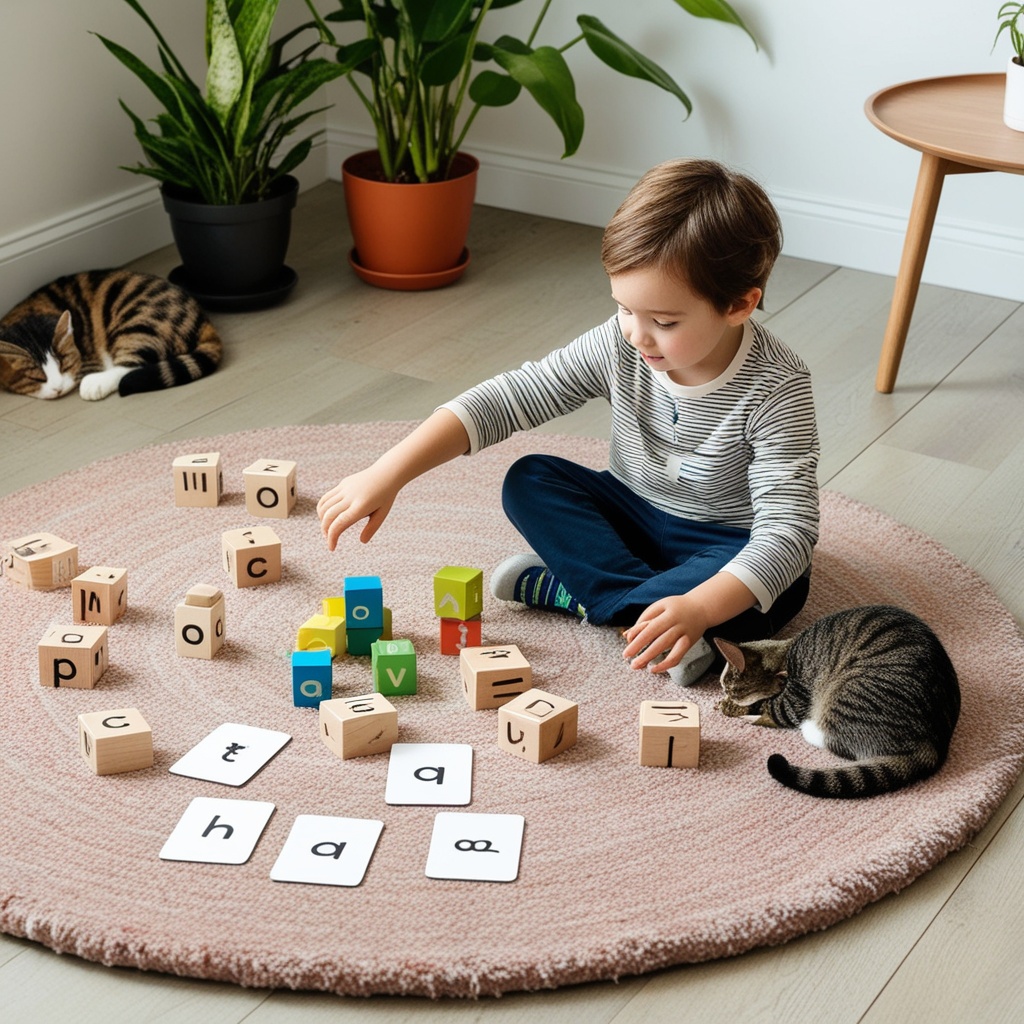
Before diving into lesson plans, it helps to understand what is actually happening in a child’s brain as they learn to read. Reading is not a natural skill like spoken language; it must be explicitly taught and practiced.
Researchers often describe reading development through the “Simple View of Reading,” which states that reading comprehension is the product of decoding skills and language comprehension. In other words, a child needs to both sound out words and understand what those words mean.
The Five Pillars of Reading Instruction
The National Reading Panel identified five essential components that make up effective reading instruction. Keeping these in mind will help you build a well-rounded approach at home.
- Phonemic awareness: the ability to hear and manipulate individual sounds in words
- Phonics: connecting letters and letter combinations to sounds
- Fluency: reading text accurately and with appropriate speed
- Vocabulary: understanding the meaning of words
- Comprehension: understanding and interpreting what has been read
Every successful home reading program touches on all five areas, even informally. If you keep these pillars in mind, you will naturally teach a child to read at home in a balanced, effective way.
Signs Your Child Is Ready to Learn Reading
Reading readiness is not tied strictly to age. Some children show interest and ability at age four, while others are not ready until six or seven, and that is perfectly normal.
Common Readiness Indicators
- Recognizes and names most letters of the alphabet
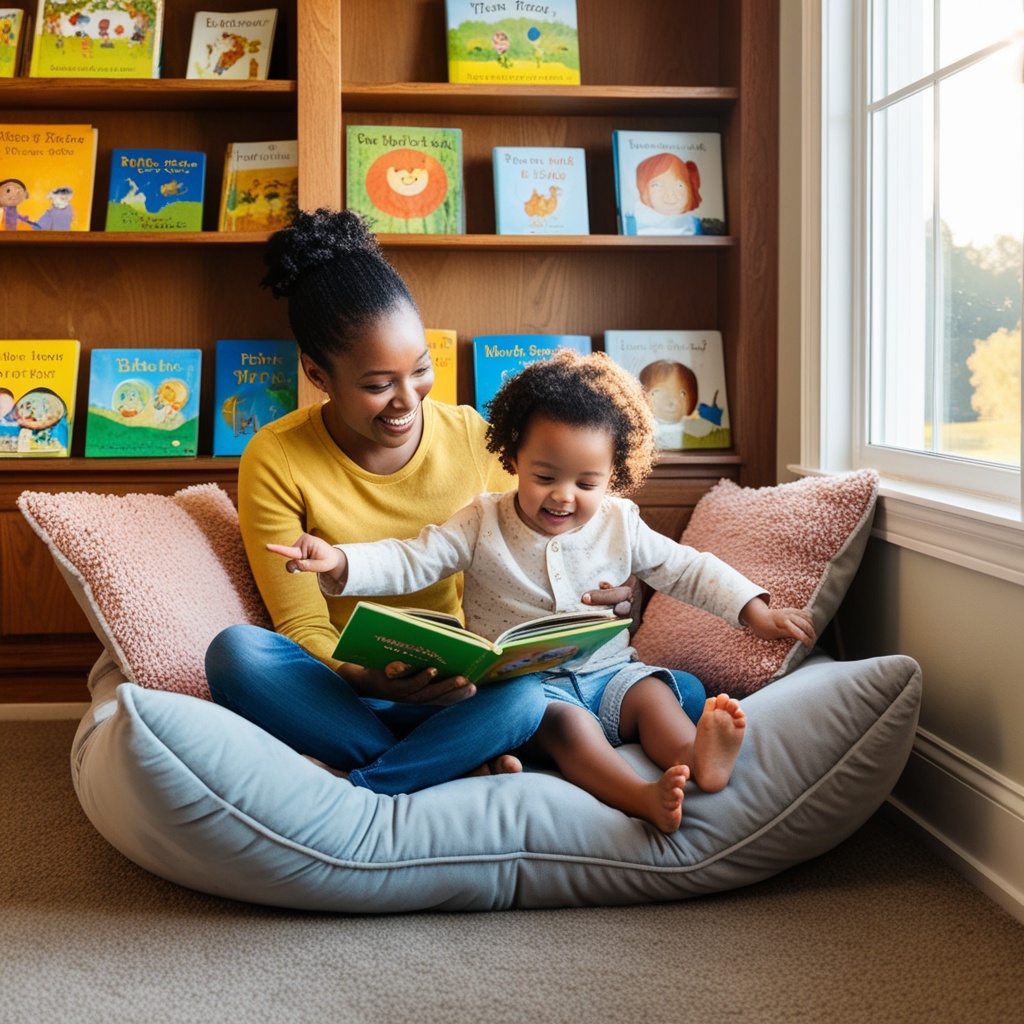
- Enjoys being read to and asks to hear favorite books repeatedly
- Can identify rhyming words or generate simple rhymes
- Shows interest in print, such as pointing to words or asking what signs say
- Can hold a book, turn pages, and follow text left to right
If your child shows several of these signs, they are likely ready to begin formal reading instruction. If not, there is no need to worry. Continue building pre-reading skills, which we cover in the next section.
Why Pushing Too Early Can Backfire
Forcing reading instruction before a child is developmentally ready can create frustration and negative associations with books. Homeschooling gives you the flexibility to wait until your child is genuinely ready, which is one of its biggest advantages over a rigid classroom timeline.
Building Pre-Reading Skills Before Formal Instruction
Pre-reading skills lay the foundation for everything that follows. Spending time here, even for just a few months, pays enormous dividends once formal instruction begins.
Phonemic Awareness Activities
Phonemic awareness is purely auditory and does not require letters at all. Try these simple activities during car rides or meal times.
- Clap out syllables in your child’s name and favorite words
- Play “I Spy” using beginning sounds instead of colors
- Ask your child to identify which word does not rhyme in a group of three
- Say a word slowly, sound by sound, and have your child guess the word
Letter Recognition and Print Awareness
Alongside phonemic awareness, children benefit from learning to recognize letters and understanding how print works. Point out letters on cereal boxes, street signs, and books. Show your child that we read from left to right and top to bottom.
For more structured early learning ideas, our getting started homeschooling resources offer additional guidance tailored to new homeschool families.
The Best Methods for Teaching a Child to Read at Home
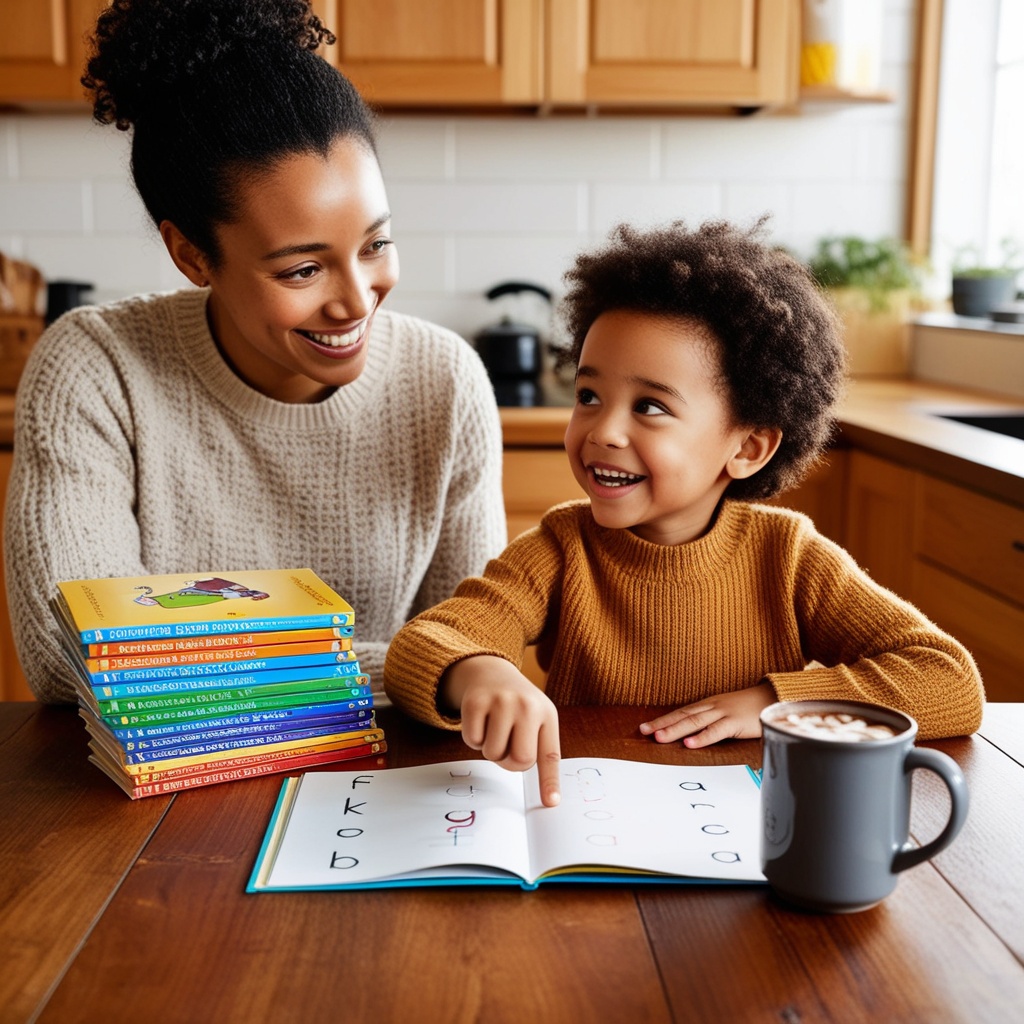
There are several well-established methods for teaching reading, and understanding the differences will help you choose the best fit for your child and teaching style.
Systematic Phonics Instruction
Systematic phonics teaches letter-sound relationships in a specific, logical sequence rather than randomly. This is widely considered the gold standard for teaching a child to read at home because it gives children a reliable strategy for decoding unfamiliar words.
The National Institute of Child Health and Human Development found that systematic phonics instruction significantly improves reading, spelling, and comprehension outcomes compared to non-systematic or no phonics instruction.
The Orton-Gillingham Approach
This multisensory method engages sight, sound, and touch simultaneously, which is especially helpful for children who struggle with traditional instruction or who have dyslexia. Children might trace letters in sand while saying the sound aloud, reinforcing the letter-sound connection through multiple pathways.
Whole Language and Balanced Literacy
Whole language emphasizes exposure to real books and context clues over explicit phonics rules. While enjoyable, research has shown that a purely whole-language approach is less effective than phonics-based methods for beginning readers. A balanced literacy approach, which blends phonics with rich literature exposure, tends to produce the strongest results for most homeschooling families.
Sight Word Memorization
Certain high-frequency words, such as “the,” “was,” and “said,” do not follow regular phonics rules and are best learned by sight. The Dolch and Fry word lists are excellent free resources for identifying which sight words to prioritize at each level.
A Step-by-Step Weekly Reading Plan
Consistency matters more than duration when you are teaching reading at home. A focused 15 to 20 minute daily lesson is far more effective than an hour-long session once a week.
Sample Beginner Weekly Schedule
- Monday: Review previously learned letter sounds, introduce one new sound
- Tuesday: Practice blending the new sound with known sounds to form simple words
- Wednesday: Sight word practice using flashcards or a matching game
- Thursday: Read a short decodable book featuring the week’s target sounds
- Friday: Review the week and celebrate progress with a fun reading game
Daily Lesson Structure
- Warm-up review of previously mastered sounds or words (3 to 5 minutes)
- New concept introduction (5 minutes)
- Guided practice with worksheets, letter tiles, or writing (5 to 7 minutes)
- Independent or supported reading of connected text (5 minutes)
If you prefer ready-made structure, browse our printable reading lesson plans, which are designed to take the guesswork out of daily instruction.
Choosing Reading Materials and Books
The right books can make or break a child’s motivation to read. Choosing materials that match your child’s current skill level while remaining engaging is essential.
Decodable Books vs. Leveled Readers
Decodable books use only the letter-sound patterns a child has already learned, allowing them to successfully sound out nearly every word. This builds confidence quickly. Leveled readers, on the other hand, are graded by overall difficulty but may include words a child cannot yet decode independently.
For beginning readers, decodable books are typically the better choice. As your child’s phonics knowledge grows, you can transition to leveled readers and eventually to chapter books of their choosing.
How to Choose Books at the Right Level
- Use the “five finger rule”: if your child misreads more than five words on a page, the book is too difficult
- Look for repetitive, predictable text patterns for early readers
- Choose topics your child is genuinely interested in, whether dinosaurs, princesses, or trucks
- Rotate between instructional books and purely-for-fun read-alouds
Scholastic’s book-leveling guides at scholastic.com can help you find age-appropriate and skill-appropriate titles for your child.
Common Reading Struggles and How to Fix Them
Nearly every child hits a bump in the road while learning to read. Knowing how to respond calmly and effectively will keep your child motivated and confident.
Struggle: Confusing Similar Letters (b/d, p/q)
This is extremely common and usually resolves with time. Use multisensory tricks, such as having your child make a “bed” shape with their hands, where the left fist forms the “b” and the right fist forms the “d.”
Struggle: Difficulty Blending Sounds
If your child can identify individual letter sounds but struggles to blend them into words, slow down and practice blending just two sounds at a time before adding a third. Elongating sounds, such as stretching “mmmaaat” instead of choppy “m-a-t,” often helps.
Struggle: Losing Motivation or Getting Frustrated
Keep lessons short, celebrate small wins, and mix in plenty of read-aloud time where your child is not under pressure to perform. If frustration persists over several weeks despite consistent practice, it may be worth exploring whether a learning difference such as dyslexia is present.
The Home School Legal Defense Association offers resources on identifying and supporting children with learning differences within a homeschool setting.
When to Seek Additional Support
If your child is significantly behind typical reading milestones for their age despite consistent, quality instruction, consider consulting a reading specialist or educational evaluator. Early intervention leads to significantly better long-term outcomes.
Making Reading Fun: Activities and Games
Children learn best when they are having fun, and reading instruction is no exception. Building playful activities into your routine keeps motivation high.
Simple Reading Games to Try
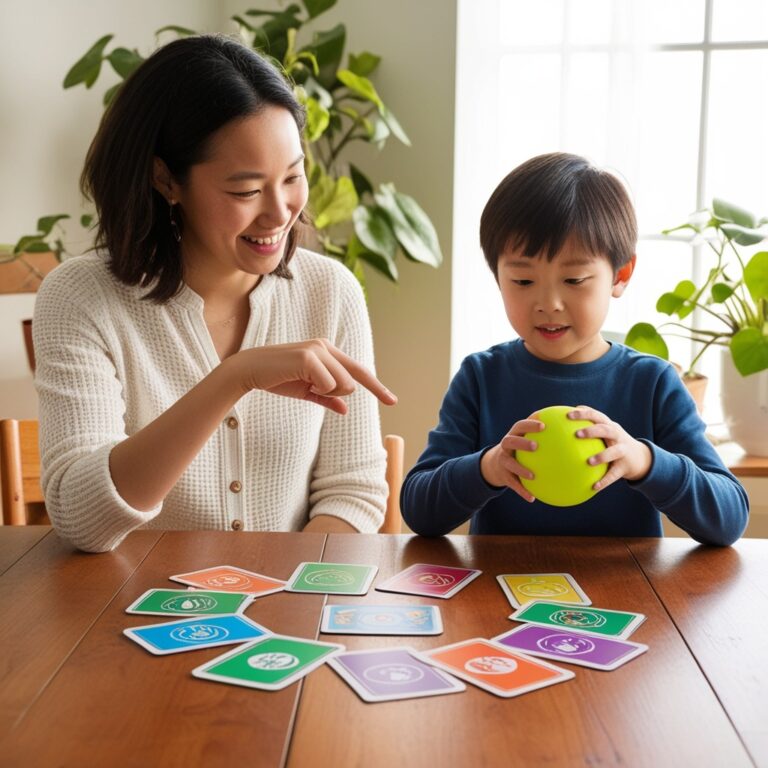
- Letter scavenger hunt: hide letter cards around the house and have your child sound them out as they find them
- Word building with magnetic letters on the refrigerator
- Bingo using sight words instead of numbers
- Sidewalk chalk phonics, writing letters and words outside for a change of scenery
- Reading picnics, where you read together outside on a blanket for a relaxed change of pace
Incorporating Reading Into Daily Life
Reading practice does not have to be confined to lesson time. Have your child read recipe steps while cooking, road signs during errands, or simple text messages to grandparents. This reinforces that reading is a practical, valuable life skill, not just a school subject.
For more creative ideas, explore our homeschool activities and ideas section, which is packed with hands-on learning inspiration.
Tracking Progress and Knowing When to Adjust
Regularly assessing your child’s progress ensures you catch struggles early and celebrate growth along the way.
Simple Ways to Track Progress
- Keep a running list of mastered letter sounds and sight words
- Record your child reading aloud once a month to hear improvement over time
- Note which types of words or sounds consistently cause hesitation
- Use simple informal reading assessments every four to six weeks
Adjusting Your Approach
If your current method is not producing steady progress after several weeks, do not be afraid to switch curricula or slow down the pace. Every child’s brain is wired differently, and flexibility is one of homeschooling’s greatest strengths. You can explore different teaching philosophies in our curriculum methods guide to find an approach better suited to your child.
According to data from the U.S. Department of Education, individualized, responsive instruction is one of the strongest predictors of early reading success, something homeschooling is uniquely positioned to provide.
Frequently Asked Questions
What age should I start teaching my child to read at home?
Most children show readiness between ages 4 and 6, but this varies significantly by child. Focus on readiness signs like letter recognition and interest in books rather than a strict age cutoff.
How long does it typically take to teach a child to read?
Most children become basic independent readers within 6 months to 2 years of consistent instruction, depending on the child and the frequency of practice. Fluency continues to develop for several years afterward.
Is phonics or sight words better for teaching reading?
Phonics should be the primary method, since it teaches children a reliable strategy for decoding new words. Sight words are best used as a supplement for high-frequency words that do not follow standard phonics rules.
Do I need a formal curriculum to teach my child to read at home?
No, a formal curriculum is not strictly required, but it can provide helpful structure and sequencing, especially for first-time homeschooling parents. Many families successfully use a mix of free resources and a structured phonics program.
How many minutes a day should reading lessons be?
15 to 20 minutes of focused, daily instruction is generally more effective than longer, less frequent sessions. Short sessions keep young children engaged and prevent burnout.
What if my child is struggling significantly to learn to read?
First, ensure you are using a systematic, phonics-based approach and practicing consistently. If struggles persist for several months despite quality instruction, consider having your child evaluated for a learning difference such as dyslexia.
Can I teach my child to read without any teaching experience?
Yes, absolutely. Thousands of homeschooling parents with no formal teaching background successfully teach their children to read every year using structured phonics programs and consistent daily practice.
Conclusion: You Can Successfully Teach Your Child to Read at Home
Learning how to teach a child to read at home does not require a teaching certificate or an expensive curriculum. It requires consistency, a solid understanding of phonics-based instruction, and genuine encouragement along the way.
Remember to watch for readiness signs, build strong phonemic awareness, choose the right books, and keep daily lessons short and enjoyable. Progress will not always be linear, and that is completely normal; celebrate small wins and adjust your approach as needed.
You know your child better than anyone else, and that insight is your greatest teaching advantage. If you would like personalized guidance or have questions about your homeschooling reading journey, feel free to reach out to our team, and learn more about our mission on our about page.
Related Resources
- Printable Homeschool Lesson Plans
- Grade Level Homeschooling Guides
- Homeschool Scheduling and Planning Tips
📚 Recommended Homeschool Resources
As an Amazon Associate, I earn from qualifying purchases. Some links in this article are affiliate links, meaning I may earn a small commission at no extra cost to you.
Loved this post? Grab the free resource above.
Compare Charlotte Mason, Classical, Montessori, Waldorf, and more in one printable side-by-side guide.