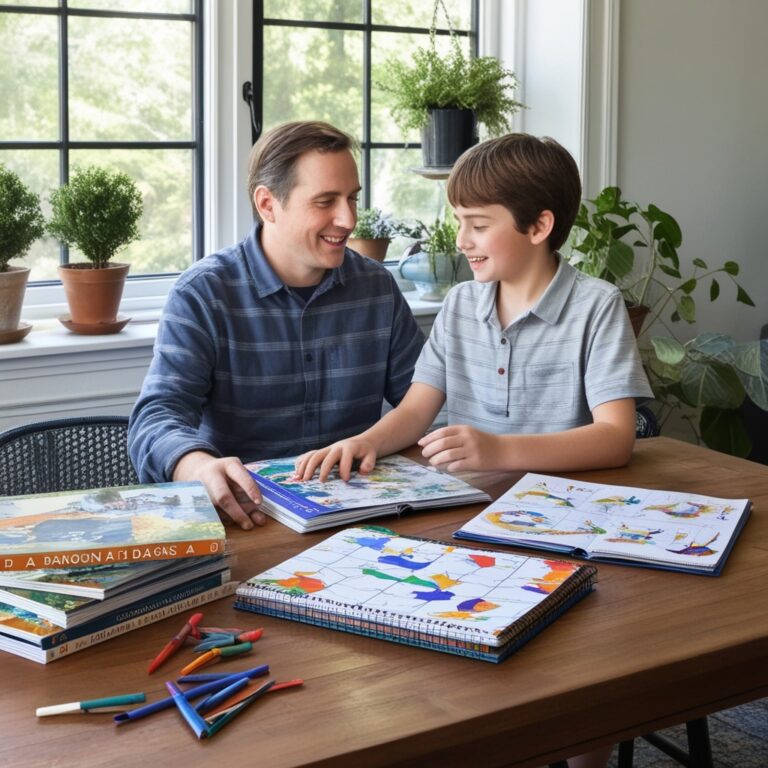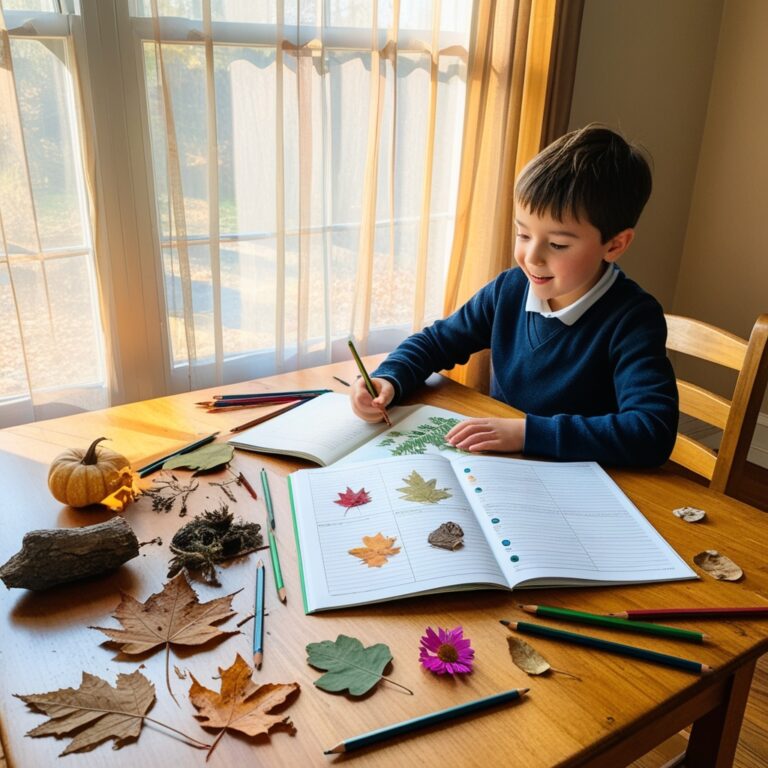
Free Sample Lesson Plan
Math Adventures: Everyday Numbers — drop your email and we'll send the printable PDF.
Creating effective 6th grade homeschool lesson plans is crucial for providing your middle schooler with a structured, engaging educational experience that meets their developmental needs. Sixth grade represents a pivotal transition year where students develop critical thinking skills, tackle more complex subjects, and begin preparing for the academic challenges ahead.
This comprehensive guide will walk you through everything you need to know about developing successful 6th grade homeschool lesson plans, from understanding curriculum requirements to implementing daily schedules that work. Whether you’re new to homeschooling or looking to refine your approach, you’ll discover practical strategies, subject-specific guidance, and proven methods that make planning both manageable and effective.
Key Takeaways
- Sixth grade lesson plans should balance structure with flexibility to accommodate individual learning styles
- Core subjects require 4-6 hours of focused instruction daily, with additional time for projects and activities
- Incorporating hands-on learning and real-world applications significantly improves retention and engagement
- Regular assessment and adjustment of lesson plans ensures continuous progress and addresses learning gaps
- Multi-subject integration creates meaningful connections and deeper understanding across disciplines
Understanding 6th Grade Learning Requirements

Sixth grade students typically range from 11 to 12 years old and are experiencing significant cognitive and emotional development. Understanding these developmental milestones is essential when creating 6th grade homeschool lesson plans that truly serve your child’s educational needs.
Cognitive Development at Age 11-12
At this stage, students are transitioning from concrete operational thinking to more abstract reasoning. They can handle multi-step problems, understand cause-and-effect relationships, and begin to think critically about complex topics.
Your lesson plans should incorporate activities that challenge students to analyze, synthesize, and evaluate information rather than simply memorize facts. This might include comparing historical events, solving word problems with multiple variables, or conducting scientific experiments that require hypothesis formation.
Academic Expectations and Standards
According to the U.S. Department of Education, sixth grade students should demonstrate proficiency in several key areas. These include reading comprehension at grade level, mathematical problem-solving involving fractions and decimals, and basic scientific inquiry skills.
Most states require approximately 180 days of instruction annually, with recommended daily instruction time ranging from 4 to 6 hours. However, homeschooling families often find they can accomplish the same learning objectives in less time due to individualized attention and focused instruction.
Social and Emotional Considerations
Middle school students are developing their identity and may experience increased emotional sensitivity. Your lesson plans should account for this by including collaborative projects, opportunities for self-expression, and regular breaks for physical activity.
Consider incorporating social-emotional learning components into your daily routine. This might include journaling activities, discussion of current events, or community service projects that help students connect their learning to the wider world.
Essential Core Subjects for 6th Grade Homeschool Lesson Plans
Effective 6th grade homeschool lesson plans must address all core academic subjects while maintaining appropriate depth and rigor. Here’s a detailed breakdown of what each subject should encompass at this level.
Language Arts and Literature
Sixth grade language arts should focus on developing strong reading comprehension, writing skills, and vocabulary expansion. Students should read a variety of genres including fiction, non-fiction, poetry, and drama.
Weekly lesson plans should include:
- Daily independent reading for 30-45 minutes
- Vocabulary study with 15-20 new words weekly
- Grammar instruction focusing on complex sentence structures
- Writing assignments including essays, creative writing, and research projects
- Literature analysis and discussion
Consider using a combination of classic literature and contemporary works that appeal to your student’s interests. Books like “Holes” by Louis Sachar or “The Giver” by Lois Lowry are popular choices that offer rich opportunities for discussion and analysis.
Mathematics
Sixth grade mathematics typically covers pre-algebra concepts, including ratios, proportions, integers, and basic algebraic thinking. Students should also master fraction and decimal operations.
Your math lesson plans should include:
- Daily practice with computational skills
- Problem-solving activities using real-world scenarios
- Introduction to coordinate geometry
- Data analysis and basic statistics
- Regular review of previously learned concepts
Many families find success with programs like Saxon Math or Teaching Textbooks, which provide structured daily lessons with built-in review and practice opportunities.
Science
Middle school science should introduce students to earth science, life science, and physical science concepts through hands-on experimentation and observation. The goal is to develop scientific thinking and inquiry skills.
Effective science lesson plans incorporate:
- Weekly laboratory experiments or demonstrations
- Science journal keeping for observations and hypotheses
- Study of the scientific method and its applications
- Integration with mathematics through data collection and analysis
- Current events discussions related to scientific discoveries
Social Studies
Sixth grade social studies often focuses on world cultures, ancient civilizations, or geography, depending on your chosen scope and sequence. The emphasis should be on developing critical thinking about historical events and cultural differences.
Strong social studies lesson plans include:
- Map skills and geographic literacy
- Primary source document analysis
- Cultural comparison projects
- Timeline creation and historical sequencing
- Current events connections to historical patterns
Creating an Effective Daily Structure
Establishing a consistent daily routine is fundamental to successful 6th grade homeschool lesson plans. The structure provides security while allowing flexibility for individual learning needs and family circumstances.
Sample Daily Schedule
Here’s a proven daily structure that many homeschooling families find effective:
8:00-8:30 AM: Morning routine and breakfast
8:30-9:00 AM: Independent reading and journal writing
9:00-10:00 AM: Mathematics instruction and practice
10:00-10:15 AM: Break
10:15-11:15 AM: Language arts (grammar, writing, literature)
11:15 AM-12:15 PM: Science or social studies (alternating days)
12:15-1:00 PM: Lunch break
1:00-2:00 PM: Electives (art, music, foreign language)
2:00-3:00 PM: Physical education or outdoor time
3:00-4:00 PM: Project time or additional practice as needed
Balancing Structure and Flexibility
While consistency is important, your lesson plans should accommodate your child’s natural rhythms and learning preferences. Some students work best in the morning, while others hit their stride later in the day.
Consider implementing “must-do” and “may-do” lists for each day. Must-do items include core subjects that require focused attention, while may-do activities can include enrichment projects, educational games, or additional practice work.
Incorporating Breaks and Physical Activity
Research shows that middle school students benefit from regular movement breaks throughout the day. Plan for 10-15 minute breaks every hour, and include longer periods for physical activity.
Physical education doesn’t have to be formal sports. Consider nature walks, yoga sessions, dance videos, or even active household chores as ways to keep your student moving throughout the day.
Choosing the Right Curriculum and Resources
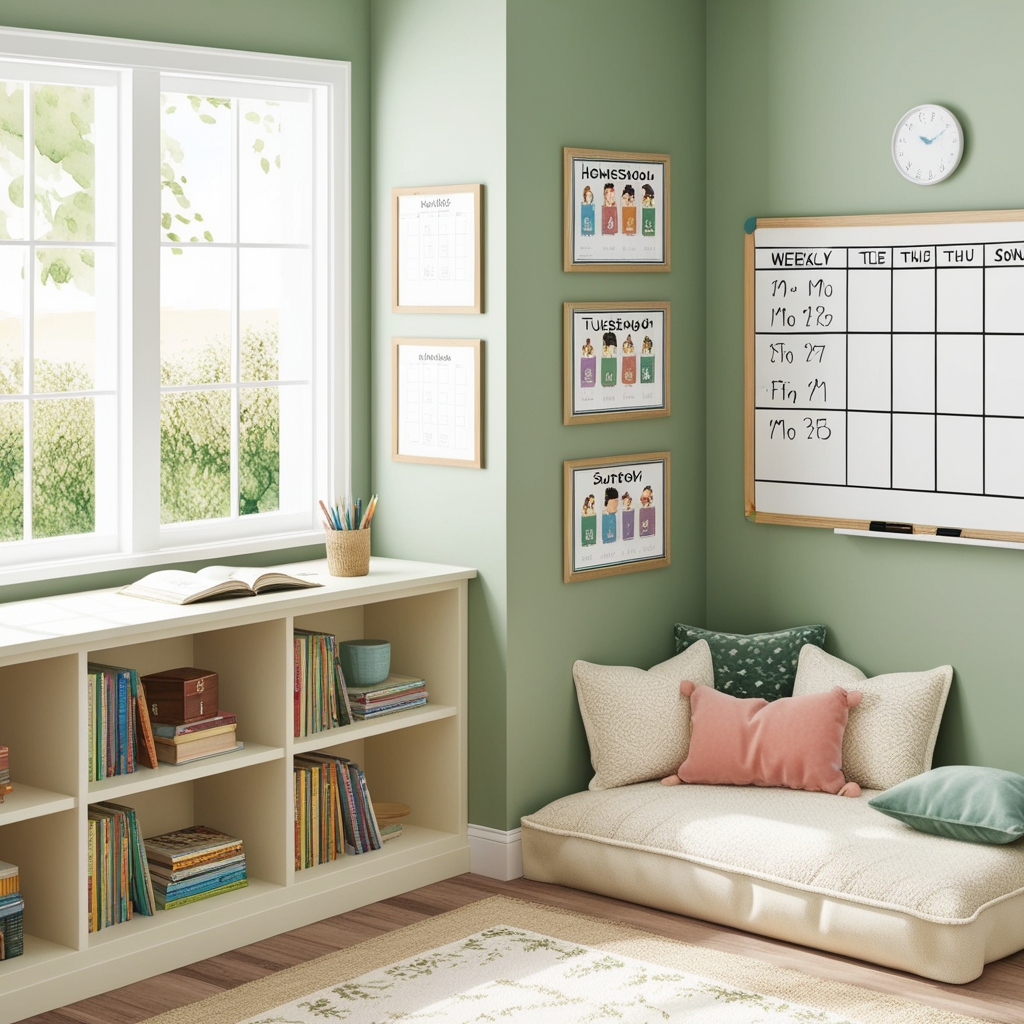
Selecting appropriate materials is crucial for developing effective 6th grade homeschool lesson plans. The right curriculum should align with your educational philosophy, your child’s learning style, and your family’s practical needs.
Types of Curriculum Approaches
Understanding different curriculum philosophies helps you make informed decisions about your lesson planning approach.
Traditional or School-at-Home: Follows a structured, textbook-based approach similar to conventional schools. This works well for families who prefer clear guidelines and systematic progression through subjects.
Unit Studies: Integrates multiple subjects around a central theme or topic. For example, a unit on Ancient Egypt might include reading Egyptian myths, calculating pyramid dimensions, studying mummification science, and creating Egyptian art.
Charlotte Mason Method: Emphasizes “living books,” nature study, and short lessons. This approach focuses on developing relationships with knowledge rather than memorizing facts.
Evaluating Curriculum Options
When reviewing potential curricula, consider these essential factors:
- Alignment with your state’s educational standards
- Your child’s learning preferences and strengths
- Time requirements for preparation and instruction
- Cost and long-term value
- Availability of support materials and resources
Many homeschooling families find success with a combination approach, using different curricula for different subjects based on their child’s needs and interests.
Free and Low-Cost Resources
Quality education doesn’t require expensive materials. Numerous free resources can supplement or even replace traditional curricula:
- Khan Academy for mathematics and science instruction
- Library books and audiobooks for literature and research
- Educational YouTube channels for visual learners
- Government websites for primary source materials
- Community resources like museums and nature centers
The HomeschoolingExperts.org lesson plan shop offers affordable, ready-made lesson plans that can save you significant preparation time while ensuring comprehensive coverage of essential topics.
Assessment and Progress Tracking Methods
Regular assessment is vital for ensuring your 6th grade homeschool lesson plans are meeting your child’s educational needs. Effective assessment goes beyond traditional testing to include multiple ways of demonstrating learning and progress.
Formative Assessment Strategies
Formative assessments happen during the learning process and help you adjust instruction as needed. These informal assessments provide immediate feedback about your child’s understanding.
Effective formative assessment techniques include:
- Daily exit tickets with 2-3 questions about the day’s learning
- Think-pair-share discussions during lessons
- Quick sketches or diagrams to demonstrate understanding
- Thumbs up/thumbs down confidence checks
- One-minute writings to summarize key concepts
Summative Assessment Options
Summative assessments evaluate learning at the end of a unit or time period. While traditional tests have their place, consider varying your assessment methods to accommodate different learning styles.
Alternative summative assessments might include:
- Portfolio presentations showcasing work over time
- Project-based demonstrations of learning
- Oral presentations or debates
- Creative expressions like artwork, music, or drama
- Real-world applications of learned concepts
Record Keeping and Documentation
Maintaining accurate records is important for tracking progress and may be required by your state’s homeschool regulations. Develop a system that works for your family and stick with it consistently.
Essential records to maintain include:
- Daily attendance and hours of instruction
- Curriculum used and topics covered
- Assessment results and grades
- Examples of your child’s work (portfolio samples)
- Extracurricular activities and field trips
Digital tools like homeschool planning software or simple spreadsheets can streamline record keeping and generate reports when needed.
Incorporating Hands-On Learning Activities
Middle school students learn best when they can actively engage with material rather than passively receiving information. Incorporating hands-on activities into your 6th grade homeschool lesson plans increases engagement, improves retention, and makes learning more enjoyable.
Science Experiments and Investigations
Science naturally lends itself to hands-on learning through experiments and investigations. Simple materials from around your home can create powerful learning experiences.
Popular 6th grade science activities include:
- Building simple machines to understand mechanical advantage
- Growing crystals to observe chemical processes
- Creating weather instruments to study meteorology
- Dissecting flowers to understand plant reproduction
- Building circuits to explore electricity and magnetism
Always emphasize the scientific method by having students form hypotheses, make observations, and draw conclusions based on their experimental results.
Mathematics Manipulatives and Real-World Applications
Abstract mathematical concepts become clearer when students can manipulate physical objects or see real-world applications. This is especially important for visual and kinesthetic learners.
Effective math activities for 6th grade include:
- Using fraction bars or circles to understand equivalent fractions
- Measuring ingredients for cooking to practice ratios and proportions
- Creating scale drawings of rooms or buildings
- Analyzing sports statistics to understand percentages
- Planning a budget for a hypothetical family vacation
Creative Arts Integration
Integrating creative arts across subjects enhances learning while developing creativity and self-expression. Art, music, and drama can reinforce concepts from any academic area.
Cross-curricular arts activities might include:
- Creating historical timelines with illustrations and decorative elements
- Writing and performing songs about scientific processes
- Building dioramas or models of historical events
- Acting out scenes from literature or historical periods
- Designing book covers or movie posters for novels studied
Essential Planning Tools and Templates
Efficient planning tools can significantly reduce the time and stress involved in creating 6th grade homeschool lesson plans. The right combination of digital and physical planning resources will help you stay organized and focused on your educational goals.
Digital Planning Resources
Technology can streamline many aspects of lesson planning, from curriculum organization to progress tracking. Many digital tools offer features specifically designed for homeschooling families.
Useful digital planning tools include:
- Google Calendar for scheduling lessons and activities
- Trello or Notion for organizing curriculum and resources
- Homeschool Planet for comprehensive planning and record keeping
- Khan Academy for tracking progress in math and science
- Pinterest for collecting activity ideas and inspiration
Many families find that a combination of tools works best, using different platforms for different purposes rather than trying to find one perfect solution.
Physical Planning Materials
Despite the convenience of digital tools, many homeschooling parents still prefer physical planning materials for certain tasks. Having tangible materials can make planning feel more manageable and less overwhelming.
Essential physical planning tools include:
- A large wall calendar for visualizing the school year
- Binders or folders for organizing curriculum and resources
- Sticky notes for quick reminders and adjustments
- A dedicated planning notebook or planner
- File folders for storing completed work and assessments
Creating Your Own Templates
Developing personalized planning templates saves time and ensures consistency in your approach. Start with basic templates and modify them based on your family’s specific needs and preferences.
Useful templates to create include:
- Weekly lesson plan grids with space for each subject
- Monthly overview calendars highlighting special projects
- Daily schedule templates with time blocks
- Assessment tracking sheets for each subject
- Field trip planning checklists
For ready-made templates and comprehensive lesson plans, explore the resources available through our lesson plan category, which offers time-tested materials created by experienced homeschooling educators.
Overcoming Common Planning Challenges
Even experienced homeschoolers encounter obstacles when developing 6th grade homeschool lesson plans. Recognizing common challenges and having strategies to address them can help you maintain momentum and confidence in your homeschooling journey.
Time Management and Overwhelm
Many homeschooling parents feel overwhelmed by the responsibility of planning comprehensive education for their children. The key is to start simple and build complexity gradually as you gain experience and confidence.
Strategies for managing planning time include:
- Batch planning by dedicating one day per week to lesson preparation
- Using pre-made curricula to reduce daily planning time
- Creating template schedules that can be reused with minor modifications
- Planning only one week ahead initially, extending to monthly planning as you improve
- Involving your child in planning to share the responsibility
Remember that lesson plans are guides, not rigid requirements. Flexibility is one of homeschooling’s greatest advantages, so don’t hesitate to adjust plans when needed.
Addressing Different Learning Styles
Sixth grade students may have strong preferences for how they learn best. Some are visual learners who need diagrams and charts, while others are auditory learners who benefit from discussion and music integration.
To accommodate different learning styles:
- Include multiple modalities in each lesson when possible
- Observe how your child responds to different teaching methods
- Offer choices in how assignments are completed
- Rotate between different types of activities throughout the day
- Don’t be afraid to abandon methods that consistently don’t work
Maintaining Motivation and Engagement
Middle school students can be particularly challenging to motivate, as they’re developing independence while still needing structure and guidance. Keeping lessons engaging requires creativity and responsiveness to your child’s interests.
Effective motivation strategies include:
- Connecting learning to your child’s personal interests and hobbies
- Incorporating choice in topics, projects, or presentation methods
- Setting short-term, achievable goals with meaningful rewards
- Celebrating progress and effort, not just final results
- Involving your child in planning special projects or field trips
If you’re struggling with motivation issues, consider reaching out to other homeschooling families or educational consultants. The HomeschoolingExperts.org team has extensive experience helping families overcome common challenges.
Balancing Academic Rigor with Family Life
One of homeschooling’s benefits is the ability to integrate learning with family life, but this can also create challenges in maintaining appropriate academic standards while managing household responsibilities.
Finding balance requires:
- Setting realistic expectations for both academics and family time
- Creating boundaries between school time and family time
- Involving the whole family in educational activities when appropriate
- Being willing to adjust schedules during busy family periods
- Remembering that learning happens in many contexts, not just formal lessons
Frequently Asked Questions
How many hours per day should 6th grade homeschool lesson plans include?
Most 6th grade students need 4-6 hours of focused instruction daily, though this can vary based on your child’s learning pace and the subjects covered. Homeschooled students often accomplish more in less time than traditional classroom students due to individualized attention and fewer distractions.
What core subjects must be included in 6th grade homeschool lesson plans?
Essential core subjects include language arts (reading, writing, grammar), mathematics (typically pre-algebra concepts), science (earth science, life science, or physical science), and social studies (world cultures, geography, or ancient civilizations). Many states also require physical education and health education.
How do I know if my 6th grade homeschool lesson plans are rigorous enough?
Compare your curriculum to your state’s educational standards and consider periodic standardized testing to gauge progress. Your child should be reading at or above grade level, solving multi-step math problems, conducting basic scientific inquiries, and writing coherent paragraphs and essays.
Should I create my own 6th grade lesson plans or buy pre-made curricula?
This depends on your time availability, teaching confidence, and child’s needs. Pre-made curricula save time and ensure comprehensive coverage but may be less flexible. Creating your own plans allows complete customization but requires more preparation time. Many families use a combination approach.
How do I handle subjects I’m not comfortable teaching in 6th grade?
Consider online courses, co-op classes, tutors, or curriculum with video instruction for challenging subjects. Many parents successfully teach subjects they’re not experts in by learning alongside their children. Don’t let lack of expertise in one area prevent you from homeschooling successfully.
What if my child resists the structure of formal lesson plans?
Start with more flexible, interest-based learning and gradually introduce more structure. Some children need time to adjust to homeschooling rhythms. Consider unit studies, project-based learning, or other alternative approaches that feel less like traditional school while still covering required material.
How often should I update or revise my 6th grade homeschool lesson plans?
Review and adjust your plans weekly based on your child’s progress and engagement. Monthly evaluations help identify what’s working well and what needs modification. Be prepared to make significant changes quarterly if needed, as children’s needs and interests can evolve quickly at this age.
📚 Recommended Homeschool Resources
As an Amazon Associate, I earn from qualifying purchases. Some links in this article are affiliate links, meaning I may earn a small commission at no extra cost to you.
Conclusion
Creating effective 6th grade homeschool lesson plans requires thoughtful consideration of your child’s developmental needs, learning preferences, and academic goals. Success comes from balancing structure with flexibility, incorporating hands-on activities, and maintaining realistic expectations for both you and your student.
Remember that lesson planning is a skill that improves with practice. Start with simple, manageable plans and build complexity as you gain confidence and experience. Focus on creating engaging, meaningful learning experiences rather than perfectly polished lesson plans.
The most important factor in successful homeschooling isn’t having perfect plans—it’s maintaining a positive relationship with your child while fostering their love of learning. When challenges arise, remember that flexibility and adaptability are among homeschooling’s greatest strengths.
Whether you’re just beginning your homeschool journey or looking to improve your current approach, take time to celebrate the unique educational experience you’re providing for your child. Your dedication to their education will have lasting benefits far beyond sixth grade.
Ready to start planning? Begin with one subject and one week, then gradually expand your planning as you build confidence and find systems that work for your family. Remember that every homeschooling family’s journey is unique—trust yourself to make the best decisions for your child’s education.
Related Resources
For additional support in your homeschooling journey, explore these helpful resources:
- Grade Level Planning Guides – Comprehensive guidance for every grade level
- Scheduling and Planning Resources – Tools and strategies for effective homeschool organization
- Expert Consultation Services – Personalized support for your homeschooling challenges

Loved this post? Grab the free resource above.
Math Adventures: Everyday Numbers — drop your email and we'll send the printable PDF.