Free Printable Homeschool Year Planner
Plan your whole school year on one page — weekly, monthly, and yearly templates included.
Classical education has a reputation for being rigorous, which makes people assume the days must be long. They are not. A classical grammar-stage day usually runs two to three hours, and a logic-stage day three to four — because the method is efficient, not because it is watered down.
What makes it work is the shape of the day. Here is that shape, with sample schedules you can copy.
The shape of a classical day
Almost every classical homeschool day runs in the same three movements:
- Morning Time — the whole family together: a hymn or folk song, poetry, memory work, picture study or composer study. 20–30 minutes.
- Skill subjects — math, language arts, and Latin, done while minds are freshest. These are the subjects that need your attention and cannot be skipped.
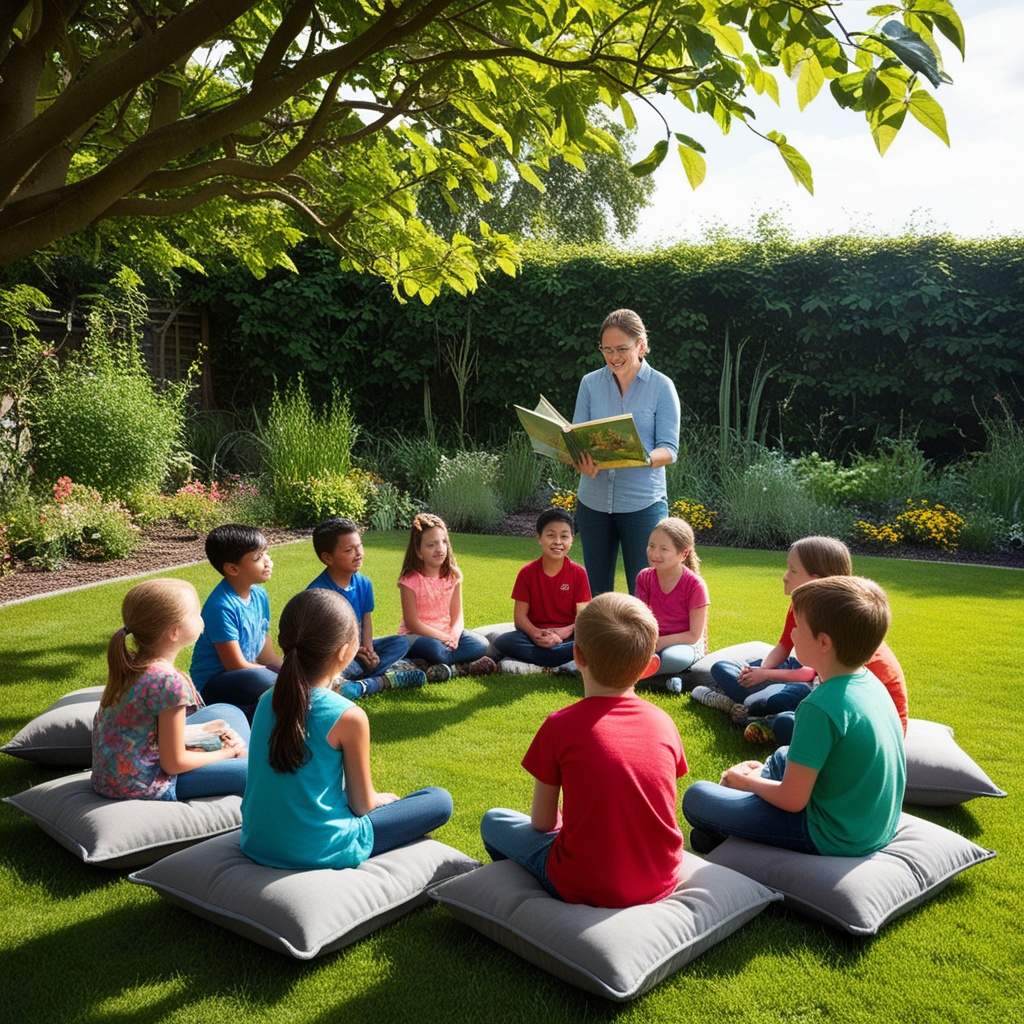
- Content subjects — history, science, and literature. These are read-and-discuss subjects, they can happen on the couch, and they can be done with all your children at once.
That order matters more than the clock times. Skills first, content second, because content is enjoyable enough to survive being last.
Why Morning Time is the anchor
Morning Time is the single habit that changes the feel of a homeschool. It gathers everyone, it front-loads the things that are easy to skip (poetry, art, music, memory work), and it gives the day a starting whistle.
A workable Morning Time: sing something, read a poem aloud, recite the current memory work plus a little older material on a loop, chant the week’s Latin, then spend two silent minutes looking at a painting. That is it. Twenty minutes, and the richest part of the day is already done.
How long each subject should take
| Block | Grades 1–2 | Grades 3–4 | Grades 5–8 |
|---|---|---|---|
| Morning Time | 20 min | 30 min | 30 min |
| Math | 25 min | 35 min | 45–60 min |
| Language arts | 30 min | 45 min | 60 min |
| Latin | 10 min | 15 min | 20–30 min |
| History or science | 25 min | 35 min | 45 min |
| Read-aloud | 20 min | 20 min | 20 min |
| Total | ~2 hrs | ~3 hrs | ~3.5–4 hrs |
If your day is running much longer than this, the usual culprit is written work. Cut the writing before you cut the reading.
Sample schedule: grammar stage (grades 1–4)
| Time | What |
|---|---|
| 8:30 | Morning Time — song, poem, memory work, Latin chant, picture study |
| 9:00 | Math — five minutes of facts, then the lesson |
| 9:35 | Break — outside, snack, move |
| 9:50 | Language arts — phonics or spelling, copywork or dictation, narration |
| 10:30 | Latin — chant the week’s words, hunt English derivatives |
| 10:45 | History (Mon/Tue/Thu) or science (Wed/Fri) — read, narrate, add to the timeline |
| 11:20 | Done. Read-aloud at lunch or bedtime. |
Sample schedule: logic stage (grades 5–8)
| Time | What |
|---|---|
| 8:30 | Morning Time — memory work, poetry, current events or composer study |
| 9:00 | Math — the lesson, then independent practice |
| 10:00 | Break |
| 10:15 | Language arts — grammar, written narration or outlining, writing project |
| 11:15 | Latin |
| 11:45 | Lunch + read-aloud |
| 12:30 | History or science — read, outline, discuss, lab or project |
| 1:15 | Independent reading |
Teaching several ages at once
This is where classical education is unusually practical. Do together: Morning Time, history, science, literature, read-alouds, art, music, handicrafts. Do separately: math, phonics and spelling, handwriting, and the written part of any assignment.
Everyone hears the same chapter about Hannibal crossing the Alps. Your six-year-old narrates two sentences and draws an elephant; your ten-year-old writes a paragraph and labels a map. One lesson, two levels of output.
The weekly rhythm
Most classical families run four strong days and one lighter day. Monday through Thursday carries the core; Friday handles recitation, the timeline review, a nature walk, art or handicrafts, and anything that slipped.
That light fifth day is not laziness — it is the pressure valve that keeps the other four days from collapsing the first time someone gets sick.
Loop scheduling for the extras
Art, music, handicrafts, nature study, and geography rarely survive a daily slot. Put them on a loop instead: keep one list, do the next item whenever the slot comes up, and never try to catch up. If you only reach art every third week, the loop simply moves more slowly. Nothing is “behind.”
Five things that keep the schedule alive
- Do Morning Time even on bad days. If everything falls apart, Morning Time plus a read-aloud still counts as school.
- Put the hardest subject second, right after Morning Time — not last.
- Use a timer for the youngest. “Fifteen minutes” is more motivating than “finish the page.”
- Stack read-alouds onto meals. Lunch and bedtime are the two slots that never get cancelled.
- Expect the schedule to break. The plan is a default to return to, not a contract.
Want the whole year already planned?
Our Complete Classical Homeschool Framework gives you 36 weeks of this rhythm written out day by day for grades 1–4 — Morning Time, math routines, language arts, Latin, history, and science, plus printable planners and a Morning Time card. $39 for the illustrated and print-friendly PDFs.
New to the method? Start with what the trivium is and our classical homeschool curriculum guide. Planning your books? See the classical book list by grade.
Frequently asked questions
How many hours a day is classical homeschooling?
About two hours in grades 1–2, three in grades 3–4, and three and a half to four in grades 5–8, not counting read-aloud time.
What is Morning Time?
A short whole-family block at the start of the day for memory work, poetry, music, and art — the subjects that get skipped if they are left until later.
Do classical homeschoolers school five days a week?
Most run four core days plus a lighter fifth day for review, recitation, art, and catch-up.
How do I schedule several children?
Teach history, science, literature, and Morning Time together; split only math, phonics, and written work by level.
This guide is an educational resource. Adapt any plan to your child and your state’s requirements.
Classical Homeschool Essentials
As an Amazon Associate, HomeschoolingExperts earns from qualifying purchases. Some links in this article are affiliate links, meaning we may earn a small commission at no extra cost to you.

Loved this post? Grab the free resource above.
Plan your whole school year on one page — weekly, monthly, and yearly templates included.