Free Sample Lesson Plan
Math Adventures: Everyday Numbers — drop your email and we'll send the printable PDF.
Creating effective 3rd grade homeschool lesson plans is essential for providing your eight or nine-year-old with a structured, engaging educational experience that builds upon their foundational skills while introducing more complex concepts. Third grade represents a pivotal year where children transition from learning to read to reading to learn, making well-designed lesson plans crucial for academic success.
This comprehensive guide will walk you through everything you need to know about developing, implementing, and adapting 3rd grade homeschool lesson plans that align with educational standards while accommodating your child’s unique learning style. Whether you’re a seasoned homeschooling parent or just beginning your journey, you’ll discover practical strategies, subject-specific guidance, and time-tested approaches to create meaningful learning experiences.
Key Takeaways
- Third grade lesson plans should focus on building reading comprehension, mathematical reasoning, and critical thinking skills
- Effective planning includes daily, weekly, and monthly objectives with built-in flexibility for individual learning needs
- Integration of multiple subjects through thematic units enhances learning retention and engagement
- Assessment and documentation are crucial components of successful homeschool lesson planning
- Utilizing both free and premium resources can create comprehensive, cost-effective educational programs
Understanding Third Grade Learning Requirements
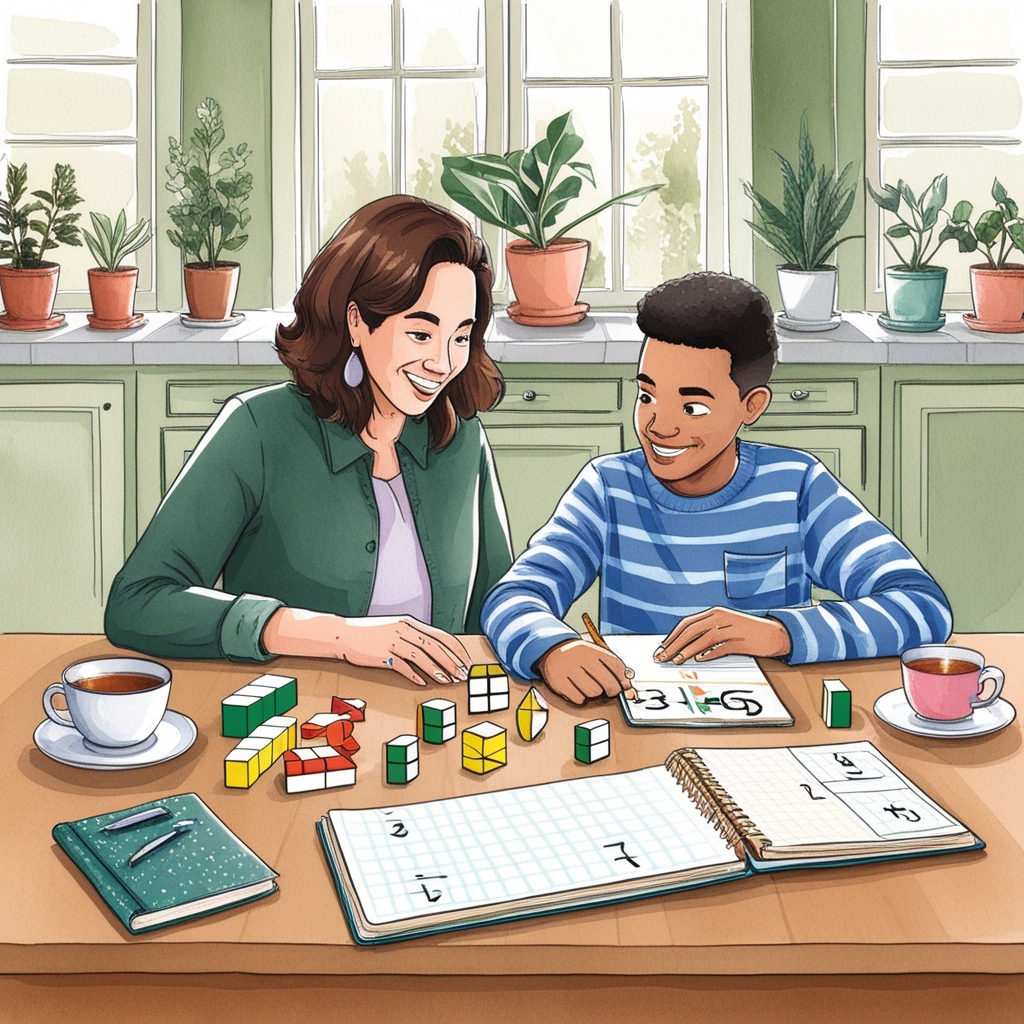
Third grade marks a significant developmental milestone in a child’s educational journey. According to the U.S. Department of Education, this grade level introduces more complex academic concepts while building upon previously learned fundamentals.
Developmental Characteristics of Third Graders
Eight and nine-year-old children typically demonstrate increased attention spans, ranging from 20 to 30 minutes for focused activities. They begin developing abstract thinking skills while still relying heavily on concrete examples and hands-on learning experiences.
Third graders also show greater independence in their learning approach. They can follow multi-step instructions, work on projects over several days, and begin to self-monitor their understanding of concepts.
Academic Milestones and Expectations
Key academic benchmarks for third grade include reading fluency of 90-120 words per minute, comprehension of grade-level texts, and mastery of multiplication and division facts. Students should also demonstrate improved writing skills with proper paragraph structure and varied sentence types.
Science and social studies concepts become more integrated and complex. Children explore topics like ecosystems, community helpers, geography, and basic historical timelines with greater depth than in previous grades.
State Standards Alignment
Most states follow Common Core or similar standards that emphasize critical thinking and problem-solving skills. Your 3rd grade homeschool lesson plans should incorporate these standards while maintaining the flexibility that makes homeschooling effective.
Understanding your state’s specific requirements ensures your child receives a comprehensive education that prepares them for standardized assessments if required. Many homeschooling families find success by using state standards as a framework while adapting content delivery to their child’s learning style.
Essential Components of 3rd Grade Homeschool Lesson Plans
Effective lesson planning requires careful consideration of multiple elements that work together to create meaningful learning experiences. Each component serves a specific purpose in supporting your child’s educational growth and development.
Learning Objectives and Goals
Clear, measurable learning objectives form the foundation of successful lesson plans. These should specify what your child will know or be able to do by the end of each lesson, using action verbs like “identify,” “explain,” “solve,” or “create.”
Weekly and monthly goals provide broader context for daily activities. For example, a monthly goal might be “demonstrate understanding of multiplication concepts through 12×12,” while daily objectives break this into manageable steps.
Materials and Resources List
Comprehensive materials lists prevent interruptions during lesson delivery and ensure you have everything needed for successful learning experiences. Include both physical materials like manipulatives, books, and art supplies, as well as digital resources such as educational websites or apps.
Consider creating a master supply list for frequently used items and specific lists for individual lessons or units. This organization system saves time and reduces stress during lesson preparation.
Assessment Methods
Regular assessment helps you gauge your child’s understanding and adjust instruction accordingly. Third grade assessments can include formal quizzes, informal observations, portfolio collections, and self-reflection activities.
Incorporate both formative assessments (ongoing checks during learning) and summative assessments (evaluation at the end of units). This balanced approach provides comprehensive insight into your child’s progress and areas needing additional support.
Differentiation Strategies
Every child learns differently, making differentiation a crucial component of homeschool lesson planning. Consider your child’s learning style preferences, strengths, and areas for growth when designing activities.
Visual learners benefit from charts, diagrams, and graphic organizers. Auditory learners thrive with discussions, music, and read-aloud activities. Kinesthetic learners need movement, hands-on experiments, and manipulative-based learning opportunities.
Core Subjects Breakdown for Third Grade
A well-rounded third grade education encompasses multiple subject areas, each with specific skills and concepts that build upon previous learning while preparing students for more advanced topics.
Language Arts and Reading
Third grade language arts focuses heavily on reading comprehension and fluent reading skills. Students should read a variety of genres including fiction, non-fiction, poetry, and drama while developing vocabulary and comprehension strategies.
Writing instruction emphasizes the writing process: planning, drafting, revising, editing, and publishing. Students learn to write narratives, informational pieces, and opinion essays with increasing sophistication and detail.
Grammar and mechanics instruction includes parts of speech, sentence types, capitalization, punctuation, and spelling patterns. These skills are best taught within the context of authentic reading and writing experiences rather than in isolation.
Mathematics Concepts and Skills
Third grade mathematics introduces multiplication and division as extensions of addition and subtraction. Students develop number sense with larger numbers and begin working with fractions as parts of whole numbers.
Geometry concepts include identifying and classifying shapes, understanding area and perimeter, and working with coordinate grids. Measurement skills expand to include time, money, weight, and capacity with greater precision.
Problem-solving strategies become increasingly important as word problems require multiple steps and mathematical reasoning. Students learn to identify relevant information, choose appropriate operations, and explain their thinking processes.
Science Exploration
Third grade science emphasizes hands-on investigation and scientific thinking. Life science topics include plant and animal life cycles, habitats, and basic classification systems.
Physical science introduces concepts of matter, energy, motion, and simple machines through experiments and observations. Earth science covers weather patterns, natural resources, and basic geology concepts.
The scientific method becomes more formal as students learn to make hypotheses, conduct controlled experiments, record observations, and draw conclusions based on evidence.
Social Studies Integration
Social studies in third grade often focuses on community studies, geography skills, and basic historical concepts. Students explore their local community, state, and nation while developing map skills and cultural awareness.
Civics education introduces concepts of citizenship, government roles, and community responsibilities. Students learn about rules, laws, and democratic processes through age-appropriate activities and discussions.
Historical thinking skills develop through timeline activities, primary source exploration, and cause-and-effect relationships in historical events.
Creating Effective Weekly Schedules and Daily Routines
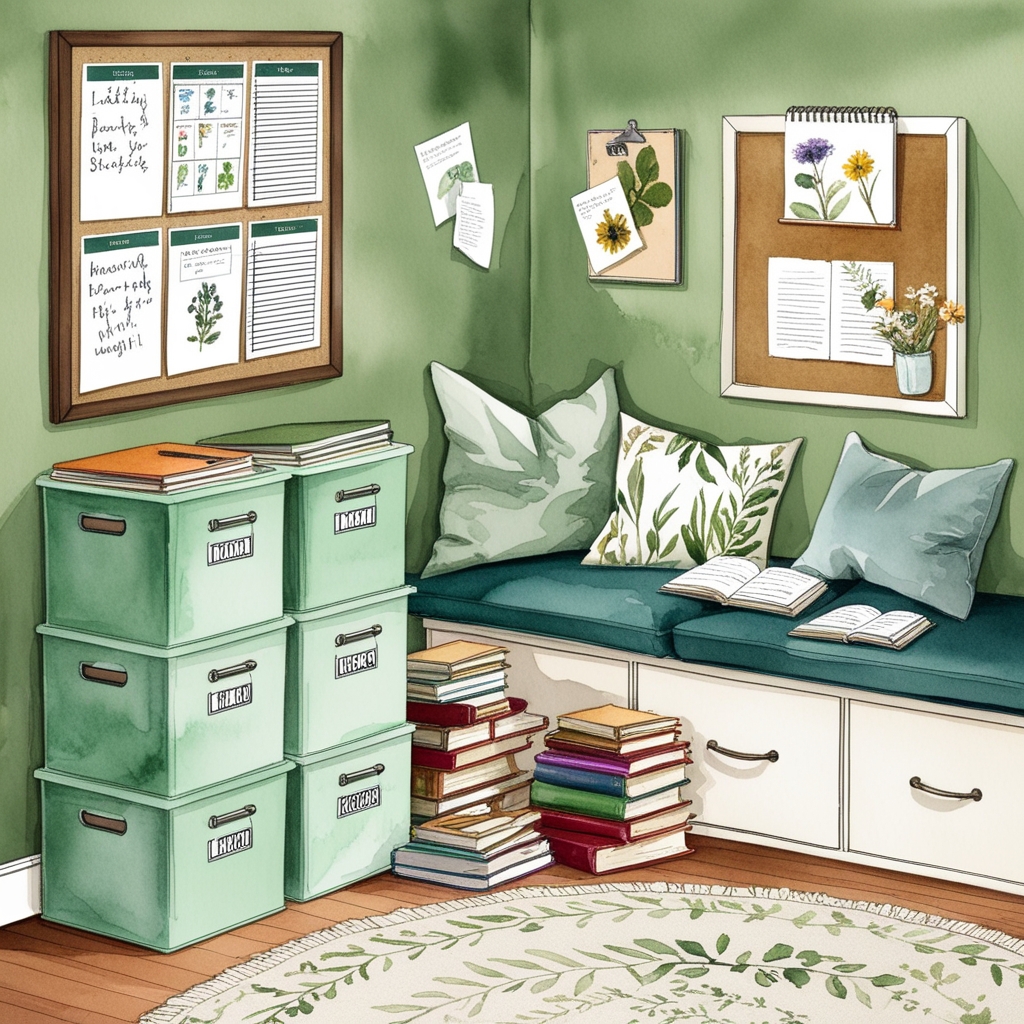
Successful homeschooling requires thoughtful scheduling that balances structure with flexibility. Your weekly schedule should accommodate your family’s lifestyle while ensuring comprehensive coverage of all subject areas.
Time Allocation Guidelines
Research suggests that third graders benefit from 3-4 hours of focused academic instruction daily. This can be divided among subjects based on your child’s needs and attention span capabilities.
A typical daily breakdown might include 60 minutes for language arts, 45 minutes for mathematics, 30 minutes each for science and social studies, and additional time for specials like art, music, or physical education.
Remember that homeschooling efficiency often allows for more learning in less time compared to traditional classroom settings. Quality instruction and individual attention can accomplish significant learning in focused time blocks.
Block Scheduling vs. Traditional Periods
Block scheduling involves longer time periods dedicated to fewer subjects each day, while traditional scheduling covers all subjects daily in shorter periods. Both approaches have merits depending on your child’s learning style and family preferences.
Block scheduling allows for deeper exploration of topics and reduces transition time between subjects. Traditional scheduling provides daily reinforcement of all subjects and may work better for children who need frequent review.
Many homeschooling families find success with hybrid approaches, using longer blocks for core subjects while maintaining shorter daily sessions for skills that benefit from regular practice, such as math facts or reading fluency.
Building in Flexibility
One of homeschooling’s greatest advantages is the ability to adapt to your child’s needs and interests. Build flexibility into your schedule by including buffer time for extended exploration of engaging topics or additional practice with challenging concepts.
Consider seasonal adjustments to your schedule, taking advantage of outdoor learning opportunities in pleasant weather or focusing on indoor projects during harsh winter months.
Plan for interruptions and unexpected events by maintaining a list of backup activities or independent work options that can be implemented when regular schedules need adjustment.
Assessment and Progress Tracking Methods
Effective assessment and documentation are essential components of successful homeschooling. These practices help you monitor your child’s progress, identify areas needing additional support, and maintain records for legal compliance.
Portfolio Development
Creating comprehensive portfolios provides tangible evidence of your child’s learning journey throughout third grade. Include samples of work from each subject area, showing progress over time rather than just final products.
Organize portfolios chronologically or by subject area, depending on your preference and state requirements. Include photos of hands-on projects, science experiments, and field trip experiences that demonstrate learning beyond traditional worksheets.
Regular portfolio reviews with your child encourage self-reflection and goal-setting. Children take pride in seeing their progress and often become motivated to improve areas where growth is needed.
Formal and Informal Assessment Tools
Combine formal assessments like unit tests or standardized evaluations with informal observations and discussions. This comprehensive approach provides a complete picture of your child’s understanding and abilities.
Create rubrics for major projects and writing assignments to ensure consistent evaluation criteria. Share these rubrics with your child before beginning assignments so they understand expectations and can self-assess their work.
Consider using online assessment tools and educational platforms that provide immediate feedback and track progress over time. Many of these resources offer detailed reports that can supplement your record-keeping efforts.
Record Keeping Systems
Establish organized record-keeping systems from the beginning of your homeschool year. Whether you prefer digital or physical records, consistency is key to maintaining comprehensive documentation.
Track attendance, subjects covered, materials used, and hours spent on educational activities. Many states have specific requirements for homeschool record-keeping, so familiarize yourself with local regulations.
The lesson plan shop offers various templates and organizational tools to streamline your record-keeping process and ensure you maintain thorough documentation.
Resources and Materials for Lesson Planning
Access to quality educational resources significantly impacts the effectiveness of your 3rd grade homeschool lesson plans. A combination of free and premium materials can provide comprehensive coverage of all subject areas while accommodating various learning styles.
Free Educational Resources
Numerous high-quality free resources are available to homeschooling families. Khan Academy offers comprehensive mathematics instruction with interactive exercises and progress tracking. The Library of Congress provides primary sources and educational materials for social studies and history lessons.
NASA’s educational website features space science activities and experiments perfect for third-grade exploration. The Smithsonian’s online resources include virtual museum tours and educational games across multiple subjects.
Public libraries often provide access to digital databases, educational software, and extensive book collections. Many libraries also offer homeschool support groups and educational programming specifically designed for home-educated children.
Curriculum Packages and Programs
Complete curriculum packages can provide structure and comprehensive scope and sequence for families who prefer all-in-one solutions. Popular options include Time4Learning, Abeka, and Sonlight, each offering different approaches and philosophies.
Unit study programs like KONOS or Beautiful Feet Books integrate multiple subjects around central themes, appealing to families who prefer holistic learning approaches. These programs often require more parent preparation but offer rich, interconnected learning experiences.
Consider your teaching comfort level, available preparation time, and child’s learning preferences when selecting curriculum packages. Many companies offer samples or trial periods to help you make informed decisions.
Hands-On Materials and Manipulatives
Third graders benefit greatly from concrete, hands-on learning experiences. Mathematics manipulatives like base-ten blocks, fraction circles, and multiplication arrays help students visualize abstract concepts.
Science equipment including magnifying glasses, measuring tools, and simple chemistry sets enable engaging experiments and observations. Art supplies, construction materials, and craft items support creative expression and project-based learning.
Many everyday household items can serve as effective learning materials. Empty containers become measurement tools, kitchen ingredients transform into science experiments, and cardboard boxes inspire engineering challenges.
Technology Integration
Educational technology can enhance traditional instruction when used purposefully and in moderation. Interactive whiteboards or tablets enable engaging presentations and student interaction with digital content.
Educational apps and software programs provide personalized practice opportunities and immediate feedback. Research-based programs like IXL Math or Reading A-Z offer comprehensive skill development with detailed progress reports.
Virtual field trips and online museum tours expand learning opportunities beyond your local area. Video conferencing can connect your child with experts, other homeschooling families, or educational programs worldwide.
Common Challenges and Solutions
Even experienced homeschooling families encounter challenges when implementing lesson plans. Recognizing common obstacles and having strategies ready can help you navigate difficulties and maintain positive learning experiences.
Motivation and Engagement Issues
Children may lose interest in subjects or resist certain activities, particularly those they find challenging. Combat this by incorporating your child’s interests into lessons whenever possible and varying instructional methods regularly.
Gamification techniques can transform mundane practice into engaging activities. Create math fact races, spelling competitions, or science investigation challenges that make learning feel like play.
Break large tasks into smaller, manageable chunks with built-in celebration points. This approach prevents overwhelming feelings and provides regular opportunities for success and recognition.
Time Management Difficulties
Balancing comprehensive education with family life requires careful time management. Create realistic schedules that account for your family’s energy levels and other commitments.
Prepare materials in advance to minimize interruptions during lesson time. Consider batch preparation sessions where you organize supplies and resources for an entire week.
Use timers and visual schedules to help children understand expectations and transitions. Many third graders respond well to knowing how long activities will last and what comes next in their day.
Adapting to Different Learning Styles
Children may struggle with certain instructional methods or show preferences for specific types of activities. Observe your child carefully and adjust your approach based on what works best for them.
Provide multiple ways to demonstrate understanding, such as verbal explanations, written responses, artistic representations, or hands-on projects. This variety ensures all children can show their knowledge effectively.
Don’t hesitate to modify or abandon lesson plans that aren’t working. Flexibility is one of homeschooling’s greatest advantages, so use it to benefit your child’s learning experience.
Maintaining Consistency
Life interruptions, illness, or motivation fluctuations can disrupt established routines. Build buffer time into your annual planning to accommodate these inevitable disruptions.
Create simplified lesson plan alternatives for challenging days when full implementation isn’t possible. These might include educational videos, independent reading time, or review activities requiring minimal preparation.
Remember that consistency over perfection leads to long-term success. Some learning is always better than no learning, so be gentle with yourself and your child during difficult periods.
Sample Lesson Plans and Templates
Concrete examples help illustrate effective lesson planning principles and provide starting points for your own 3rd grade homeschool lesson plans. These samples demonstrate how to integrate multiple subjects while maintaining clear objectives and engaging activities.
Integrated Thematic Unit Example
A week-long unit on “Community Helpers” can incorporate all subject areas while maintaining student engagement through connected learning experiences. Begin with reading books about various community jobs, then explore the mathematics involved in different professions.
Science connections might include studying tools and simple machines used by different workers, while social studies explores how communities function and depend on various services. Writing activities can include thank-you letters to local community helpers or creative stories about different jobs.
Art projects might involve creating community helper costumes or drawing neighborhood maps showing where different workers serve the community. This integrated approach reinforces learning across subjects while maintaining student interest through varied activities.
Daily Schedule Template
A structured daily template provides consistency while allowing for subject-specific adaptations. Begin with a morning routine that includes calendar time, weather observation, and daily goal setting.
Core academic subjects typically work best during peak attention hours, usually mid-morning for most children. Schedule more challenging subjects like mathematics during these optimal learning periods.
Include regular breaks for physical activity, snacks, and free play. These breaks help maintain attention and prevent fatigue during longer learning sessions.
Subject-Specific Lesson Structure
Mathematics lessons might follow a consistent structure: warm-up review, new concept introduction, guided practice, independent work, and closing assessment. This predictable format helps children feel secure while ensuring comprehensive skill development.
Reading lessons often include phonics review, fluency practice, comprehension instruction, and independent reading time. Vary the specific activities within this structure to maintain engagement while building essential skills.
Science lessons typically include observation, hypothesis formation, experimentation, data recording, and conclusion discussion. This scientific method approach develops critical thinking skills alongside content knowledge.
Assessment Integration
Embed assessment opportunities throughout lessons rather than treating them as separate activities. Quick comprehension checks during reading, math fact fluency timing, or science observation recordings provide ongoing feedback without feeling like formal tests.
Weekly reflection sessions where children discuss their learning, challenges, and goals help develop metacognitive skills while providing assessment information. These conversations often reveal understanding that formal assessments might miss.
Portfolio conferences every few weeks allow children to share their favorite work and explain their learning process. These discussions provide rich assessment data while building communication skills and self-confidence.
Frequently Asked Questions
How long should each subject be taught daily in third grade?
Most third graders benefit from 45-60 minutes of language arts, 30-45 minutes of mathematics, and 20-30 minutes each for science and social studies. However, adjust these times based on your child’s attention span and learning needs. Quality instruction matters more than specific time requirements.
What are the most important skills for third graders to master?
Critical third grade skills include reading fluency and comprehension, multiplication and division facts, multi-step problem solving, paragraph writing with proper structure, and basic research skills. These foundational abilities prepare students for more complex fourth grade concepts.
How do I know if my lesson plans are meeting state standards?
Review your state’s academic standards documents and compare them to your lesson objectives and activities. Many homeschool curriculum providers align their materials with state standards, or you can use standards-based checklists to ensure comprehensive coverage throughout the year.
Should I use a complete curriculum package or create my own lesson plans?
The choice depends on your teaching comfort level, available time, and child’s needs. Complete packages provide structure and scope-and-sequence but may lack flexibility. Creating your own plans offers customization but requires more preparation time. Many families successfully combine both approaches.
How often should I assess my third grader’s progress?
Conduct informal assessments daily through observation and discussion, formal subject assessments weekly or bi-weekly, and comprehensive evaluations monthly or quarterly. Regular assessment helps identify learning gaps early and adjust instruction accordingly.
What should I do when my child struggles with certain subjects?
First, identify the specific skill causing difficulty and break it into smaller components. Try different teaching methods, provide additional practice opportunities, or seek resources that match your child’s learning style. Don’t hesitate to slow down or revisit prerequisite skills if necessary.
How can I make lesson planning more efficient?
Batch similar planning tasks together, use templates and checklists, prepare materials in advance, and maintain organized resource collections. Consider using planning software or apps designed for homeschoolers, and don’t hesitate to modify existing plans rather than creating everything from scratch.
Elementary Curriculum Favorites
As an Amazon Associate, HomeschoolingExperts earns from qualifying purchases. Some links in this article are affiliate links, meaning we may earn a small commission at no extra cost to you.
Conclusion
Creating effective 3rd grade homeschool lesson plans requires thoughtful consideration of your child’s developmental needs, learning style, and academic goals. By incorporating the strategies and principles outlined in this guide, you can develop comprehensive educational experiences that foster both academic growth and love of learning.
Remember that successful homeschooling is a journey, not a destination. Your lesson plans will evolve as you gain experience and better understand your child’s unique needs. Embrace the flexibility that homeschooling offers while maintaining the structure necessary for comprehensive education.
The investment you make in thoughtful lesson planning will pay dividends in your child’s academic success and personal development. Trust your instincts, celebrate progress, and remember that you are providing your child with a personalized education that no traditional classroom can match.
Ready to start planning your third grade homeschool year? Visit our lesson plans category for additional resources and inspiration, or explore our comprehensive collection of educational materials to support your teaching journey.
Related Resources
- Grade Level Guides – Comprehensive information for all elementary grades
- Scheduling and Planning – Time management strategies for homeschool families
- Curriculum Methods – Different approaches to homeschool education
Loved this post? Grab the free resource above.
Math Adventures: Everyday Numbers — drop your email and we'll send the printable PDF.