Free Curriculum Comparison Guide
Compare Charlotte Mason, Classical, Montessori, Waldorf, and more in one printable side-by-side guide.
Choosing the right 7th grade homeschool curriculum is a pivotal decision that can shape your child’s educational journey during these crucial middle school years. Seventh grade represents a significant transition period where students develop more independent learning skills, tackle advanced concepts, and begin preparing for high school-level coursework.
This comprehensive guide explores everything you need to know about selecting, implementing, and succeeding with a 7th grade homeschool curriculum. From understanding core subject requirements to choosing between different educational approaches, we’ll help you create an engaging and effective learning environment that meets your child’s unique needs and learning style.
Whether you’re new to homeschooling or transitioning from elementary curriculum, this article provides practical insights, curriculum recommendations, and expert tips to ensure your 7th grader receives a well-rounded education that builds confidence and academic excellence.
Key Takeaways
- 7th grade curriculum should include core subjects: English Language Arts, Mathematics, Science, Social Studies, and electives
- Students typically need 5-6 hours of focused study time daily across all subjects
- Choose between structured, unit study, Charlotte Mason, or eclectic approaches based on your child’s learning style
- Incorporate hands-on activities, technology, and real-world applications to maintain engagement
- Regular assessment and flexibility in curriculum choices ensure continued academic progress
Essential Core Subjects for 7th Grade Homeschool Curriculum

A comprehensive 7th grade homeschool curriculum typically includes five core academic areas that form the foundation of middle school education. Understanding the scope and expectations for each subject helps parents make informed decisions about curriculum selection and daily instruction.
English Language Arts Requirements
Seventh grade English Language Arts focuses on developing advanced reading comprehension, writing skills, and critical thinking abilities. Students should engage with increasingly complex texts, including classic literature, contemporary fiction, and informational texts.
Key components of 7th grade ELA include:
- Reading comprehension strategies for fiction and non-fiction texts
- Vocabulary development through context clues and word analysis
- Writing instruction covering narrative, expository, and persuasive essays
- Grammar and mechanics reinforcement
- Research skills and citation practices
- Literary analysis and interpretation
Most education experts recommend dedicating 60-90 minutes daily to English Language Arts instruction. This time should be divided between reading, writing practice, and skill-building activities that reinforce comprehension and communication abilities.
Mathematics Curriculum Standards
Seventh grade mathematics typically covers pre-algebra concepts that prepare students for high school algebra. The curriculum builds upon elementary arithmetic skills while introducing more abstract mathematical thinking and problem-solving strategies.
Essential 7th grade math topics include:
- Rational numbers and operations with integers
- Proportional relationships and percentages
- Algebraic expressions and simple equations
- Geometric concepts including area, volume, and angle relationships
- Data analysis, statistics, and probability
- Problem-solving strategies and mathematical reasoning
Mathematics instruction typically requires 45-60 minutes of daily focused study time. Many successful homeschooling families find that consistent daily practice with immediate feedback produces the best results in mathematical understanding and retention.
Science Exploration and Inquiry
Middle school science curriculum emphasizes hands-on investigation, scientific method application, and interdisciplinary connections. Seventh grade often focuses on life science or integrated science approaches that combine biology, chemistry, and physics concepts.
Common 7th grade science topics encompass:
- Cell structure and function
- Genetics and heredity basics
- Ecosystems and environmental interactions
- Matter and chemical changes
- Energy transfer and conservation
- Scientific method and experimental design
According to the U.S. Department of Education, effective science instruction should include laboratory experiences, real-world applications, and opportunities for students to ask questions and design investigations.
Social Studies and History
Social studies curriculum for 7th grade varies significantly by state and educational approach. Many programs focus on world history, American history, or geography, depending on the chosen scope and sequence.
Typical 7th grade social studies content includes:
- Historical thinking skills and chronological reasoning
- Geographic literacy and map skills
- Cultural awareness and global perspectives
- Government systems and civic responsibility
- Economic principles and personal finance basics
- Primary source analysis and historical interpretation
Popular 7th Grade Homeschool Curriculum Approaches
Selecting the right educational philosophy and approach significantly impacts your child’s learning experience and academic success. Different curriculum methodologies cater to various learning styles, family preferences, and educational goals.
Traditional Structured Approach
Traditional structured curricula provide comprehensive scope and sequence with detailed lesson plans, textbooks, and assessment materials. This approach works well for families who prefer clear guidelines and systematic progression through academic content.
Benefits of structured curriculum include:
- Complete educational programs with all materials provided
- Clear daily and weekly lesson plans
- Built-in assessment and progress tracking
- Reduced preparation time for parents
- Alignment with state standards and grade-level expectations
Popular structured options include programs like Abeka, Bob Jones University Press, and Sonlight, which provide comprehensive materials and detailed teaching instructions for parents new to homeschooling.
Unit Study Method
Unit studies integrate multiple subjects around central themes or topics, creating connections between different academic disciplines. This approach appeals to families who prefer thematic learning and want to accommodate multiple grade levels simultaneously.
Unit study advantages encompass:
- Natural integration of subjects and skills
- Flexibility to pursue student interests
- Accommodation of different learning styles
- Real-world connections and practical applications
- Ability to teach multiple children together
Charlotte Mason Philosophy
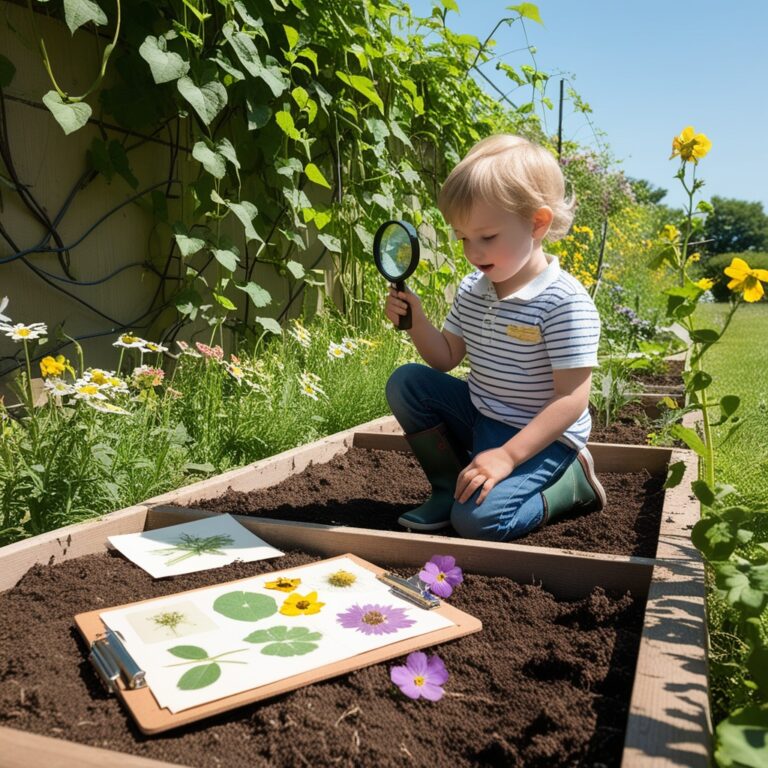
The Charlotte Mason approach emphasizes living books, nature study, and short lessons that respect the child’s attention span and natural curiosity. This method focuses on developing good habits, character formation, and a love of learning.
Key Charlotte Mason principles include:
- Use of living books instead of textbooks
- Narration as the primary assessment method
- Regular nature study and outdoor time
- Art and music appreciation
- Short, focused lessons (15-20 minutes for middle school)
- Habit training and character development
Eclectic Homeschooling Approach
Many experienced homeschooling families adopt an eclectic approach, combining elements from various educational philosophies and curriculum sources. This method allows maximum flexibility and customization based on individual student needs and family circumstances.
Eclectic homeschooling benefits include:
- Customization for individual learning styles and interests
- Flexibility to change approaches as needed
- Cost-effective use of resources
- Ability to incorporate the best aspects of different methods
- Adaptation to family lifestyle and schedule
Top Curriculum Options and Programs
Choosing specific curriculum materials requires careful consideration of your child’s learning style, your teaching preferences, and your educational goals. The following options represent some of the most popular and effective 7th grade homeschool curriculum choices available today.
Complete Curriculum Packages
All-in-one curriculum packages provide comprehensive coverage of all core subjects with coordinated materials and consistent educational philosophy. These programs work well for families who prefer convenience and systematic approach to education.
Time4Learning offers an online curriculum platform that includes interactive lessons, automated grading, and progress tracking. The program covers all core subjects with engaging multimedia content and self-paced learning options.
Switched-On Schoolhouse provides computer-based curriculum with automatic lesson planning, grading, and record keeping. This program appeals to tech-savvy families and students who enjoy interactive digital learning environments.
Oak Meadow combines traditional and Waldorf educational approaches with flexible scheduling and creative learning activities. Their curriculum emphasizes artistic expression, hands-on learning, and connection with nature.
Subject-Specific Curriculum Recommendations
Many families prefer mixing and matching curriculum from different publishers to create a customized educational program that addresses each child’s specific strengths and challenges in individual subjects.
For mathematics instruction, Teaching Textbooks provides self-teaching math curriculum with built-in explanations and immediate feedback. Math Mammoth offers a mastery-based approach with clear explanations and plenty of practice problems.
English Language Arts options include Institute for Excellence in Writing for structured writing instruction and All About Reading for systematic phonics and reading comprehension development.
Science curriculum choices encompass Apologia for creation-based science education and Real Science Odyssey for hands-on, inquiry-based learning that emphasizes scientific thinking and investigation skills.
Online and Digital Resources
Digital curriculum options provide interactive learning experiences, immediate feedback, and automatic progress tracking that appeals to many modern families. These resources often supplement traditional materials or serve as complete curriculum solutions.
Khan Academy offers free, comprehensive courses in mathematics, science, and other subjects with video lessons and practice exercises. The platform adapts to student progress and provides personalized learning recommendations.
IXL Learning provides practice problems and skill development across multiple subjects with detailed progress reports and adaptive questioning that adjusts to student ability levels.
Creating an Effective 7th Grade Schedule

Developing a realistic and sustainable daily schedule is crucial for homeschooling success. Seventh graders benefit from structure while also needing flexibility to accommodate their developing independence and changing interests.
Time Management and Daily Structure
Most 7th grade students can handle 5-6 hours of focused academic work per day, including breaks and transitions between subjects. However, the specific schedule should reflect your family’s lifestyle, your child’s attention span, and peak learning times.
A typical 7th grade daily schedule might include:
- 8:00-9:00 AM: Mathematics (60 minutes)
- 9:15-10:15 AM: English Language Arts (60 minutes)
- 10:30-11:30 AM: Science (60 minutes)
- 11:30 AM-12:30 PM: Lunch break
- 12:30-1:15 PM: Social Studies (45 minutes)
- 1:30-2:15 PM: Elective or enrichment activity (45 minutes)
- 2:15-3:00 PM: Independent reading or study time
Remember that homeschooling allows for flexibility in scheduling. Some families prefer block scheduling with longer periods for fewer subjects each day, while others benefit from shorter, more frequent subject rotations.
Incorporating Breaks and Physical Activity
Middle school students need regular breaks to maintain focus and process information effectively. Research shows that physical activity improves cognitive function and academic performance, making movement breaks essential components of effective scheduling.
Effective break strategies include:
- 10-15 minute breaks between subjects
- Physical activity or outdoor time mid-morning
- Longer lunch break with free time
- Afternoon physical education or sports
- Brain breaks with stretching or quick exercises
Balancing Structure and Flexibility
Successful homeschooling schedules provide enough structure to ensure academic progress while maintaining flexibility for family life, field trips, and unexpected opportunities for learning.
Consider implementing flexible scheduling through:
- Four-day school weeks with Fridays for field trips
- Seasonal schedule adjustments
- Project-based learning periods
- Student choice in daily subject order
- Accommodation for family travel and activities
Assessment and Progress Tracking
Regular assessment helps ensure your 7th grader is making appropriate academic progress and mastering essential skills. Effective evaluation combines formal testing with informal observation and portfolio development.
Formal Assessment Methods
Standardized testing provides objective measures of academic achievement compared to national norms. Many states require annual testing for homeschooled students, while other families choose testing for their own information and peace of mind.
Popular testing options include:
- Iowa Test of Basic Skills (ITBS)
- California Achievement Test (CAT)
- Stanford Achievement Test
- Comprehensive Test of Basic Skills (CTBS)
The Home School Legal Defense Association provides detailed information about testing requirements and options for homeschooling families in each state.
Portfolio and Project-Based Assessment
Portfolio assessment allows students to demonstrate learning through collected work samples, projects, and reflections. This method provides a comprehensive view of student progress and growth over time.
Effective portfolio elements include:
- Writing samples from different genres and time periods
- Science lab reports and investigation summaries
- Math problem-solving demonstrations
- Social studies research projects
- Art and creative work examples
- Student self-reflection and goal-setting documents
Record Keeping and Documentation
Maintaining detailed records of curriculum used, hours of instruction, and academic progress is important for legal compliance and future educational planning. Good record keeping also helps parents identify areas of strength and needed improvement.
Essential records to maintain include:
- Daily attendance and hours of instruction
- Curriculum and materials used for each subject
- Grades and assessment results
- Extracurricular activities and achievements
- Field trips and educational experiences
For comprehensive lesson planning and record keeping resources, visit our lesson plan shop where you’ll find templates and tools designed specifically for homeschooling families.
Special Considerations for Middle School Learners
Seventh grade represents a unique developmental stage where students experience significant physical, emotional, and cognitive changes. Understanding these characteristics helps parents adapt their 7th grade homeschool curriculum to meet their child’s evolving needs.
Developmental Characteristics of 7th Graders
Middle school students are transitioning from concrete to abstract thinking while developing greater independence and self-awareness. These changes affect how they learn best and what motivates them academically.
Typical 7th grade characteristics include:
- Increased capacity for abstract and critical thinking
- Growing desire for independence and autonomy
- Heightened social awareness and peer influence
- Physical changes affecting attention and energy levels
- Development of personal interests and passions
- Need for meaningful, relevant learning experiences
Addressing Learning Differences
Middle school is often when learning differences become more apparent as academic demands increase. Homeschooling provides unique opportunities to accommodate different learning styles and address individual challenges.
Strategies for supporting diverse learners include:
- Multi-sensory teaching approaches
- Flexible pacing and scheduling
- Alternative assessment methods
- Technology tools and assistive devices
- Strength-based learning opportunities
- Regular communication with educational professionals
Building Independence and Responsibility
Seventh grade is an ideal time to begin transferring educational responsibility from parent to student. This gradual transition prepares students for high school success and develops important life skills.
Ways to encourage independence include:
- Student-led goal setting and progress monitoring
- Choice in learning methods and materials
- Self-directed research projects
- Time management skill development
- Peer teaching and collaboration opportunities
- Real-world application of academic skills
Resources and Support for Parents
Successful homeschooling requires ongoing support, resources, and connection with other families sharing similar educational goals. Building a strong support network enhances both parent confidence and student success.
Local Homeschool Communities
Connecting with local homeschooling families provides social opportunities for students and practical support for parents. Many communities offer co-ops, support groups, and organized activities that enrich the homeschooling experience.
Local resources typically include:
- Homeschool co-operatives offering specialized classes
- Support groups for parents and social groups for students
- Field trip organizations and group activities
- Curriculum swaps and resource sharing
- Experienced mentor families
- Local library homeschool programs
Online Communities and Resources
Digital communities provide 24/7 access to advice, encouragement, and educational resources from homeschooling families worldwide. These platforms offer specialized support for specific curriculum approaches, learning differences, and grade levels.
Valuable online resources include:
- Facebook groups for curriculum-specific support
- Educational blogs and websites
- Online forums and discussion boards
- Virtual co-ops and classes
- Educational YouTube channels and podcasts
- Free printable resources and lesson plans
Professional Development for Parents
Continuing education for homeschooling parents improves teaching effectiveness and student outcomes. Many organizations offer workshops, conferences, and online courses designed specifically for homeschooling families.
Professional development opportunities encompass:
- Annual homeschool conferences and conventions
- Online workshops and webinars
- Curriculum training programs
- Teaching method courses
- Special needs and learning difference training
- High school planning and preparation seminars
For additional guidance and support in your homeschooling journey, explore our comprehensive resources and connect with our team through our about page to learn more about our mission and expertise.
Frequently Asked Questions
How many hours per day should a 7th grader spend on homeschool curriculum?
Most 7th graders need 5-6 hours of focused academic work daily, including breaks. This typically breaks down to 45-90 minutes per core subject, depending on the student’s attention span and learning pace. Remember that homeschooling is often more efficient than traditional classroom instruction, so less time may be needed to cover the same material.
What are the most important subjects to focus on in 7th grade?
The core subjects for 7th grade include English Language Arts, Mathematics (typically pre-algebra), Science, and Social Studies. Additionally, students should have regular physical education, and many families add electives like foreign language, art, or music. Mathematics and reading skills are particularly crucial as they form the foundation for high school success.
How do I know if my 7th grader is keeping up with grade-level expectations?
Regular assessment through standardized testing, portfolio reviews, and curriculum-based evaluations helps track progress. Many homeschooling families use annual standardized tests, maintain learning portfolios, and compare their student’s work to grade-level standards. If you have concerns, consider consulting with educational professionals or experienced homeschooling mentors.
Can I mix different curriculum programs for different subjects?
Yes, many successful homeschooling families use an eclectic approach, selecting the best curriculum for each subject based on their child’s learning style and needs. This allows you to use a structured math program alongside a literature-based reading curriculum, for example. Just ensure that your overall program covers all required subjects and maintains appropriate academic rigor.
What if my 7th grader is struggling with independence and self-motivation?
This is common during middle school years. Gradually increase independence by starting with small responsibilities like tracking assignments or choosing the order of daily subjects. Use incentives, set clear expectations, and provide plenty of encouragement. Consider incorporating more hands-on activities, real-world connections, and student choice in learning topics to increase engagement.
How do I prepare my 7th grader for high school while homeschooling?
Focus on developing strong study skills, time management, and independent learning abilities. Ensure solid foundations in core subjects, especially mathematics and writing. Begin introducing more rigorous coursework and higher expectations for quality work. Consider dual enrollment options, online high school courses, or local community college classes as your student approaches 9th grade.
What are the legal requirements for homeschooling a 7th grader?
Legal requirements vary significantly by state, including attendance records, curriculum standards, testing requirements, and notification procedures. Some states have minimal requirements while others are more regulated. Contact your state’s department of education or consult with HSLDA for specific requirements in your location. Maintaining good records is important regardless of your state’s requirements.
📚 Recommended Homeschool Resources
As an Amazon Associate, I earn from qualifying purchases. Some links in this article are affiliate links, meaning I may earn a small commission at no extra cost to you.
Conclusion
Selecting and implementing an effective 7th grade homeschool curriculum requires careful consideration of your child’s learning style, developmental needs, and educational goals. The middle school years represent a crucial transition period where students develop independence, critical thinking skills, and academic foundations for high school success.
Remember that successful homeschooling is not about finding the perfect curriculum, but rather about creating a learning environment that adapts to your child’s changing needs and interests. Whether you choose a structured program, eclectic approach, or specialized methodology, the key is maintaining flexibility while ensuring comprehensive coverage of essential academic skills.
The investment you make in your 7th grader’s education today will pay dividends throughout their academic career and beyond. By providing personalized instruction, fostering independence, and maintaining high expectations, you’re preparing your child for success in high school, college, and life.
Take the time to research your options, connect with other homeschooling families, and trust your instincts as you make curriculum decisions. Your dedication to your child’s education and willingness to adapt your approach as needed are the most important factors in homeschooling success.
Ready to take the next step in your homeschooling journey? Contact us for personalized guidance and support in selecting the perfect 7th grade curriculum for your family’s unique needs.
Related Resources
Explore these additional resources to support your homeschooling journey:
- Complete Grade Level Guides – Comprehensive curriculum guidance for every grade level
- Curriculum Methods and Approaches – Detailed information about different homeschooling philosophies and methods
- Scheduling and Planning Resources – Tools and strategies for creating effective homeschool schedules and lesson plans
Related Guides & Resources

Loved this post? Grab the free resource above.
Compare Charlotte Mason, Classical, Montessori, Waldorf, and more in one printable side-by-side guide.