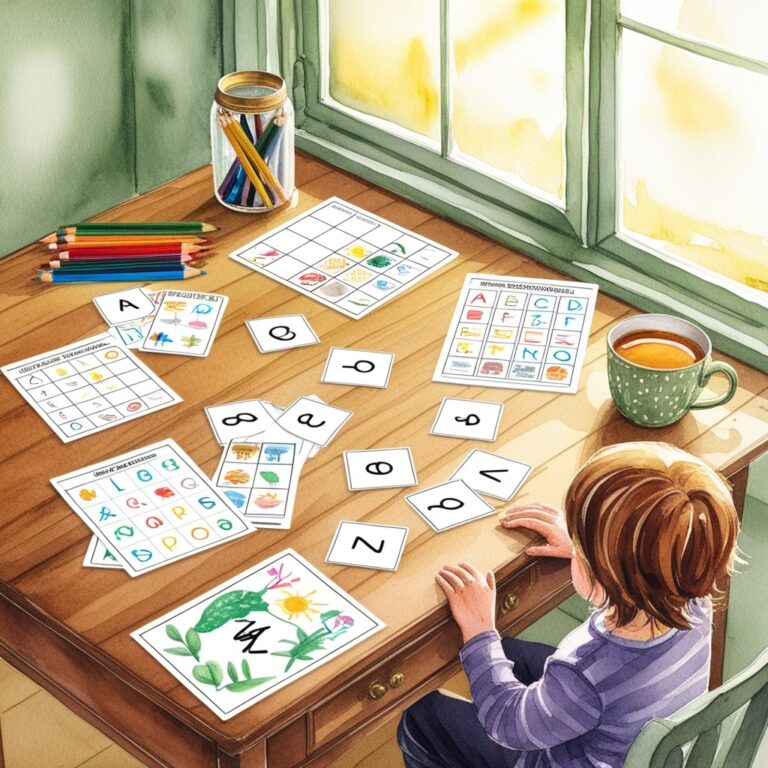
Free Sample Lesson Plan
Math Adventures: Everyday Numbers — drop your email and we'll send the printable PDF.
Creating effective 8th grade homeschool lesson plans is crucial for providing your teenager with a comprehensive and engaging education that prepares them for high school success. At this pivotal stage, students need structured learning experiences that challenge them academically while accommodating their growing independence and diverse learning styles.
Eighth grade represents a critical transition period where students develop advanced critical thinking skills, explore complex subject matter, and begin preparing for the academic rigor of high school. Well-designed lesson plans ensure your homeschooled teen receives a balanced education across all core subjects while maintaining the flexibility that makes homeschooling so effective.
This comprehensive guide will walk you through everything you need to know about developing, implementing, and adapting 8th grade homeschool lesson plans that meet your student’s unique needs and learning objectives.
Key Takeaways
- Eighth grade lesson plans should balance structure with flexibility to accommodate growing independence
- Core subjects require 5-7 hours of daily instruction across math, science, language arts, social studies, and electives
- Integration of technology and real-world applications enhances engagement and practical learning
- Regular assessment and adaptation ensure lesson plans meet individual learning needs
- Planning ahead with seasonal themes and project-based learning keeps students motivated
Understanding Eighth Grade Academic Requirements

Before diving into specific lesson plan creation, it’s essential to understand what eighth grade students should accomplish academically. According to the U.S. Department of Education, eighth graders should demonstrate mastery in critical thinking, complex problem-solving, and advanced communication skills across all subject areas.
State Standards and Learning Objectives
Most states require eighth grade students to complete specific learning benchmarks in core subjects. These typically include advanced algebraic concepts in mathematics, complex literary analysis in language arts, detailed historical studies in social studies, and comprehensive scientific inquiry in science.
Research your state’s specific requirements through your department of education website. Many states align with Common Core Standards or have developed their own comprehensive guidelines that outline expected competencies for eighth grade completion.
Typical Course Load and Time Allocation
A well-balanced eighth grade schedule typically includes:
- Mathematics: 60-90 minutes daily (Pre-Algebra or Algebra I)
- Language Arts: 60-90 minutes daily (Literature, Writing, Grammar)
- Science: 45-60 minutes daily (Earth Science, Physical Science, or Biology)
- Social Studies: 45-60 minutes daily (American History, World Geography)
- Electives: 30-45 minutes daily (Art, Music, Foreign Language, Life Skills)
- Physical Education: 30 minutes daily or 150 minutes weekly
Developmental Considerations
Eighth graders are typically 13-14 years old and experiencing significant cognitive and emotional development. They’re developing abstract thinking abilities, seeking more independence, and beginning to form stronger personal interests and career awareness.
Your 8th grade homeschool lesson plans should accommodate these developmental changes by incorporating more student choice, collaborative projects, and real-world applications that connect learning to their emerging interests and future goals.
Core Subject Lesson Planning Strategies
Effective lesson planning for eighth grade requires a systematic approach that balances academic rigor with engaging, age-appropriate activities. The key is creating structured plans that maintain flexibility for individual learning styles and pacing needs.
Weekly and Monthly Planning Framework
Start with a monthly overview that outlines major topics, projects, and assessments for each subject. Break this down into weekly plans that specify daily objectives, activities, and materials needed.
Consider using a planning template that includes sections for learning objectives, materials needed, instructional activities, assessment methods, and notes for adaptation. This systematic approach ensures comprehensive coverage while maintaining organization.
Integrating Multiple Learning Styles
Eighth grade students benefit from varied instructional approaches that accommodate different learning preferences. Include visual elements like charts and diagrams, auditory components such as discussions and presentations, and kinesthetic activities involving hands-on experiments and projects.
Rotate between different instructional methods throughout the week to keep students engaged and ensure all learning styles are addressed regularly.
Building Independence and Critical Thinking
At this level, students should begin taking more responsibility for their learning. Design lesson plans that include opportunities for independent research, self-directed projects, and peer collaboration.
Include reflection activities where students analyze their own learning progress and set goals for improvement. This metacognitive approach helps develop the self-awareness and self-regulation skills essential for high school success.
Creating Effective 8th Grade Lesson Plans
The foundation of successful homeschooling lies in well-structured, thoughtfully designed lesson plans that provide clear direction while remaining adaptable to your student’s needs and interests.
Essential Components of Quality Lesson Plans
Every effective lesson plan should include clear learning objectives written in measurable terms. Instead of “students will learn about the Civil War,” write “students will analyze three major causes of the Civil War and explain their interconnections.”
Include a materials list, step-by-step instructional sequence, estimated time allocations, and multiple assessment options. This level of detail ensures smooth lesson implementation while providing flexibility for adjustments.
Backward Design Methodology
Start lesson planning by identifying what you want students to know and be able to do by the end of the unit. Then work backward to determine what evidence will demonstrate mastery and what instructional activities will build toward those outcomes.
This approach ensures that every activity has a clear purpose and contributes meaningfully to learning objectives rather than simply filling time.
Incorporating Real-World Connections
Eighth graders are beginning to think about their future and appreciate learning that connects to real-world applications. Include current events discussions, community connections, and practical applications whenever possible.
For example, when teaching about percentages in math, include lessons on calculating tips, understanding sales tax, or analyzing statistical data from news articles. These connections make learning more relevant and memorable.
Subject-Specific Teaching Approaches
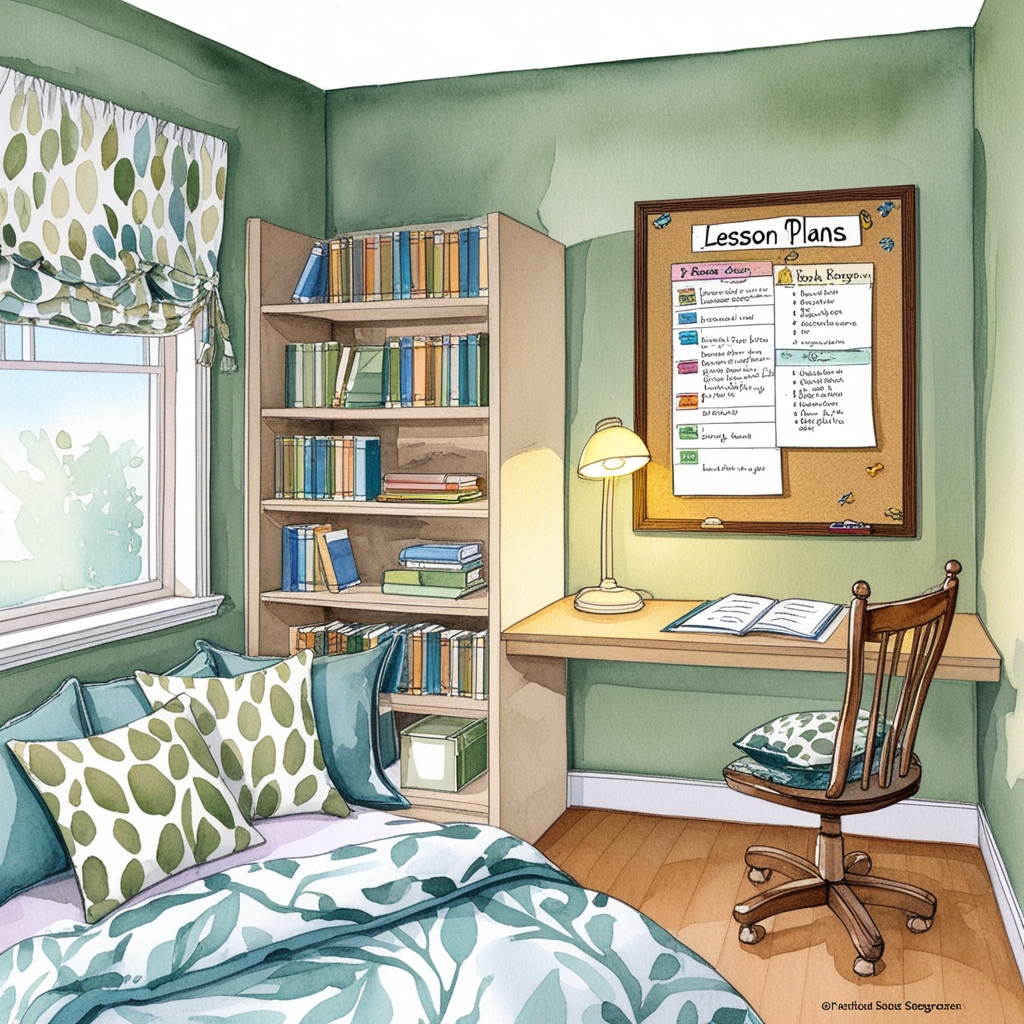
Each core subject area has unique characteristics and teaching strategies that work best for eighth grade learners. Tailoring your approach to each subject’s specific demands will improve learning outcomes and student engagement.
Mathematics: Pre-Algebra and Beyond
Most eighth graders are ready for Pre-Algebra or Algebra I, depending on their previous mathematical foundation. Focus on building strong conceptual understanding alongside procedural skills.
Use manipulatives, graphing activities, and real-world problem-solving scenarios to make abstract concepts concrete. Include regular spiral review to maintain previously learned skills while introducing new concepts.
Consider incorporating online math programs or apps that provide immediate feedback and adaptive practice. Many students benefit from the gamification elements these tools provide.
Language Arts: Advanced Literature and Writing
Eighth grade language arts should include exposure to diverse literature genres, advanced writing techniques, and sophisticated grammar and vocabulary development.
Choose literature that reflects diverse perspectives and connects to students’ interests while meeting appropriate complexity levels. Include both classic and contemporary works to provide broad cultural literacy.
Implement a writing workshop approach where students engage in the full writing process: prewriting, drafting, revising, editing, and publishing. Provide regular opportunities for both creative and analytical writing.
Science: Inquiry-Based Learning
Eighth grade science should emphasize scientific inquiry, hypothesis formation, and experimental design. Whether focusing on physical science, earth science, or biology, prioritize hands-on investigation over passive reading.
Include regular laboratory experiences, even if conducted at home with simple materials. Students should practice forming hypotheses, collecting and analyzing data, and drawing evidence-based conclusions.
Connect scientific concepts to current events and technological applications to demonstrate relevance and spark interest in STEM careers.
Social Studies: Critical Analysis and Historical Thinking
Move beyond memorizing facts to developing historical thinking skills. Students should analyze primary sources, compare multiple perspectives, and understand cause-and-effect relationships in historical events.
Include geography skills, civics education, and cultural studies alongside historical content. Use current events to connect past and present and develop informed citizenship skills.
Incorporate project-based learning where students research topics in depth and present findings through various formats like presentations, exhibits, or written reports.
Assessment and Evaluation Methods
Effective assessment in eighth grade homeschooling goes beyond traditional tests to include multiple ways of demonstrating learning and providing feedback for improvement.
Formative Assessment Strategies
Use ongoing formative assessments to monitor student progress and adjust instruction accordingly. These might include exit tickets, quick quizzes, discussion participation, or brief writing reflections.
Formative assessments should be low-stakes and focused on providing feedback rather than grades. They help you identify areas where students need additional support or enrichment.
Summative Assessment Options
Summative assessments evaluate student learning at the end of units or marking periods. While traditional tests have their place, consider alternative formats like projects, presentations, portfolios, or performance tasks.
Provide students with rubrics or scoring guides in advance so they understand expectations and can self-assess their work throughout the learning process.
Portfolio Development
Encourage students to maintain portfolios of their best work across subjects. This provides evidence of growth over time and helps students reflect on their learning journey.
Include both finished products and work-in-progress samples to show the learning process, not just final outcomes. Regular portfolio conferences allow for meaningful discussions about progress and goal-setting.
Technology Integration in Lesson Plans
Thoughtful technology integration enhances learning while preparing students for increasingly digital academic and career environments. The key is using technology as a tool to support learning objectives rather than as entertainment.
Educational Technology Tools
Consider incorporating tools like Khan Academy for math practice, Google Workspace for collaborative projects, or virtual lab simulations for science experiments. Choose tools that align with your learning objectives and enhance rather than replace good teaching.
Many homeschooling families find success with learning management systems that help organize assignments, track progress, and facilitate communication about learning goals.
Digital Literacy Skills
Eighth graders need explicit instruction in digital citizenship, online research skills, and technology ethics. Include lessons on evaluating online sources, understanding digital footprints, and practicing appropriate online communication.
Teach students to use technology tools effectively for research, creation, and collaboration while maintaining awareness of potential risks and limitations.
Balancing Screen Time and Offline Learning
While technology offers valuable learning opportunities, maintain balance with hands-on activities, outdoor learning, and face-to-face interactions. Not every lesson needs a digital component to be effective.
Consider your family’s values and your student’s needs when determining appropriate technology integration levels in your 8th grade homeschool lesson plans.
Seasonal and Thematic Planning
Organizing learning around themes or seasonal topics can increase engagement and help students see connections across subject areas. This approach works particularly well for middle school learners who benefit from variety and relevance.
Cross-Curricular Theme Development
Choose themes that naturally incorporate multiple subjects. For example, a unit on “Exploration and Discovery” might include reading about famous explorers in language arts, studying the geography of exploration routes in social studies, learning about navigation tools in science, and calculating distances and supplies needed in mathematics.
Thematic approaches help students see how knowledge connects across disciplines and makes learning more memorable and meaningful.
Seasonal Learning Opportunities
Take advantage of seasonal events and holidays to create engaging learning experiences. Fall might focus on harvest science and election civics, while spring could emphasize growth and renewal themes across subjects.
Seasonal planning also helps break up the academic year into manageable chunks and provides natural transition points for assessment and reflection.
Community and Field Trip Integration
Connect classroom learning to community resources and experiences. Museums, historical sites, nature centers, and local businesses provide rich learning opportunities that complement your lesson plans.
Even virtual field trips and guest speakers via video conferencing can bring expert knowledge and real-world perspectives into your homeschool environment.
Troubleshooting Common Challenges
Every homeschooling family encounters obstacles and challenges. Recognizing common issues and having strategies ready helps maintain momentum and positive learning experiences.
Addressing Learning Difficulties
If your student struggles with particular concepts or subjects, first assess whether the material is appropriately challenging. Sometimes students need more foundational work, while others need greater challenge to stay engaged.
Consider different teaching approaches, additional practice opportunities, or breaking complex concepts into smaller steps. Don’t hesitate to seek help from tutors, online resources, or homeschool support groups when needed.
Maintaining Motivation and Engagement
Eighth graders can experience motivation challenges as they navigate adolescent development. Incorporate student choice in topics and projects whenever possible, and connect learning to their interests and future goals.
Regular breaks, physical activity, and variety in instructional approaches help maintain engagement. Remember that some days will be more productive than others, and that’s perfectly normal.
Time Management and Organization
Help students develop strong organizational and time management skills by providing clear schedules, assignment calendars, and organizational systems. These skills become increasingly important as they prepare for high school independence.
Model good planning and organization in your lesson plans and daily routines. Students learn these skills through observation and practice as much as through direct instruction.
Frequently Asked Questions
How many hours per day should an 8th grader spend on homeschool lessons?
Most 8th graders benefit from 5-7 hours of structured learning time daily, including breaks. This can be distributed across core subjects with flexibility for individual pacing and learning styles. Remember that homeschooling often requires less time than traditional school due to individualized instruction and elimination of transition time.
Where can I find pre-made 8th grade lesson plans?
Many resources offer quality pre-made lesson plans, including curriculum publishers, educational websites, and homeschool resource sites. Our lesson plan shop provides comprehensive, tested plans designed specifically for homeschooling families.
Should I follow a strict schedule or allow more flexibility in 8th grade?
Balance is key. Provide enough structure to ensure comprehensive coverage of required material while allowing flexibility for deep dives into interesting topics and accommodation of different learning rhythms. Many families find success with a consistent daily routine that includes flexible time blocks.
How do I know if my 8th grade lesson plans are rigorous enough?
Compare your plans against state standards and grade-level expectations. Look for evidence that students are developing critical thinking skills, tackling complex problems, and demonstrating mastery through various assessment methods. Regular evaluation of student progress helps ensure appropriate rigor.
What subjects are required for 8th grade homeschooling?
Core subjects typically include mathematics, language arts, science, and social studies. Many states also require physical education and health. Check your state’s specific requirements, as they vary. Electives like art, music, and foreign language are often encouraged but may not be required.
How can I prepare my 8th grader for high school through lesson planning?
Focus on developing independent learning skills, time management, note-taking abilities, and research skills. Include opportunities for students to take ownership of their learning through goal-setting and self-assessment. Gradually increase expectations for independent work and critical thinking.
What if my 8th grader resists the lesson plans I create?
Involve your student in the planning process by asking for input on topics, methods, and scheduling preferences. Consider their learning style, interests, and developmental needs. Sometimes resistance indicates a mismatch between the plan and the student’s needs rather than defiance.
Middle School Curriculum Picks
As an Amazon Associate, HomeschoolingExperts earns from qualifying purchases. Some links in this article are affiliate links, meaning we may earn a small commission at no extra cost to you.
Conclusion
Creating effective 8th grade homeschool lesson plans requires thoughtful consideration of academic standards, developmental needs, and individual learning styles. The key to success lies in finding the right balance between structure and flexibility, ensuring comprehensive coverage while maintaining engagement and motivation.
Remember that lesson planning is an iterative process. Start with solid foundations, implement your plans consistently, and remain open to adjustments based on your student’s responses and progress. The goal is not perfection but rather continuous improvement and adaptation to serve your student’s educational needs.
Quality lesson plans serve as roadmaps for learning, but the journey itself should remain dynamic and responsive to your unique homeschooling situation. Trust your instincts as an educator, seek support when needed, and celebrate the learning victories along the way.
Ready to take your homeschool planning to the next level? Explore our comprehensive resources and connect with other homeschooling families who share your commitment to educational excellence.
Related Resources
Enhance your homeschooling journey with these additional resources from our site:
- Grade Level Planning Guides – Comprehensive guides for every grade level
- Homeschool Scheduling and Planning – Master the art of homeschool organization
- Curriculum and Teaching Methods – Explore different educational approaches and philosophies
Have questions about implementing these strategies in your homeschool? We’re here to help! Contact our team for personalized guidance and support.

Loved this post? Grab the free resource above.
Math Adventures: Everyday Numbers — drop your email and we'll send the printable PDF.