Free Sample Lesson Plan
Math Adventures: Everyday Numbers — drop your email and we'll send the printable PDF.
Creating effective high school homeschool lesson plans is one of the most crucial aspects of providing your teenager with a quality education at home. Well-structured lesson plans serve as your roadmap to academic success, ensuring comprehensive coverage of essential subjects while maintaining flexibility to adapt to your student’s unique learning style and pace.
High school represents a critical transition period where students begin preparing for college, career paths, or other post-secondary opportunities. Unlike elementary grades, high school coursework requires more sophisticated planning, detailed record-keeping, and strategic alignment with graduation requirements and future goals.
This comprehensive guide will walk you through everything you need to know about developing, implementing, and optimizing high school homeschool lesson plans that set your student up for success while maintaining the flexibility and personalization that makes homeschooling so effective.
Key Takeaways
- Effective high school lesson plans balance structure with flexibility to accommodate individual learning styles
- Core subjects require 120-180 hours of instruction annually to meet standard credit requirements
- Integration of technology, real-world applications, and project-based learning enhances engagement
- Regular assessment and documentation are essential for transcript preparation and college admissions
- Successful planning involves both long-term scope and sequence as well as daily implementation strategies
Understanding High School Homeschool Requirements

Before diving into specific lesson planning strategies, it’s essential to understand the foundational requirements that will shape your high school homeschool lesson plans. These requirements vary by state, but most follow similar patterns that align with traditional educational standards.
State-Specific Graduation Requirements
Each state maintains specific graduation requirements that homeschooled students must meet to receive a high school diploma. According to the Home School Legal Defense Association, most states require between 20-24 total credits for graduation, typically distributed across core academic areas.
Common requirements include four credits of English, three to four credits of mathematics, three credits of science, three credits of social studies, and varying amounts of electives, foreign language, and fine arts. Some states also mandate specific courses like economics, government, or health education.
Credit Hour Calculations
Understanding how to calculate credit hours is fundamental to effective lesson planning. One high school credit typically represents 120-180 hours of instruction, depending on your state’s requirements and the rigor of the coursework.
For a standard academic year, this translates to approximately 3-4 hours per week for a full credit course, or 1.5-2 hours per week for a half-credit course. This framework helps you structure your lesson plans to ensure adequate coverage while maintaining realistic time expectations.
Documentation and Record-Keeping Standards
Proper documentation becomes increasingly important at the high school level, as you’ll need detailed records for transcript preparation and potential college applications. Your lesson plans should include clear learning objectives, assessment methods, and progress tracking mechanisms.
Many homeschooling families find success using digital platforms or specialized software to maintain comprehensive records. The key is establishing a system early and maintaining consistency throughout your student’s high school years.
Essential Components of High School Lesson Plans
Effective high school homeschool lesson plans contain several critical components that work together to create a comprehensive learning experience. Understanding these elements helps ensure your planning addresses all aspects of your student’s educational needs.
Clear Learning Objectives and Standards Alignment
Every lesson should begin with clearly defined learning objectives that specify what students will know or be able to do by the end of the instruction period. These objectives should align with state standards or nationally recognized frameworks like the Common Core State Standards or Next Generation Science Standards.
Well-written objectives use action verbs and specify measurable outcomes. For example, “Students will analyze the causes and effects of the American Civil War by comparing primary source documents and creating a cause-and-effect timeline” provides clear direction for both instruction and assessment.
Structured Content Delivery Methods
High school students benefit from varied instructional methods that engage different learning modalities. Your lesson plans should incorporate multiple delivery methods including direct instruction, guided practice, independent work, collaborative activities, and hands-on experiences.
Consider incorporating the gradual release of responsibility model: “I do, we do, you do.” This approach begins with teacher modeling, progresses to guided practice, and culminates in independent application, helping students build confidence and competence progressively.
Assessment and Evaluation Strategies
Robust assessment strategies help you monitor student progress and adjust instruction accordingly. Include both formative assessments (ongoing checks for understanding) and summative assessments (end-of-unit evaluations) in your planning.
Formative assessments might include exit tickets, quick quizzes, or discussion questions, while summative assessments could involve projects, essays, or comprehensive exams. The key is using assessment data to inform future lesson planning and identify areas needing additional attention.
Core Subject Lesson Planning Strategies
Each core academic subject presents unique challenges and opportunities when developing comprehensive lesson plans. Understanding subject-specific strategies helps you create more effective and engaging learning experiences.
English Language Arts Planning
English Language Arts encompasses reading, writing, speaking, and listening skills that require integrated planning approaches. Successful ELA lesson plans often center around thematic units that combine literature study with writing practice and oral communication opportunities.
Consider organizing your year around major literary periods, genres, or themes while incorporating regular writing workshops and vocabulary development. For example, a unit on American Transcendentalism might include reading Thoreau and Emerson, writing reflective essays, and presenting on nature philosophy.
Writing instruction should follow a process approach, with lessons dedicated to prewriting, drafting, revising, editing, and publishing. Plan for regular peer review sessions and teacher conferences to support student growth throughout the writing process.
Mathematics Curriculum Development
Mathematics lesson planning requires careful attention to prerequisite skills and logical progression of concepts. Each lesson should build upon previous learning while introducing new material at an appropriate pace.
Effective math lessons typically follow a structured format: warm-up review, introduction of new concepts, guided practice, independent work, and closure with reflection on learning. Include plenty of opportunities for students to explain their thinking and make connections between mathematical concepts.
Consider incorporating real-world applications and project-based learning to help students see the relevance of mathematical concepts. For example, a unit on statistics might involve collecting and analyzing data from a student-designed survey or experiment.
Science Course Structure
Science education at the high school level should emphasize inquiry-based learning and hands-on experimentation. Plan lessons that engage students in the scientific method while building content knowledge across biology, chemistry, physics, and earth sciences.
Laboratory experiences are crucial for science learning, but don’t require expensive equipment. Many effective experiments can be conducted with household materials or simple lab kits. Focus on developing scientific thinking skills through observation, hypothesis formation, and data analysis.
Consider organizing science courses around big ideas or essential questions that connect multiple concepts throughout the year. This approach helps students see the interconnected nature of scientific knowledge and its applications to real-world problems.
Social Studies Integration
Social studies lesson plans should emphasize critical thinking, primary source analysis, and connections between historical events and contemporary issues. Organize courses chronologically or thematically, ensuring coverage of required content while developing analytical skills.
Incorporate multiple perspectives and diverse voices in your curriculum selections. Use primary sources, multimedia resources, and current events to make historical content relevant and engaging for modern students.
Project-based learning works particularly well in social studies, allowing students to conduct research, analyze evidence, and present findings on topics of interest while meeting curriculum objectives.
Elective and Enrichment Course Planning
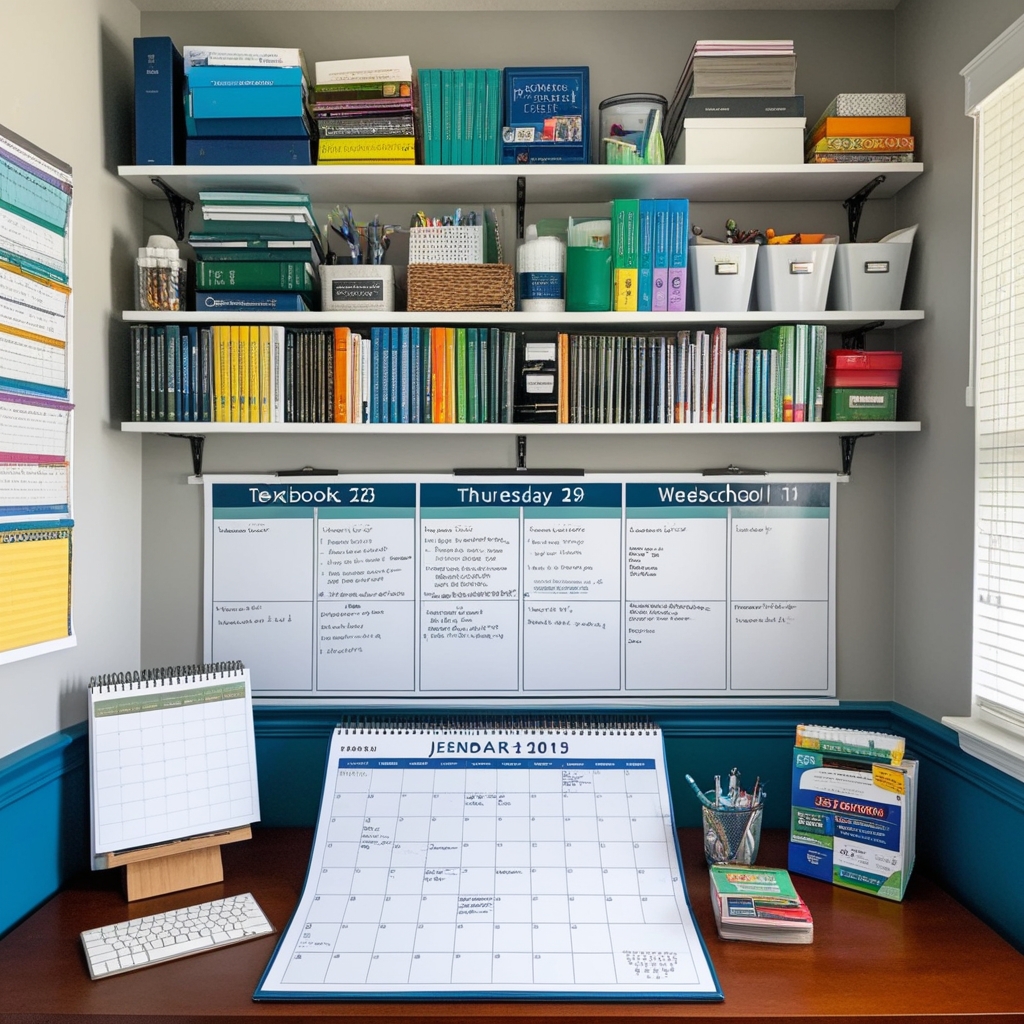
Elective courses provide opportunities for students to explore interests, develop talents, and gain exposure to potential career paths. These courses often allow for more creative and flexible lesson planning approaches while still maintaining academic rigor.
Fine Arts Integration
Fine arts education develops creativity, critical thinking, and cultural awareness while providing outlets for personal expression. Whether focusing on visual arts, music, theater, or creative writing, arts lesson plans should balance skill development with creative exploration.
Consider project-based approaches that allow students to work toward culminating performances, exhibitions, or publications. This gives purpose and motivation to daily practice while building toward meaningful achievements.
Don’t overlook the integration possibilities between arts and core subjects. Historical periods come alive through period music and art, scientific concepts can be illustrated through visual projects, and literature gains depth through dramatic interpretation.
Career and Technical Education
Career and technical education (CTE) courses help students explore potential career paths while developing practical skills. These might include computer programming, business management, health sciences, or skilled trades exploration.
CTE lesson plans should emphasize hands-on learning, real-world applications, and connections to industry standards. Consider partnering with local businesses or professionals to provide mentorship opportunities and authentic learning experiences.
Many CTE courses lend themselves well to competency-based assessment, where students demonstrate mastery through practical applications rather than traditional testing methods.
Foreign Language Acquisition
Foreign language lesson plans should emphasize communication skills through speaking, listening, reading, and writing practice. Immersive approaches that use the target language for instruction whenever possible tend to be most effective.
Cultural integration is essential for language learning, helping students understand the context and relevance of their language study. Include lessons on customs, traditions, history, and contemporary issues of countries where the target language is spoken.
Technology offers excellent support for language learning through online resources, language exchange programs, and multimedia materials that provide authentic language exposure.
Assessment and Documentation Methods
Comprehensive assessment and documentation strategies are crucial components of successful high school homeschool lesson plans. These systems help you track student progress, identify areas for improvement, and maintain the detailed records necessary for high school transcripts.
Formative Assessment Techniques
Formative assessments provide ongoing feedback about student learning and help you adjust instruction in real-time. These low-stakes assessments should be frequent, varied, and directly tied to your learning objectives.
Effective formative assessment techniques include exit tickets, think-pair-share activities, quick polls, observation checklists, and brief quizzes. The key is using the information gathered to inform your next instructional decisions rather than simply recording grades.
Digital tools can streamline formative assessment collection and analysis. Consider using online quiz platforms, digital response systems, or simple survey tools to gather quick feedback on student understanding.
Summative Evaluation Strategies
Summative assessments measure student learning at the end of instructional units and contribute to overall course grades. These assessments should align closely with your stated learning objectives and provide students with opportunities to demonstrate their knowledge and skills comprehensively.
Vary your summative assessment approaches to accommodate different learning styles and allow students multiple ways to show their learning. Options include traditional tests, research projects, presentations, portfolios, performances, or creative demonstrations.
Consider using rubrics for complex assignments to ensure consistent grading and provide clear expectations for students. Well-designed rubrics also help students understand the criteria for success and guide their work accordingly.
Portfolio Development
Student portfolios provide comprehensive documentation of learning progress and achievement over time. Portfolios can include work samples, reflection essays, project documentation, assessment results, and evidence of skill development.
Digital portfolios offer advantages for organization, sharing, and long-term storage. Many free platforms allow students to create professional-looking portfolios that can be shared with college admissions offices or potential employers.
Teach students to select portfolio pieces thoughtfully, write reflective commentary about their learning, and organize their work professionally. These skills will serve them well in college and career settings.
Technology Integration in Modern Lesson Plans
Technology integration has become an essential component of contemporary education, and your high school homeschool lesson plans should thoughtfully incorporate digital tools and resources that enhance learning while preparing students for our increasingly digital world.
Digital Learning Platforms
Learning management systems (LMS) and educational platforms can help organize course content, facilitate communication, and streamline assignment submission and grading. Popular options include Google Classroom, Schoology, Canvas, or specialized homeschool platforms.
These platforms allow you to create structured learning pathways, share resources easily, and maintain organized records of student work and progress. Many also offer built-in assessment tools and grade book functions.
When selecting digital platforms, consider ease of use, cost, integration capabilities, and alignment with your teaching style and student needs. Start with free options and upgrade as needed based on your experience and requirements.
Interactive Learning Tools
Interactive educational tools can increase engagement and provide personalized learning experiences. These might include adaptive learning software, educational games, simulation programs, or virtual laboratory experiences.
Many subject-specific tools are available, such as graphing calculators for mathematics, virtual dissection programs for biology, or historical simulation games for social studies. Research shows that interactive tools can improve retention and understanding when used appropriately.
Balance screen time with offline activities, and ensure that technology use serves clear educational purposes rather than becoming a distraction from learning objectives.
Online Research and Digital Literacy
Teaching students to navigate online information effectively is crucial for academic success and citizenship in the digital age. Include lessons on evaluating source credibility, avoiding plagiarism, and using proper citation methods.
Provide guidance on using academic databases, library resources, and scholarly sources rather than relying solely on general web searches. Many public libraries offer free access to research databases that can support high school coursework.
Address digital citizenship topics including online safety, appropriate communication, intellectual property rights, and ethical technology use. These skills are increasingly important for college and career readiness.
Customization Strategies for Different Learning Styles
One of the greatest advantages of homeschooling is the ability to customize instruction to match your student’s unique learning preferences, strengths, and challenges. Effective lesson planning incorporates multiple approaches to accommodate different learning styles and needs.
Visual Learning Accommodations
Visual learners benefit from graphic organizers, charts, diagrams, videos, and other visual representations of information. When planning lessons for visual learners, include plenty of visual aids and opportunities for students to create their own visual representations of concepts.
Mind mapping, infographics, timeline creation, and diagram labeling are excellent activities for visual learners. Consider using color coding systems to help organize information and make connections between related concepts.
Technology offers excellent support for visual learning through educational videos, interactive simulations, virtual field trips, and digital creation tools that allow students to produce visual content.
Auditory Learning Support
Auditory learners process information best through listening and verbal interaction. Include plenty of discussion opportunities, oral presentations, recorded lectures, and music or rhythm-based learning activities.
Podcasts, audiobooks, and recorded lessons can supplement traditional reading assignments for auditory learners. Encourage these students to read aloud, participate in study groups, or explain concepts verbally to reinforce their learning.
Consider incorporating debate activities, oral reports, and collaborative discussions into your lesson plans to provide auditory learners with opportunities to process information through their preferred modality.
Kinesthetic Learning Integration
Kinesthetic learners need movement and hands-on activities to engage fully with content. Plan lessons that include laboratory experiments, building projects, role-playing activities, and opportunities for physical movement.
Field trips, whether physical or virtual, can provide kinesthetic learners with concrete experiences that support abstract learning. Consider visits to museums, historical sites, science centers, or businesses related to your curriculum.
Break up long periods of sedentary work with movement breaks, standing desks, or walking discussions. These accommodations can benefit all students while particularly supporting kinesthetic learners.
Time Management and Scheduling Techniques
Effective time management is crucial for implementing comprehensive high school homeschool lesson plans while maintaining the flexibility that makes homeschooling attractive to many families. Developing strong scheduling and time management systems helps ensure academic success without overwhelming students or parents.
Daily Schedule Development
Creating consistent daily schedules helps establish routines while providing structure for learning. Consider your family’s natural rhythms, external commitments, and your student’s energy patterns when designing daily schedules.
Most high school students benefit from 4-6 hours of focused academic work daily, distributed across core subjects and electives. Build in breaks between subjects, time for physical activity, and flexibility for deeper exploration of topics that capture student interest.
Block scheduling, where longer periods are dedicated to fewer subjects each day, can work well for high school students who benefit from deeper focus and fewer transitions. Experiment with different approaches to find what works best for your student.
Long-Term Planning Systems
Successful homeschooling requires both daily implementation and long-term planning. Use annual planning to ensure adequate coverage of required content, while quarterly or semester planning allows for more detailed curriculum mapping.
Many families find success using backward design, starting with end-of-year goals and working backward to determine what needs to be accomplished each quarter, month, and week to meet those objectives.
Build flexibility into your long-term plans to accommodate unexpected opportunities, challenging concepts that require extra time, or family circumstances that might affect your schedule. The scheduling and planning resources on our site provide additional guidance for developing effective planning systems.
Productivity and Focus Strategies
Teaching students effective study habits and productivity techniques is as important as delivering content. Include lessons on time management, goal setting, organization systems, and focus techniques.
The Pomodoro Technique, where students work in focused 25-minute intervals followed by short breaks, can be particularly effective for maintaining concentration during challenging subjects.
Help students develop personalized organization systems for tracking assignments, managing materials, and maintaining study spaces. These life skills will serve them well in college and career settings.
College Preparation Through Strategic Planning
Strategic lesson planning plays a crucial role in preparing homeschooled students for college admission and success. Your high school homeschool lesson plans should intentionally build the academic skills, knowledge base, and experiences that colleges value in applicants.
Academic Rigor and Advanced Coursework
Colleges look for students who have challenged themselves academically through rigorous coursework. Consider incorporating Advanced Placement (AP) courses, dual enrollment opportunities, or college-level independent study projects into your planning.
AP courses provide standardized curricula and assessment opportunities that colleges recognize and value. Many online providers offer AP courses specifically designed for homeschooled students, or you can develop your own AP curriculum using College Board guidelines.
Dual enrollment allows students to take actual college courses while completing high school, providing both college credit and experience with college-level expectations. Many community colleges welcome homeschooled students and offer flexible scheduling options.
Standardized Test Preparation
Most colleges require standardized test scores (SAT or ACT) as part of the admission process. Build test preparation into your lesson plans, focusing on both content knowledge and test-taking strategies.
Rather than cramming for tests, integrate test prep throughout your curriculum by emphasizing the reading, writing, and mathematical reasoning skills that these tests measure. Regular practice with test formats and timing can help students feel more confident and perform better.
Consider taking the PSAT/NMSQT in 10th or 11th grade to identify areas for improvement and potentially qualify for National Merit recognition. Many homeschooled students perform exceptionally well on standardized tests due to their strong foundation in core academic skills.
Extracurricular and Leadership Development
Colleges value well-rounded applicants who have demonstrated leadership, service, and passion outside of academics. Plan opportunities for your student to develop these qualities through community involvement, volunteer work, internships, or independent projects.
Document extracurricular activities carefully, including hours invested, leadership roles, and impact achieved. This information will be valuable for college applications and scholarship opportunities.
Encourage students to pursue activities that align with their interests and potential college majors. Sustained involvement and growing responsibility in chosen activities often impress admissions officers more than superficial participation in many different areas.
Frequently Asked Questions
How many hours per day should high school homeschool students study?
Most high school homeschool students benefit from 4-6 hours of focused academic work daily. This can be distributed across core subjects and electives, with breaks between subjects. The exact amount may vary based on the student’s learning pace, course load, and outside commitments. Quality of instruction often matters more than quantity of hours.
Do I need to follow state standards when creating lesson plans?
While requirements vary by state, following established standards helps ensure comprehensive coverage of essential skills and knowledge. Most states don’t require homeschoolers to use specific curricula, but aligning with standards can help with college preparation and provide structure for your planning. Check your state’s homeschool laws for specific requirements.
How do I create transcripts from my homeschool lesson plans?
Maintain detailed records of courses completed, hours of instruction, materials used, and grades earned. Most high school courses require 120-180 hours of instruction for one credit. Document learning objectives, assessment methods, and student achievements throughout each course. Many homeschool organizations provide transcript templates and guidance for record-keeping.
Can I use free online resources for high school lesson planning?
Yes, many excellent free resources are available for high school homeschool lesson planning. Khan Academy, Coursera, MIT OpenCourseWare, and various educational websites offer high-quality content. However, ensure that free resources align with your learning objectives and provide adequate depth for high school level work. You may need to supplement with additional materials or assessments.
How do I handle subjects I’m not comfortable teaching?
Consider online courses, community college dual enrollment, tutoring, homeschool co-ops, or teaching exchanges with other homeschool families. Many parents successfully facilitate learning in unfamiliar subjects by using comprehensive curricula, video courses, or learning alongside their students. Don’t let discomfort with a subject prevent you from providing a complete education.
What’s the difference between lesson plans and curriculum?
Curriculum refers to the overall course content, learning objectives, and scope and sequence for a subject. Lesson plans are the detailed, day-by-day implementation of that curriculum, including specific activities, assessments, and instructional methods. You might purchase curriculum and create your own lesson plans, or develop both from scratch.
How far in advance should I plan high school lessons?
Successful homeschooling typically involves planning at multiple levels: annual planning to ensure graduation requirements are met, quarterly or semester planning for detailed curriculum mapping, and weekly planning for daily implementation. Many families plan 1-2 weeks ahead for daily lessons while maintaining longer-term overviews for the entire school year.
Homeschool High School Essentials
As an Amazon Associate, HomeschoolingExperts earns from qualifying purchases. Some links in this article are affiliate links, meaning we may earn a small commission at no extra cost to you.
Conclusion
Creating effective high school homeschool lesson plans requires careful attention to academic standards, individual learning needs, and long-term educational goals. The strategies and techniques outlined in this guide provide a comprehensive framework for developing lesson plans that challenge students academically while maintaining the flexibility and personalization that make homeschooling so effective.
Remember that successful lesson planning is an iterative process that improves with experience and reflection. Start with solid foundations in core subjects, incorporate technology and varied instructional methods thoughtfully, and maintain detailed documentation for transcript preparation and college admissions.
The investment you make in thorough lesson planning will pay dividends in your student’s academic achievement, college preparation, and lifelong learning skills. Don’t hesitate to adjust your approaches based on what works best for your unique situation, and remember that the goal is not perfection but progress toward your educational objectives.
Ready to get started? Explore our comprehensive collection of ready-made lesson plans and resources designed specifically for homeschooling families, or contact our team for personalized guidance on developing lesson plans that meet your family’s specific needs.
Related Resources
- Curriculum and Methods Guide – Explore different homeschool approaches and how they influence lesson planning
- Grade Level Planning Guides – Specific guidance for different grade levels and developmental stages
- Educational Activities and Ideas – Creative lesson plan components and hands-on learning activities

Loved this post? Grab the free resource above.
Math Adventures: Everyday Numbers — drop your email and we'll send the printable PDF.