Free Sample Lesson Plan
Math Adventures: Everyday Numbers — drop your email and we'll send the printable PDF.
Charlotte Mason homeschool lesson plans offer a rich, literature-based approach to education that emphasizes living books, nature study, and character formation. This comprehensive educational philosophy, developed by 19th-century British educator Charlotte Mason, provides families with a framework for creating meaningful learning experiences that nurture both the mind and spirit of children.
Whether you’re new to homeschooling or considering a shift from traditional curriculum methods, understanding how to implement Charlotte Mason lesson plans can transform your family’s educational journey. This guide will walk you through the essential components, practical implementation strategies, and resources needed to successfully create and execute Charlotte Mason-inspired lessons in your homeschool.
From selecting living books to incorporating nature journals, we’ll explore every aspect of this time-tested educational approach that has helped thousands of families cultivate a love of learning while maintaining academic excellence.
Key Takeaways
- Charlotte Mason lesson plans focus on living books, short lessons, and narration rather than textbooks and testing
- Nature study, art appreciation, and music form essential components of the Charlotte Mason method
- Lessons are typically 15-20 minutes for younger children and 30-45 minutes for older students
- Character formation and habit training are integrated throughout the curriculum
- The approach emphasizes quality over quantity, allowing deep engagement with fewer subjects
Understanding the Charlotte Mason Philosophy

Charlotte Mason believed that children are born persons with unlimited potential for learning and growth. Her educational philosophy centers on three fundamental principles that should guide every Charlotte Mason homeschool lesson plan: children are born persons, they learn through ideas rather than facts, and education is an atmosphere, discipline, and life.
This approach stands in stark contrast to traditional education methods that often rely heavily on textbooks, worksheets, and standardized testing. Instead, Charlotte Mason lesson plans emphasize exposure to great literature, beautiful art, inspiring music, and direct contact with nature.
The Three Pillars of Charlotte Mason Education
The foundation of effective Charlotte Mason lesson plans rests on three essential pillars. The first pillar, “Education is an Atmosphere,” suggests that children absorb knowledge from their surroundings, making the learning environment crucial to their development.
The second pillar, “Education is a Discipline,” focuses on developing good habits and self-control rather than external motivation or punishment. This discipline extends to both academic work and character formation.
The third pillar, “Education is a Life,” emphasizes that learning should be vibrant and connected to real life rather than compartmentalized into artificial subjects. This principle guides how Charlotte Mason educators approach curriculum planning and implementation.
Living Books vs. Textbooks
One of the most distinctive features of Charlotte Mason lesson plans is the emphasis on living books over traditional textbooks. Living books are written by authors who have a passion for their subject and can communicate that enthusiasm through engaging, narrative-style writing.
These books differ significantly from typical school textbooks, which often present information in a dry, factual manner. Living books tell stories, paint vivid pictures with words, and help children form personal connections with the material they’re studying.
Core Components of Charlotte Mason Lesson Plans
Successful Charlotte Mason homeschool lesson plans incorporate several key elements that work together to create a rich educational experience. Understanding these components is essential for families looking to implement this method effectively.
Narration as the Primary Learning Tool
Narration serves as the cornerstone of Charlotte Mason lesson plans, replacing traditional comprehension questions and book reports. After reading or listening to a passage, students retell what they’ve learned in their own words, demonstrating understanding and retention.
This practice develops multiple skills simultaneously, including listening comprehension, verbal expression, memory retention, and critical thinking. Young children typically begin with oral narration, while older students progress to written narrations that become increasingly sophisticated over time.
Nature Study Integration
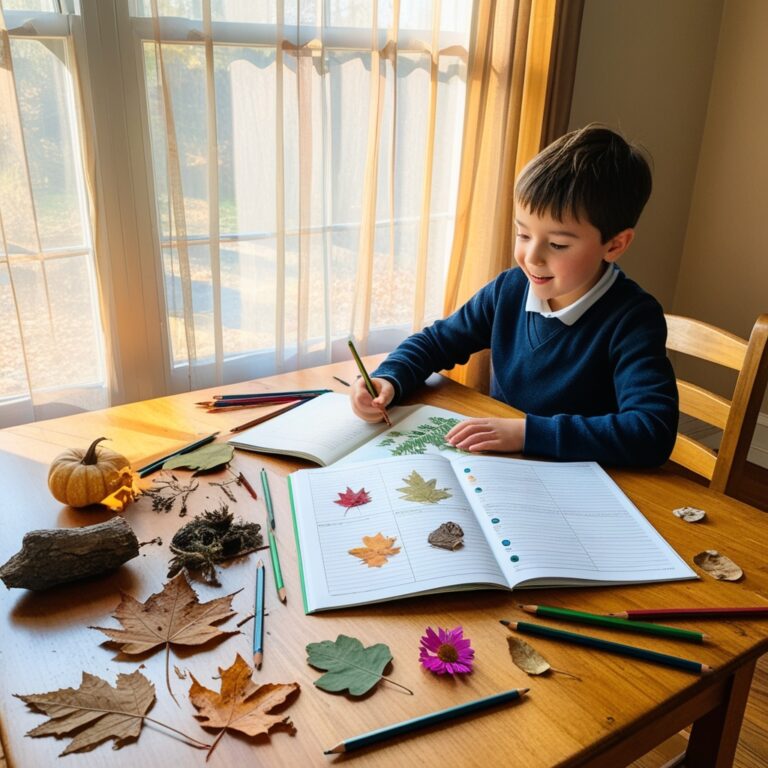
Every Charlotte Mason lesson plan should include regular nature study, which Charlotte Mason considered “the right hand of education.” This involves direct observation of natural phenomena, weather patterns, plants, animals, and seasonal changes.
Nature study typically includes keeping a nature journal where students record their observations through drawings, pressed flowers, weather notes, and written descriptions. This practice develops scientific observation skills while fostering a deep appreciation for the natural world.
Art and Music Appreciation
Charlotte Mason lesson plans incorporate regular exposure to great works of art and classical music. Students study one artist or composer for an entire term, becoming familiar with their style, techniques, and most famous works.
This appreciation extends beyond mere exposure to include picture study sessions where students observe artwork carefully, discuss their observations, and develop their aesthetic sensibilities. Similarly, music appreciation involves listening to classical compositions and learning about the composers’ lives and historical contexts.
Creating Your Charlotte Mason Lesson Plans
Developing effective Charlotte Mason homeschool lesson plans requires careful consideration of your family’s needs, your children’s ages and abilities, and the resources available to you. The process involves selecting appropriate materials, organizing them into a logical sequence, and creating a sustainable routine.
Selecting Living Books and Resources
The foundation of any Charlotte Mason lesson plan lies in choosing high-quality living books that will engage and inspire your students. Begin by researching recommended book lists from established Charlotte Mason educators and organizations.
Consider your child’s reading level, interests, and maturity when making selections. Remember that Charlotte Mason advocated for challenging children with rich literature rather than limiting them to books written specifically for their age group.
Many families find success using established Charlotte Mason curricula that have already curated appropriate book selections, such as those available through comprehensive lesson plan resources.
Organizing Your Term Schedule
Charlotte Mason lesson plans typically follow a term-based schedule rather than a traditional semester system. Each term lasts approximately 12 weeks, with planned breaks between terms for rest and reflection.
Within each term, plan to cover specific books, complete nature study projects, and explore designated artists and composers. This long-term planning ensures comprehensive coverage while allowing flexibility for deeper exploration of particularly engaging topics.
Weekly and Daily Planning
Break down your term plans into weekly objectives and daily lessons. Charlotte Mason lesson plans emphasize consistency and routine, so establish regular times for different subjects and stick to your schedule as much as possible.
Create a simple planning template that includes space for book readings, narration assignments, nature study activities, and art or music appreciation. Keep detailed records of what you’ve covered to track progress and identify areas that may need additional attention.
Daily Schedule and Time Management

Effective Charlotte Mason homeschool lesson plans require thoughtful scheduling that balances various subjects while maintaining the short lesson times that characterize this educational approach. Most Charlotte Mason educators recommend morning hours for the most demanding academic work when children’s minds are fresh and alert.
Sample Daily Schedule Structure
A typical Charlotte Mason daily schedule begins with habit training and character formation activities, followed by the most challenging academic subjects. Morning hours might include Bible study, mathematics, and language arts, while afternoon sessions focus on nature study, art appreciation, and handicrafts.
For younger children (ages 6-9), lessons should last 15-20 minutes each, while older students (ages 10-12) can handle 20-30 minute lessons. High school students may extend certain subjects to 45 minutes, but the principle of focused, intensive study periods remains constant.
Balancing Structure and Flexibility
While Charlotte Mason lesson plans benefit from consistent routines, successful homeschooling families learn to balance structure with flexibility. Some days may require adjustments due to illness, family obligations, or particularly engaging learning opportunities that deserve extended exploration.
Build buffer time into your schedule to accommodate these variations without feeling stressed or behind. Remember that Charlotte Mason emphasized the importance of not overwhelming children with too much formal instruction, leaving time for free play, exploration, and rest.
Subject-Specific Charlotte Mason Approaches
Each subject area within Charlotte Mason homeschool lesson plans has specific methodologies and materials that align with the overall philosophy while addressing the unique requirements of different disciplines.
Language Arts and Literature
Charlotte Mason language arts instruction focuses heavily on exposure to excellent literature rather than isolated grammar exercises. Students develop writing skills through copywork, dictation, and narration rather than formal composition classes in the early years.
Reading instruction emphasizes whole books rather than excerpts or simplified readers. Children encounter rich vocabulary and complex sentence structures naturally through their reading, developing sophisticated language skills organically.
Poetry memorization and recitation form an important component of Charlotte Mason lesson plans, helping students internalize beautiful language and develop public speaking confidence. Select poems that are beautiful, meaningful, and age-appropriate for your children.
History and Geography
History instruction in Charlotte Mason lesson plans relies on living books that tell engaging stories about historical periods and figures. Rather than memorizing dates and facts, students develop a narrative understanding of how historical events unfolded and affected real people.
Geography study combines map work with living books about different countries and cultures. Students create their own maps, maintain geography notebooks, and develop a global perspective through stories and biographies of people from various regions.
The integration of history and geography creates natural connections that help students understand how location, climate, and resources influenced historical developments and cultural differences.
Science and Nature Study
Science education in Charlotte Mason lesson plans emphasizes observation and discovery rather than textbook memorization. Nature study serves as the foundation for all scientific learning, teaching children to observe carefully, ask questions, and seek answers through investigation.
Formal science subjects like biology, chemistry, and physics are introduced through living books written by authors who can make complex concepts accessible and interesting. Hands-on experiments and demonstrations supplement reading but don’t replace the important work of understanding scientific principles through quality literature.
According to the U.S. Department of Education, students who engage in inquiry-based learning show improved critical thinking skills and deeper understanding of scientific concepts compared to those using traditional textbook approaches.
Mathematics
Mathematics instruction in Charlotte Mason lesson plans focuses on understanding mathematical concepts rather than memorizing procedures. Lessons are typically short but frequent, allowing students to master skills through consistent practice without becoming overwhelmed.
Many Charlotte Mason educators recommend using manipulatives and real-world applications to help students understand abstract mathematical concepts. Word problems should relate to real situations that children might encounter, making mathematics relevant and practical.
Assessment and Evaluation Methods
Charlotte Mason homeschool lesson plans require different assessment methods than traditional educational approaches. Rather than relying on tests and grades, Charlotte Mason educators focus on observing student growth, understanding, and character development over time.
Portfolio-Based Assessment
Maintain comprehensive portfolios that document your child’s progress through narrations, nature journal entries, art work, and other creative expressions. These portfolios provide concrete evidence of learning while allowing students to see their own growth over time.
Include samples of work from throughout the year, noting improvements in writing quality, artistic ability, and depth of understanding. This approach provides a more complete picture of student achievement than traditional testing methods.
Narration as Assessment
Regular narrations serve as both learning tools and assessment methods in Charlotte Mason lesson plans. Through narration, you can evaluate your child’s comprehension, retention, and ability to synthesize information from multiple sources.
Pay attention to the quality and detail of narrations over time. Students should demonstrate increasing sophistication in their ability to retell stories, explain concepts, and make connections between different subjects.
Record Keeping Requirements
Depending on your state’s homeschool regulations, you may need to maintain specific records for legal compliance. Research your local requirements and develop a record-keeping system that satisfies legal obligations while supporting your Charlotte Mason approach.
Many families find success with simple attendance records, book lists, and periodic progress evaluations rather than detailed grade books. The Home School Legal Defense Association provides state-specific guidance for homeschool record keeping requirements.
Essential Resources and Materials
Successful implementation of Charlotte Mason homeschool lesson plans requires access to quality resources and materials that support this educational philosophy. While the initial investment may seem substantial, many resources can be used for multiple children and across several years.
Building Your Living Books Library
Start building your collection of living books gradually, focusing on titles that will serve multiple children and grade levels. Many classic works of literature, history, and science remain relevant and engaging across different ages.
Consider both purchasing and borrowing options. Public libraries often have excellent collections of classic literature and quality non-fiction books. Used book sales, library discards, and online marketplaces can help you acquire books affordably.
Digital resources have expanded access to many out-of-print titles and classic works. Project Gutenberg and similar sites offer free access to thousands of books in the public domain.
Nature Study Materials
Invest in quality nature study materials that will enhance outdoor learning experiences. Basic supplies include nature journals, colored pencils, magnifying glasses, field guides, and collection containers for temporary specimen observation.
Consider your local environment when selecting field guides and reference materials. Regional guides will be more useful than general resources that may not include plants and animals common in your area.
Art and Music Resources
Build a collection of art prints, classical music recordings, and reference materials about artists and composers. Many museums offer educational prints and resources specifically designed for home education.
Streaming services and online resources have made classical music more accessible than ever before. Create playlists of works by composers you’re studying and incorporate music listening into your daily routine.
Common Challenges and Solutions
Families implementing Charlotte Mason homeschool lesson plans often encounter similar challenges as they adapt to this educational approach. Understanding these common obstacles and their solutions can help you navigate the transition more smoothly.
Adjusting to Longer Attention Spans
Children accustomed to fast-paced entertainment or traditional workbook-style lessons may initially struggle with the sustained attention required for living books and narration. This adjustment period is normal and temporary.
Start with shorter readings and gradually increase the length as your child’s attention span develops. Choose particularly engaging books for the beginning of your Charlotte Mason journey to help capture interest and demonstrate the value of this approach.
Managing Multiple Grade Levels
Families with children of different ages often wonder how to implement Charlotte Mason lesson plans effectively across multiple grade levels. The good news is that many Charlotte Mason resources naturally accommodate mixed ages.
Select core books that appeal to a range of ages, then differentiate expectations for narration and follow-up activities. Younger children might draw pictures or give simple oral narrations, while older students write detailed summaries or research related topics.
For guidance on managing multi-level homeschooling, explore grade-specific planning strategies that can help you adapt Charlotte Mason principles for your family’s unique situation.
Balancing Academic Rigor with Charlotte Mason Principles
Some parents worry that Charlotte Mason lesson plans may not provide sufficient academic rigor, particularly for high school students preparing for college. However, research consistently shows that students educated through literature-rich, discussion-based methods often outperform their traditionally-educated peers on standardized measures.
Focus on the depth of learning rather than breadth of coverage. Students who truly understand and can articulate complex ideas have stronger academic foundations than those who memorize facts for tests but lack deep comprehension.
Frequently Asked Questions
How long should Charlotte Mason lessons be for different age groups?
Charlotte Mason recommended 15-20 minute lessons for children ages 6-9, 20-30 minutes for ages 10-12, and up to 45 minutes for high school students. These short, focused lessons prevent mental fatigue while maintaining attention and engagement throughout the learning process.
Can I use Charlotte Mason methods alongside other curriculum approaches?
Yes, many families successfully incorporate Charlotte Mason principles into eclectic homeschool approaches. You might use living books for history and literature while maintaining traditional math curricula, or add nature study and narration to any existing program to enhance learning quality.
What if my child struggles with narration?
Start with very short passages and allow children to narrate in whatever way feels comfortable – through drawings, acting out scenes, or simple sentences. Some children need time to develop this skill, so be patient and provide gentle encouragement rather than pressure.
How do I know if my child is learning without traditional tests?
Listen carefully to your child’s narrations, observe their questions and connections between subjects, and notice their growing vocabulary and comprehension. Quality narrations demonstrate deeper understanding than most traditional assessments, showing not just memorization but true comprehension and synthesis.
Are Charlotte Mason lesson plans suitable for children with learning differences?
Many children with learning differences thrive with Charlotte Mason methods because the approach accommodates different learning styles and doesn’t rely heavily on worksheets or traditional testing. The emphasis on oral narration, visual learning through art study, and hands-on nature study can particularly benefit children who struggle with conventional academic approaches.
How much does it cost to implement Charlotte Mason homeschool lesson plans?
Costs vary significantly based on whether you purchase new books, use library resources, or buy complete curriculum packages. Basic implementation might cost $200-500 per year per child, while comprehensive curriculum packages can range from $300-1000 annually. Many resources serve multiple children and years, making the per-use cost quite reasonable.
Do colleges accept students educated with Charlotte Mason methods?
Yes, colleges regularly accept homeschooled students educated through Charlotte Mason methods. The strong writing skills, critical thinking abilities, and broad knowledge base developed through this approach often give students advantages in college admissions and academic performance.
📚 Recommended Homeschool Resources
As an Amazon Associate, I earn from qualifying purchases. Some links in this article are affiliate links, meaning I may earn a small commission at no extra cost to you.
Conclusion
Charlotte Mason homeschool lesson plans offer families a time-tested, literature-rich approach to education that nurtures both academic excellence and character development. By focusing on living books, short lessons, narration, and direct contact with nature, this method creates lifelong learners who possess both knowledge and wisdom.
The key to successful implementation lies in understanding the underlying philosophy, selecting quality resources, and maintaining consistency in your approach while allowing flexibility for your family’s unique needs. Remember that transitioning to Charlotte Mason methods takes time, and both parents and children need patience as they adapt to new ways of learning.
Whether you choose to implement a complete Charlotte Mason education or incorporate selected elements into your existing homeschool program, these principles can enrich your family’s learning experience and help develop children who think clearly, communicate effectively, and approach life with curiosity and wonder.
Start small, be consistent, and trust the process. The investment you make in implementing Charlotte Mason lesson plans will yield dividends in your children’s education and character development for years to come.
Related Resources
For additional support in your homeschooling journey, explore these helpful resources:
- Comprehensive scheduling and planning guides to help you organize your Charlotte Mason lessons effectively
- Creative activities and project ideas that complement Charlotte Mason principles
- Learn more about our educational philosophy and commitment to supporting homeschool families
Loved this post? Grab the free resource above.
Math Adventures: Everyday Numbers — drop your email and we'll send the printable PDF.